Train. Compete. Recover.
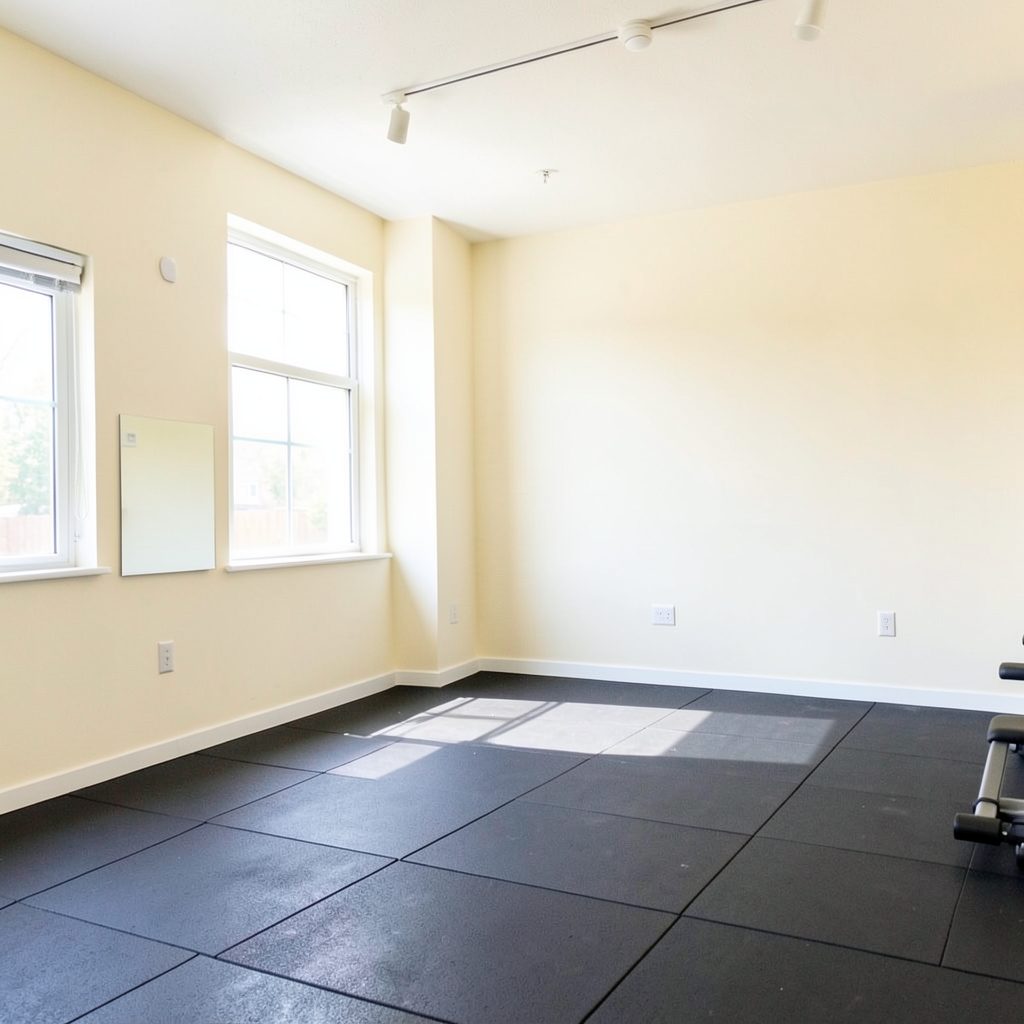
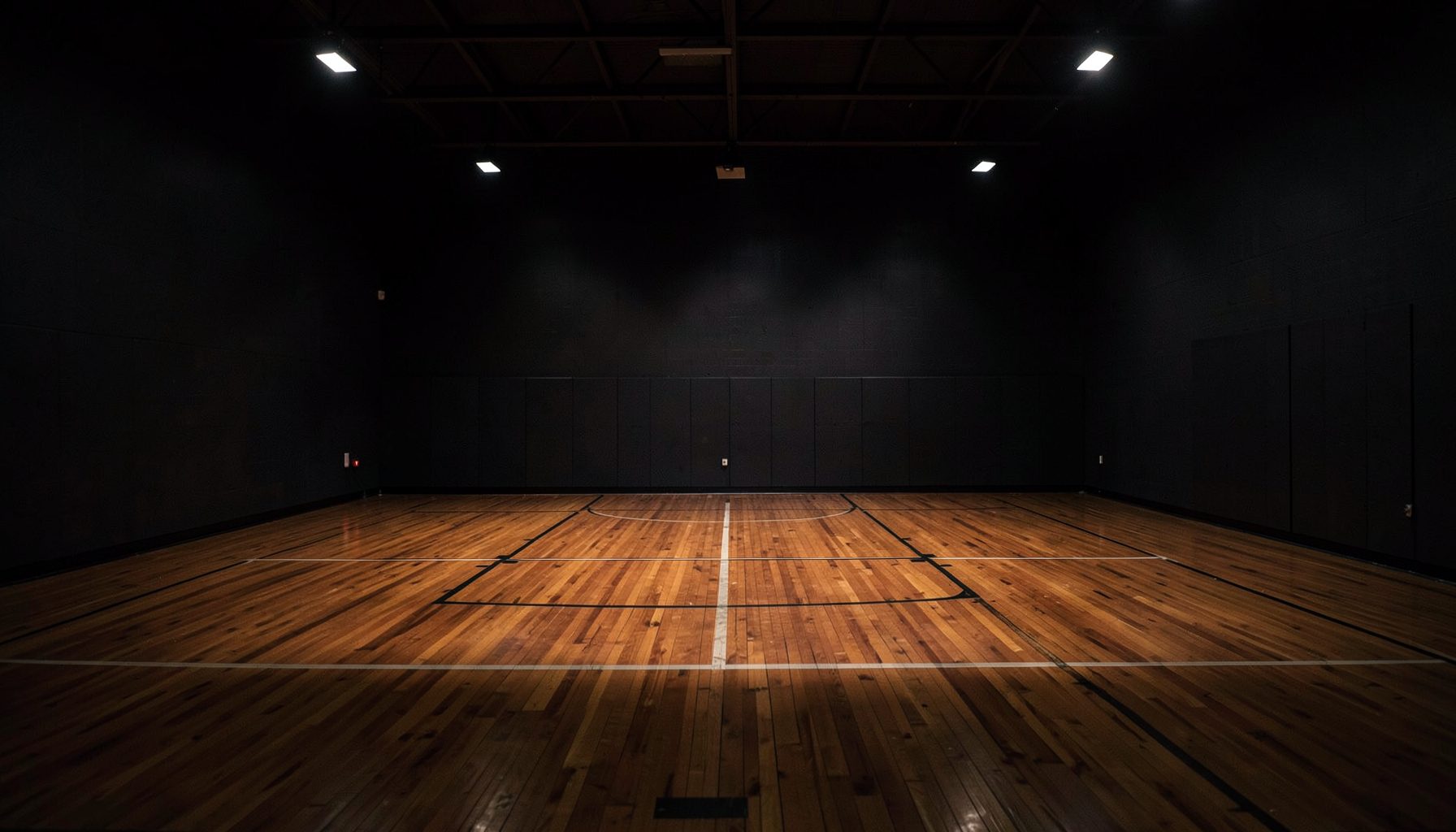
A multi-purpose athletic facility in Speedway, Indiana — basketball leagues, skill training, and wellness services all under one roof.
The Factory D1 Indy brings together three entities under one roof: competitive basketball leagues for all age groups, individual and group training, and wellness & recovery services including Normatec boot recovery and cryotherapy. Located off I-465 and High School Road at 6331 Crawfordsville Road, Speedway, Indiana 46224.
Get In TouchRecover Stronger After a Long Season With Normatec And Yoga
A long basketball season can leave more than tired legs. Repeated jumping, sprinting, contact, travel and late-night games may affect sleep, joint comfort, mobility and motivation. When the final whistle sounds, the body often needs a planned downshift rather than another hard session.
Normatec compression therapy and restorative yoga offer two gentle ways to support that transition. Compression can provide rhythmic pressure through the limbs, while supported yoga positions encourage relaxed breathing, easy range of motion and a calmer nervous system.
For athletes in Australia, the approach needs to fit real life: hot weather in Brisbane, winter training in Melbourne, long travel between regional centres and busy school or work schedules. Recovery works best when it is simple, consistent and adjusted to the individual rather than treated as a reward for finishing the season.
Why The Post-Season Phase Matters
A season creates accumulated fatigue through repeated loading. Basketball athletes may notice stiff calves, heavy quadriceps, tight hips, sore feet or a general lack of freshness. These sensations do not always indicate injury, but they are useful signals that training volume and intensity should temporarily fall.
The first stage is restoration, not fitness testing. Replace intense conditioning with walking, easy mobility and quality sleep. A short stroll after work, a relaxed swim or light cycling can help maintain circulation without adding significant muscle damage. In Australia, where outdoor activity is a daily habit for many people, an early-morning walk can be more comfortable than exercising during the afternoon heat.
Recovery also includes food and hydration. Regular meals containing protein, carbohydrate, colourful vegetables and adequate fluids support tissue repair and replenish energy stores. Athletes travelling from Sydney to Melbourne or commuting from outer suburbs should prepare snacks and water rather than relying on irregular service-station meals.
How Normatec Compression Supports Recovery
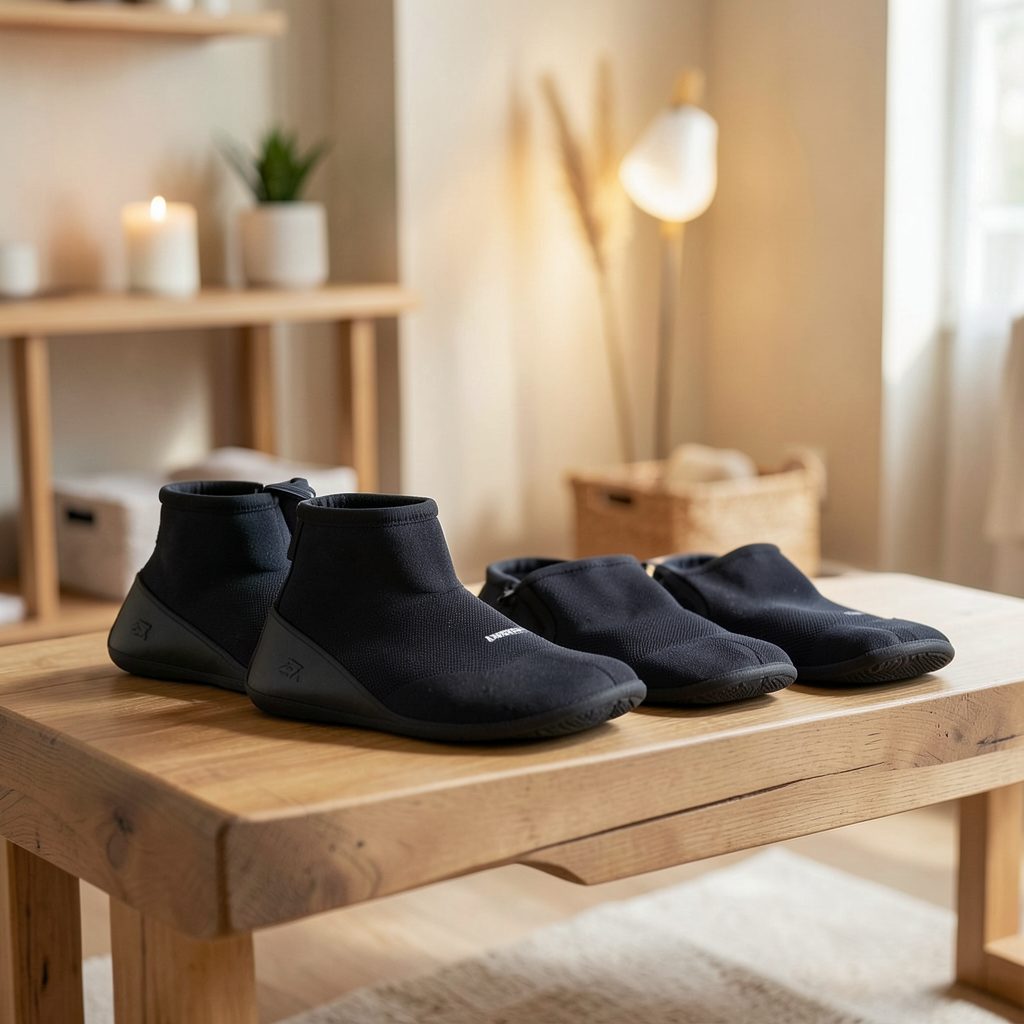
Normatec systems use inflatable sections that wrap around areas such as the legs. The chambers inflate and release in sequence, creating a moving compression sensation. Many athletes find this comfortable after competition because it provides a passive recovery period while they sit, breathe slowly and allow the body to settle.
Compression is best viewed as an addition to a broader recovery routine, not a replacement for sleep, rehabilitation or medical assessment. A typical session may be scheduled after a demanding block or on a lighter day, following the manufacturer’s instructions and the guidance of a qualified practitioner. Pressure should feel firm but comfortable, never painful, numb or excessively hot.
People with suspected blood clots, significant vascular disease, uncontrolled heart failure, open wounds or other medical concerns should obtain professional advice before using compression equipment. Australian athletes can also check that a provider follows appropriate hygiene procedures and supplies clear device information. If swelling is sudden, one-sided or associated with pain, shortness of breath or chest discomfort, seek urgent medical care rather than attempting self-treatment.
Restorative Yoga For Tired Athletes
Restorative yoga uses props and supported positions held for several minutes. Unlike a vigorous flow class, it does not aim to build fatigue or force flexibility. The focus is relaxed breathing, low muscular effort and comfortable movement through areas that may feel restricted after months of training.
A practical sequence might include constructive rest with the feet on the floor, a supported child’s pose, a gentle reclined twist and legs elevated on a bolster or couch. Each position should allow smooth breathing and a sense of ease. Athletes with acute pain should avoid stretching directly into the painful area and should work with a physiotherapist or experienced teacher when needed.
The mental side matters too. A season can keep athletes in a constant state of anticipation, particularly when selection, finals and performance reviews are involved. Ten to twenty minutes of quiet restorative practice can create a clear boundary between competition mode and recovery mode. It pairs well with a warm shower, reduced screen use and a consistent bedtime.
Combining Compression And Gentle Movement
Normatec and restorative yoga work best at different points in the same routine. Begin with five to ten minutes of easy walking or joint circles, then complete a short supported yoga session. Compression can follow when the athlete is comfortable and ready to rest. Another option is to use compression first, then perform gentle mobility once the legs feel less heavy.
A simple weekly reset could include two or three compression sessions, three short restorative yoga sessions and daily low-intensity movement. Keep at least one day largely free from structured exercise. Athletes who want ideas for balancing strength, conditioning and recovery can review approaches from Hybrid Gym Group while adapting the workload to their sport and current fatigue.
The timing should match the person, not a rigid calendar. A junior athlete may need more sleep and less equipment, while an adult balancing basketball with construction work, healthcare shifts or parenting may benefit from brief sessions that can be completed at home. Track sleep quality, soreness, mood and energy for a week before deciding whether the plan is helping.
Making Recovery Work In Australia
Australian conditions can change how recovery feels. Summer heat in Perth, Adelaide and Brisbane increases fluid needs, while cold winter mornings in Melbourne or Canberra can make muscles feel stiff before training. Schedule walks and mobility during cooler parts of the day, and avoid treating heavy sweating as proof of an effective recovery session.
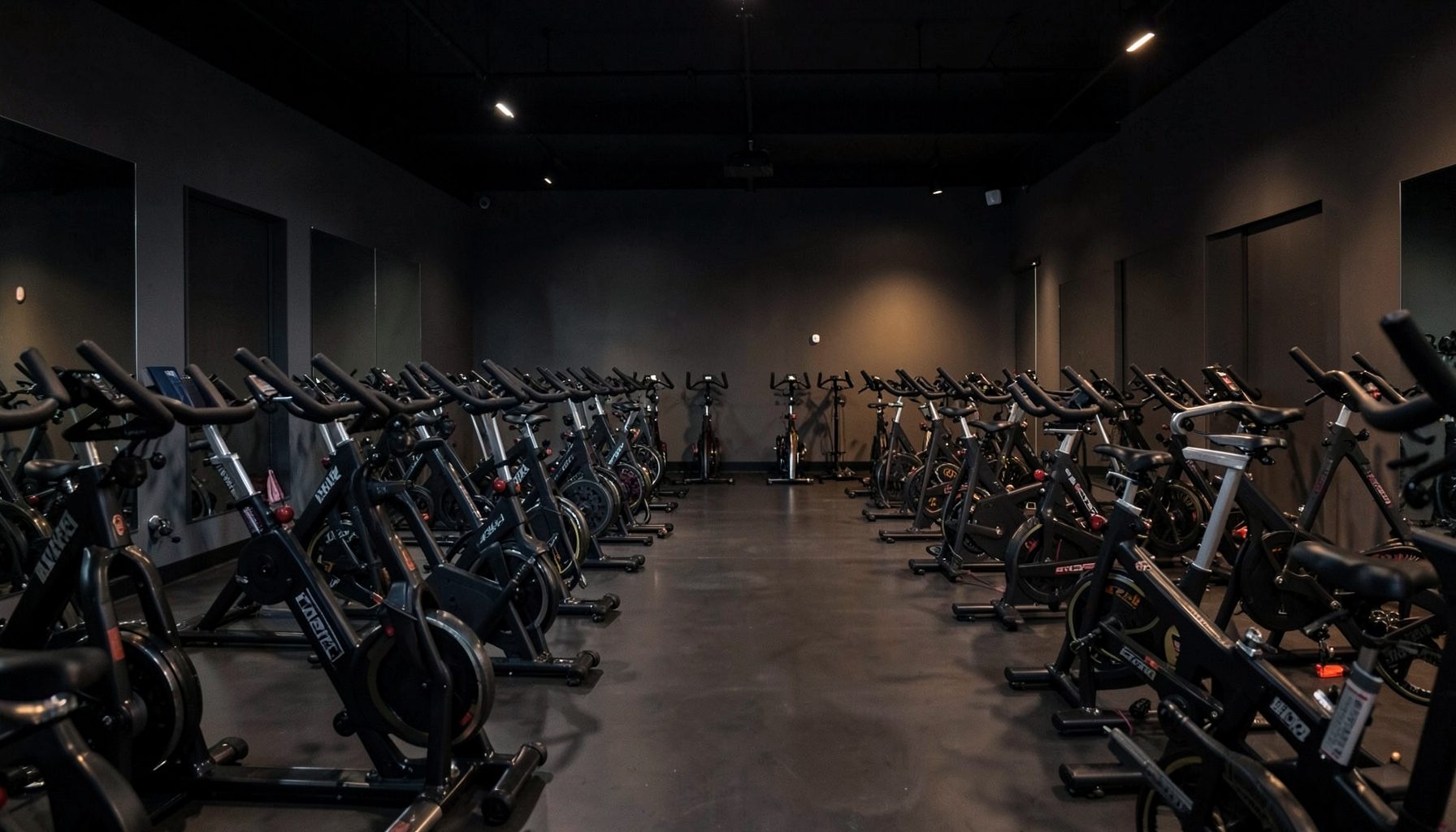
The local fitness market offers many choices, from boutique studios to large health clubs and community recreation centres. Indoor cycling can provide low-impact movement during poor weather or smoky conditions, and athletes visiting The Factory D1 Indy can explore its cycle and spin sessions as a conditioning option that is separate from court work. Keep the resistance moderate during the post-season so the session supports circulation rather than becoming another hard workout.
Australian consumer protections also matter when purchasing recovery services or equipment. Under the Australian Consumer Law, products and services must meet consumer guarantees, including acceptable quality and reasonable care and skill. Ask providers about qualifications, cleaning practices, contraindications, cancellation terms and what is included in the session price. If an athlete receives care through a private health fund, confirm eligibility directly because rebates vary by policy and provider.
Choosing The Right Recovery Tool
The most useful option depends on the problem being addressed. Compression may suit an athlete who enjoys passive leg recovery after travel or a demanding tournament. Restorative yoga may be more valuable for someone who feels generally tense, sleeps poorly or needs to regain comfortable movement. Neither should be used to mask an injury that is worsening.
Use the comparison below as a starting point, then adjust the plan with a coach, physiotherapist or medical professional when symptoms persist.
| Recovery approach | Best suited to | Main benefit | Key limitation |
|---|---|---|---|
| Normatec compression | Heavy or tired legs after games and travel | Rhythmic, passive compression while resting | Not appropriate for everyone with circulatory or medical conditions |
| Restorative yoga | General stiffness, stress and poor relaxation | Gentle mobility and down-regulation | Positions must be modified around pain or acute injury |
| Easy walking | Most athletes during a deload week | Light movement with minimal equipment | May be insufficient after significant injury |
| Sleep and nutrition | Every athlete in the post-season | Supports whole-body repair and energy restoration | Requires consistent habits rather than a single session |
| Clinical assessment | Persistent, sharp or one-sided symptoms | Identifies injury and guides treatment | Needs time and access to a qualified professional |
The goal is to finish the season feeling progressively better, not to chase an immediate sensation of looseness. Start with manageable sessions, avoid painful pressure or stretching, and reassess after several days. A well-paced recovery block can leave athletes ready for the next training phase with better awareness of fatigue and fewer unnecessary interruptions.
Book a recovery session at The Factory D1 Indy, build a gentle post-season routine and give your body the time it needs to reset before intense training begins again.
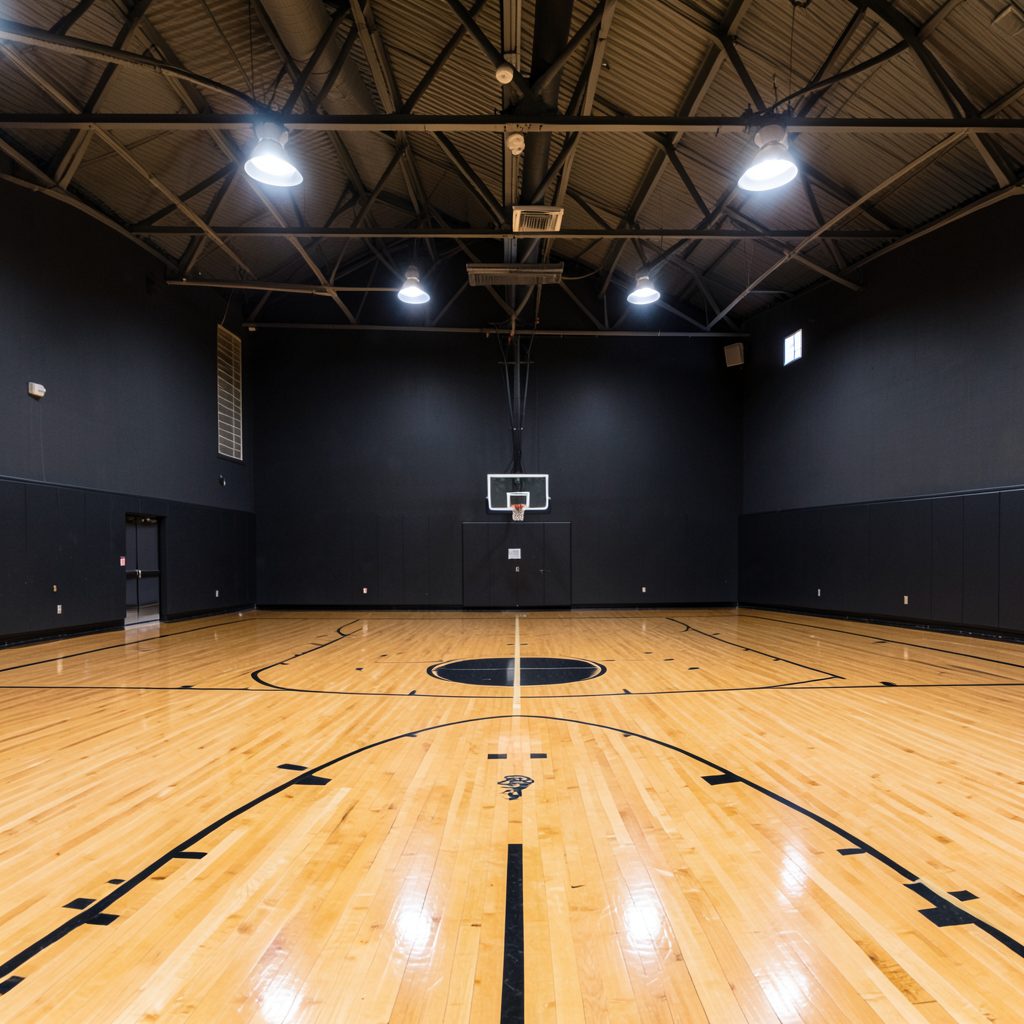
Inside The Factory

Three Entities, One Roof
Leagues
Eight league divisions span every age group: Indy Pro AM, 18+ Open Men's, 30+ Men's, Bite Size (ages 3–6), Impact League, 5th/6th Grade, Middle School, and High School. Gather your team and compete.
Training
Individual and group basketball training for all skill levels. Major M.O.V.E.S. Basketball Training serves ages 4–7 on Wednesday and Thursday evenings at 6:30 PM — $30 per session or $100 unlimited monthly.
Wellness & Recovery
Normatec boot recovery and cryotherapy treatments help athletes bounce back faster. Cycle and spin classes add a cardio dimension to the holistic performance approach.
Have a Question?