Train. Compete. Recover.
A multi-purpose athletic facility in Speedway, Indiana — basketball leagues, skill training, and wellness services all under one roof.
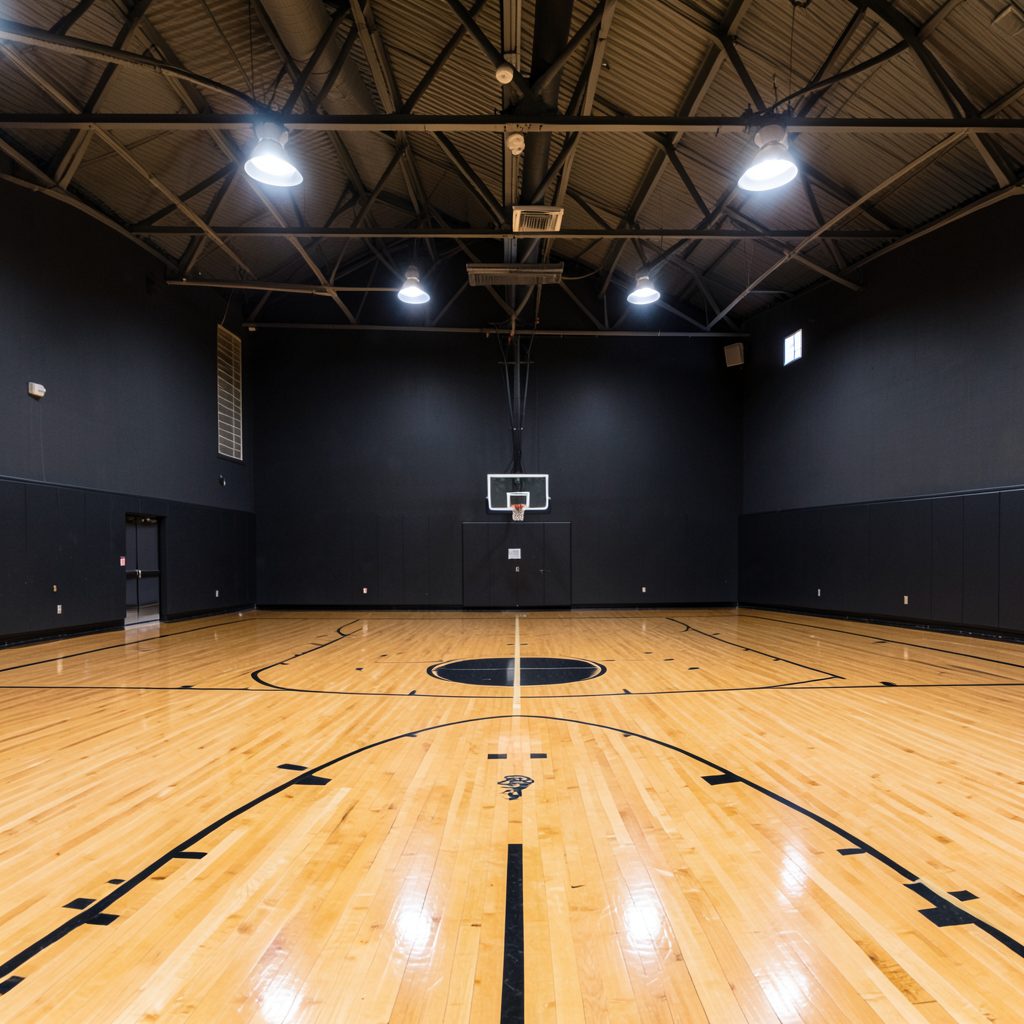
The Factory D1 Indy brings together three entities under one roof: competitive basketball leagues for all age groups, individual and group training, and wellness & recovery services including Normatec boot recovery and cryotherapy. Located off I-465 and High School Road at 6331 Crawfordsville Road, Speedway, Indiana 46224.
Get In TouchBuild stronger ankles for steadier basketball
Questions about how to strengthen ankles for better stability on the basketball court usually focus on exercises, but effective preparation combines foot strength, calf capacity, balance and repeated landing practice. Stability is not the same as being immobile; a court-ready ankle can react to a cut, absorb contact and return the body to a useful position. That quality supports quicker decisions from the first dribble to the final buzzer.
Australian players meet those demands on outdoor courts and polished indoor floors, often across different clubs and seasons. The same performance principle sits behind the basketball training, competitive leagues and recovery services at Factory D1 Indy in Speedway, Indiana. The goal is practical: build the body for the court you play on, then test those gains in realistic, high-pressure movement.
Why ankle strength is more than calf raises
The ankle works with the foot, shin, knee and hip rather than as an isolated joint. Tiny muscles in the foot help create a stable base, while the calf and shin muscles control heel rise, braking and forward movement. Strong hips and a stable trunk then help the whole body rotate and change direction without losing control.
Basketball adds jumping, repeated single-leg loading and sharp braking. If those tasks feel unusually wobbly, tired or painful, simply adding weight may not be the right first step. Spend time checking movement quality, footwear, recent workload and any history of ankle sprains before progressing intensity.
A useful starting point is to compare three demands: can you balance, produce calf force and absorb a small landing with control? Record each on separate days rather than testing everything until fatigue creates a false result. Persistent pain, swelling or loss of function warrants assessment by a qualified health professional.
Build a stable base from the ground up
Start with the foot tripod—the heel, base of the big toe and base of the little toe. Short-foot drills, towel pickups and controlled toe walks teach the foot to resist collapsing inward. Perform two or three sets of six to ten repetitions per side, keeping pressure even and movements slow enough to maintain alignment.
Calf capacity is equally important. Add straight-knee and bent-knee heel raises, then progress to split-stance calf raises or light calf presses. Two sets of eight to twelve repetitions can fit twice weekly, with one to three reps in reserve. Keep the heels level, move through a comfortable range and stop if the lower leg loses control.
Shoes and surfaces also matter. Around Australian hubs such as Melbourne’s Parkville, Sydney’s Parramatta and Brisbane’s Chandler, players may move between outdoor asphalt and indoor hardwood. Fit, traction and a stable base matter more than a famous label. ASICS, Nike and Adidas basketball shoes are widely available through Australian sports stores and online retailers priced in Australian dollars. Newcomers heading into their first league can also check first-game essentials for practical preparation beyond ankle work.
Progress from control to court reaction
Once basic foot and calf strength feels dependable, challenge balance with toe taps, single-leg holds and small head turns while the eyes stay forward. Progress toward reaching, star-shaped reaches or reactive reaches to an unpredictable target. These drills train position sense, not just the ability to hold a pose for a set number of seconds.
Then put a ball into the exercise. Perform one-handed dribbles, pass-and-cut patterns or closeout drills while balancing on one foot. Australian players often say they want to “get their footwork right”; this is exactly the skill behind those phrases, even when the drill looks simple. Keep each repetition crisp and reset before fatigue turns a controlled landing into a scramble.
Coaching can reveal faults that a mirror misses, especially knee position, heel alignment and asymmetry between sides. For players comparing coaching formats, hybrid gym training can provide a useful model for combining resistance work with movement practice. Whether coached or self-directed, change only one variable at a time and record how the ankle responds.
Match the drill to the basketball court
A short pre-session routine should raise foot and ankle capacity without exhausting the legs. Try ankle circles, banded eversion and inversion, calf raises, low pogo hops and a few purposeful jumps. Five to ten minutes is enough for many players; the key is that each drill prepares the foot for acceleration, cutting and landing.
Put strength into game shapes. Use closeouts to work on braking, mini-hops to rehearse rebounding, and cone cuts that progress from planned to reactive. Track how many quality contacts or minutes you can manage rather than chasing soreness. Youth leagues can use smaller courts and lower hops, while adult competitions often require longer periods of repeated change of direction.
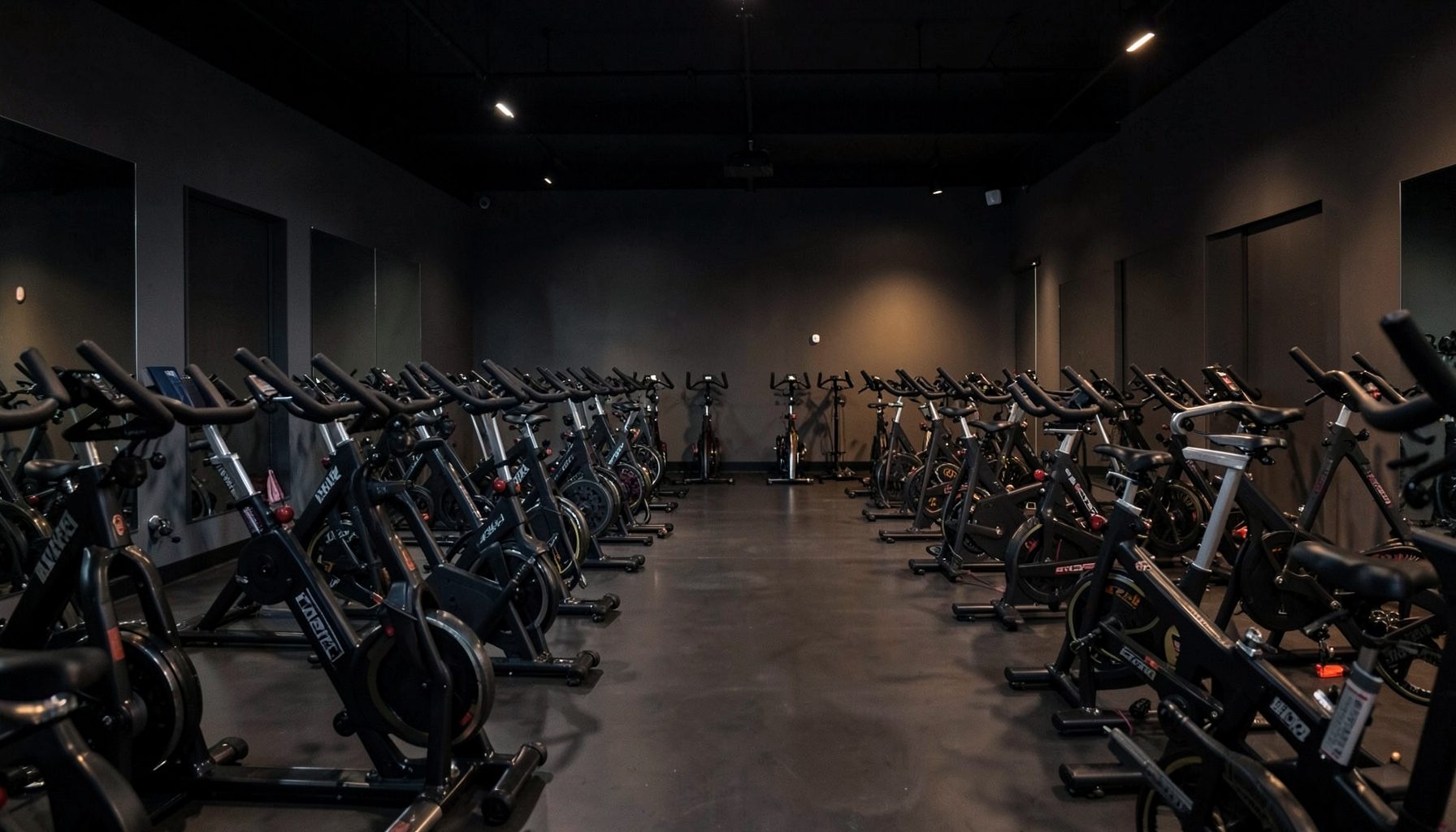
The Australian season also shapes the work. Basketball leagues commonly run through the cooler autumn and winter months, while Melbourne, Perth and Adelaide can begin outdoor training in intense summer heat. Air-conditioned indoor stadiums solve some of that problem, but outdoor sessions still need shade, hydration and adjusted volume. At Factory D1 Indy, spin and cycle classes offer low-impact conditioning that can protect court time while maintaining fitness.
Protect your ankles between sessions
Recovery is part of the programme, not a reward for finishing it. Keep a steady sleep routine, eat enough to support training, and record soreness, stiffness and performance after each session. A simple weekly progression of two demanding strength sessions, two brief plyometric exposures and lighter basketball skills work often fits better than changing every variable at once.
Recovery tools can support comfort, but they do not replace load management or skilled rehab. Factory D1 Indy offers Normatec compression and cryotherapy alongside its training and league services, giving players options within the same facility. Treat either modality as an adjunct, and seek a diagnosis when pain, recurrent sprains or prolonged instability are involved.
In Australia, physiotherapy, podiatry and exercise physiology are often accessed through a mix of GP referrals, private health extras and direct bookings, depending on the provider and policy. Check current cover and clinical pathways before arranging treatment. A professional can also help translate a court weakness into calf strength, balance and landing drills suited to your history and schedule.
Choose a progression and take it to court
A useful plan begins with control, then adds load, speed and uncertainty. The methods overlap, but each answers a different question, so select the emphasis that matches the athlete’s current bottleneck rather than doing every option at maximum intensity.
| Training focus | What it develops | Basketball transfer | Best placement |
|---|---|---|---|
| Foot and calf strength | Force and structural control | Better push-off, braking and jump support | Two strength sessions each week |
| Balance and proprioception | Position sense under distraction | Faster reactions to cuts and defenders | Before reactive court work |
| Landing and plyometrics | Elastic force and controlled impact | Rebounding, stopping and first-step explosiveness | After base strength is stable |
| Basketball movement integration | Skills under realistic pressure | Decision-making while cutting, passing and finishing | Every skills or competition session |
For an eight-week starting block, use the first two weeks for movement quality, weeks three and four for heavier strength and balance, and weeks five to eight for reactive drills and carefully dosed hops. Keep a lighter skill session between hard lower-body days. If soreness rises sharply or technique breaks down, step back rather than pushing through a warning sign.
When the basics feel strong, keep them in competition. Factory D1 Indy runs basketball programs and leagues from early-childhood divisions through adult play, so there is a pathway from fundamentals to team competition. Check the schedule and reserve a place through league registration, then arrive ready to move, land and compete with purpose.
Inside The Factory
Three Entities, One Roof
Leagues
Eight league divisions span every age group: Indy Pro AM, 18+ Open Men's, 30+ Men's, Bite Size (ages 3–6), Impact League, 5th/6th Grade, Middle School, and High School. Gather your team and compete.
Training
Individual and group basketball training for all skill levels. Major M.O.V.E.S. Basketball Training serves ages 4–7 on Wednesday and Thursday evenings at 6:30 PM — $30 per session or $100 unlimited monthly.
Wellness & Recovery
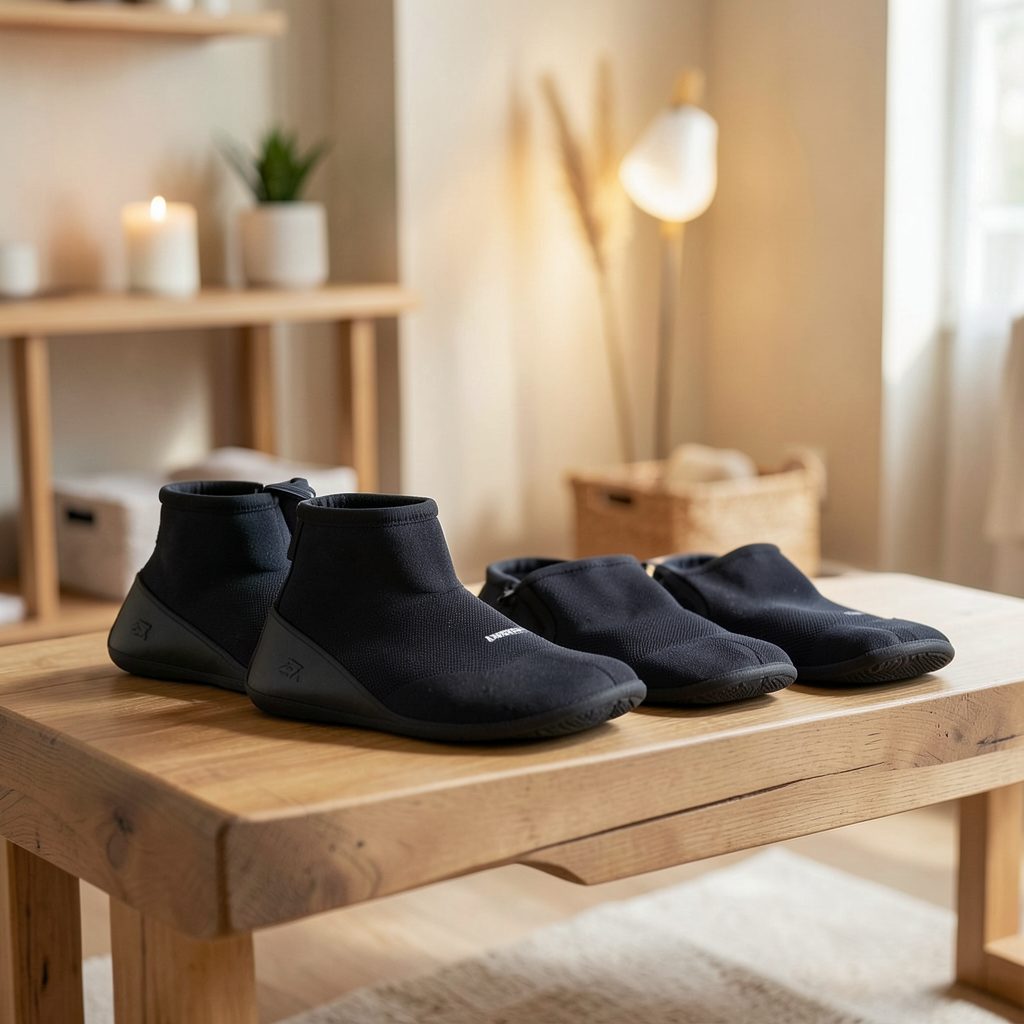
Normatec boot recovery and cryotherapy treatments help athletes bounce back faster. Cycle and spin classes add a cardio dimension to the holistic performance approach.
Have a Question?