Train. Compete. Recover.
A multi-purpose athletic facility in Speedway, Indiana — basketball leagues, skill training, and wellness services all under one roof.
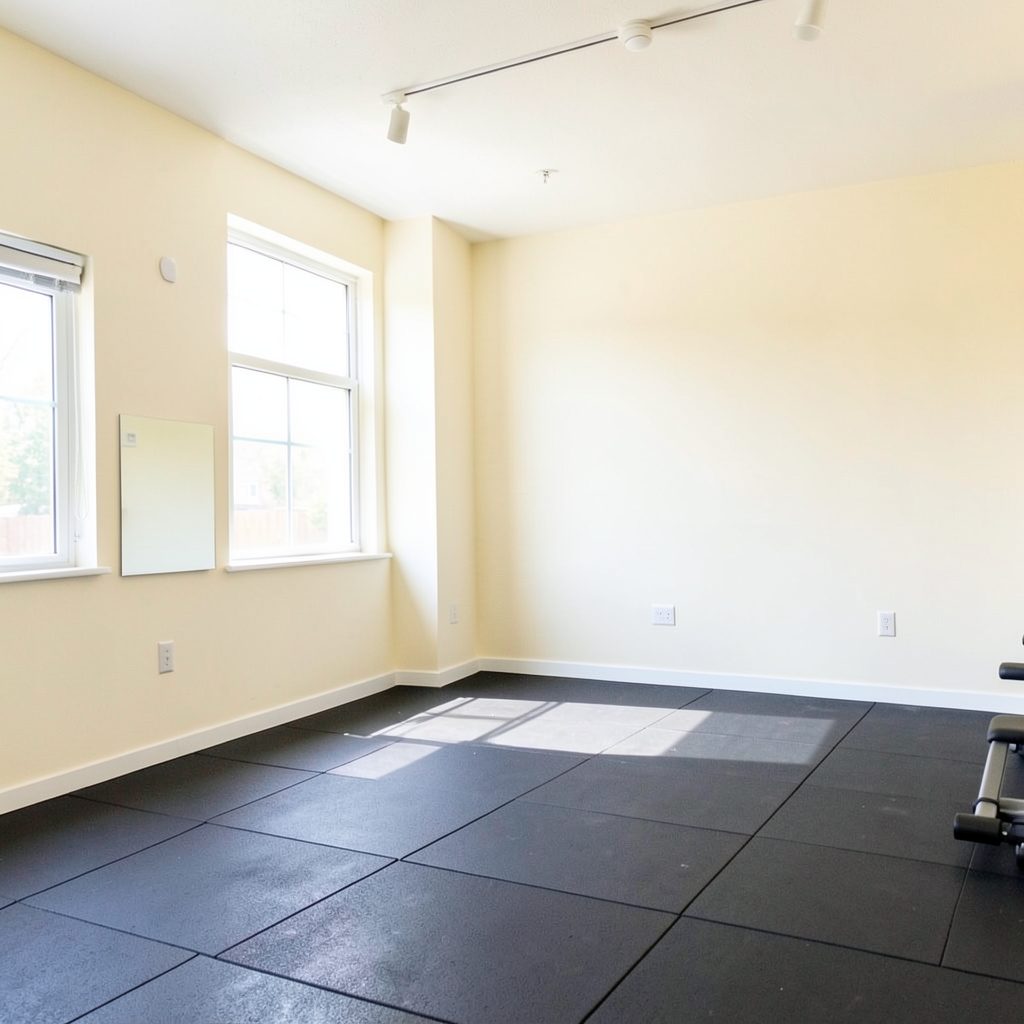
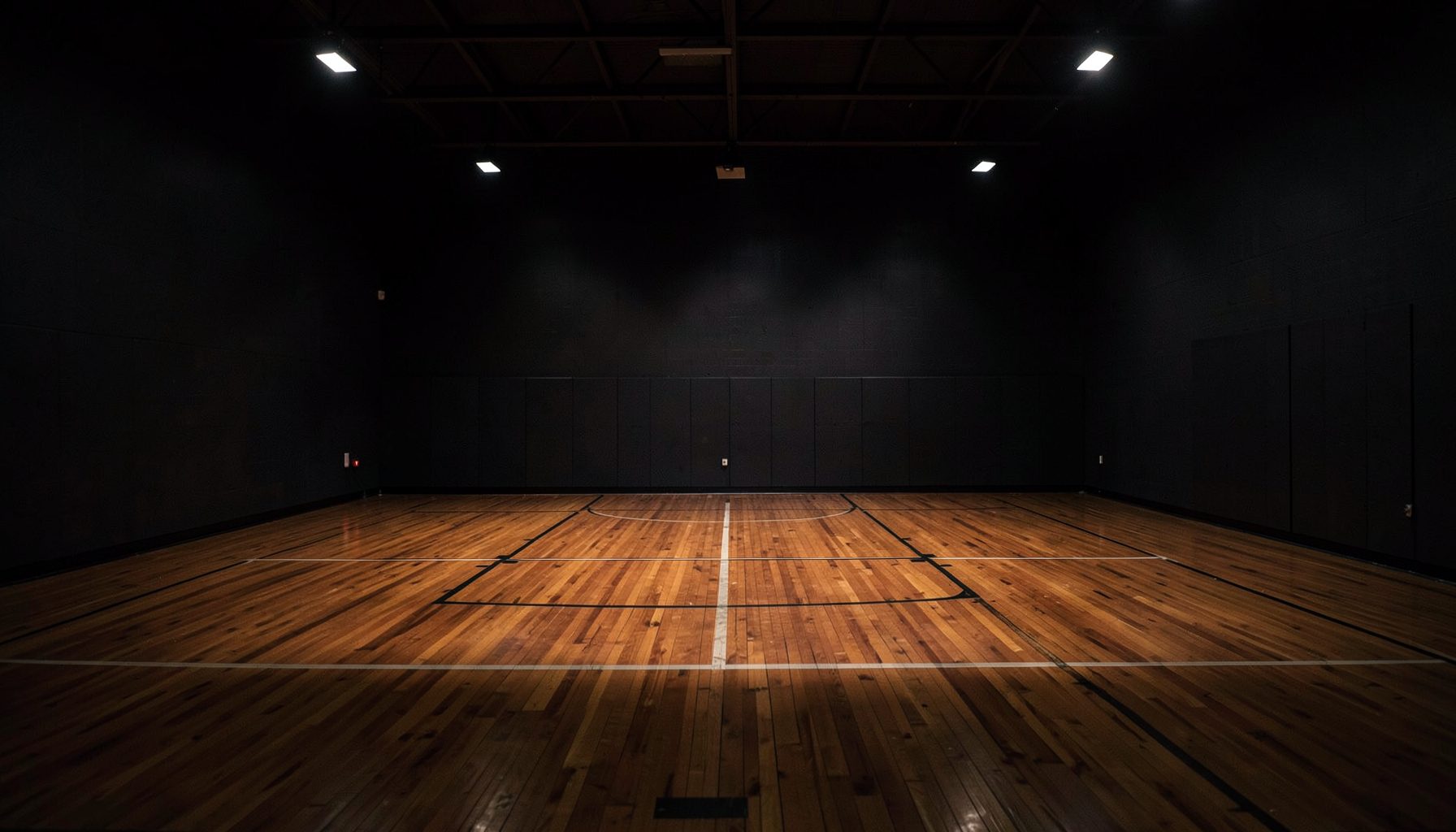
The Factory D1 Indy brings together three entities under one roof: competitive basketball leagues for all age groups, individual and group training, and wellness & recovery services including Normatec boot recovery and cryotherapy. Located off I-465 and High School Road at 6331 Crawfordsville Road, Speedway, Indiana 46224.
Get In TouchHow to support a teen athlete who wants to quit basketball mid-season
When a teenager says they want to leave basketball halfway through the season, the first response can shape what happens next. Parents may hear disappointment, wasted fees or a commitment problem, while the athlete may be describing exhaustion, anxiety, conflict, boredom or a loss of confidence.
The goal is not to force a player to stay at all costs. It is to understand what has changed, protect their wellbeing and help them make a thoughtful decision. A calm conversation can reveal whether they need a short break, a different role, support from a coach or a genuine exit from the sport.
Basketball can be a major part of life for Australian teenagers, from school competitions in Melbourne and Sydney to weekend associations in Brisbane, Perth and regional communities. The right support respects the athlete’s health, family circumstances, friendships and developing sense of independence.
Listen before trying to solve the problem
Choose a relaxed moment away from the car ride to training or the immediate aftermath of a difficult game. Start with an observation rather than an accusation: “I’ve noticed basketball has felt hard lately.” Give the teenager time to explain without interrupting, correcting details or immediately defending the coach.
Their first explanation may be incomplete. “I hate basketball” can mean “I feel embarrassed when I make mistakes,” “I am exhausted from school,” or “I do not feel safe around a teammate.” Listen for changes in sleep, mood, appetite, motivation, friendships and school performance, as these can indicate a broader issue than sport.
Find out what is driving the urge to quit
Ask gentle, specific questions during the conversation, such as when the problem began, what part of training feels worst and what would make the season more manageable. The cause may be physical fatigue, a recurring injury, selection disappointment, reduced court time or pressure to perform for adults.
Some young athletes struggle with the travel and scheduling demands of competition. A teenager in regional New South Wales may spend hours travelling to fixtures, while a student in inner-city Melbourne may be balancing public transport, schoolwork and several activities. Rising registration fees, uniforms and petrol costs can add pressure for families across Australia.
Bullying, exclusion or harsh coaching should be treated seriously. A player who suddenly dreads training may be responding to criticism, social conflict or fear of being singled out. If there are signs of depression, panic, self-harm, disordered eating or persistent distress, involve a GP, school counsellor or qualified mental health professional promptly.
Separate a difficult phase from a firm decision
A mid-season slump does not always mean an athlete wants to abandon the sport permanently. Young people can become overwhelmed after exams, illness, family changes or a run of poor performances. A short, agreed pause may allow them to recover without making a permanent decision during an emotional low point.
Set a review point rather than demanding an immediate answer. The athlete might attend training at a reduced intensity, sit out one match, complete modified conditioning or take a week away with the coach’s support. This creates room to assess whether rest improves their mood and enthusiasm.
A clear time frame keeps the arrangement practical. Agree on what will be monitored, such as energy levels, pain, enjoyment and willingness to attend. The purpose is not to trap the player into returning; it is to replace an impulsive decision with a fair assessment.
Speak with the coach without taking over
Once the teenager agrees, arrange a private conversation with the coach. Let the athlete decide how much they want shared. A useful discussion can cover workload, playing position, communication style, injury management, expectations and options for rejoining the group.
Coaches may be able to adjust drills, reduce contact, provide a different role or pair the player with a supportive teammate. A teenager who feels invisible on the bench might benefit from a clear development goal, while someone carrying an injury may need referral to a physiotherapist and a gradual return plan.
Avoid turning the conversation into a complaint about selection or demanding guaranteed court time. The aim is to build a safe and realistic pathway. In community clubs, where coaches are often volunteers, respectful communication usually achieves more than an angry message sent after a loss.
Reduce pressure around performance
Parents can unintentionally make sport feel like another subject at school. Replaying every turnover, comparing a teenager with a sibling or discussing statistics before they have changed out of uniform can increase anxiety. Keep post-game conversations brief and focus first on how the athlete is feeling.
Praise controllable behaviours: arriving prepared, communicating, defending with effort, encouraging teammates and responding well to mistakes. These measures help rebuild confidence when scoring drops. A player’s identity also needs space beyond basketball, including friendships, creative interests, study and rest.
For athletes in Australia’s strong school and club systems, selection can feel especially important during representative trials or pathways linked with state leagues. Remind the teenager that one season, team or coach does not determine future opportunities. Skills can be developed later, and changing direction is not a personal failure.
Offer alternatives that preserve enjoyment
Quitting one team does not have to mean giving up movement or community. The athlete might prefer social basketball, a lower division, three-on-three games, shooting sessions, strength and conditioning or a different club. Some enjoy individual skills training more than formal competition because it gives them control over pace and feedback.
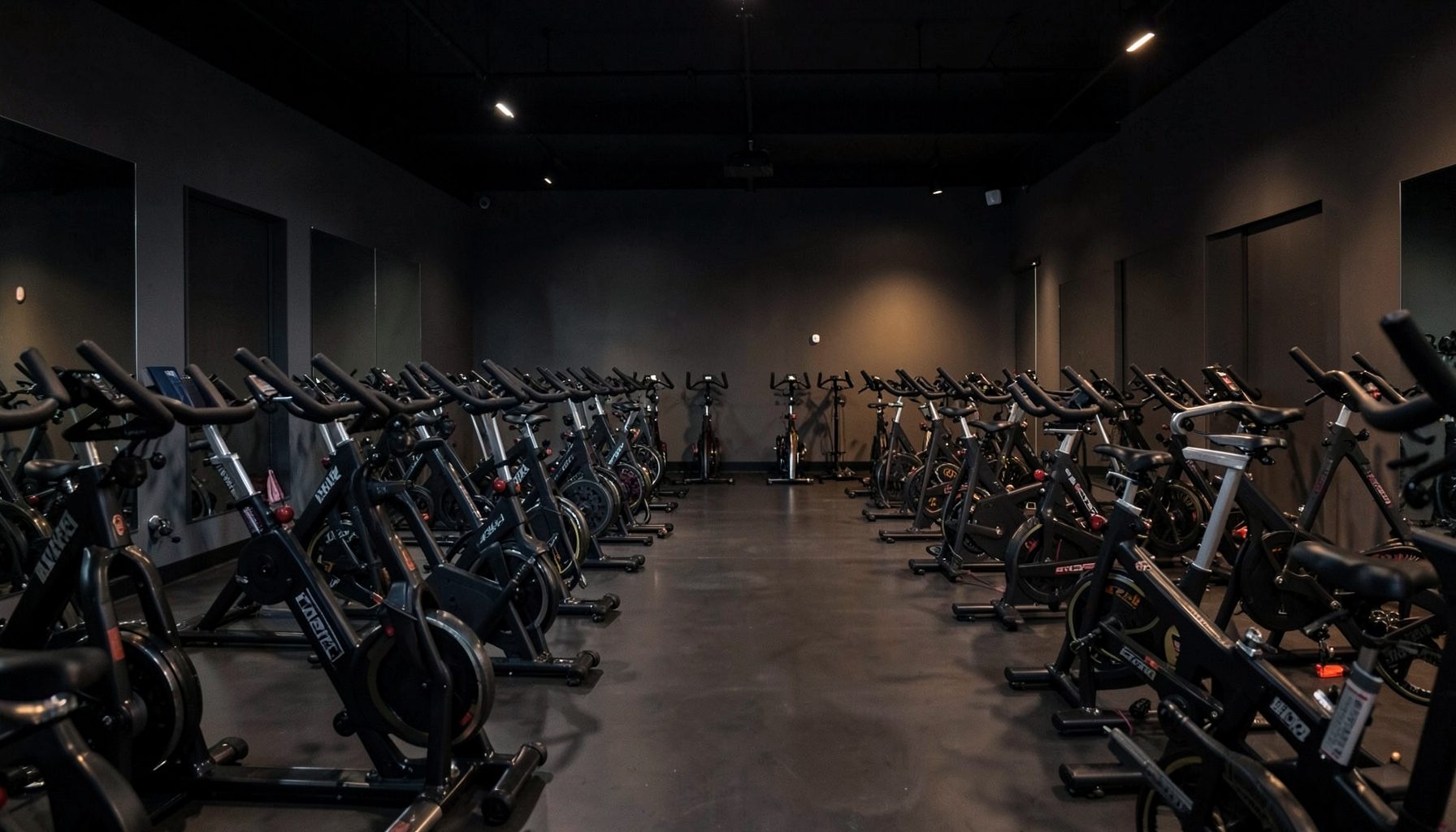
A multi-purpose facility can provide options when a young person needs to change the balance between competition and wellbeing. Basketball skills work, conditioning and recovery can be combined without requiring the same level of match commitment. For athletes who enjoy variety, a supervised cycle or spin class may provide fitness without the pressure of a scoreboard.
Recovery can also become part of a healthy routine. Services such as compression and cryotherapy may be useful additions for suitable athletes, alongside sleep, food, hydration and professional medical advice. These services should support a broader plan, rather than being used to push through pain or exhaustion.
Create a decision that respects their autonomy
After listening, checking health concerns and speaking with the coach, present realistic choices. They may continue under changed conditions, take a defined break, finish the season with reduced expectations or withdraw respectfully. Explain practical consequences, such as fees, transport and team commitments, without using guilt.
A teenager should participate in the decision wherever possible. Parents remain responsible for safety, finances and age-appropriate boundaries, but autonomy helps young people learn how to manage commitments. If they stay, agree on what support will look like. If they leave, help them communicate clearly and avoid insulting the club or coach.
A balanced wellbeing routine can make the next step easier. Gentle movement, mobility work and calming practices may help an overstimulated athlete reconnect with their body; an energy flow yoga session is one possible option when appropriate. The priority remains recovery, confidence and a sustainable relationship with exercise.
A teenager who wants to quit basketball mid-season may be asking for understanding rather than permission to give up. Listen carefully, investigate the cause, involve trusted adults and keep the options flexible. Whether they return to competition, move into recreational sport or take time away, thoughtful support can protect their health and help them make decisions with confidence.
Families and coaches can begin with one calm conversation, a practical check-in and a plan that puts wellbeing before results. Explore suitable training, recovery and community sport options through The Factory D1 Indy to help a young athlete find a healthier way forward.
Inside The Factory

Three Entities, One Roof
Leagues
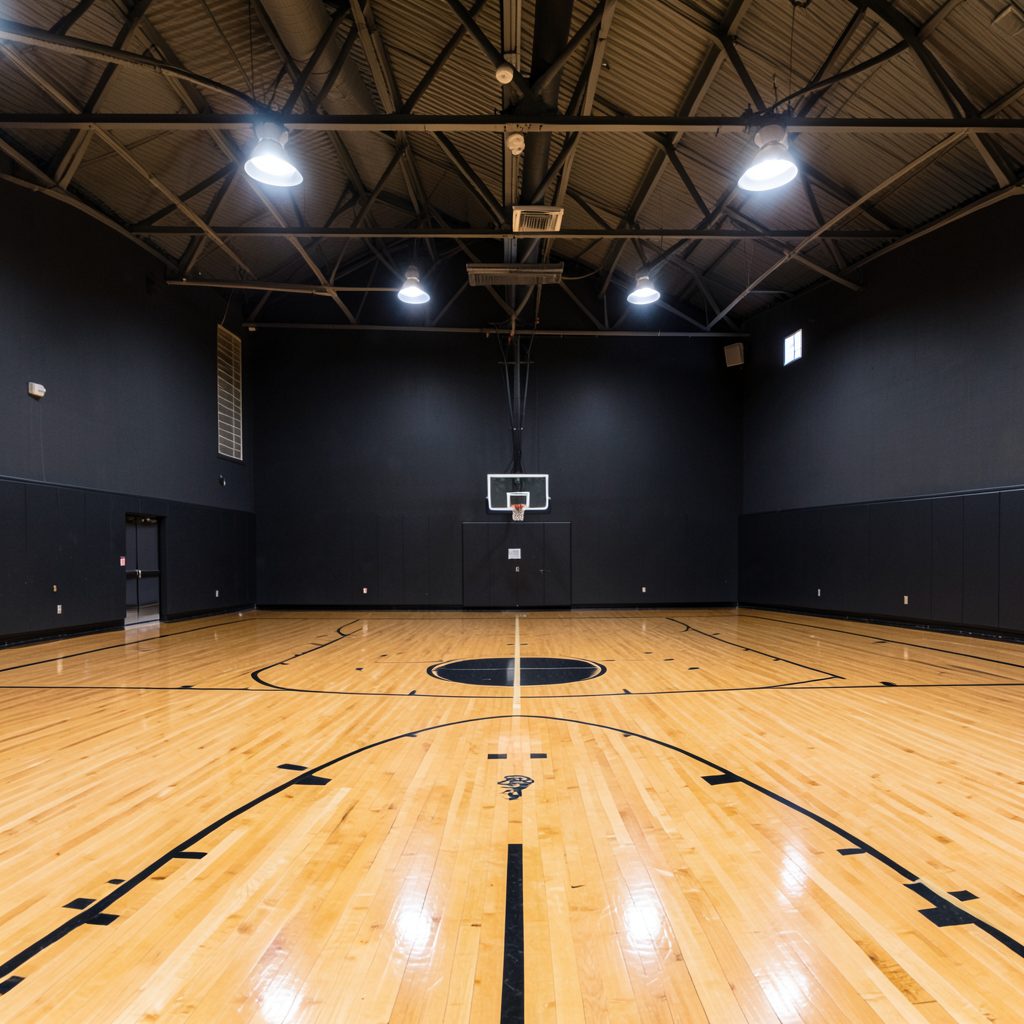
Eight league divisions span every age group: Indy Pro AM, 18+ Open Men's, 30+ Men's, Bite Size (ages 3–6), Impact League, 5th/6th Grade, Middle School, and High School. Gather your team and compete.
Training
Individual and group basketball training for all skill levels. Major M.O.V.E.S. Basketball Training serves ages 4–7 on Wednesday and Thursday evenings at 6:30 PM — $30 per session or $100 unlimited monthly.
Wellness & Recovery
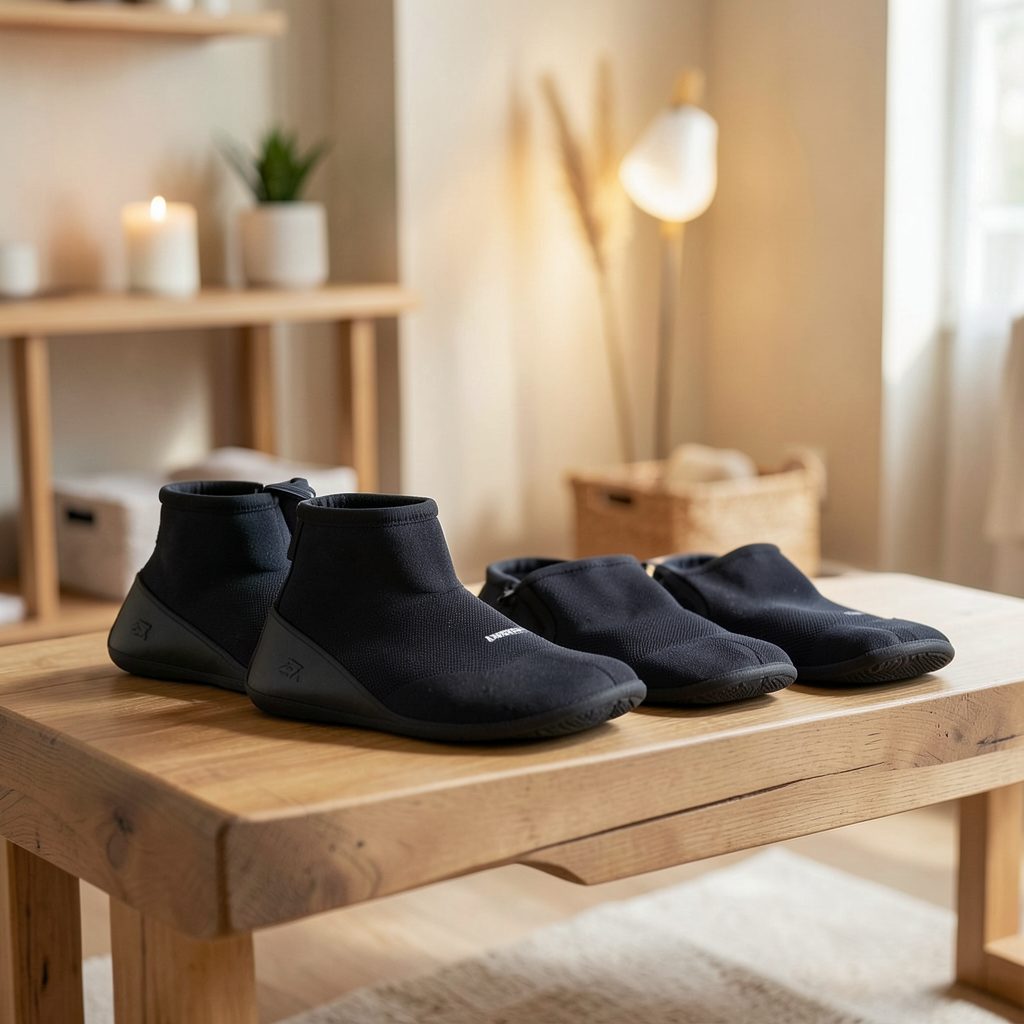
Normatec boot recovery and cryotherapy treatments help athletes bounce back faster. Cycle and spin classes add a cardio dimension to the holistic performance approach.
Have a Question?