Train. Compete. Recover.
A multi-purpose athletic facility in Speedway, Indiana — basketball leagues, skill training, and wellness services all under one roof.
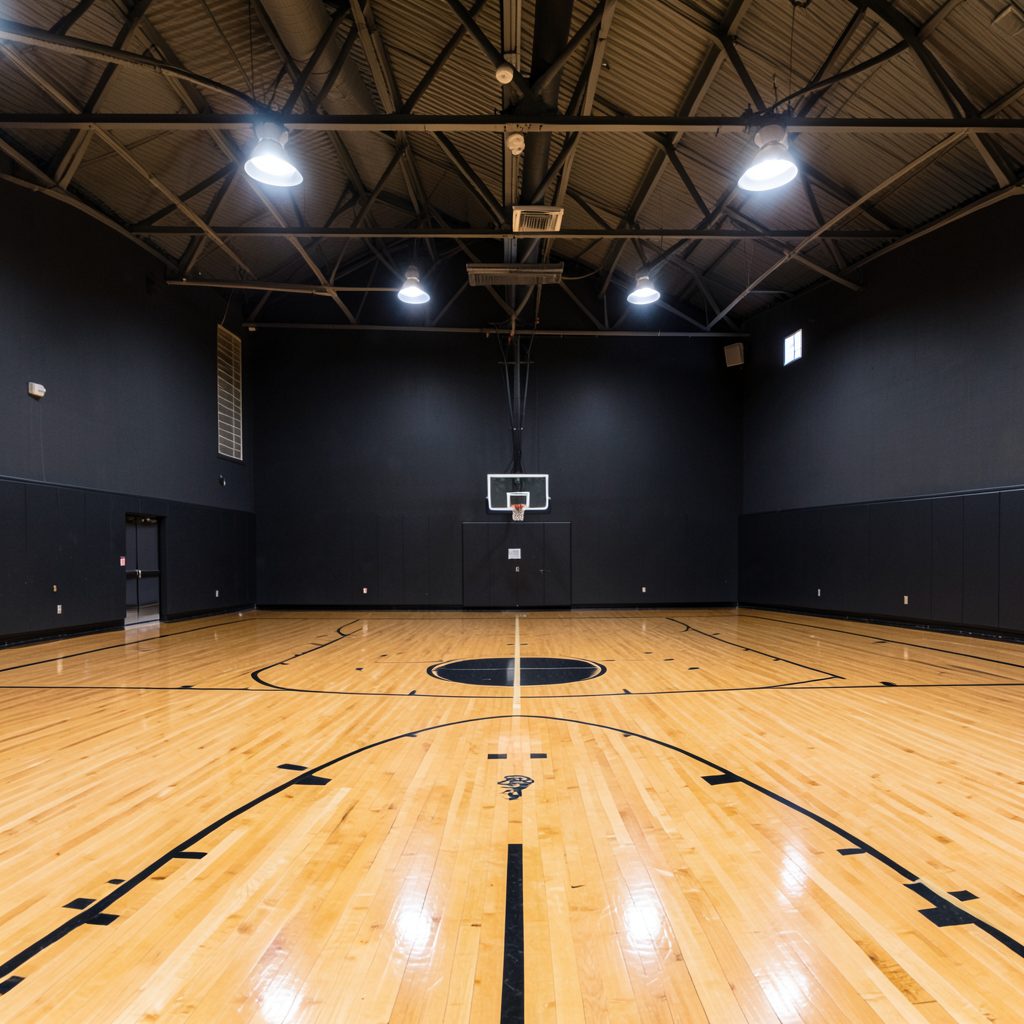
The Factory D1 Indy brings together three entities under one roof: competitive basketball leagues for all age groups, individual and group training, and wellness & recovery services including Normatec boot recovery and cryotherapy. Located off I-465 and High School Road at 6331 Crawfordsville Road, Speedway, Indiana 46224.
Get In TouchTeaching Children a Balanced Defensive Stance
Defending well starts before a child chases the ball. Knowing how to teach a child the basic stance for defensive slides gives young players a stable position from which they can move, react and keep their balance. The goal is not a rigid pose; it is a comfortable posture that lets them change direction while staying ready.
Coaching works best when the stance is broken into small actions: set the feet, soften the knees, lift the chest and watch the ball. Children learn through short demonstrations, plenty of movement and immediate praise. A simple home routine can reinforce what they practise at a local basketball centre or school.
Begin with balance, not speed
The basic position should resemble a spring that is ready to move, not a squat held for punishment. A child stands with the feet comfortably apart, knees soft and hips lowered a little. The upper body remains tall so they can see the ball and react without bending at the waist. This gives an on-ball defender the control needed to contain a ball handler.
Balance comes from spreading the body’s weight across the whole foot rather than leaning forwards or sitting on the heels. The toes and heels stay close to the floor, with most of the weight towards the balls of the feet. This supports quick lateral movement without making the child tiptoe.
Ask the child to hold the position for five seconds, relax and repeat. Check that they can stand on either foot without wobbling before adding movement. Young players often need a narrower stance at first, and a comfortable range is more useful than an exaggerated one.
Set the feet and body position
Start by placing the feet slightly wider than the shoulders, then turn the toes a few degrees outwards. The knees bend and track in the same direction as the toes, while the hips move back slightly. Keep the chest up and the head in line with the spine so the child can watch the ball.
A simple cue is “soft knees, tall chest, ready hands”. The arms remain bent and relaxed in front of the body rather than hanging at the sides. This makes it easier to reach for a pass or step towards a ball handler once the child has moved into position.
The stance should face the offensive player, but it need not be perfectly square. A slight turn towards the ball helps a child react to a drive or pass. If the feet turn too far sideways, the hips may follow and the child will need to shuffle back into position.
Add the slide with a clear cue
Without a ball, ask the child to take two short slides to the left, pause in the stance, and then slide back to the right. Keep each movement slow enough to show the footwork. The foot leading the movement lands first, the opposite foot pushes away, and the trailing foot follows to restore the stance.
The hips lead the travel while the chest stays mostly facing forward. A child who turns fully towards the sideline will lose sight of the ball and arrive facing the wrong way. Practise stopping after each slide so the child learns to recover the stance on both feet.
Increase the distance gradually and reduce the pause once the movement looks controlled. Five or six repetitions are enough for a first lesson. Quality footwork matters more than covering court, especially when the legs begin to feel tired.
Bring in the ball and reactions
Once the bare movement feels familiar, add a ball-handling task. Roll or bounce the ball towards one side of the child’s body and have them slide towards it before catching with two hands. If they lunge, reset the feet, bend the knees and try again.
A second task keeps the head up: hold the ball at chest height while the coach points left or right. The child slides in that direction without looking down. This builds the habit of tracking the ball with peripheral vision and finishing the move in a balanced position.
Use partner passes to connect the stance to real defence. The passer can send the ball to the receiver’s left, right or straight ahead, and the child chooses the correct slide. Keep it competitive but avoid awarding a point for simply reaching the ball first.
Make repetition feel like play
Children learn best when footwork becomes a game rather than a line of repeated commands. In a freeze game, the coach calls “slide” and the children move; “freeze” means they stop in the defensive stance. A balance challenge can follow, such as touching one shoe with the opposite hand while keeping the other foot planted.
Mirror the leader works well with a partner. One child moves sideways and the other copies, staying two steps away. Swap regularly so both practise leading and following. The pair stays inside a marked area, which reinforces spacing and safe movement.
Another activity is “ball side”: the coach rolls the ball, and the child must slide towards it while keeping their hands ready. Younger players can earn a point for a balanced finish, while older players earn one for passing the ball back cleanly. Friendly targets make effort count.
Fix common errors without frustration
Stance coaching often reveals one recurring fault at a time. If a child stands with the feet together, ask them to rebuild the position from the feet upwards. If the knees lock, soften them. If they bounce continuously, introduce a quiet-feet cue and make the stop more obvious.
Leaning towards the ball is another common error. Have the child push the hips back and keep the chest tall, then check that they can still move towards either side. Do not hold the stance until the legs shake; short, accurate repetitions teach better than long waits in an uncomfortable position.
Reaching before the feet arrive is costly on defence. Use the sequence “slide, set, reach” and reward the child for keeping the body behind the ball. When teaching a closeout, the defender slides towards the player, stops in balance and stays under control rather than flying past the target.
Match the drills to Australian basketball life
Many Australian children first meet structured basketball through Barkers Hoops, YMCA programmes or school competitions. These settings often value teamwork and listening as much as winning, so a coach can introduce defensive footwork without making every session a selection trial.
Australian court conditions also shape practice. Outdoor asphalt courts in Sydney and Perth can be hot and hard, while changeable weather in Melbourne and cold winters in Canberra often move training indoors. Keep sessions moving, provide water and use shaded or air-conditioned spaces for longer skill work.
Multi-sport centres often share basketball space with netball and futsal, so marked areas and clear boundaries help children understand where to slide. Shoes with secure lateral support from brands such as ASICS, Mizuno or Nike are widely available through Australian sports retailers; check that indoor soles will not mark the court.
Organised league play adds new demands as children progress. The Factory D1 Indy in Speedway, Indiana combines skills coaching with competition, and its explanation of our adult competitive league shows how league structure can differ from recreational play. That comparison can help families judge when a child is ready for a more demanding environment.
Take the next step on court
Start with five minutes of balance work, two minutes of slow slides and a short ball reaction game. Ask the child what felt steady and what made the feet heavy. That quick reflection helps a coach adjust the next session while the child recognises progress in balance, posture and decision-making.
For families in Speedway, Indiana, The Factory D1 Indy offers individual and group basketball skills training, youth programmes and leagues across age groups, alongside conditioning and recovery services. For current session details, contact Factory D1 and ask which option suits your child’s age, experience and sporting goals.
Inside The Factory
Three Entities, One Roof
Leagues
Eight league divisions span every age group: Indy Pro AM, 18+ Open Men's, 30+ Men's, Bite Size (ages 3–6), Impact League, 5th/6th Grade, Middle School, and High School. Gather your team and compete.
Training
Individual and group basketball training for all skill levels. Major M.O.V.E.S. Basketball Training serves ages 4–7 on Wednesday and Thursday evenings at 6:30 PM — $30 per session or $100 unlimited monthly.
Wellness & Recovery
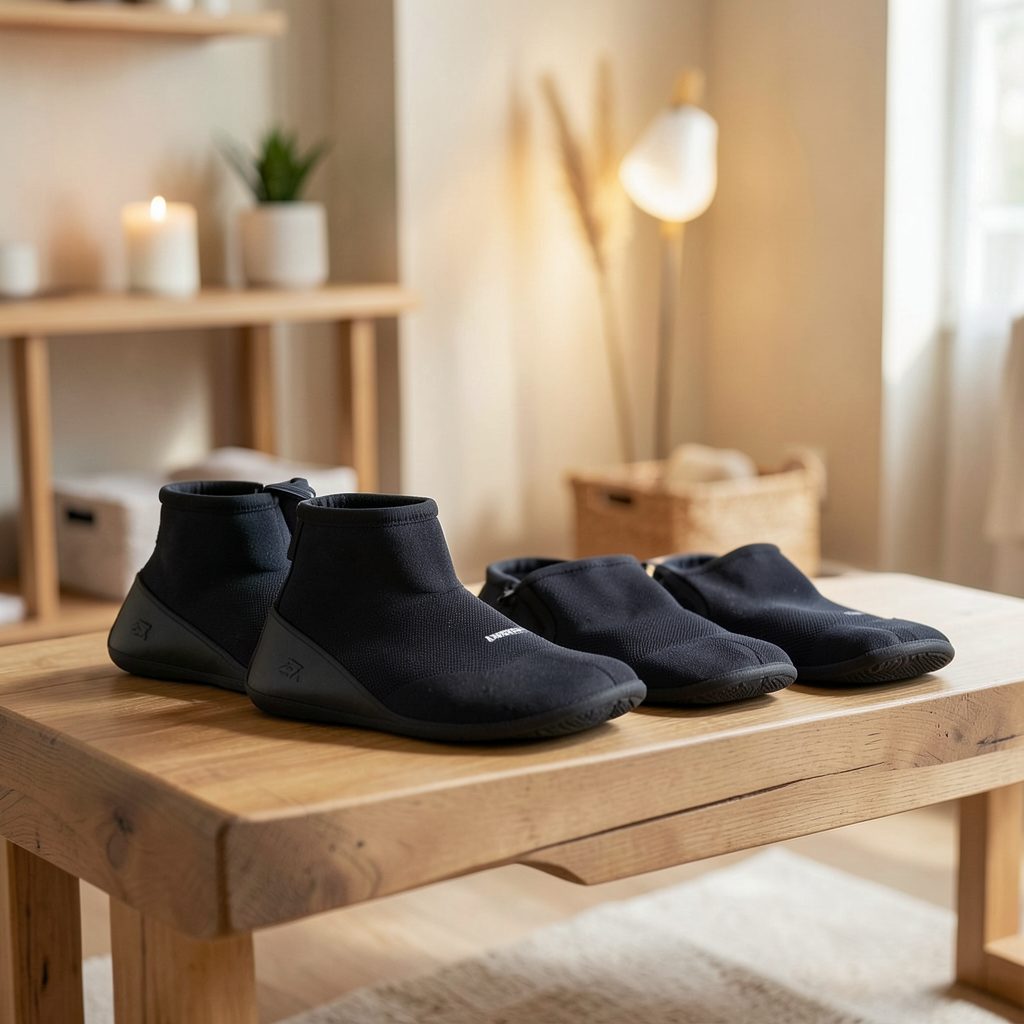
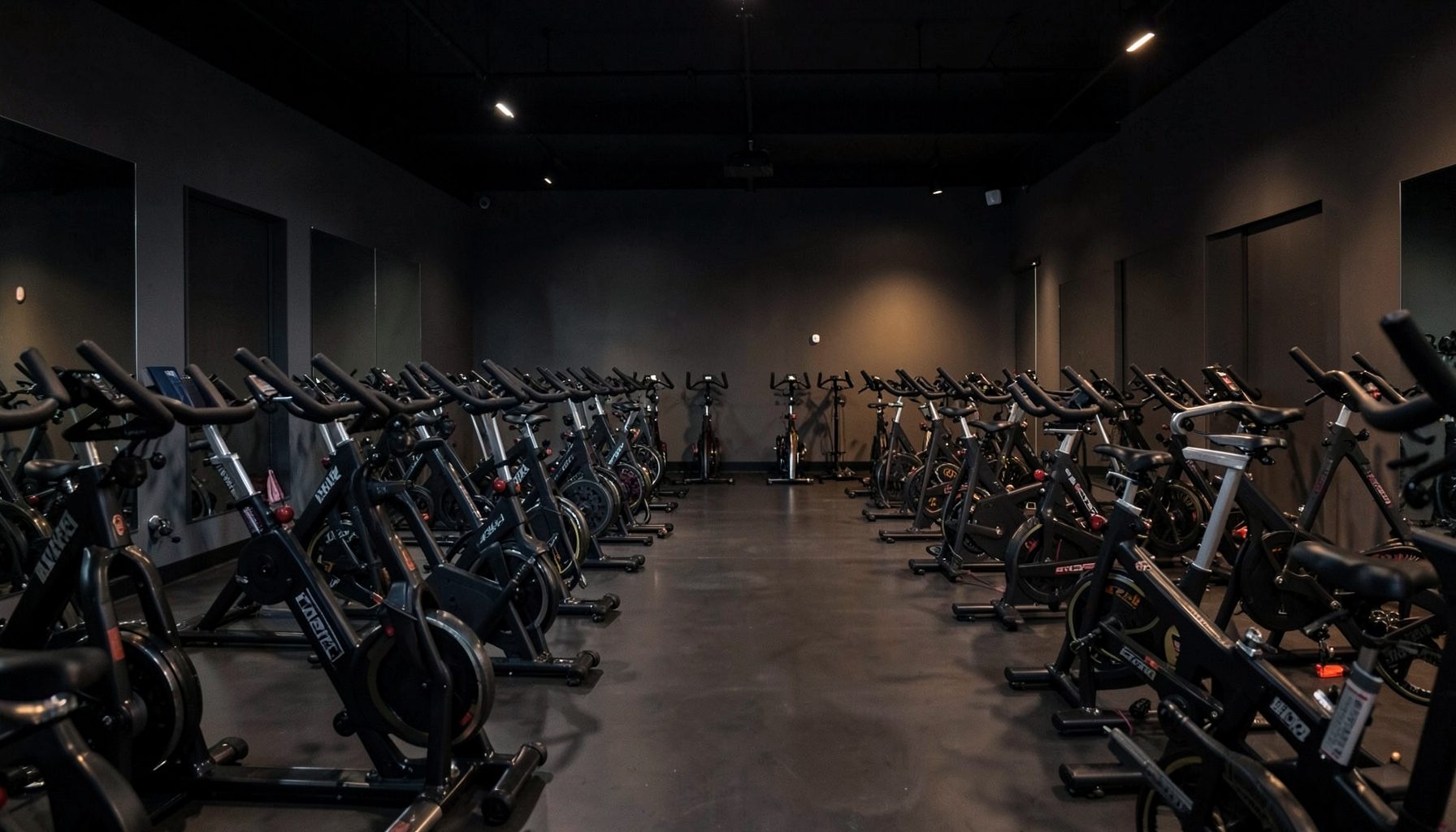
Normatec boot recovery and cryotherapy treatments help athletes bounce back faster. Cycle and spin classes add a cardio dimension to the holistic performance approach.
Have a Question?