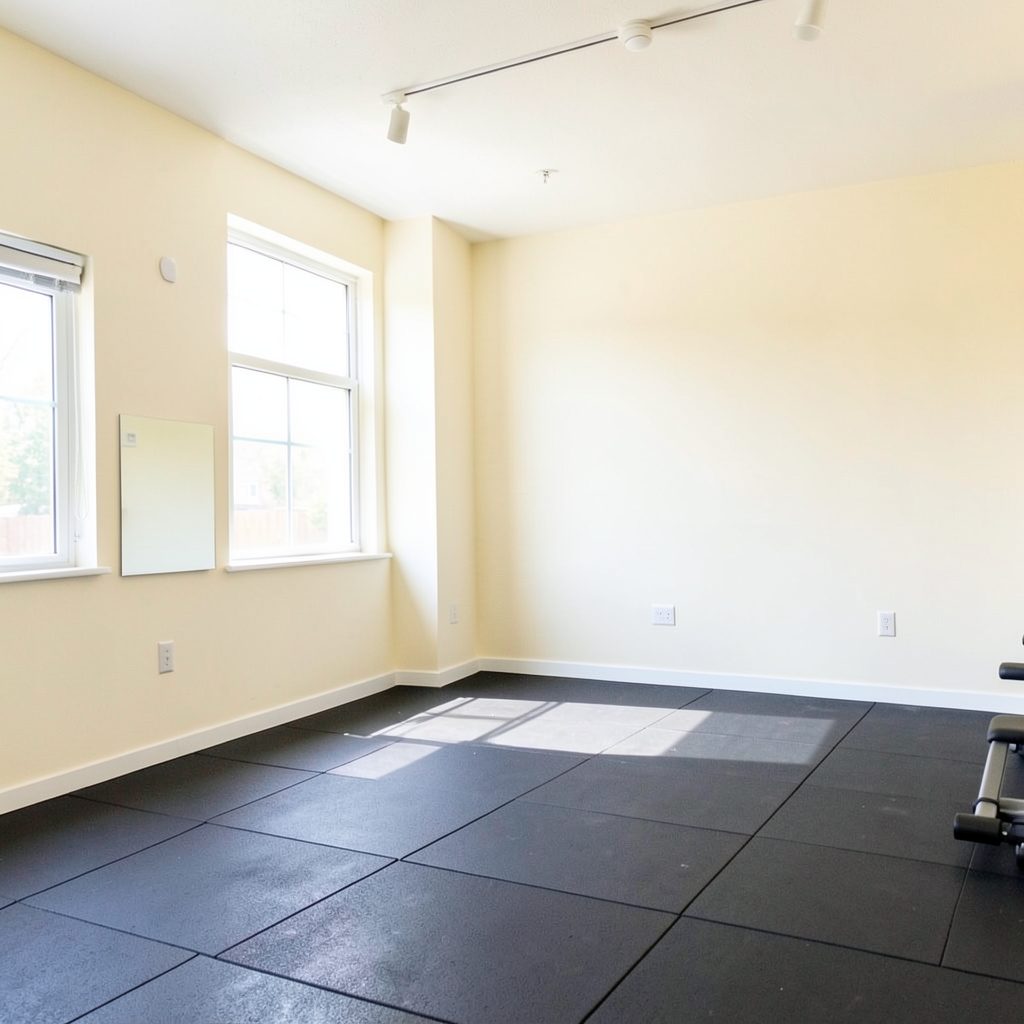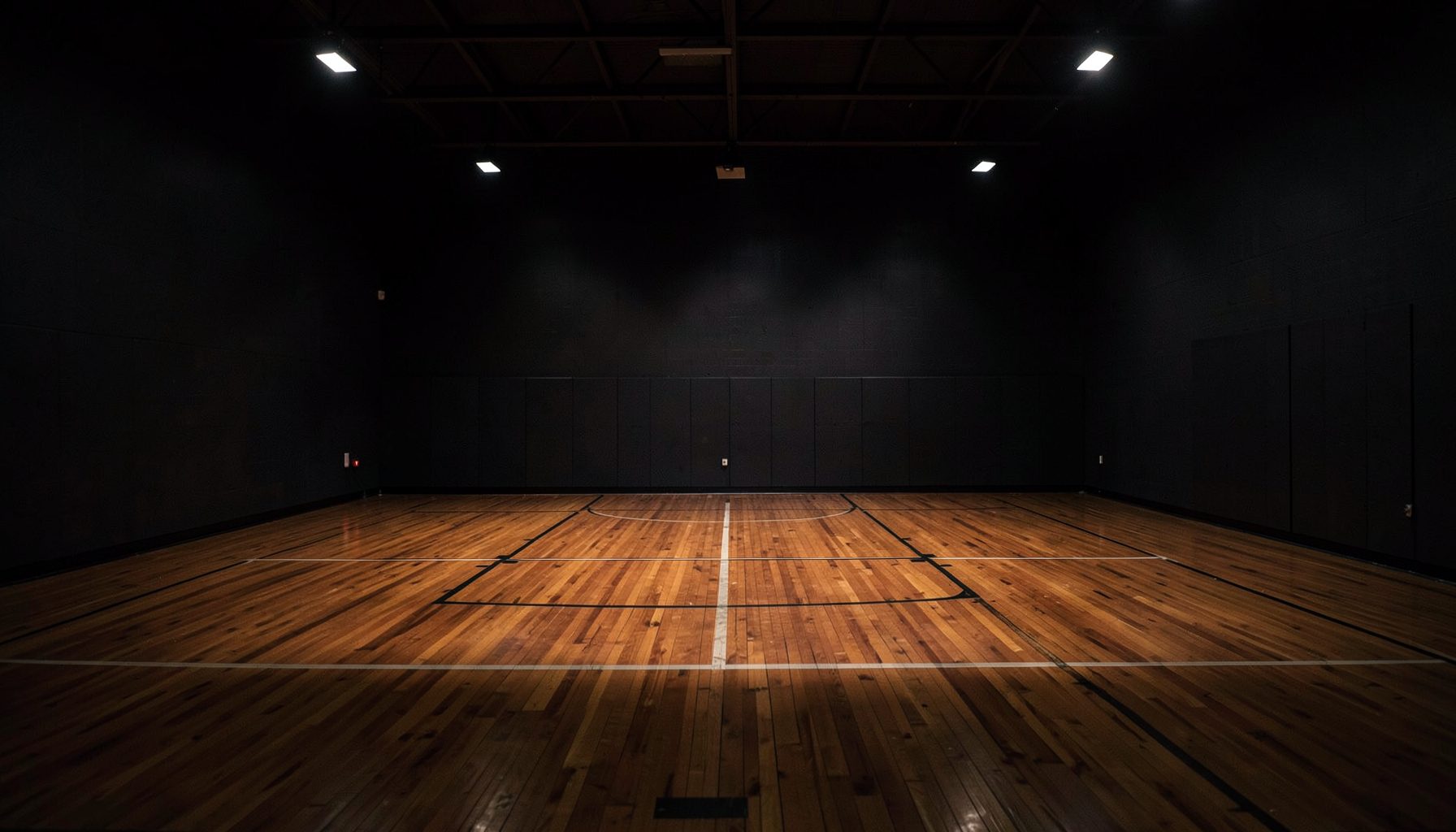
Train. Compete. Recover.
A multi-purpose athletic facility in Speedway, Indiana — basketball leagues, skill training, and wellness services all under one roof.
The Factory D1 Indy brings together three entities under one roof: competitive basketball leagues for all age groups, individual and group training, and wellness & recovery services including Normatec boot recovery and cryotherapy. Located off I-465 and High School Road at 6331 Crawfordsville Road, Speedway, Indiana 46224.
Get In TouchA smooth shift from spin to strength
An indoor spin class and a strength session ask different things from the body: one develops repeated cardiovascular effort through cycling, while the other requires controlled loading, balance and range of motion. The challenge of moving from spin class to strength training in one visit is fitting both without letting fatigue spoil technique or turn an active day into a recovery problem.
Australian exercise guidance recommends 150–300 minutes of moderate activity or 75–150 minutes of vigorous activity each week, plus muscle-strengthening work on at least two days. A combined session can support that pattern, but it should count as one demanding workout rather than two full sessions placed back-to-back.
Australians are also accustomed to strong indoor-cycling cultures in cities such as Melbourne, Sydney and Brisbane, with classes commonly booked through apps or sold as casual packs. Early bookings, air-conditioned studios and post-class routines are familiar; combining a spin booking with lifting still needs a deliberate plan.
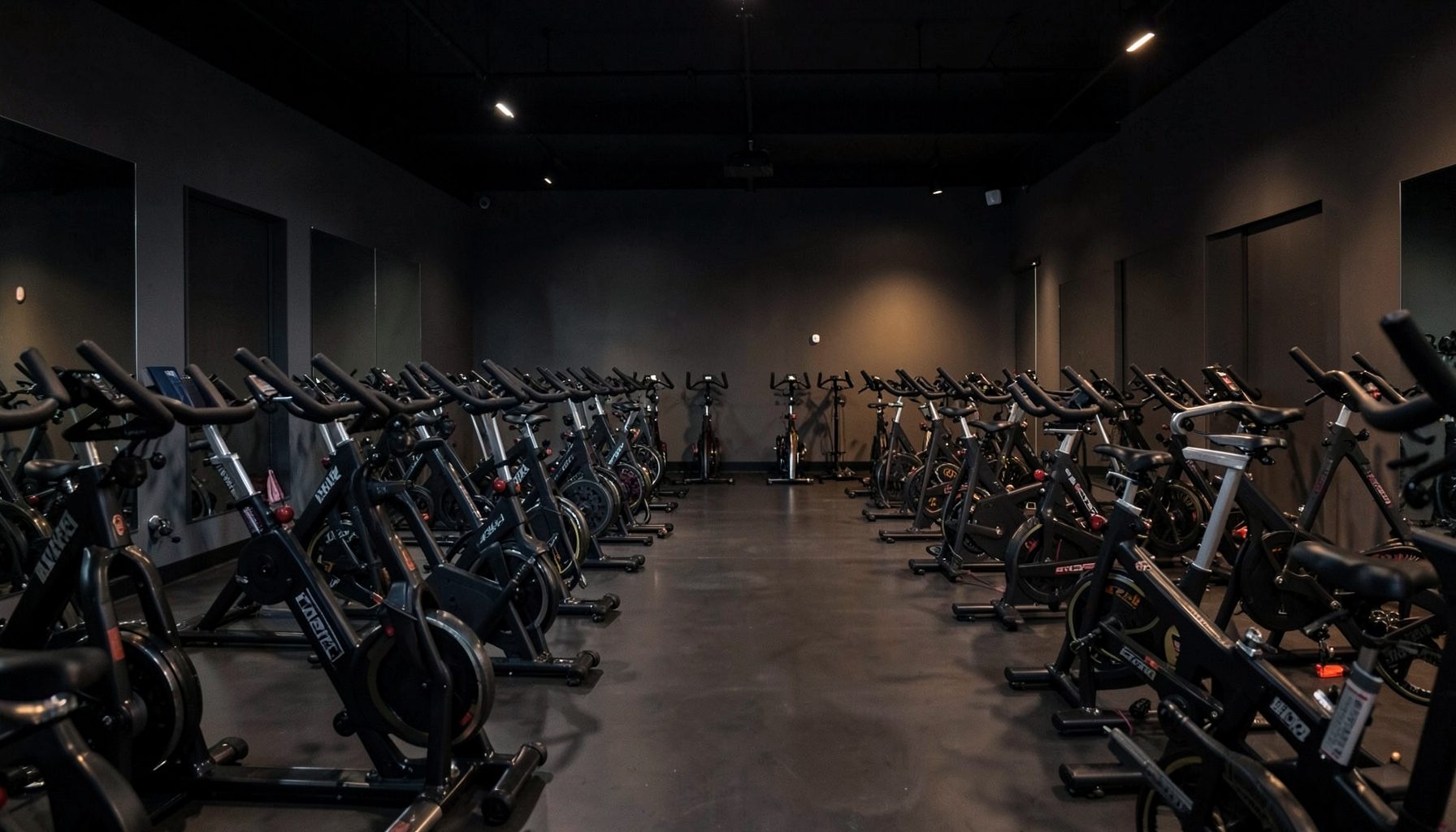
Speedway, Indiana, gives visiting athletes access to spin classes, basketball skills sessions, competitive leagues and recovery services in one facility. That range is useful for a one-visit schedule: train, recover and then return for competition without treating every activity as a separate outing.
Choose the order that matches your goal
Decide which quality matters most before choosing the order. If your priority is strength, complete the main lifting work first and use the ride as a short warm-up or finish. If cardiovascular conditioning is the focus, take the class first but plan a shorter, technique-led strength session.
A hard, long ride can reduce available range of motion and muscle recruitment in the legs. Keep resistance moderate, avoid chasing personal records and leave one to three good repetitions in reserve. Athletes with a substantial training history can follow a normal programme only if movement quality remains unchanged.
Before booking, review D1 Indy’s available training services and ask staff to match the class, lifting time and coach. Tell the instructor about injuries, pregnancy status or recent medical restrictions. Australian teams should also check their own duty of care: the Work Health and Safety Act 2011 and state rules guide Australian workplaces, while Indiana requirements apply at the venue.
Fuel and hydrate for two training demands
Arrive with enough fuel for a session that may last 60–90 minutes, but avoid a heavy meal immediately before riding. A small meal containing carbohydrate two to three hours beforehand supports the spin; water during class helps manage thirst, especially if the studio is warm.
Australian summer heat makes this routine especially relevant for travellers leaving Sydney or Brisbane for Indiana’s humid summer. Set expectations in fluid intake rather than forcing a fixed amount, and replace electrolytes when sweating heavily or cycling for more than an hour. D1’s indoor setting removes outdoor heat exposure, not the heat created by hard work.
| Main aim | Better sequence | Strength-session adjustment | Why it works |
|---|---|---|---|
| General conditioning | Moderate spin, then strength | Keep one or two sets per movement | Adds resistance without excessive fatigue |
| Strength is the priority | Short spin, then full lifts | Use planned sets and stop if technique changes | Preserves force quality |
| Technique and mobility | Gentle spin, then controlled strength | Use lighter loads and a smooth tempo | Keeps movement comfortable and controlled |
| Competition conditioning | Hard spin, then short upper-body work | Avoid adding heavy lower-body volume | Protects recovery for the next event |
Match the session to the day’s priority. Whichever option you select, begin lifting with two or three easy warm-up sets, then move to the smallest planned working sets. Stopping early is a sound choice when technique deteriorates.
Build strength without overloading tired legs
After spinning, the hips, hamstrings and calves may be fatigued even when your cardiovascular fitness is high. Select two lower-body patterns rather than attempting a full lower-body session: for example, a controlled squat and hinge, paired with upper-body pressing and pulling. Coach guidance matters most when the equipment or loading is unfamiliar.
Choose loads that let you maintain alignment and a steady tempo. Keep each set at a challenging but repeatable effort, usually rated seven or eight out of ten, rather than taking every set to failure. Supersets can preserve the planned work, while longer rests give tired legs more time to recover between compound movements.
For a first combined visit, a circuit of squat or box squat, row, press and a supported core movement can deliver a balanced session in 20–30 minutes. Repeat movements for a controlled repetition target instead of adding unnecessary weight. More sets are not automatically more useful after cycling.
Cool down and use recovery deliberately
Finish with five to ten minutes of easy cycling or walking, then sip water according to thirst and eat a balanced meal with carbohydrate and protein within a few hours. The cool-down should lower workload gradually; it is not a test of how long you can keep moving.
Normatec compression therapy and cryotherapy are available as recovery options, but confirm access and suitability on the day. Compression may feel supportive after a demanding session, while cold exposure should be used only where appropriate for your health history. Neither replaces sleep, food, hydration or a lighter training load, and neither should be used to push through a medical concern.
Travel can also disrupt mobility and sleep. A guide to a home yoga setup offers a practical way to create a small online-class space for stretching between sessions. Keep the routine gentle, especially after leg-heavy lifting, and use discomfort as a reason to modify rather than intensify a position.
Turn the visit into a repeatable training plan
Record a few simple markers before leaving: session effort, average ride power if available, the strength exercises completed and your recovery score. These notes make the next visit more precise. If a priority lifted well, repeat it; if technique faded, reduce volume before adding load on the following visit.
For basketball players, conditioning should support court performance rather than consume the energy needed for sharp movement. D1 Indy’s online league registration provides a route from a single training visit to regular competitive play. Choose a division and schedule that leave room for recovery between spin and strength sessions.
Plan the following 48–72 hours with the same care as the workout itself. Prioritise regular meals, protein, hydration and consistent sleep, and avoid making up missed training in a rush. An Australian athlete travelling overseas should also allow for time-zone changes and long flight days when judging readiness.
Contact D1 Indy before your visit and ask for a coach-led plan that places spin and strength work on the same day, identifies suitable loads and reserves time for recovery. Bring training shoes, water, a small snack and any details about injuries or previous programmes.
Book the sessions together, arrive with a clear priority and leave enough time to cool down properly. One well-executed visit can deliver conditioning, useful strength work and a clear starting point for the next training block.
Inside The Factory
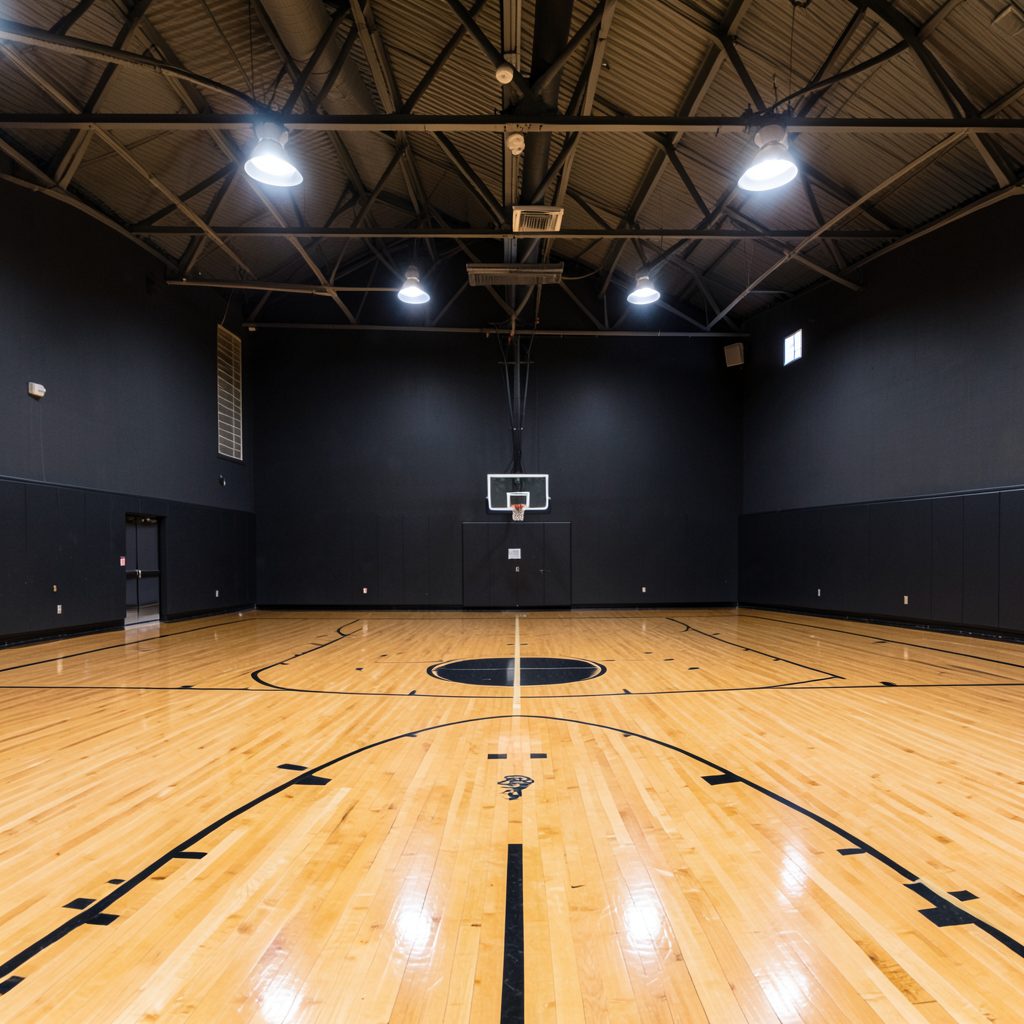

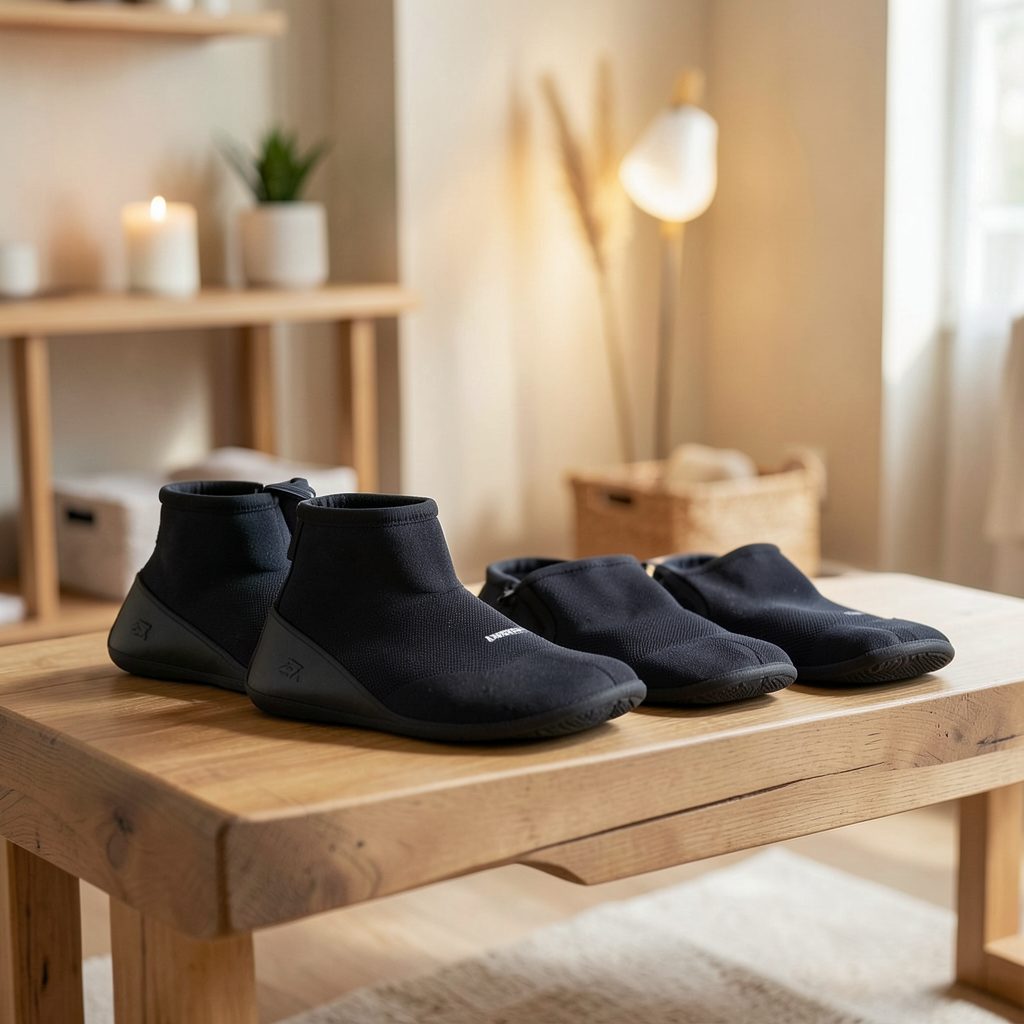
Three Entities, One Roof
Leagues
Eight league divisions span every age group: Indy Pro AM, 18+ Open Men's, 30+ Men's, Bite Size (ages 3–6), Impact League, 5th/6th Grade, Middle School, and High School. Gather your team and compete.
Training
Individual and group basketball training for all skill levels. Major M.O.V.E.S. Basketball Training serves ages 4–7 on Wednesday and Thursday evenings at 6:30 PM — $30 per session or $100 unlimited monthly.
Wellness & Recovery
Normatec boot recovery and cryotherapy treatments help athletes bounce back faster. Cycle and spin classes add a cardio dimension to the holistic performance approach.
Have a Question?