Train. Compete. Recover.
A multi-purpose athletic facility in Speedway, Indiana — basketball leagues, skill training, and wellness services all under one roof.
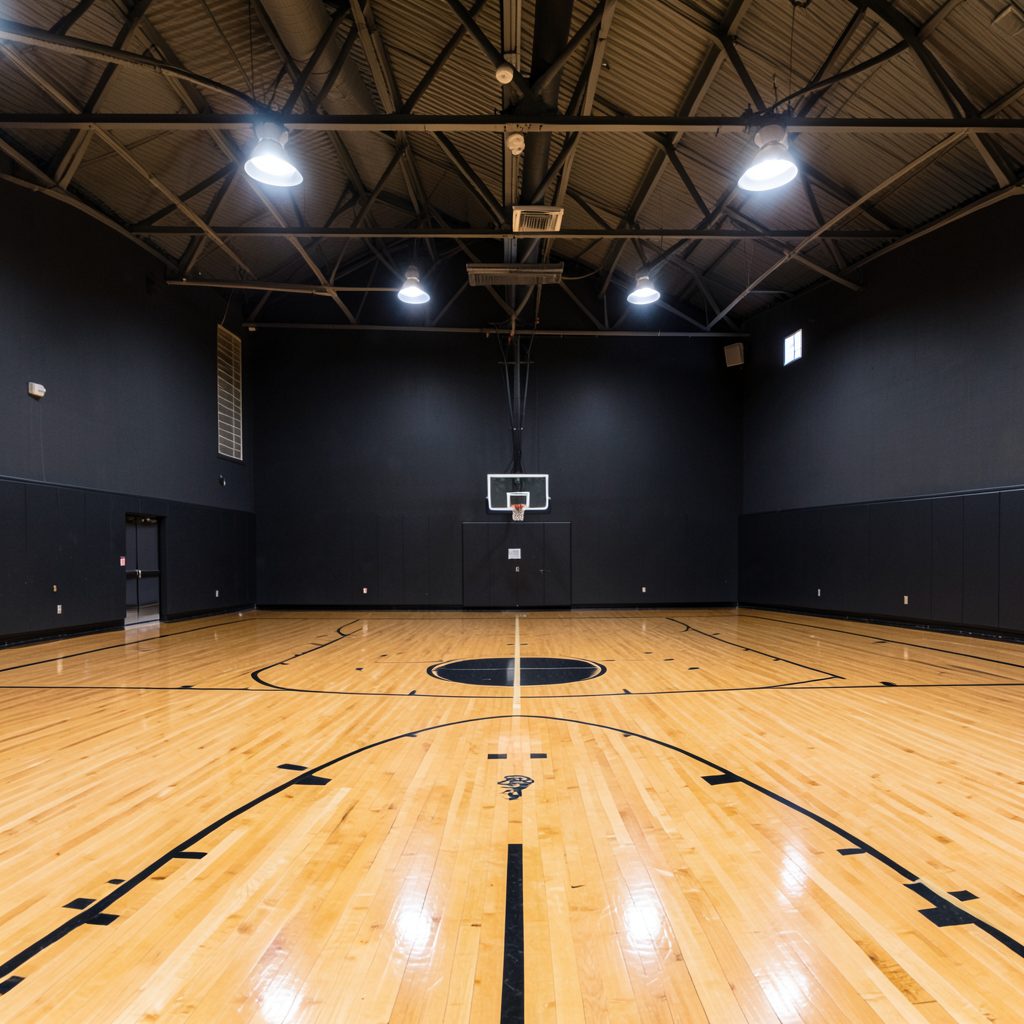
The Factory D1 Indy brings together three entities under one roof: competitive basketball leagues for all age groups, individual and group training, and wellness & recovery services including Normatec boot recovery and cryotherapy. Located off I-465 and High School Road at 6331 Crawfordsville Road, Speedway, Indiana 46224.
Get In TouchHow to Use a Foam Roller Alongside Normatec for Deeper Recovery
Recovery is part of training, not the part athletes try to skip. A hard basketball session, a long spin class, or a strength workout can leave muscles feeling tight and an athlete who simply “cooks” their recovery session by doing nothing. Australian gyms often use phrases such as getting “the legs back” or feeling ready for the next session. Those expressions capture the practical aim of recovery: move better, train consistently, and avoid letting one demanding workout derail the week.
A foam roller and Normatec compression perform different jobs. The roller provides sustained mechanical pressure to muscles and surrounding soft tissue, while Normatec uses inflatable sleeves or boots to apply sequential pneumatic pressure. Combining them may create a more complete recovery routine, although “deeper” does not mean either tool can force blood or tissue deeper. It refers to addressing stiffness, circulation and perceived soreness together.
Understanding how to use a foam roller alongside Normatec for deeper recovery starts with the session you have just completed. At Factory D1 Indy in Speedway, athletes can use the same approach after court training, strength work or cycling. The tools are not mandatory, and they should not compensate for poor sleep, inadequate meals or excessive training loads. Used sensibly, they can become a consistent part of an athlete’s preparation.
Neither tool should be treated as a medical treatment or used to push through sharp pain. Warm-ups, hydration, suitable food and easy movement remain the foundation of recovery. Compression and self-massage add useful support, especially when muscles are tight after unfamiliar or high-volume work. Begin with modest pressure, follow the equipment instructions and adjust the routine according to how your body responds.
Set the goal before the tools
Decide what the recovery session needs to accomplish. After intense lower-body work, the priority may be releasing tight calves, quads, glutes and hamstrings. A post-ride or upper-body session might call for attention to the chest, shoulders and upper back. This prevents a foam roller from becoming a random tour of the body and keeps the routine within a practical 15 to 25 minutes.
A simple starting point is to foam roll for roughly eight to 12 minutes, then use Normatec for the period specified in its manual. Work through one region at a time and hold familiar areas briefly rather than chasing every tender spot. Athletes with more experience can extend the session, but extra time does not automatically create better recovery.
Australian summer conditions deserve consideration. In Melbourne, a cool morning may become a humid 30°C afternoon by the time training ends. Rehydrate after your session, replace fluids and electrolytes as appropriate, and allow your body to cool before prolonged compression. Recovery should support hydration, not conceal signs of overheating such as dizziness, headache or nausea.
Foam roll with control
Position yourself where you can support your body without straining. For the calves, cross one ankle over the opposite knee and roll slowly from above the ankle to below the knee. For glutes and hamstrings, sit with one leg extended and use your hands for balance. Small, controlled passes are generally more useful than forcing the roller into a painful point.
Hold each familiar area for around 30 to 60 seconds, then move on. The sensation should be noticeable but manageable, and it should not cause sharp pain, tingling or numbness. Slow breathing helps you avoid instinctively tightening the target muscle. This approach fits the informal Australian instruction to “give it a proper roll” without turning the session into an endurance contest.
Avoid rolling directly over the spine, kneecaps, elbows or other bony joints. Give particular care around a recently injured muscle, bruised area or swollen calf. Anyone taking blood-thinning medication, managing a clotting disorder or dealing with reduced sensation should seek professional advice before using a roller. The same rule applies to skin infections, open wounds or areas affected by a rash.
Use compression with purpose
Normatec equipment should fit smoothly, without twisted sleeves or uncomfortable gaps. Follow the instructions supplied with the specific model, and begin at a lower pressure if you are unfamiliar with sequential compression. The equipment is designed to inflate and deflate in sequence, creating a pressure-and-release rhythm rather than squeezing every area at maximum intensity at once.
If you are comparing systems, Hybrid Gym Group provides one place to check equipment information before selecting boots, legs or arm sleeves. Confirm the pressure range, session duration, available sizes and warranty for the exact product. A well-fitted device is easier to use consistently than an inexpensive model that leaks, bunches or produces uneven pressure.
Australian consumers should also check whether a compression product is being sold with therapeutic claims. A device marketed for a medical purpose may need inclusion in the Australian Register of Therapeutic Goods, with the sponsor responsible for regulatory compliance. Ask a GP or qualified health professional for guidance if you have heart, circulatory or kidney conditions, a history of blood clots, pregnancy-related concerns or another condition listed in the product instructions.
Choose the right order
For most athletes, foam rolling first makes practical sense while the muscles are still warm. Spend a few minutes on the areas that trained, then use Normatec during the remainder of your cool-down. The roller can address familiar tension while compression provides a comfortable settling effect as the session finishes. This order is a useful starting point rather than a rule for every body.
If a workout has left you feeling particularly fatigued or your muscles feel “cooked,” you may prefer to use Normatec first and foam roll briefly afterwards. Some athletes also recover best by separating the tools, performing compression after training and rolling later in the evening. Keep each session gentle enough that your technique remains controlled.
Avoid making recovery so demanding that it becomes another workout. Leave a reasonable gap before competition or intense training, especially if a game or fixture is scheduled the next morning. Stop if you develop sharp pain, numbness, unusual swelling, faintness or shortness of breath. New calf pain and swelling after prolonged travel or inactivity require prompt medical advice rather than a massage or compression session.
Fit recovery into the week
Consistency matters more than an elaborate schedule. Basketball players might pair lower-body rolling and leg compression after court practice, while cyclists can use targeted glute, hamstring and calf work after a long ride. Youth athletes need shorter sessions and close supervision, while adults can use their training history and daily schedule to determine the appropriate frequency.
Australian sporting calendars create distinctive demands. AFL and NRL clubs often conduct much of their preseason work during January and February, so recovery routines may need to change as training volume rises. Athletes competing around Melbourne, including those who train near AAMI Park, may also deal with travel, heat and compressed turnaround times between club, gym and strength sessions.
Track what feels different rather than relying on one soreness score. Note the duration, pressure and areas used, then check your mobility, energy and performance over the following day. Remember that Australia’s metric system makes it straightforward to record hydration in litres and track body weight in kilograms, but no measurement replaces how you feel. A routine that improves readiness without disrupting training is usually the right one.
Recovery becomes easier to maintain when it is attached to a familiar habit. Leave the roller and compression equipment ready after training, keep the planned routine visible, and give yourself permission to shorten it when sleep, nutrition or workload calls for a lighter day. This makes recovery a repeatable part of performance rather than a response to discomfort that has already become severe.
When you are ready to put the routine into action, visit Factory D1 Indy in Speedway, Indiana, where basketball training, youth and adult leagues, cycle classes, Normatec compression and cryotherapy support a complete training week. Players who want competition can check league registration for current schedules and reserve their place. Arrive with a sensible plan, use the tools at a controlled intensity and keep the next session in mind.
Inside The Factory
Three Entities, One Roof
Leagues
Eight league divisions span every age group: Indy Pro AM, 18+ Open Men's, 30+ Men's, Bite Size (ages 3–6), Impact League, 5th/6th Grade, Middle School, and High School. Gather your team and compete.
Training
Individual and group basketball training for all skill levels. Major M.O.V.E.S. Basketball Training serves ages 4–7 on Wednesday and Thursday evenings at 6:30 PM — $30 per session or $100 unlimited monthly.
Wellness & Recovery
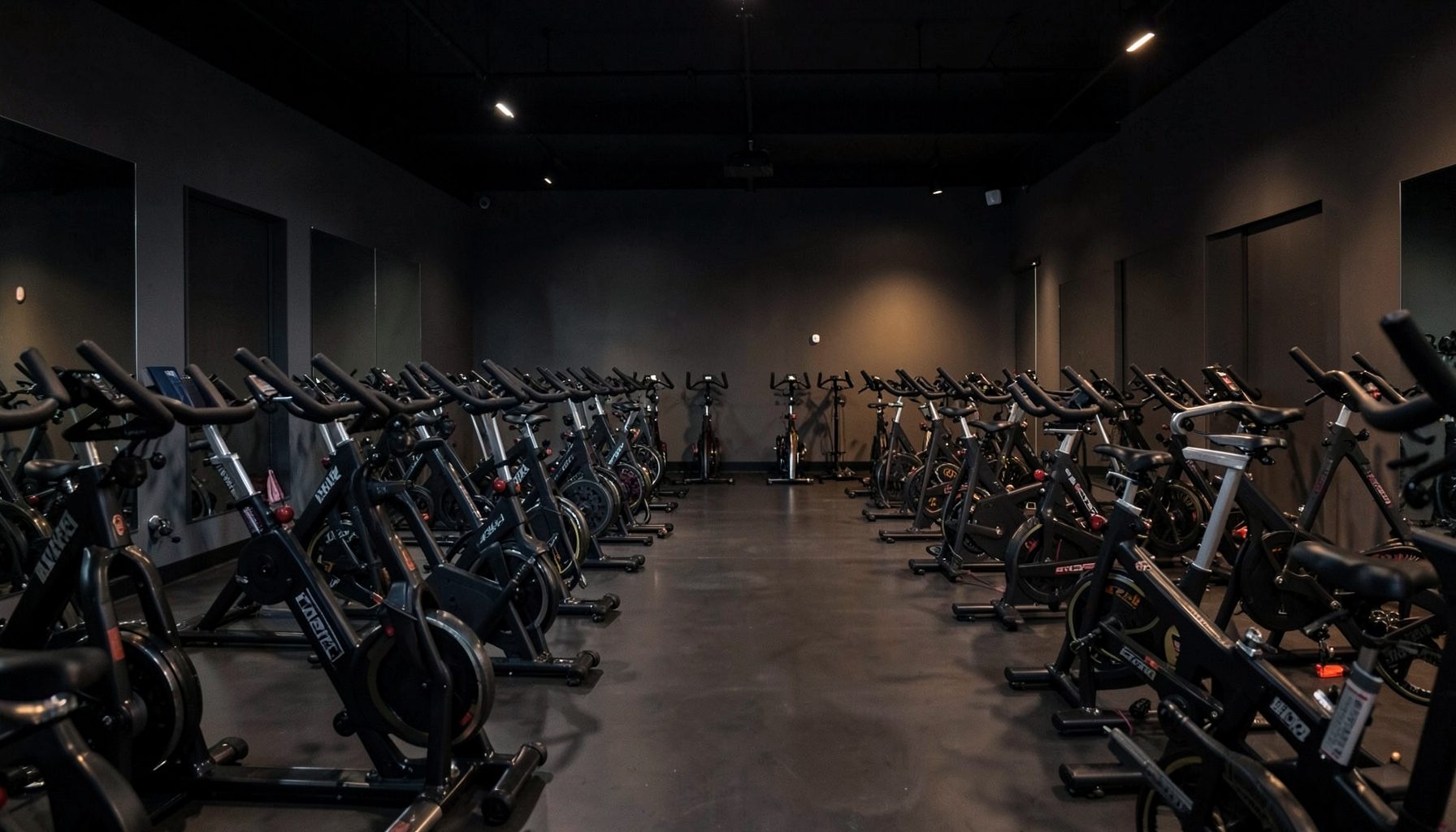
Normatec boot recovery and cryotherapy treatments help athletes bounce back faster. Cycle and spin classes add a cardio dimension to the holistic performance approach.
Have a Question?