Train. Compete. Recover.
A multi-purpose athletic facility in Speedway, Indiana — basketball leagues, skill training, and wellness services all under one roof.
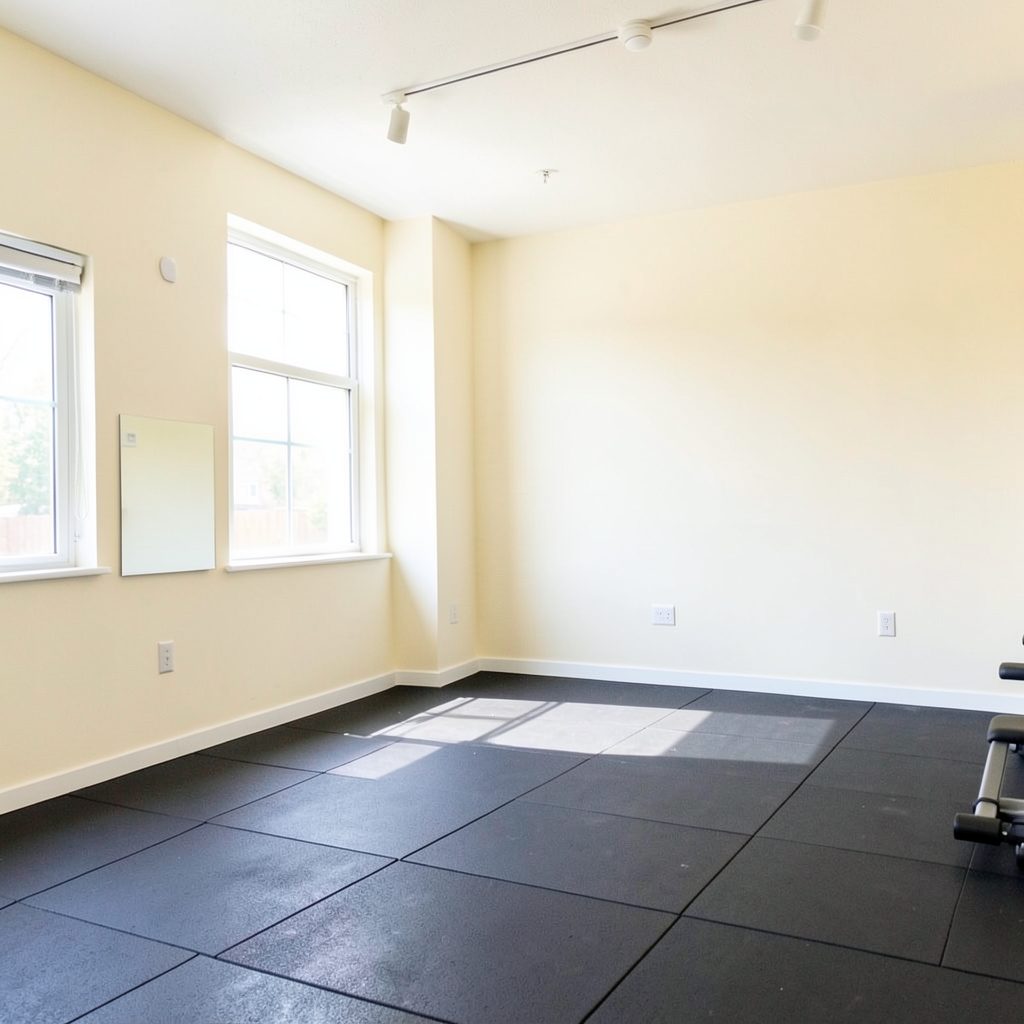
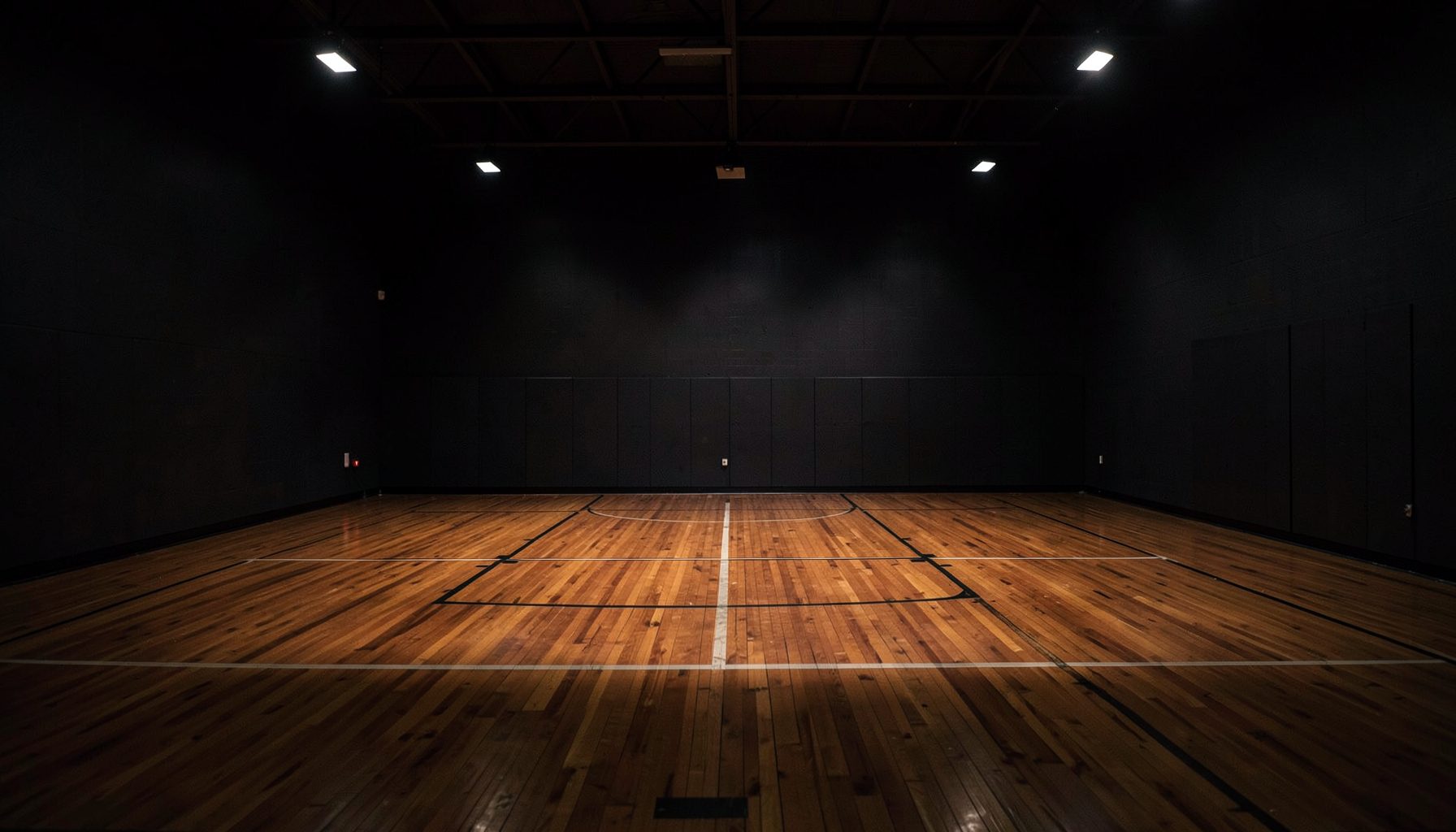
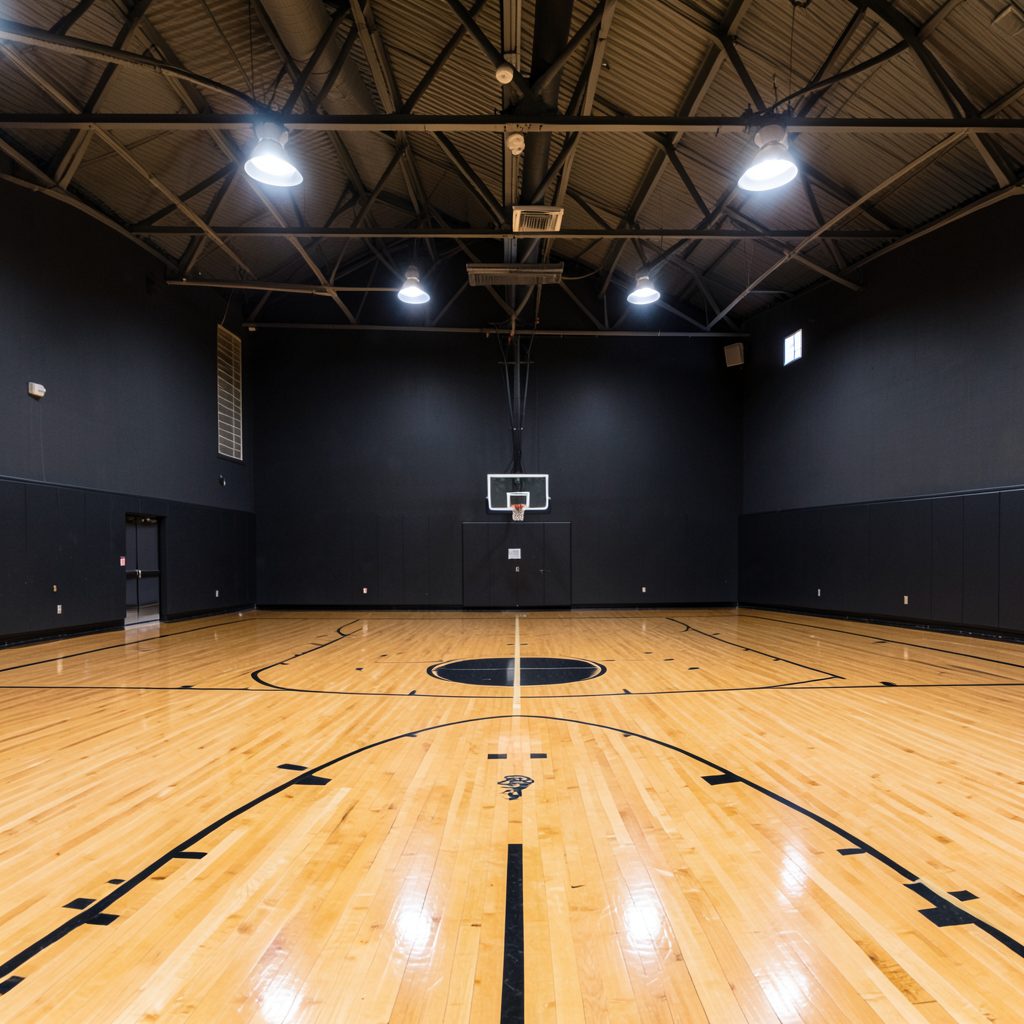
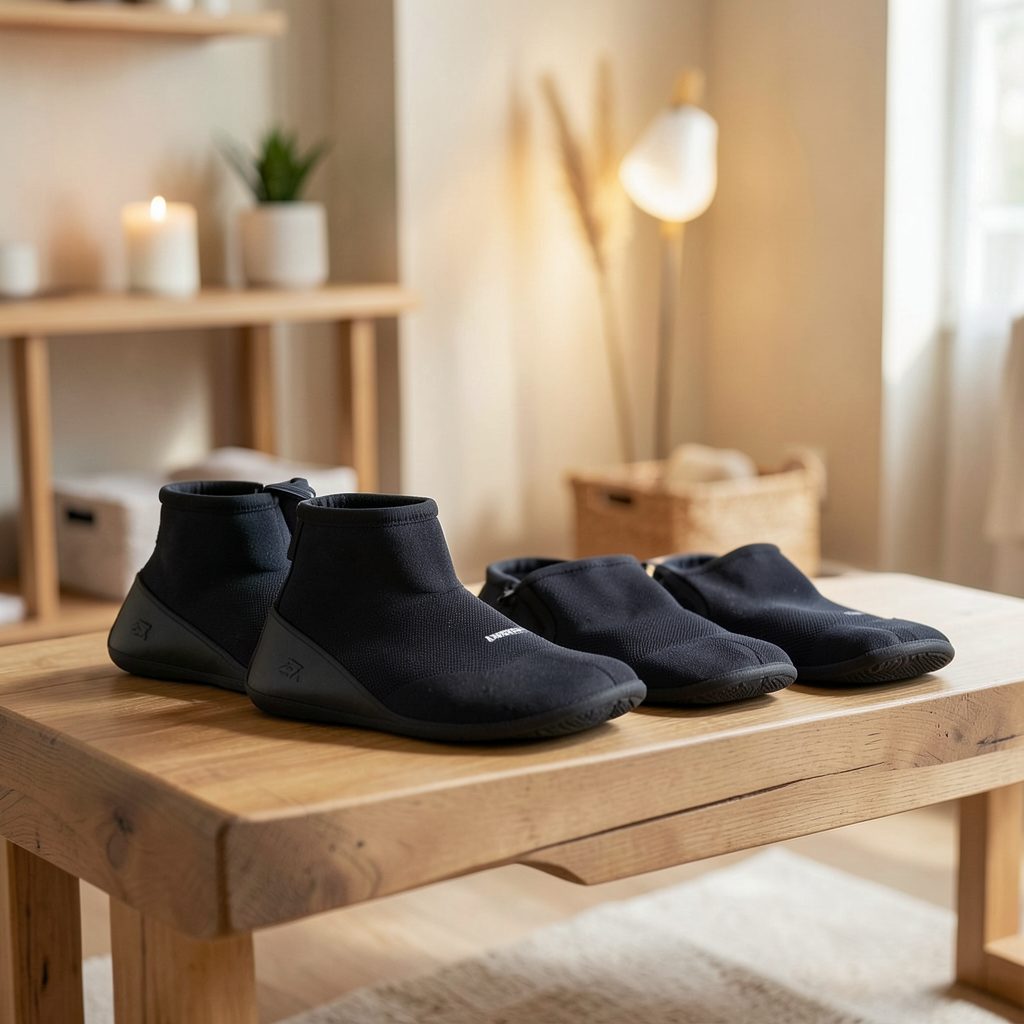
The Factory D1 Indy brings together three entities under one roof: competitive basketball leagues for all age groups, individual and group training, and wellness & recovery services including Normatec boot recovery and cryotherapy. Located off I-465 and High School Road at 6331 Crawfordsville Road, Speedway, Indiana 46224.
Get In TouchHow to use a spin bike’s resistance knob for interval training effects
A spin bike’s resistance knob changes how strongly the flywheel opposes each pedal stroke. Turning it up generally makes pedalling harder at the same cadence; easing it off allows faster recovery or a smoother climb. During interval training, this control lets you vary workload while keeping the rhythm of the workout consistent.
The knob does not create intervals by itself. You still choose the work and recovery durations, then use resistance to make each effort purposeful. A useful plan begins with an easy warm-up, several repeatable hard-and-easy efforts, and a cool-down. Start conservatively because knob numbers, resistance types and maximum settings differ widely between home bikes and studio machines.
What the resistance knob actually controls
On magnetic and electronic bikes, the knob commands a magnet or motor to alter resistance at the flywheel. Mechanical friction bikes use it to press a pad against the flywheel instead. In each case, more resistance makes a given pedal speed require more effort, but the increase is not always linear. A one-click change near the top may feel much larger than the first click on a low setting.
That difference is why position numbers are poor universal measures. A setting of 30 on one bike may be manageable on another yet punishing on a third. Many studios in Sydney, Melbourne and Brisbane use familiar brands such as Keiser, Schwinn or Stages, but instructors still need to understand how each model responds. Learn a bike by comparing cadence, breathing and perceived effort rather than copying a setting from a class you rode years ago.
Find a safe starting resistance
Start every ride with five to ten minutes of easy pedalling, then add two or three short accelerations before the first interval. Keep the load light enough that both feet can alternate smoothly and your breathing returns within a minute. If the saddle rocks, your hips move heavily from side to side or your cadence collapses, resistance is too high for that effort. Turning the knob down preserves technique and lets you increase duration later.
Use a simple perceived-exertion scale from 1 to 10. Easy recovery is about 2–4, a sustainable interval sits near 6–7, and short near-maximum work may reach 8–9 for experienced riders. Choose an effort you can repeat without holding your breath. People returning after injury, managing a health condition or new to exercise should seek appropriate professional advice and begin below those general ranges.
Match the knob to the interval
For fast pedal intervals, bring cadence up to a smooth, controllable level and set resistance around moderate effort. A useful starting structure is six repetitions of 20 seconds hard, followed by 60 seconds easy. On many bikes the work portion will feel close to 7 or 8 out of 10. These sessions develop repeated speed without demanding a heavy climb, while easier recovery keeps each effort comparable.
Climb intervals use the opposite relationship: a lower, steady cadence with more knob resistance. Try 45 seconds at roughly 60–75 rpm, adjusted to your mechanics, then pedal lightly for 90 seconds. Keep the cadence high enough to avoid an abrupt, grinding effort. Longer efforts of one to three minutes can build threshold fitness, while 10–15-second bursts add sprint practice without filling every interval with all-out work.
Stop adding resistance when speed, balance or form breaks down. A stationary bike removes traffic and hills, yet excessive load can still stress the knees, hips and lower back, particularly at very low cadence. Equipment choice deserves attention too: this beginner strength guide explores what new powerlifters need, although its loading examples do not transfer directly to a spin-bike knob. Learn the machine in front of you rather than chasing a standard internet setting.
Adjust for fitness, weather and data
Even on the same bike, resistance needs to change as fitness improves. A load that allowed eight controlled intervals at 7/10 may leave much more reserve after several weeks. Faster cadence usually demands less resistance than a seated climb, while standing work can feel heavier because balance and core tension add effort. If the bike has power, watt or heart-rate displays, use them as feedback; the knob remains the control you adjust from moment to moment.
Hot weather can make indoor cycling appealing across Australia, especially through a Brisbane summer or on a humid Melbourne afternoon, but recovery is harder in a warm, crowded room. Check whether the studio is well ventilated, bring water and replace some fluid after the ride if needed. Air-conditioning can make an interval class comfortable, yet a strong interval should still leave room for heart rate to settle during recovery. Outdoor sessions offer variety, but traffic, ultraviolet exposure and changing light can make controlled indoor efforts more convenient.
Track effort and progress
Record the cadence, knob position, interval duration and perceived effort for one or two sessions. This reveals whether progress comes from smoother control, better recovery or simply more discomfort. Add time before load: first move from six intervals to eight, then extend the hard portion by a few seconds. A heart-rate monitor can provide context, although it reacts slowly and may be influenced by heat, stress, caffeine and hydration.
For home riders, the Australian market offers everything from basic flywheel bikes to connected smart models, so check comfort, flywheel size, maximum resistance and warranty before buying. Consumer law matters because the Australian Consumer Law requires goods to match their description, be of acceptable quality and be fit for a purpose disclosed by the seller. Keep the receipt and product details, especially if a retailer promotes a bike for high-intensity training and it fails under normal use.
Build a repeatable weekly rhythm
A 20-minute session can keep resistance practice simple: warm up for five minutes, complete six work-and-recovery intervals, then cool down for five minutes. Alternate the fast-pedal format on one day with seated climb intervals a couple of days later. Rest days remain valuable because hard efforts can be demanding even when the total ride looks short. Most riders benefit more from several controlled sessions than one exhausting test of the knob’s maximum.
After you can complete every interval with the same form and recover by the end of each rest, raise resistance slightly or lengthen the next work period. Avoid advancing hard effort, cadence and duration together; changing one variable makes the cause of a stronger or weaker session easier to understand. Re-test the easy baseline periodically, since a setting that feels comfortable today can become unnecessarily easy after adaptation.
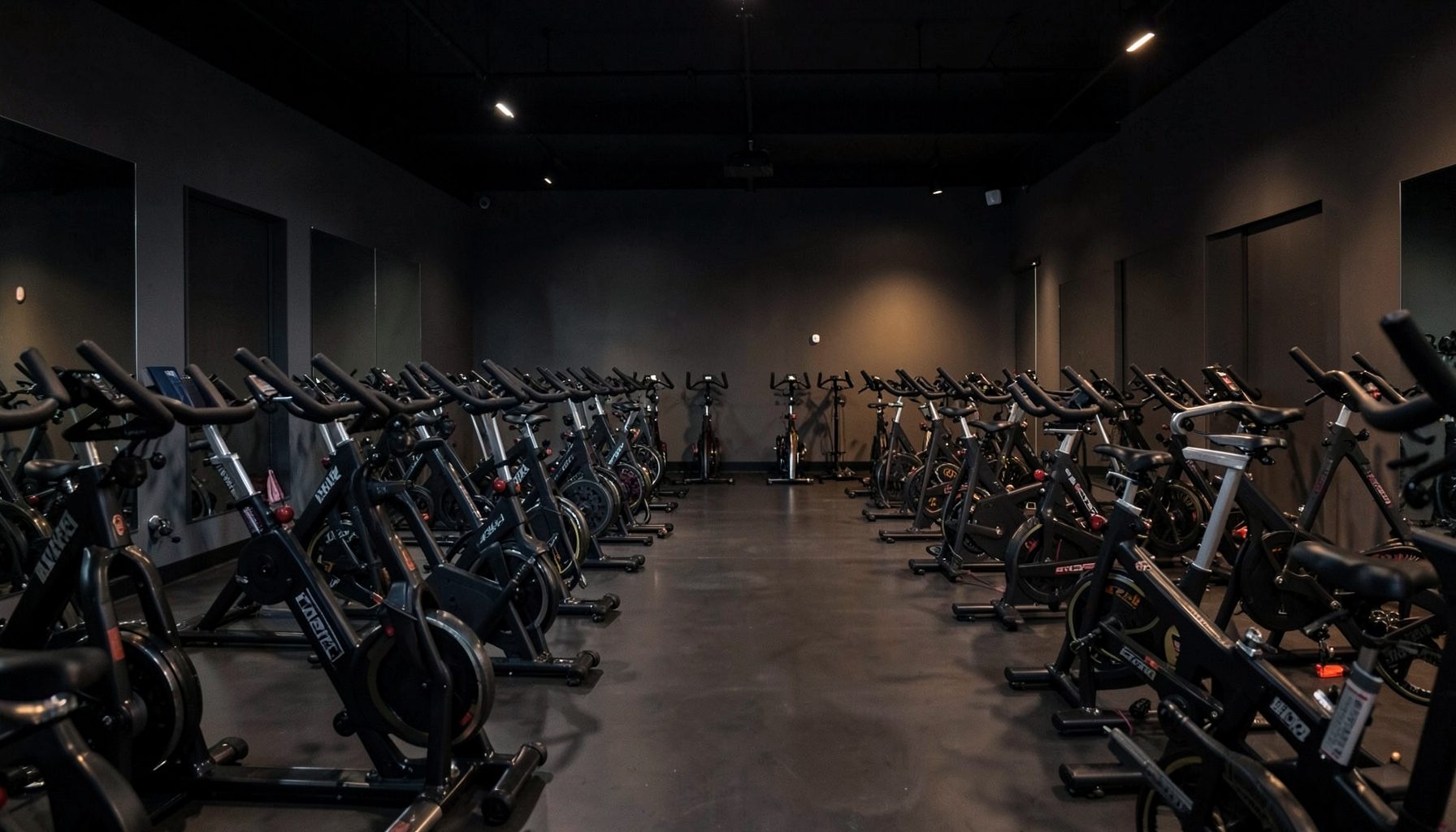
Book a cycle class, ask the instructor how the bike’s resistance is rated, and note the setting used for easy, threshold and sprint efforts. If you are visiting the Indianapolis area, Factory D1 in Speedway, Indiana offers cycle and spin sessions where a coach can help you practise the method before building your own intervals.
Inside The Factory

Three Entities, One Roof
Leagues
Eight league divisions span every age group: Indy Pro AM, 18+ Open Men's, 30+ Men's, Bite Size (ages 3–6), Impact League, 5th/6th Grade, Middle School, and High School. Gather your team and compete.
Training
Individual and group basketball training for all skill levels. Major M.O.V.E.S. Basketball Training serves ages 4–7 on Wednesday and Thursday evenings at 6:30 PM — $30 per session or $100 unlimited monthly.
Wellness & Recovery
Normatec boot recovery and cryotherapy treatments help athletes bounce back faster. Cycle and spin classes add a cardio dimension to the holistic performance approach.
Have a Question?