Train. Compete. Recover.
A multi-purpose athletic facility in Speedway, Indiana — basketball leagues, skill training, and wellness services all under one roof.
The Factory D1 Indy brings together three entities under one roof: competitive basketball leagues for all age groups, individual and group training, and wellness & recovery services including Normatec boot recovery and cryotherapy. Located off I-465 and High School Road at 6331 Crawfordsville Road, Speedway, Indiana 46224.
Get In TouchHow to Use Normatec Compression After a Weekend Tournament
A weekend tournament can leave athletes carrying more than ordinary muscle soreness. Repeated matches, long periods on the bench, travel, limited sleep and unfamiliar food can all contribute to heavy legs and delayed recovery. Normatec compression is one tool that may help support circulation and make the post-tournament routine feel more manageable.
The system uses inflatable sections that gently compress and release around the limbs. This rhythmic pressure is designed to encourage fluid movement and reduce the sensation of tightness or swelling. Used alongside hydration, food, sleep, mobility work and sensible training, compression can fit into a practical recovery plan for basketball players, coaches and active families in Australia.
What Normatec compression does for tired legs
Normatec boots use sequential pneumatic compression, meaning the chambers inflate in a pattern that moves from one area of the limb towards another. The pressure is intermittent rather than constant, and the sensation should feel firm but comfortable. It is not meant to be painful, numb or restrictive.
After several matches, athletes may notice heavy calves, stiff quads or general lower-body fatigue. Sitting in a car between venues or spending hours on a flight home from Melbourne, Brisbane or Perth can add to that feeling. A compression session may help the legs feel lighter by supporting circulation and temporary fluid movement, although it should not be treated as a cure for injury.
The benefits are usually about comfort and readiness rather than an instant biological reset. Compression may reduce perceived soreness for some people and help an athlete relax after competition. It cannot replace proper rehabilitation when there is sharp pain, significant swelling, bruising or loss of movement.
When to use it after a tournament
The most useful time is often after the final game, once the athlete has cooled down and replaced some fluids. A short walk, gentle mobility and a snack containing carbohydrates and protein can come first. Using the boots while still overheated or immediately after intense exertion may feel unpleasant, so allow breathing and body temperature to settle.
A session later that evening can also work, especially when the player has returned to accommodation or home. If the tournament is in another city, compression can be a practical option during a recovery block before the drive back to Sydney or Adelaide. It should not be used as a reason to sit still for the entire afternoon; light movement remains valuable.
The following morning, a brief session may be useful before gentle shooting, stretching or travel. There is no need to use compression repeatedly for hours. Follow the equipment instructions and the guidance of a qualified professional, particularly if the athlete is young, has a medical condition or is returning from injury.
Choosing settings and session length
Start with a low or moderate pressure setting and a straightforward programme. The ideal level is one that feels like a controlled massage without throbbing, pain, tingling or skin discolouration. More pressure does not automatically produce better recovery, and high settings can be uncomfortable for athletes who are sensitive around the knees or calves.
A typical session may last around 20 to 30 minutes, depending on the device and the provider’s instructions. Someone using compression for the first time should begin conservatively and pay attention to how the legs feel during and after the session. If discomfort develops, stop and check the fit rather than trying to push through it.
The boots should sit evenly, with clothing and straps arranged so there are no sharp folds or pressure points. Drink water normally before and after the session, but avoid forcing excessive fluids. In Australia’s warmer conditions, especially after outdoor events in Queensland or Western Australia, replacing electrolytes through a normal meal or suitable sports drink may also be sensible.
Build compression into a complete recovery routine
Compression works best as one part of a wider post-tournament sequence. Begin with fluids and a balanced meal, then include easy walking, gentle range-of-motion exercises and a shower or change of clothing. A meal with rice, pasta, potatoes or bread alongside lean protein and colourful produce can help replenish energy after a demanding weekend.
Sleep deserves priority. Late finishes, shared accommodation and early Sunday tip-offs can make recovery difficult, but a cool, dark room and a consistent bedtime can support the body more reliably than any single treatment. Players should also limit unnecessary screen time before bed and avoid treating soreness as a signal to train hard the next morning.
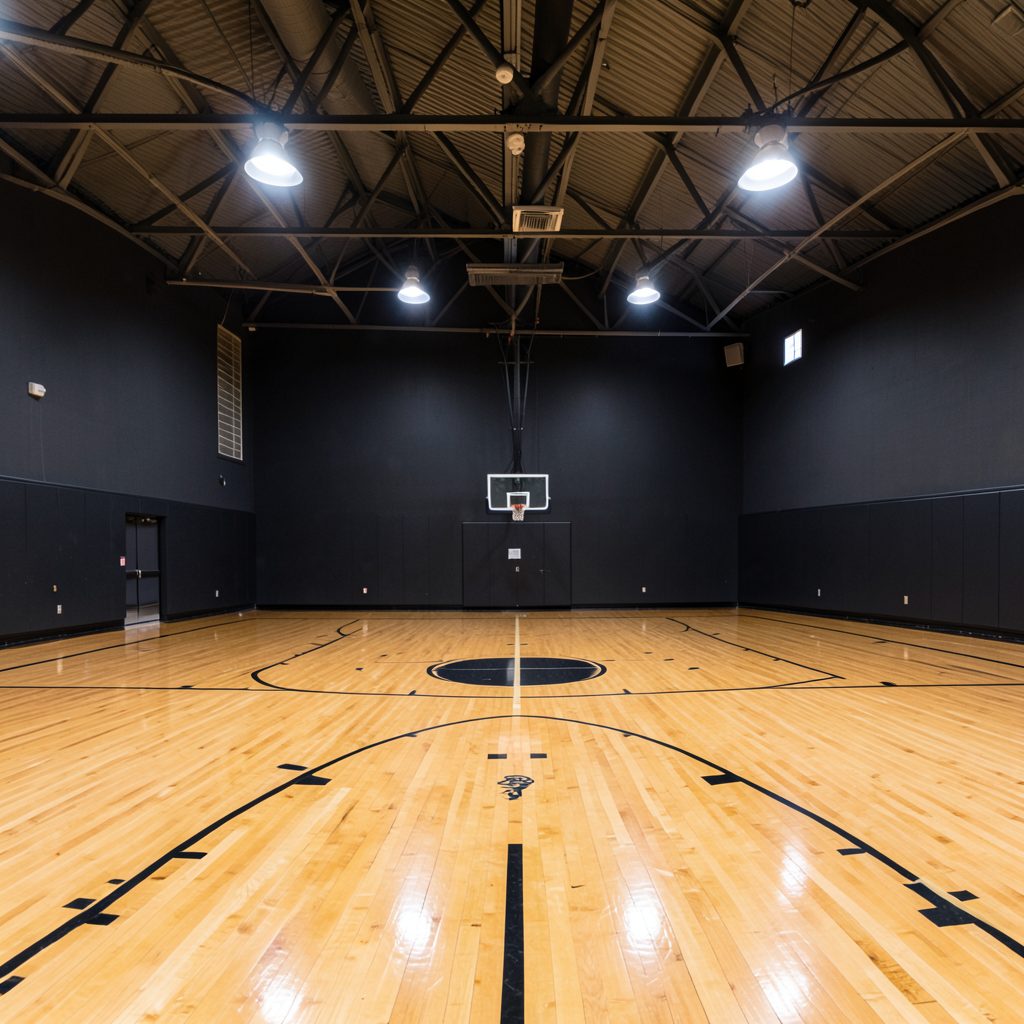
For athletes using a gym or sports facility, compression may fit naturally after a light cycle or mobility session. The Factory D1 Indy is a multi-purpose training and competition venue, and its athletic facility model reflects how basketball, conditioning and recovery can sit within the same sporting environment. Australian clubs can apply the same principle by making recovery a normal part of tournament scheduling rather than an emergency response.
Safety checks before using compression
Normatec should not be used over an unexplained injury, open wound, skin infection or area of acute inflammation without professional advice. Athletes with a history of blood clots, circulation disorders, significant heart or kidney conditions, uncontrolled high blood pressure or other relevant medical concerns should speak with a doctor or physiotherapist first.
Parents should seek guidance before arranging compression for children or teenagers. Young athletes may not describe pressure, tingling or discomfort accurately, and the equipment must be correctly sized and supervised. Coaches should never present compression as mandatory or suggest it can compensate for inadequate rest.
Stop the session if there is pain, numbness, unusual colour change, dizziness, shortness of breath or worsening swelling. Seek prompt medical advice when symptoms are severe or persistent. A physiotherapist can also help distinguish ordinary post-game soreness from a tendon, muscle, joint or vascular problem.
Making it useful across a busy tournament weekend
The best plan is simple enough to follow. On Friday night, prepare water, recovery food, comfortable clothing and any required medication. Between games, keep moving lightly rather than remaining seated for long periods. After the final match, use a short compression session only if the athlete feels comfortable and has no contraindications.
For travelling teams, timing matters. A session before a long drive may make the legs feel more comfortable, but stop regularly, walk around and avoid relying on compression as protection against travel-related health risks. During air travel, follow airline and medical guidance, and discuss any clotting risk with a clinician before flying.
Facility operators and coaches can support better habits by giving athletes space for recovery, clear instructions and realistic expectations. The Factory D1 Indy’s facility information shows the value of viewing sport as more than game time, with training, community and athlete wellbeing connected. That approach is equally relevant to Basketball Australia clubs, school competitions and local representative programs.
Normatec compression can be a comfortable addition after a demanding tournament, particularly when the legs feel heavy and the athlete wants a structured wind-down. Use a moderate setting, keep sessions sensible, monitor the body’s response and combine the boots with food, fluids, sleep and gentle movement. For individual advice, ask a sports physiotherapist or medical professional to design a recovery approach suited to the athlete’s age, health and competition schedule.
Inside The Factory

Three Entities, One Roof
Leagues
Eight league divisions span every age group: Indy Pro AM, 18+ Open Men's, 30+ Men's, Bite Size (ages 3–6), Impact League, 5th/6th Grade, Middle School, and High School. Gather your team and compete.
Training
Individual and group basketball training for all skill levels. Major M.O.V.E.S. Basketball Training serves ages 4–7 on Wednesday and Thursday evenings at 6:30 PM — $30 per session or $100 unlimited monthly.
Wellness & Recovery
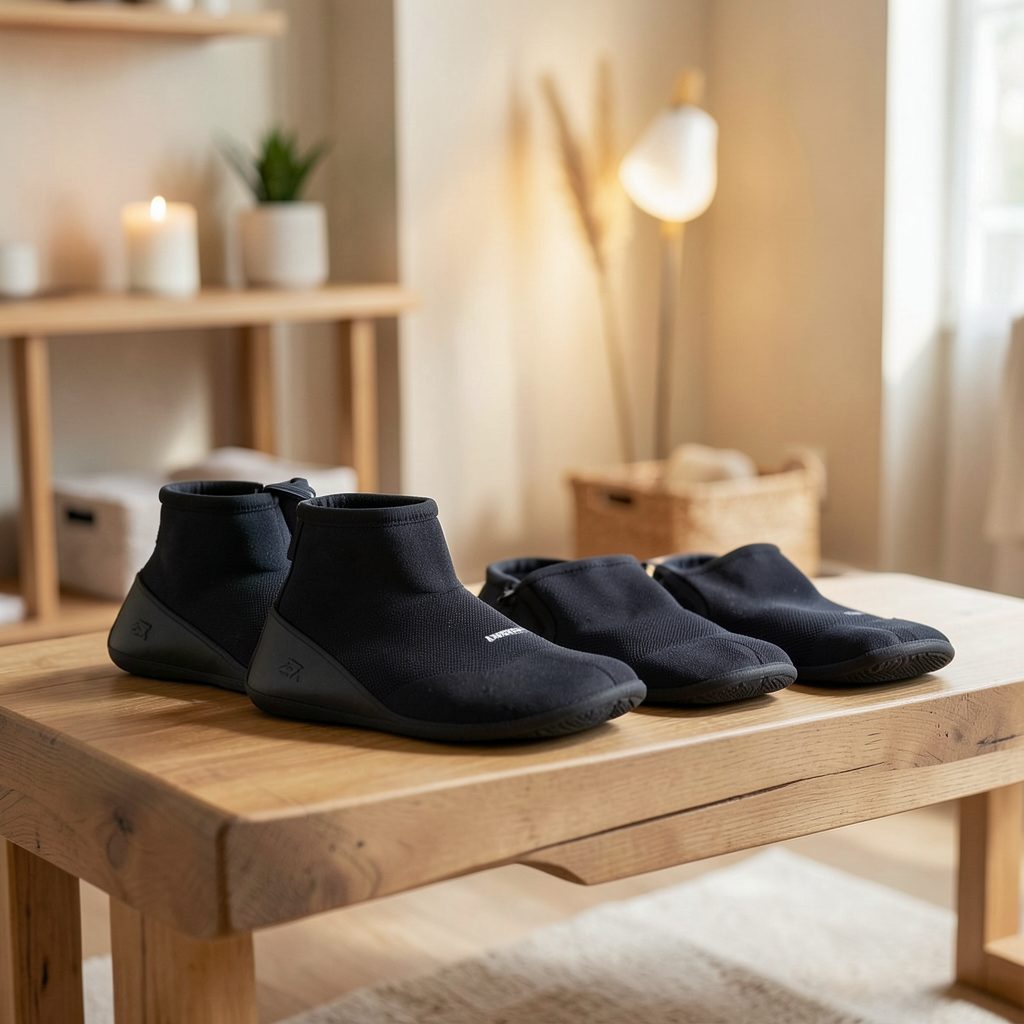
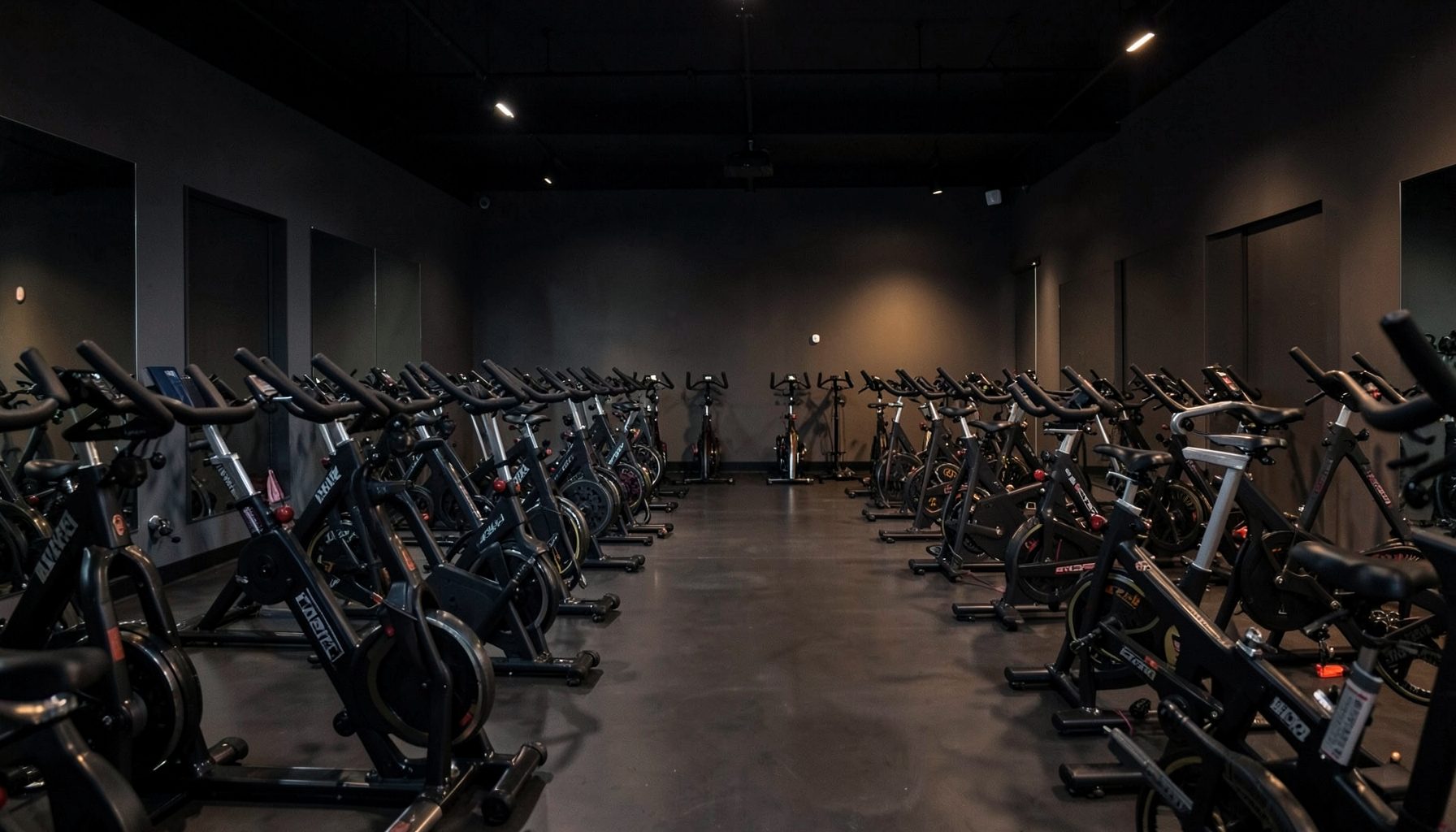
Normatec boot recovery and cryotherapy treatments help athletes bounce back faster. Cycle and spin classes add a cardio dimension to the holistic performance approach.
Have a Question?