Train. Compete. Recover.
A multi-purpose athletic facility in Speedway, Indiana — basketball leagues, skill training, and wellness services all under one roof.
The Factory D1 Indy brings together three entities under one roof: competitive basketball leagues for all age groups, individual and group training, and wellness & recovery services including Normatec boot recovery and cryotherapy. Located off I-465 and High School Road at 6331 Crawfordsville Road, Speedway, Indiana 46224.
Get In TouchHow Youth Basketball Teams Are Built for Balanced Competition
A youth basketball league is at its best when every player has a meaningful role, every team faces a fair test and improvement feels achievable. Balanced competition does not mean making every game identical. It means creating match-ups where athletes can develop skills, make decisions under pressure and enjoy the energy of playing with their peers.
At The Factory D1 Indy, team placement is treated as an ongoing process rather than a single decision made before opening tip-off. Coaches and league staff consider age, experience, physical development, positions, attendance and playing habits before forming divisions and rosters. The aim is a competitive environment that supports beginners while still challenging experienced players.
This approach is relevant for Australian families comparing youth sports in Sydney, Melbourne, Brisbane or regional communities. Local schedules often follow school terms, Saturday morning activities and winter sport calendars, so clear communication and reliable grading matter. A well-run allocation process helps families understand where their child fits and gives coaches the information needed to create a positive season.
What Balanced Competition Means
A balanced league gives players regular opportunities to contribute. A newer athlete may need time to learn spacing, passing and defensive positioning, while an advanced player may be ready to practise leadership, ball movement and decision-making against stronger opposition. Both athletes benefit when games are competitive without becoming discouraging.
Staff look beyond a player’s scoring average. A child who rebounds, communicates, defends or creates opportunities for teammates may have a major impact without leading the scoreboard. Team assignment therefore considers the complete player: technical ability, awareness, confidence, physical readiness and willingness to work within a team structure.
The goal is also to avoid extreme results becoming a weekly pattern. A close game can teach composure and problem-solving. A large, repeated loss can reduce enjoyment and participation, particularly for younger players. Balanced fixtures provide a healthier setting for learning and help athletes associate competition with progress rather than fear of mistakes.
How Player Information Is Collected
Registration information provides the starting point. Families may share a child’s birth year, previous basketball experience, preferred position, availability and any relevant considerations affecting participation. This information is handled carefully, with staff using only what is needed for safe and appropriate team placement.
Assessment sessions, clinics and early games provide a more complete picture. Coaches observe fundamentals such as dribbling control, passing accuracy, shooting mechanics, defensive movement and court awareness. They also note less visible qualities, including listening, resilience, cooperation and how comfortably a player responds to instruction.
This is useful in Australia, where children may move between basketball, AFL, netball, cricket and swimming depending on the season. A player who is new to basketball may still have strong movement skills from another sport. Staff can recognise transferable athletic qualities without assuming that a child with a tall frame or strong shot is automatically ready for the highest level.
Building Teams With Multiple Factors
Once observations are collected, league organisers compare players across the same age group. They consider skill level, experience and likely development needs, then distribute athletes so that no single roster holds a disproportionate number of advanced players or beginners. Position balance is important as well, since teams need ball-handlers, rebounders, defenders and players who can create space.
Age and physical development receive careful attention. Two children born in the same year can differ considerably in height, coordination and confidence. A sensible grading process avoids relying on one characteristic and considers how the player performs in realistic game situations. This is particularly important in junior basketball, where growth can change a player’s abilities over a short period.
Team chemistry is another practical consideration. Coaches may try to prevent combinations that create confusion, while also ensuring that players have familiar faces around them. Friend requests can be considered, but they cannot override the need for fair competition. Maintaining a balanced roster protects the experience of the full group.
Safety supports every placement decision. Families can review this injury prevention advice for practical guidance on warm-ups, recovery and sensible training habits. Coaches also monitor workload and make adjustments when a player’s participation needs change.
Divisions That Match Development
Younger divisions usually place greater emphasis on movement, confidence and basic game understanding. Rules may be adapted to suit the age group, giving children more chances to handle the ball and learn spacing. The result should feel active and encouraging rather than overly focused on winning a ladder.
Older youth divisions can support more advanced tactics, structured defence and competitive league play. Even at this level, grading should allow athletes to experience varied responsibilities. A strong guard may benefit from learning to defend larger opponents, while a developing forward can improve by bringing the ball up the court or making decisions from the perimeter.
Australian families are familiar with age-based sport categories and school-year groupings, but cut-off dates can vary between organisations. Clear registration information should explain how age eligibility is determined and whether a child’s school year, birth date or playing level affects placement. This reduces confusion for families joining from different states or from overseas programmes.
For children with disability or additional support needs, staff should discuss reasonable participation arrangements with families before the season begins. A welcoming league can adjust communication, equipment, court responsibilities or coaching support while preserving the player’s dignity and involvement. Inclusion works best when it is planned rather than left to chance.
Reviewing Results During the Season
The opening allocation is not the final word. Coaches and league staff review scores, margins, attendance, player feedback and observed development as the season progresses. A team that appears evenly matched in week one may look different several rounds later as children gain confidence or return from another sport.
Results are useful, but they are not the only measure. Staff can examine whether players are receiving meaningful court time, whether the ball is being shared and whether games show healthy competition. A close scoreboard does not automatically mean every athlete is engaged, so observation remains essential.
Adjustments may include moving a player between teams, changing divisions, modifying rotations or revising fixtures. These changes should be explained respectfully and made with the child’s welfare in mind. The purpose is to improve the playing environment, not to label athletes as winners or losers.
Recovery and conditioning also affect performance. Young athletes may arrive after school, travel or another weekend activity, while Australian summer heat can make hydration and rest especially important. Families should share relevant information with staff and encourage sensible recovery between sessions, including adequate sleep, fluids and food.
Communication With Families
Parents and carers should know what information is used, when assessments occur and how placement decisions are made. A short explanation of the process builds trust and helps families understand why two friends may be placed on different teams or why a player’s role changes during the season.
Communication should remain child-centred. Staff can discuss development, participation and support needs without comparing one child publicly with another. Results, medical details and personal information should be handled privately. Australian operators also need to consider privacy obligations under the Privacy Act 1988, along with applicable state or territory child-safe requirements and Working with Children Check rules.
Families should contact league staff when a child’s circumstances change. An injury, a new medication, a significant confidence issue or a change in availability can affect participation. The Factory D1 Indy contact team can provide the appropriate channel for questions about registration, placement and league arrangements.
Clear policies are especially valuable for families managing school-term commitments in Adelaide, Perth or Canberra, where travel distances and local competition calendars may differ. Publishing schedules early, stating attendance expectations and explaining grading timelines makes it easier for families to plan without unnecessary pressure.
A balanced youth league depends on thoughtful observation, age-appropriate divisions, regular review and open communication. Learn more about training, leagues and the wider athletic environment at The Factory D1 Indy, then connect with the team to find the right next step for your young player.
Inside The Factory

Three Entities, One Roof
Leagues
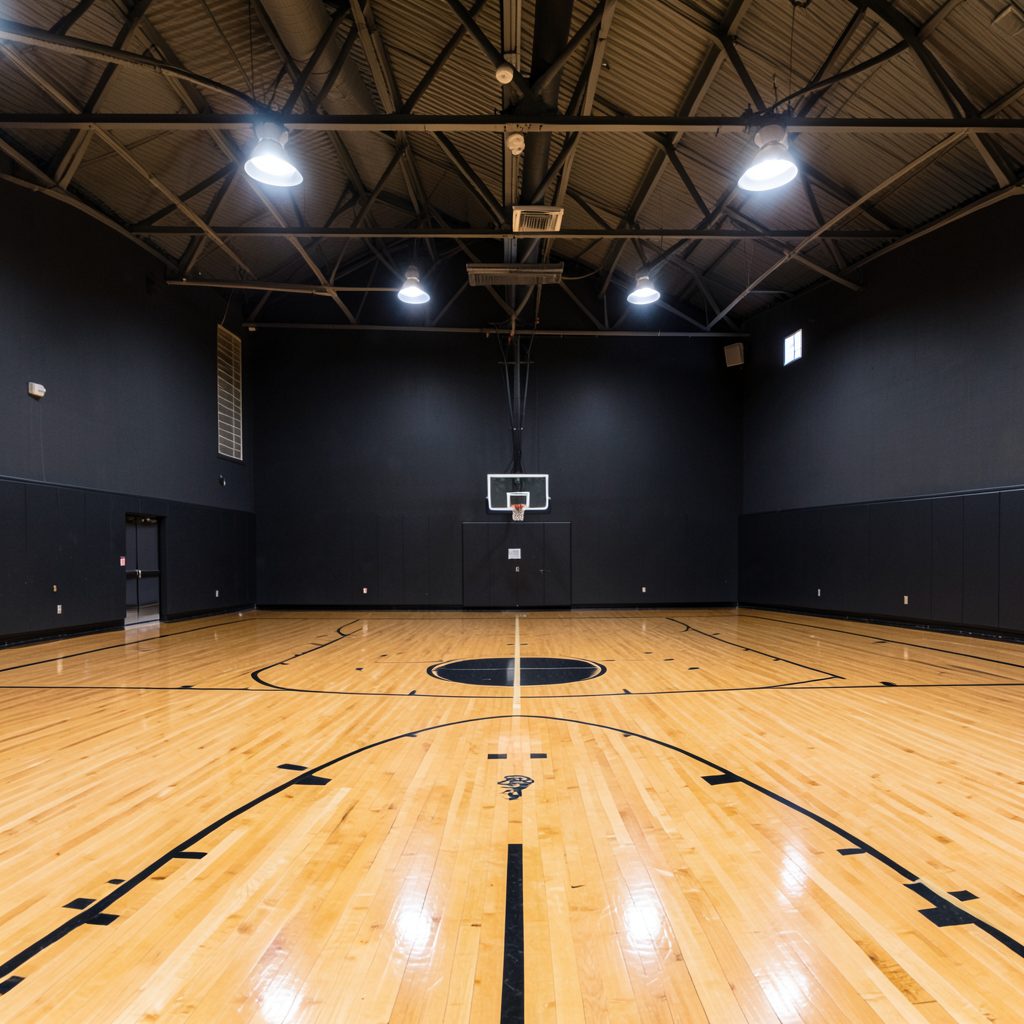
Eight league divisions span every age group: Indy Pro AM, 18+ Open Men's, 30+ Men's, Bite Size (ages 3–6), Impact League, 5th/6th Grade, Middle School, and High School. Gather your team and compete.
Training
Individual and group basketball training for all skill levels. Major M.O.V.E.S. Basketball Training serves ages 4–7 on Wednesday and Thursday evenings at 6:30 PM — $30 per session or $100 unlimited monthly.
Wellness & Recovery
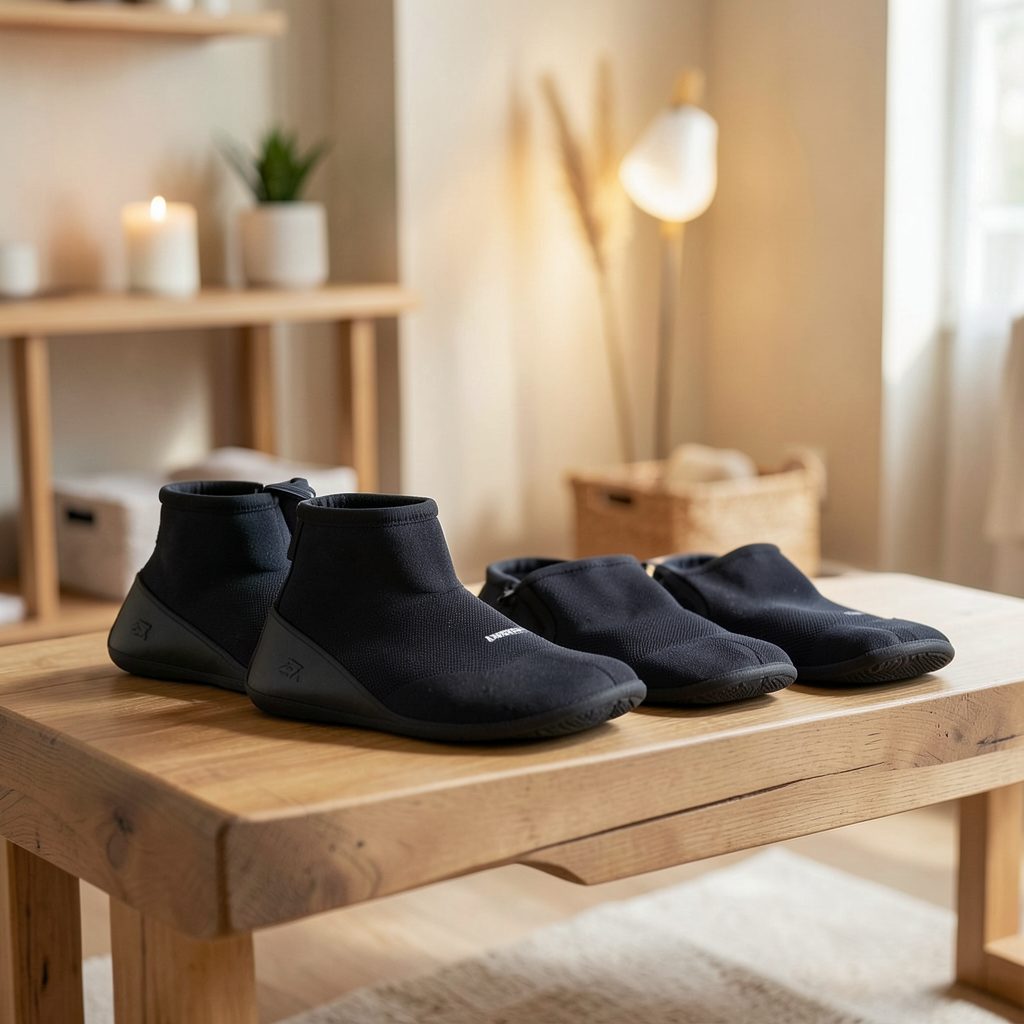
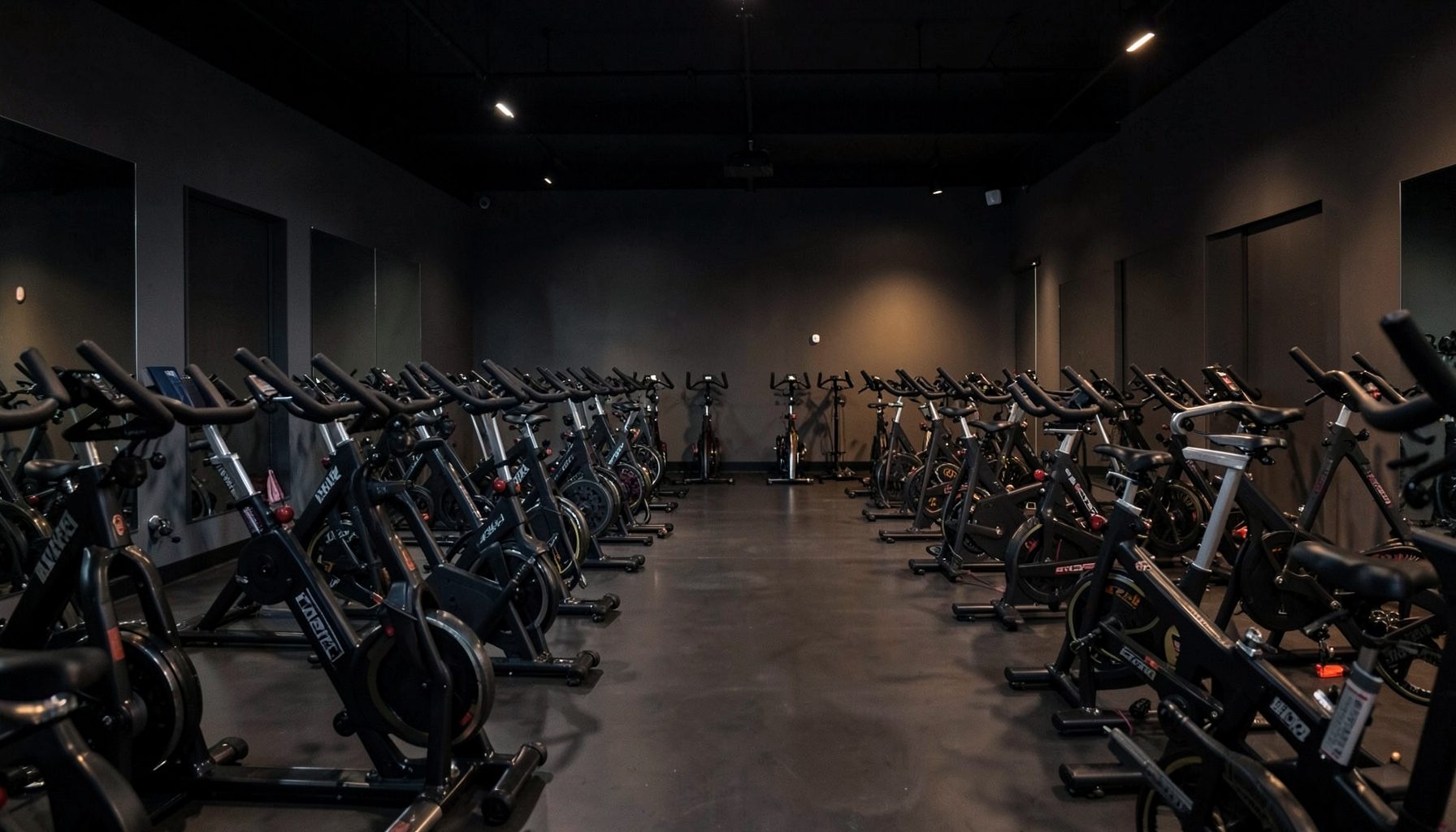
Normatec boot recovery and cryotherapy treatments help athletes bounce back faster. Cycle and spin classes add a cardio dimension to the holistic performance approach.
Have a Question?