Train. Compete. Recover.
A multi-purpose athletic facility in Speedway, Indiana — basketball leagues, skill training, and wellness services all under one roof.
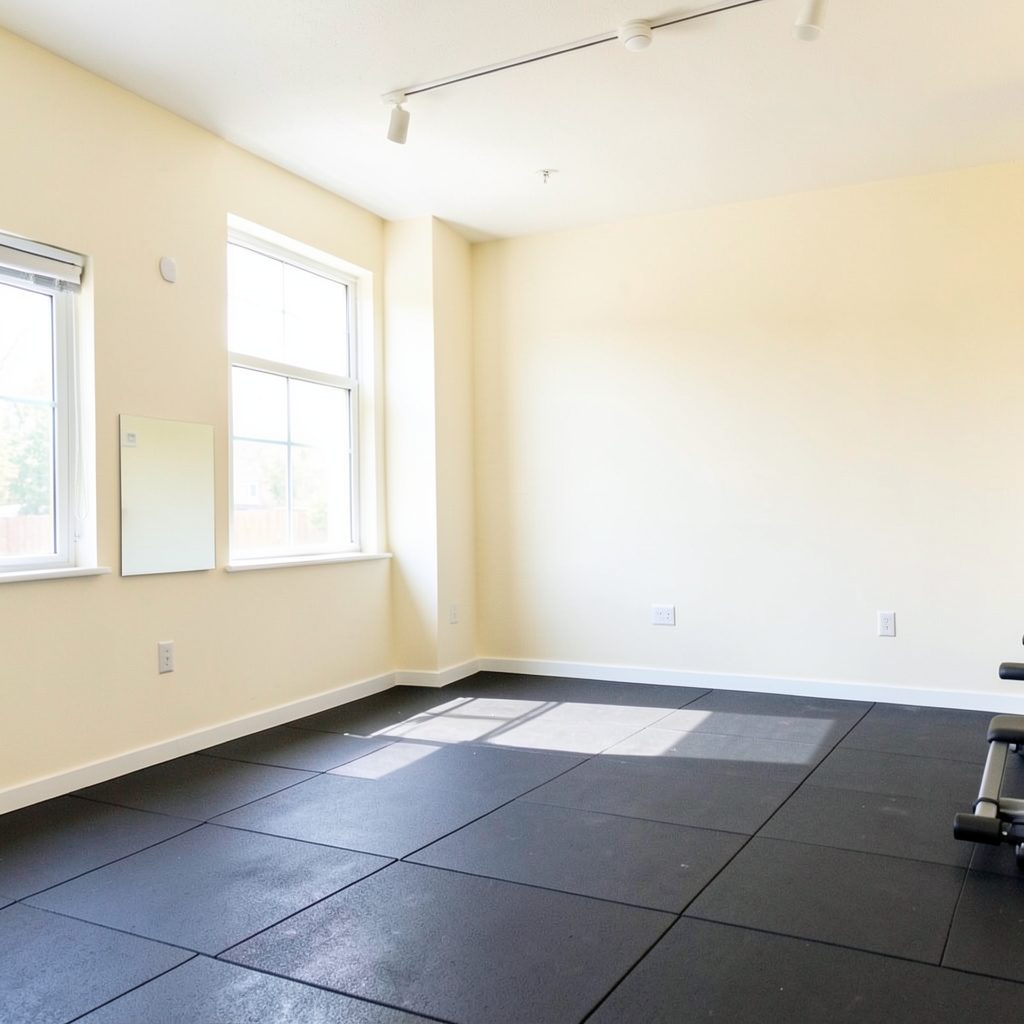
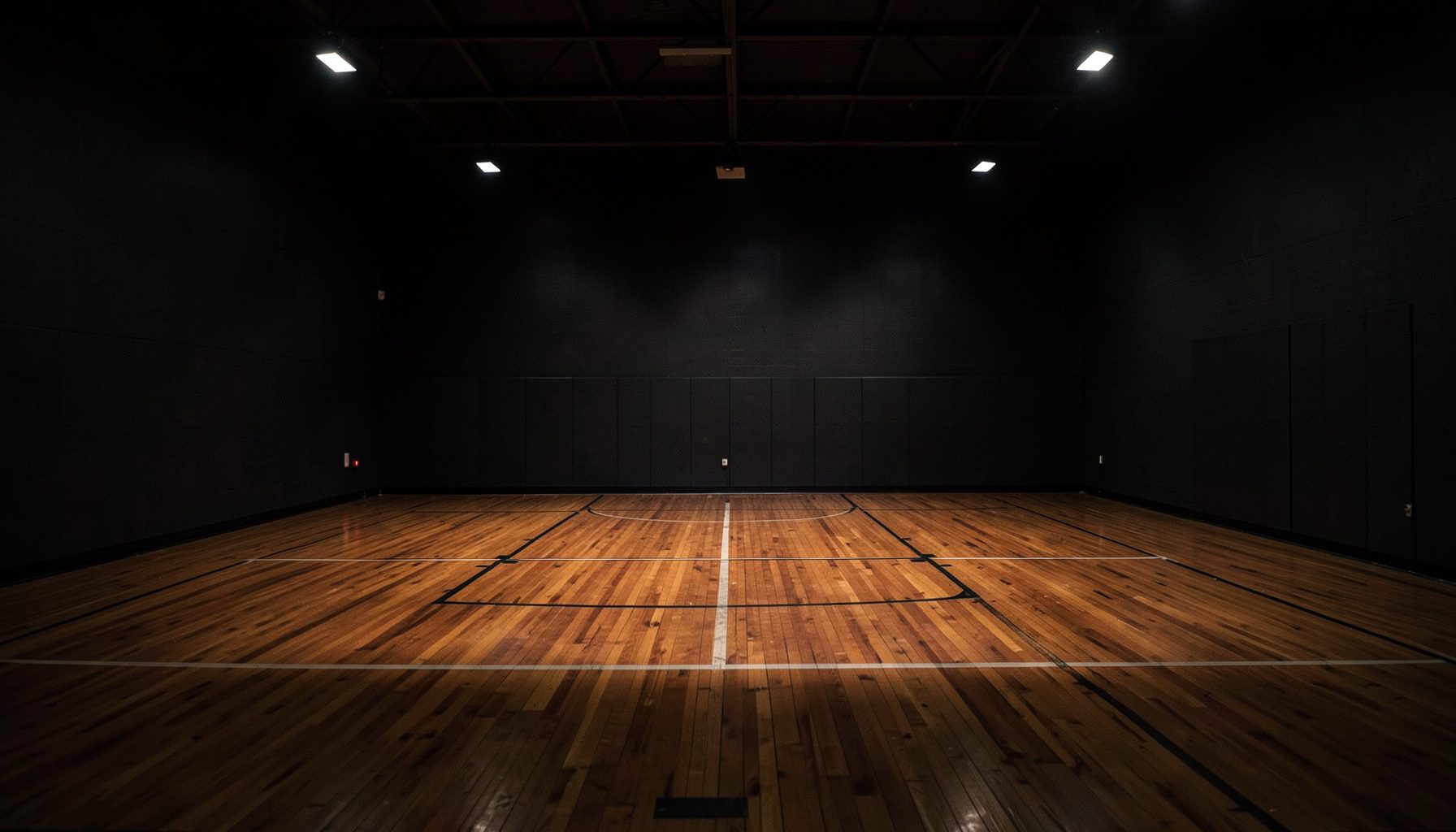
The Factory D1 Indy brings together three entities under one roof: competitive basketball leagues for all age groups, individual and group training, and wellness & recovery services including Normatec boot recovery and cryotherapy. Located off I-465 and High School Road at 6331 Crawfordsville Road, Speedway, Indiana 46224.
Get In TouchBuilding team-first coaches in youth basketball programs
Basketball courts across suburban Melbourne and Brisbane car parks are filling again as winter training blocks wrap up, and the conversation among parents standing along the baselines has shifted. Fewer adults now ask which club produced the next NBL draft pick. More want to know whether the coach running the under-12 squad teaches children to pass, screen and celebrate the teammate who set the screen. That cultural pivot is reshaping accreditation courses, weekend clinics and even how regional associations in Sydney and Perth write their coaching handbooks.
The shift reflects a wider reckoning inside youth sport. Coaches are being retrained to see their role less as a talent-spotter and more as a culture-builder. Programs that once rewarded the child who scored twenty-five points now build curriculum around the assist, the deflection and the box-out. That change is not accidental. It is the product of structured coach education, deliberate drill design and a deliberate de-emphasis on individual statistics.
Coaching certification pathways and curriculum shifts
Basketball Australia's National Coaching Accreditation Scheme, along with state-level bodies in Victoria, Queensland and Western Australia, has rebuilt its introductory modules around what the governing documents now call "shared performance environments." Accreditation used to begin with shooting mechanics and defensive footwork. Today the first sessions of a level-one course cover group dynamics, role differentiation and how to give feedback that lifts the weakest player on the floor rather than the most talented.
In practice, that means a new under-14 coach in Adelaide might spend half of their first weekend learning to facilitate a team huddle, run a values-based warm-up and defuse conflict between two parents arguing about playing time. The technical content still matters, but it is wrapped inside a philosophy that treats basketball as a vehicle for collective growth. Many club directors now require coaches to complete safeguarding training aligned with the Australian Child Safe Standards before they ever run a session, which reinforces that the child sitting at the end of the bench deserves the same developmental attention as the one starting at point guard.
| Coaching Element | Stat-Focused Approach | Team-First Approach |
|---|---|---|
| Primary Goal | Maximise individual scoring | Develop collective habits |
| Player Feedback | Praise points per game | Highlight screens, assists, communication |
| Practice Drills | One-on-one isolation work | Three-man weaves, shell defence rotations |
| Success Metrics | Personal scoring averages | Assist-to-turnover ratio, defensive stops as a unit |
| Parent Communication | Reports on individual output | Reports on role execution and group progress |
This comparison sums up the practical difference between two coaching mindsets, and most modern associations now expect their accredited coaches to fall firmly on the right-hand side. Drift toward the left, and coaches are usually pulled into a remediation session with their club director before the next grading round.
Drills that reward assists, screens and rotations
Practice planning has changed almost as much as the language used to describe it. A traditional session at many older Australian clubs opened with twenty minutes of free shooting, then moved into two-on-two work where the strongest player dominated the ball. Modern sessions often open with passing circuits, then move into three-on-three games where the only way to score is after a predetermined number of passes, a screen or a defensive rotation. The drill is engineered so that individual brilliance alone cannot win the possession.
This design is deliberate. Coaches trained in the team-first philosophy understand that a fourteen-year-old who learns to set a solid down pick in October will be a far more effective senior player three years later than a fourteen-year-old who was told to keep shooting until something falls. The same logic drives the rise of small-sided games across Australian junior pathways, mirroring trends in Football Australia's MiniRoos framework and Cricket Australia's junior formats. Smaller numbers on the floor or field force every participant to read the game, talk to teammates and accept responsibility.
Equipment choices reinforce the lesson. Coaches now lean on cone setups that demand multiple screens before a shot, training tops colour-coded by role rather than by starter status, and scoreboards that track assists and deflections alongside the score. The gym at The Factory D1 Indy uses many of these same methods in its youth competition leagues, where under-10 and under-14 divisions are intentionally structured so that box scores from one weekend look very different from the polished highlight reels that circulate on social media.
Communication and feedback structures for young players
Words matter as much as drills. Coaches who are trained to emphasise teamwork are taught to give feedback that names the behaviour, not the child, and that points to the group's response rather than to one player's mistake. A traditional sideline call of "Jake, shoot it" gets replaced by "eyes up, find the next pass." A coach who used to pull a young defender aside after a missed assignment now asks the whole unit to reset and discuss what they saw, which encourages the quieter players to speak up in a structured setting.
Australian sporting bodies have been pushing this approach for several years through coach mentorship programs run out of state associations in Brisbane, Perth and Hobart. Mentor coaches sit in on sessions, take notes on language and tone, then debrief with the head coach afterwards. The focus is rarely on tactics and almost always on whether the coach is creating a space where the least experienced player feels safe to make a mistake and learn from it. That habit travels with the player long after they finish junior sport.
Measuring progress without relying on the stat sheet
One of the hardest adjustments for clubs used to ranking players by points per game is finding new ways to measure growth. Coaches trained in the new approach often use tools borrowed from player development journals, where athletes record subjective indicators like effort, communication, leadership and willingness to screen. Clubs in Melbourne's eastern suburbs and across regional New South Wales have piloted simple rubrics where players self-rate, peers rate and the coach rates, then the three scores are averaged so that no single voice dominates.
Stat-tracking software still exists, of course, and advanced metrics like assist-to-turnover ratio, deflections drawn and screen assists have grown more visible at the junior level. The difference is that these numbers are framed as evidence of teamwork rather than personal accomplishment. A player who records six screen assists in a single game is celebrated in the same breath as one who scores twenty, and parents receive a weekly summary that highlights the role the player executed rather than the bucket they created. Parents who want to see what this looks like in a real training environment can browse the facility's training session gallery, which shows huddle structure and drill flow in action.
Parent, club and federation roles in reinforcing the philosophy
No coaching philosophy survives without the adults around it. Basketball Australia, Netball Australia and several football federations have all released guidance encouraging clubs to brief parents at the start of each season on the values the program is built on. Many associations now distribute a one-page code of conduct that explicitly asks parents to refrain from shouting individual instructions from the sideline and instead encourages collective affirmation.
Clubs in cities like Geelong, Cairns and Wollongong have begun running pre-season parent sessions, sometimes over a casual barbecue, where coaches explain why the under-12 team might not have a single thirty-point scorer and why that outcome is a sign of success rather than failure. Federation-level events such as coach networking evenings and regional conferences reinforce the message from the top down, while grassroots clubs keep it alive on the ground. When the entire ecosystem speaks the same language, the young player stops hearing conflicting messages about what success looks like.
Training a coach to value teamwork over individual stats is rarely a single lesson. It is a layered process that touches accreditation, drill design, language, measurement and the wider club culture. Parents searching for a program that lives these principles can register interest in upcoming seasons, request a tour of the training space or sign a child up for a free trial session to see the approach in action before committing to a term.
Inside The Factory


Three Entities, One Roof
Leagues
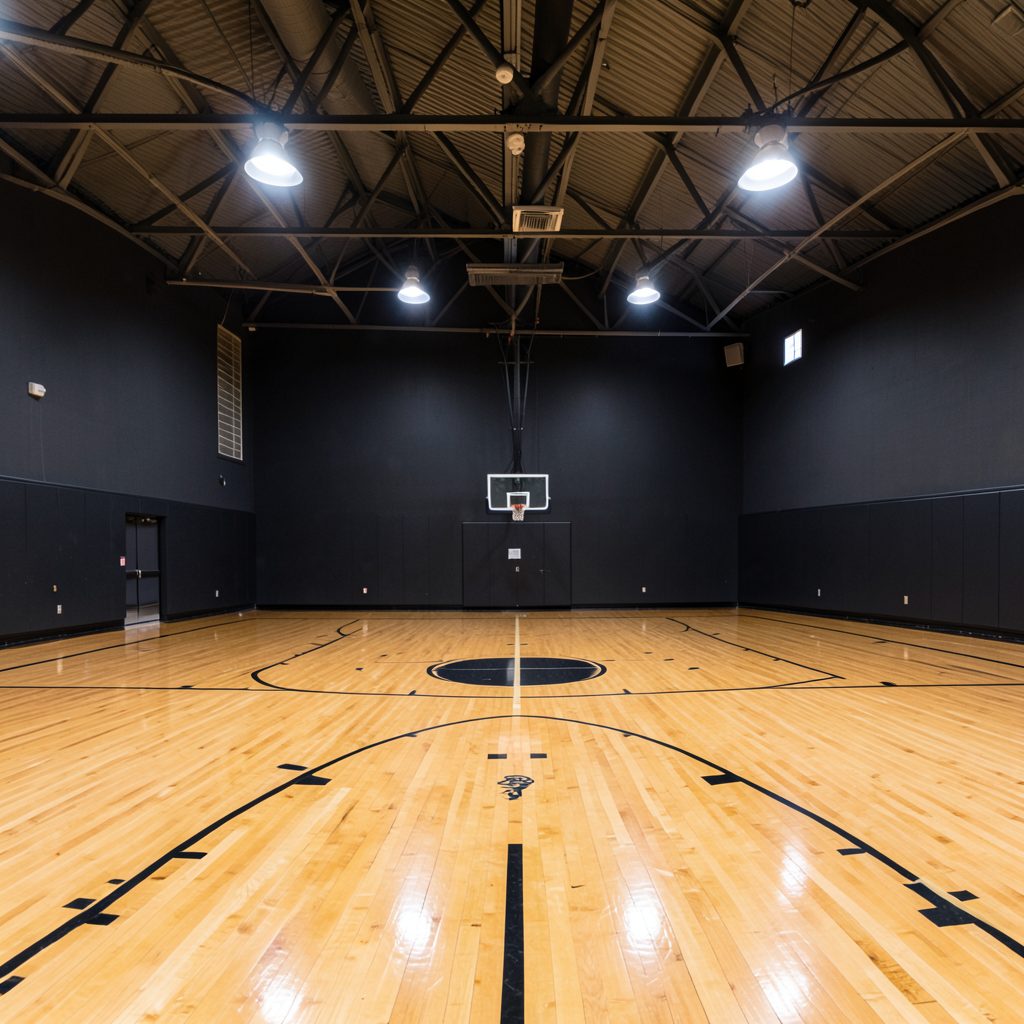
Eight league divisions span every age group: Indy Pro AM, 18+ Open Men's, 30+ Men's, Bite Size (ages 3–6), Impact League, 5th/6th Grade, Middle School, and High School. Gather your team and compete.
Training
Individual and group basketball training for all skill levels. Major M.O.V.E.S. Basketball Training serves ages 4–7 on Wednesday and Thursday evenings at 6:30 PM — $30 per session or $100 unlimited monthly.
Wellness & Recovery
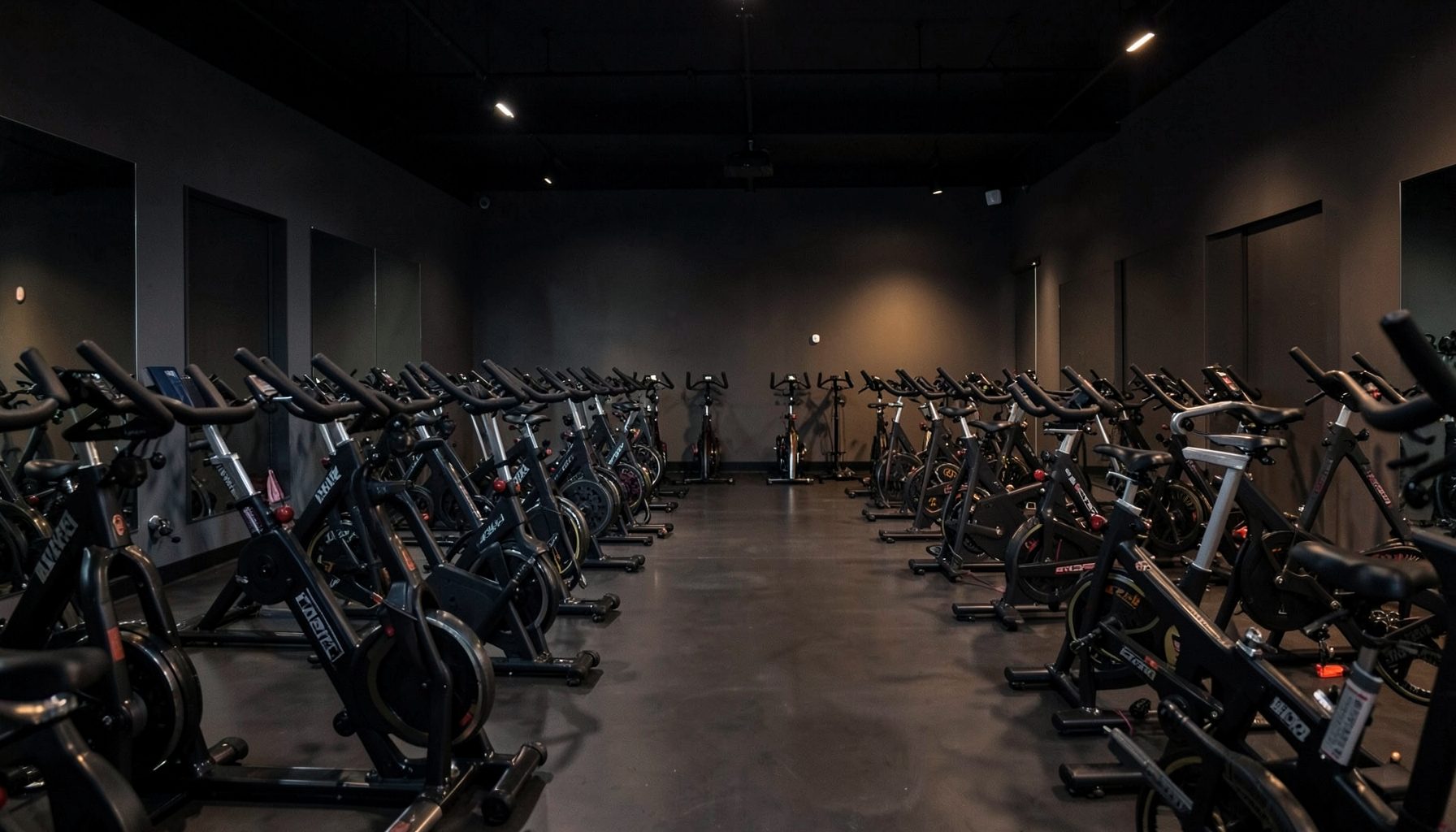
Normatec boot recovery and cryotherapy treatments help athletes bounce back faster. Cycle and spin classes add a cardio dimension to the holistic performance approach.
Have a Question?