Train. Compete. Recover.
A multi-purpose athletic facility in Speedway, Indiana — basketball leagues, skill training, and wellness services all under one roof.
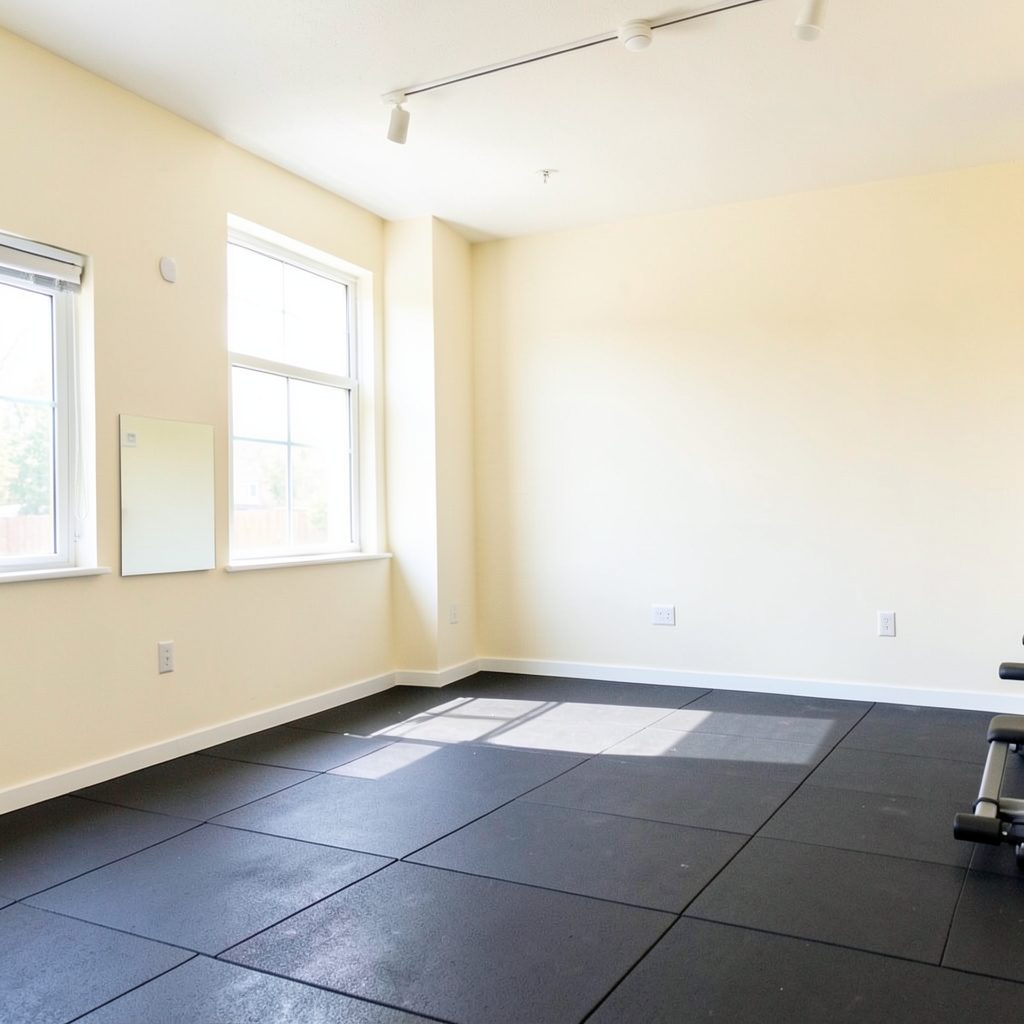
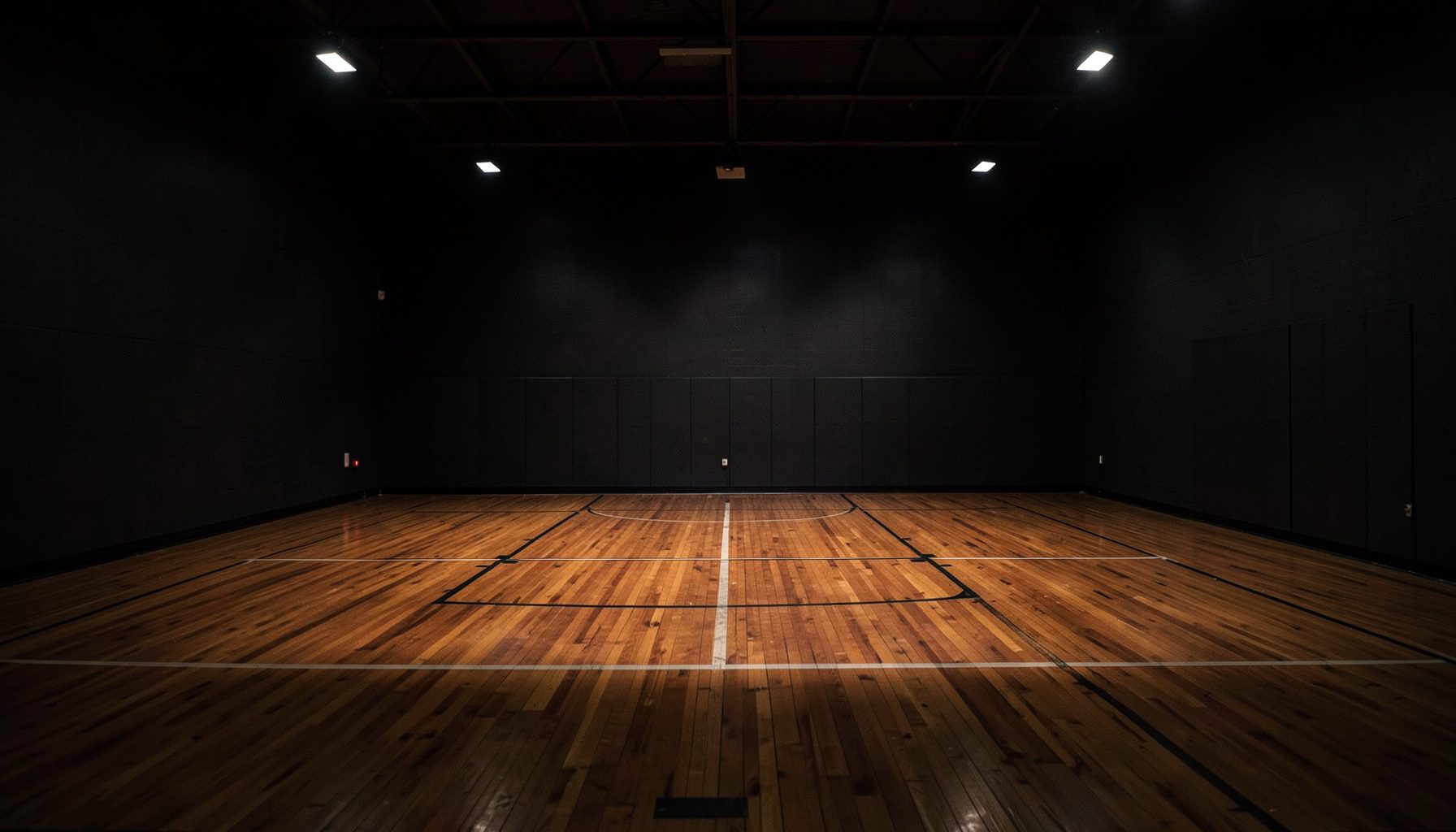
The Factory D1 Indy brings together three entities under one roof: competitive basketball leagues for all age groups, individual and group training, and wellness & recovery services including Normatec boot recovery and cryotherapy. Located off I-465 and High School Road at 6331 Crawfordsville Road, Speedway, Indiana 46224.
Get In TouchNormatec Compression for Swelling After Basketball Injuries
Basketball puts repeated stress on the ankles, knees, calves, and feet. A hard landing, quick change of direction, collision, or awkward step can trigger inflammation and fluid buildup around an injured area. Swelling may limit mobility, make shoes feel tight, and delay a comfortable return to training.
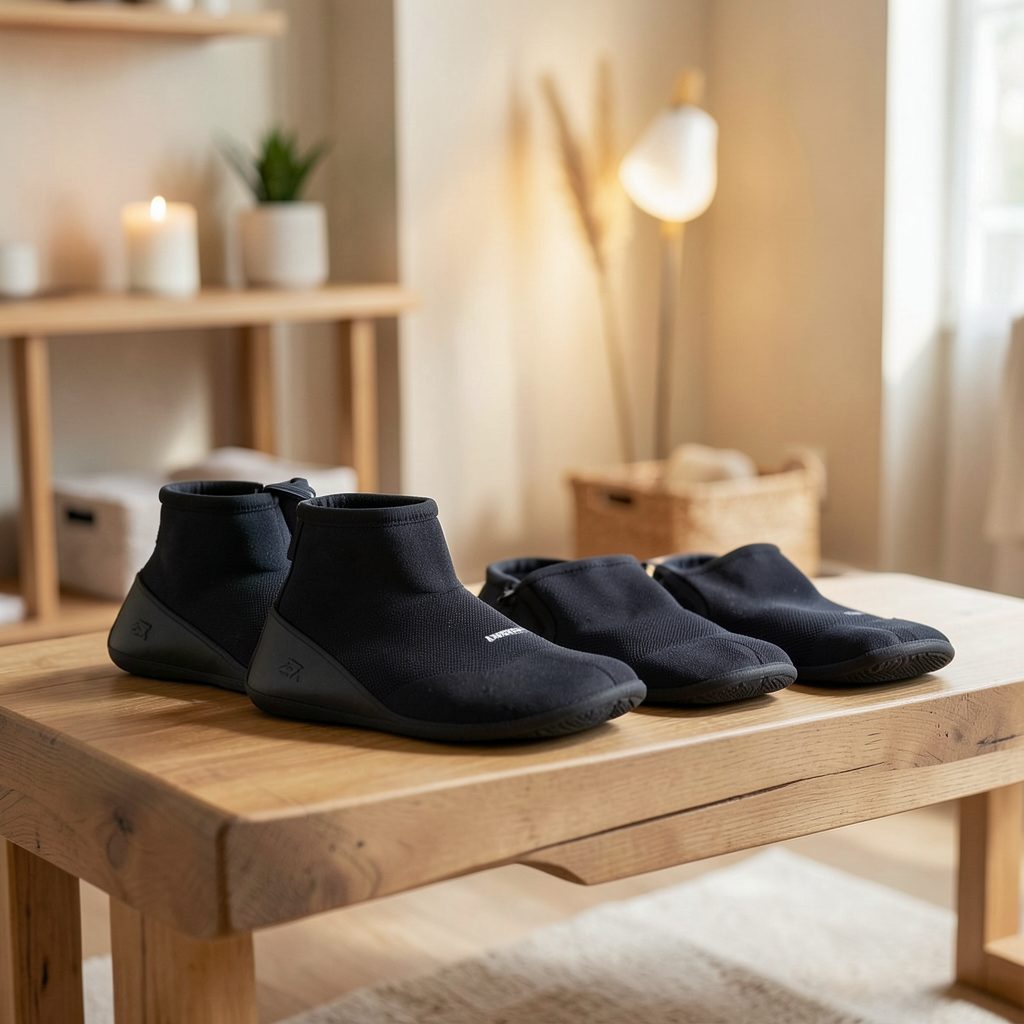
Normatec compression therapy uses inflatable sleeves that apply sequential pressure to the limbs. This rhythmic compression may support circulation and encourage the movement of excess fluid away from the treated area. For basketball players, it can be a useful recovery service alongside rest, movement guidance, and an appropriate rehabilitation plan.
The Factory D1 Indy provides a sports-focused setting where athletes can address conditioning, performance, and recovery in the same community facility. Normatec sessions can fit into a broader approach designed to help players manage post-workout soreness and the effects of minor, medically evaluated injuries.
Why Basketball Injuries Cause Swelling
Swelling is part of the body’s normal response to tissue irritation. When an ankle is rolled or a knee absorbs unusual force, blood flow and immune activity increase around the affected area. Fluid can collect in the surrounding tissues, producing puffiness, stiffness, tenderness, or reduced range of motion.
Some swelling is expected after a mild sprain or overuse problem, but the amount and duration matter. Rapidly increasing swelling, severe pain, numbness, obvious deformity, inability to bear weight, or unusual warmth and redness should be assessed by a qualified medical professional. Compression should not replace an examination when an injury may be serious.
Basketball players may also notice lower-leg heaviness after tournaments, long practices, or multiple games in a short period. In that situation, temporary fluid retention and muscle fatigue may respond well to gentle recovery strategies. A provider can help determine whether compression is appropriate for the athlete’s current condition.
How Normatec Compression Supports Recovery
Normatec systems use air-filled chambers that inflate and release in sequence, generally beginning farther down the limb and moving upward. This pattern resembles a controlled pumping action. It may help promote venous return and lymphatic fluid movement while providing a gentle, enclosing sensation around the legs.
The therapy is often used for temporary relief from feelings of tightness, fatigue, and heaviness. After an ankle or lower-leg injury has been evaluated, a compression session may support comfort while the athlete follows a rehabilitation program. It does not repair a torn ligament, stabilize a fracture, or substitute for strength and mobility work.
Response varies from player to player. Some athletes prefer a shorter, lower-pressure session early in recovery, while others use compression after intense training or competition. Settings should be selected with guidance from trained staff, especially when the athlete has a recent injury, a chronic health condition, or a history of circulation problems.
Comparing Recovery Options
Normatec is one part of a larger recovery toolkit. Its main value is controlled, sequential compression, while other strategies address different aspects of swelling, pain, mobility, and tissue tolerance. Combining methods should be based on the injury and the athlete’s stage of recovery rather than on a fixed routine.
| Recovery approach | Potential role | Important consideration |
|---|---|---|
| Normatec compression | Supports circulation and may reduce feelings of heaviness or mild swelling | Use only when appropriate for the injury and health history |
| Elevation | Uses gravity to help fluid move away from an affected limb | Keep the position comfortable and avoid aggravating pain |
| Cold therapy | May temporarily reduce pain and inflammatory discomfort | Protect the skin and follow time limits recommended by a professional |
| Gentle mobility | Helps maintain comfortable joint motion and reduce stiffness | Do not force movement through sharp pain |
| Active rehabilitation | Restores strength, balance, control, and sport-specific function | Progress should match healing and professional guidance |
For a player with a recent sprain, recovery may begin with medical assessment, relative rest, and carefully chosen movement. Compression can then be added when suitable. For routine post-game fatigue, it may complement hydration, sleep, light mobility, and gradual cool-down activity.
When To Use It Safely
Normatec compression may be considered after a training session, following competition, or during the recovery phase of a minor injury that has already been evaluated. Athletes should communicate where swelling is located, how the injury occurred, and whether symptoms have changed since the previous session.
Compression may be unsuitable for people with certain vascular conditions, uncontrolled heart failure, active skin infection, open wounds, suspected blood clots, or other medical concerns. A healthcare professional should provide direction when there is uncertainty. New calf pain with warmth, significant redness, sudden swelling, chest pain, or shortness of breath requires urgent medical attention rather than a recovery session.
The equipment should feel supportive, not painful or excessively restrictive. Stop if the athlete experiences numbness, tingling, increased pain, discoloration, dizziness, or worsening swelling. A trained facility professional can help with sleeve placement, pressure selection, and session duration.
Pair Recovery With Smart Training
Recovery works best when it supports the demands placed on the body. A basketball player who repeatedly trains through restricted ankle motion or poor landing mechanics may continue to irritate the same tissues. Compression can help an athlete feel more comfortable, but it should be paired with movement correction, progressive strengthening, and appropriate workload management.
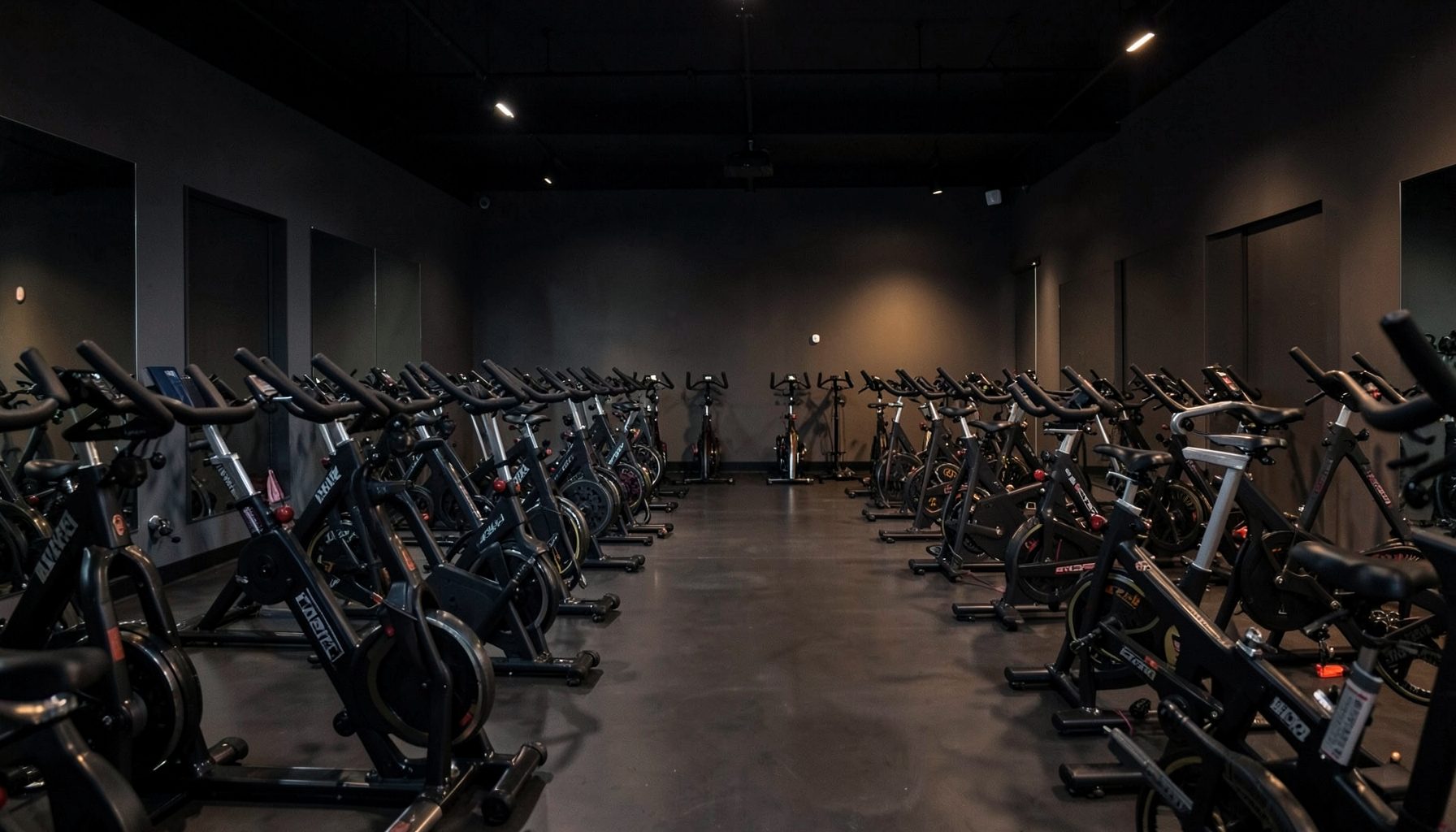
Low-impact conditioning may be useful when jumping and cutting are temporarily limited. The Factory D1 Indy’s cycle and spin classes offer a way to build cardiovascular fitness with less repetitive impact than full-court play. However, even cycling should be modified or postponed if knee, hip, or ankle motion causes pain.
A well-rounded return-to-play plan typically moves from basic mobility to strength, balance, controlled acceleration, deceleration, and sport-specific drills. The athlete should be able to complete each stage with acceptable symptoms before increasing intensity. A coach, athletic trainer, physical therapist, or physician can help set those benchmarks.
Practical Steps for Better Recovery
A consistent plan can help athletes use compression therapy thoughtfully instead of treating it as a quick fix. Keeping track of swelling, pain, range of motion, and training load gives players and professionals useful information about whether recovery is progressing.
For basketball-related swelling, consider these habits:
- Have significant or persistent swelling assessed before beginning compression sessions.
- Use a comfortable pressure and duration selected with guidance from trained staff.
- Combine compression with hydration, sleep, elevation, and gentle mobility when appropriate.
- Avoid returning to cutting, jumping, or competition solely because swelling feels temporarily reduced.
- Stop treatment and seek medical advice if symptoms worsen or new warning signs appear.
Make Recovery Part of Your Routine
The best recovery strategy is practical enough to repeat and flexible enough to change as the athlete improves. A player may use Normatec after a demanding tournament, during a gradual return from an ankle injury, or as part of a broader wellness visit. The right timing depends on symptoms, training demands, and professional recommendations.
A sports facility can make that process easier by bringing training, conditioning, and recovery services together. Athletes and families can explore the programs and wellness options available at The Factory D1 Indy and discuss whether Normatec compression fits their goals.
Schedule a recovery session with qualified facility staff, share your injury history honestly, and use compression as one component of a safe plan for getting back to basketball.
Inside The Factory
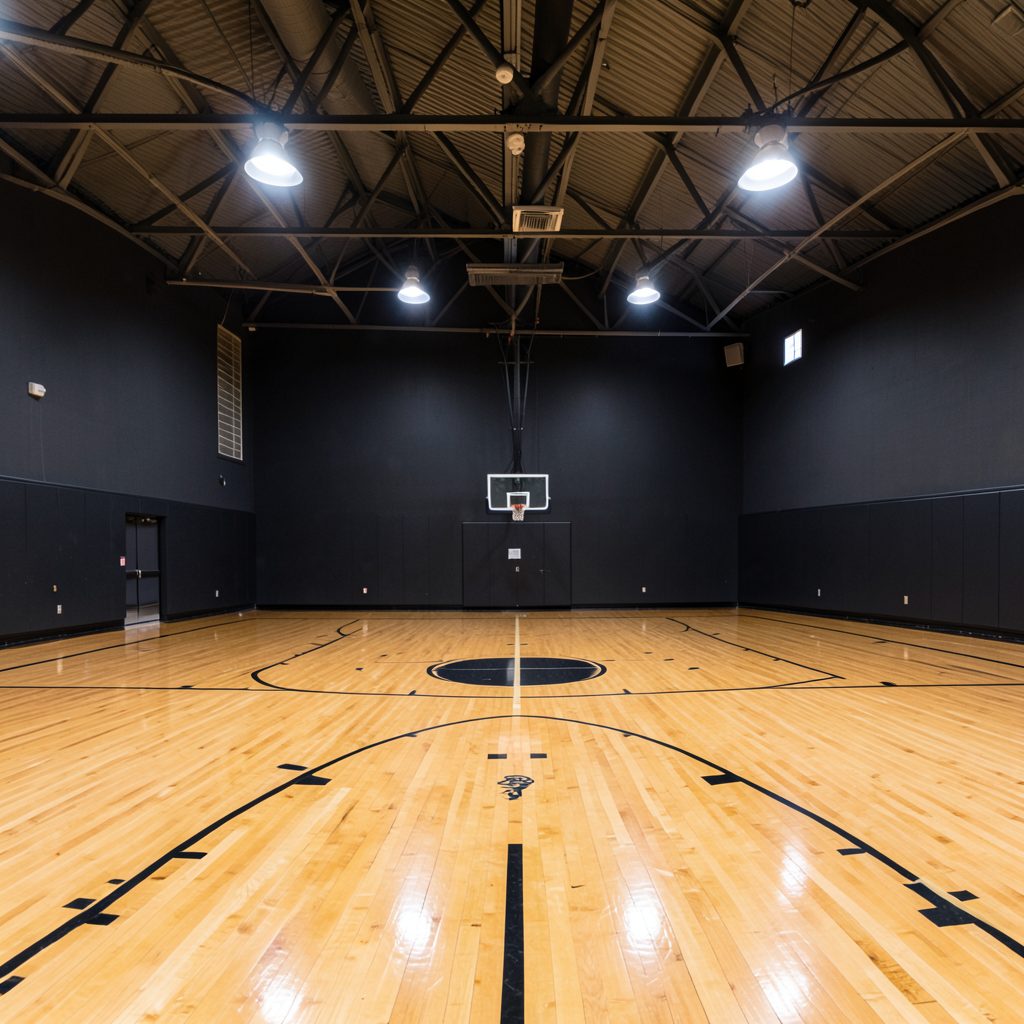
Three Entities, One Roof
Leagues
Eight league divisions span every age group: Indy Pro AM, 18+ Open Men's, 30+ Men's, Bite Size (ages 3–6), Impact League, 5th/6th Grade, Middle School, and High School. Gather your team and compete.
Training
Individual and group basketball training for all skill levels. Major M.O.V.E.S. Basketball Training serves ages 4–7 on Wednesday and Thursday evenings at 6:30 PM — $30 per session or $100 unlimited monthly.
Wellness & Recovery
Normatec boot recovery and cryotherapy treatments help athletes bounce back faster. Cycle and spin classes add a cardio dimension to the holistic performance approach.
Have a Question?