Train. Compete. Recover.
A multi-purpose athletic facility in Speedway, Indiana — basketball leagues, skill training, and wellness services all under one roof.
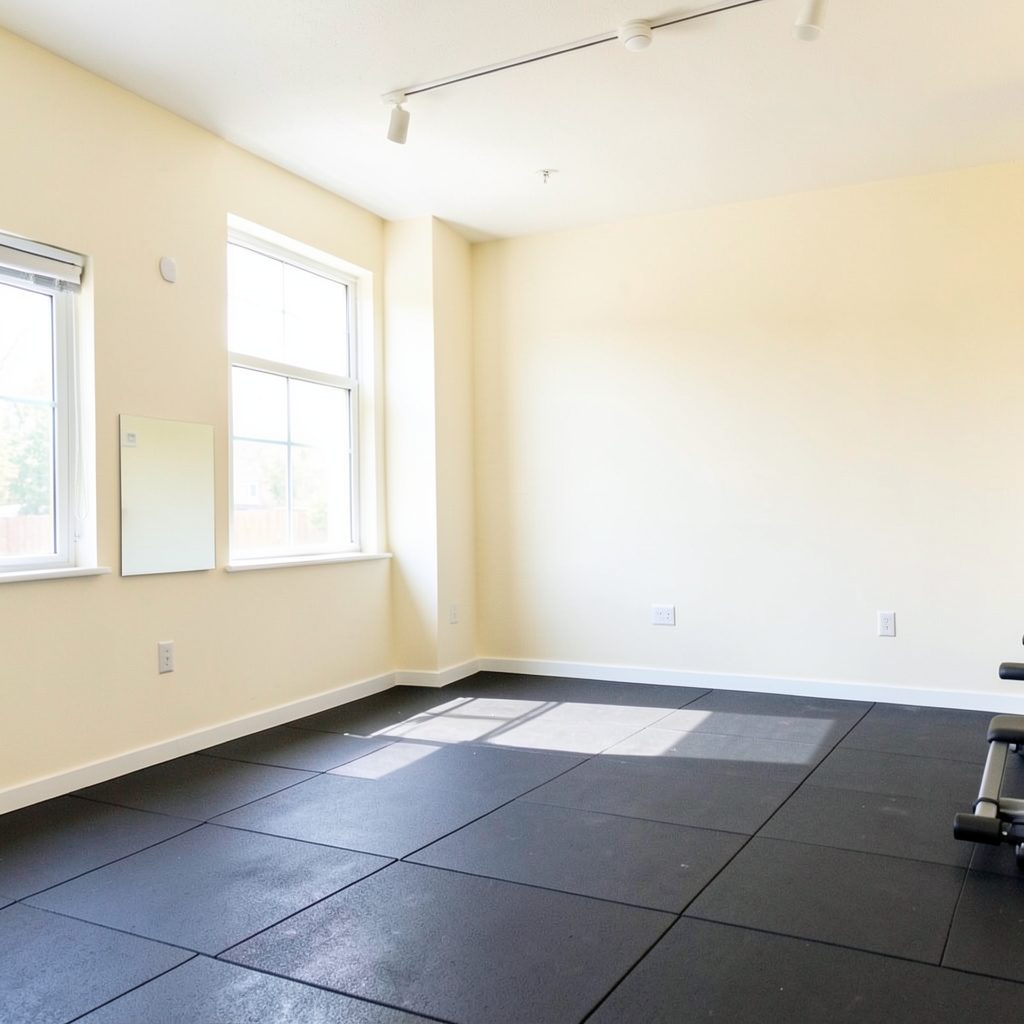
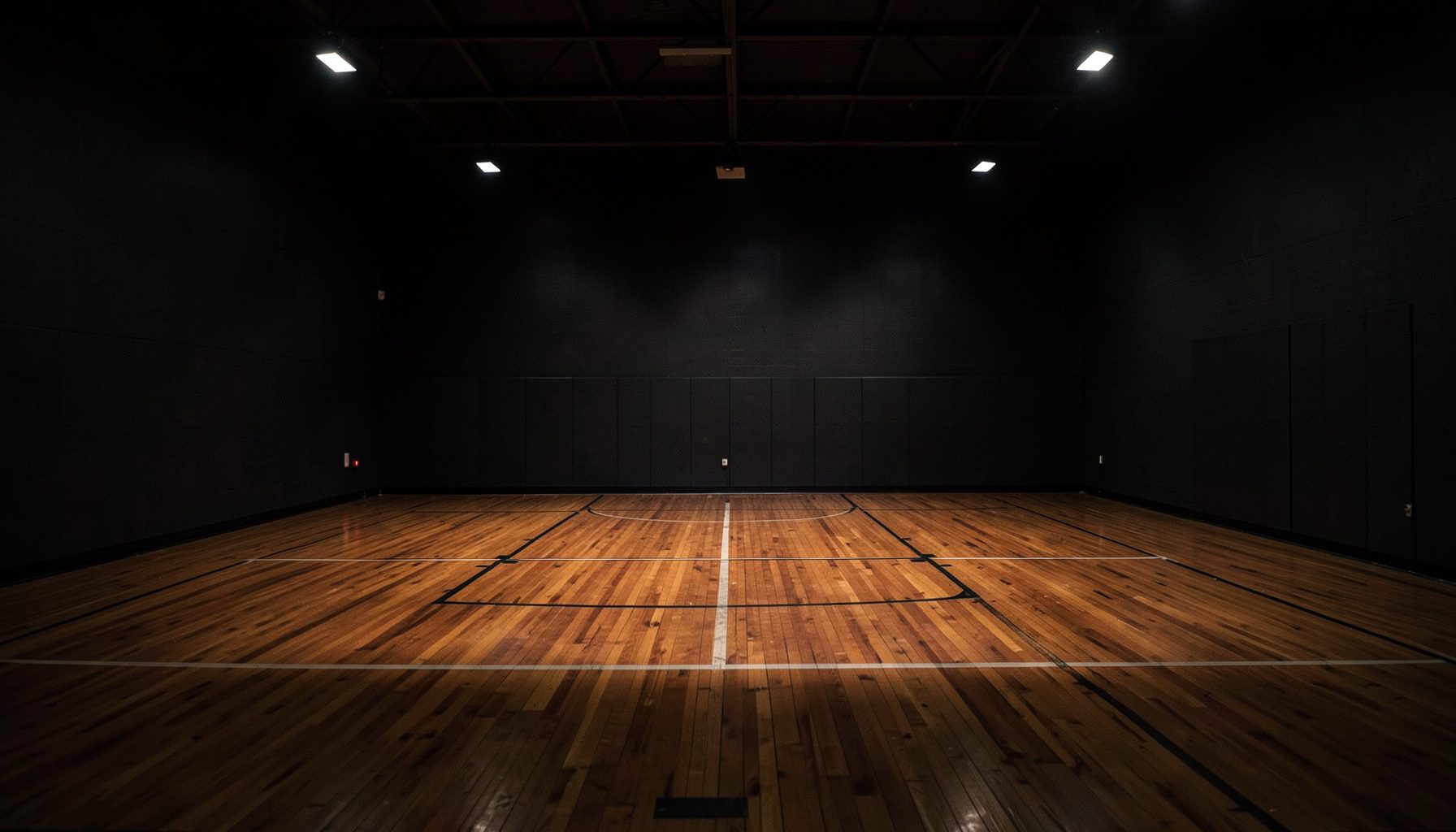
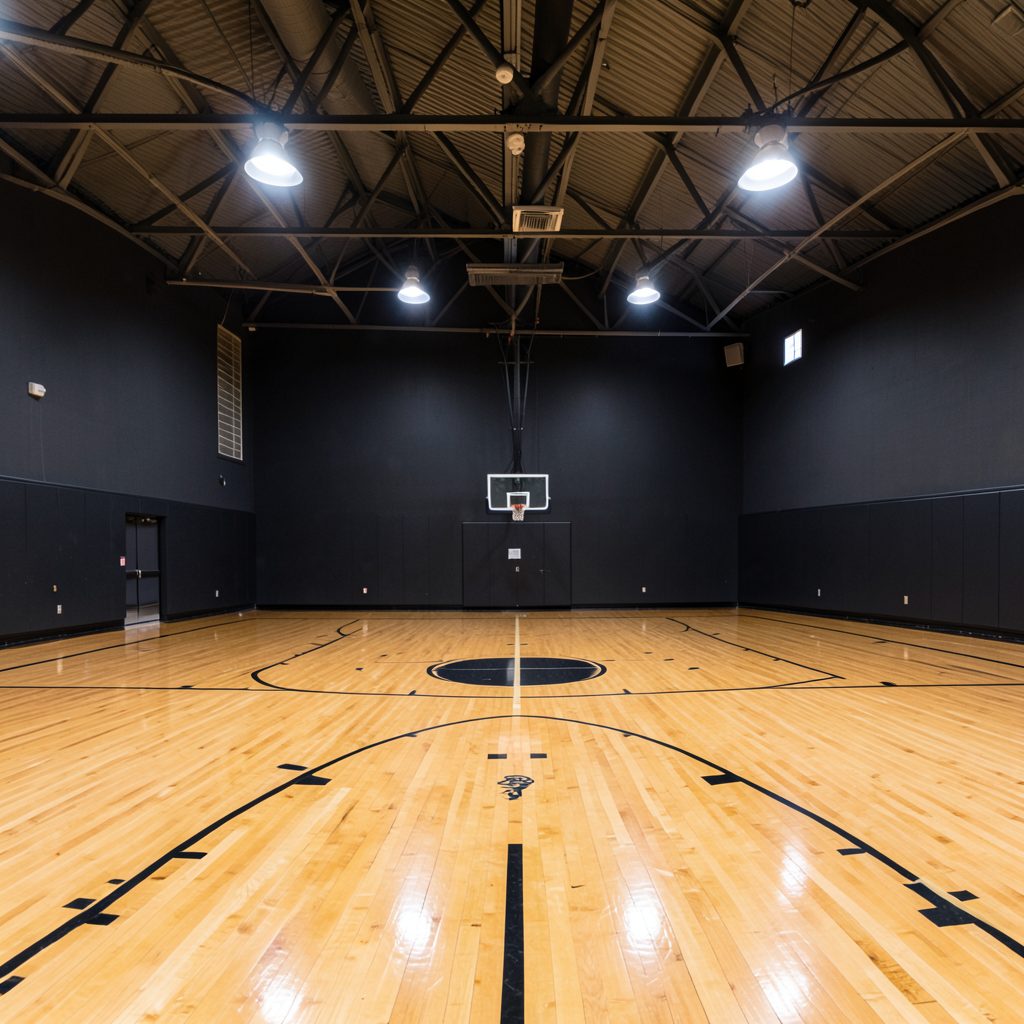
The Factory D1 Indy brings together three entities under one roof: competitive basketball leagues for all age groups, individual and group training, and wellness & recovery services including Normatec boot recovery and cryotherapy. Located off I-465 and High School Road at 6331 Crawfordsville Road, Speedway, Indiana 46224.
Get In TouchOvercoming Fear of Contact in Basketball With Smart, Safe Drills
Physical contact is part of basketball, but fear of bumping, falling, or losing control can make players hesitate at the exact moment they need to react. A young beginner may pull away from a rebound, while an experienced adult may avoid driving into the lane after an unpleasant collision. These responses are common, and they can improve with the right practice environment.
Overcoming fear of contact in basketball does not mean teaching athletes to play recklessly. It means developing balance, body control, court awareness, and trust in the rules. Gradual exposure helps players learn that legal contact can be managed and that a mistake or collision does not have to end a possession.
At The Factory D1 Indy, athletes can build confidence through basketball skills training, youth programs, competitive leagues, conditioning, and recovery services. A thoughtful progression allows children, teens, and adults to practice physical play at an appropriate pace while keeping technique and safety at the center.
Why Contact Feels Difficult
Fear often comes from uncertainty rather than contact itself. Players may not know how to brace, where to place their feet, or how to protect the ball when another body enters their space. A previous fall, hard screen, or collision can reinforce the belief that contact always leads to pain or embarrassment.
Contact can also feel more threatening when an athlete is tired. Fatigue reduces balance, slows reactions, and makes ordinary bumps feel more powerful. For this reason, contact preparation should include strength, footwork, and conditioning instead of focusing only on aggressive game situations.
Coaches can reduce anxiety by explaining the difference between legal and illegal contact. A shoulder-to-shoulder bump during a controlled drive is different from a push in the back. Clear boundaries help athletes understand what they are practicing, what referees will call, and how to respond when a play becomes unsafe.
Build Confidence Before Adding Pressure
The first stage should involve movement without an opponent. Players can practice jump stops, pivots, two-foot landings, and ball protection while learning to keep their chest up and knees bent. These fundamentals create physical control before another athlete is introduced.
Next, add light contact with predictable timing. A coach or partner might use a foam pad to provide gentle pressure against the ball handler’s hip or shoulder as the player walks through a drive. The goal is for the athlete to maintain balance, protect the ball, and finish with a controlled layup.
Progress should be measured by composure rather than intensity. If a player stiffens, closes their eyes, loses foot position, or stops breathing, the drill has advanced too quickly. Reduce the speed or force, repeat the successful movement, and build from there.
Drills That Make Physical Play Manageable
A useful exercise is the contact cone drive. Place a cone near the lane, have the player attack with one or two dribbles, and apply light side pressure with a pad or forearm shield as the athlete passes the cone. The player keeps the inside shoulder strong, takes a balanced step, and finishes through the contact.
The rebound triangle teaches players to find space without shoving. Three athletes stand around the lane, with one designated rebounder. On the coach’s signal, the rebounder pivots to locate the ball, establishes legal position, and secures it with two hands. Start with passive opponents, then permit gradual movement.
For older or more experienced athletes, use controlled cut-and-bump work. One player cuts across the lane while a defender provides legal body contact at reduced speed. The cutter must maintain a strong running line, absorb the bump, and continue toward the target. The defender should focus on positioning instead of knocking the cutter off course.
The floor recovery drill can also reduce fear of falling. From a low athletic stance, players practice a controlled knee-to-side transition, placing hands safely and rising without grabbing another player. Use a padded surface and teach athletes to avoid landing on an extended wrist. This drill should be optional for anyone with an injury history.
| Age or Experience | Appropriate Starting Drill | Main Skill | Progression |
|---|---|---|---|
| Early beginners | Foam-pad balance walks | Stable stance and breathing | Add a slow dribble |
| Youth players | Contact cone drives | Ball protection and finishing | Increase speed gradually |
| Teen athletes | Rebound triangle | Legal positioning and box-outs | Add live rebounds |
| Adult beginners | Partner shoulder-pressure drives | Staying composed under pressure | Finish against light defense |
| Experienced players | Cut-and-bump sequences | Timing and physicality | Use game-speed decisions |
Adjust Practice For Every Age
Children need short, simple activities with plenty of successful repetitions. Use soft equipment, explain one movement at a time, and avoid making a player the center of attention after a mistake. Games such as “strong base freeze” or partner mirror work can teach spatial awareness without making contact seem intimidating.
Teenagers often benefit from connecting drills to real basketball situations. Explain how contact appears during a closeout, drive, box-out, or screen. Let athletes review whether their feet, hands, and body angle were legal. This makes physical play a skill to understand rather than a test of toughness.
Adults may bring different concerns to the court, including limited recent playing experience, old injuries, or discomfort with competitive pressure. Adult group training should include longer warm-ups, clear intensity options, and time to practice technique before live play. Participation in a structured league can help adults gain regular exposure in a supportive setting; learning about the benefits of adult leagues can also clarify why consistent competition supports confidence.
Pair Contact Training With Recovery
Contact confidence depends partly on how the body feels after practice. A proper warm-up should raise body temperature and prepare the ankles, hips, knees, shoulders, and trunk for movement. Include lateral shuffles, controlled skips, defensive slides, and low-intensity closeouts before adding bumps or contested finishes.
Strength training can make contact feel less disruptive. Split squats, calf raises, single-leg balance exercises, push-ups, rows, and trunk-rotation work support the positions used in basketball. Athletes do not need to become heavy or rigid; they need enough control to absorb force while maintaining a useful stance.
Recovery also affects willingness to return to practice. Mobility work, hydration, sleep, and appropriate rest can reduce soreness after physical sessions. Facilities that offer services such as Normatec compression therapy and cryotherapy may provide additional options for athletes managing demanding training or league schedules.
Coaches should monitor pain, dizziness, repeated falls, and changes in movement quality. A bruise may be manageable, but sharp pain or a suspected head injury requires the athlete to stop and receive appropriate medical attention. Confidence grows when players know that safety decisions will be respected.
Practical Ways To Keep Progress Moving
A consistent plan works better than occasional high-intensity exposure. Coaches and families can use these habits to make physical play feel predictable:
- Begin every session with balance, landing, and footwork before live contact.
- Increase only one variable at a time, such as speed, pressure, space, or defensive resistance.
- Pair nervous athletes with calm partners who communicate clearly and respect boundaries.
- Praise controlled decisions, strong positioning, and recovery after mistakes rather than rewarding reckless force.
- End contact drills with a successful repetition so the athlete leaves practice feeling capable.
Communication should remain part of every exercise. Players can say when the pressure feels too high, and coaches can use a simple scale to rate difficulty after each round. This creates useful feedback without turning fear into a public performance.
The same principle applies during games. Athletes should focus on the next controllable action: get low, protect the ball, widen the base, keep eyes up, or pursue the rebound. Breaking a stressful moment into a familiar movement helps transfer practice confidence to competition.
Fear of contact usually fades through repeated experiences that are safe, gradual, and specific. With skilled coaching, age-appropriate drills, conditioning, and recovery, athletes can learn to compete physically without abandoning control. Visit The Factory D1 Indy to find training, leagues, and athletic resources that support confident basketball performance at every stage.
Inside The Factory

Three Entities, One Roof
Leagues
Eight league divisions span every age group: Indy Pro AM, 18+ Open Men's, 30+ Men's, Bite Size (ages 3–6), Impact League, 5th/6th Grade, Middle School, and High School. Gather your team and compete.
Training
Individual and group basketball training for all skill levels. Major M.O.V.E.S. Basketball Training serves ages 4–7 on Wednesday and Thursday evenings at 6:30 PM — $30 per session or $100 unlimited monthly.
Wellness & Recovery
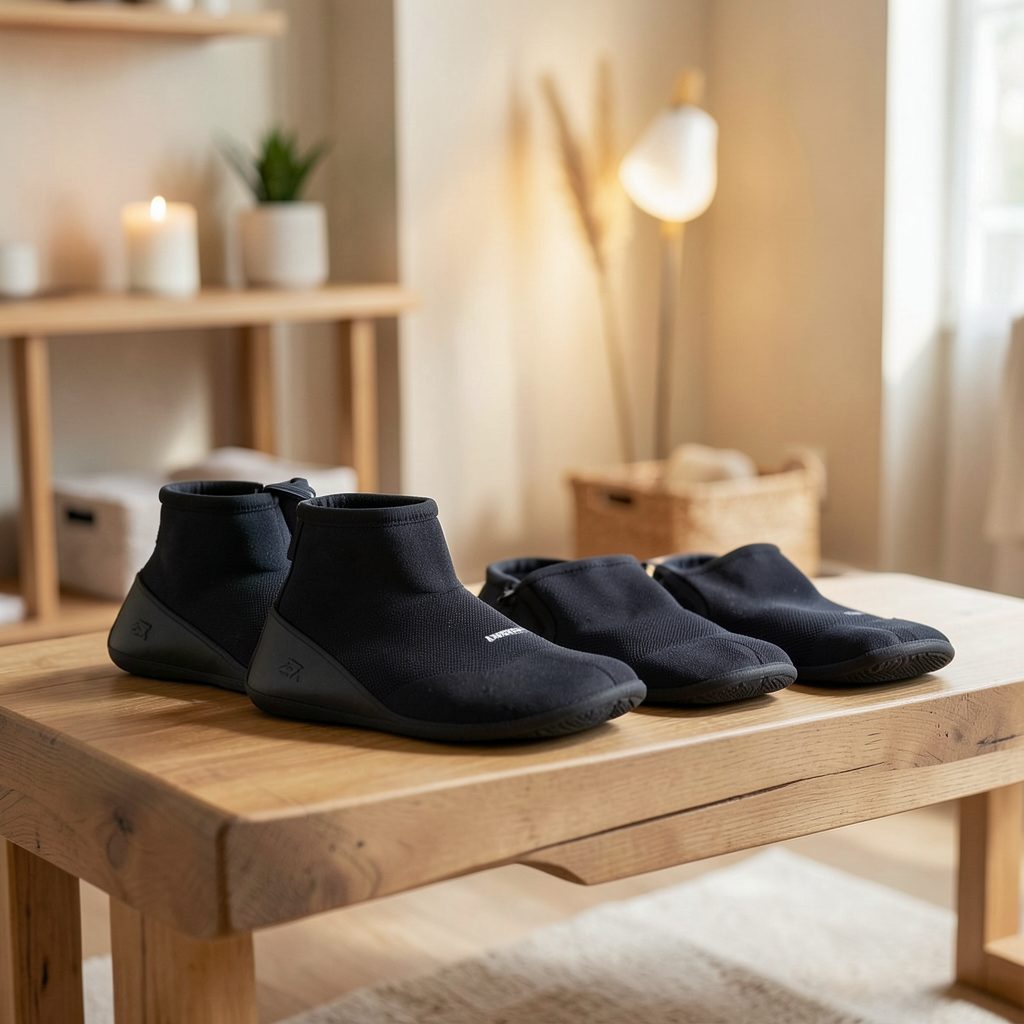
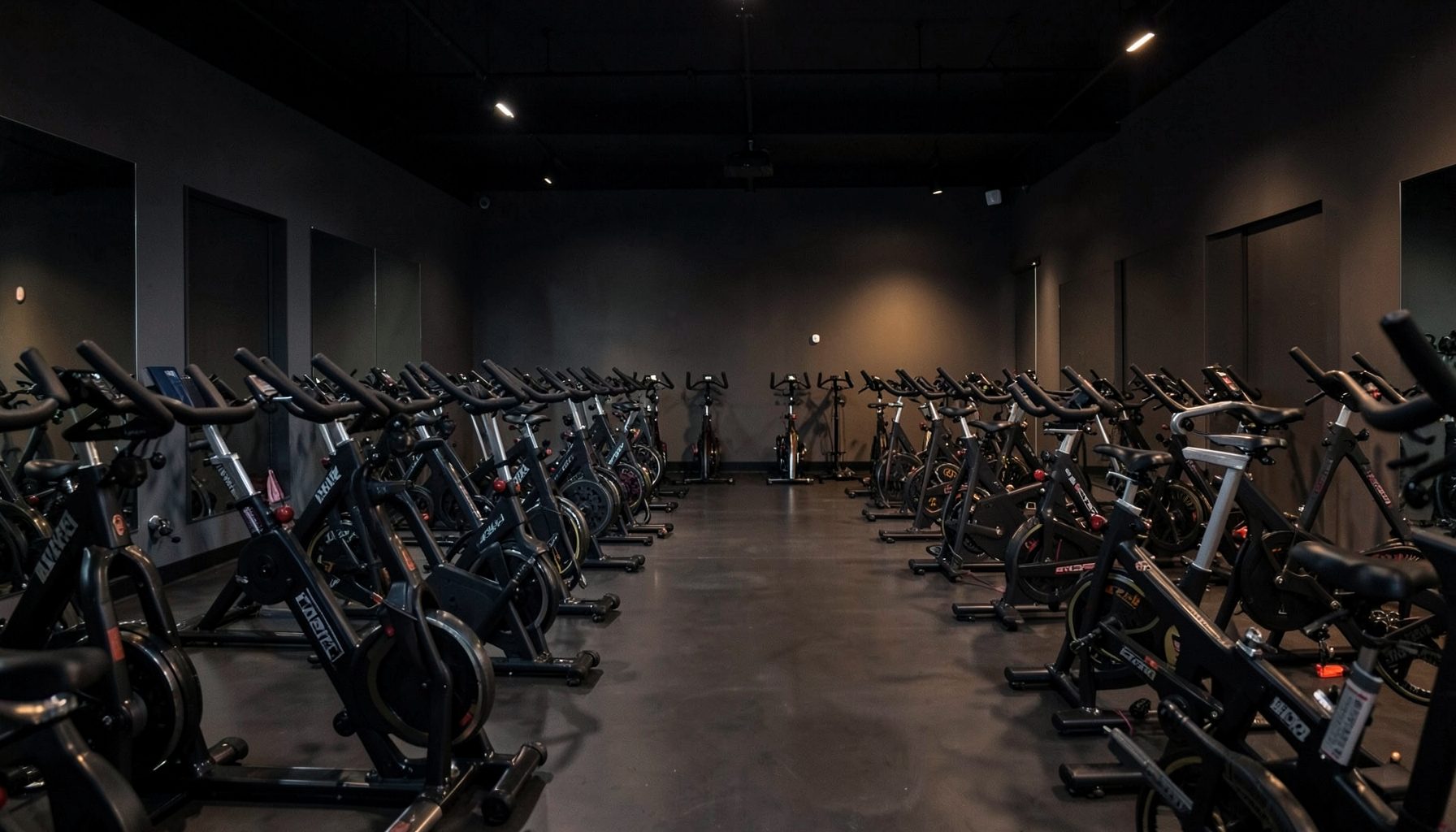
Normatec boot recovery and cryotherapy treatments help athletes bounce back faster. Cycle and spin classes add a cardio dimension to the holistic performance approach.
Have a Question?