Train. Compete. Recover.
A multi-purpose athletic facility in Speedway, Indiana — basketball leagues, skill training, and wellness services all under one roof.
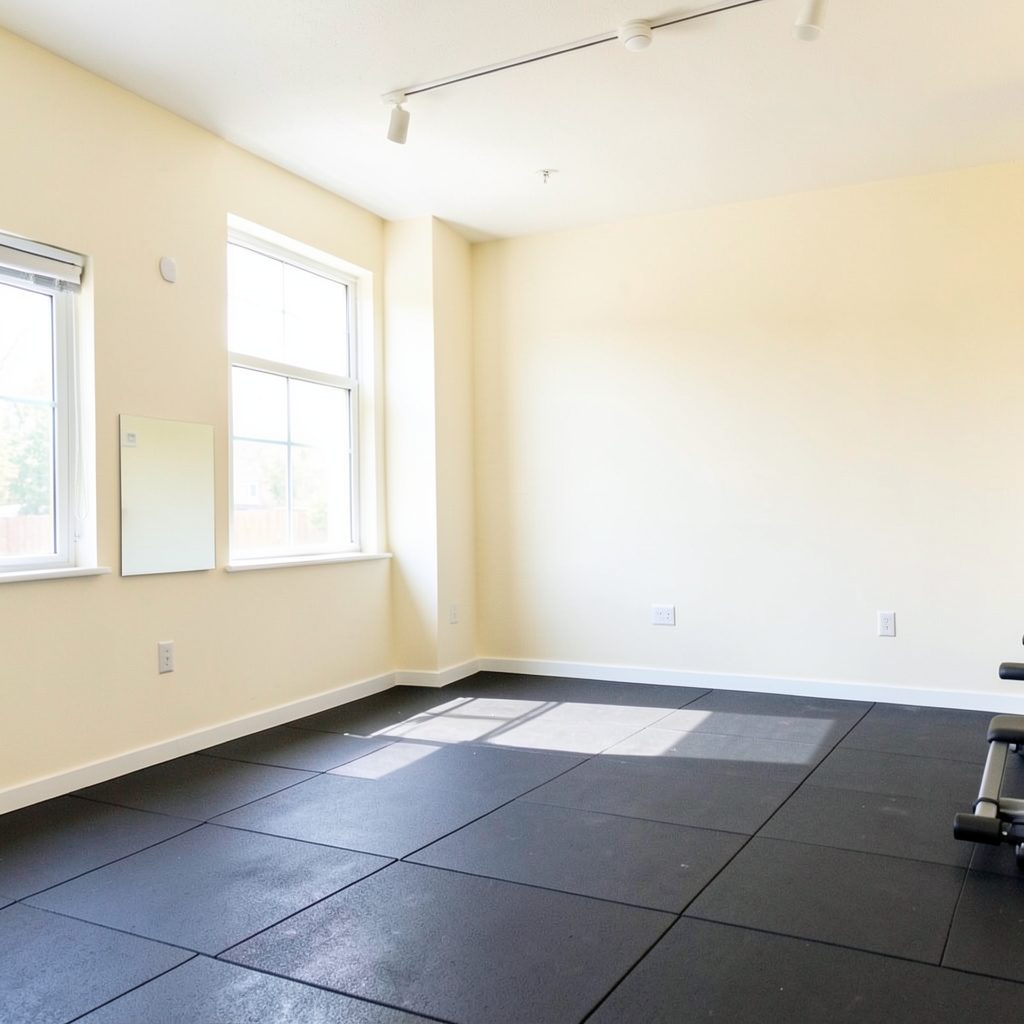
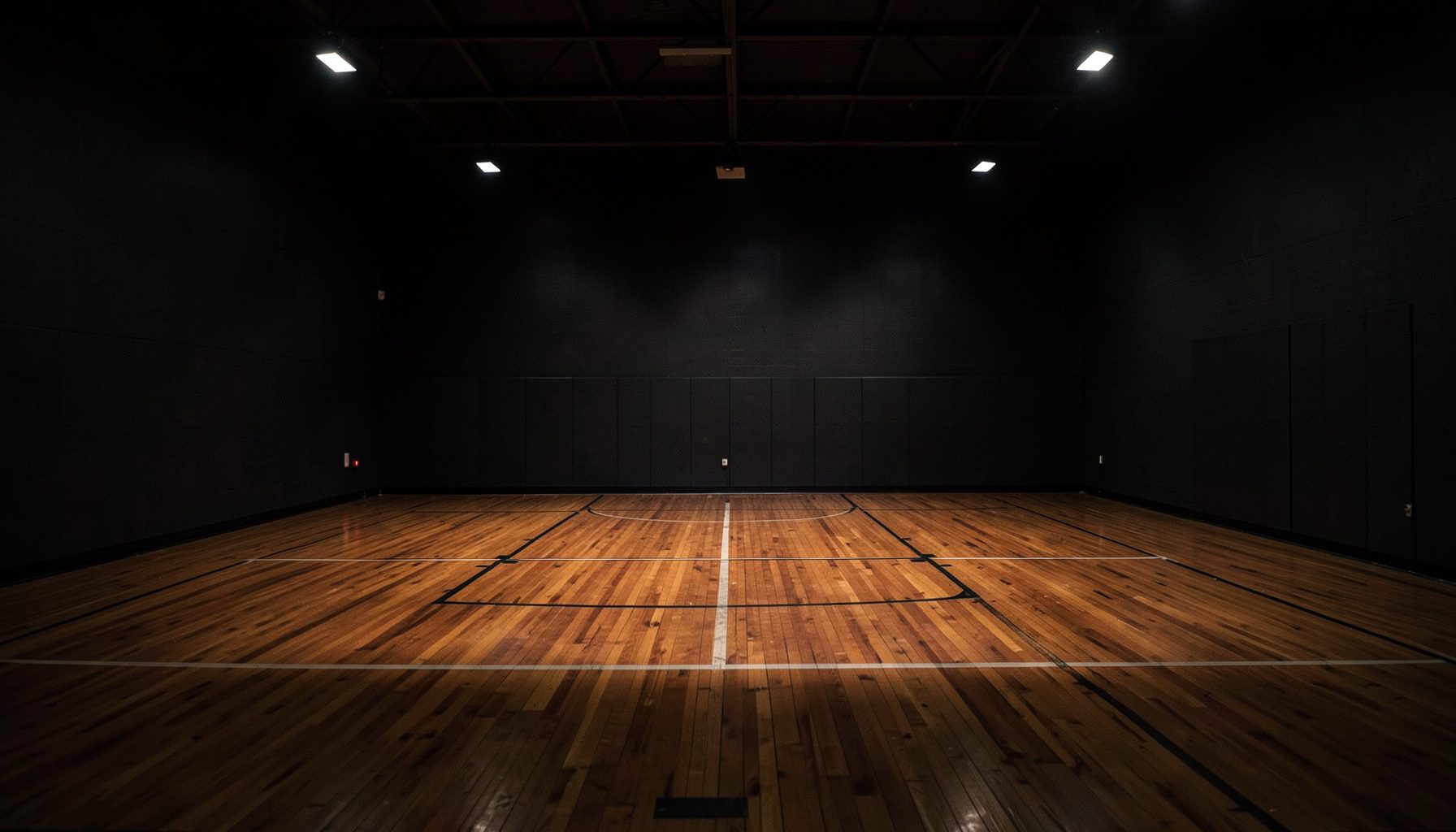
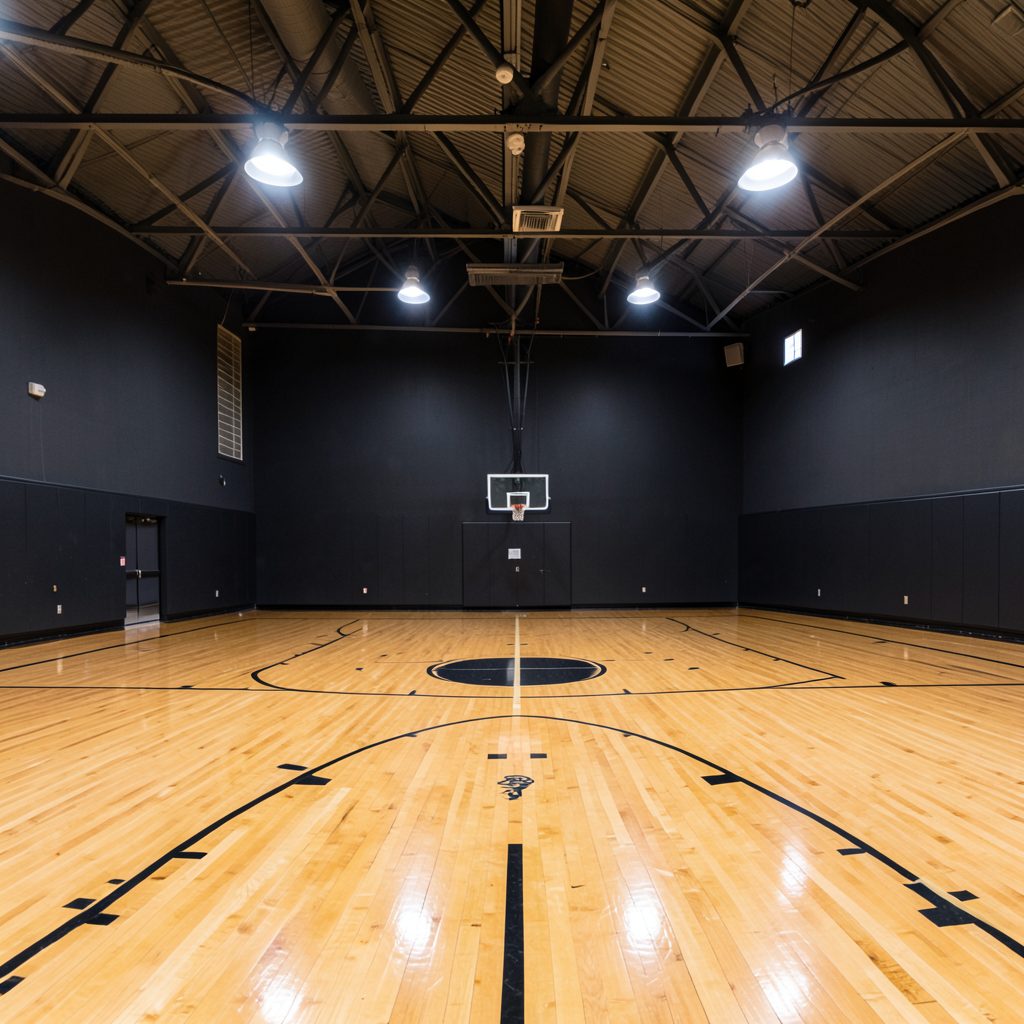
The Factory D1 Indy brings together three entities under one roof: competitive basketball leagues for all age groups, individual and group training, and wellness & recovery services including Normatec boot recovery and cryotherapy. Located off I-465 and High School Road at 6331 Crawfordsville Road, Speedway, Indiana 46224.
Get In TouchBuild An Off-Season Basketball Plan That Leaves Room To Recover
The off-season is where basketball athletes can improve the details that are difficult to address during a packed competition calendar. More strength, sharper footwork, better conditioning and cleaner shooting all require consistent work, yet each adaptation depends on enough rest between demanding sessions.
A useful plan treats recovery as part of training rather than something added when soreness becomes uncomfortable. Compression therapy, cryotherapy, mobility work, sleep and lower-intensity movement can help an athlete manage workload while keeping the next quality session productive.
For Australian players, the calendar adds a few practical complications. School terms, NBL and WNBL commitments, local association seasons, representative carnivals and winter sports such as footy or netball can all affect availability. A schedule that looks perfect on paper may fail once travel, early starts and weekend games enter the picture.
The goal is a repeatable rhythm that suits the athlete’s age, playing level and current condition. The best off-season programme leaves room to train hard, recover deliberately and adjust when the body or the calendar says a change is needed.
Start With The Demands Of Your Season
Before booking sessions, identify what the next competition period will require. A guard may need repeated accelerations, braking ability and ball-handling under pressure, while a taller player may place greater emphasis on post movement, rebounding contact and landing mechanics. Every athlete still needs a broad base of strength, aerobic fitness, movement quality and shooting volume.
Write down the dates that matter: trials, representative camps, school competitions, association finals and planned holidays. In Australia, summer heat can also change the best time to train, particularly for athletes using outdoor courts. An early-morning session may be safer and more productive than a hard workout in the afternoon sun.
Use a simple workload record for training duration, intensity, court volume, strength work and perceived fatigue. A one-to-ten effort rating is enough. If several demanding days produce poor sleep, heavy legs or reduced shooting accuracy, the answer may be a lighter day rather than another recovery gadget or extra conditioning block.
Build A Weekly Rhythm
A practical week usually alternates high, moderate and low stress. Two or three challenging basketball sessions can sit alongside two strength sessions, provided the hardest lower-body work is not placed immediately before speed training or a game-like scrimmage.
A sample week might include skill development on Monday, strength and shooting on Tuesday, active recovery on Wednesday, high-intensity court work on Thursday, strength and individual skills on Friday, and optional competition or conditioning on Saturday. Sunday can be a complete rest day or an easy walk, depending on fatigue and the athlete’s age.
Young athletes need especially careful spacing. Children in primary school do not need adult-style double sessions, and teenagers balancing exams, part-time work and school sport may benefit from fewer high-intensity sessions with better concentration. A shorter, focused workout is often more useful than chasing a target number of hours.
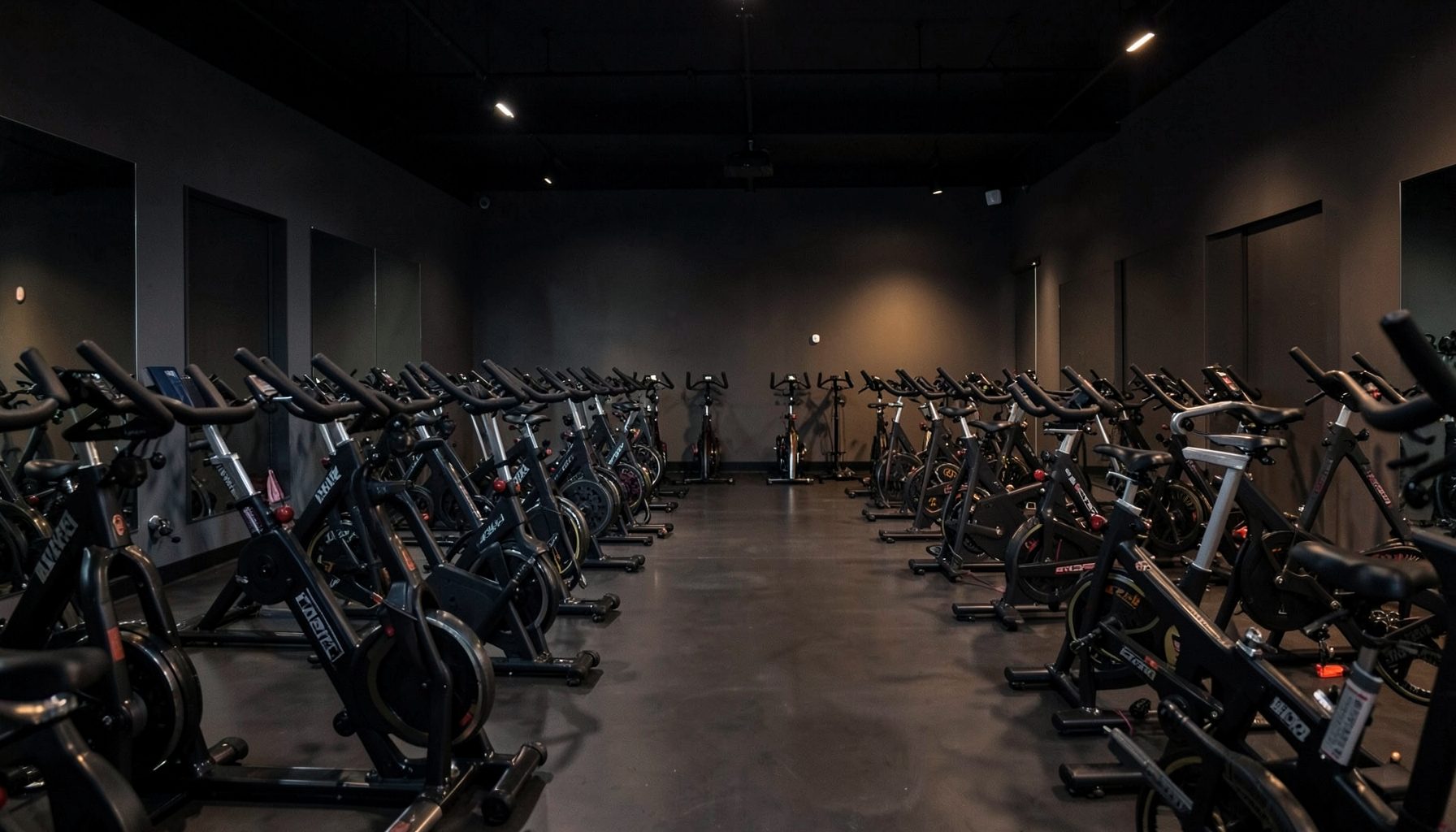
For athletes training at Factory D1 Indy, court sessions, basketball leagues, cycle classes and athletic development can be arranged around the same principle: avoid stacking every demanding option into consecutive days. Spin or cycle work can support conditioning, but a hard class still counts as a substantial training load.
Schedule Recovery Before Fatigue Arrives
Recovery sessions should be placed after the work that creates the most stress, not simply wherever an empty appointment appears. A lower-body strength day followed by compression therapy may be suitable for some athletes, while an easy mobility session could be better after intense court conditioning. The right choice depends on the individual response and professional guidance.
Normatec-style compression can provide a temporary feeling of reduced heaviness for some people, and cryotherapy may be used as part of a broader recovery routine. Neither replaces sleep, food, hydration or sensible workload management. Athletes should also follow facility instructions and seek medical advice for injuries, circulation concerns or unusual symptoms.
A useful rule is to schedule one deliberate recovery block every two or three demanding training days. That block might include mobility, gentle cycling, soft-tissue work, breathing exercises or a supervised recovery treatment. It does not have to be passive. Easy movement can help an athlete feel ready without adding significant muscular stress.
Avoid making every recovery appointment intense. A punishing “recovery workout” can become another conditioning session. The purpose is to improve readiness for the next important practice, not to collect extra fatigue.
Match Nutrition, Sleep And Hydration To The Load
Recovery planning begins well before a compression or cold treatment. Athletes need enough total energy to support growth, training and daily life. A meal containing carbohydrate and protein after court work can support replenishment, while regular meals across the day are often more practical than relying on a single large dinner.
Australian conditions make hydration particularly important. A summer session in Brisbane, Perth or western Sydney may require more fluid planning than an indoor winter workout in Melbourne. Sweat rate, session length and heat exposure vary, so athletes should avoid copying a teammate’s water or electrolyte routine without considering their own needs.
Sleep should be treated as a fixed appointment. Teenagers generally need more sleep than adults, and late-night screen use, early school transport and weekend travel can reduce the available window. If training is consistently followed by poor sleep, moving the session earlier or reducing its intensity may help more than adding another treatment.
For players using recovery services, record how the body feels before and after each session. Look for useful patterns in soreness, energy, range of motion and training quality. Personal feedback is more valuable than assuming that every popular modality works identically for every athlete.
Adjust For School, Work And Competition
An off-season plan must survive real life. Australian athletes may be sharing facilities with basketball, AFL, futsal, netball or cricket commitments, and a regional player may need to drive a long distance for representative training. Build in travel time, especially when a session is followed by school, a shift at work or another sport.
During a school holiday block, training frequency can rise slightly if recovery and supervision are adequate. Once term begins, reducing volume while keeping skill quality high may produce better results. The same principle applies to university students and adults: a demanding work week can justify a shorter session rather than abandoning the whole programme.
Use three types of days: priority days, support days and reset days. Priority days contain the work most likely to improve performance, such as live play, shooting under pressure or explosive movement. Support days cover strength, low-impact conditioning and technical repetition. Reset days protect consistency through rest or gentle activity.
If a player has pain that changes movement, persistent swelling, dizziness, chest symptoms or unusual exhaustion, training should pause and a qualified health professional should assess the issue. Recovery services are not a substitute for diagnosis or rehabilitation.
Compare Session Types Before You Book
A simple comparison can help families and athletes decide where each session belongs. The focus is not to use every option, but to select the service that matches the day’s training stress and the athlete’s current needs.
| Recovery or training option | Best place in the week | Main purpose | Important consideration |
|---|---|---|---|
| Mobility and gentle movement | After hard days or on reset days | Maintain comfortable range of motion | Keep intensity low enough to feel refreshed |
| Normatec compression | After demanding lower-body work | Support a feeling of lighter, less tired legs | Effects vary and it does not replace sleep |
| Cryotherapy | When supervised and appropriate | Short-term cooling and perceived recovery support | Follow safety guidance and disclose health conditions |
| Easy cycling or spin at low effort | Between hard court sessions | Promote movement and aerobic recovery | A hard class becomes another intense workout |
| Strength training | Two spaced days each week | Build force, stability and resilience | Avoid heavy legs before speed or competition |
| Complete rest | After accumulated fatigue or a busy block | Restore physical and mental readiness | Rest is productive when training quality is falling |
Review the schedule every seven days rather than defending it rigidly. If an athlete feels strong, moves well and performs consistently, the plan is probably creating a useful training effect. If motivation, sleep, coordination and performance are declining together, reduce volume first and reassess before adding more work.
Recovery also has a mental side. Social connection, time away from the court and enjoyable activities help prevent the off-season from becoming an endless cycle of drills and treatments. A programme that athletes can follow for months will usually outperform a perfect plan that they abandon after two weeks.
Use the next week to map priority basketball sessions, strength work, lighter conditioning and recovery appointments around school, work and family commitments. Keep at least one genuine reset period, monitor how your body responds and make changes before fatigue becomes an injury risk. With a balanced schedule and the right support, the off-season can build stronger skills and a fresher athlete for the next tip-off.
Inside The Factory

Three Entities, One Roof
Leagues
Eight league divisions span every age group: Indy Pro AM, 18+ Open Men's, 30+ Men's, Bite Size (ages 3–6), Impact League, 5th/6th Grade, Middle School, and High School. Gather your team and compete.
Training
Individual and group basketball training for all skill levels. Major M.O.V.E.S. Basketball Training serves ages 4–7 on Wednesday and Thursday evenings at 6:30 PM — $30 per session or $100 unlimited monthly.
Wellness & Recovery
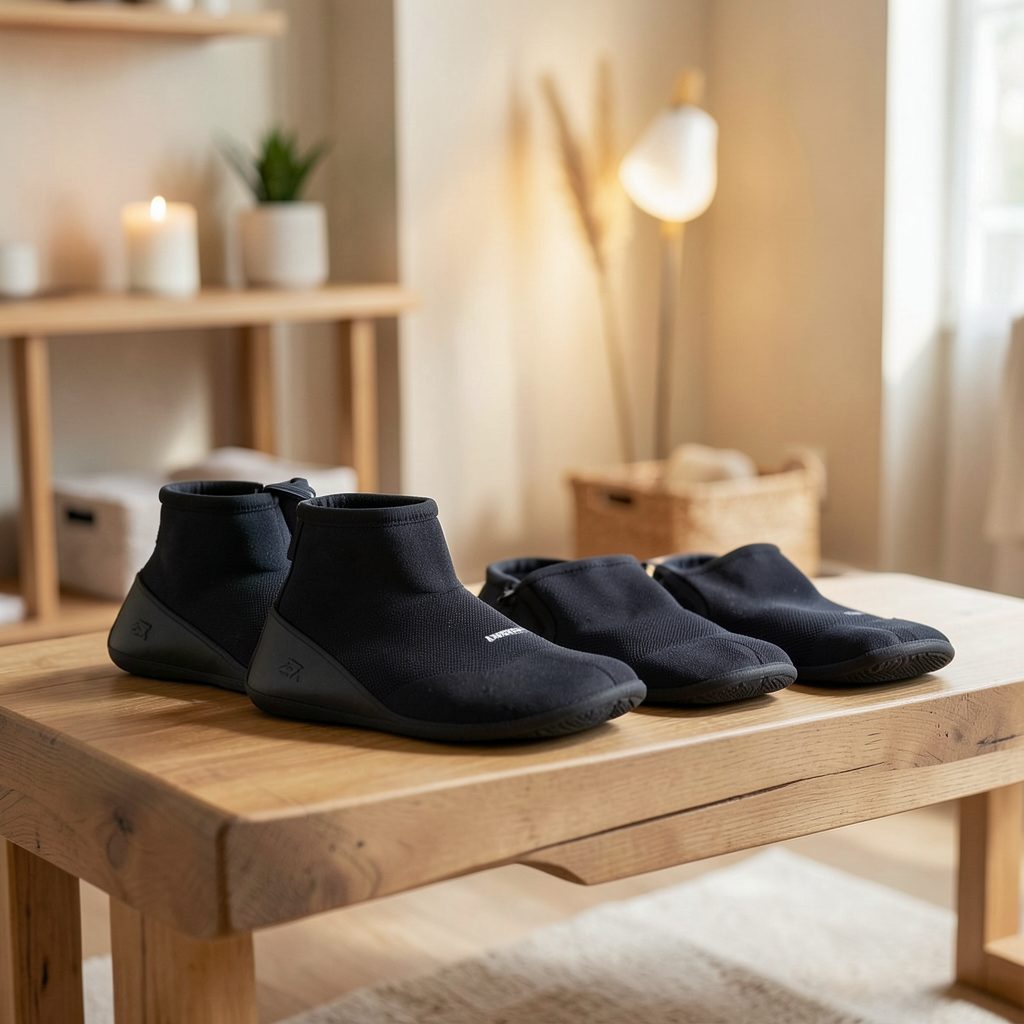
Normatec boot recovery and cryotherapy treatments help athletes bounce back faster. Cycle and spin classes add a cardio dimension to the holistic performance approach.
Have a Question?