Train. Compete. Recover.
A multi-purpose athletic facility in Speedway, Indiana — basketball leagues, skill training, and wellness services all under one roof.
The Factory D1 Indy brings together three entities under one roof: competitive basketball leagues for all age groups, individual and group training, and wellness & recovery services including Normatec boot recovery and cryotherapy. Located off I-465 and High School Road at 6331 Crawfordsville Road, Speedway, Indiana 46224.
Get In TouchBuild A Stronger Basketball Season Before Tipoff
A successful basketball season starts before the first official practice. The weeks leading into competition are the ideal time to rebuild movement quality, improve conditioning, sharpen fundamental skills, and prepare the body for repeated high-intensity efforts. A thoughtful preseason plan helps athletes enter the schedule with confidence instead of trying to catch up while games are already underway.
Conditioning should mean more than running until exhaustion. Basketball demands short sprints, sudden stops, lateral movement, jumping, contact, decision-making, and recovery between bursts. The best training approach develops those qualities together while giving athletes enough time to adapt safely.
At The Factory D1 Indy in Speedway, athletes can combine basketball instruction, competitive opportunities, strength and conditioning, cycling, and recovery services in one community-focused facility. That combination makes it easier to create a complete preparation routine for young players, serious competitors, and adults returning to the court.
Start With Movement And Fitness Assessments
Before increasing training volume, identify the areas that need attention. An athlete may have good straight-line speed but struggle with deceleration, single-leg balance, hip mobility, or repeated lateral movements. Simple assessments can reveal these gaps and help coaches establish realistic goals for the training block.
Useful starting points include a timed shuttle, vertical jump measurement, push-up or plank assessment, and a basic movement screen. Athletes should also evaluate how they feel after activity. Persistent knee soreness, tight ankles, limited shoulder mobility, or lower-back discomfort should be addressed before demanding workouts become more frequent.
Fitness testing should support progress rather than create pressure. Repeat the same assessments every few weeks under similar conditions. Improvements in movement control, recovery between efforts, and consistency often matter just as much as a faster sprint time.
Develop Basketball-Specific Conditioning
Basketball conditioning should reflect the rhythm of the game. Players rarely run at one steady pace for an entire possession. Instead, they accelerate, shuffle, backpedal, jump, stop, and react to an opponent before recovering briefly and repeating the sequence.
A useful workout can combine 10- to 20-second bursts with controlled recovery. For example, an athlete might sprint from the baseline to half court, shuffle defensively, close out to a simulated shooter, and finish with a short backpedal. Repeating this sequence builds change-of-direction endurance while reinforcing movements used in competition.
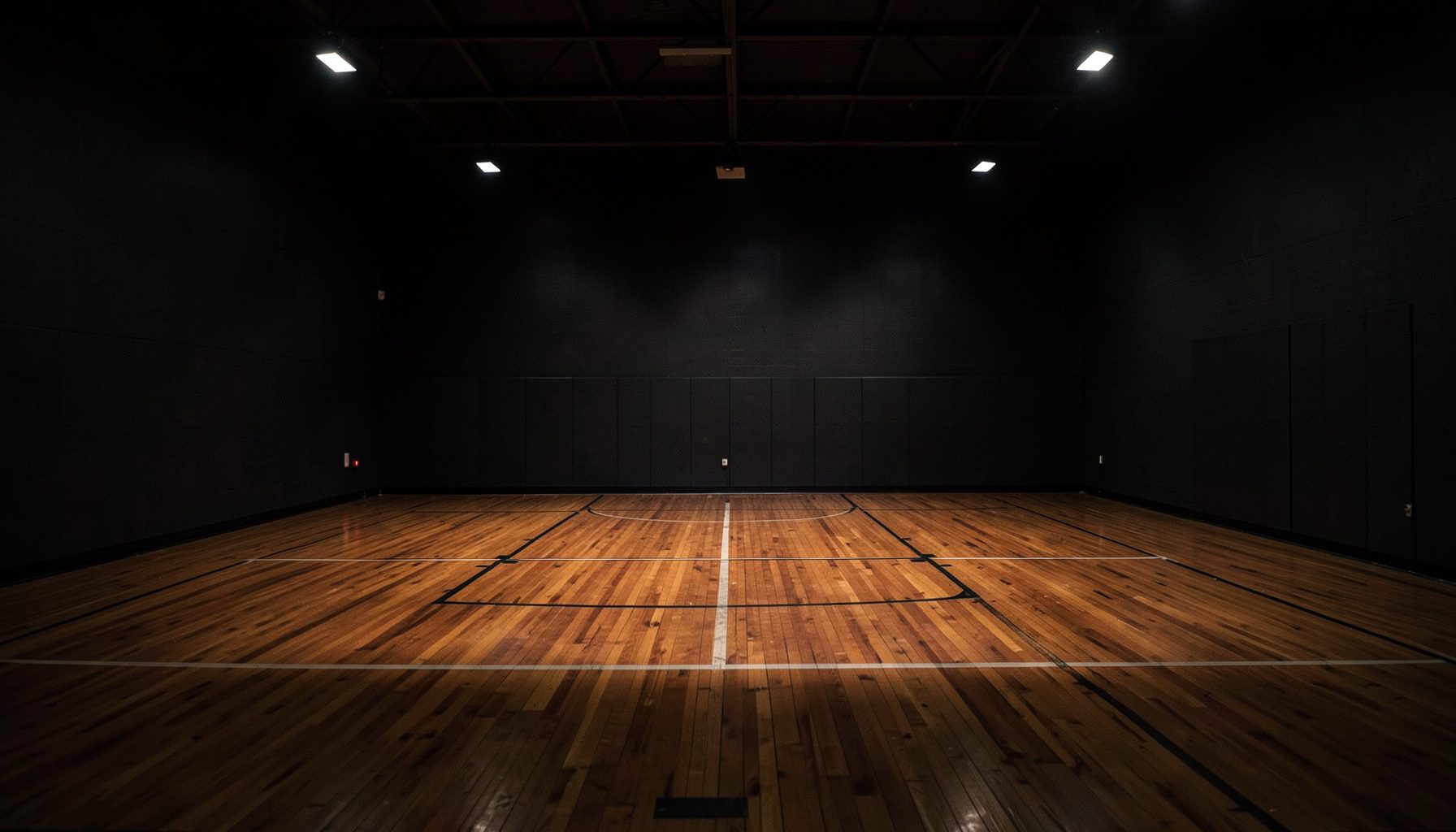
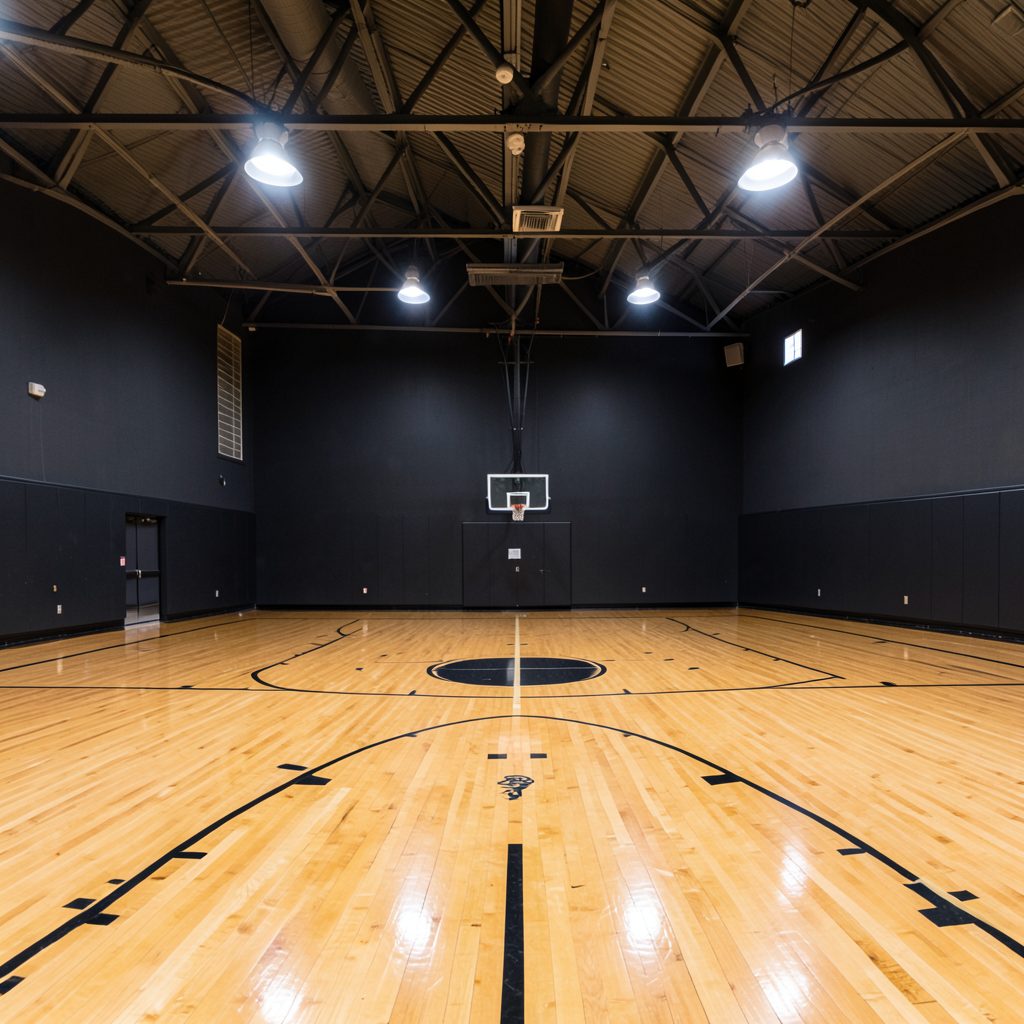
Court layout and surface quality also influence training. Athletes benefit from a consistent environment where they can practice game-speed footwork, spacing, closeouts, and transition actions. Players can learn more about the facility’s unique court design when choosing a setting for structured preseason work.
Balance Speed, Strength, And Recovery
Speed training should begin with mechanics. Athletes need to learn how to project the body forward, keep the torso controlled, and place the feet efficiently before adding maximal intensity. Short sprints, resisted starts, and reaction drills can develop acceleration without excessive volume.
Strength work should support basketball actions rather than leave players exhausted every day. Squats, split squats, hinges, lunges, calf raises, rows, presses, and anti-rotation exercises build a foundation for jumping, landing, absorbing contact, and maintaining position. Single-leg exercises are especially valuable because basketball involves constant weight transfer and uneven stances.
Recovery belongs in the plan from the first week. Sleep, hydration, balanced meals, mobility work, and low-intensity movement all help athletes handle training. Services such as Normatec compression therapy or cryotherapy may complement a recovery routine, though they should support—not replace—sound training habits and medical guidance when needed.
| Training Focus | Basketball Benefit | Practical Examples | Recommended Emphasis |
|---|---|---|---|
| Acceleration | Creates separation and supports transition play | Short sprints, resisted starts, reaction races | High quality, low volume |
| Deceleration | Improves defensive stops and injury control | Stick landings, closeouts, braking drills | Every training week |
| Lateral movement | Builds defensive range and court coverage | Slides, shuffles, mirror drills | Moderate to high |
| Lower-body strength | Supports jumping, contact, and stability | Split squats, hinges, calf raises | Two sessions weekly |
| Repeated-effort fitness | Helps maintain intensity late in games | Shuttle intervals, small-sided play | Progress gradually |
| Mobility and recovery | Supports movement quality and training consistency | Dynamic warmups, stretching, compression therapy | Daily habits |
Progress Training Without Rushing
A common preseason mistake is doing too much too soon. Athletes may feel motivated after time away from competition and immediately add long conditioning sessions, heavy lifting, and multiple skill workouts. That approach can produce soreness, reduced movement quality, and overuse problems before the season begins.
Start with manageable volume and increase one major variable at a time. Training can become harder through greater intensity, more repetitions, shorter recovery, increased complexity, or additional sessions. Changing all of these together makes it difficult to know what caused fatigue or discomfort.
A four-week progression might begin with movement preparation and moderate intervals, move toward more demanding shuttle work, then add game-speed drills and live play. The final week before competition should emphasize sharpness and confidence rather than exhausting the athlete. Fresh legs help players express the fitness they have built.
Train Skills Under Fatigue
Basketball skills must remain reliable when the heart rate is elevated. Conditioning sessions should include ball handling, passing, finishing, shooting, and defensive decisions so that athletes learn to execute after sprinting or changing direction.
A simple sequence could involve a closeout, defensive slide, outlet pass, full-court sprint, and finishing action. Another option is to complete a short shooting circuit immediately after a shuttle interval. The goal is not to make every workout chaotic; it is to teach players how to regain control, communicate, and make accurate choices while tired.
Small-sided games are especially effective because they combine fitness with awareness. Two-on-two and three-on-three play create frequent touches, defensive rotations, rebounding actions, and quick decisions. Coaches can adjust the court area, possession length, or recovery time to target specific physical demands without losing the competitive character of basketball.
Use Competition To Build Readiness
Practice intensity should gradually resemble game intensity. Early sessions can focus on technique and movement quality, while later sessions add defensive pressure, transition play, time limits, and score-based consequences. This progression helps athletes become comfortable making decisions at speed.
Competitive leagues provide an important bridge between training and the full season. Players learn how their conditioning holds up against unfamiliar opponents, how they respond after mistakes, and which skills need more attention. Athletes and teams can review the league registration options at The Factory D1 Indy when seeking organized competition in a structured setting.
Coaches should monitor more than points scored. Useful indicators include defensive effort, sprint recovery, communication, shot selection, rebounding position, and the ability to maintain technique late in a game. These details show whether preseason preparation is transferring to real performance.
Build A Sustainable Weekly Routine
A balanced week usually includes two or three basketball skill sessions, two strength sessions, one or two conditioning exposures, and at least one lower-load recovery day. Younger athletes may need less formal conditioning because practices and games already provide substantial high-intensity work. Adults should account for work demands, previous injuries, and current fitness.
Use a dynamic warmup before every demanding session. Include light jogging, skips, hip mobility, ankle preparation, lunges, landing mechanics, and controlled changes of direction. Finish with a gradual cooldown and note any pain that changes movement or persists into the next day.
Keep these priorities visible throughout the training block:
- Improve acceleration, braking, and lateral control before adding excessive volume.
- Pair strength exercises with sound landing and single-leg mechanics.
- Include basketball decisions and ball skills during conditioning sessions.
- Schedule recovery days instead of treating rest as an afterthought.
- Track sleep, soreness, energy, and performance to guide adjustments.
Turn Preparation Into Performance
Preseason conditioning works best when every session has a clear purpose. A workout may target acceleration, repeated-effort fitness, lower-body strength, shooting under fatigue, or recovery from demanding competition. When those goals are organized across the week, athletes can train with intent and avoid collecting random drills.
The strongest preparation also fits the individual. A developing youth player may need movement literacy and enjoyment, while a varsity athlete may require sharper repeat-sprint ability and contact readiness. Adult players may benefit from gradual loading and extra mobility. The right plan challenges each athlete without ignoring age, experience, or recovery capacity.
A focused training block can give players the physical base and confidence required for the opening tip. Schedule court time, build a progressive weekly routine, and use skilled coaching and recovery resources at The Factory D1 Indy to turn preseason effort into dependable game performance.
Inside The Factory

Three Entities, One Roof
Leagues
Eight league divisions span every age group: Indy Pro AM, 18+ Open Men's, 30+ Men's, Bite Size (ages 3–6), Impact League, 5th/6th Grade, Middle School, and High School. Gather your team and compete.
Training
Individual and group basketball training for all skill levels. Major M.O.V.E.S. Basketball Training serves ages 4–7 on Wednesday and Thursday evenings at 6:30 PM — $30 per session or $100 unlimited monthly.
Wellness & Recovery
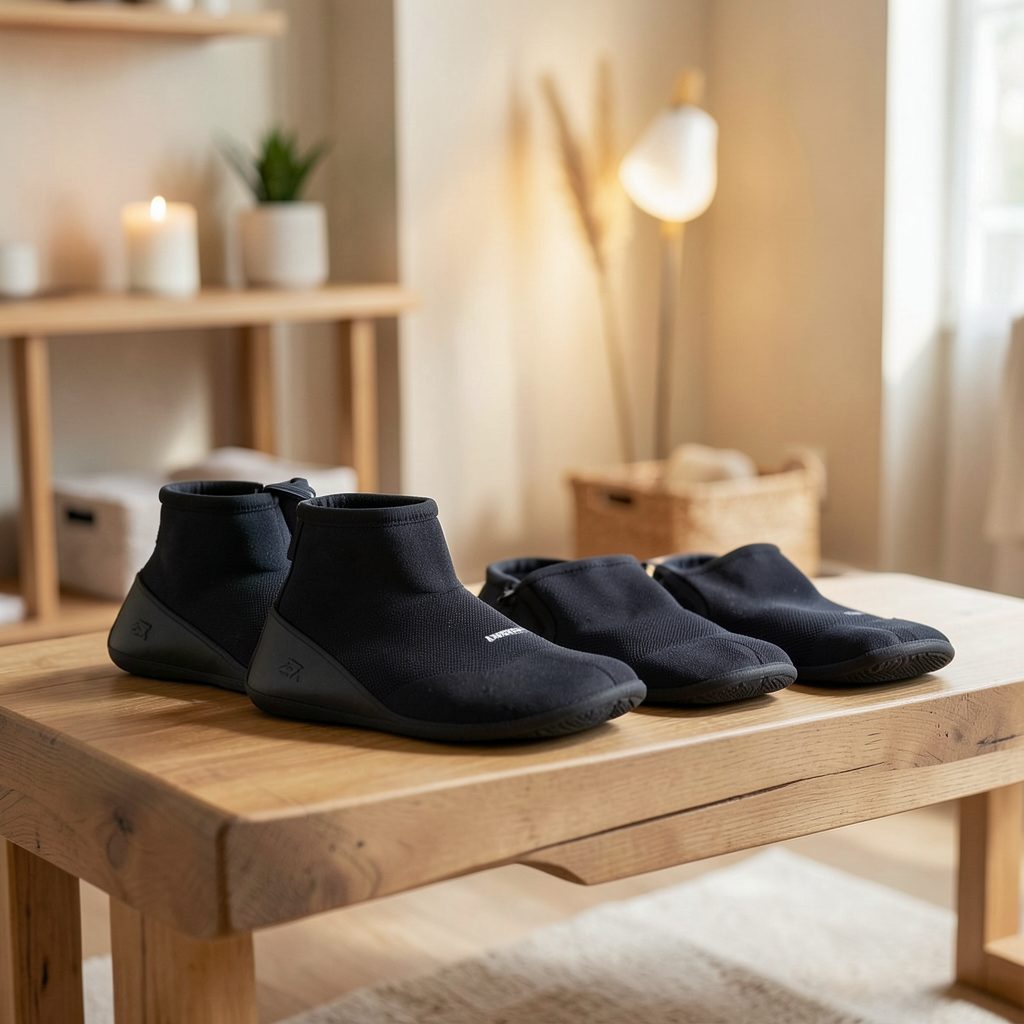
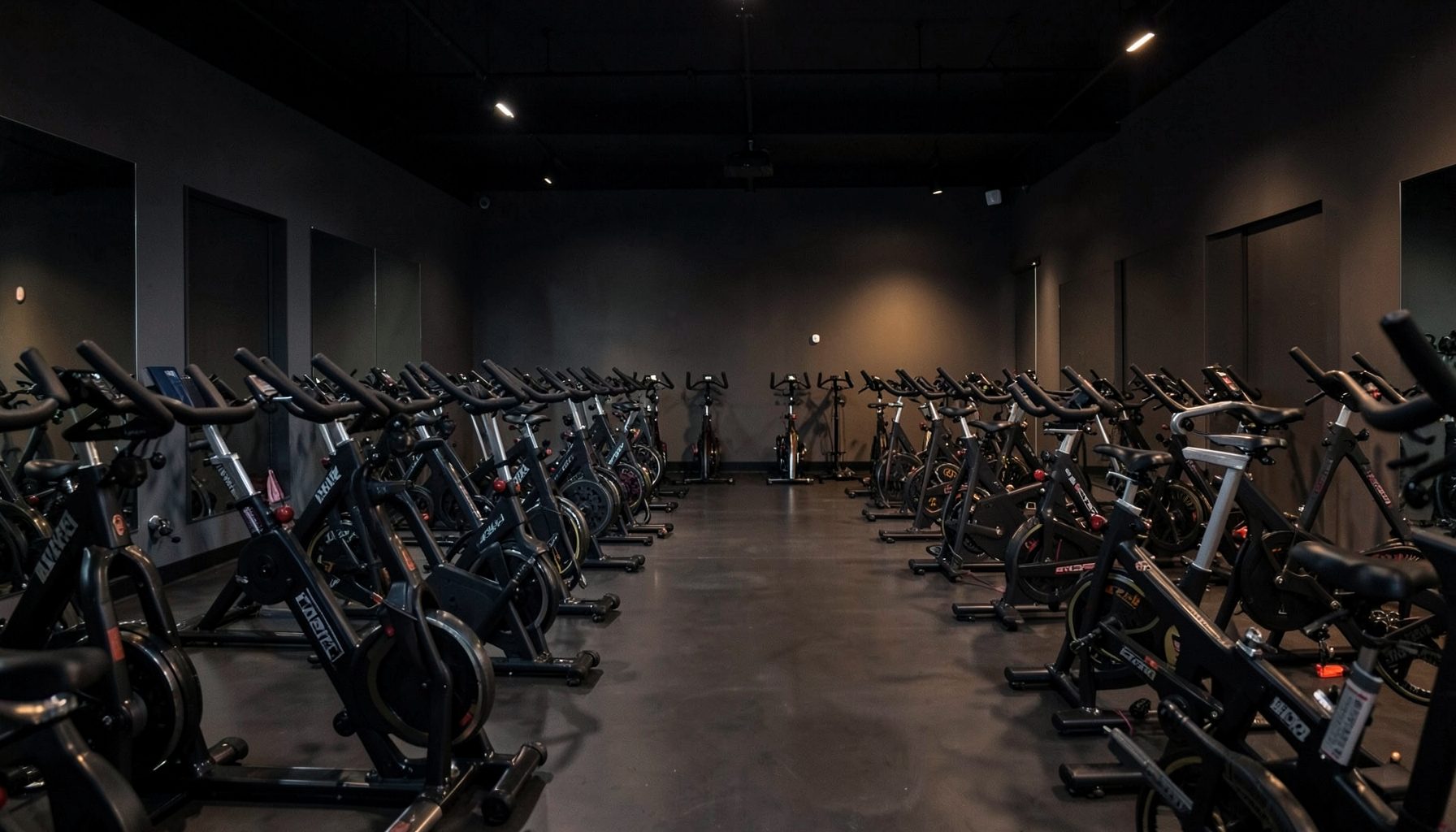
Normatec boot recovery and cryotherapy treatments help athletes bounce back faster. Cycle and spin classes add a cardio dimension to the holistic performance approach.
Have a Question?