Train. Compete. Recover.
A multi-purpose athletic facility in Speedway, Indiana — basketball leagues, skill training, and wellness services all under one roof.
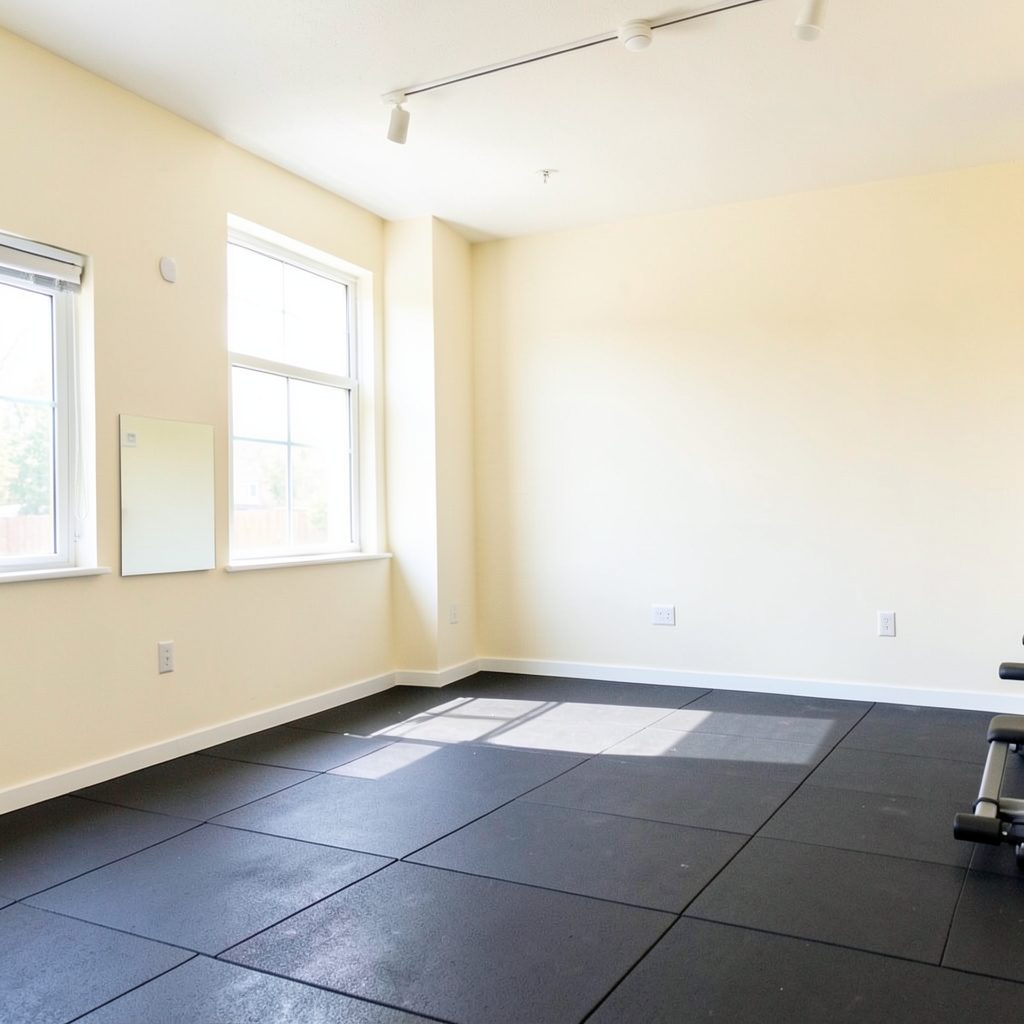
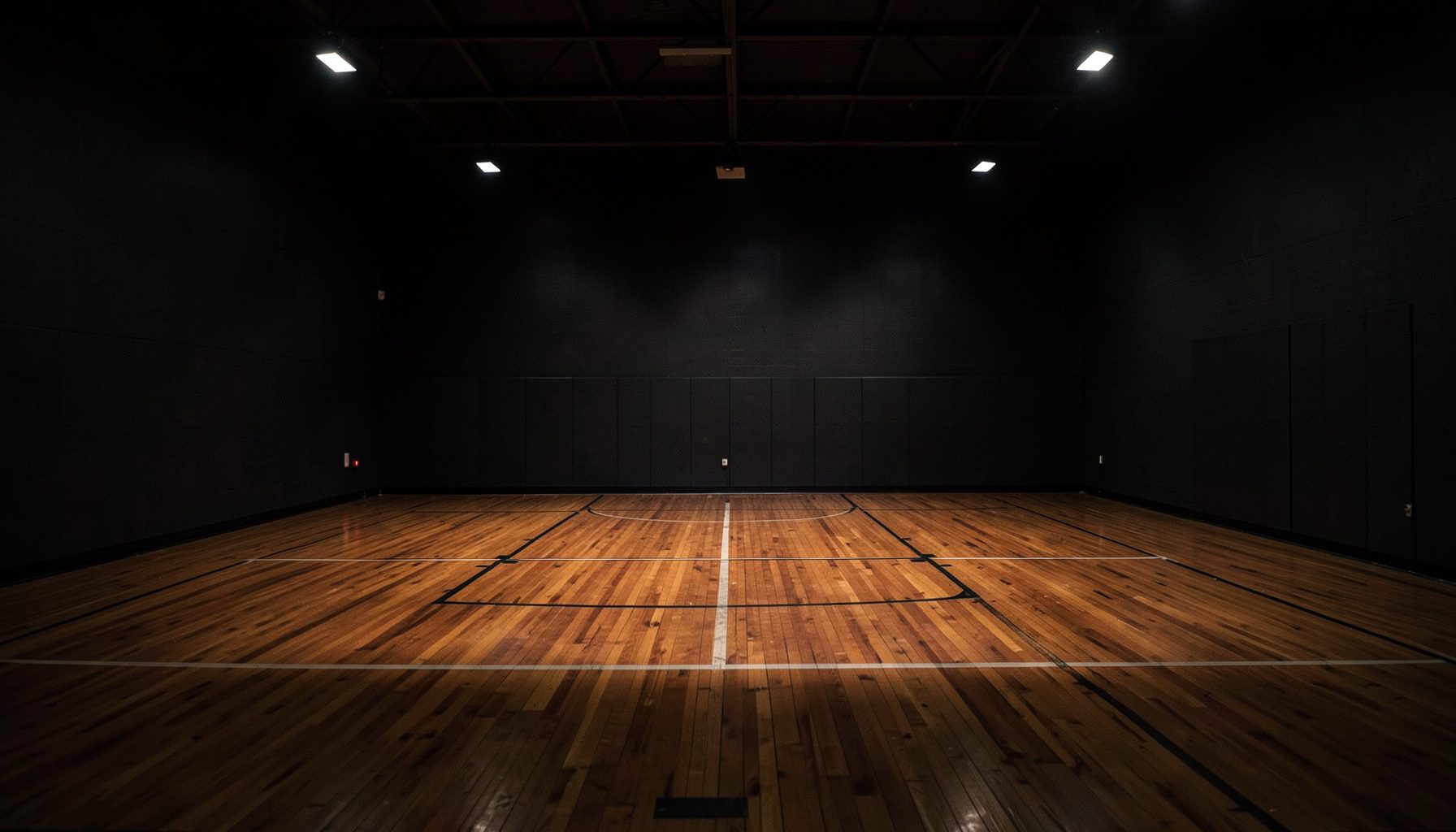
The Factory D1 Indy brings together three entities under one roof: competitive basketball leagues for all age groups, individual and group training, and wellness & recovery services including Normatec boot recovery and cryotherapy. Located off I-465 and High School Road at 6331 Crawfordsville Road, Speedway, Indiana 46224.
Get In TouchRecovery routines for basketball players during tournament weekends
Tournament weekends test more than a player’s shooting, footwork, and decision-making. Several games compressed into one or two days can place heavy demands on the legs, hips, lower back, shoulders, and nervous system. Travel, unfamiliar courts, limited sleep, and irregular meals add to the strain.
A smart recovery routine helps athletes arrive at each game prepared instead of simply hoping fatigue will fade. The goal is to manage energy between contests, restore movement, support hydration, and identify warning signs before a minor issue becomes an injury.
The Factory D1 Indy provides a useful setting for athletes who want to build these habits around basketball training, conditioning, competition, and wellness. Recovery works best when it is treated as part of performance preparation rather than an emergency response after soreness appears.
Start the weekend with a recovery plan
Players should begin tournament preparation several days before the first game. A consistent sleep schedule, balanced meals, regular water intake, and moderate training volume create a stronger foundation than last-minute stretching or an intense recovery session the night before competition.
The final pre-tournament practice should emphasize sharpness rather than exhaustion. Athletes can rehearse defensive slides, shooting rhythm, passing, and game-speed decisions while reducing unnecessary conditioning volume. Coaches and parents should also account for travel time, warm-up needs, and the possibility of multiple games in one day.
Pack simple recovery supplies before leaving home. A refillable water bottle, electrolyte drink, portable snacks, resistance band, spare socks, comfortable shoes, and light layers can make the periods between games more productive. Players who know their schedule can plan meals and rest instead of relying on whatever is available at the venue.
Use the first minutes after a game wisely
The first 15 to 30 minutes after a game are valuable. A gradual cool-down, easy walking, and gentle mobility allow breathing and heart rate to settle without abruptly stopping movement. Players do not need an elaborate routine; a few minutes of walking followed by controlled ankle, calf, hip, and upper-back mobility can reduce stiffness.
Refueling should happen soon after the game, particularly when another contest is scheduled later. A snack containing carbohydrates and protein can support glycogen replacement and muscle repair. Examples include yogurt with fruit, a turkey sandwich, chocolate milk, a smoothie, or a rice bowl. Smaller portions may be more comfortable immediately after intense play.
Fluids should be replaced steadily rather than consumed all at once. Sweat rate, weather, game intensity, and body size affect each athlete’s needs. Water is appropriate for many sessions, while an electrolyte drink may be useful after heavy sweating or repeated games. Very sugary drinks and unfamiliar supplements can create stomach problems at the worst time.
Match the recovery method to the athlete
Recovery tools should complement fundamentals such as sleep, nutrition, hydration, and mobility. Compression therapy may help some athletes feel less heavy in the legs, while cryotherapy can provide a short-term sensation of relief after demanding activity. Neither option replaces medical assessment when there is sharp pain, swelling, instability, numbness, or a noticeable loss of function.
The most appropriate method depends on the point in the tournament, the player’s age, health history, and response to previous sessions. A first-time treatment should not be tested immediately before a championship game. Athletes should learn how their bodies respond during ordinary training weeks, when there is time to adjust.
| Recovery need | Practical option | Best timing | Important note |
|---|---|---|---|
| General fatigue | Walking, fluids, carbohydrate-rich snack | Immediately after a game | Keep the pace easy |
| Tight calves or hips | Gentle mobility and light stretching | After heart rate settles | Avoid forcing painful ranges |
| Heavy-feeling legs | Compression garments or Normatec session | Between games or later that day | Use familiar settings and guidance |
| General post-game soreness | Rest, nutrition, sleep, and appropriate cold therapy | After competition | Cold exposure should not mask serious pain |
| Mental fatigue | Quiet rest, breathing, reduced screen time | Between games and before bed | Protect focus for the next contest |
| Suspected injury | Coach, athletic trainer, or medical professional | As soon as symptoms appear | Do not attempt to play through significant symptoms |
Athletes and families can review available recovery services before tournament season, then decide which options fit their needs. Professional guidance is especially helpful for younger players, athletes returning from injury, and anyone managing a recurring condition.
Protect the hours between games
Between games, players should resist turning the waiting period into another workout. A short walk, gentle mobility sequence, light snack, and quiet rest usually provide more value than repeated full-speed shooting or unnecessary scrimmaging. The body needs a chance to restore energy without becoming completely inactive.
Sitting for long periods can cause stiffness, so athletes can change position regularly. Simple movements such as ankle circles, heel raises, controlled bodyweight squats, and shoulder rolls keep circulation moving. These should feel easy and controlled, not like a second conditioning session.
Mental recovery matters as well. Tournament environments can be loud, crowded, and emotionally demanding. A few minutes in a quieter space, slow breathing, or a brief conversation with a coach can help a player reset after a difficult game. Reviewing every mistake repeatedly may increase stress without improving the next performance.
Make sleep and nutrition part of performance
The evening after competition is when many athletes either restore their readiness or carry fatigue into the next day. A balanced dinner with carbohydrates, protein, colorful produce, and fluids supports recovery. Players may prefer familiar foods that are easy to digest, especially after late games or long drives.
Sleep quality is influenced by more than bedtime. A cool, dark room, reduced phone use, and a consistent wind-down routine can help the nervous system settle. If adrenaline remains high after a close game, light stretching, calm breathing, or reading may be more useful than scrolling through highlights and messages.
Young athletes need particular attention to sleep because they are still growing while handling the physical demands of sport. Parents can support recovery by organizing transportation, meals, equipment, and bedtime expectations before the weekend begins. Removing small logistical decisions gives players more capacity to rest.
Build a simple between-game checklist
A repeatable routine prevents athletes from forgetting basic needs when the schedule becomes hectic. Coaches can keep the process short enough that every player understands it and flexible enough to accommodate different bodies and game times.
A useful checklist includes:
- Walk for five to ten minutes and allow breathing to return toward normal.
- Drink fluids gradually and eat a snack with carbohydrates and protein.
- Change out of damp clothing, elevate the legs briefly if comfortable, and use gentle mobility.
- Check for pain, swelling, dizziness, unusual weakness, or restricted movement before returning to play.
- Spend a few quiet minutes reviewing one or two priorities for the next game rather than dwelling on every mistake.
Recovery should be monitored across the whole weekend. A player who feels increasingly sore, sluggish, irritable, or uncoordinated may need more rest and an evaluation from a qualified professional. Coaches should never treat reduced performance as a motivation problem when it may reflect inadequate recovery or an emerging injury.
Keep recovery consistent beyond tournaments
The best tournament routines are built during ordinary weeks. Basketball players who regularly practice mobility, fueling, hydration, sleep habits, and appropriate strength training are better prepared for congested competition schedules. Recovery becomes easier when it is familiar instead of something added only after a long day.
Facilities that combine skill development, leagues, fitness, and wellness can help athletes connect training with long-term care. The Factory D1 Indy serves athletes across age groups, making it possible to support competitive goals while developing sustainable habits. Its digital magazine also offers a convenient way to explore training and wellness content between visits.
Tournament success is shaped by the choices made away from the court as much as by what happens during tipoff. Plan the weekend, refuel promptly, use recovery tools thoughtfully, protect sleep, and communicate early when something feels wrong. Athletes and families can visit The Factory D1 Indy to explore training, competition, conditioning, and recovery resources that support a stronger, healthier basketball season.
Inside The Factory

Three Entities, One Roof
Leagues
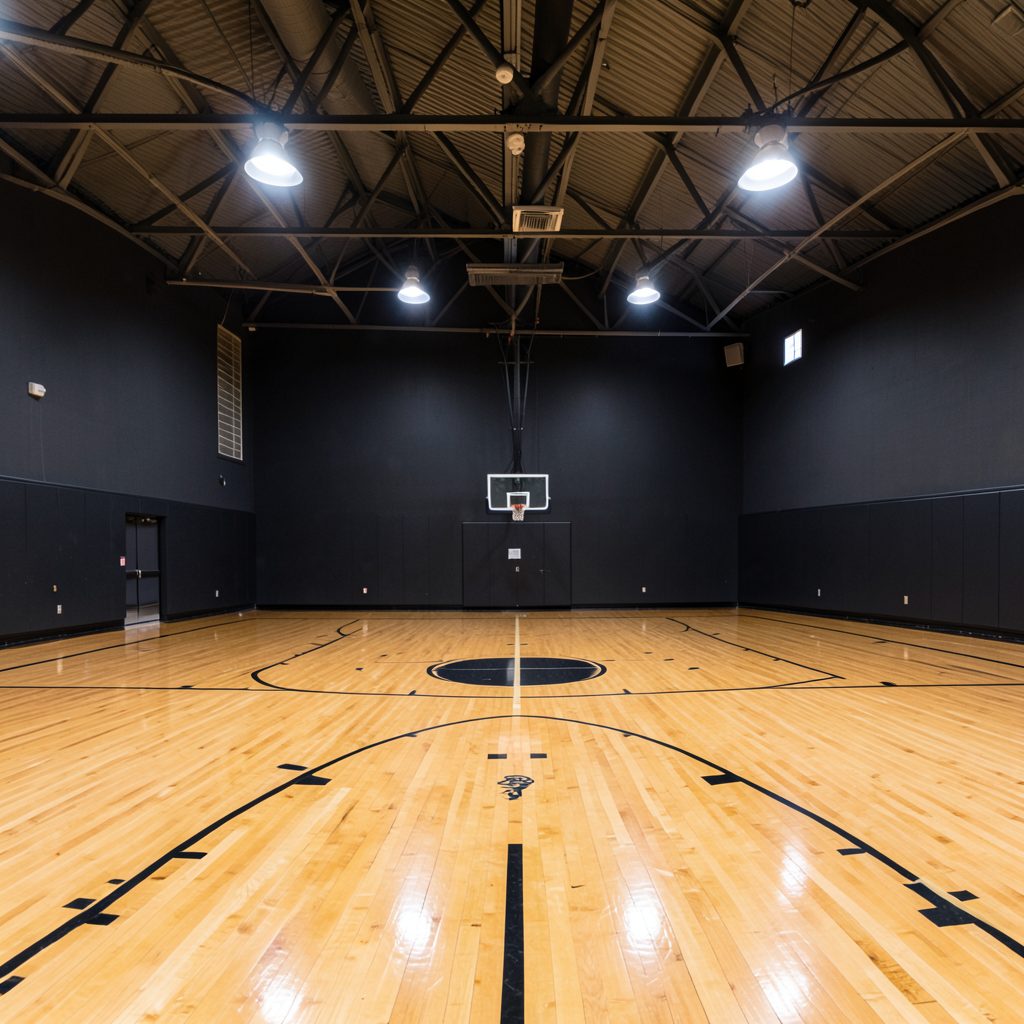
Eight league divisions span every age group: Indy Pro AM, 18+ Open Men's, 30+ Men's, Bite Size (ages 3–6), Impact League, 5th/6th Grade, Middle School, and High School. Gather your team and compete.
Training
Individual and group basketball training for all skill levels. Major M.O.V.E.S. Basketball Training serves ages 4–7 on Wednesday and Thursday evenings at 6:30 PM — $30 per session or $100 unlimited monthly.
Wellness & Recovery
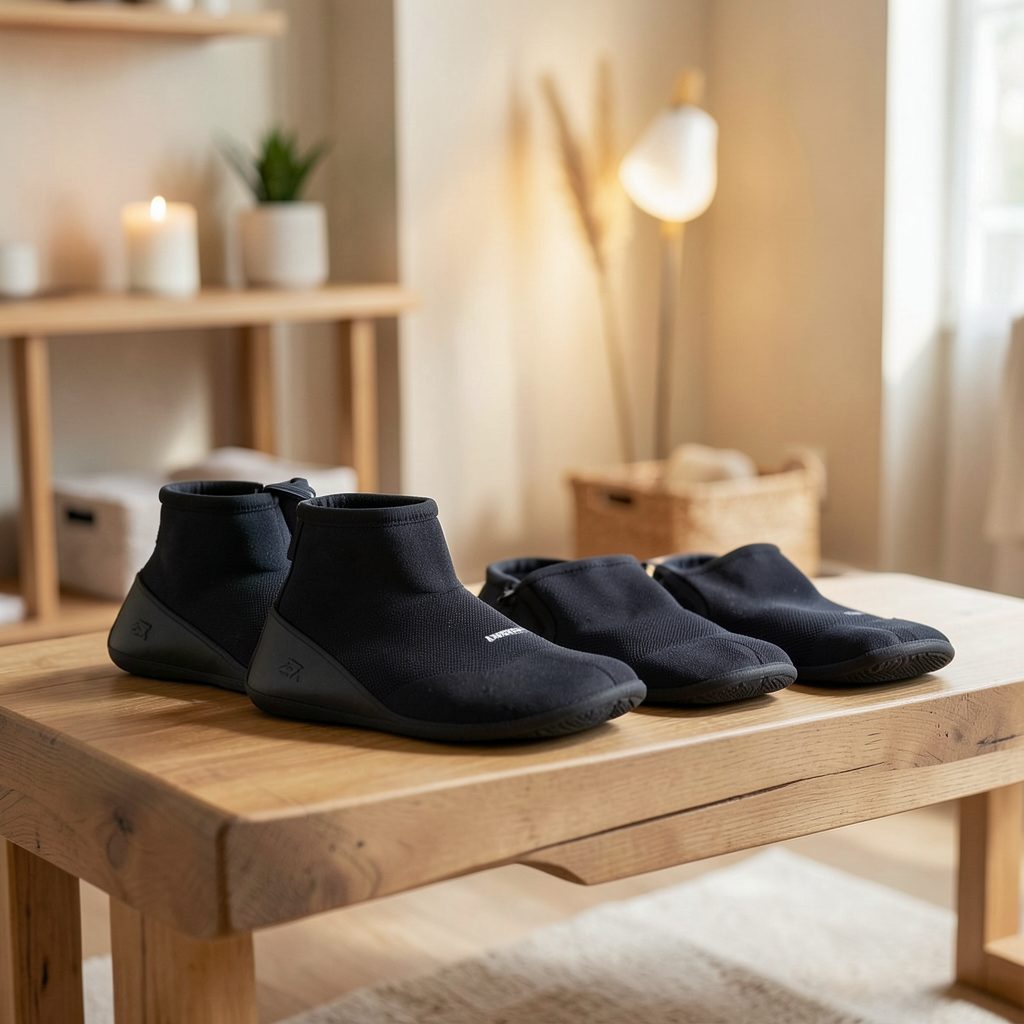
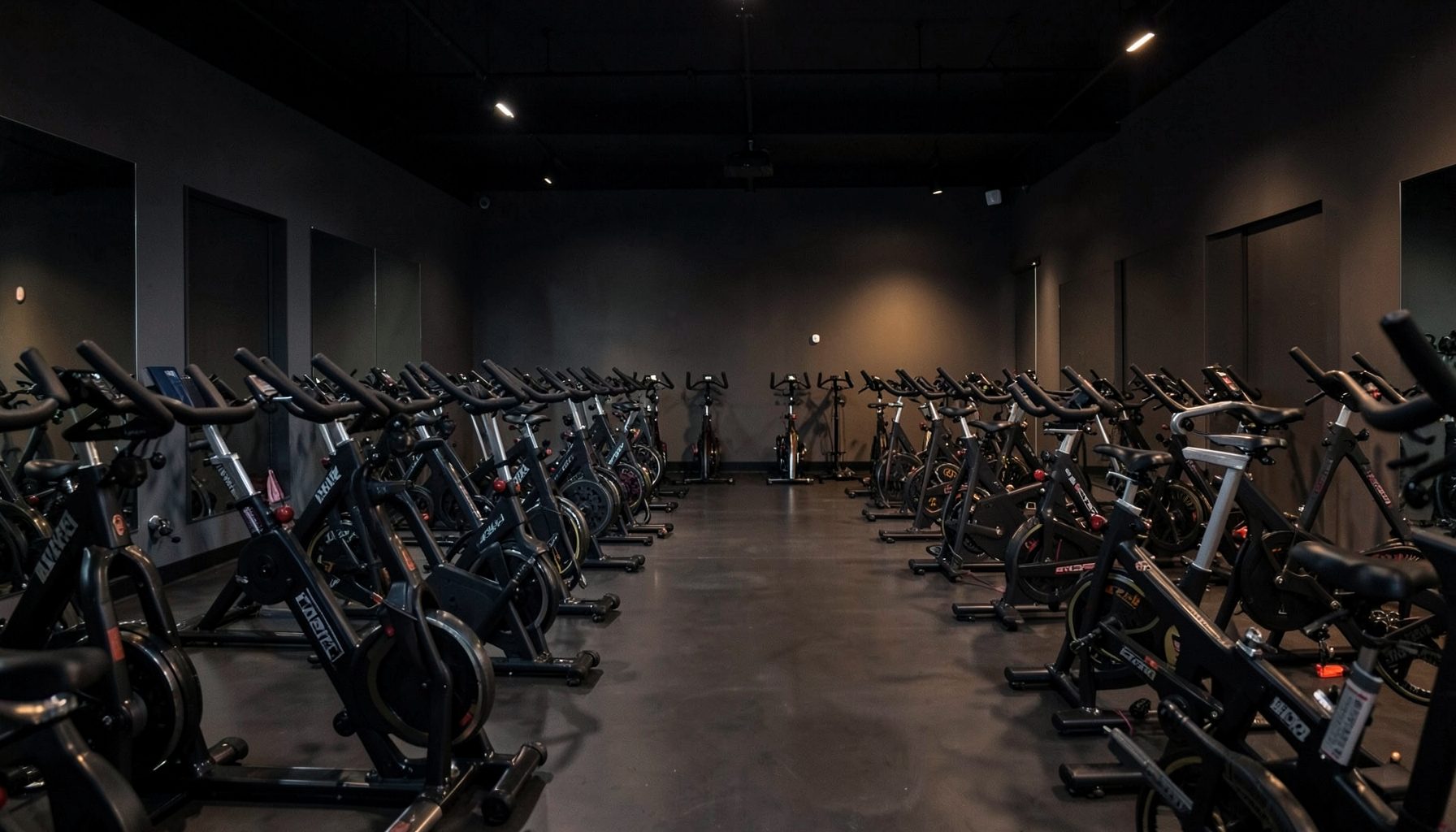
Normatec boot recovery and cryotherapy treatments help athletes bounce back faster. Cycle and spin classes add a cardio dimension to the holistic performance approach.
Have a Question?