Train. Compete. Recover.
A multi-purpose athletic facility in Speedway, Indiana — basketball leagues, skill training, and wellness services all under one roof.
The Factory D1 Indy brings together three entities under one roof: competitive basketball leagues for all age groups, individual and group training, and wellness & recovery services including Normatec boot recovery and cryotherapy. Located off I-465 and High School Road at 6331 Crawfordsville Road, Speedway, Indiana 46224.
Get In TouchWhen an Athlete Needs Rest Before More Training
A recovery day is not a break from progress; it is often what allows progress to continue. When a young basketballer or adult competitor begins to look tired between sessions, another practice can add load without adding useful work. The important question is not whether every athlete can train hard, but whether this athlete can currently absorb the next session safely and effectively.
Parents and coaches often look for signs your athlete needs a recovery day instead of another practice. The clues may be physical, such as heavy legs, persistent soreness or a slower warm-up, or behavioural, such as irritability, poor concentration and reluctance to train. A single difficult morning is not enough to diagnose overtraining, but a repeated pattern deserves attention.
A recovery day should also be distinguished from an injury. Resting after a sprain, fracture or concussion follows different medical guidance and may require assessment. Ordinary fatigue can often be managed with lighter movement, adequate sleep, food and hydration, while significant symptoms should be evaluated by a qualified health professional.
For children, recovery is part of growth as well as training. For adults, it may be needed after demanding work, travel or family responsibilities have added stress outside the sporting schedule. The right response depends on the athlete’s age, training history, recent workload and overall wellbeing rather than a universal rule about training every day.
Spot the Early Physical Signals
Persistent fatigue is one of the clearest warning signs. If an athlete who normally feels energetic needs unusually long to get moving, struggles through basic warm-ups or seems tired after an easy session, the body may not have recovered from previous work. Heavy legs, reduced spring and unusually tender muscles can add to the picture.
A slower rise in heart rate during warm-ups can also be informative. Athletes may notice that their usual routine feels more difficult even though the drill has not changed. Resting heart rate that remains elevated across several days, combined with declining performance, can indicate that recovery needs are not being met.
Soreness that lasts beyond the expected recovery period deserves attention, especially when it changes movement or technique. Basketball places repeated stress on the ankles, knees, hips and lower back. If an athlete is protecting a limb, repeatedly landing stiffly or moving less confidently, another full practice may worsen the problem instead of building capacity.
Watch for Mental and Behavioural Changes
Fatigue affects motivation and concentration before an athlete can necessarily recognise it physically. A child may become whiny, forget instructions or show less interest in drills that once engaged them. An adult may feel unusually irritable, impatient or mentally foggy during training and struggle to make simple tactical decisions.
These changes should be considered alongside physical signs rather than treated as poor behaviour. Telling an athlete to “push through” can mask a genuine need for recovery. A short conversation may reveal problems outside training, including disrupted sleep, school stress, travel, illness or family commitments that are adding to the total load.
One missed session or one quiet practice is not necessarily a pattern. Keep a simple weekly note of sleep, energy, soreness, mood and performance. Comparing that information over several days is more useful than reacting to a single moment. It also gives coaches and parents a constructive way to adjust the plan without making recovery seem like a punishment.
Australian Conditions Change the Load
Australian summer conditions can make recovery decisions more complicated. Brisbane and Perth often bring intense heat, while Sydney’s humidity can make exertion feel harder and increase fluid loss. Training may move indoors, outdoors and back into air-conditioned rooms within the same week, creating changes in temperature, footing and perceived effort.
Heat raises the importance of arriving hydrated, replacing fluids after training and adjusting session volume. Water is generally appropriate for everyday use, while longer or particularly sweaty sessions may require additional planning around electrolytes. Recovery should not become a reason to ignore heat warning signs, particularly for children, older athletes and anyone working towards a return from illness.
Weekend sport adds another Australian layer. Friday-night AFL, Saturday cricket, school competitions and basketball can turn a short recovery window into a congested one. Families in Melbourne, Adelaide, Brisbane and other cities may also spend time in the car travelling between venues or watching a sibling compete. Long drives, early starts and late finishes can limit sleep even when an athlete has completed few formal training sessions.
Daylight saving changes can temporarily disrupt bedtimes and morning routines as well. An athlete who sleeps well during standard time may become persistently tired when the clock changes. Recovery planning should therefore consider sleep, travel and climate, not only the number of minutes spent on the court.
Recovery Can Be an Active Strategy
A recovery day does not have to mean spending the entire day motionless. Light walking, mobility work or gentle swimming can support circulation and maintain normal movement without adding the impacts of another hard practice. The appropriate level depends on the athlete’s symptoms, and someone with pain, dizziness or an acute injury should seek guidance before exercising.
Food and hydration are active recovery tools. A regular meal containing carbohydrates can help replenish energy after demanding training, while protein supports tissue repair across the day. Australian athletes should also consider what has been eaten between sessions; a hurried drive-through meal before practice may not provide the same support as a planned lunch with carbohydrates, protein and vegetables.
Rest should fit into the wider training plan rather than appearing as an unplanned cancellation. When an athlete is consistently showing fatigue signals, a coach can temporarily reduce volume, substitute easier drills or schedule a lower-intensity session. Broader programming ideas and practical approaches to balancing fitness commitments can be explored through Hybrid Gym Group.
Use Recovery Tools Deliberately
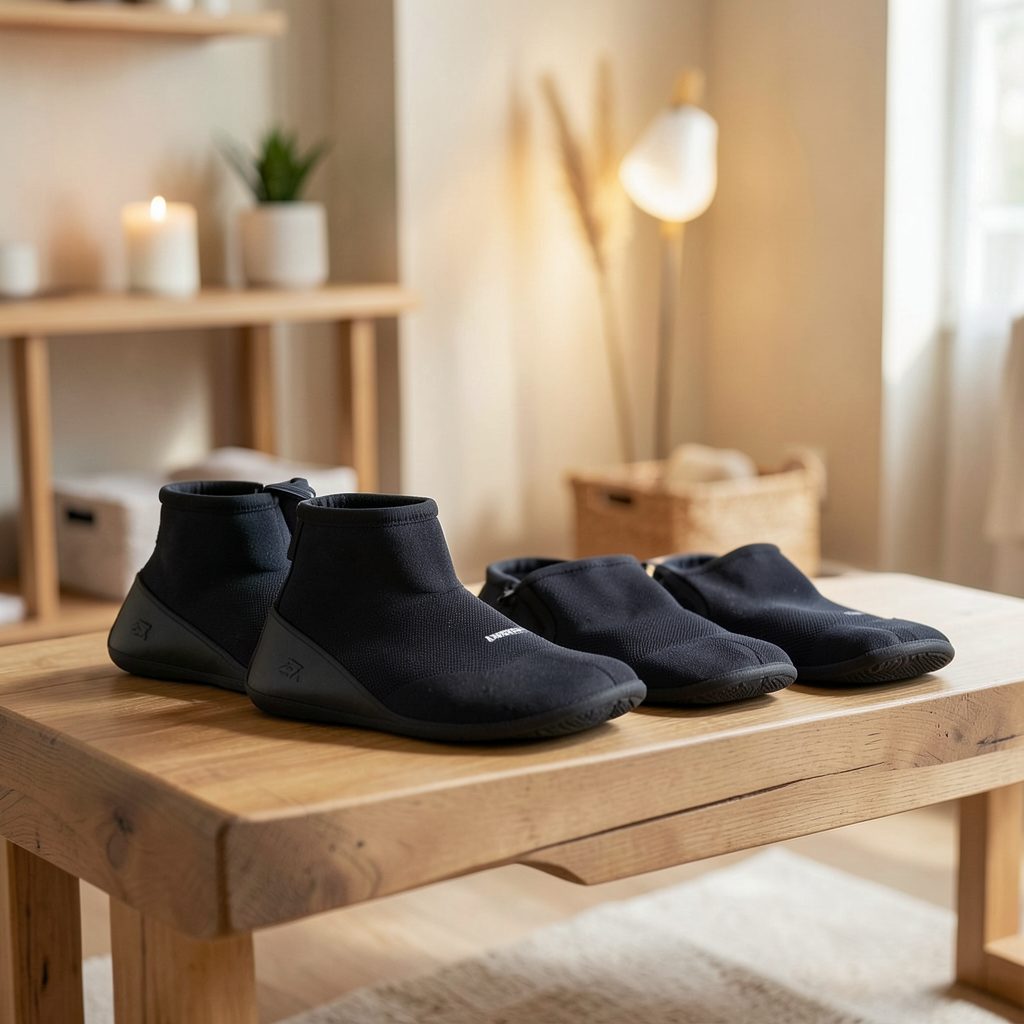
Compression therapy and cryotherapy may be useful parts of a recovery routine, but they are not substitutes for sleep, appropriate nutrition and workload management. Normatec compression can provide a comfortable way to relax tired muscles after selected sessions, while cryotherapy may be used to manage heat or post-exercise discomfort when suitable for the athlete.
Neither tool automatically proves that an athlete is ready for more training. If recovery sessions become a reason to add extra volume or intensity, they may create more load than intended. It also matters that compression garments and cold exposure are not appropriate for every medical situation, so athletes with health conditions or recent injuries should obtain advice before using them.
The Factory D1’s digital magazine offers additional sports and wellness information for families and athletes considering how to structure training around competition. Useful resources explain not only what a recovery service may offer, but also why the fundamentals of sleep, hydration and workload remain central to every age group.
Build a Simple Recovery Day
Start with a brief check-in. Ask how the athlete slept, whether muscles feel unusually sore, whether energy is low and whether there is any pain that changes movement. If there is no concerning pain, a recovery day might include an easy walk, mobility exercises and recreational activity rather than complete inactivity. If symptoms are significant, reduce activity and seek appropriate advice.
Plan ordinary meals and regular drinks rather than waiting until the athlete feels depleted. Prepare a snack after training, keep water accessible and avoid relying on caffeine to overcome persistent tiredness. A consistent bedtime is valuable, but an athlete who is already sleep-deprived may benefit from a longer sleep opportunity rather than simply going to bed at the usual time on a recovery day.
Review the next training week once recovery has been prioritised. In a multi-sport schedule, one demanding basketball session may need to replace rather than accompany a cricket or football commitment. For adult athletes, work stress and commuting may need similar adjustment. Recovery becomes most effective when it is planned before exhaustion builds and communicated clearly among coaches, parents and the athlete.
Make Recovery a Training Decision
Recovery days can build trust when they are framed as part of good coaching. Athletes learn that performance depends on consistency, adaptation and sensible rest, not simply on proving toughness every day. This is especially important for young players who may see fatigue as evidence that they are not committed enough.
Families can compare local competitive options and age-based divisions through the Factory D1 leagues. Coaches can use those formats to plan workloads around school, other sports and the Australian sporting calendar. The best competition structure is one an athlete can recover from, enjoy and return to ready for the next challenge.
Start by noticing patterns rather than waiting for a complete collapse. When fatigue, poor performance and low motivation continue together, adjust the schedule, support recovery and monitor the response. Make rest today part of the athlete’s preparation for playing well tomorrow.
Inside The Factory
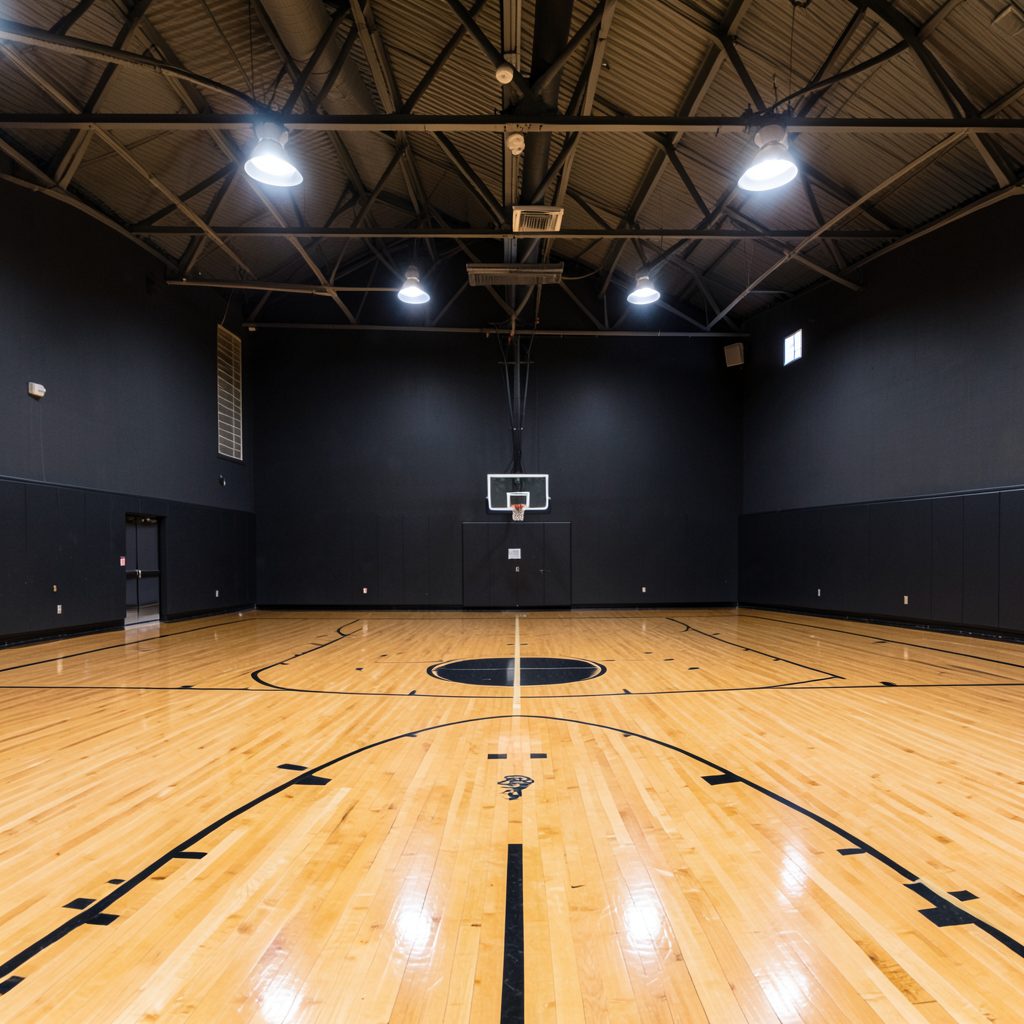

Three Entities, One Roof
Leagues
Eight league divisions span every age group: Indy Pro AM, 18+ Open Men's, 30+ Men's, Bite Size (ages 3–6), Impact League, 5th/6th Grade, Middle School, and High School. Gather your team and compete.
Training
Individual and group basketball training for all skill levels. Major M.O.V.E.S. Basketball Training serves ages 4–7 on Wednesday and Thursday evenings at 6:30 PM — $30 per session or $100 unlimited monthly.
Wellness & Recovery
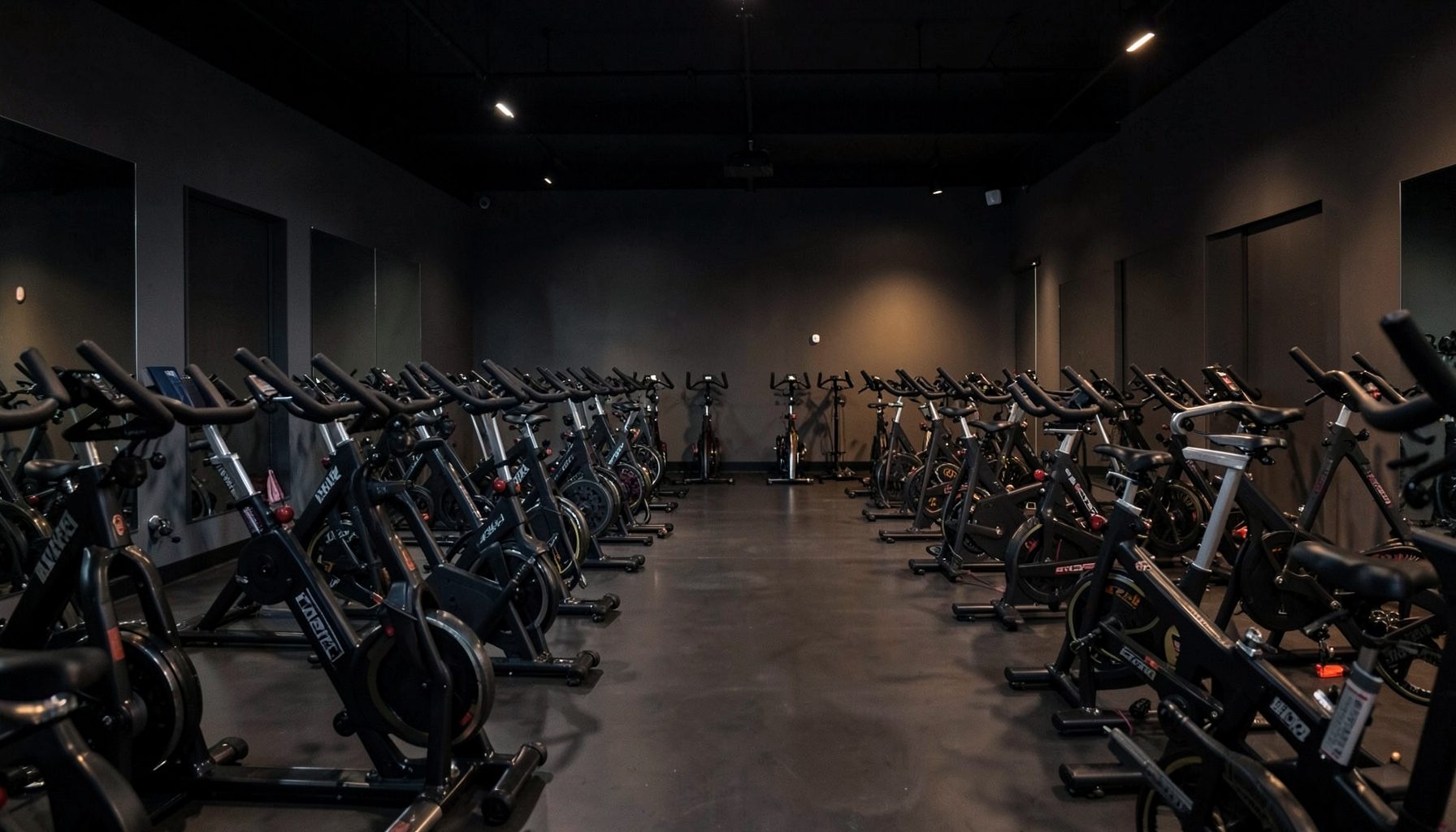
Normatec boot recovery and cryotherapy treatments help athletes bounce back faster. Cycle and spin classes add a cardio dimension to the holistic performance approach.
Have a Question?