Train. Compete. Recover.
A multi-purpose athletic facility in Speedway, Indiana — basketball leagues, skill training, and wellness services all under one roof.
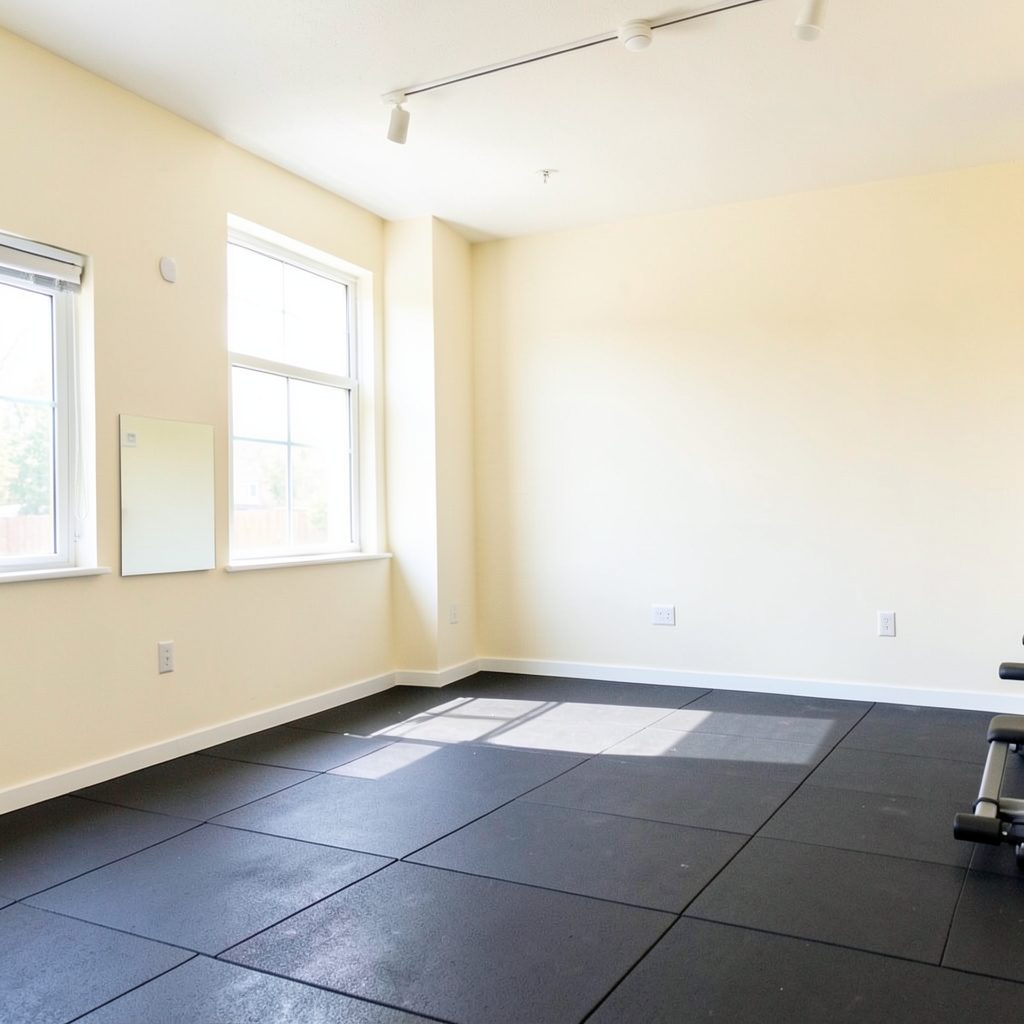
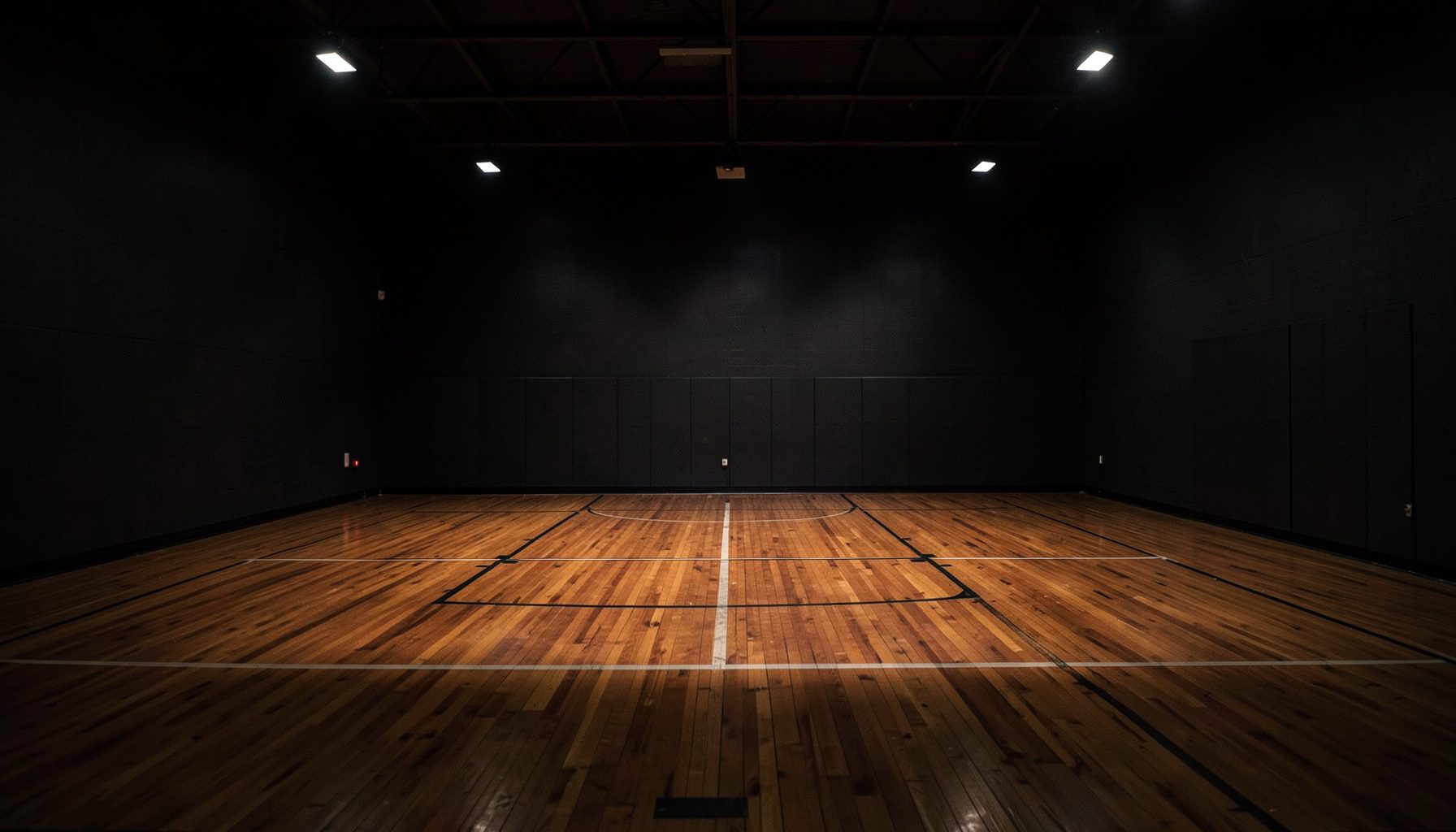
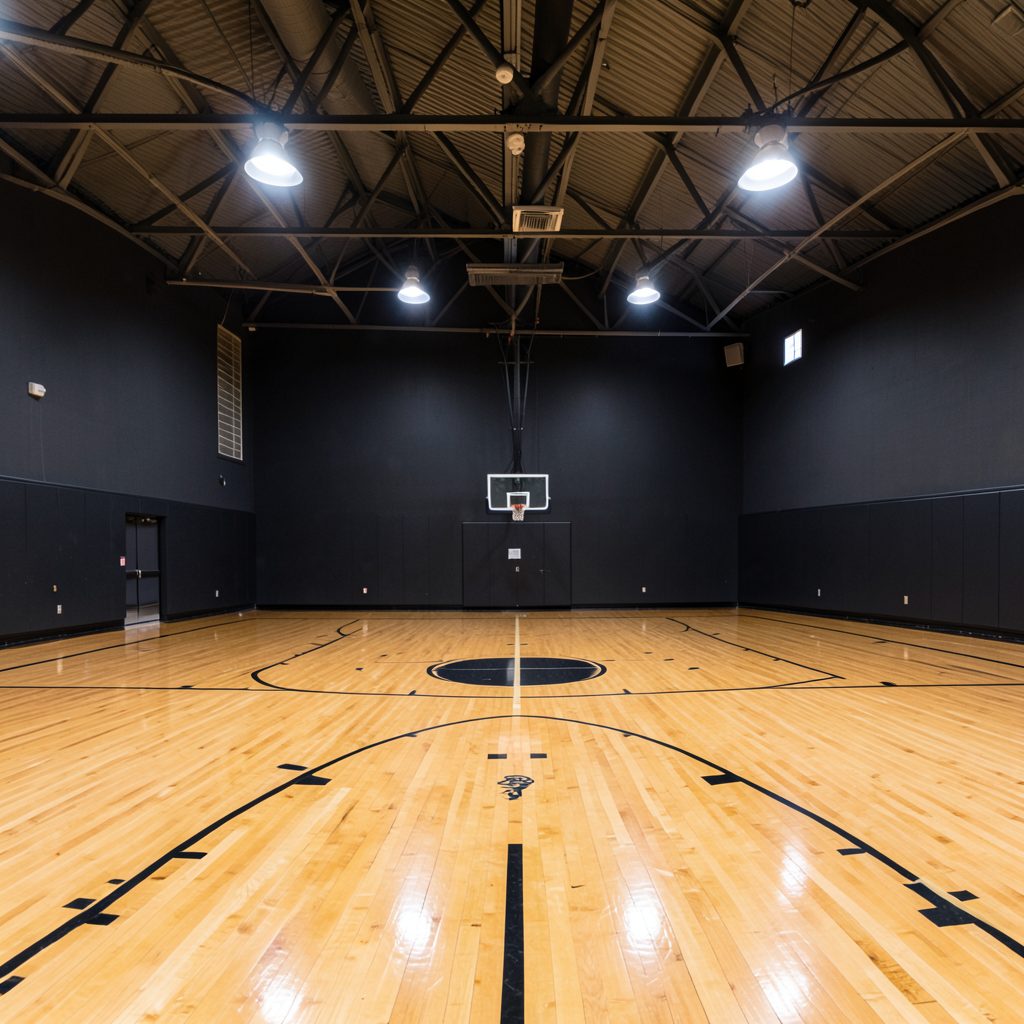
The Factory D1 Indy brings together three entities under one roof: competitive basketball leagues for all age groups, individual and group training, and wellness & recovery services including Normatec boot recovery and cryotherapy. Located off I-465 and High School Road at 6331 Crawfordsville Road, Speedway, Indiana 46224.
Get In TouchSpin class etiquette for confident new riders
A spin class is a fast, social way to build fitness, improve cycling strength and enjoy a structured workout without needing to plan every interval yourself. The room may be full of experienced riders, but good etiquette makes the session welcoming for everyone, including people clipping into an indoor bike for the first time.
Indoor cycling has its own rhythm. You will adjust resistance, follow coaching cues, manage effort and move with the music while sharing limited space and equipment. Arriving prepared and communicating clearly helps you train safely and allows the instructor to focus on the whole group.
The habits below apply whether you attend a boutique studio, a council recreation centre or a multi-purpose facility such as The Factory D1 Indy, where training, competition, conditioning and recovery sit under one roof. The goal is simple: work hard, respect the room and leave your bike ready for the next rider.
Arrive early and set up properly
Try to arrive 10 to 15 minutes before your first session. This gives you time to sign in, find the studio, store your belongings and introduce yourself to the instructor. In busy Australian cities such as Sydney, Melbourne or Brisbane, allow extra time for public transport delays, traffic and finding parking around peak after-work periods.
Tell the instructor that you are new to indoor cycling, even if you ride outdoors regularly. A road bike background is useful, but a spin bike has different resistance controls, riding positions and coaching cues. The instructor can explain the emergency stop, show you how to adjust the saddle and handlebars, and check that your knees and hips are aligned comfortably.
Wear fitted, breathable clothing that will not catch on the pedals. Padded cycling shorts can make longer sessions more comfortable, while supportive trainers are suitable for flat pedals. If the studio uses clip-in pedals, ask about shoe hire and compatibility before class. Bring a full water bottle and a small towel; Australian heat can make hydration especially important during summer sessions, even in an air-conditioned room.
Learn the bike before chasing intensity
Your bike should feel stable rather than stretched or cramped. When the pedal is at its lowest point, your knee should retain a slight bend. The handlebars should allow you to keep a relaxed upper body without rounding excessively through the back. If the set-up feels wrong, ask for help instead of copying the adjustment of the rider beside you.
Resistance is not the same as speed. A heavier setting creates more load, while a lighter setting allows quicker leg movement. Follow the coach’s instructions, but treat them as guidance rather than a demand to ignore your body. Beginners should prioritise smooth pedalling, controlled breathing and good posture before attempting a sprint or standing climb.
Do not turn the resistance knob sharply from light to extremely heavy, and do not stop pedalling suddenly while the flywheel is moving. Use the bike’s braking mechanism as demonstrated. If you feel dizzy, faint, unusually breathless or unwell, reduce the effort and tell the instructor immediately. A hard workout is optional; responding to warning signs is essential.
Follow the room’s shared rhythm
A spin class works best when the instructor can be heard and seen. Keep conversations brief, silence your phone and avoid filming unless the studio has clearly approved it. Camera use can distract riders, block sightlines or capture other people without their permission. Privacy expectations matter in any shared fitness space, and Australian businesses also have responsibilities around handling personal information.
Use the instructor’s cues as the main source of direction. It is fine to adjust an interval to suit your fitness, an injury or a medical condition, but make changes quietly and safely. Do not mock a slower rider, loudly announce your power output or pressure someone else to increase resistance. A supportive atmosphere is more valuable than appearing impressive for one session.
Leave space around your bike and keep towels, bottles and phones in the designated area. Avoid leaning into another rider’s space during standing efforts. If you need to leave early, signal the instructor discreetly and exit when it is safe, rather than weaving through the room during a sprint or climb.
Respect different bodies and fitness levels
Indoor cycling attracts a wide range of people: teenagers building confidence, office workers improving general fitness, competitive athletes adding conditioning and adults returning to exercise. A class may include someone training for a cycling event alongside someone who is simply trying to move more consistently. Neither person owes the room the same pace, resistance or performance.
Avoid assuming that a rider’s age, size, disability or appearance tells you how fit they are. Do not offer unsolicited coaching, correct another person’s technique or compare calorie displays. If someone asks for help, direct them to the instructor when the matter involves bike adjustment, pain, form or training intensity.
In Australia, many fitness providers ask participants to complete a pre-exercise screening form and disclose relevant health concerns. Answer honestly and follow medical advice where applicable. Under workplace health and safety principles, facility operators must take reasonable steps to provide a safe environment, while participants also need to follow instructions and report hazards.
Handle sweat, equipment and hygiene
Wipe the handlebars, saddle and contact points after class using the studio’s approved disinfectant. Sweat is normal, but leaving equipment wet is inconsiderate and can create a slippery surface. Place used towels in the correct laundry receptacle and return borrowed shoes, heart-rate monitors or lockers keys as directed.
Use deodorant and clean training clothes, particularly for a packed evening session. Strong fragrance is not a substitute for hygiene and may trigger discomfort for riders with asthma or sensitivities. Keep food outside the studio unless the venue permits a quick snack, and use a sealed bottle to prevent spills near electrical equipment.
Report loose pedals, damaged straps, unstable seats, broken fans or spilled water straight away. Do not attempt repairs while other riders are moving. Studios often rely on quick reporting to keep classes operational, and clear communication protects both participants and staff.
Build consistency without overdoing it
Your first class may feel harder than expected because the combination of heat, music, resistance and continuous movement is unfamiliar. Schedule recovery instead of treating every session as a test. One or two rides per week can be enough to learn the format before adding strength training, team sport or outdoor cycling.
Australian gyms and studios commonly offer casual visits, introductory deals, class packs and memberships. Read the cancellation and late-arrival terms before booking, especially if your work schedule changes or you rely on trains and buses. Under the Australian Consumer Law, services must generally be provided with due care and skill and be reasonably fit for the stated purpose, but individual booking conditions still matter.
Keep your own record of effort, comfort and recovery rather than judging progress only by leaderboard position. You may notice improved cadence control, steadier breathing, stronger climbs or a quicker return to normal after intervals. Those are meaningful signs that your cardiovascular fitness is developing.
Good etiquette is really good shared training practice: arrive prepared, listen carefully, manage your effort, respect personal space and care for the equipment. Before booking, check the class description, footwear policy and beginner options at your chosen venue. Then arrive early, introduce yourself to the coach and take your first ride at a sustainable pace.
Inside The Factory

Three Entities, One Roof
Leagues
Eight league divisions span every age group: Indy Pro AM, 18+ Open Men's, 30+ Men's, Bite Size (ages 3–6), Impact League, 5th/6th Grade, Middle School, and High School. Gather your team and compete.
Training
Individual and group basketball training for all skill levels. Major M.O.V.E.S. Basketball Training serves ages 4–7 on Wednesday and Thursday evenings at 6:30 PM — $30 per session or $100 unlimited monthly.
Wellness & Recovery
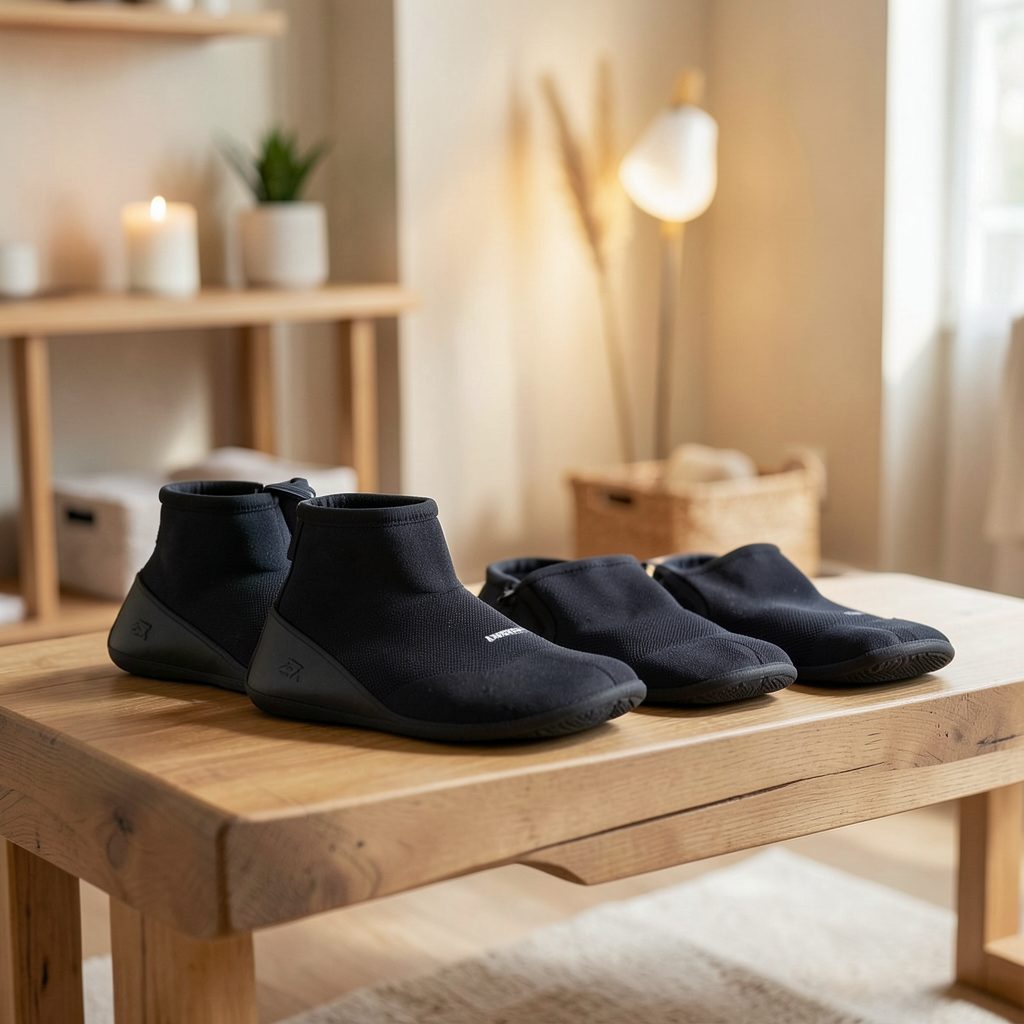
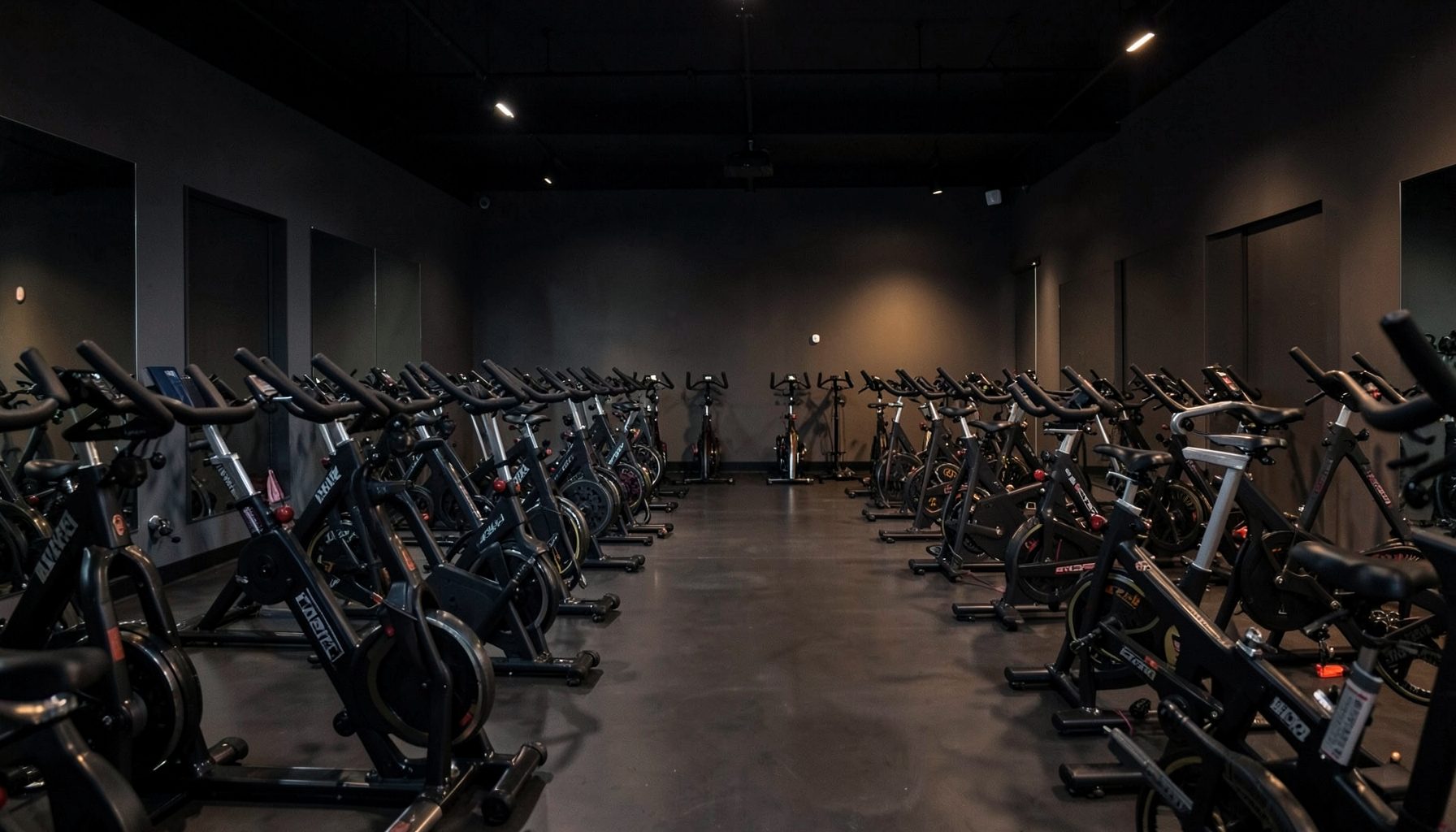
Normatec boot recovery and cryotherapy treatments help athletes bounce back faster. Cycle and spin classes add a cardio dimension to the holistic performance approach.
Have a Question?