Train. Compete. Recover.
A multi-purpose athletic facility in Speedway, Indiana — basketball leagues, skill training, and wellness services all under one roof.
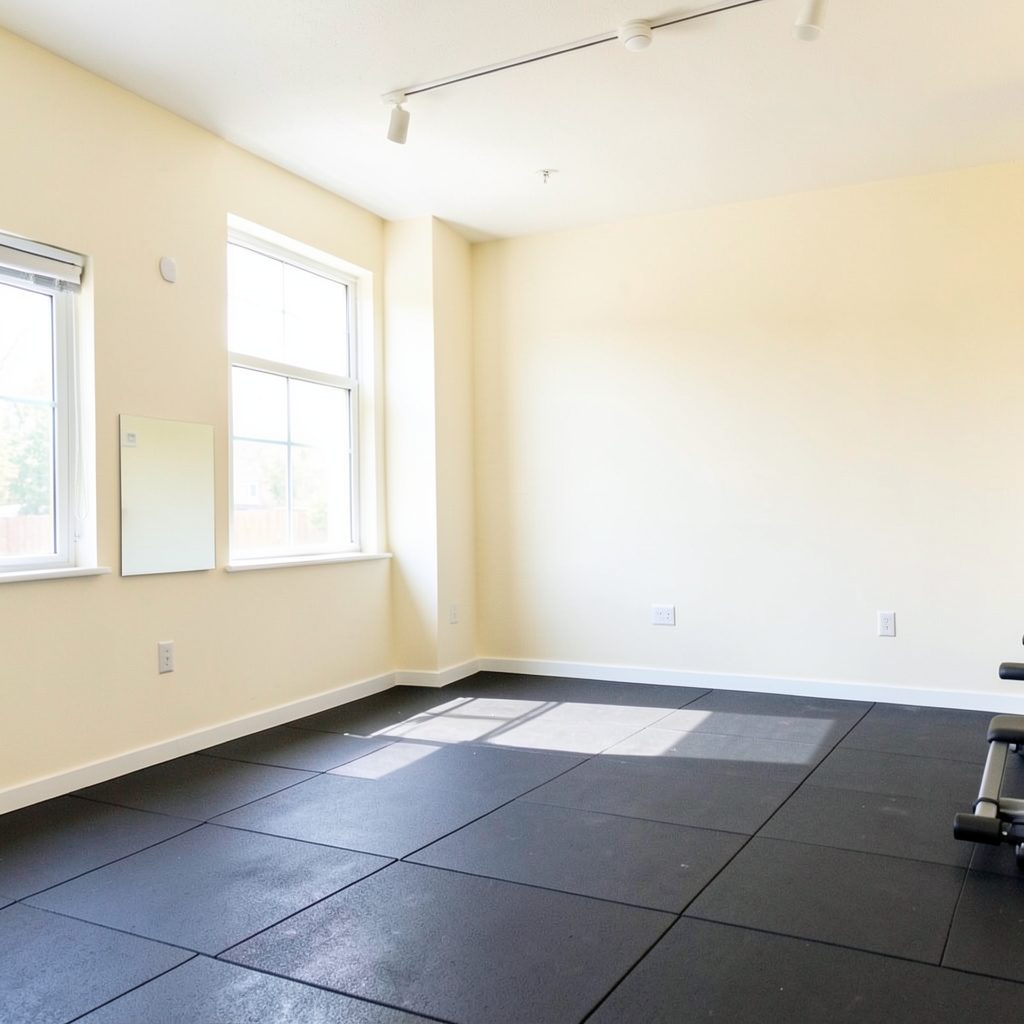
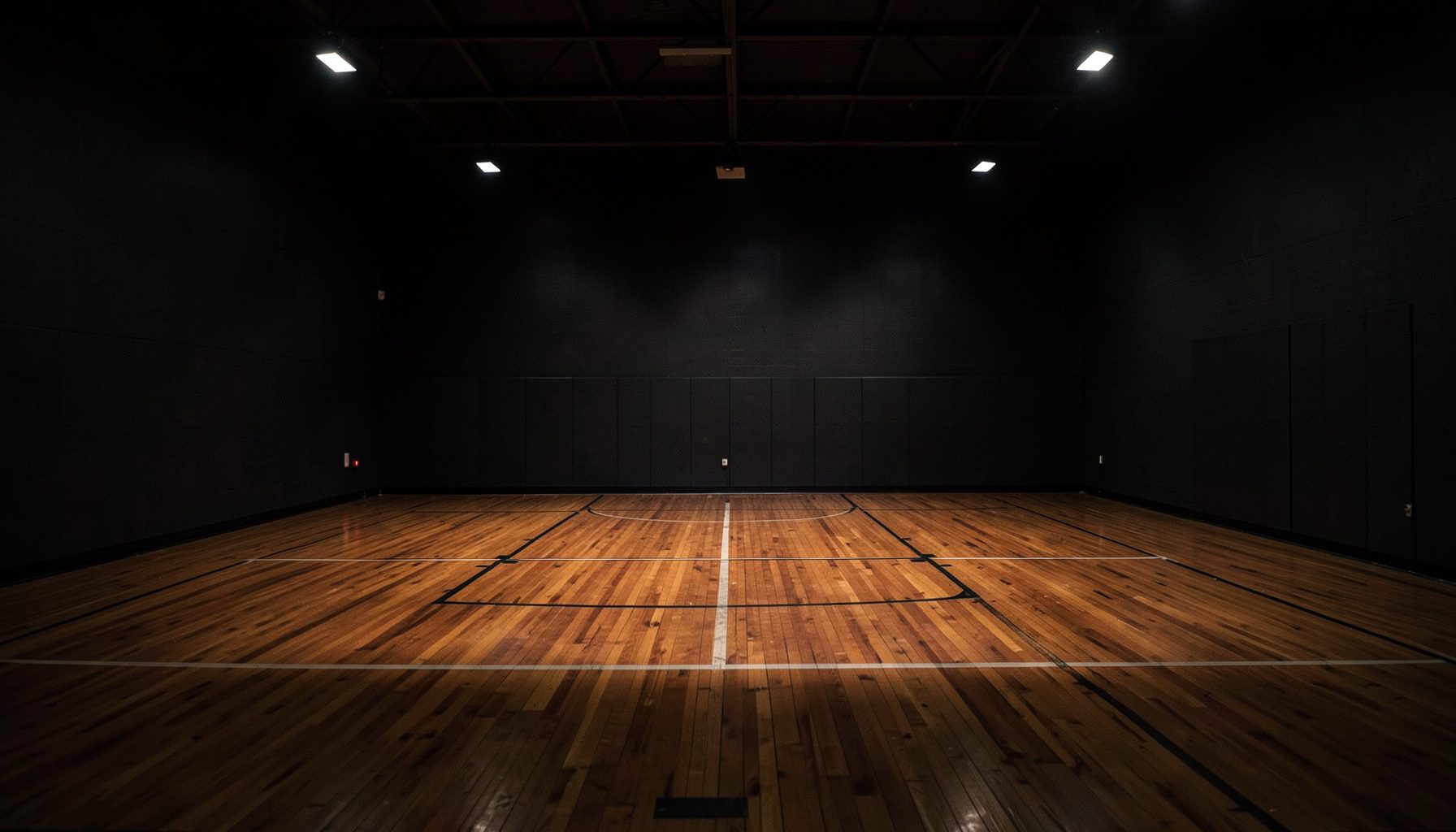
The Factory D1 Indy brings together three entities under one roof: competitive basketball leagues for all age groups, individual and group training, and wellness & recovery services including Normatec boot recovery and cryotherapy. Located off I-465 and High School Road at 6331 Crawfordsville Road, Speedway, Indiana 46224.
Get In TouchSpin Class Form Tips for Healthier Knees and Lower Back
A spin class can improve cardiovascular fitness, leg strength, and muscular endurance while providing an engaging group workout. The smooth pedal stroke and adjustable resistance make indoor cycling suitable for many fitness levels, from beginners to experienced athletes. Still, good results depend on more than simply keeping pace with the music.
Poor bike setup, excessive resistance, and rounded posture can place unnecessary stress on the knees and lumbar spine. Small adjustments to saddle height, foot position, core control, and riding intensity can make each session more comfortable and productive.
The goal is to create a stable, efficient position that lets the large muscles of the hips and legs do most of the work. These form cues can help you train consistently, protect your joints, and get more value from every ride at a dedicated fitness facility such as Factory D1 Indy.
Set Up The Bike Before You Ride
Bike adjustment is the first step in protecting your knees and lower back. Stand beside the saddle and set its height approximately level with your hip bone as a starting point. When your foot is at the bottom of the pedal stroke, your knee should remain slightly bent rather than locked or deeply folded.
A saddle that is too low can keep the knee compressed and increase pressure around the kneecap. A saddle that is too high may cause your hips to rock from side to side, creating strain through the hamstrings and lower back. Move the seat forward or backward until your knee sits roughly over the middle of your foot when the crank arms are parallel to the floor.
Handlebar height also affects spinal comfort. New riders or anyone with limited hip mobility may benefit from handlebars set higher, allowing a more upright torso. Lower handlebars can suit experienced cyclists, but reaching too far forward may cause the back to round and the shoulders to tense.
Keep Your Knees Tracking Straight
During each pedal revolution, aim to keep your knees aligned with your second and third toes. Your knees should move forward and backward in a relatively straight line instead of collapsing inward or drifting widely outward. This alignment helps distribute force through the hips, knees, and ankles.
Watch your reflection when possible, especially during seated climbs. If one knee repeatedly moves toward the bike frame, reduce the resistance and focus on controlled movement. Weak hip stabilizers, fatigue, or an awkward cleat and shoe position can all contribute to poor tracking.
Keep your feet level and avoid pedaling with your toes pointed sharply downward. A neutral ankle allows the quadriceps, hamstrings, and glutes to share the workload. Press through the entire foot, using a smooth motion rather than stomping down with each stroke.
Protect Your Lower Back With Core Control
A strong cycling posture begins with a neutral spine. Hinge slightly forward from the hips while keeping your chest open, shoulders relaxed, and abdominal muscles gently engaged. Avoid collapsing your chest onto the handlebars or rounding your lumbar spine during difficult intervals.
Core engagement does not mean bracing as hard as possible or holding your breath. Think of maintaining steady support around your midsection while breathing normally. This stability prevents excessive movement through the pelvis and allows your legs to produce force without making the lower back compensate.
Your hands should rest lightly on the handlebars, with elbows soft rather than locked. Relax your grip and keep your shoulders away from your ears. If you notice numb hands, neck tension, or aching between the shoulder blades, change hand positions and sit taller for a few pedal strokes.
| Form Concern | Helpful Cue | Why It Matters |
|---|---|---|
| Saddle too low | Keep a slight knee bend at the bottom | Reduces excessive knee compression |
| Hips rocking | Lower the saddle or reduce reach | Limits strain through the pelvis and back |
| Knees collapsing inward | Track knees toward the second toe | Supports smoother leg alignment |
| Rounded lower back | Hinge from the hips and lift the chest | Preserves a more neutral spine |
| Heavy foot stamping | Maintain steady, even pedal pressure | Improves efficiency and joint control |
Match Resistance To Your Ability
High resistance can build strength, but turning the pedals through an overly heavy load may cause you to grind, hold your breath, or twist through your hips. Choose a challenging setting that still allows controlled movement. Your legs should feel engaged without sacrificing alignment.
When climbing out of the saddle, keep your body centered over the bike. Avoid pulling aggressively on the handlebars or swinging your torso from side to side. A slight forward lean from the hips is appropriate, but your hips should remain controlled rather than bouncing above the saddle.
Cadence matters as well. Extremely fast pedaling can make it difficult to control the knees, while an excessively slow cadence with heavy resistance can increase joint loading. Follow the instructor’s guidance, but adjust the pace when your form begins to deteriorate.
Use Warmups And Recovery Wisely
A gradual warmup prepares the joints and muscles for higher effort. Begin with light resistance and an easy cadence, then increase intensity over several minutes. This gives the knees, hips, and lower back time to adjust before sprints, standing climbs, or power intervals.
Cooling down is equally valuable. Pedal easily for a few minutes while allowing your breathing and heart rate to settle. Gentle mobility work for the hip flexors, glutes, hamstrings, and calves may help you feel less stiff after class, especially if you spend much of the day sitting.
Recovery services can complement regular training when used appropriately. Compression therapy, mobility sessions, and other wellness options may support circulation and relaxation, but they do not replace proper technique, rest, or medical care for persistent pain.
Build Safer Riding Habits
Consistent form improves when you treat technique as part of the workout rather than something to check only after discomfort appears. Use these habits during every class:
- Adjust the saddle and handlebars before the instructor begins.
- Keep the knees aligned with the toes throughout the pedal stroke.
- Maintain light abdominal support and a neutral lower back.
- Reduce resistance or cadence when your hips rock or your form breaks down.
- Tell the instructor about injuries or limitations before class.
Pain is different from normal muscular effort. Quadriceps fatigue, elevated breathing, and a moderate burning sensation can be expected during challenging intervals. Sharp knee pain, persistent low-back pain, numbness, or pain that changes your movement deserves attention.
If discomfort continues after class or appears during ordinary activities, pause intense cycling and consult a qualified healthcare professional. A physical therapist can assess mobility, strength, bike position, and movement patterns that may be affecting your joints.
Make Every Ride Support Your Goals
Good spin class form is built through repeatable choices: a careful bike setup, balanced resistance, smooth pedal mechanics, and controlled posture. These details help your knees and lower back tolerate training while allowing your glutes, hamstrings, and core to contribute effectively.
Make your next class a technique-focused session. Arrive early, adjust the bike, communicate with the instructor, and prioritize steady movement over matching every speed or resistance cue. With the right habits, indoor cycling can remain a challenging and joint-conscious part of your fitness routine.
Inside The Factory
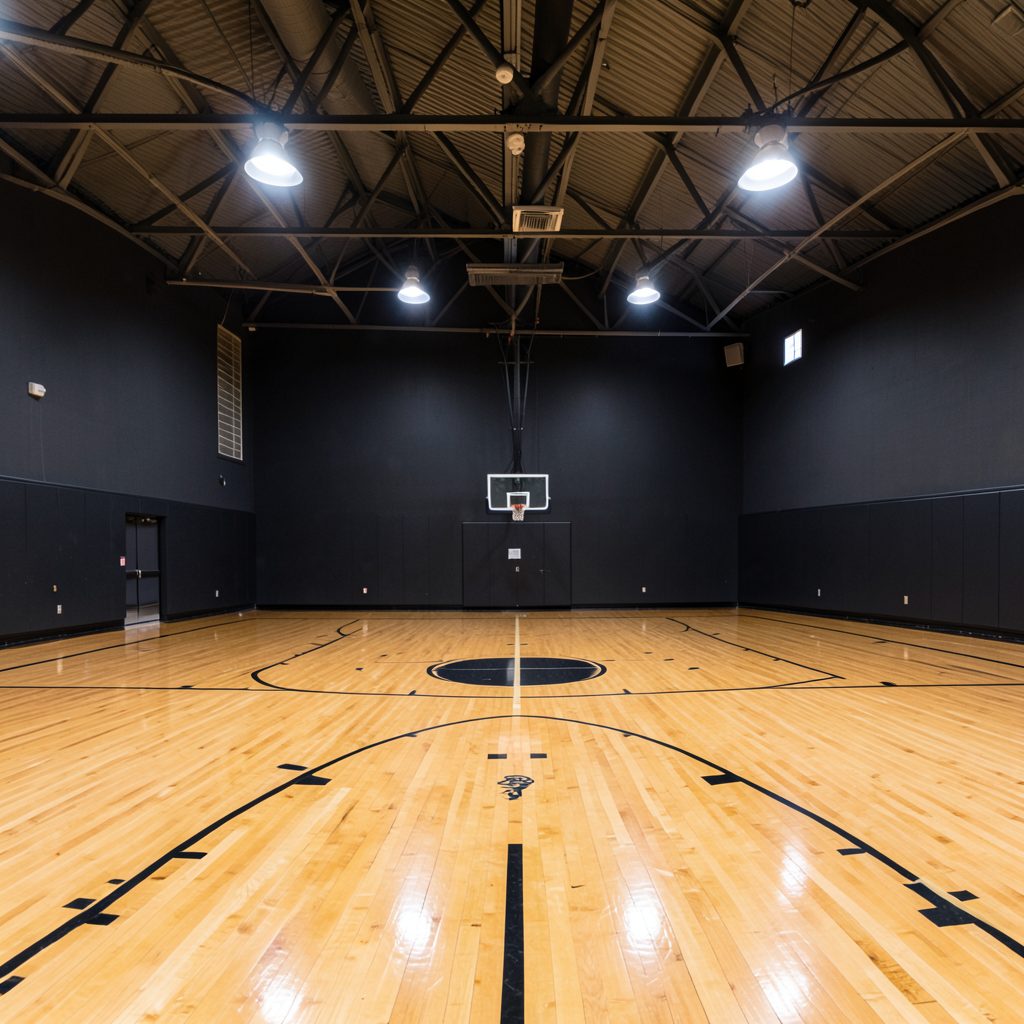

Three Entities, One Roof
Leagues
Eight league divisions span every age group: Indy Pro AM, 18+ Open Men's, 30+ Men's, Bite Size (ages 3–6), Impact League, 5th/6th Grade, Middle School, and High School. Gather your team and compete.
Training
Individual and group basketball training for all skill levels. Major M.O.V.E.S. Basketball Training serves ages 4–7 on Wednesday and Thursday evenings at 6:30 PM — $30 per session or $100 unlimited monthly.
Wellness & Recovery
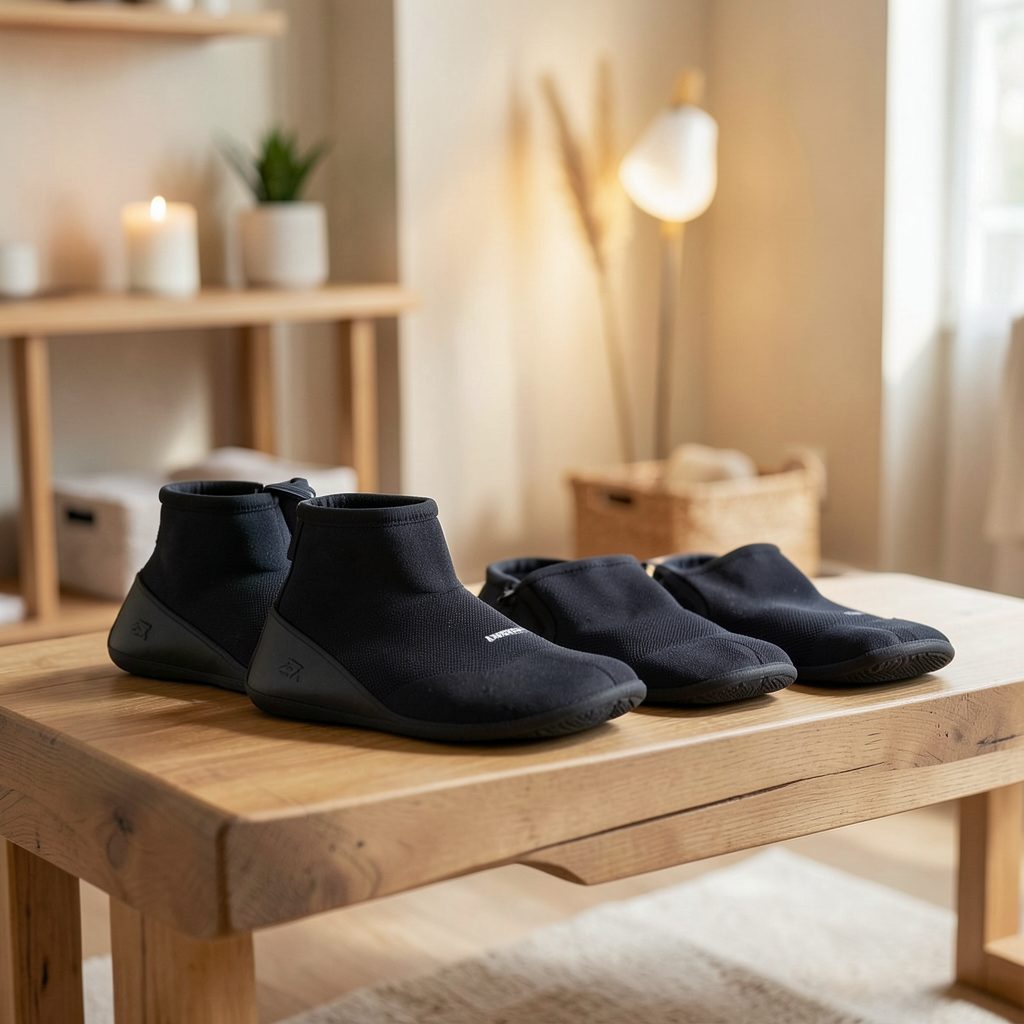
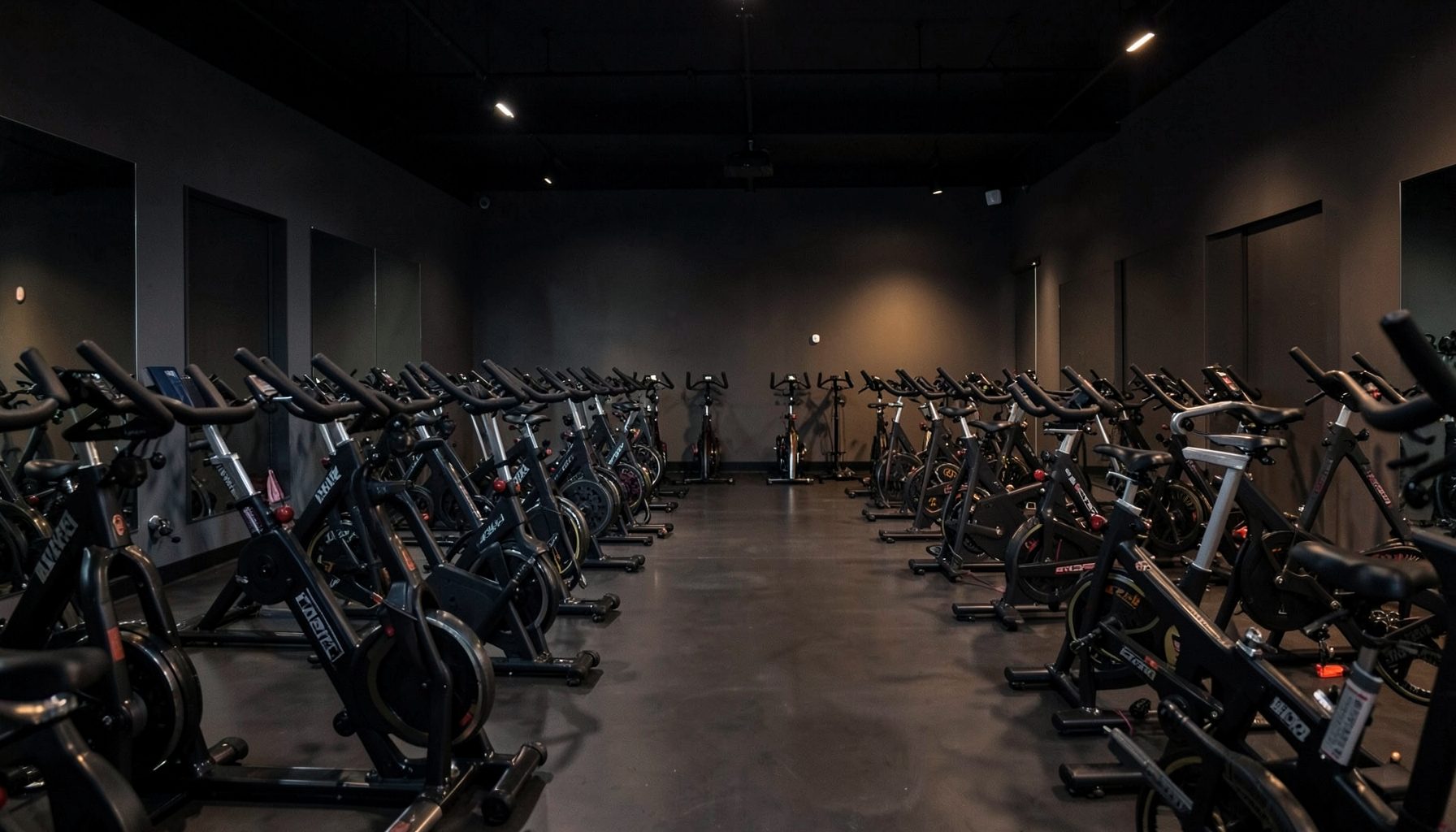
Normatec boot recovery and cryotherapy treatments help athletes bounce back faster. Cycle and spin classes add a cardio dimension to the holistic performance approach.
Have a Question?