Train. Compete. Recover.
A multi-purpose athletic facility in Speedway, Indiana — basketball leagues, skill training, and wellness services all under one roof.
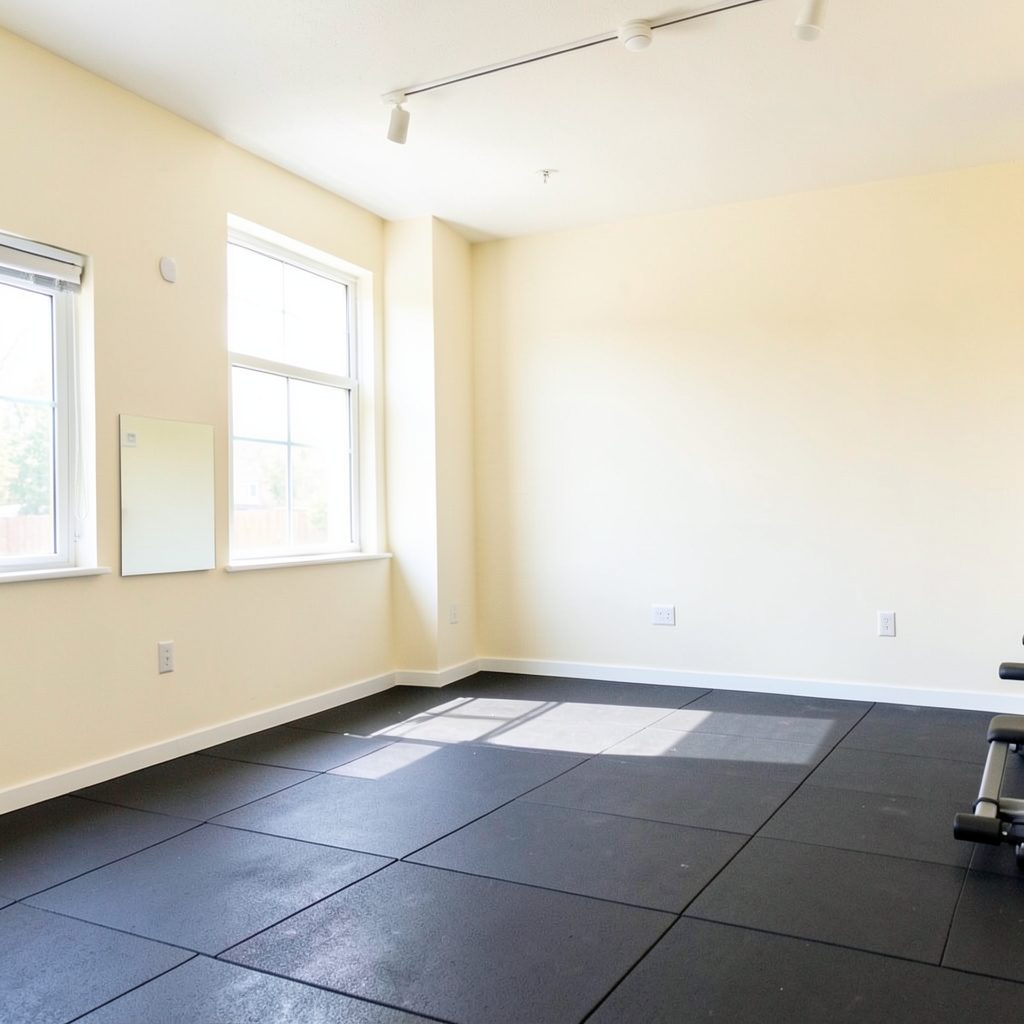
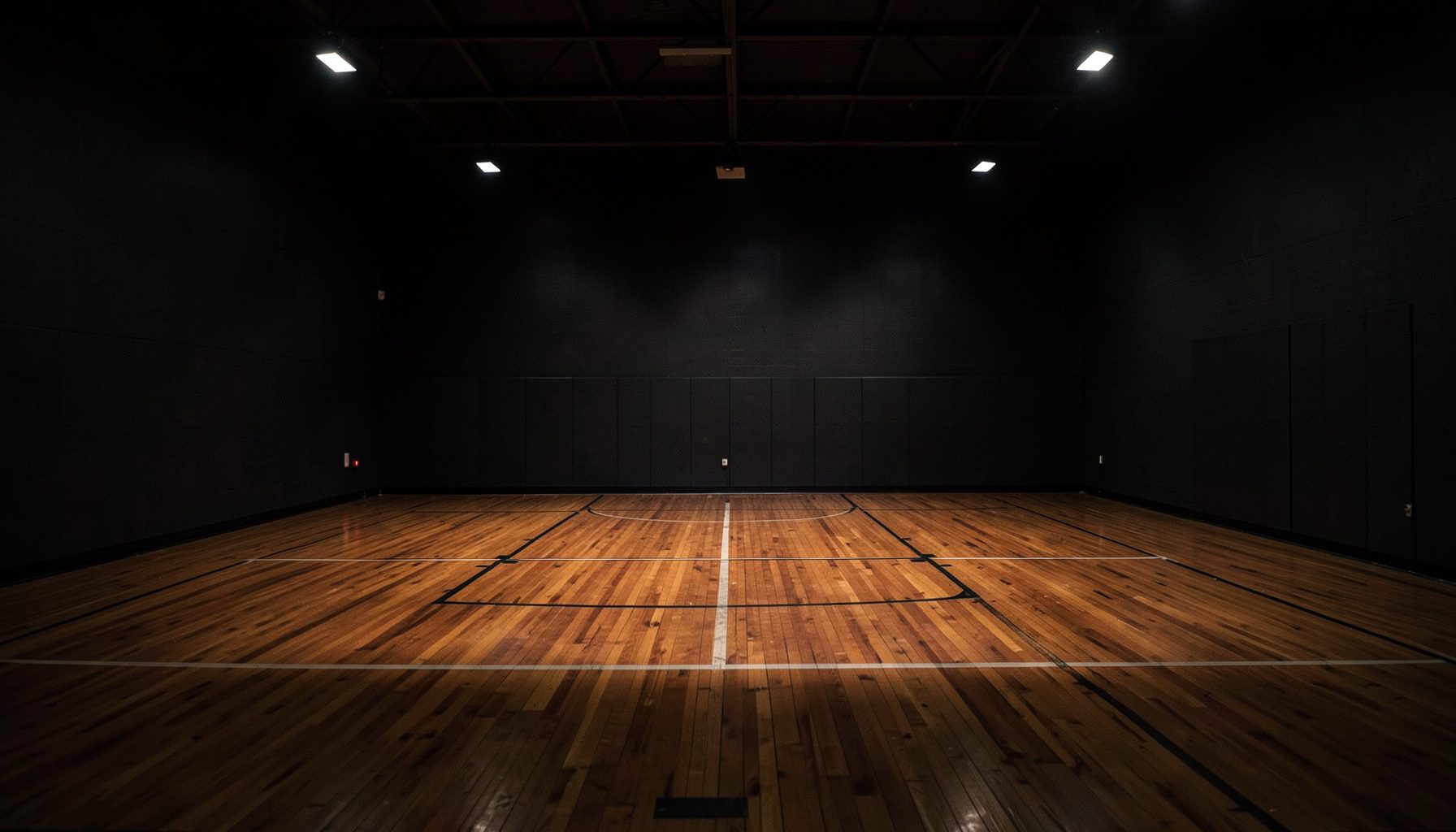
The Factory D1 Indy brings together three entities under one roof: competitive basketball leagues for all age groups, individual and group training, and wellness & recovery services including Normatec boot recovery and cryotherapy. Located off I-465 and High School Road at 6331 Crawfordsville Road, Speedway, Indiana 46224.
Get In TouchSpin Class Intensity Levels: Finding Your Right Challenge
A spin class can feel completely different from one session to the next. The bike may be the same, yet the workout changes with resistance, cadence, instructor cues, music, recovery periods, and your personal effort. That variety makes indoor cycling useful for beginners, experienced athletes, and anyone looking for a focused conditioning session.
The right challenge is not always the hardest setting in the room. It is the level that helps you work with purpose while maintaining control, safe form, and enough energy to finish strong. Learning how intensity works allows you to adjust a ride to your fitness level instead of trying to match every rider around you.
At a multi-purpose facility such as The Factory D1 Indy, cycling can complement basketball training, strength work, leagues, and recovery services. Whether you are building endurance or adding cross-training to a busy athletic schedule, understanding effort levels will help you get more from every class.
What Intensity Means On A Spin Bike
Spin class intensity refers to how demanding the ride feels and how much work your body is performing. Several factors influence it. Resistance increases the force required to turn the pedals, while cadence describes how quickly you pedal. A moderate cadence with heavy resistance can be just as demanding as fast pedaling with a lighter load.
Heart rate, breathing, and perceived exertion also provide useful information. A rider may be working hard even when the bike’s numbers look different from someone else’s. Fitness history, sleep, hydration, stress, and cycling experience all affect how an effort feels on a given day.
Many instructors use a perceived exertion scale from one to ten. An effort of one feels extremely easy, while ten represents an all-out sprint that can only be sustained briefly. Most productive classes move through several levels rather than staying at maximum effort for the entire session.
Recognizing The Main Effort Zones
An easy intensity level usually feels like a warm-up or recovery. You can speak in complete sentences, breathe comfortably, and maintain smooth pedal strokes. This zone is valuable at the start and end of class, between hard intervals, or on days when your body needs lighter movement.
Moderate cycling raises your breathing rate without making conversation impossible. You may be able to speak in short sentences, but you are clearly working. This effort supports aerobic conditioning and can be maintained for longer blocks, making it a practical foundation for beginners and endurance-focused riders.
High-intensity intervals create a sharper challenge. Breathing becomes heavier, conversation is limited, and your legs feel the effect of increased resistance or speed. These efforts are useful when they are brief and followed by recovery. Repeatedly pushing into an all-out zone without rest can reduce technique and make the workout less productive.
Matching The Workout To Your Experience
Beginners should begin with control rather than ambition. Keep resistance light enough to pedal smoothly, learn the bike’s adjustments, and observe how the instructor structures the session. A beginner-friendly ride may include longer moderate intervals, clear recovery periods, and fewer maximal sprints.
Intermediate riders can use cycling classes to improve stamina, power, and pace changes. You might increase resistance during climbs, add short sprint intervals, or maintain a challenging effort for several minutes. The goal is to create a repeatable training stimulus rather than turning every class into a test of willpower.
Advanced athletes may benefit from carefully planned variation. Hard hill efforts, sprint blocks, cadence drills, and threshold-style intervals can challenge different energy systems. Even experienced participants should modify the workout when needed, particularly after a demanding practice, competition, or strength session.
Using Class Cues Without Losing Control
Instructor guidance can make a spin workout engaging, but every cue is an invitation rather than a command to ignore your limits. If the suggested resistance causes your knees to twist, your hips to rock, or your upper body to bounce, reduce the load until you can pedal with stability.
Set the saddle and handlebars before class begins. Your knee should retain a slight bend when the pedal is at its lowest point, and your reach should allow relaxed shoulders and a comfortable grip. Proper positioning supports efficient movement and reduces unnecessary stress on the knees, hips, back, and wrists.
You can also use the talk test during a ride. If you cannot recover your breathing during a planned moderate interval, the previous effort may have been too aggressive. A smart adjustment could mean lowering resistance, easing cadence, or taking an extra recovery minute. That is a training decision, not a failure.
| Rider profile | Useful starting effort | Primary focus | Signs to adjust |
|---|---|---|---|
| New participant | Easy to moderate | Bike setup, rhythm, comfort | Pain, unstable hips, breathlessness |
| Recreational exerciser | Moderate with short hard intervals | Aerobic fitness and consistency | Cannot speak during recovery |
| Experienced rider | Moderate to vigorous intervals | Power, stamina, cadence control | Form breaks or repeated early fatigue |
| Competitive athlete | Planned high-intensity blocks | Sport conditioning and repeat efforts | Training load affects performance or recovery |
Choosing Intensity For Your Goal
For cardiovascular health and general fitness, a steady moderate ride can be highly effective. You do not need constant sprints to improve endurance. Try maintaining a sustainable effort, then add several short increases in resistance or pace. This approach builds consistency while keeping the session manageable.
If your goal is athletic conditioning, use intervals that resemble the demands of your sport. Basketball players, for example, may benefit from repeated bursts followed by controlled recovery because games require acceleration, deceleration, and repeated efforts. Cycling does not copy every movement on the court, but it can develop cardiovascular capacity without adding the same impact as running and jumping.
For calorie expenditure or weight-management support, consistency matters more than chasing the most exhausting class. A sustainable schedule of moderate and vigorous rides can be paired with strength training, balanced nutrition, sleep, and recovery. The best intensity is one you can repeat safely over time.
Recovery rides deserve a place in a training plan. A light spin can increase circulation, loosen stiff muscles, and maintain movement without imposing a major workload. When available, wellness options such as recovery services can complement an active routine, especially for athletes balancing conditioning with frequent practices or competitions.
Adjusting Effort On Any Given Day
Your ideal intensity can change from day to day. Poor sleep, dehydration, muscle soreness, stress, illness, and a recent hard workout may all make a familiar pace feel more difficult. Pay attention to your breathing and movement quality before deciding how hard to push.
A simple readiness check can help. During the warm-up, notice whether your legs feel responsive and whether your breathing settles easily. If everything feels normal, continue with the planned workout. If your body feels unusually heavy or coordination is poor, choose a lower resistance and treat the session as technique or recovery work.
Stop and seek professional guidance if you experience chest pain, faintness, unusual shortness of breath, sharp joint pain, or symptoms that feel different from ordinary exertion. Fitness goals should support long-term health, and no class cue is more important than your safety.
Practical Ways To Find Your Best Level
Use these habits to make each indoor cycling session more effective:
- Start with five to ten minutes of easy pedaling before attempting hard intervals.
- Track perceived exertion, breathing, resistance, and recovery instead of copying another rider’s settings.
- Keep your cadence smooth and your shoulders relaxed when the workout becomes difficult.
- Increase only one variable at a time, such as resistance, duration, or sprint speed.
- Schedule easier rides after demanding basketball practices, games, or strength sessions.
After class, consider how quickly your breathing returned to normal and whether you could maintain good form. If the workout felt challenging but controlled, you likely found a productive level. If you were exhausted early and struggled through the remainder, reduce the next session’s intensity. If the ride felt effortless from start to finish, add a small amount of resistance or extend one interval.
The most useful spin class intensity level is the one that matches your current readiness and supports your larger goals. Begin where you can move well, progress gradually, and allow hard efforts to have a clear purpose. Visit The Factory D1 Indy to experience cycling, athletic training, leagues, and recovery options in one community-focused facility, then make your next ride a challenge you can own.
Inside The Factory

Three Entities, One Roof
Leagues
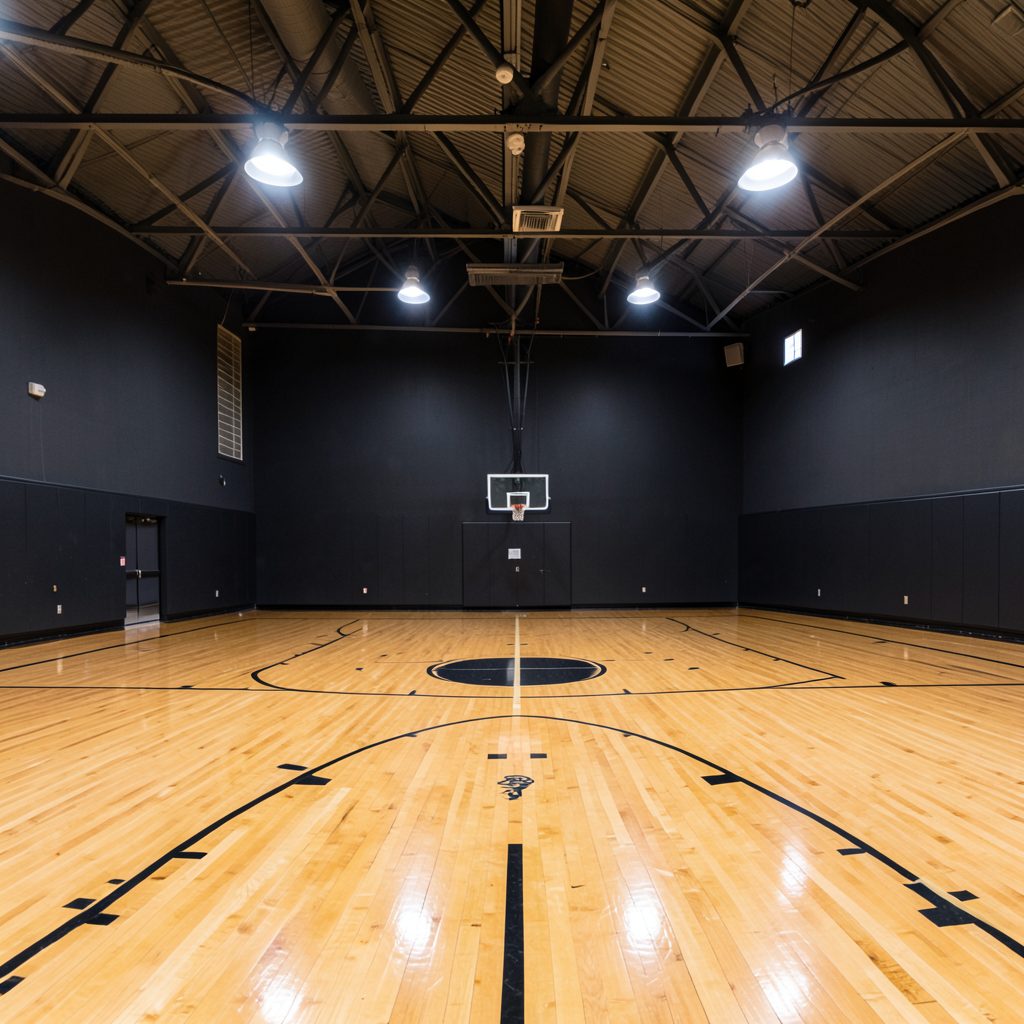
Eight league divisions span every age group: Indy Pro AM, 18+ Open Men's, 30+ Men's, Bite Size (ages 3–6), Impact League, 5th/6th Grade, Middle School, and High School. Gather your team and compete.
Training
Individual and group basketball training for all skill levels. Major M.O.V.E.S. Basketball Training serves ages 4–7 on Wednesday and Thursday evenings at 6:30 PM — $30 per session or $100 unlimited monthly.
Wellness & Recovery
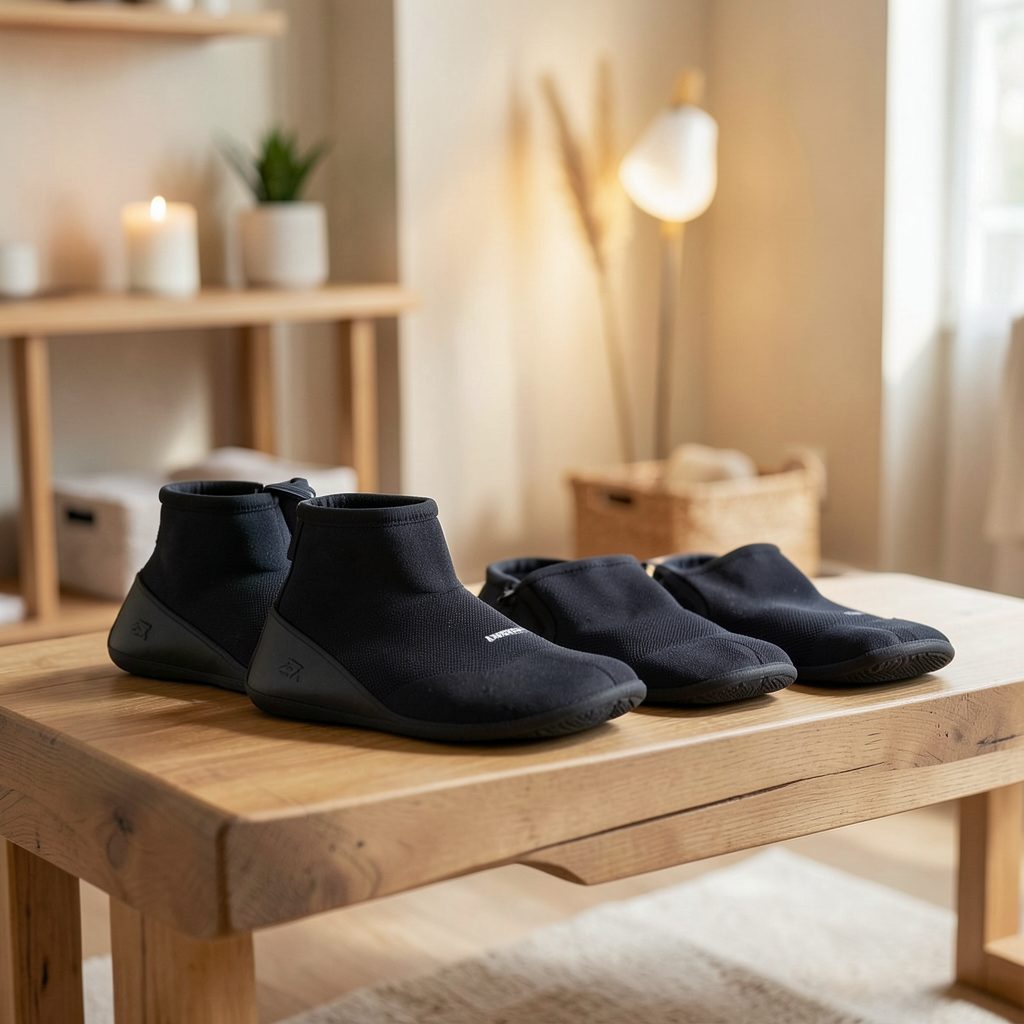
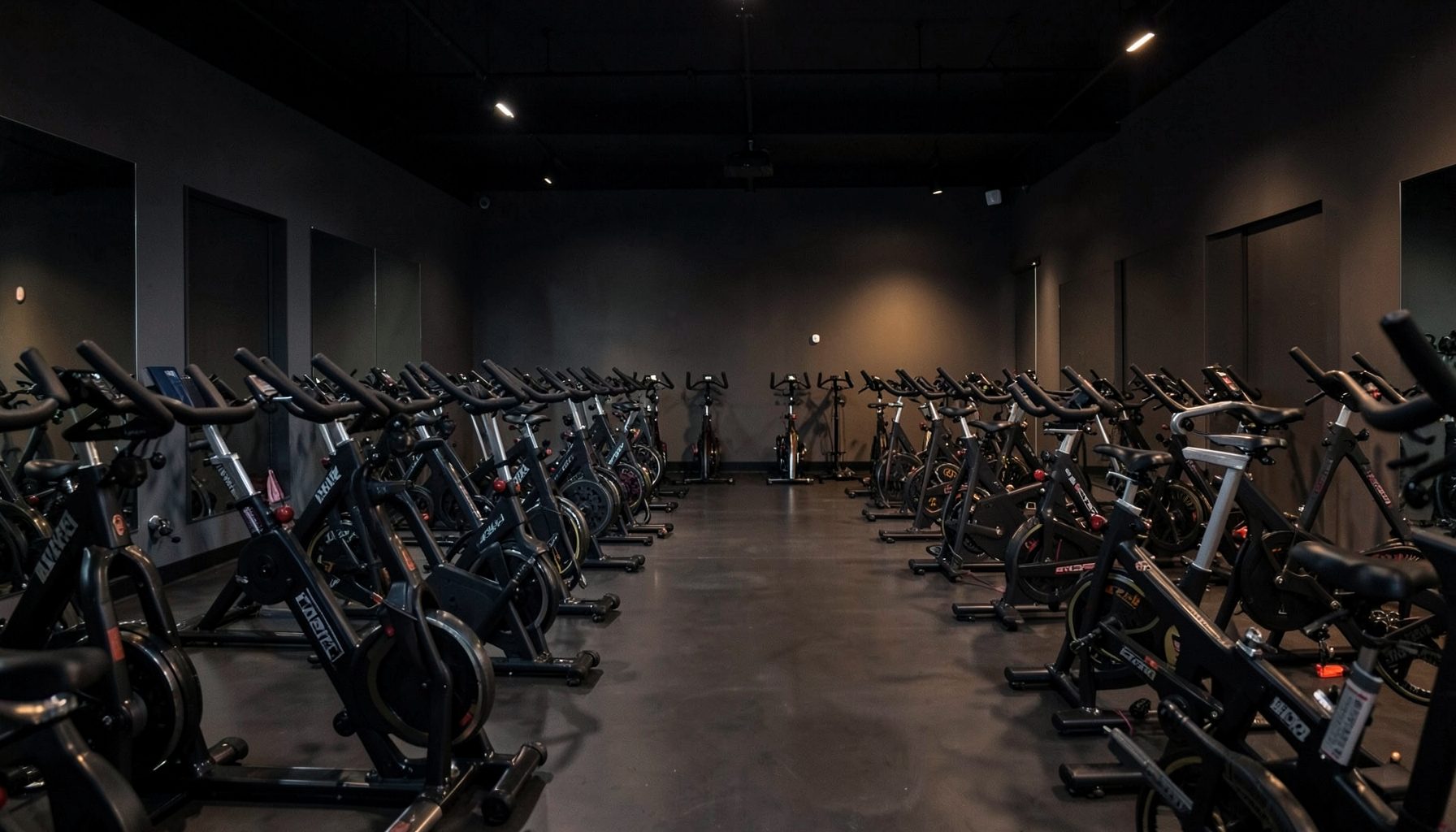
Normatec boot recovery and cryotherapy treatments help athletes bounce back faster. Cycle and spin classes add a cardio dimension to the holistic performance approach.
Have a Question?