Train. Compete. Recover.
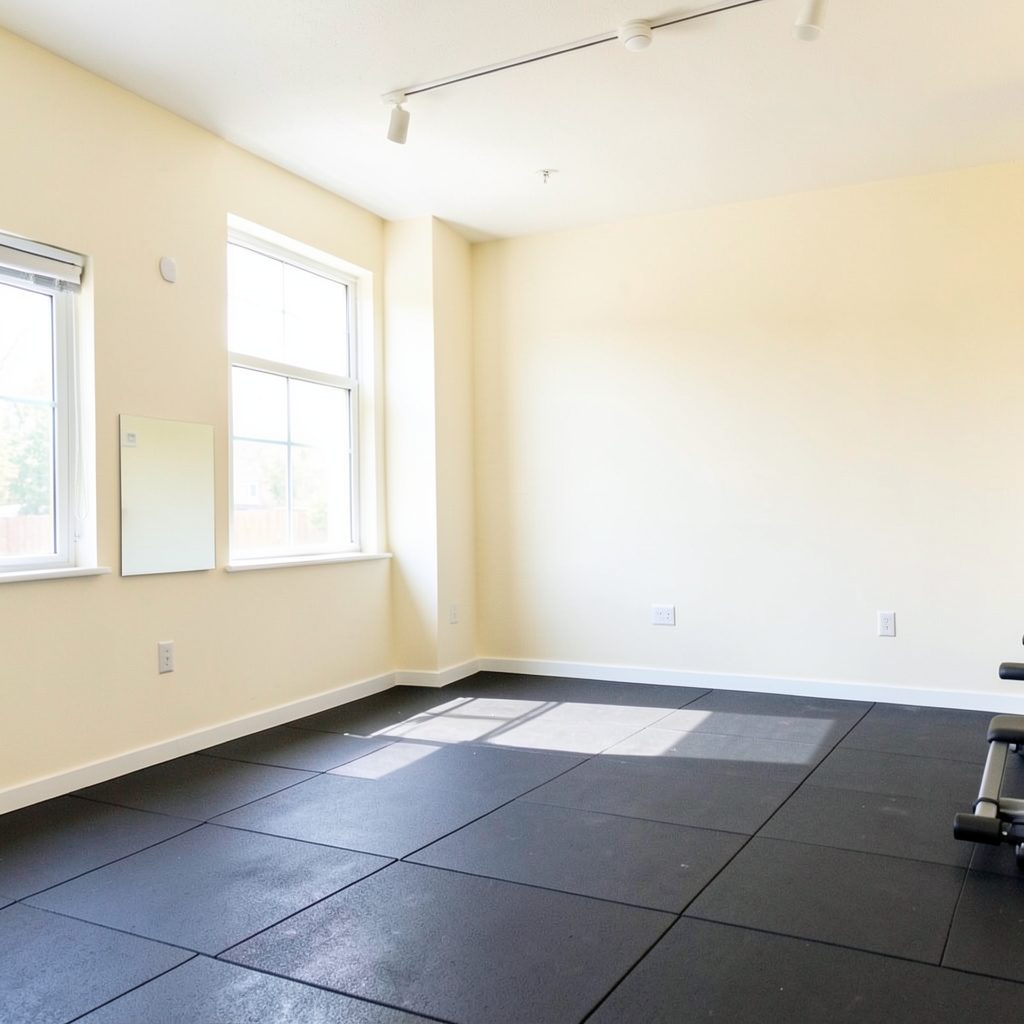
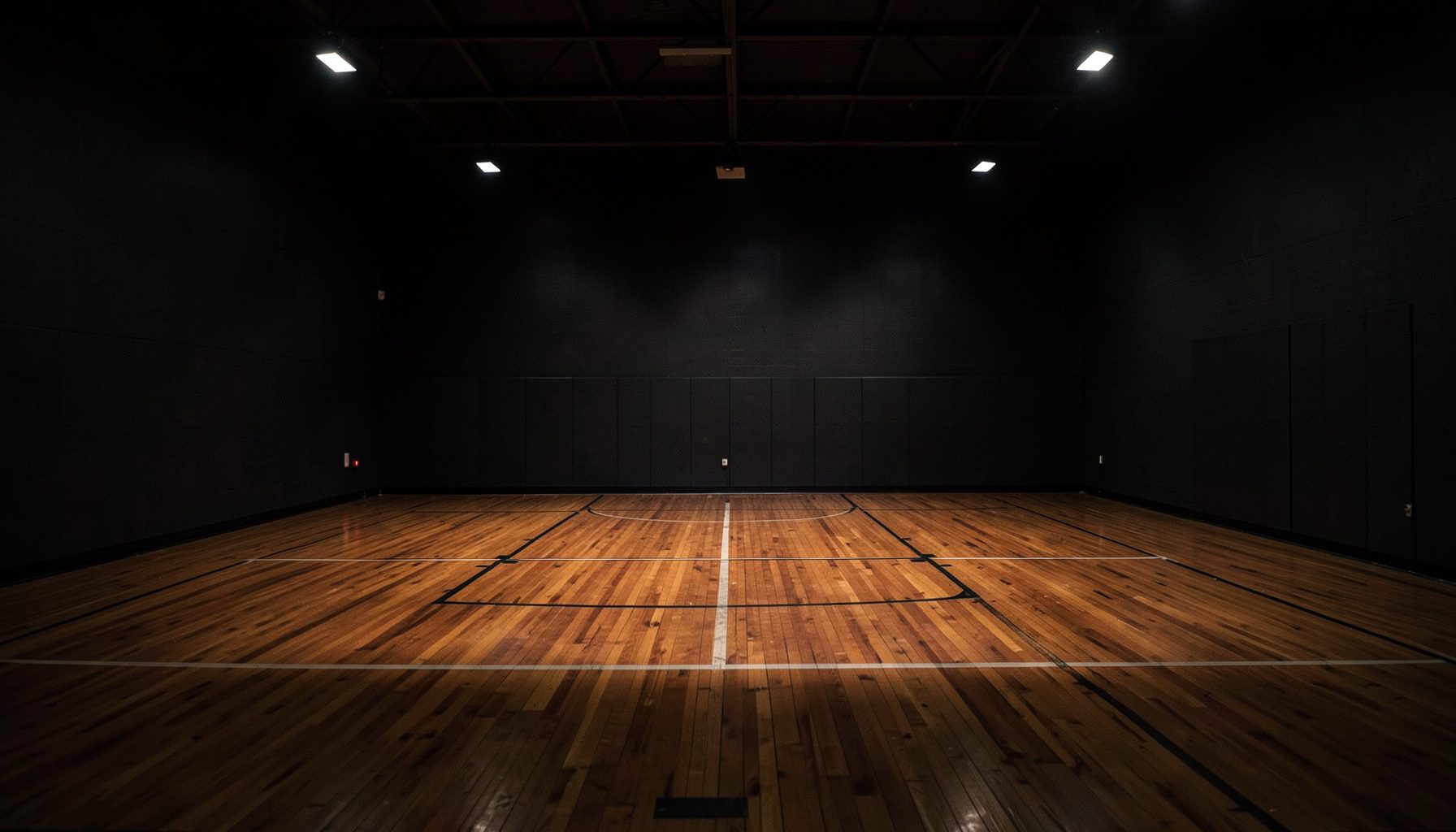
A multi-purpose athletic facility in Speedway, Indiana — basketball leagues, skill training, and wellness services all under one roof.
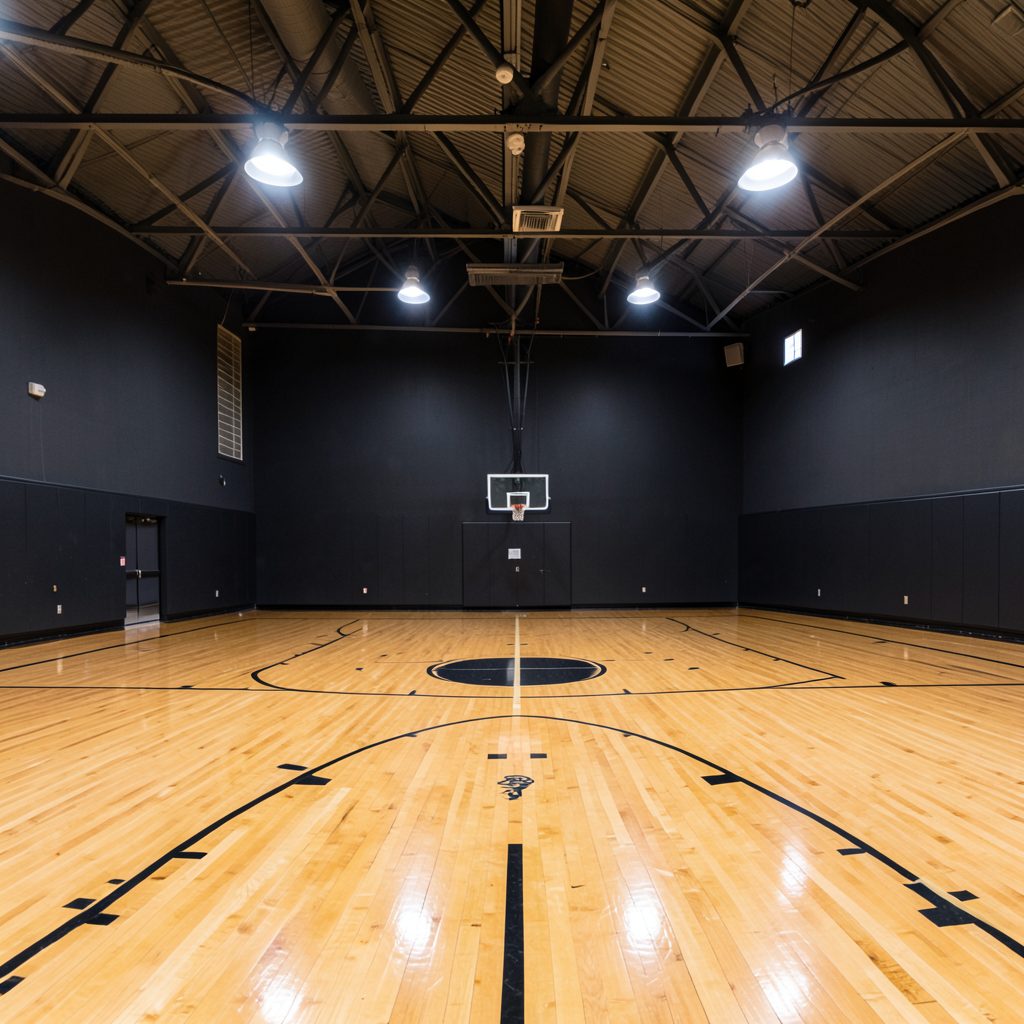
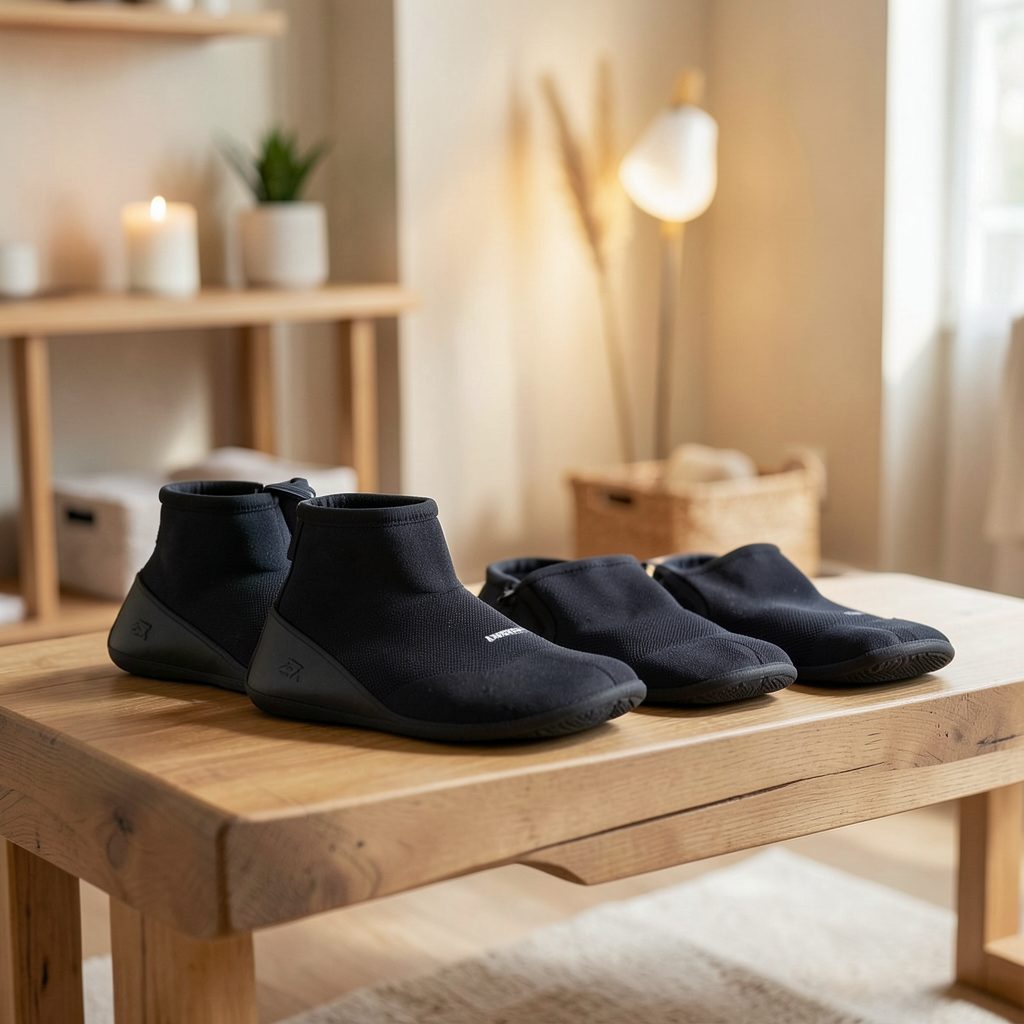
The Factory D1 Indy brings together three entities under one roof: competitive basketball leagues for all age groups, individual and group training, and wellness & recovery services including Normatec boot recovery and cryotherapy. Located off I-465 and High School Road at 6331 Crawfordsville Road, Speedway, Indiana 46224.
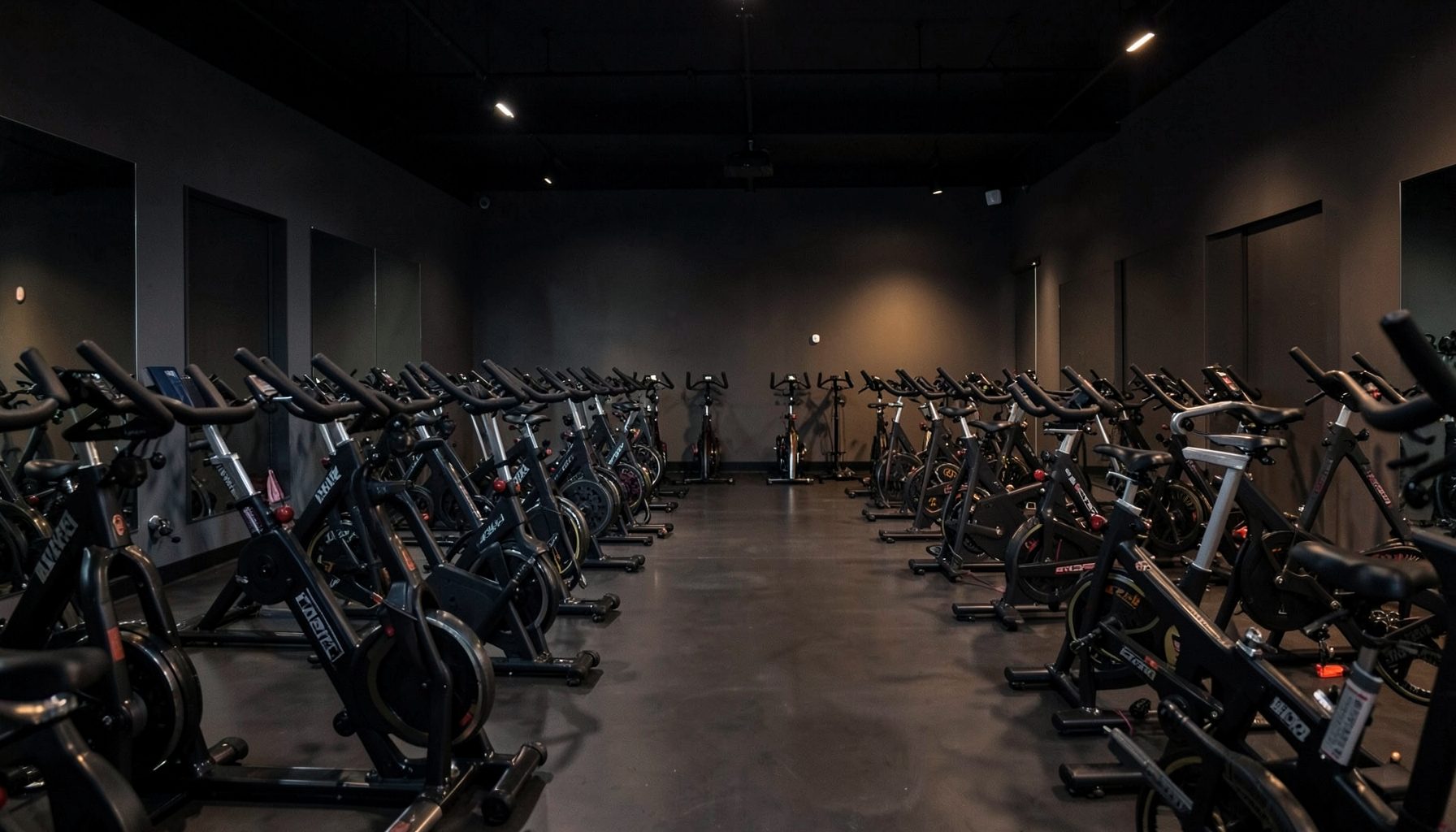
Get In TouchSpin class resistance training for stronger hill-climbing legs
A spin class can do more than lift your heart rate. When resistance is adjusted to imitate an uphill road, the bike becomes a practical tool for developing stronger quadriceps, glutes and calves. The steady pressure through each pedal stroke also teaches your legs to keep producing force when fatigue starts to build.
Hill simulations are useful for Australian riders preparing for rolling roads outside Melbourne, steep suburban streets in Sydney or longer climbs in the Adelaide Hills. They also suit team-sport athletes who need repeated bursts of lower-body power without the impact of running and jumping.
The key is to treat resistance as a training variable rather than simply turning the dial as far as possible. A well-designed session combines cadence, load, posture and recovery so that your muscles work hard while your technique remains controlled.
Why hill simulations build leg strength
On a flat section of road, cyclists can often rely on a quicker cadence and momentum. A climb reduces that assistance. Increasing resistance forces the hips, knees and ankles to drive each revolution, creating a strength-endurance stimulus for the glutes, hamstrings and quadriceps.
The effort is different from a heavy gym lift because the muscles work repeatedly over time. A three-minute climb may involve hundreds of controlled pedal strokes, helping you sustain force during a long rise rather than producing one brief maximum effort. This is valuable for recreational cyclists, basketball players and other athletes who need repeatable leg power.
A simulated climb also improves pacing. If the resistance is too light, the interval becomes a fast aerobic effort. If it is too heavy, the rider may grind at an unsafe cadence, rock the hips or lose smooth control. The goal is a demanding but manageable load that lets you finish the interval with consistent form.
Set resistance with purpose
Start each class with an easy warm-up of eight to ten minutes. Use a light gear and gradually increase cadence until your legs feel prepared. Before the first climb, check that the saddle allows a slight bend in the knee at the bottom of the pedal stroke and that the handlebars support a relaxed upper body.
Resistance should usually be increased in small steps. For a seated hill, choose a load that brings your cadence into roughly the 60–75 revolutions-per-minute range while your breathing becomes purposeful. You should feel pressure through the whole pedal circle, yet still be able to speak a short sentence. This perceived-effort approach works across different bikes because resistance dials and flywheels vary.
A standing climb may use a slightly higher load, but it should never feel like you are trying to move an immovable object. Keep your hands light on the bars, engage the trunk and allow the body to move naturally with the pedals. Excessive resistance can place unnecessary stress on the knees and encourage poor mechanics.
Alternate seated and standing climbs
Seated climbing places continuous demand on the glutes and quadriceps. It is a useful starting point for building leg strength because your body weight stays supported and you can focus on an even pedal stroke. Try a four-minute seated climb with one minute easy between efforts, repeating it three or four times.
Standing climbs recruit more body weight and can make a short hill feel steeper. They are helpful for changes in gradient, such as a sharp rise on a Melbourne bike route or an overpass during a city commute. Use them in controlled blocks of 20 to 45 seconds before returning to the saddle, rather than remaining upright for the entire class.
During both variations, avoid pulling hard on the handlebars. Keep the shoulders away from the ears, maintain a stable pelvis and aim for smooth pressure on both legs. If one knee drifts inward or your hips bounce, reduce the resistance and restore your cadence before adding load again.
Build a progressive spin session
A simple strength-focused class can include a warm-up, three moderate climbs, two harder climbs and a gradual cool-down. Moderate efforts might last four minutes at a perceived exertion of six out of ten, while harder efforts could last two minutes at seven or eight out of ten. Recover with easy spinning rather than stopping completely.
Progress one variable at a time. Add 30 seconds to an interval, slightly increase the resistance or reduce the recovery period during a later week. Changing everything at once makes it difficult to identify what your body can handle and can leave your legs excessively fatigued.
For an organised session in a dedicated facility, the cycle and spin timetable can help athletes find structured classes that combine conditioning with coaching. In a group setting, follow the instructor’s effort cues while adjusting the resistance to suit your experience, current fitness and any medical guidance you have received.
Fit hill training around Australian life
Early-morning classes are popular in Australia because they fit around long commutes, school drop-offs and hot summer afternoons. Riders in Brisbane, Perth and Darwin may prefer indoor training during the hottest part of the day, while people in cooler southern cities can use a spin class when winter rain or shorter daylight makes outdoor riding less appealing.
Hydration still matters indoors. Australian riders can lose substantial fluid during a warm studio session, particularly in summer or in facilities with limited airflow. Drink before class, bring a full bottle and replace fluids afterwards. A towel is practical for high-intensity sessions, and breathable clothing can make sustained climbs more comfortable.
The local fitness market includes boutique cycling studios, large health clubs and community recreation centres, so class quality and pricing can vary. Check what is included in a membership, whether bike hire or casual entry costs extra, and how cancellations are handled. Australian Consumer Law requires businesses to provide accurate information about services and pricing, while venue operators also have work health and safety responsibilities for equipment, instruction and the training environment.
Recover and measure progress
Hill work places a concentrated load on the lower body, so recovery should be part of the programme. Easy walking, gentle mobility and adequate sleep can help you return to training without carrying excessive soreness into the next session. Compression services, including Normatec-style recovery, may be available at some athletic facilities, although they should complement basic recovery habits rather than replace them.
Track practical signs of improvement instead of relying only on a bike’s resistance number. You may hold the same load at a faster cadence, complete an extra interval, recover your breathing sooner or finish a climb without losing posture. Recording perceived effort and interval duration in a phone note gives you useful comparisons from week to week.
Leave at least a day between demanding lower-body sessions when you are new to resistance cycling. Athletes also combining spin with basketball leagues, strength training or outdoor riding should vary the intensity across the week. A hard climb class followed immediately by maximal squats or repeated court sprints can create more fatigue than expected.
Choose a class, set a manageable resistance and focus on smooth, repeatable pedal strokes. With regular sessions and sensible progression, simulated hill climbs can strengthen the legs, improve climbing confidence and support performance across cycling, court sports and everyday movement.
Inside The Factory

Three Entities, One Roof
Leagues
Eight league divisions span every age group: Indy Pro AM, 18+ Open Men's, 30+ Men's, Bite Size (ages 3–6), Impact League, 5th/6th Grade, Middle School, and High School. Gather your team and compete.
Training
Individual and group basketball training for all skill levels. Major M.O.V.E.S. Basketball Training serves ages 4–7 on Wednesday and Thursday evenings at 6:30 PM — $30 per session or $100 unlimited monthly.
Wellness & Recovery
Normatec boot recovery and cryotherapy treatments help athletes bounce back faster. Cycle and spin classes add a cardio dimension to the holistic performance approach.
Have a Question?