Train. Compete. Recover.
A multi-purpose athletic facility in Speedway, Indiana — basketball leagues, skill training, and wellness services all under one roof.
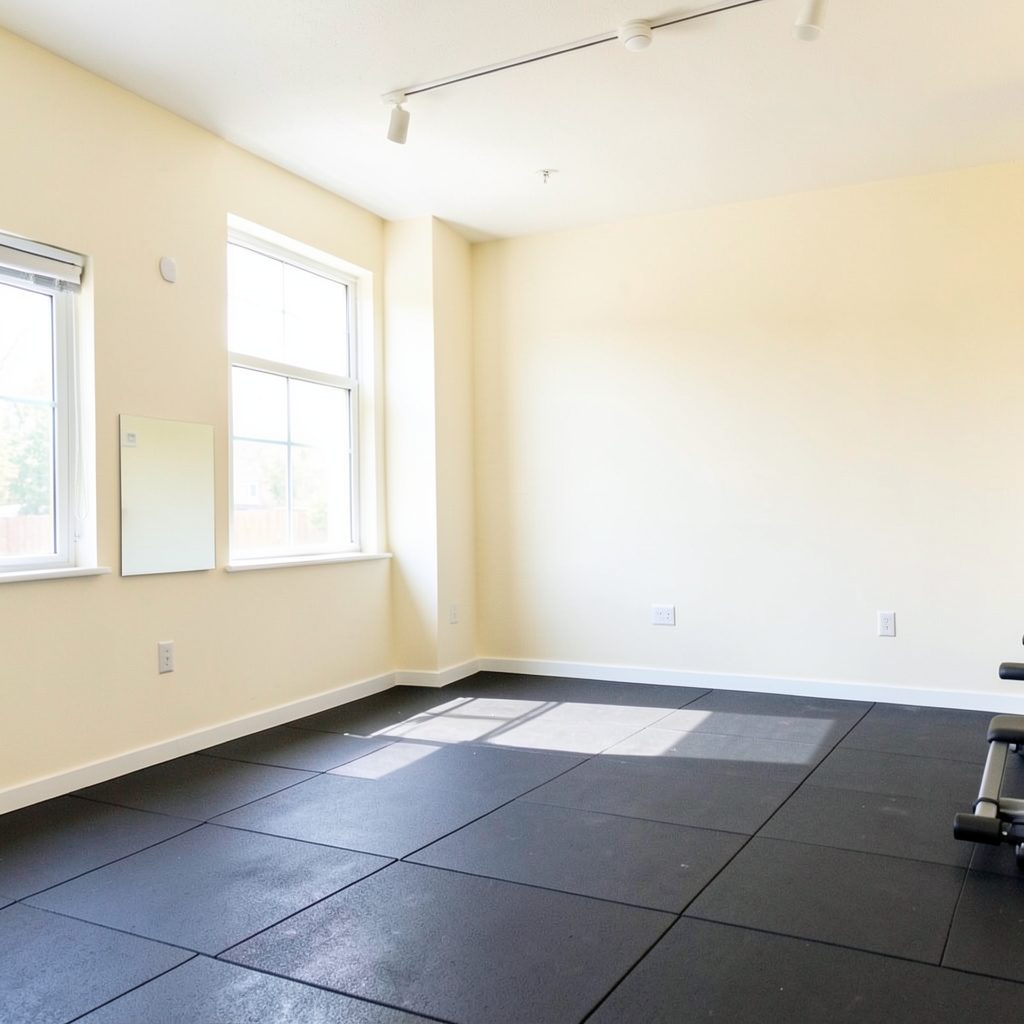
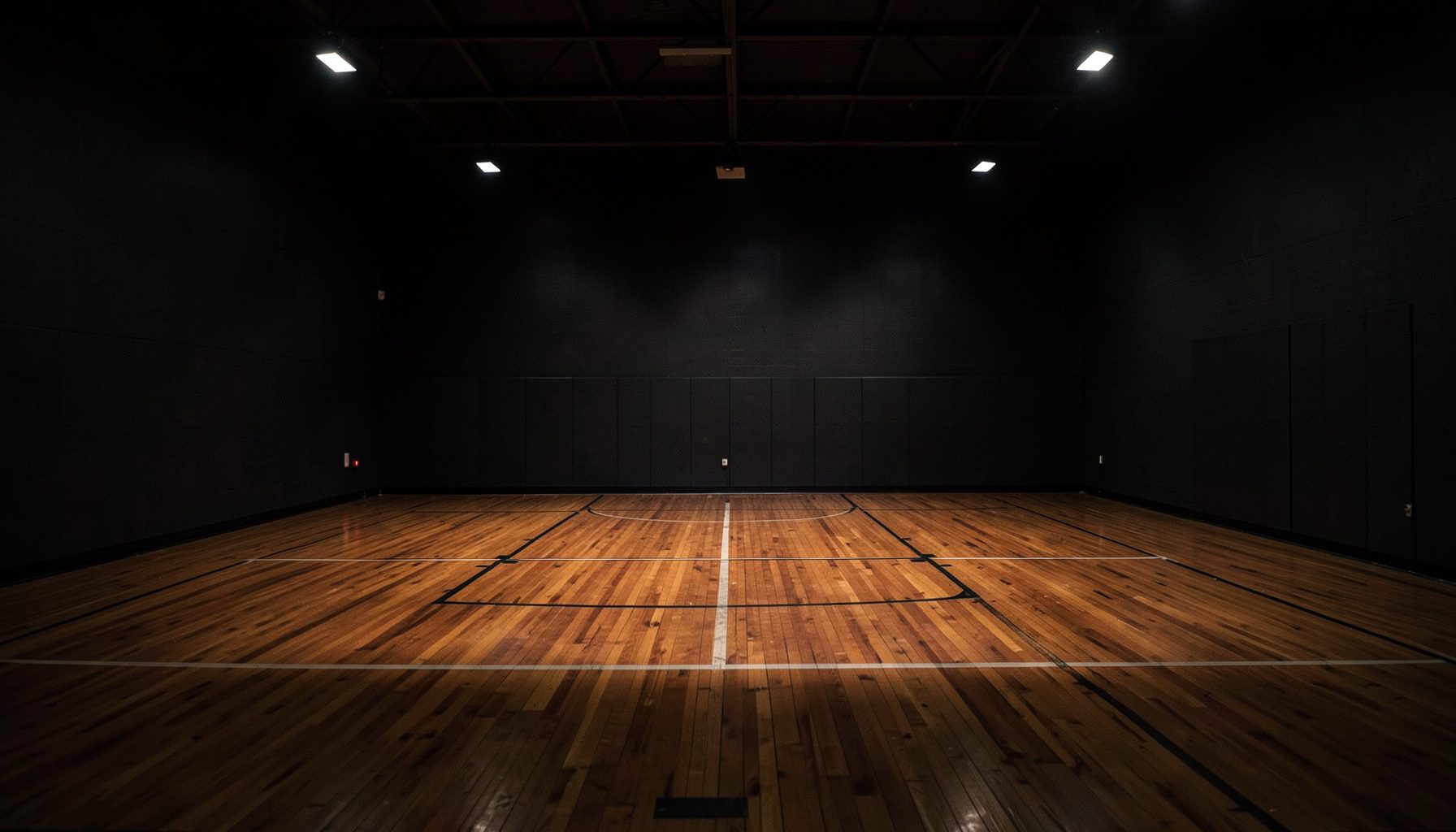
The Factory D1 Indy brings together three entities under one roof: competitive basketball leagues for all age groups, individual and group training, and wellness & recovery services including Normatec boot recovery and cryotherapy. Located off I-465 and High School Road at 6331 Crawfordsville Road, Speedway, Indiana 46224.
Get In TouchTeaching Young Athletes to Communicate Effectively on the Basketball Court
Basketball communication is a skill young players can learn, practise and improve just like dribbling, passing or shooting. Clear talk helps a team organise its defence, recognise opportunities and respond quickly when a play breaks down. For coaches, the goal is to make communication simple enough for beginners while giving older athletes language that works at higher levels.
Teaching young athletes to communicate effectively on the basketball court begins with creating a team culture where speaking up is expected. A player does not need to be loud, confident or naturally outgoing to contribute. They need useful words, good timing and the understanding that communication is part of every possession.
This approach suits community basketball environments in Australia, where children may move between school sport, local association competitions and representative pathways. Whether a team is playing in a Brisbane indoor stadium, a Melbourne sports centre or a weekend competition in regional New South Wales, strong communication can help players feel connected and make better decisions under pressure.
Build A Shared Court Vocabulary
Young athletes communicate more effectively when everyone uses the same short, specific calls. Begin with a small collection of terms such as “ball”, “help”, “screen”, “switch”, “box out”, “cut” and “time”. Explain what each word means, when it should be used and who is responsible for saying it.
Defensive language should be especially clear. The on-ball defender can call “ball” to show they are applying pressure, while a teammate nearby can say “help” or “gap” to signal support. When a screen arrives, “screen left” or “screen right” gives the defender an immediate warning. These calls are more useful than general noise because they describe an action or location.
Coaches can reinforce vocabulary during warm-ups and small-sided games. Pause briefly after a possession and ask which call would have helped. Avoid turning every mistake into a lecture. A quick correction, followed by another chance to apply the language, keeps learning active and positive.
Teach Players When To Speak
Good communication depends on timing. Calling too late may leave a teammate unable to react, while calling constantly can create confusion. Young players should learn to speak before the danger occurs: call a screen before contact, identify a cutter before they reach the key and communicate a switch as soon as the action develops.
Use game situations to teach this rhythm. In a three-on-three drill, require defenders to make a call before the coach allows the possession to continue. In transition, ask the first player back to call “protect” or “stop ball”, while the next defender finds the most dangerous opponent. These roles give quieter athletes a clear responsibility.
Players should also learn that communication includes listening. A teammate who hears “screen” must respond with footwork, positioning or a switch. Coaches can praise the complete sequence rather than just the loudest voice: an early call, a recognised message and an appropriate action.
Make Communication A Team Habit
Communication improves when it appears in every drill, not only during formal matches. At The Factory D1 Indy, families can explore the facility’s broader training environment through the athletic facility, where basketball development, leagues and athletic preparation sit within a community-focused setting. Coaches can apply the same principle by making communication part of technical sessions, conditioning games and competition preparation.
Try setting a team target for each practice. A group might aim for three early defensive calls during every five-minute game, or award a point when all five players communicate through a transition. The target should measure behaviours players can control rather than simply counting wins.
Positive recognition matters. Praise a player who calls a rotation, warns a teammate about a blind-side screen or encourages the group after a turnover. Specific feedback teaches the team what effective communication sounds like. “Great help call before the drive” is more useful than “Good talking”.
Parents can support this habit by focusing on decisions and effort from the sideline. In Australian junior basketball, where families often travel for Saturday fixtures, representative tournaments and school competitions, calm encouragement helps children process coaching messages instead of reacting to every referee decision or missed shot.
Connect Words With Body Language
Spoken calls work best when they are supported by body position, eye contact and gestures. A defender can point to a cutter, show an open hand when ready to receive a pass or make eye contact before setting a screen. Young athletes should understand that body language must be clear without becoming distracting.
Run drills where players communicate without speaking for a few possessions, then repeat the same activity using words. This contrast helps them notice how much information can be lost when teammates do not look, point or show a target. It also teaches players to adapt when a noisy crowd, echoing stadium or excited bench makes speech difficult.
Posture and balance contribute to this physical clarity. A player standing upright and watching the ball may miss a movement behind them, while an athletic stance makes it easier to see, move and respond. Coaches who include mobility, stability and recovery in a training programme can use those sessions to reinforce awareness. Guidance on daily posture habits can complement basketball work by helping young athletes think about alignment away from the court.
The aim is not to make children perform exaggerated gestures. It is to help them communicate naturally when the environment is loud or the play moves quickly. A short call paired with a pointed hand or clear passing target can prevent hesitation.
Develop Confidence Without Blame
Some young players avoid speaking because they fear being wrong. Others talk over teammates or become frustrated when a call is missed. Coaches can address both problems by presenting communication as shared problem-solving rather than a test of personality.
Use role-play to practise common moments: a teammate loses sight of a cutter, two defenders face a ball screen or a player wants the ball in the corner. Let athletes try different calls, then discuss which option was easiest to understand. This gives them permission to experiment before they face the pressure of a live game.
Mistakes should be treated as information. If a player calls “switch” but the teammate does not hear it, the team can consider whether the call was early enough, loud enough or directed at the right person. Avoid public embarrassment or sarcasm, particularly with younger children. Trust grows when players know that a missed call will lead to coaching, not ridicule.
As athletes progress into higher-level club, school and state competitions, communication must become more detailed. Older players can learn to identify tendencies, organise late-clock possessions and guide younger teammates. Still, the foundation remains straightforward: see the floor, speak early, listen carefully and act together.
A strong communication culture can transform a team’s basketball habits within a few weeks. Coaches should choose a small vocabulary, practise it in realistic situations and reward players who make useful information available to their teammates. Families can reinforce the same values at home by celebrating unselfish decisions, constructive encouragement and the courage to speak up.
For structured basketball training, competitive leagues and athletic development in a welcoming environment, connect with The Factory D1 Indy and help young players turn communication into a dependable part of their game.
Inside The Factory


Three Entities, One Roof
Leagues
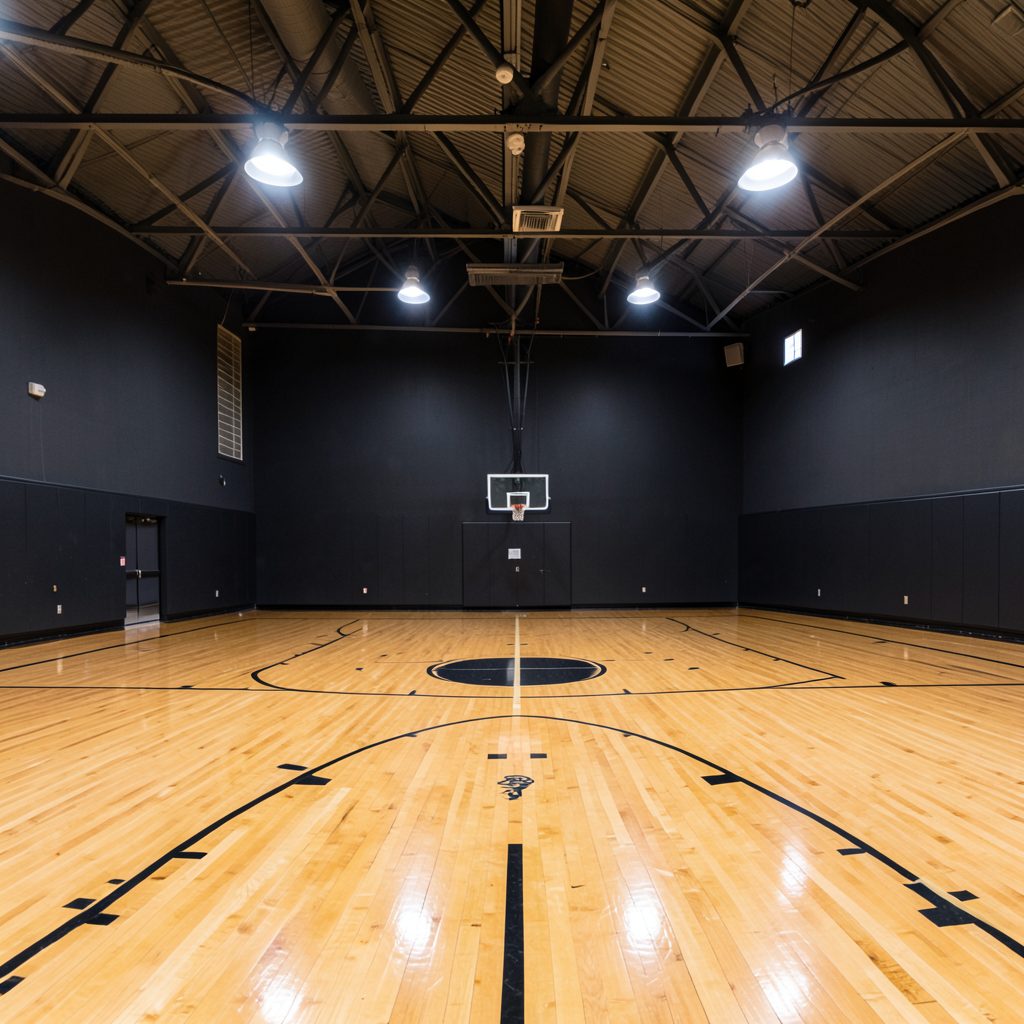
Eight league divisions span every age group: Indy Pro AM, 18+ Open Men's, 30+ Men's, Bite Size (ages 3–6), Impact League, 5th/6th Grade, Middle School, and High School. Gather your team and compete.
Training
Individual and group basketball training for all skill levels. Major M.O.V.E.S. Basketball Training serves ages 4–7 on Wednesday and Thursday evenings at 6:30 PM — $30 per session or $100 unlimited monthly.
Wellness & Recovery
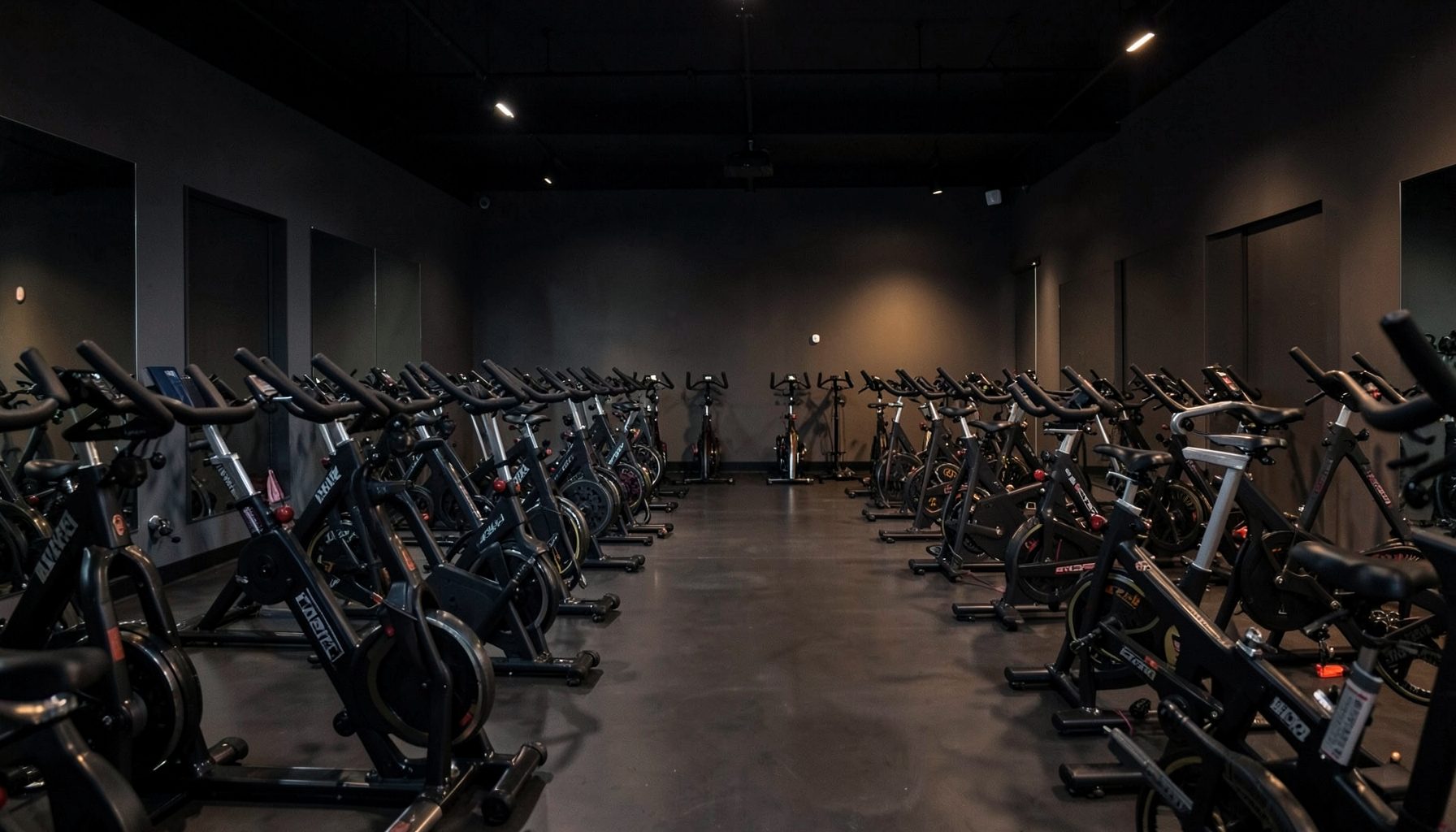
Normatec boot recovery and cryotherapy treatments help athletes bounce back faster. Cycle and spin classes add a cardio dimension to the holistic performance approach.
Have a Question?