Train. Compete. Recover.
A multi-purpose athletic facility in Speedway, Indiana — basketball leagues, skill training, and wellness services all under one roof.
The Factory D1 Indy brings together three entities under one roof: competitive basketball leagues for all age groups, individual and group training, and wellness & recovery services including Normatec boot recovery and cryotherapy. Located off I-465 and High School Road at 6331 Crawfordsville Road, Speedway, Indiana 46224.
Get In TouchMan-to-Man Defense Basics for Youth League Players
For a first-time youth league player, man-to-man defense can feel confusing at first. You are responsible for one opponent, yet you must also watch the ball, help teammates and stay connected to the basket. The goal is not to steal the ball on every possession. It is to make each shot, pass and drive difficult.
Good defense begins with simple habits: find your player, see the ball, keep your feet moving and communicate. These skills apply whether a young athlete is playing in a local competition in Sydney, a school fixture in Melbourne or an indoor league in Indiana.
Australian players may move between basketball, netball, soccer or Australian Rules football during the year, so defensive footwork can be especially valuable. Basketball requires quick changes of direction in a compact space, often during winter when indoor courts become a welcome alternative to wet outdoor training.
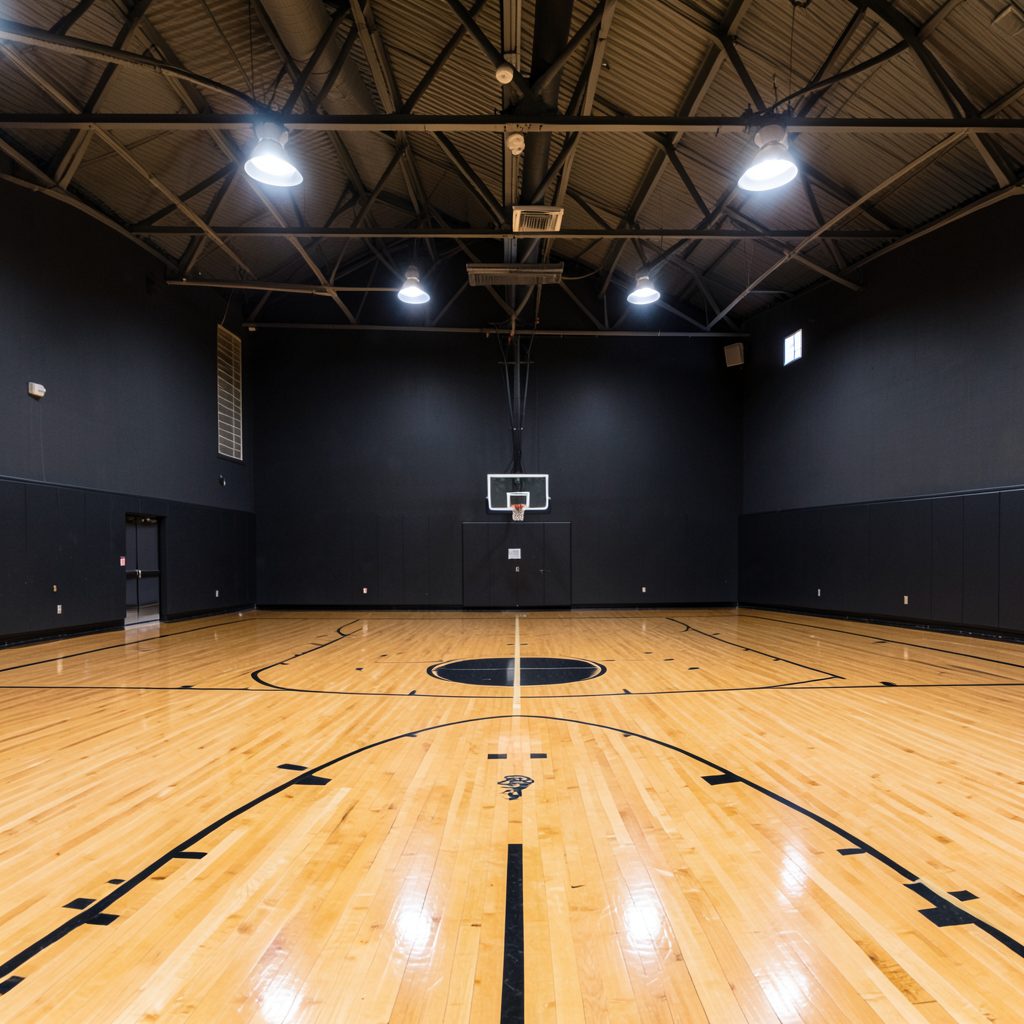
The Factory D1 Indy provides a useful setting for athletes who want structured basketball practice, skills development and competitive experience. The ideas below are designed for beginners, with clear language that parents and coaches can reinforce at training or during a game.
| Defensive Situation | First-Time Player’s Job | Simple Cue |
|---|---|---|
| Your player has the ball | Stay between the player and the hoop | “Chest to the ball” |
| Your player is one pass away | Deny an easy pass while seeing the ball | “See both” |
| Your player is two or more passes away | Help near the lane, then recover | “Help and get back” |
| Your player shoots | Box out before chasing the rebound | “Hit, find, get” |
| You lose sight of your player | Stop and locate them immediately | “Find your player” |
Start With A Strong Defensive Stance
The basic stance is athletic and balanced. Place your feet a little wider than shoulder-width apart, bend your knees and keep your weight on the balls of your feet. Your chest should face the opponent, with your hands active and your head up.
Avoid standing tall or crossing your feet. A tall defender reacts slowly, while crossed feet make it easy for an attacker to turn the corner. Keep short, quick slides instead. Push off the foot opposite the direction you want to travel, and stay square for as long as possible.
Your hands have clear jobs. One hand can discourage a pass or contest a shot, while the other stays ready to protect against a drive. Do not reach across the attacker’s body. Reaching often leads to fouls and allows the opponent to get past you.
Know Where The Ball And Player Are
The most important defensive habit is seeing both the ball and your assigned player. If your opponent is holding the ball, you can face them directly. If the ball is elsewhere, turn your body slightly so you can see the passer and your player at the same time.
When your player is one pass away, stay close enough to challenge a catch. You do not need to stand directly in front of the passing lane with your back to the ball. Place yourself between the opponent and the hoop, while keeping an arm and your vision connected to the ball.
When the ball moves two or more passes away, you can position yourself nearer to the key. This is called help-side defense. You are ready to slow a drive, then sprint back to your opponent when the pass travels. Young players often watch the ball and forget their assignment, so calling “help” or “I’ve got ball” keeps the team organised.
Guard The Drive Without Reaching
Most beginner-level attacks start with a straight-line drive. Your task is to protect the space between the ball handler and the basket. Begin in front of the attacker, stay low and slide in the direction of the drive.
Give a small amount of space rather than standing so close that one jab step beats you. Your chest should remain in front of the ball, and your feet should do the work. If the attacker changes direction, push off and recover instead of lunging with your hands.
A legal defensive challenge may include a clean contest with your hand up. It should not involve grabbing, slapping down at the ball or placing your body in an unsafe position. In Australian junior competitions, rules and contact limits can vary by age group and association, so players should follow the referee’s guidance and their coach’s instructions.
Communicate Early And Clearly
Man-to-man defense is a team responsibility, even though each player has an individual matchup. Talk before the play develops. Useful calls include “ball,” “deny,” “help,” “screen left,” “screen right” and “shot.”
A quiet defender can be in the correct position and still leave the team vulnerable. A quick call warns a teammate about a screen or cutter before the problem arrives. Communication is particularly important in busy youth fixtures, where noise from parents, whistles and multiple games can make visual cues harder to read.
Keep calls short and confident. Players do not need long explanations during live play. If you are beaten, say “help” and recover. If you switch assignments after a screen, name the new player clearly. In a school competition in Brisbane or a weekend club game in Perth, the same basic language helps young teammates play with greater trust.
Defend Screens And Cuts
Attackers will try to get open by cutting behind you or using a teammate’s screen. When your opponent cuts toward the basket, turn and run with them. Do not watch the ball for too long, because a backdoor cut can create an easy lay-up.
For a screen, your coach may teach you to go over, under, switch or show help. Beginners should learn the team’s preferred response before game day. Going over a screen means staying with a strong shooter. Going under may be suitable when the ball handler is not a reliable outside shooter, but it gives that player more room.
If a switch is required, communicate immediately. “Switch” tells your teammate that you are taking their player and they should take yours. After the action finishes, the team can reorganise. Players should never assume a switch happened silently, since two defenders may follow one attacker while another is left open.
Finish The Possession With A Rebound
A defensive stop is incomplete until your team controls the rebound. When a shot goes up, locate your opponent first. Make contact safely with your body, turn toward the basket and then pursue the ball. This sequence is often taught as “hit, find, get.”
Do not simply watch the shot. Your player may move toward the rim while you are looking at the ball, creating a second chance. Boxing out does not require a hard push; it requires early position and a firm, balanced base.
After securing the rebound, protect the ball with two hands and look for an outlet pass. A strong rebound can begin your team’s attack, while a loose offensive rebound gives the other team another scoring opportunity. This complete effort is valuable in every setting, from junior basketball in Adelaide to an adult training session at an indoor facility.
Build Confidence Through Repetition
New players improve fastest when they practise one defensive action at a time. Start with stance and slides, then add close-outs, drive containment, help-side movement and rebounding. Short drills with clear goals are usually more useful than trying to remember every possible situation at once.
Parents can reinforce the basics by praising effort, communication and positioning rather than focusing only on steals or blocked shots. A player who forces a rushed pass, contests a shot without fouling or boxes out correctly has made a meaningful defensive contribution.
Training and recovery also support learning. After a demanding session, gentle breathing or relaxation work can help young athletes settle before sleep; families interested in that approach can explore sleep-focused yoga as a separate wellness resource. At the court, keep the priority simple: defend the hoop, support teammates and make the next play difficult.
The most useful first step is consistent practice in a structured environment. Explore the programmes, leagues and training options at Factory D1 Indy, then contact the facility to learn how a young player can find an appropriate basketball opportunity. With steady footwork, clear communication and a willingness to work, first-time league players can become dependable defenders one possession at a time.
Inside The Factory
Three Entities, One Roof
Leagues
Eight league divisions span every age group: Indy Pro AM, 18+ Open Men's, 30+ Men's, Bite Size (ages 3–6), Impact League, 5th/6th Grade, Middle School, and High School. Gather your team and compete.
Training
Individual and group basketball training for all skill levels. Major M.O.V.E.S. Basketball Training serves ages 4–7 on Wednesday and Thursday evenings at 6:30 PM — $30 per session or $100 unlimited monthly.
Wellness & Recovery
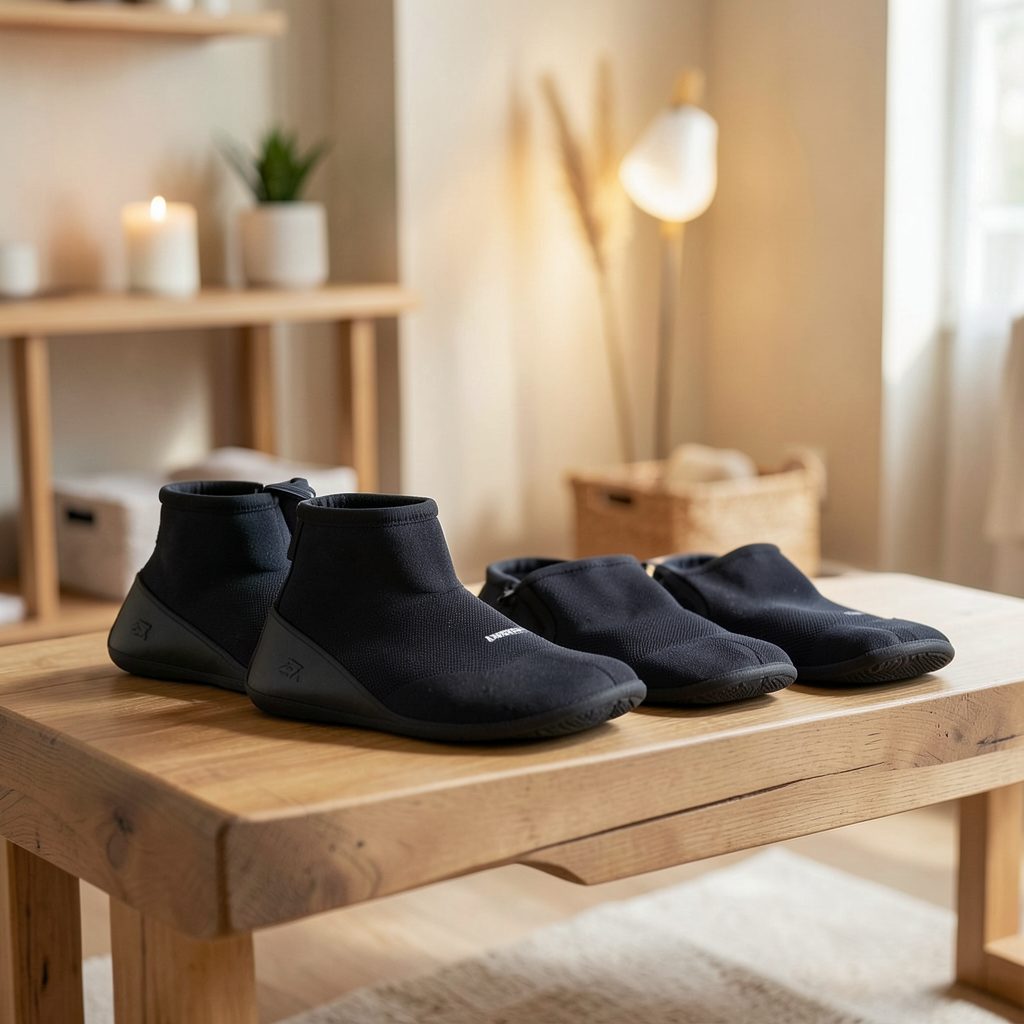
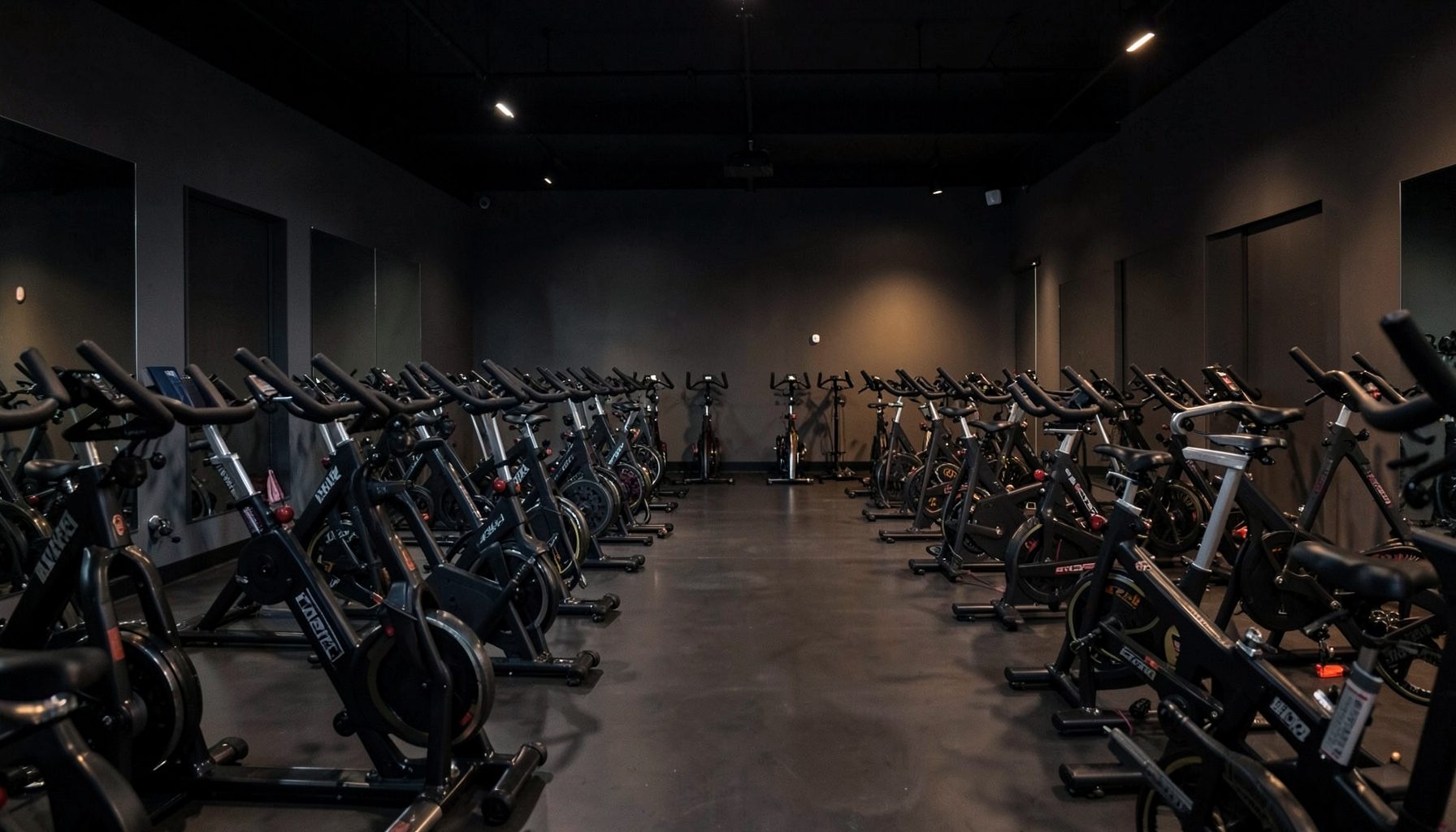
Normatec boot recovery and cryotherapy treatments help athletes bounce back faster. Cycle and spin classes add a cardio dimension to the holistic performance approach.
Have a Question?