Train. Compete. Recover.
A multi-purpose athletic facility in Speedway, Indiana — basketball leagues, skill training, and wellness services all under one roof.
The Factory D1 Indy brings together three entities under one roof: competitive basketball leagues for all age groups, individual and group training, and wellness & recovery services including Normatec boot recovery and cryotherapy. Located off I-465 and High School Road at 6331 Crawfordsville Road, Speedway, Indiana 46224.
Get In TouchWhy a Spin Class Works on Your Rest Day
A designated rest day does not always mean lying completely still. For many athletes, gentle movement can support recovery, maintain training rhythm and improve how the body feels before the next demanding session. A controlled spin class offers a structured way to move without repeating the heavy impact or high load of basketball, running or strength work.
For Australian athletes, this approach can be especially useful around busy weekly schedules. A junior basketballer may have school, club training and weekend fixtures, while an adult may be balancing work, commuting and a social game of footy. A spin session can fit neatly between harder workouts, giving the body activity without turning the recovery day into another punishing training block.
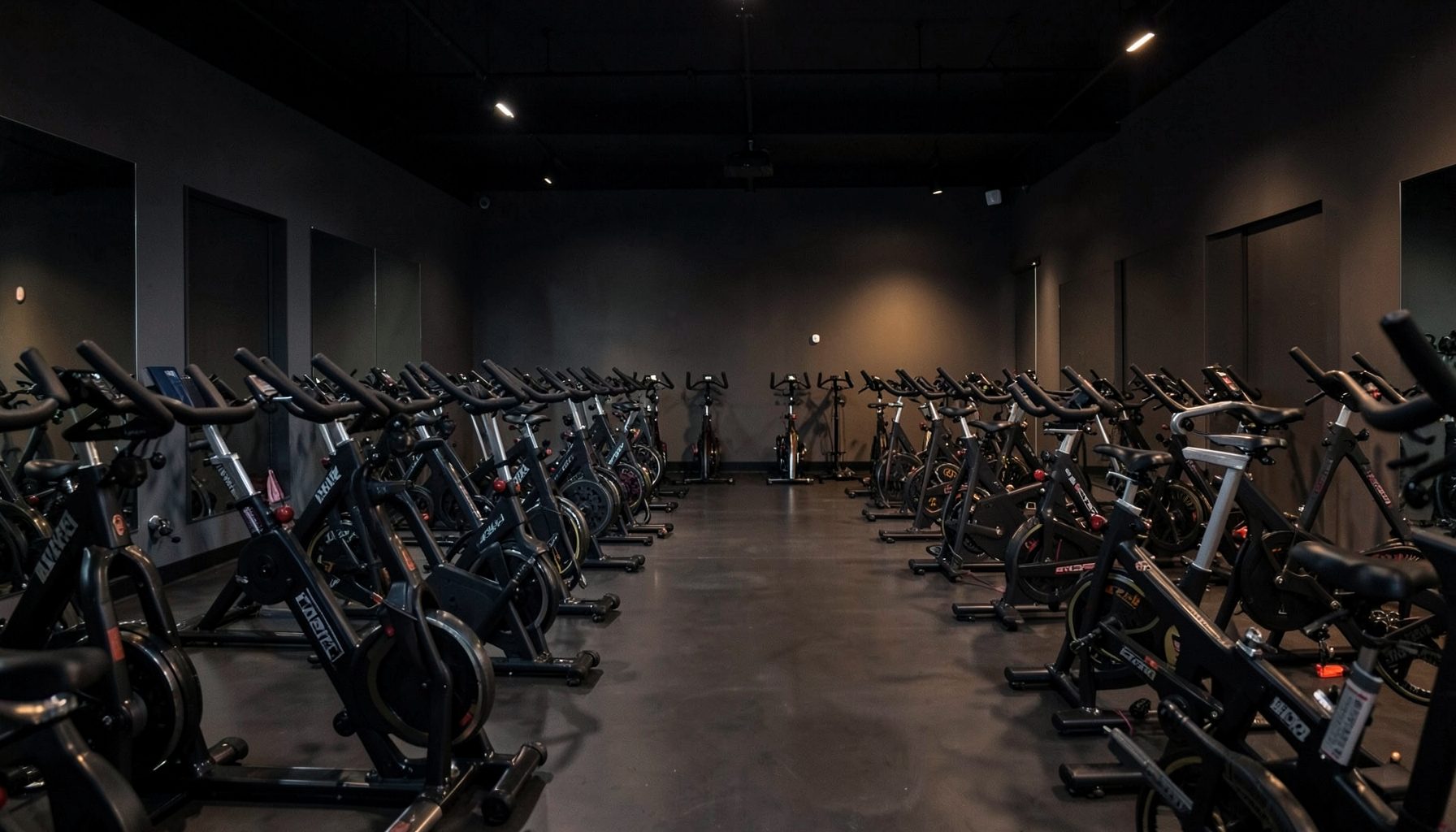
At The Factory D1 Indy in Speedway, Indiana, cycling sits within a broader athletic environment that includes basketball development, leagues and recovery services. The facility’s training and recovery hub model makes it possible to think about fitness as a complete routine: work hard, move well, recover properly and return ready for the next challenge.
Active recovery without extra impact
A spin class raises the heart rate while keeping the movement smooth and controlled. Unlike court drills, road running or repeated jumping, indoor cycling places very little impact through the ankles, knees and hips. That makes it a practical active recovery option when the legs need circulation but the joints could benefit from a break from pounding.
The resistance and pace can usually be adjusted to match your recovery needs. You might keep the load light, stay seated for most of the class and focus on steady breathing. Another athlete may be ready for a moderate session with a few short efforts. The value comes from responding to the body rather than treating every class as a test of maximum fitness.
This flexibility suits athletes who train across different surfaces and seasons. Someone preparing for basketball finals, a winter running event or a weekend footy fixture can use cycling to maintain movement quality without adding another set of hard landings or rapid changes of direction.
Better circulation and reduced stiffness
Gentle cycling encourages blood flow through the legs, glutes and lower back. That increased circulation can help the body deliver oxygen and nutrients to working muscles while supporting the removal of metabolic by-products from previous training. It is not a magic cure for soreness, yet many people feel less tight after light movement than after spending the entire day on the couch.
A spin class also takes the body through repeated, controlled hip and knee motion. This can be useful after a demanding basketball session, long drive or desk-based workday, when the hips and hamstrings may feel restricted. Starting with an easy pace gives the muscles time to warm up before resistance increases.
Australian lifestyles can make this particularly relevant. A player travelling from an outer Melbourne suburb to a weekend tournament, or commuting across Sydney before an evening class, may spend hours seated in a car or train. A low-impact ride can restore some movement to the day without creating the fatigue of another full training session.
A steady boost for mood and energy
Rest days can feel mentally awkward for athletes who are used to a packed programme. A spin class provides structure without demanding the same focus as a hard skills session or competitive game. The music, instructor cues and group atmosphere can create a positive routine that helps athletes stay engaged with their goals.
Moderate aerobic exercise may also support mood and energy by increasing circulation and stimulating the release of chemicals associated with wellbeing. The result is often a clearer head and a more settled feeling, rather than the drained sensation that can follow excessive training. For adults managing work, family and sport, that mental reset can be as valuable as the physical benefits.
The social side matters too. Group fitness has a different feel from training alone. In Australia, where people may describe a relaxed catch-up as a “good arvo” and move between gym sessions, club sport and café culture, a class can become a consistent community touchpoint. You can enjoy the atmosphere without making the rest day a competitive performance.
Maintaining fitness while protecting recovery
A rest-day ride can preserve aerobic conditioning during a lighter training period. It keeps the cardiovascular system working and reinforces efficient pedalling, breathing and pacing. This can help an athlete maintain a base when reducing running volume or stepping back from intense court work.
The key is to keep the session aligned with its purpose. A recovery spin should feel different from a race simulation or high-intensity interval class. Excessive resistance, repeated standing climbs and maximal sprints can turn a restorative session into another hard workout. If your legs feel heavy, reduce the load, remain seated and use the class as guided movement rather than a challenge to beat.
Planning matters across the week. A basketball athlete might place an easy ride after a demanding game and before a technical skills session. A recreational cyclist could use it between longer outdoor rides. Someone training for an Australian charity ride, fun run or local competition can keep moving while giving tired tissues time to settle.
Supporting a complete recovery routine
Cycling is one part of recovery, not the entire process. Hydration, adequate food, quality sleep and sensible training volume still do most of the foundation work. After class, a balanced meal containing carbohydrates and protein can help replenish energy and support muscle repair. In warmer Australian conditions, replacing fluids and electrolytes may also be important, particularly after an outdoor session earlier in the day.
A well-run facility can add useful options around the class. Mobility work, gentle stretching and a gradual cool-down may help you leave feeling refreshed rather than rushed. The Factory D1 Indy also provides wellness and recovery services, including Normatec compression therapy and cryotherapy, which athletes may consider as part of a broader recovery plan. These services should complement, rather than replace, professional medical advice when pain or injury is present.
It is worth paying attention to warning signs. Sharp pain, unusual swelling, dizziness or symptoms that worsen during the ride are reasons to stop and seek appropriate guidance. Athletes returning from injury should follow advice from a qualified health professional and tell the instructor about relevant limitations. The goal of a designated rest day is to support the next phase of training, not to disguise another demanding session as recovery.
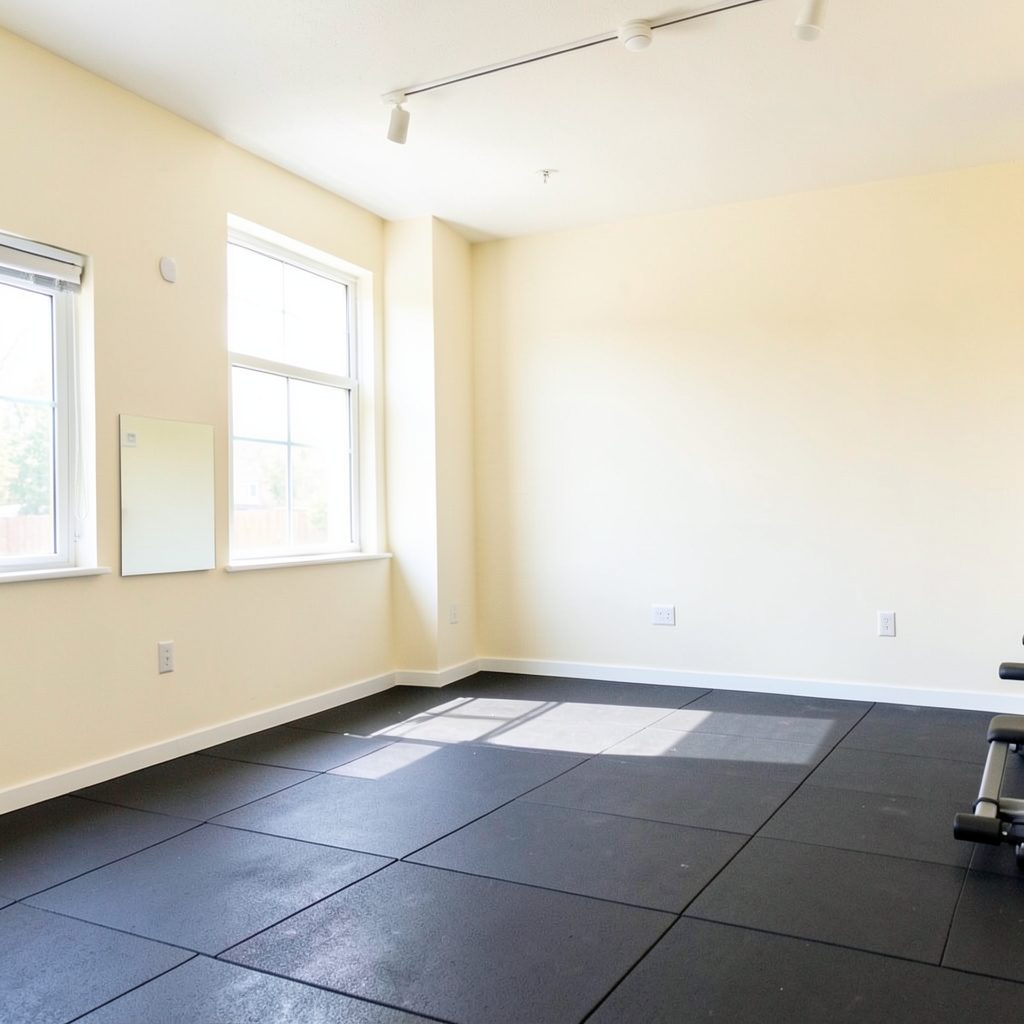
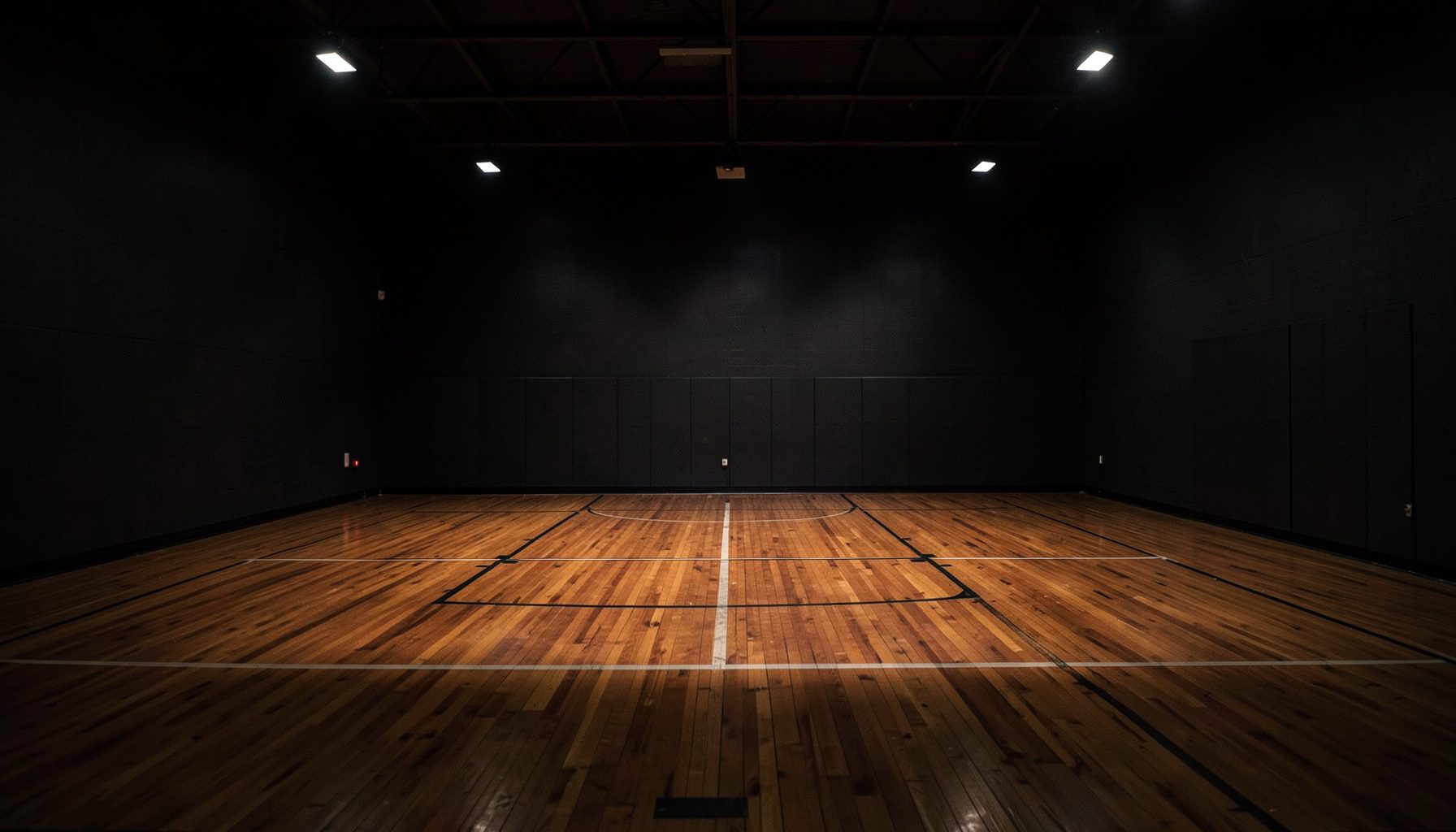
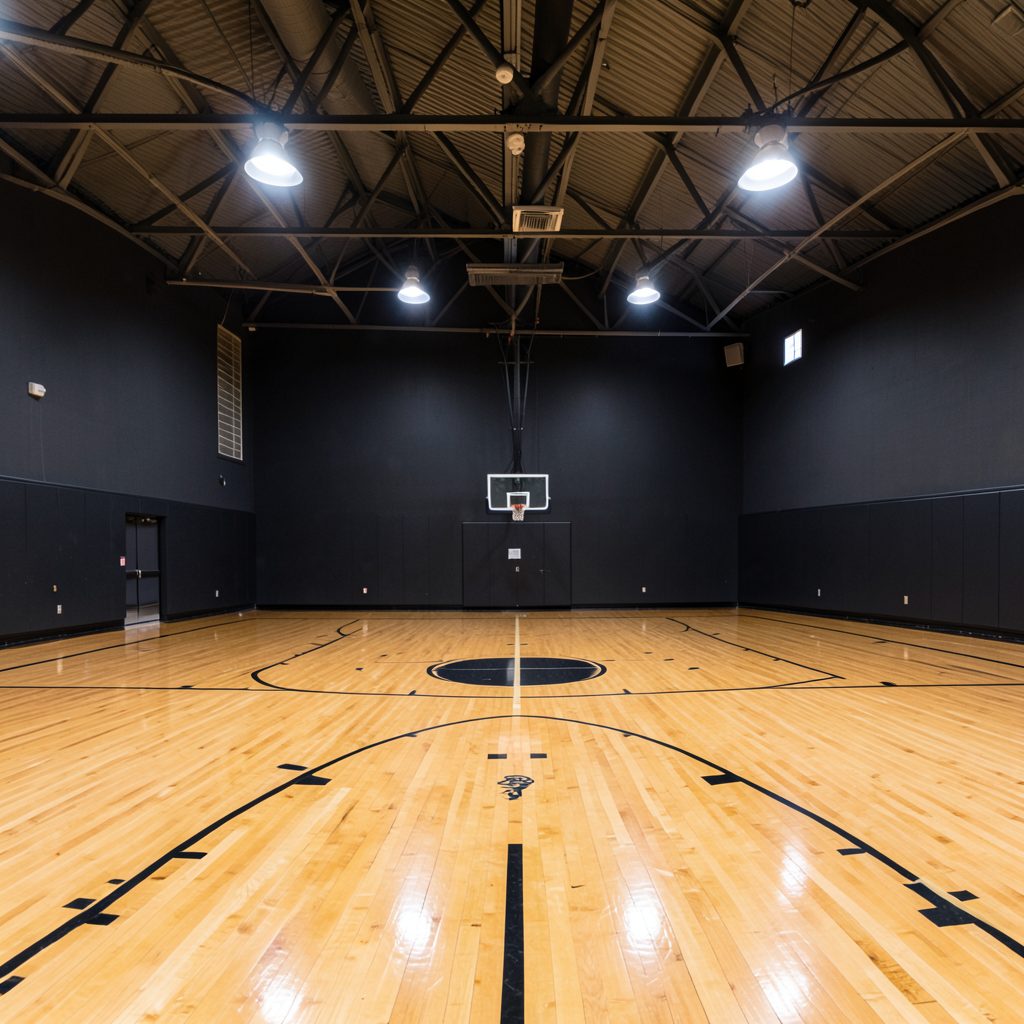
For a closer look at the space, class environment and wider athletic setting, the facility gallery shows how the venue supports training, competition and movement beyond a single workout.
A spin class can make a designated rest day more useful by increasing circulation, easing stiffness, supporting aerobic fitness and providing a positive mental reset. Keep the intensity controlled, listen to your body and treat the session as active recovery rather than another opportunity to chase personal records. When combined with sleep, nutrition and sensible programming, an easy ride can help you return to basketball, running, cycling or everyday life feeling prepared.
Choose a suitable class, set the resistance conservatively and make your next rest day a purposeful part of your training week. Book a session at The Factory D1 Indy and build recovery into the routine that keeps you moving.
Inside The Factory

Three Entities, One Roof
Leagues
Eight league divisions span every age group: Indy Pro AM, 18+ Open Men's, 30+ Men's, Bite Size (ages 3–6), Impact League, 5th/6th Grade, Middle School, and High School. Gather your team and compete.
Training
Individual and group basketball training for all skill levels. Major M.O.V.E.S. Basketball Training serves ages 4–7 on Wednesday and Thursday evenings at 6:30 PM — $30 per session or $100 unlimited monthly.
Wellness & Recovery
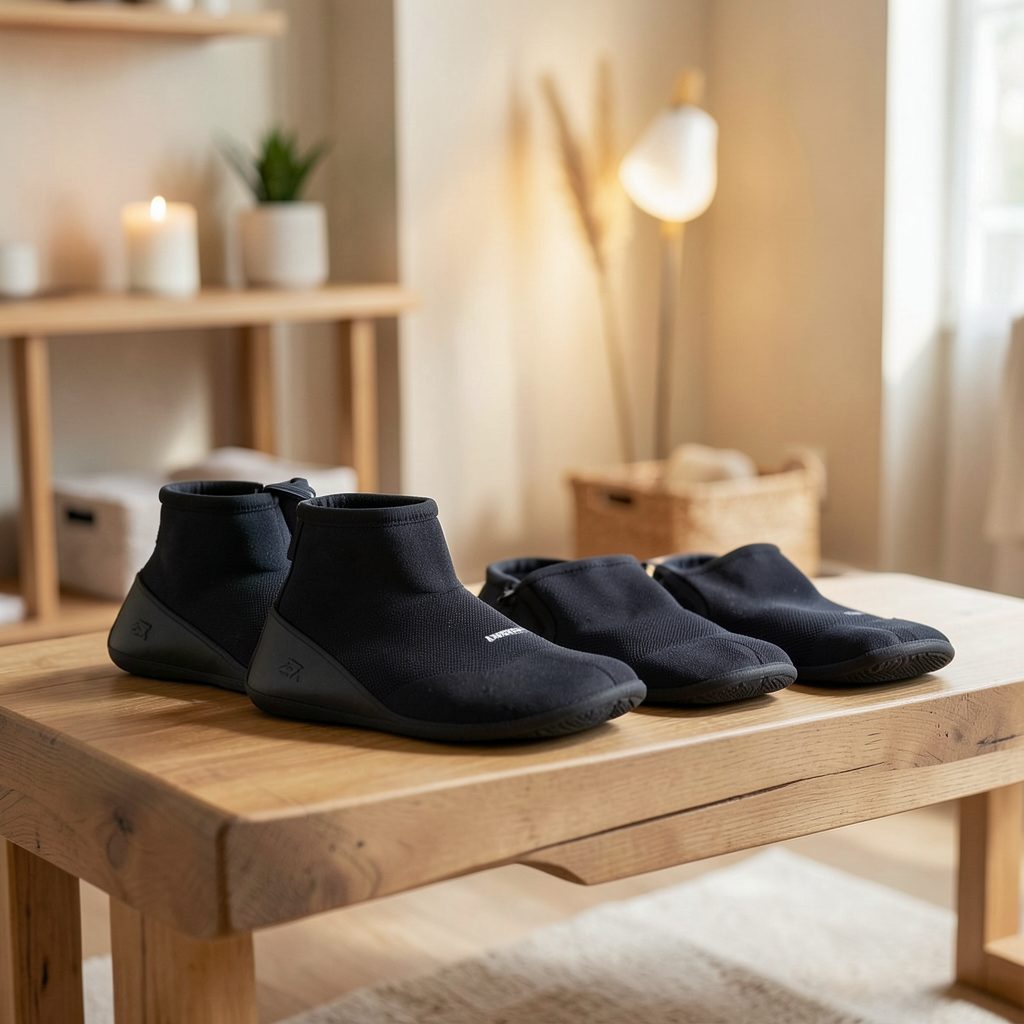
Normatec boot recovery and cryotherapy treatments help athletes bounce back faster. Cycle and spin classes add a cardio dimension to the holistic performance approach.
Have a Question?