Train. Compete. Recover.
A multi-purpose athletic facility in Speedway, Indiana — basketball leagues, skill training, and wellness services all under one roof.
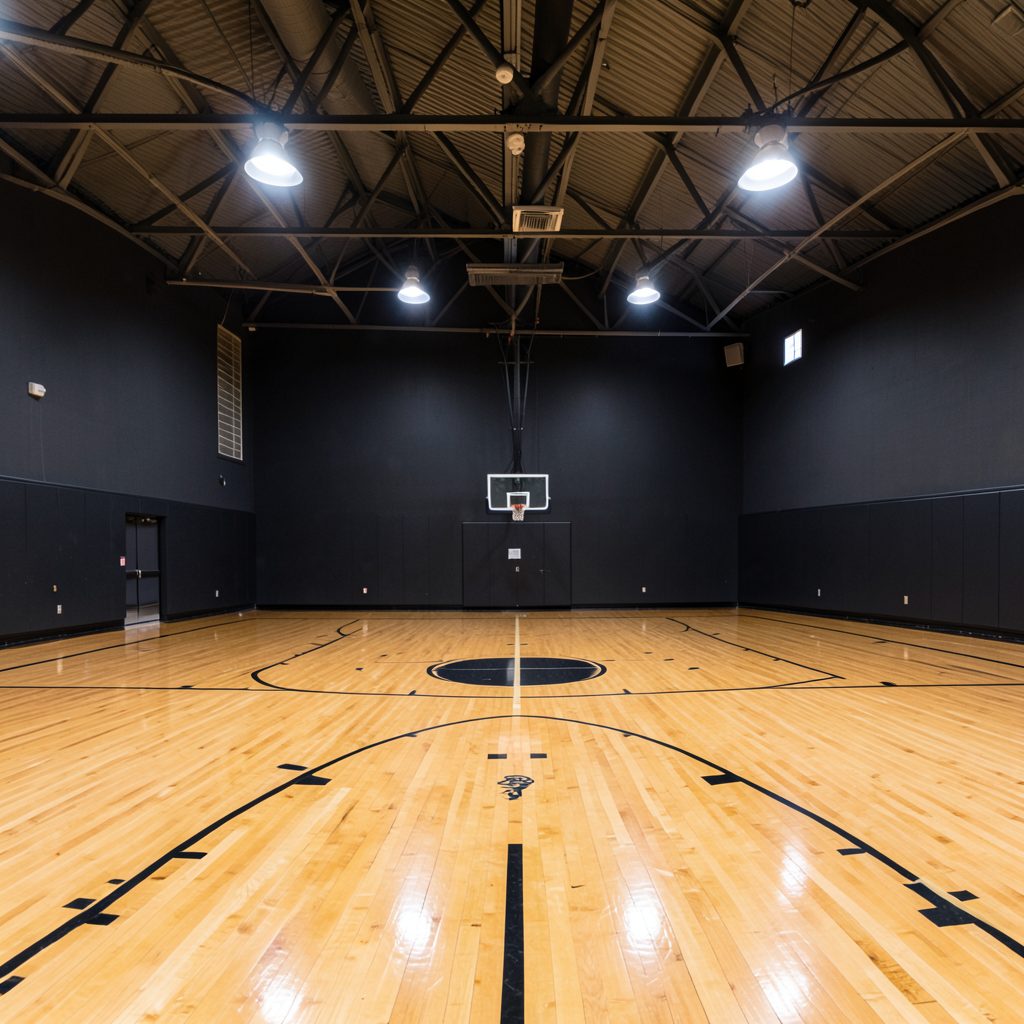
The Factory D1 Indy brings together three entities under one roof: competitive basketball leagues for all age groups, individual and group training, and wellness & recovery services including Normatec boot recovery and cryotherapy. Located off I-465 and High School Road at 6331 Crawfordsville Road, Speedway, Indiana 46224.
Get In TouchCold Exposure Strategies Athletes Can Use Beyond Cryotherapy
Cold exposure has become a familiar part of athletic recovery, but it is broader than a visit to a cryotherapy chamber. Cold showers, ice baths, cool-water immersion, outdoor conditioning, and targeted cooling can all influence how an athlete feels and performs. Each method creates a different level of exposure, so the right choice depends on training demands, health status, timing, and personal tolerance.
The benefits of cold exposure beyond cryotherapy may include temporary pain relief, reduced perceptions of soreness, improved comfort after demanding exercise, and greater awareness of recovery habits. These effects are useful, but cold is not a replacement for sleep, hydration, adequate nutrition, mobility work, or a well-designed training plan.
Athletes should also distinguish between feeling refreshed and recovering faster at the tissue level. Cold can change pain signals and blood flow quickly, while muscle repair and adaptation take much longer. Used deliberately, cold exposure can support a training routine without becoming a dramatic ritual that adds unnecessary stress.
How cold changes the body
When skin encounters cold, surface blood vessels narrow in a process called vasoconstriction. This can reduce local blood flow and temporarily dull pain signals, which may make tired legs or sore joints feel more comfortable. Once the exposure ends, circulation gradually returns as the body works to restore warmth.
Cold water usually produces a stronger and faster response than cool air because water removes heat from the body efficiently. Immersion can also create pressure around the limbs, which may affect swelling and the sensation of heaviness. The experience is different from whole-body cryotherapy, where very cold air surrounds the body for a short period with minimal water contact.
The nervous system responds as well. A sudden plunge can raise breathing rate, alertness, and heart rate, while a controlled, brief exposure followed by rewarming may leave some people feeling calm and energized. That response is highly individual, and a powerful sensation should not be confused with a superior physiological outcome.
Practical options beyond a cryotherapy chamber
A cool shower is the most accessible starting point. It allows an athlete to control temperature, exposure time, and body position without specialized equipment. Ending a normal shower with a short cool interval may be more sustainable than beginning with an extreme plunge, particularly for someone who is unfamiliar with cold stress.
Cold-water immersion can be useful after tournaments, long practices, repeated sprint sessions, or endurance events when an athlete needs to feel ready again within a short window. Water temperature and duration matter, but there is no universal protocol that works for every sport. Colder and longer exposures increase stress without guaranteeing better recovery.
Localized cooling is another option. A cold pack or cooling sleeve can be applied to a specific area for short periods when discomfort is concentrated in one region. The goal should be comfort and symptom management rather than forcing numbness. Skin protection is essential, and a barrier should separate an ice source from the skin.
An athlete can also use environmental cooling through shade, breathable clothing, fans, and cool fluids after heat exposure. These methods do not create the same response as an ice bath, yet they can help lower thermal strain and restore comfort. For basketball players, cyclists, and other athletes training indoors, a gradual cool-down in a well-ventilated space may be a practical recovery habit.
Choosing the right method and timing
The best method depends on the purpose. If the immediate goal is to reduce the sensation of soreness before another competition, brief immersion may be appropriate. If the goal is long-term strength or muscle growth, frequent cold immersion immediately after resistance training deserves more caution because some research suggests it can reduce signals involved in training adaptation.
| Method | Typical use | Main advantage | Important limitation |
|---|---|---|---|
| Cool shower | General refreshment and routine recovery | Easy to control and repeat | Usually less intense than immersion |
| Cold-water immersion | Post-event soreness and repeated competition | Rapid whole-limb cooling and strong sensory effect | Can be stressful and uncomfortable |
| Local cold pack | Focused discomfort | Targets a specific area | Does not provide whole-body cooling |
| Cool environment and fluids | Heat management | Supports rehydration and thermal comfort | Less useful for deep, immediate cooling |
| Cryotherapy session | Supervised short exposure | Convenient, structured experience | Equipment and evidence vary by purpose |
Timing also matters for speed and power athletes. Cooling a muscle immediately before explosive work can temporarily reduce nerve conduction, muscle temperature, and force output. An athlete who plans to sprint, jump, or lift should generally warm up thoroughly after any cold exposure, and may prefer to use cooling after the session instead.
Recovery services can fit into a broader plan that includes mobility, conditioning, and restorative care. Athletes can review the facility recovery options alongside their training schedule instead of treating one modality as a complete solution.
What research says about recovery
Cold exposure often performs best as a tool for perceived recovery. Athletes may report less soreness, lower feelings of fatigue, and greater readiness after strenuous exercise. This can be valuable during tournaments or congested schedules, when the ability to train again comfortably has practical importance.
The evidence is less consistent when the outcome is objective tissue recovery. Cold may reduce some markers associated with inflammation, but inflammation is not automatically harmful. The inflammatory response helps the body remodel and adapt after training. Suppressing every part of that response may be counterproductive when an athlete’s priority is building strength, power, or endurance over time.
Cold exposure may also support mental discipline, although that benefit should be described carefully. Learning to control breathing during an uncomfortable but safe stimulus can improve composure and body awareness. Still, there is no need to endure extreme cold to prove toughness. A repeatable, moderate approach is more useful than a punishing one.
Safety should guide every exposure
Sudden cold water can trigger an involuntary gasp, rapid breathing, and a sharp cardiovascular response. This cold-shock reaction is the main reason athletes should enter gradually, keep the head and face out of the water at first, and avoid solo plunges. A stable exit, dry towels, warm clothing, and supervision are especially important in unfamiliar settings.
People with heart disease, uncontrolled blood pressure, circulation disorders, Raynaud’s phenomenon, reduced sensation, or a history of fainting should seek medical guidance before using intense cold. The same applies to anyone who is ill, intoxicated, severely dehydrated, or recovering from an injury that affects sensation. Children and younger athletes need close adult supervision and should not be pushed into extreme temperatures.
Stop immediately if there is chest pain, dizziness, confusion, unusual shortness of breath, persistent numbness, or loss of coordination. Shivering can be an early warning that the body is struggling to maintain temperature. Rewarming should be gradual and controlled rather than followed by another extreme stressor.
Building a sensible cold routine
An athlete can start with a mild, brief exposure and record how the body responds during the following hours. Useful observations include soreness, sleep quality, next-session performance, mood, and any lingering numbness or fatigue. This simple tracking process helps reveal whether cold is providing meaningful support or merely creating a dramatic short-term sensation.
Cold should complement fundamentals. A complete recovery routine may include a carbohydrate-and-protein-rich meal, sufficient fluids and electrolytes, low-intensity movement, quality sleep, and a planned reduction in training load when needed. If these basics are missing, adding an ice bath is unlikely to solve the underlying problem.
Practical recommendations include:
- Use cooling after unusually demanding sessions or closely scheduled competitions rather than automatically after every workout.
- Begin with a manageable cool shower or brief immersion instead of pursuing the coldest possible temperature.
- Avoid intense cold immediately before strength, sprint, jump, or skill sessions unless a full rewarming period is planned.
- Keep the head above water, control breathing, and use supervision for cold-water exposure.
- Consult a qualified medical professional when cardiovascular, circulation, sensory, or chronic health concerns are present.
Cold exposure is most effective when it serves a clear purpose. For one athlete, that may be comfort after a weekend tournament; for another, it may be a simple cool-down after indoor conditioning. Choose the least intense method that meets the need, monitor the response, and make recovery part of the larger training process. Athletes at The Factory D1 Indy can combine structured workouts with conditioning and recovery practices that support consistent performance—visit the facility to build a routine suited to the demands of the season.
Inside The Factory

Three Entities, One Roof
Leagues
Eight league divisions span every age group: Indy Pro AM, 18+ Open Men's, 30+ Men's, Bite Size (ages 3–6), Impact League, 5th/6th Grade, Middle School, and High School. Gather your team and compete.
Training
Individual and group basketball training for all skill levels. Major M.O.V.E.S. Basketball Training serves ages 4–7 on Wednesday and Thursday evenings at 6:30 PM — $30 per session or $100 unlimited monthly.
Wellness & Recovery
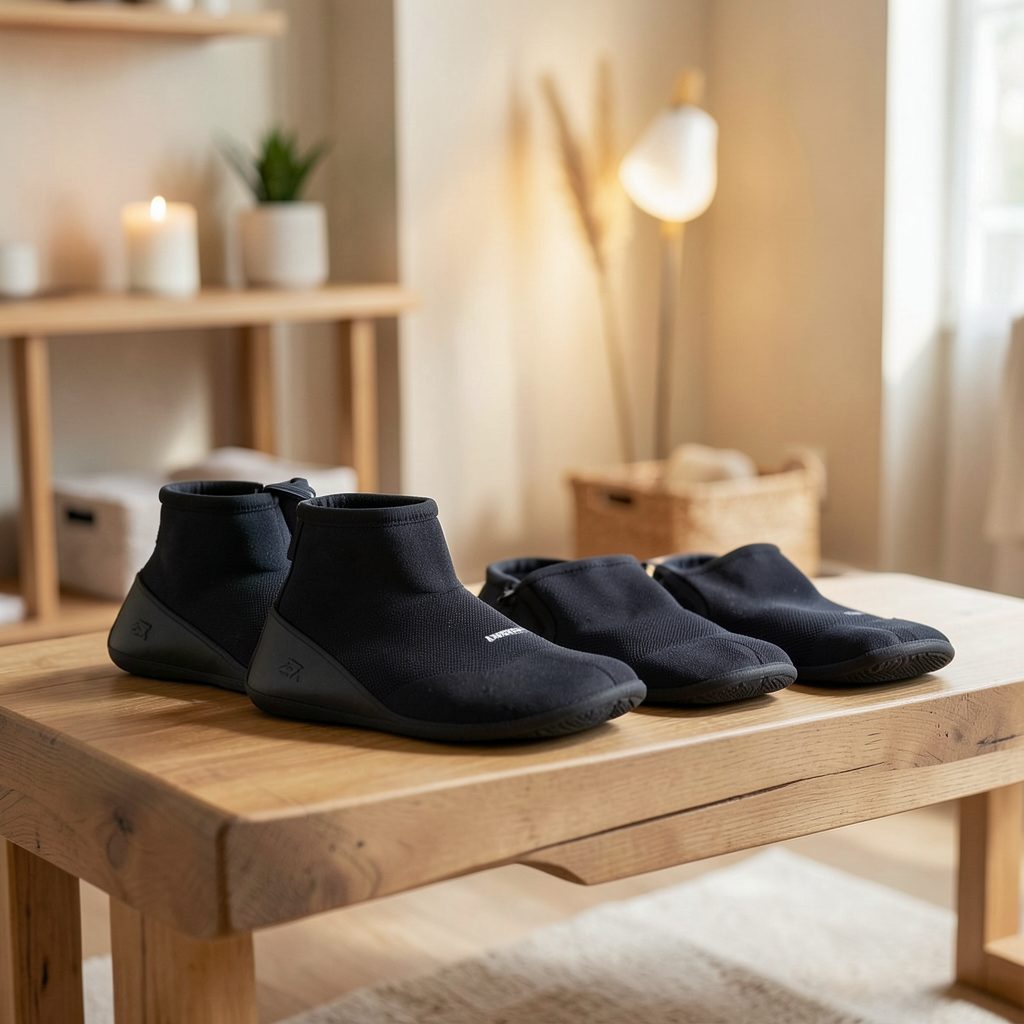
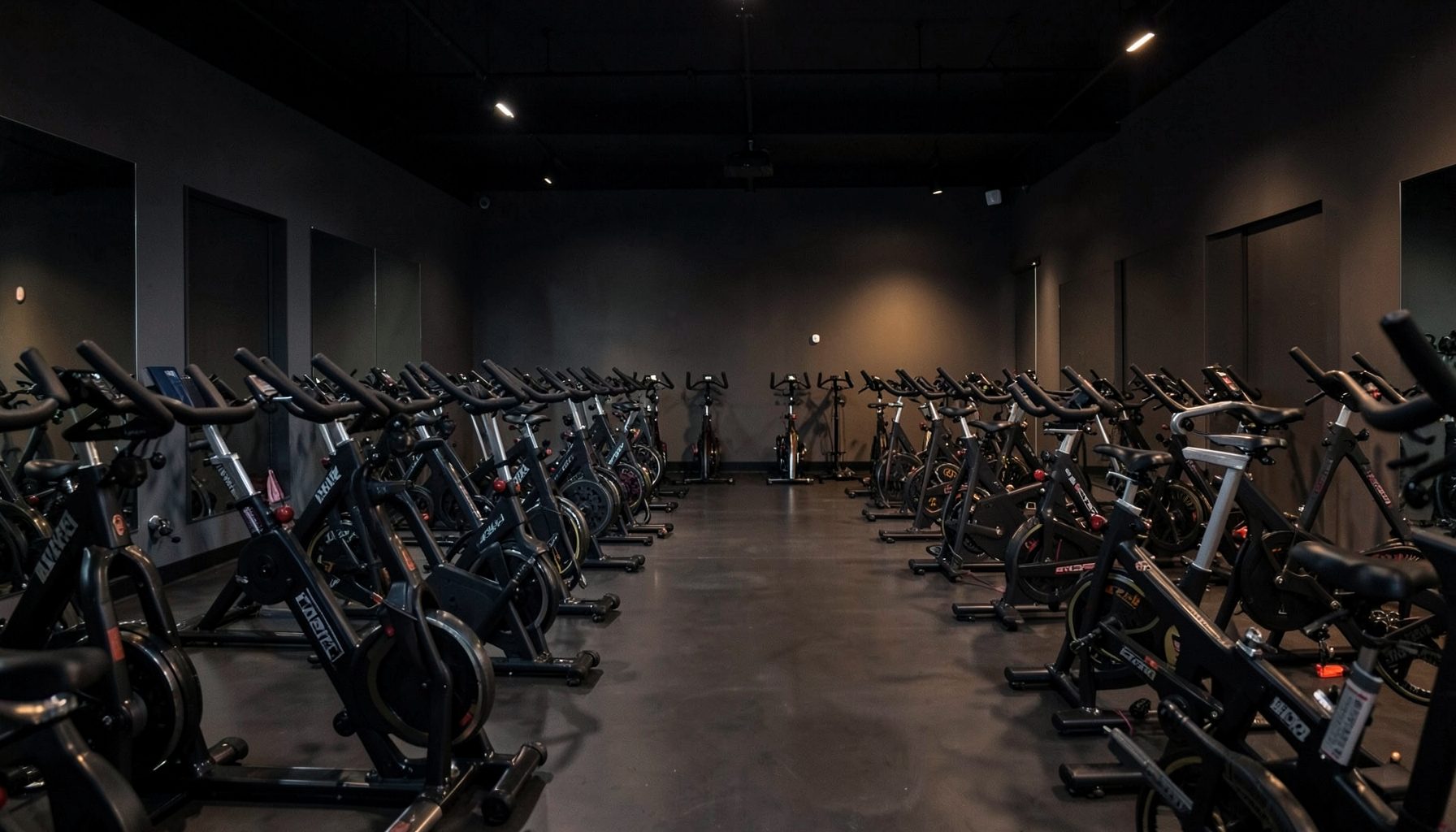
Normatec boot recovery and cryotherapy treatments help athletes bounce back faster. Cycle and spin classes add a cardio dimension to the holistic performance approach.
Have a Question?