Train. Compete. Recover.
A multi-purpose athletic facility in Speedway, Indiana — basketball leagues, skill training, and wellness services all under one roof.
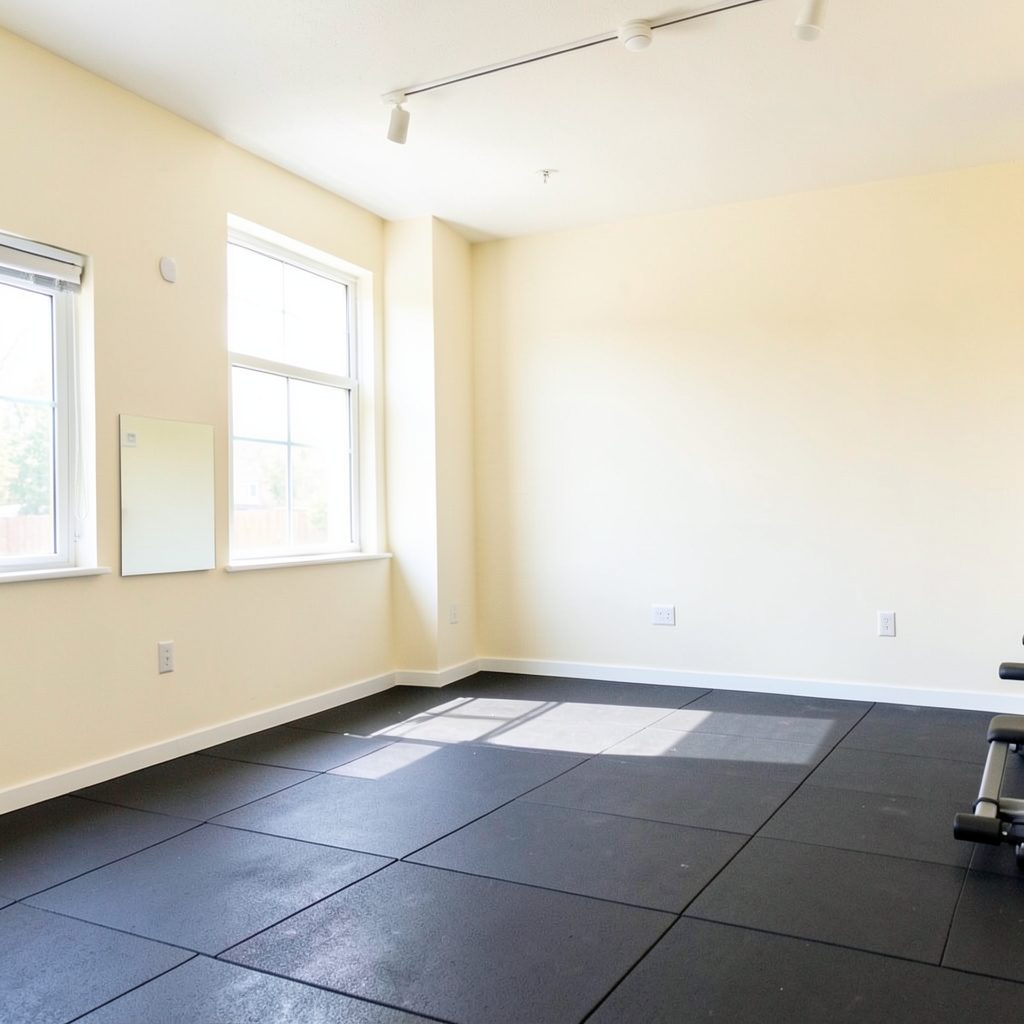
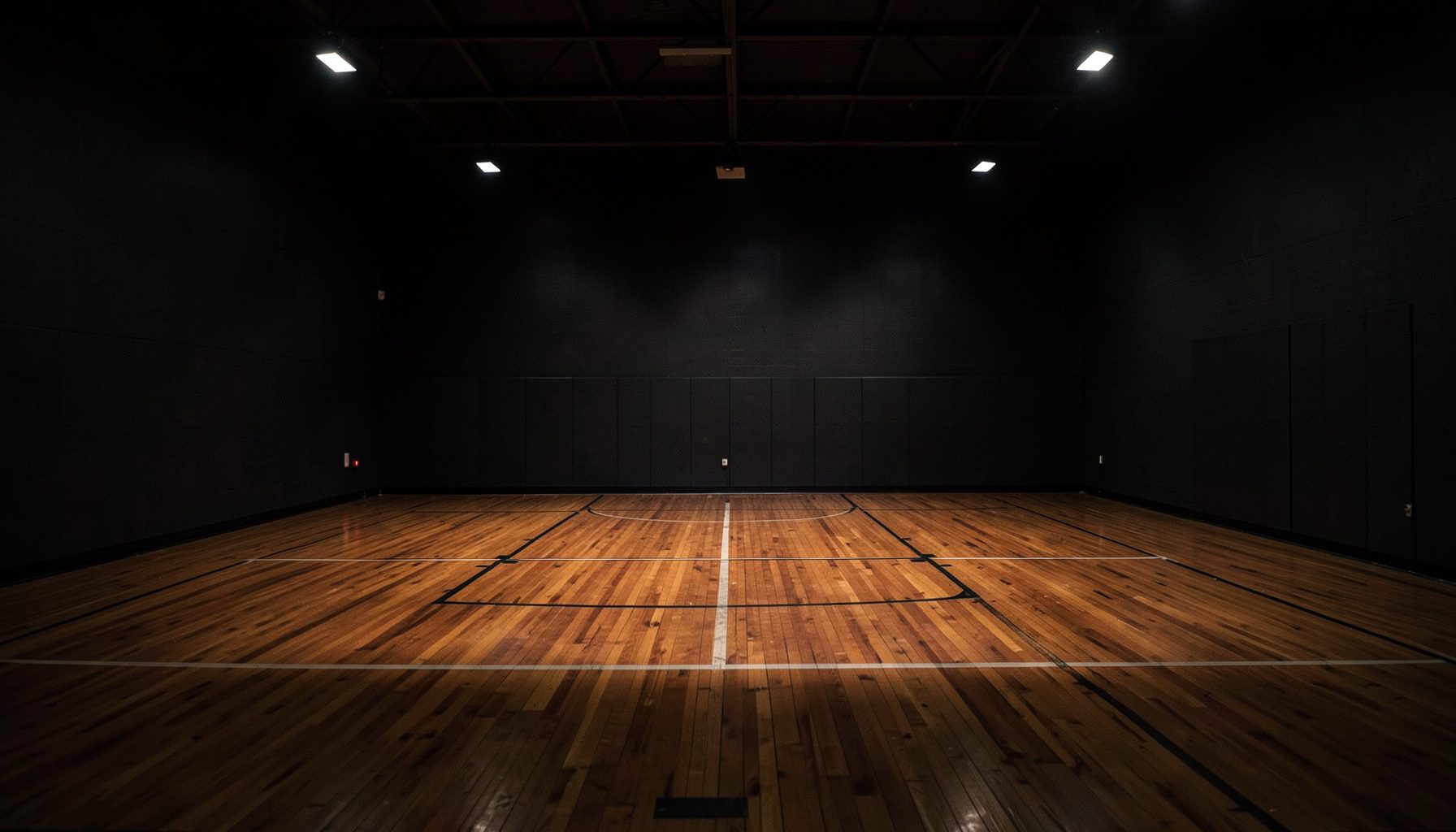
The Factory D1 Indy brings together three entities under one roof: competitive basketball leagues for all age groups, individual and group training, and wellness & recovery services including Normatec boot recovery and cryotherapy. Located off I-465 and High School Road at 6331 Crawfordsville Road, Speedway, Indiana 46224.
Get In TouchWhy group spin classes make accountability easier
Group spin classes turn an individual workout into a shared commitment. Instead of relying entirely on willpower, participants arrive with familiar faces, a scheduled start time, and an instructor who guides the room through every interval. That combination makes it easier to stay consistent when motivation naturally rises and falls.
The accountability benefits of group spin classes go beyond simply showing up. Riders encourage one another, track progress over time, and become part of a fitness community that values effort at every level. Beginners can build confidence without feeling out of place, while experienced athletes can use the structure to sharpen endurance and conditioning.
At The Factory D1 Indy in Speedway, Indiana, spin and cycle classes fit into a broader athletic environment built around training, competition, wellness, and recovery. The setting gives participants a practical place to work hard, connect with others, and support their bodies between challenging sessions.
A scheduled class creates a reliable routine
A major advantage of instructor-led cycling is the fixed schedule. When a workout has a specific start time, it is easier to plan around work, school, family responsibilities, and other commitments. The decision is made in advance, reducing the chance that a busy day will push exercise aside.
Regular attendance also creates a behavioral pattern. After several weeks, preparing for class, arriving at the facility, and setting up a bike can become as familiar as any other weekly responsibility. This routine helps replace occasional bursts of motivation with a dependable exercise habit.
The social setting adds another layer of commitment. Participants often recognize the same riders from week to week, which makes skipping feel different from missing a solitary workout. A person may still choose to rest when needed, but they are less likely to abandon training simply because the day feels inconvenient.
Shared effort strengthens personal accountability
Spin classes are designed around collective energy. Riders may have different fitness levels, resistance settings, and personal goals, yet everyone moves through the same sequence of warm-ups, climbs, sprints, and recovery periods. That shared experience can make demanding intervals feel more manageable.
The group does not need to compete for accountability to work. Seeing others stay engaged can encourage a participant to finish one more interval or maintain effort through a difficult climb. Instructors can also offer modifications, reminding riders that consistent participation matters more than matching someone else’s pace.
A supportive environment makes progress visible. Someone who once struggled with a full class may later handle longer intervals, improved resistance, or a more controlled recovery. Those changes are easier to notice when people return to the same community and observe their development over time.
Energy and structure make hard workouts easier to complete
Music, coaching, lighting, and carefully timed intervals give group cycling a clear rhythm. Rather than wondering what to do next, riders can focus on posture, breathing, resistance, and effort. This structure reduces the mental fatigue that often comes with designing an independent cardio workout.
Instructor cues also help participants work with purpose. A climb may target muscular endurance, while a sprint can challenge power and cardiovascular capacity. Recovery periods provide a chance to lower intensity without losing momentum, creating a balanced session that feels challenging but organized.
| Accountability factor | Solo workout | Group spin class |
|---|---|---|
| Scheduling | Depends on personal discipline | Fixed class time encourages attendance |
| Workout structure | Must be planned independently | Instructor provides a complete format |
| Social support | Limited or absent | Shared effort creates encouragement |
| Progress feedback | Often self-monitored | Coaching and repeated attendance reveal improvement |
| Motivation during hard intervals | Easy to reduce effort unnoticed | Group energy and cues help maintain focus |
This format is especially useful for people who start strong but struggle to maintain a long-term exercise routine. The class supplies external structure while still allowing each rider to control resistance and intensity according to current ability.
Consistent attendance improves conditioning
Cardiovascular fitness develops through repeated, progressive training. One intense ride may feel rewarding, but a steady schedule creates the foundation for better stamina, recovery between efforts, and overall work capacity. Group classes make that consistency more achievable by giving participants a recurring appointment.
Riders can also use simple markers to measure improvement. They might notice that their breathing returns to normal more quickly, that they can sustain a higher resistance, or that they feel less fatigued after the same class format. These practical indicators can be more meaningful than focusing exclusively on speed or calories.
For athletes who play basketball or participate in other sports, cycling can support conditioning without adding excessive impact. It can complement court work by challenging the heart and legs in a controlled setting. Recreational exercisers can benefit in the same way, using spin as a structured form of cross-training.
Recovery supports long-term participation
Accountability should include listening to the body. A rider who attends every class but ignores persistent soreness may eventually lose momentum through fatigue or injury. Sustainable progress comes from balancing challenging workouts with sleep, mobility, hydration, and appropriate recovery practices.
The Factory D1 Indy offers wellness and recovery services that can complement an active training schedule. Options such as Normatec compression therapy and cryotherapy give athletes additional tools for managing post-workout demands and preparing for future sessions.
Recovery services do not replace professional medical care or basic habits, but they can fit into a broader wellness plan. Participants should adjust intensity when necessary, communicate with instructors about limitations, and give themselves time to recover after unusually demanding workouts.
A welcoming group keeps beginners engaged
New riders may worry about keeping up, using the equipment correctly, or appearing inexperienced. A well-coached class can reduce those concerns by explaining the bike setup, demonstrating resistance changes, and reinforcing that each person controls their own output. That sense of control helps beginners participate without feeling pressured to perform like advanced athletes.
Group accountability is strongest when it feels encouraging rather than judgmental. Applause, shared milestones, and friendly recognition can help participants feel that their attendance matters. Over time, a newcomer can develop relationships with regular riders, making the class feel like a community rather than another appointment.
This type of environment can also support athletes returning from a break. A predictable workout format allows them to rebuild fitness gradually, while the instructor can suggest lower-impact or lower-intensity options. The goal is to create a consistent path back to training instead of forcing a rapid return.
Simple habits help turn attendance into progress
The most effective accountability strategies are practical. Participants can prepare clothing and water the night before, place classes on their calendars, and choose a realistic weekly frequency. Small decisions made ahead of time remove obstacles that might otherwise become excuses.
It also helps to track attendance and personal observations. A brief note about energy, resistance, recovery, or mood can reveal patterns that are easy to miss from one workout to the next. Progress may appear as improved endurance, greater confidence, or a stronger ability to stay consistent during demanding weeks.
Use these habits to make group cycling a lasting part of your routine:
- Reserve a regular class time that fits your weekly schedule.
- Arrive early enough to set up the bike without rushing.
- Set a personal effort goal instead of comparing yourself with other riders.
- Bring water and use recovery days to support consistent attendance.
- Celebrate completed sessions and gradual improvements.
Accountability becomes more effective when it is connected to a meaningful purpose. Some riders may want better cardiovascular health, while others may be preparing for a basketball season, improving general fitness, or creating more balance in their week. A clear reason for attending makes the routine easier to protect.
The Factory D1 Indy brings group exercise into a facility where training and recovery can work together. Athletes and fitness-minded community members can build conditioning in class, pursue other athletic goals, and learn more about supporting athletes through recovery as part of a complete routine.
Reserve a spot in an upcoming cycle or spin class at The Factory D1 Indy and make your next workout part of a consistent, encouraging community. Show up, ride at your level, and let shared effort help turn fitness intentions into regular progress.
Inside The Factory

Three Entities, One Roof
Leagues
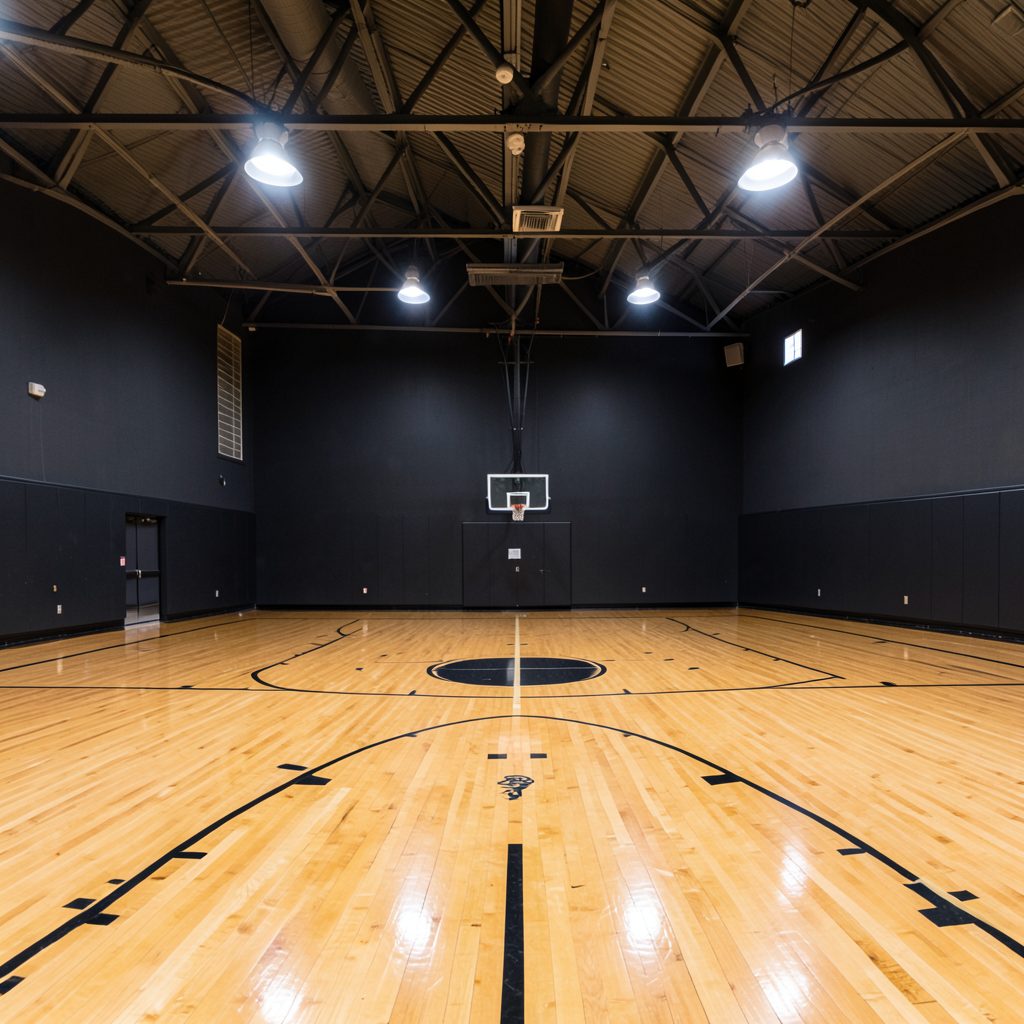
Eight league divisions span every age group: Indy Pro AM, 18+ Open Men's, 30+ Men's, Bite Size (ages 3–6), Impact League, 5th/6th Grade, Middle School, and High School. Gather your team and compete.
Training
Individual and group basketball training for all skill levels. Major M.O.V.E.S. Basketball Training serves ages 4–7 on Wednesday and Thursday evenings at 6:30 PM — $30 per session or $100 unlimited monthly.
Wellness & Recovery
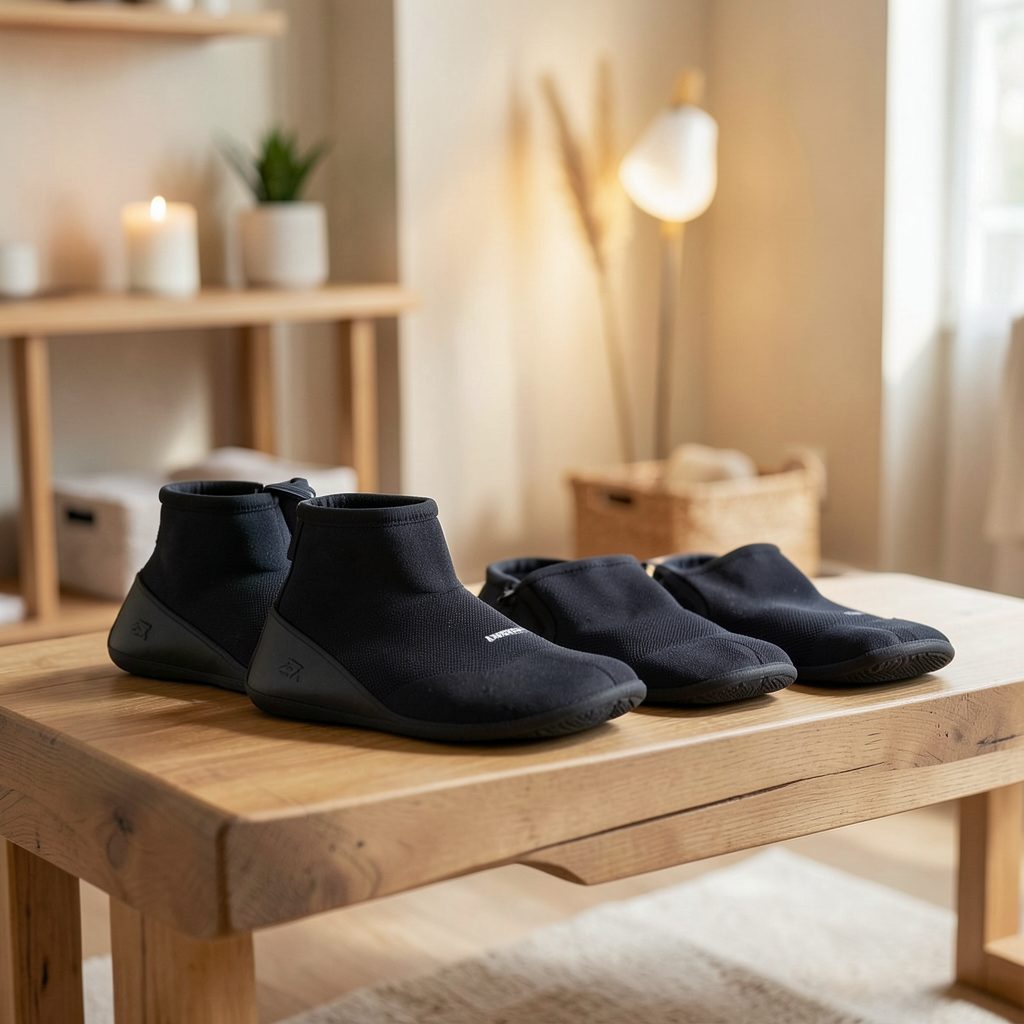
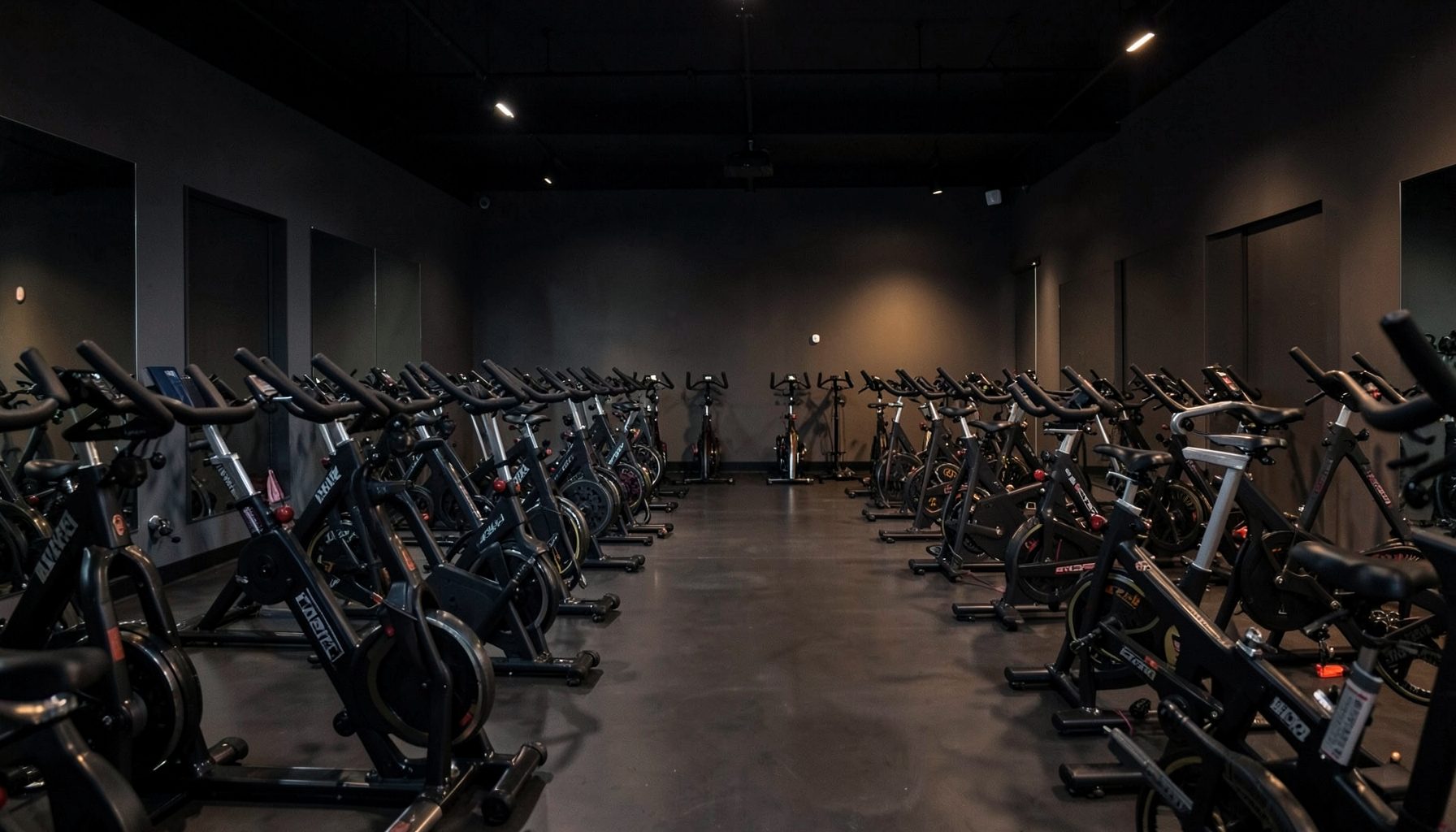
Normatec boot recovery and cryotherapy treatments help athletes bounce back faster. Cycle and spin classes add a cardio dimension to the holistic performance approach.
Have a Question?