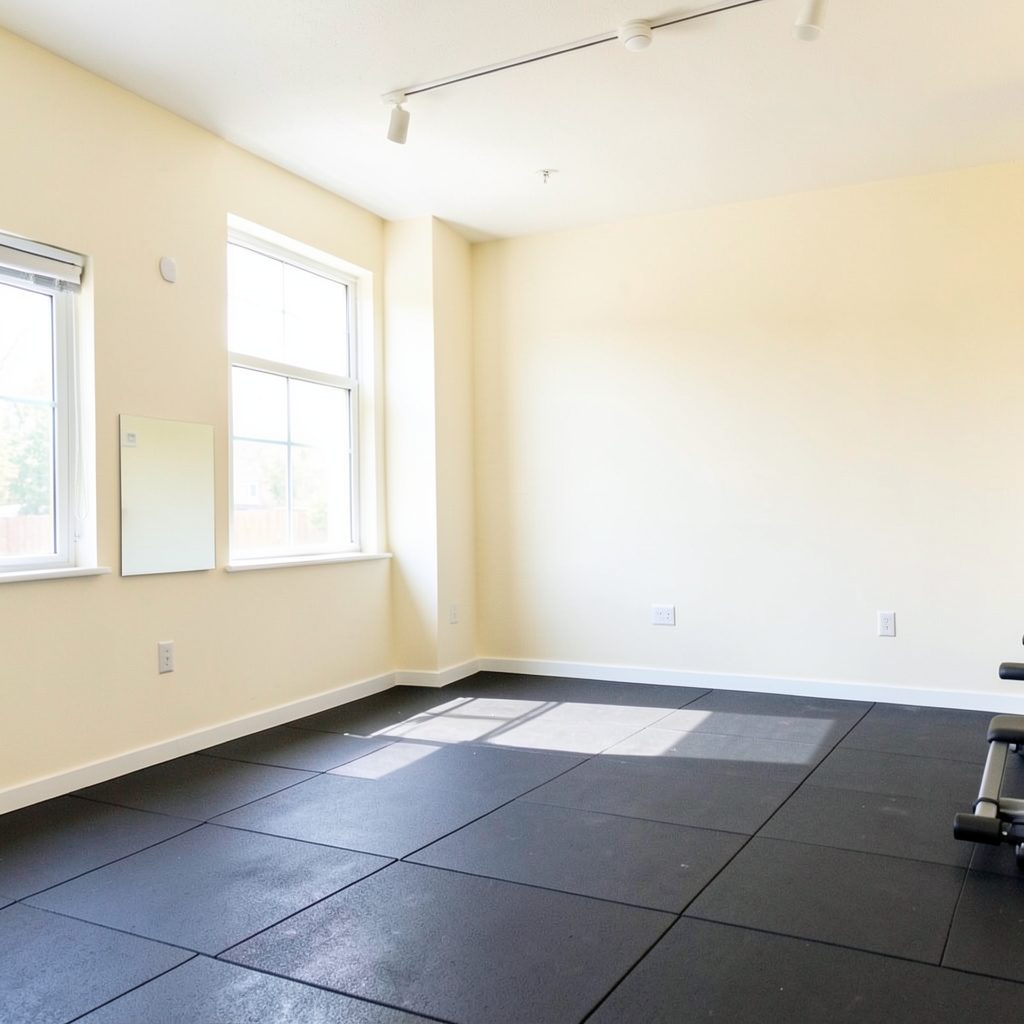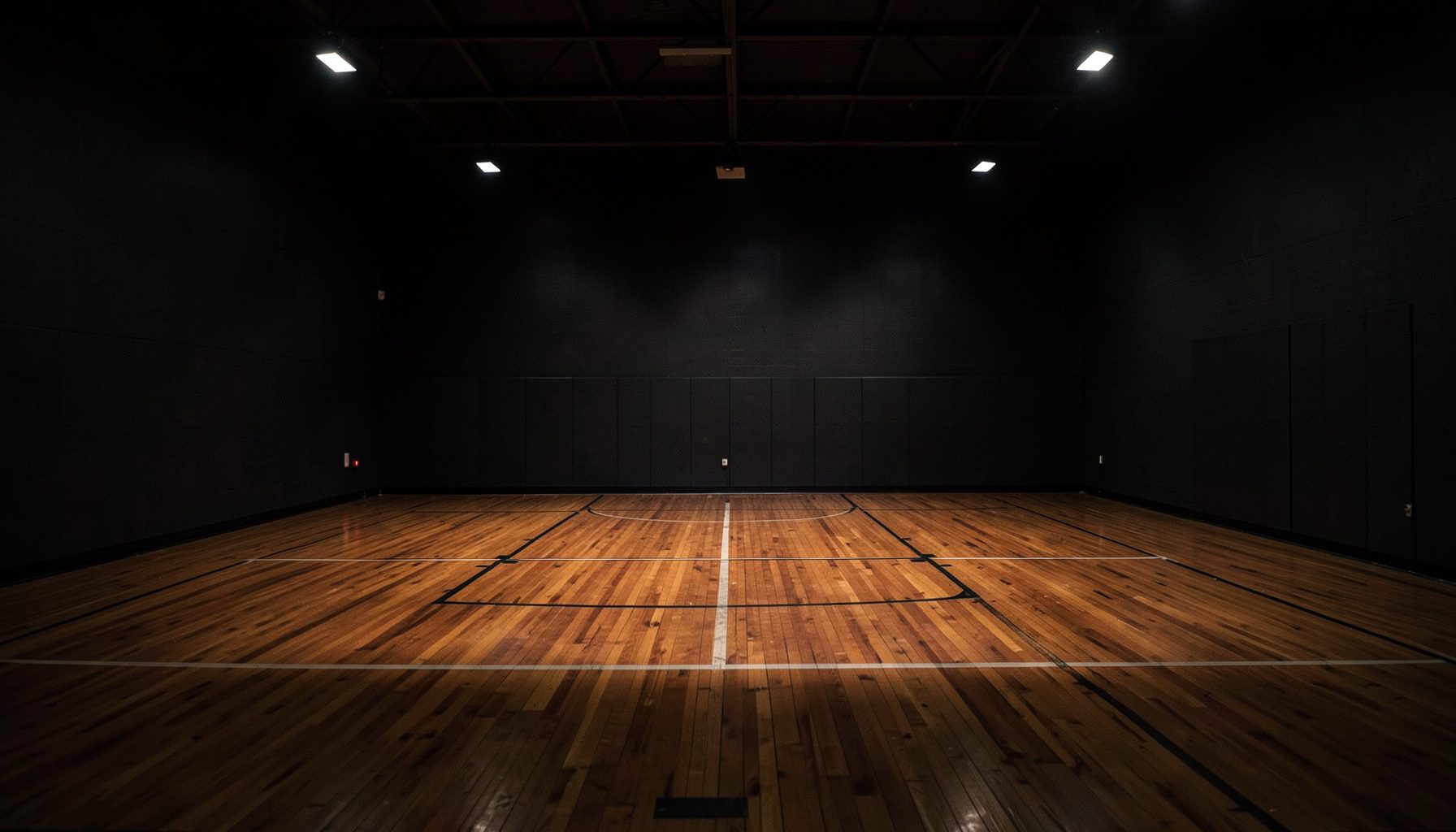
Train. Compete. Recover.
A multi-purpose athletic facility in Speedway, Indiana — basketball leagues, skill training, and wellness services all under one roof.
The Factory D1 Indy brings together three entities under one roof: competitive basketball leagues for all age groups, individual and group training, and wellness & recovery services including Normatec boot recovery and cryotherapy. Located off I-465 and High School Road at 6331 Crawfordsville Road, Speedway, Indiana 46224.
Get In TouchWhy group training helps adult basketball players thrive
Adult basketball leagues offer more than a scheduled game each week. They give players a reason to stay active, sharpen their skills, and remain connected to a sport they enjoy. Yet game performance often depends on what happens between league nights. Structured group training can turn occasional play into steady athletic development.
For recreational players, former high school athletes, and experienced competitors alike, a shared training environment creates useful pressure and practical support. Participants work through drills, conditioning, and competitive situations while learning how to apply those lessons in live league play. The result is a more complete approach to fitness, basketball development, and long-term enjoyment.
A structured setting builds consistency
Many adult players have demanding schedules, family responsibilities, and changing work commitments. Without a set plan, basketball workouts can become irregular. Group sessions create a dependable appointment that encourages athletes to show up, warm up properly, and complete a purposeful training block.
Consistency matters because basketball skills improve through repeated exposure. Ball handling, shooting footwork, defensive positioning, and finishing around the rim become more reliable when practiced week after week. A coach can organize that repetition so players spend less time deciding what to do and more time executing useful movements.
A group setting also gives each workout a clear rhythm. Players can move from skill work to small-sided games, conditioning, and competitive drills without losing momentum. That organized progression makes training more efficient, especially for adults who want meaningful results from limited available time.
Accountability makes effort easier to sustain
Training alone can be productive, but it is also easy to cut a session short or avoid uncomfortable exercises. Teammates provide a natural layer of accountability. When other players are working through the same drill, athletes are more likely to maintain their pace and complete the full session.
This social commitment can be especially valuable during demanding parts of the season. A player may arrive tired after work, yet the energy of the group can make movement feel more manageable. Friendly competition encourages participants to challenge themselves without making every workout feel like a test.
Coaches also provide immediate feedback. They can identify inefficient footwork, rushed shooting mechanics, poor defensive angles, or conditioning habits that limit performance. That outside perspective helps adult athletes correct small issues before they become patterns during league games.
Practice becomes more relevant to league play
Individual workouts are useful for refining specific techniques, but group training adds decision-making and reaction. Players must read defenders, communicate with teammates, adjust to changing space, and execute under pressure. These demands closely resemble the situations that define adult basketball leagues.
Small-sided games are particularly effective because they create more touches and more decisions than a full five-on-five game. A participant may handle the ball repeatedly, defend several possessions, and make quick choices in pick-and-roll or transition scenarios. That repetition improves court awareness while keeping the intensity high.
Group drills also expose athletes to different styles. One teammate may be physical near the basket, another may pressure the ball, and another may rely on speed or perimeter shooting. Learning to respond to varied opponents prepares players for the unpredictability of league competition.
| Training approach | Primary strength | Common limitation | Best use |
|---|---|---|---|
| Solo workouts | Focused repetition and flexible scheduling | Less pressure and limited feedback | Shooting, ball handling, and targeted mechanics |
| Small-group training | Coaching, competition, and frequent decisions | Requires coordinated attendance | Skill development and game-readiness |
| Adult league play | Real competition and team strategy | Limited time for individual correction | Applying skills in live games |
| Strength and conditioning | Power, mobility, and stamina | May not address basketball decisions | Supporting performance and injury prevention |
The strongest development plan usually combines these formats. Group training bridges the gap between isolated skill work and league competition, helping players transfer technique into realistic game actions.
Fitness and recovery support late-game performance
Basketball ability depends on more than shooting touch. Adult players need agility, balance, cardiovascular capacity, and enough strength to maintain defensive effort late in a game. Group training can include movement preparation, interval conditioning, and basketball-specific drills that raise intensity without separating fitness from skill.
Shared workouts can also make conditioning more engaging. Sprint relays, defensive slides, transition drills, and timed shooting challenges give athletes a clear purpose for their effort. Instead of completing generic exercises, participants build the physical qualities required for repeated bursts, sudden stops, and quick changes of direction.
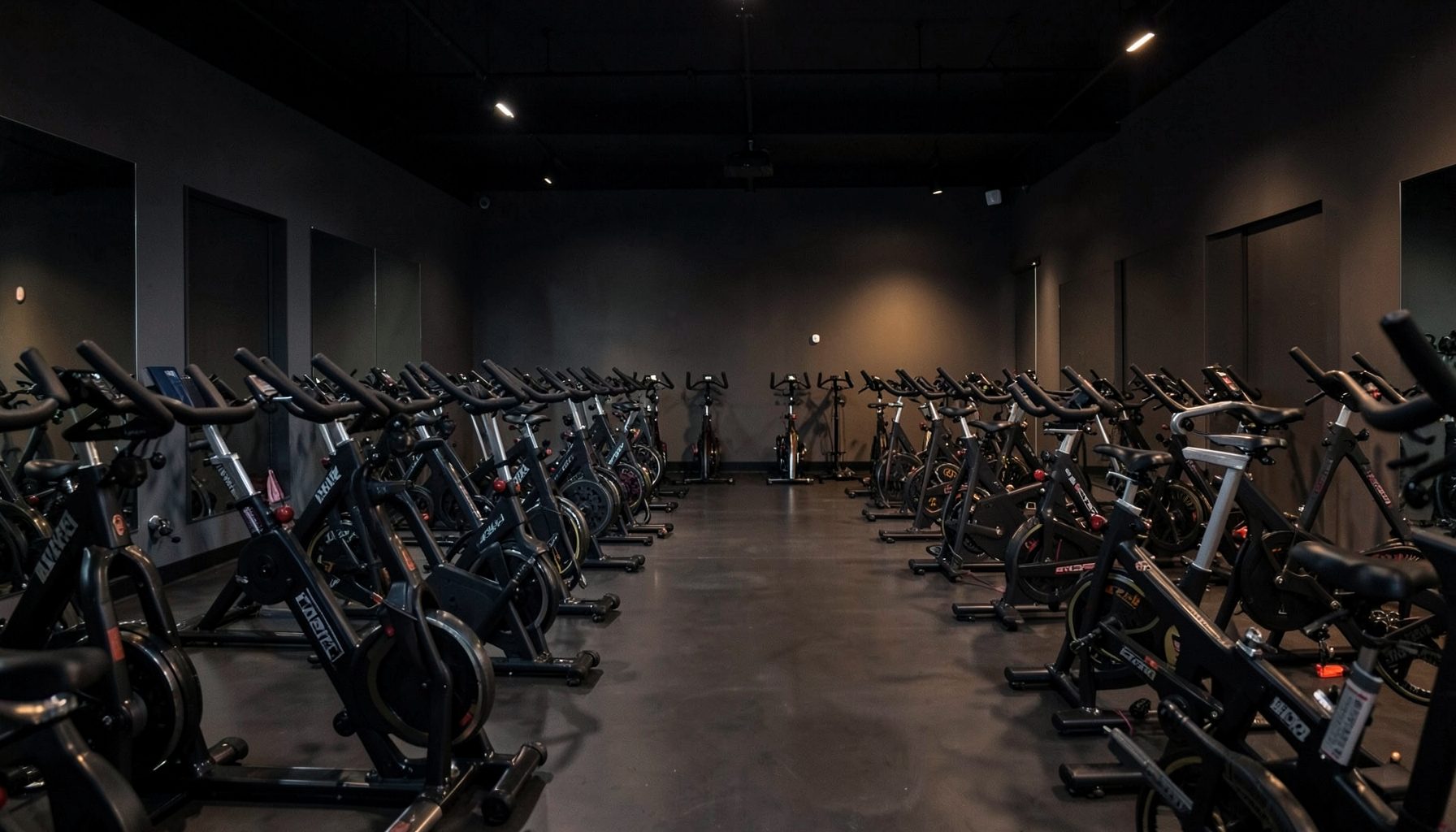
Cross-training can add variety to an overall routine. For athletes who want an additional conditioning option, cycle and spin classes can support cardiovascular fitness while reducing the monotony of repeating the same basketball workout. Pairing structured cycling with court sessions may help players build endurance while managing training variety.
Recovery deserves similar attention. Adults often balance league play with jobs, family commitments, and other physical activities. Adequate mobility work, hydration, sleep, and recovery services can help athletes return to training ready to move well. A sustainable routine should support the next session rather than constantly leave players depleted.
Shared goals strengthen the basketball community
Group training is valuable because it develops relationships as well as skills. Players learn names, communication styles, and tendencies through repeated practice. That familiarity can improve team chemistry when athletes compete together in a league, especially when they need to make quick decisions without lengthy discussion.
A welcoming environment also helps players at different experience levels participate with confidence. A newer adult player can learn from more experienced teammates, while advanced players can improve their leadership and communication. Coaches can adapt drills by changing space, pace, or defensive pressure so everyone receives an appropriate challenge.
The social side of training can improve retention. Players are more likely to remain active when they feel connected to a group and see progress over time. That connection supports the broader role of a facility like The Factory D1 Indy as a community athletic hub, where competition, training, fitness, and recovery work together.
Habits that make group sessions more effective
Players gain the most from a shared workout when they arrive prepared and approach each session with a specific purpose. A few simple habits can improve both individual progress and the experience of the entire group.
- Set one skill goal for the session, such as finishing with the non-dominant hand or creating space before a jump shot.
- Communicate consistently during drills, especially when calling screens, switches, cuts, and defensive rotations.
- Track useful markers such as shooting percentages, conditioning times, or the number of quality repetitions completed.
- Respect the pace and experience of teammates while still competing with energy and focus.
- Add mobility and recovery work after demanding sessions instead of waiting for soreness to interfere with the next workout.
Players should also evaluate progress in terms of game impact rather than appearance alone. Making more correct reads, arriving earlier on defense, securing better rebounding position, and maintaining effort through the final minutes are meaningful signs of development.
Those habits become easier when training is connected to a larger plan. Some athletes may prioritize shooting and ball control, while others need improved mobility, stamina, or defensive discipline. A coach can help align group work with each player’s role and league objectives.
Turn training into a stronger league season
Adult basketball players do not need to choose between enjoyment and serious development. A well-run group environment can provide coaching, repetition, competition, conditioning, and connection in the same weekly routine. It gives athletes a practical way to improve without requiring them to train like full-time professionals.
For additional perspective on maintaining performance as an adult competitor, explore adult athlete strategies. Then bring that mindset to the court by joining a group session, preparing for league play, and making each workout serve a clear purpose.
The Factory D1 Indy provides a place for adult players to keep developing, competing, and enjoying basketball at every stage. Build your training routine around consistent group work, support your conditioning and recovery, and take the next step toward a more confident league season.
Inside The Factory
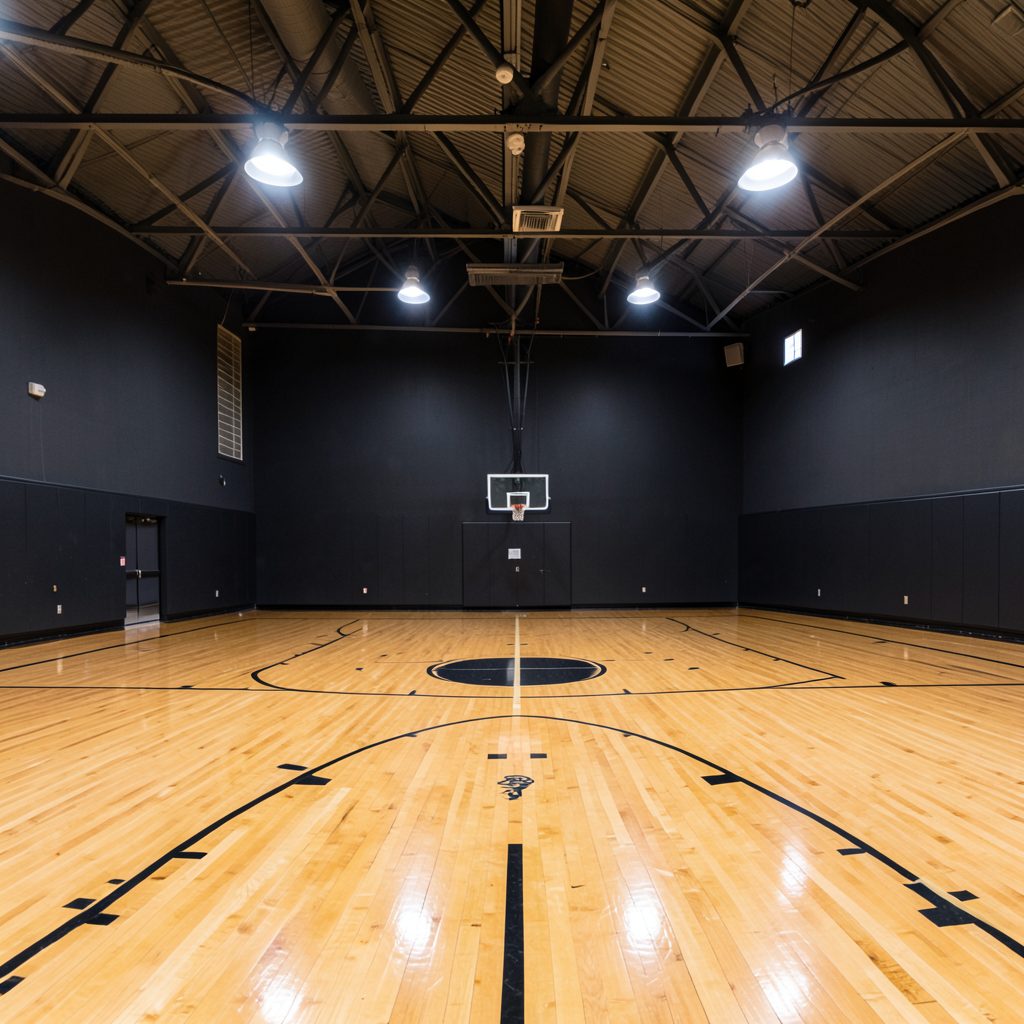

Three Entities, One Roof
Leagues
Eight league divisions span every age group: Indy Pro AM, 18+ Open Men's, 30+ Men's, Bite Size (ages 3–6), Impact League, 5th/6th Grade, Middle School, and High School. Gather your team and compete.
Training
Individual and group basketball training for all skill levels. Major M.O.V.E.S. Basketball Training serves ages 4–7 on Wednesday and Thursday evenings at 6:30 PM — $30 per session or $100 unlimited monthly.
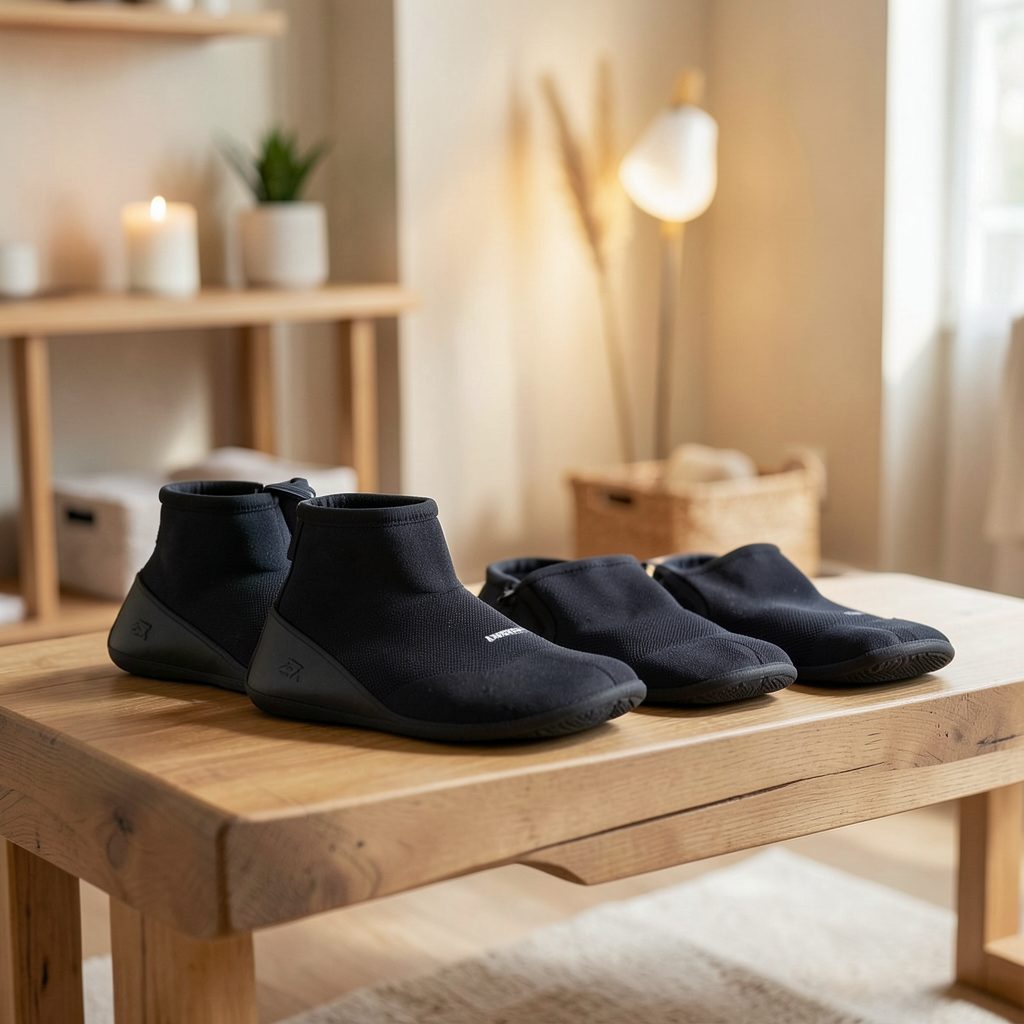
Wellness & Recovery
Normatec boot recovery and cryotherapy treatments help athletes bounce back faster. Cycle and spin classes add a cardio dimension to the holistic performance approach.
Have a Question?