Train. Compete. Recover.
A multi-purpose athletic facility in Speedway, Indiana — basketball leagues, skill training, and wellness services all under one roof.
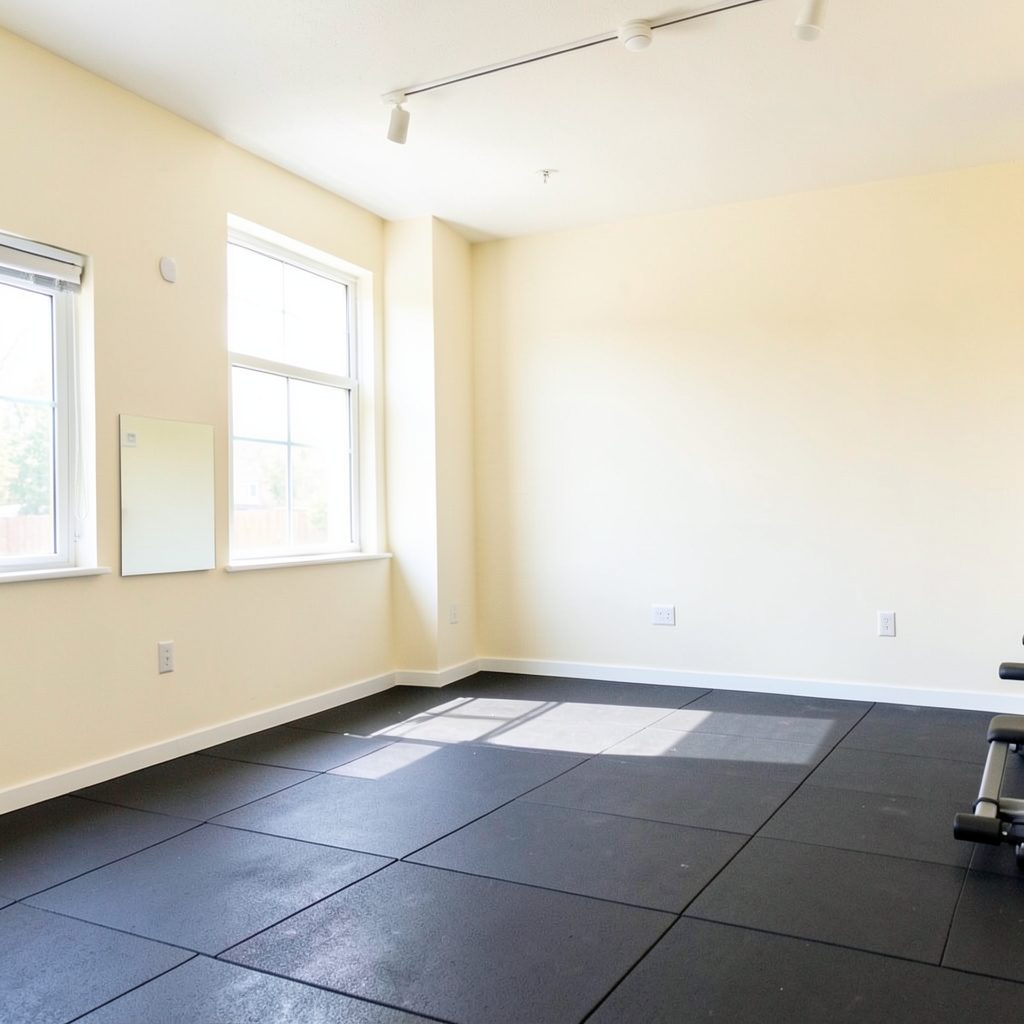
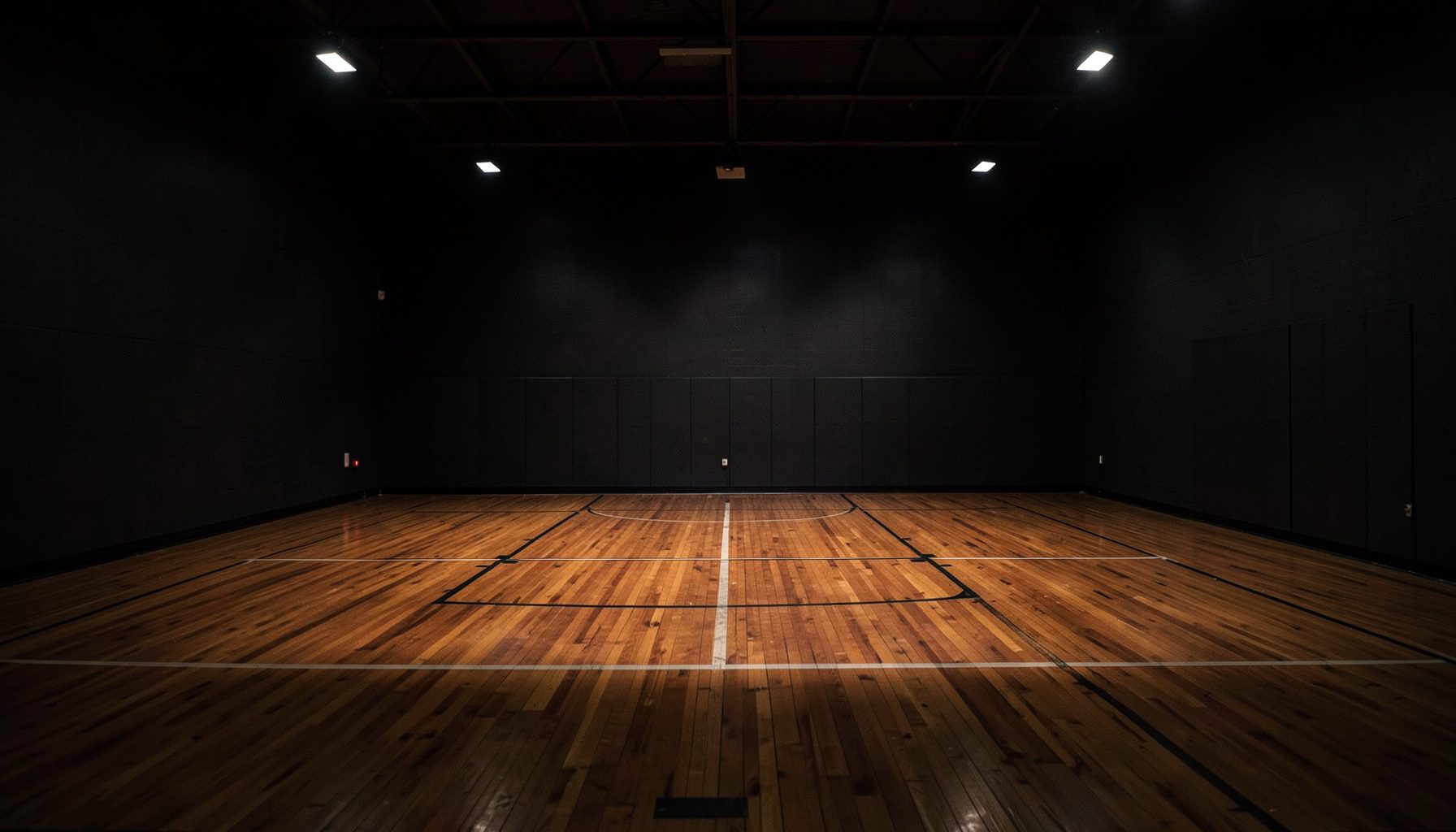
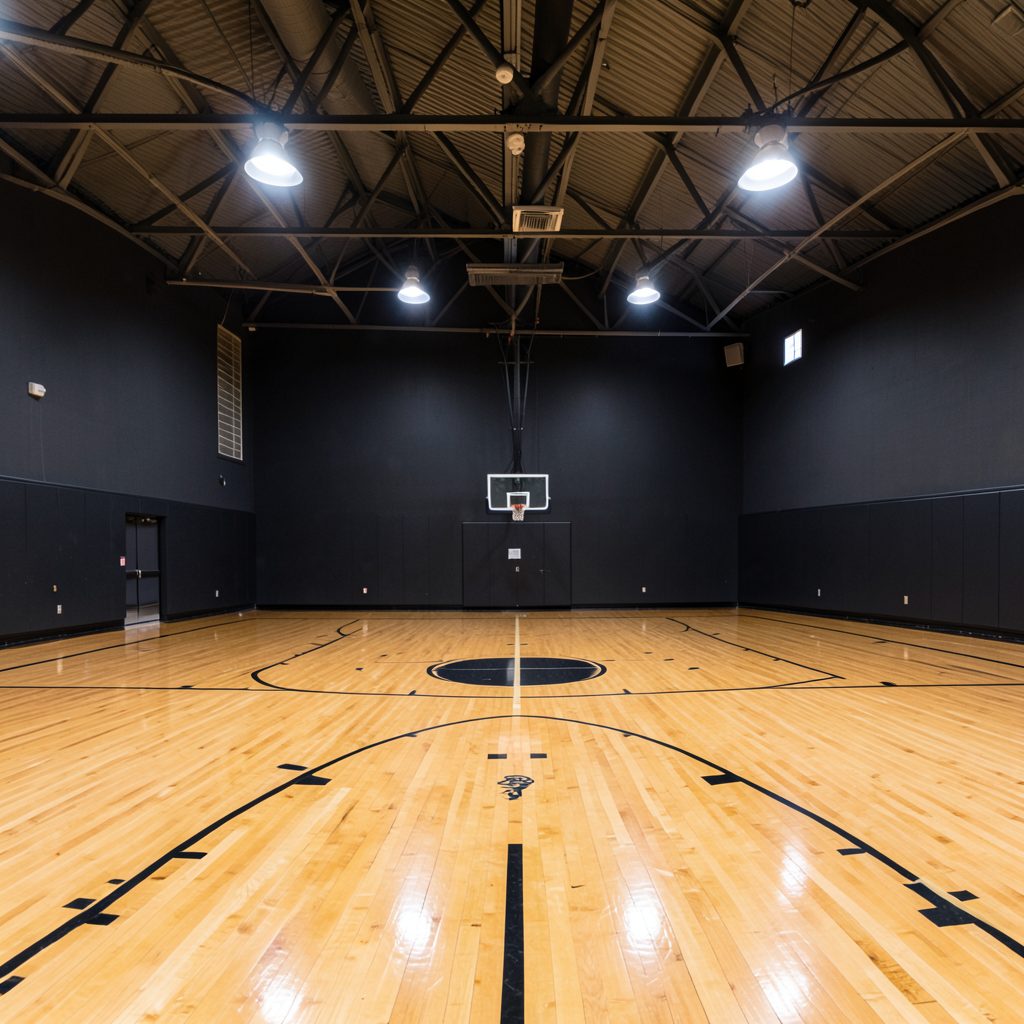
The Factory D1 Indy brings together three entities under one roof: competitive basketball leagues for all age groups, individual and group training, and wellness & recovery services including Normatec boot recovery and cryotherapy. Located off I-465 and High School Road at 6331 Crawfordsville Road, Speedway, Indiana 46224.
Get In TouchHow cycle classes complement basketball conditioning
Basketball demands repeated bursts of speed, sudden stops, lateral movement and enough stamina to keep making good decisions late in a game. A cycle class can support those demands by developing cardiovascular fitness in a controlled indoor setting, without adding another high-impact running session to the week.
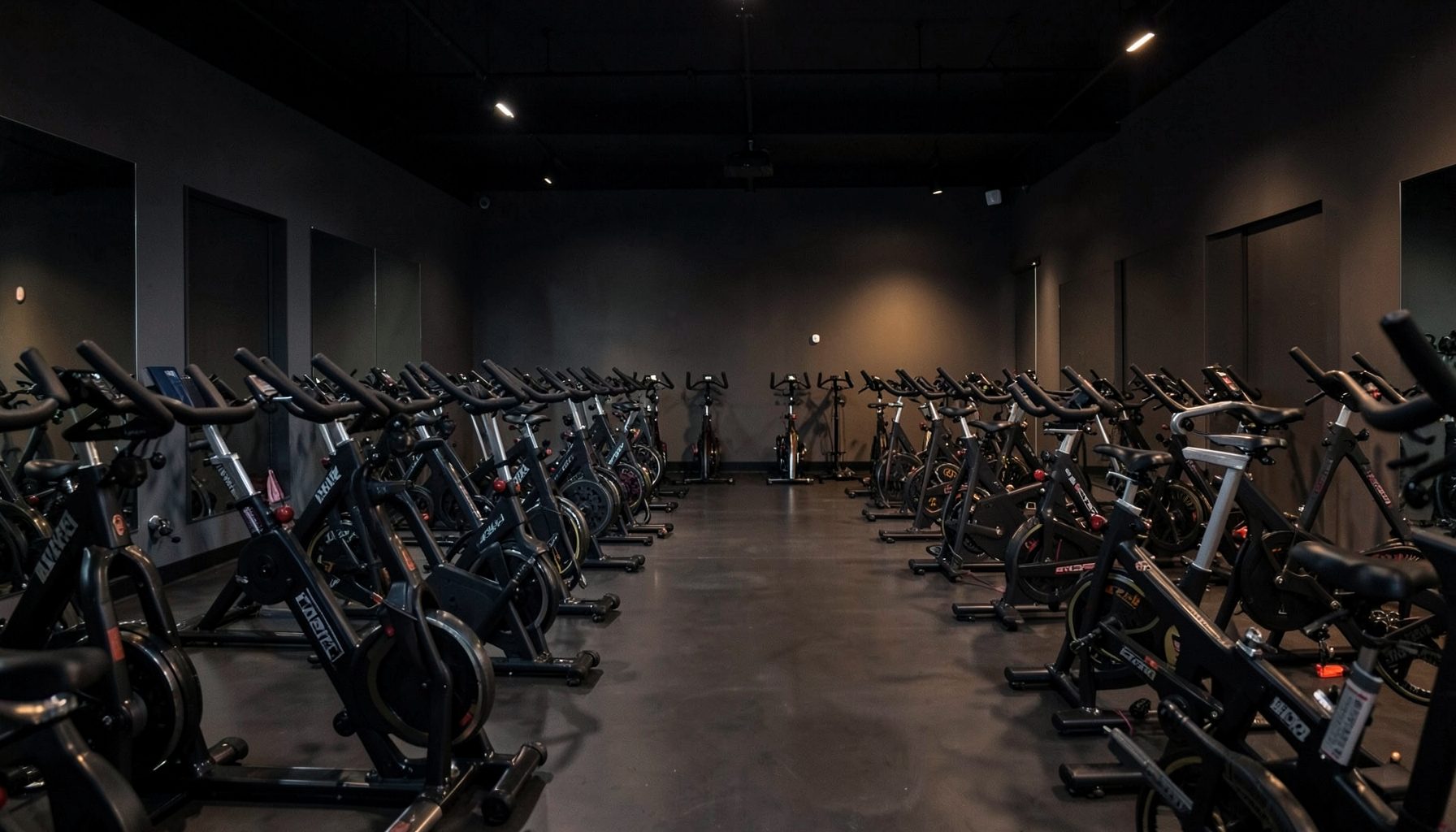
For athletes at The Factory D1 Indy, indoor cycling and spin sessions can sit alongside skills training, youth programmes, leagues and recovery services. For an Australian player, the same approach is useful whether training around school sport in Brisbane, an AFL-heavy winter schedule in Melbourne or a busy work routine in Sydney.
A stronger engine for repeated efforts
Basketball is rarely a continuous jog. Players sprint, decelerate, stand, shuffle, jump and recover, often repeating that pattern for four quarters. A well-planned cycle class improves the aerobic system that helps an athlete recover between those intense efforts.
The benefit is practical: a player may regain control of their breathing sooner after a fast break and arrive at the next defensive possession with more energy. Regular aerobic conditioning can also make long practices feel more manageable, which leaves greater attention for shooting technique, spacing and decision-making.
Cycling allows an athlete to accumulate useful cardiovascular work without copying every demand of basketball. That difference is valuable. Conditioning should prepare the body, not leave the legs too fatigued to learn or compete.
Leg strength without constant impact
A spin bike challenges the quadriceps, glutes, hamstrings and calves through resistance changes, seated efforts and short climbs. These muscles contribute to acceleration, defensive positioning and the ability to hold a strong stance when absorbing contact.
The movement is repetitive and guided, with no landing after every stride. For a player managing sore knees or returning gradually from a period of reduced training, that can provide a lower-impact way to maintain fitness. It does not replace medical rehabilitation, strength training or basketball movement practice, but it can fill a useful gap.
Cadence work also teaches athletes to control effort. Fast, light revolutions can develop rhythm and cardiovascular speed, while heavier resistance builds muscular endurance. In a class, the coach can direct those changes more precisely than an unstructured ride outdoors.
Better recovery between hard sessions
A cycle session does not need to be maximal to be effective. Low-intensity riding can increase circulation and provide movement after a demanding game, particularly when an athlete has spent several hours sitting at school, work or in a car.
This matters in Australian cities, where long commutes are common and many athletes move from classroom or office chair to evening training. A gentle ride can help create a transition between the day and a basketball session, rather than adding another exhausting workout.
Hard intervals have a place, too, but they should be separated from the most demanding basketball practices when possible. Coaches and athletes can use a simple weekly rhythm: technical basketball and strength work on key days, a challenging cycle class away from those sessions, and an easier ride when recovery is the priority.
A useful alternative to extra running
Basketball players already receive substantial impact from jumping, landing, sprinting and changing direction. Adding frequent running on top of that workload may increase stress around the shins, knees, feet and Achilles tendons, particularly during a sudden increase in training volume.
Cycling offers an alternative conditioning stimulus while reducing repetitive landing forces. This is especially relevant for younger athletes, whose training load should grow progressively, and for adults returning to sport after a long break.
In Australia, basketball often shares the calendar with AFL, netball, football and school athletics. Cross-training on a bike can help maintain fitness during a busy sporting season, while avoiding the temptation to add another running programme to an already crowded week.
How to use a class intelligently
A cycle class should support basketball rather than compete with it. Beginners can start with one session per week, keep resistance moderate and learn to adjust effort before attempting long standing climbs or repeated high-intensity intervals. A short conversation with the instructor can help identify previous injuries and current basketball commitments.
A useful session might include a gradual warm-up, several controlled work periods and an easy finish. Athletes should be able to maintain stable posture and smooth pedalling rather than chasing maximum resistance. If form breaks down, the load is too high or the effort has lasted too long.
Hydration also deserves attention. Indoor studios can feel warm, and Australian athletes are familiar with training in hot, humid conditions in places such as Darwin, Brisbane and Perth. Water, breathable clothing and a measured approach are more useful than trying to match the strongest rider in the room.
Making the training fit Australian routines
Many Australian athletes train before work, after school or during the early evening, so a scheduled class can provide structure when motivation is inconsistent. Indoor cycling is also dependable during summer heat, smoky air from bushfire events or wet winter conditions that disrupt outdoor conditioning.
Local sporting culture can shape the programme. A junior basketball player may need to balance school competitions and representative trials, while an adult may combine basketball with weekend social sport and a full-time job. The best cycle workload depends on the entire week, including games, gym sessions, sleep and travel.
Facilities working with children should also take local safeguarding expectations seriously. Requirements differ across Australian states and territories, but Working with Children Checks, child-safe practices, supervision procedures and clear consent processes are familiar parts of youth sport administration. A comparable focus on qualified instruction and communication helps families feel confident when adding cross-training.
Australian Consumer Law is another relevant consideration for fitness businesses: membership terms, cancellations, services and advertising should be presented clearly. Athletes and parents benefit from understanding what a class includes, how bookings work and whether the session suits their age and training level.
Connecting conditioning with competition
Fitness becomes more meaningful when it transfers to confident performance. Players can use cycle training to improve their ability to press, run the lanes, defend multiple possessions and stay composed when tired. The next step is applying that fitness through skills work, structured scrimmages and competitive games.
At The Factory D1 Indy, athletes can combine cycling with basketball development and different levels of competition. Families planning the broader playing schedule can review league registration options alongside training choices, rather than treating conditioning as an isolated activity.
The comparison below shows how each option can contribute to a balanced programme. The categories are not competing choices; most basketball athletes benefit from combining them according to age, experience and current workload.
| Training option | Main quality developed | Impact level | Best use in a basketball week |
|---|---|---|---|
| Cycle or spin class | Aerobic fitness, leg endurance and repeated-effort recovery | Low | Conditioning, cross-training or controlled intervals |
| Basketball skills session | Ball handling, shooting, footwork and decision-making | Moderate | Technical improvement and movement specificity |
| Strength training | Force production, stability and resilience | Moderate to high | Building power and supporting joints |
| Game or scrimmage | Tactical awareness, speed and competitive habits | High | Applying skills under pressure |
| Easy recovery ride | Circulation and gentle movement | Very low | Resetting after games or demanding practices |
The clearest results usually come from consistency rather than extreme sessions. Track simple indicators such as perceived exertion, soreness, sleep quality and how quickly breathing settles after an interval. For young players, enjoyment and sustainable habits matter as much as performance data.
A cycle class can become a dependable part of an athlete’s routine: challenging enough to improve fitness, flexible enough to fit around basketball and controlled enough to manage impact. Pair it with progressive strength work, quality skills practice, rest and appropriate recovery services for a well-rounded approach to the season.
Book a suitable class, speak with the instructor about your basketball schedule and build from a manageable starting point. With regular attendance and sensible intensity, indoor cycling can help Australian athletes train with greater capacity and compete with fresher legs.
Inside The Factory

Three Entities, One Roof
Leagues
Eight league divisions span every age group: Indy Pro AM, 18+ Open Men's, 30+ Men's, Bite Size (ages 3–6), Impact League, 5th/6th Grade, Middle School, and High School. Gather your team and compete.
Training
Individual and group basketball training for all skill levels. Major M.O.V.E.S. Basketball Training serves ages 4–7 on Wednesday and Thursday evenings at 6:30 PM — $30 per session or $100 unlimited monthly.
Wellness & Recovery
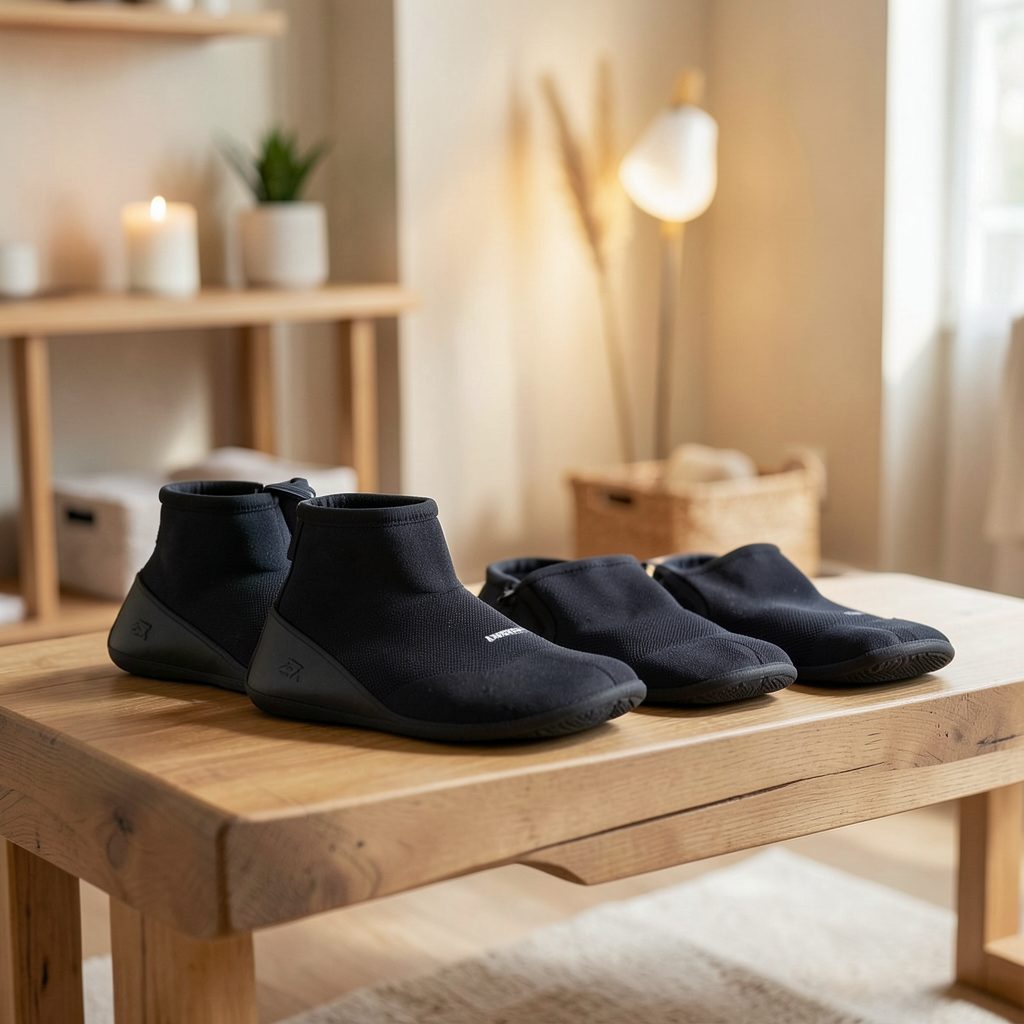
Normatec boot recovery and cryotherapy treatments help athletes bounce back faster. Cycle and spin classes add a cardio dimension to the holistic performance approach.
Have a Question?