Train. Compete. Recover.
A multi-purpose athletic facility in Speedway, Indiana — basketball leagues, skill training, and wellness services all under one roof.
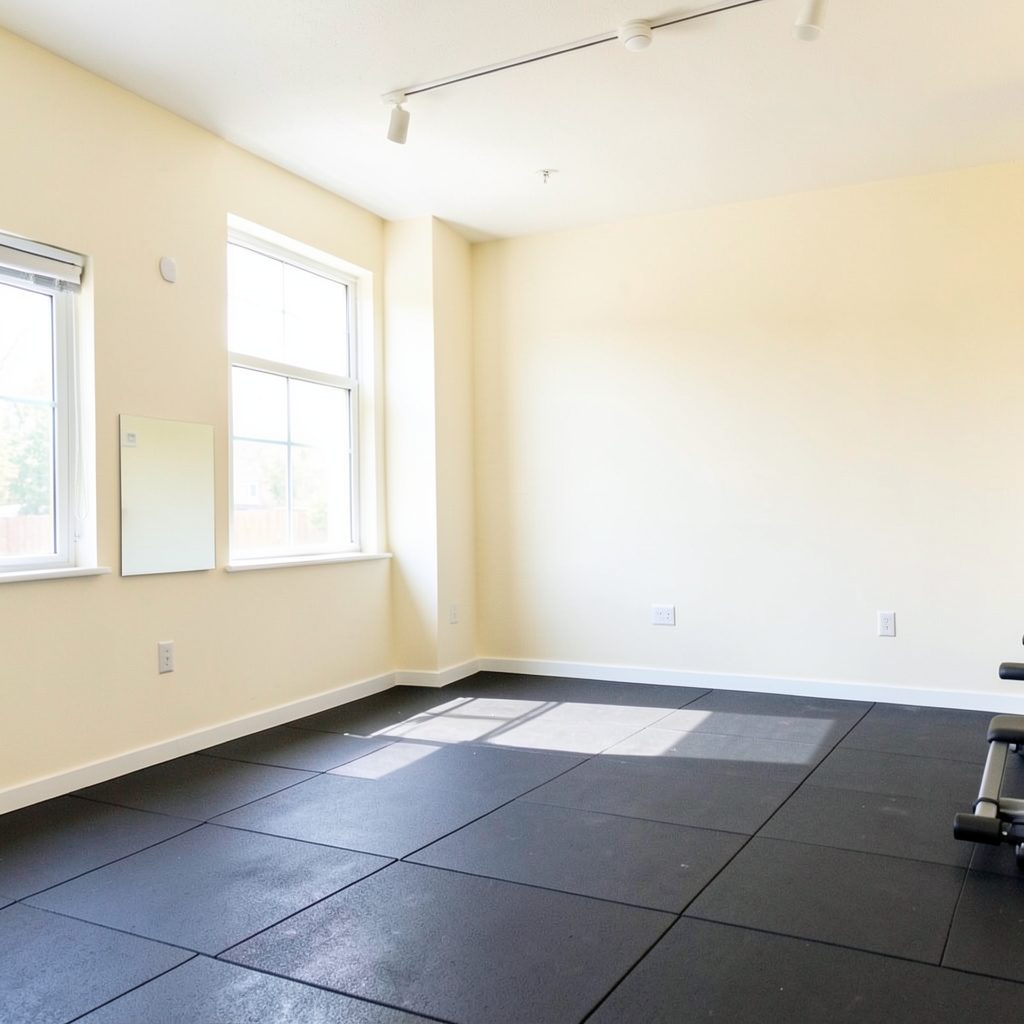
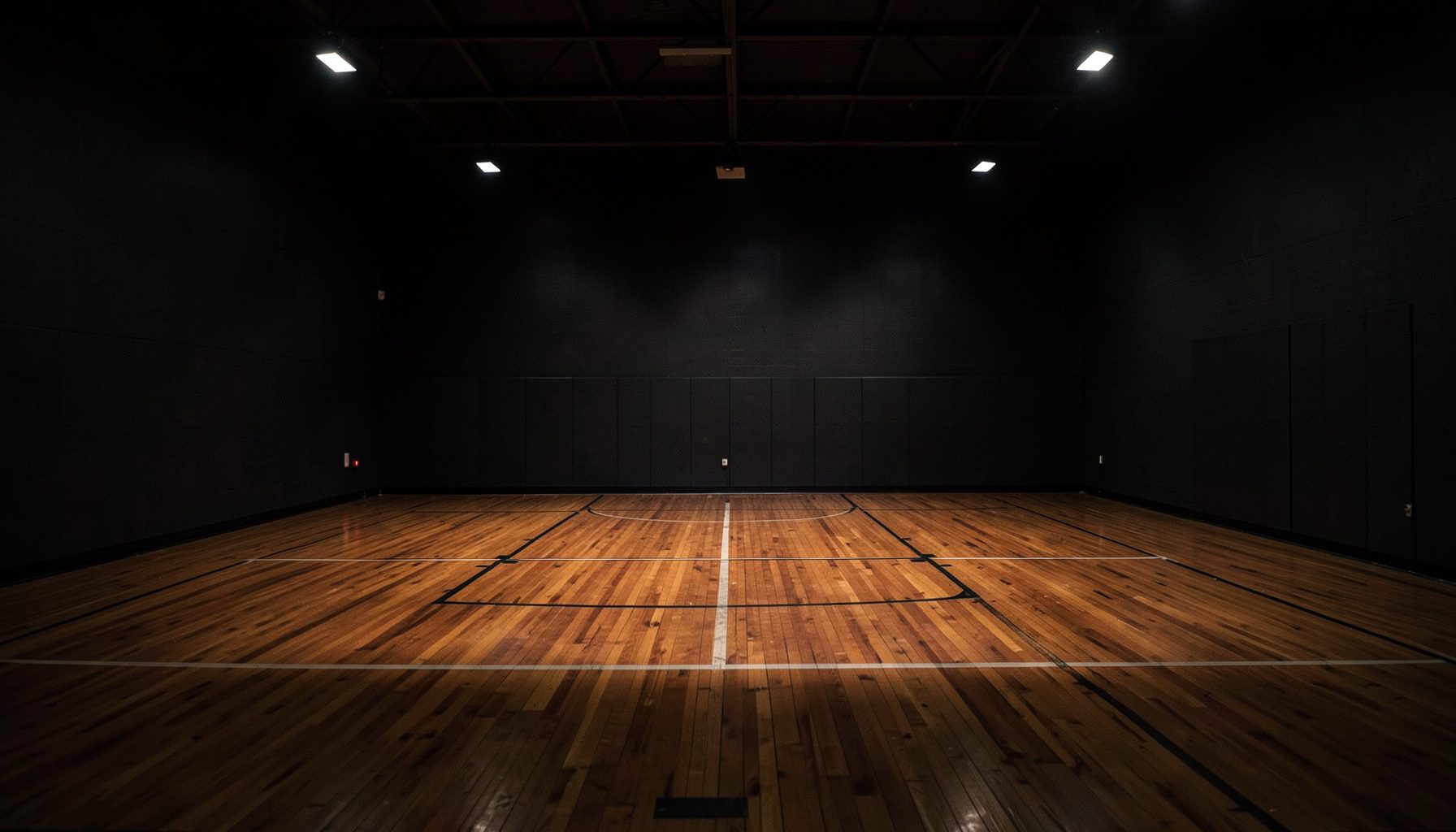
The Factory D1 Indy brings together three entities under one roof: competitive basketball leagues for all age groups, individual and group training, and wellness & recovery services including Normatec boot recovery and cryotherapy. Located off I-465 and High School Road at 6331 Crawfordsville Road, Speedway, Indiana 46224.
Get In TouchHow Normatec Supports Post-Game Recovery
A demanding basketball game places repeated stress on the legs, hips, and lower back. Sprinting, jumping, cutting, and physical contact can leave athletes with heavy legs, temporary swelling, and muscle soreness that may affect the next practice or competition. A thoughtful recovery routine helps the body transition from high effort back to normal activity.
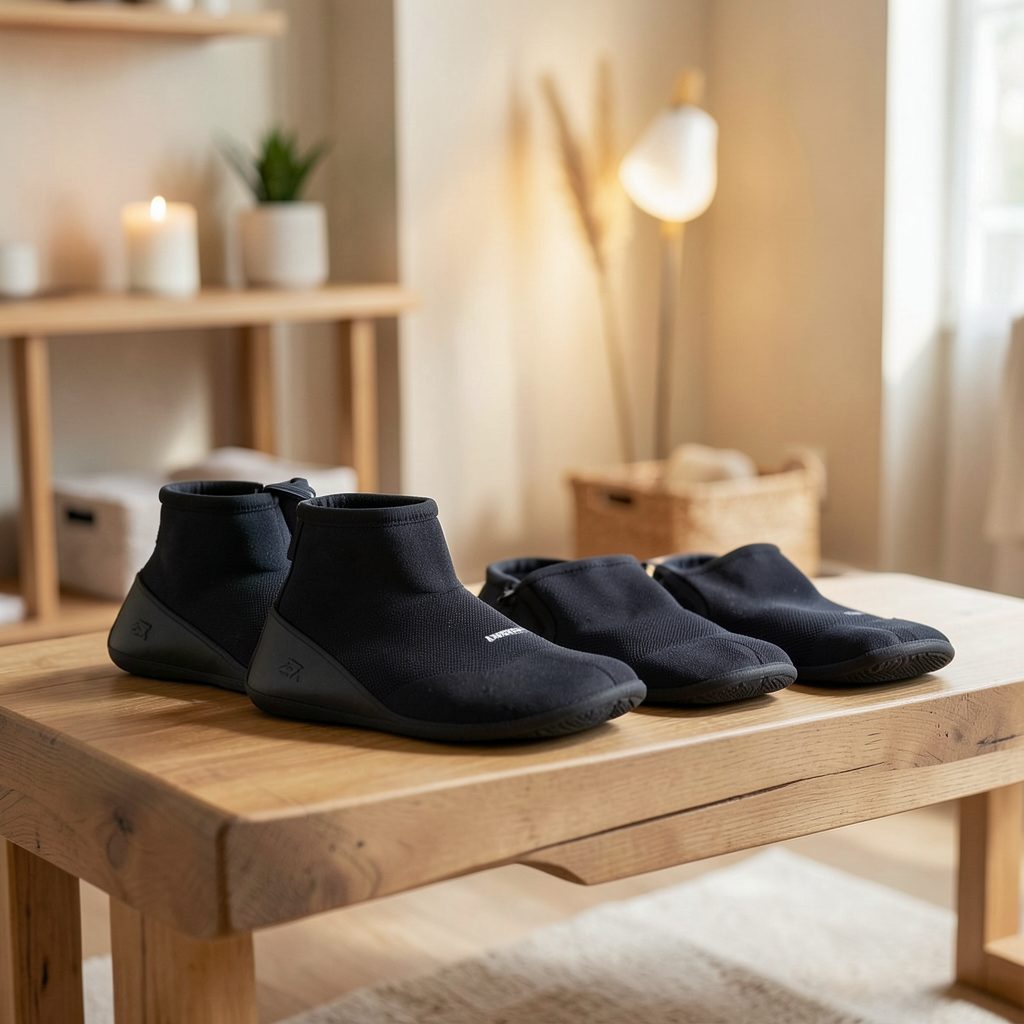
Normatec compression therapy uses inflatable sleeves to deliver dynamic pneumatic compression to the limbs. The sleeves apply pressure in sections, generally moving from the feet or lower legs upward. This sensation resembles a structured massage and can support circulation while an athlete rests.
For players training at The Factory D1 Indy, recovery can be part of the same athletic routine as skill work, league competition, cycling, and conditioning. Understanding how compression fits into post-game care makes it easier to use the treatment appropriately and pair it with hydration, nutrition, sleep, and light movement.
What Happens After A Hard Game
During a game, working muscles need a steady supply of oxygen and nutrients. They also produce metabolic byproducts as energy demands rise. Once the final whistle blows, the body begins restoring normal circulation, repairing stressed tissue, and replenishing energy stores. That process takes time, especially after an intense tournament, overtime game, or back-to-back schedule.
Many athletes describe the immediate aftermath as a feeling of tightness or heaviness. The sensation can be more noticeable in the calves, quadriceps, hamstrings, and feet. Temporary fluid accumulation may contribute to that heavy feeling, particularly when an athlete stops moving suddenly after prolonged activity.
Compression does not erase soreness or repair an injury by itself. Its role is more practical: it can provide a comfortable, passive recovery method that supports circulation while the athlete relaxes. Used alongside proven recovery habits, it may help players feel more prepared for their next session.
How Dynamic Compression Works
Normatec boots or sleeves contain overlapping air chambers. These chambers inflate and release in sequence, creating a wave-like pressure pattern that moves along the limb. The changing pressure may encourage venous return and help move fluid away from areas that feel congested after exercise.
The treatment is adjustable, so athletes can select a duration and intensity that feel appropriate. A comfortable session should feel supportive rather than painful, numb, or excessively tight. More pressure is not automatically better, and first-time users should follow facility guidance instead of choosing the highest setting.
The experience is also useful because it creates a designated pause after competition. Sitting quietly with the legs supported can help an athlete shift from game intensity into recovery mode. That break may encourage better hydration, breathing, and awareness of soreness before the next demanding activity.
Benefits For Basketball Athletes
The most noticeable benefit for many players is a refreshed feeling in the legs. Compression may help reduce the sensation of post-game heaviness and support normal fluid movement. This can be valuable for athletes who have spent several hours standing, traveling, or playing multiple games in one day.
A session may also complement a cool-down. Light walking and mobility work keep the body moving, while compression provides a passive component once the athlete is seated. Together, these strategies can support circulation without adding another strenuous workout to an already tired body.
Consistent recovery habits may improve training readiness over time. That does not mean Normatec guarantees faster recovery or prevents soreness. Instead, it offers athletes a convenient tool for managing the normal demands of basketball, particularly when used as part of a broader plan involving sleep, balanced meals, fluids, and appropriate rest.
Athletes and families can explore recovery and training resources to learn more about building sustainable routines around performance. Recovery is most effective when it is treated as a regular part of preparation rather than an emergency response to exhaustion.
When To Use Compression Therapy
Many athletes use pneumatic compression after a game, practice, tournament day, or demanding conditioning session. A brief session after a cool-down can be a practical option when the legs feel tired but there is no sign of acute injury. It can also fit into a travel-day routine when sitting for long periods contributes to stiffness.
Timing should match the athlete’s needs and schedule. Some players prefer compression soon after activity, while others use it later in the day after eating and rehydrating. The goal is to support comfort and recovery without delaying essential tasks such as replacing fluids, consuming protein and carbohydrates, or getting adequate sleep.
Compression therapy is not appropriate for every person. Athletes with suspected blood clots, serious circulation problems, uncontrolled cardiovascular conditions, acute infection, open wounds, or certain medical conditions should seek professional guidance before using it. Pain, unusual swelling, skin discoloration, shortness of breath, or one-sided symptoms require medical attention rather than a recovery session.
Comparing Common Recovery Tools
Different recovery methods serve different purposes. Normatec may be especially convenient when an athlete wants a low-effort option after competition, but it should not replace medical evaluation, movement, or basic recovery needs.
| Recovery method | Primary purpose | Best fit after a game | Important consideration |
|---|---|---|---|
| Normatec compression | Supports circulation and fluid movement through sequential pressure | Heavy or tired legs while resting | Use a comfortable setting and follow safety guidance |
| Easy walking | Maintains gentle movement and supports a gradual cool-down | Immediately after play | Keep the pace light and stop if pain increases |
| Mobility exercises | Promotes comfortable range of motion | Tight hips, calves, or hamstrings | Avoid forcing painful stretches |
| Hydration and nutrition | Replaces fluids and supports tissue repair | Every demanding session | Include appropriate fluids, carbohydrates, and protein |
| Sleep and rest | Allows broad physical and mental recovery | After all training and competition | Consistency matters more than a single long night |
The strongest approach usually combines several simple methods rather than relying on one device. For example, a player might walk for several minutes, drink fluids, eat a balanced snack, complete a compression session, and then prioritize sleep. The sequence can change based on the schedule, but the fundamentals remain important.
Build A Practical Post-Game Routine
A recovery plan should be realistic enough to repeat. Athletes who play in youth leagues, adult competitions, or high-volume training environments may benefit from a routine that takes place in stages rather than trying to complete everything at once.
Use these guidelines to make compression therapy more useful:
- Cool down with easy walking before sitting for a session.
- Rehydrate and eat a balanced recovery meal or snack.
- Select a comfortable compression setting instead of chasing maximum pressure.
- Pair treatment with gentle breathing, relaxation, or light mobility.
- Track how your legs feel before and the following day so your routine can be adjusted.
Younger athletes should use recovery services with appropriate adult and facility guidance. Coaches and parents can help players recognize the difference between ordinary post-game fatigue and symptoms that need medical evaluation. Adults should also account for existing health conditions, medications, and advice from a qualified healthcare professional.
The Factory D1 Indy’s athletic environment makes it possible to think about recovery as part of the complete training cycle. Skill development and competition create the stimulus, while rest and recovery help athletes return ready to perform. Compression can support that process when it is used thoughtfully and consistently.
A post-game recovery session is an opportunity to take care of the body before the next practice, league matchup, or training block. Visit The Factory D1 Indy to learn how Normatec services can fit your routine, and contact the facility for current information about availability and scheduling.
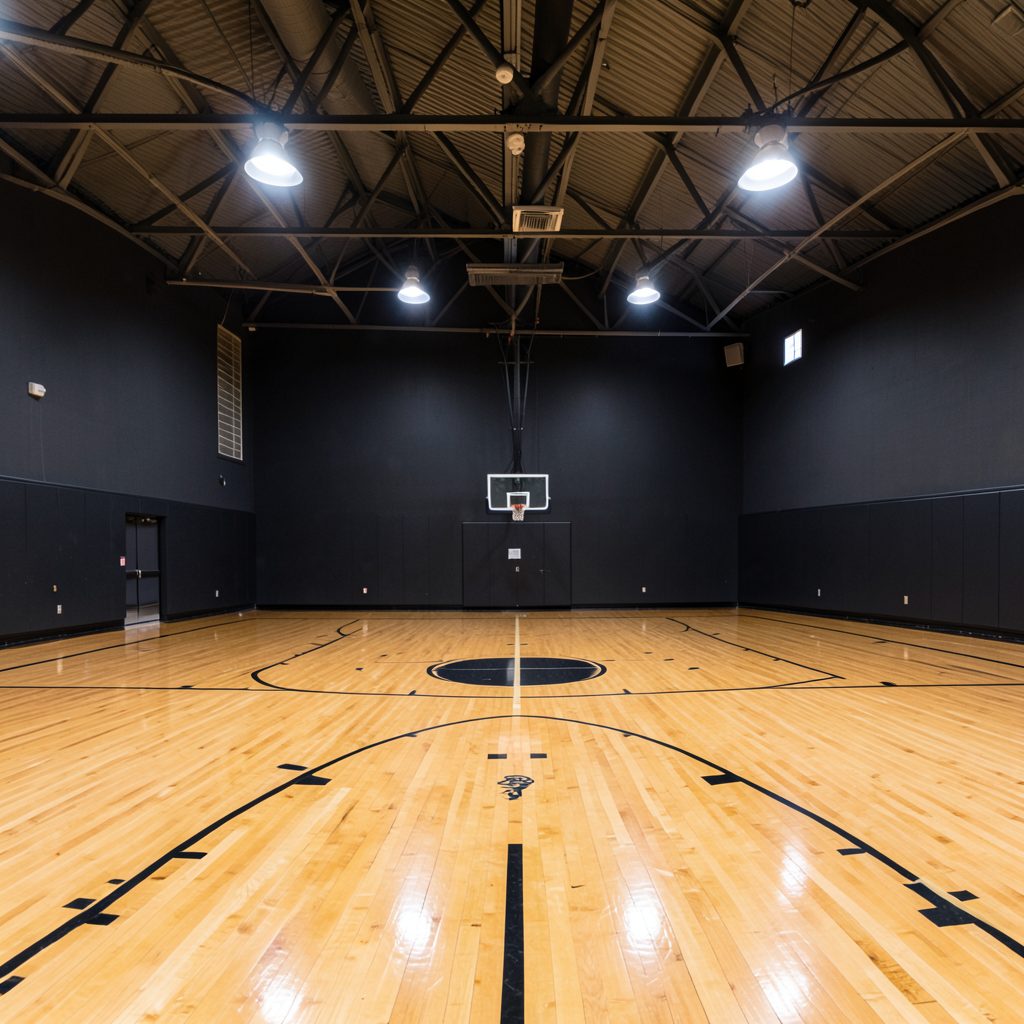
Inside The Factory
Three Entities, One Roof
Leagues
Eight league divisions span every age group: Indy Pro AM, 18+ Open Men's, 30+ Men's, Bite Size (ages 3–6), Impact League, 5th/6th Grade, Middle School, and High School. Gather your team and compete.
Training
Individual and group basketball training for all skill levels. Major M.O.V.E.S. Basketball Training serves ages 4–7 on Wednesday and Thursday evenings at 6:30 PM — $30 per session or $100 unlimited monthly.
Wellness & Recovery
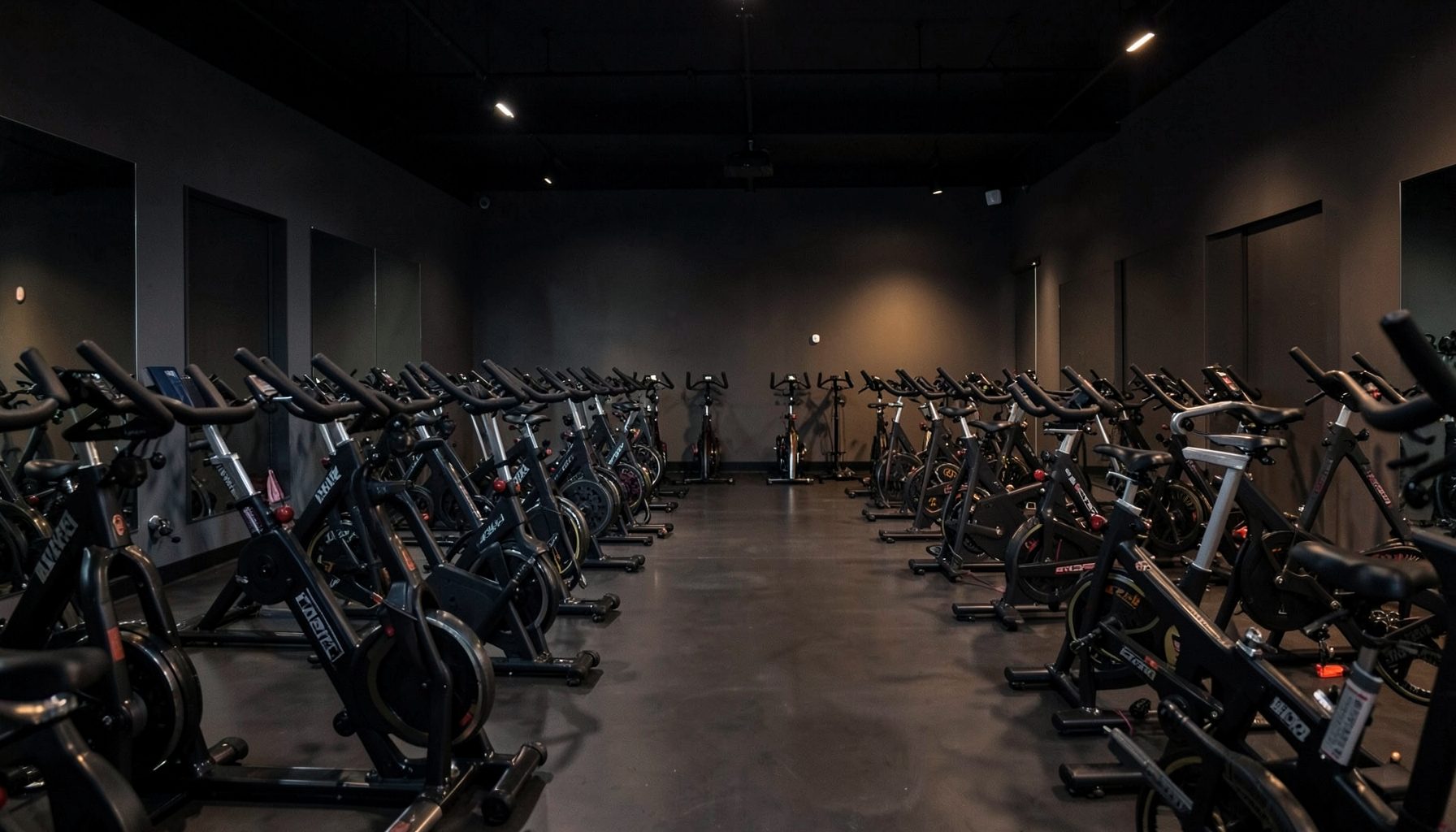
Normatec boot recovery and cryotherapy treatments help athletes bounce back faster. Cycle and spin classes add a cardio dimension to the holistic performance approach.
Have a Question?