Train. Compete. Recover.
A multi-purpose athletic facility in Speedway, Indiana — basketball leagues, skill training, and wellness services all under one roof.
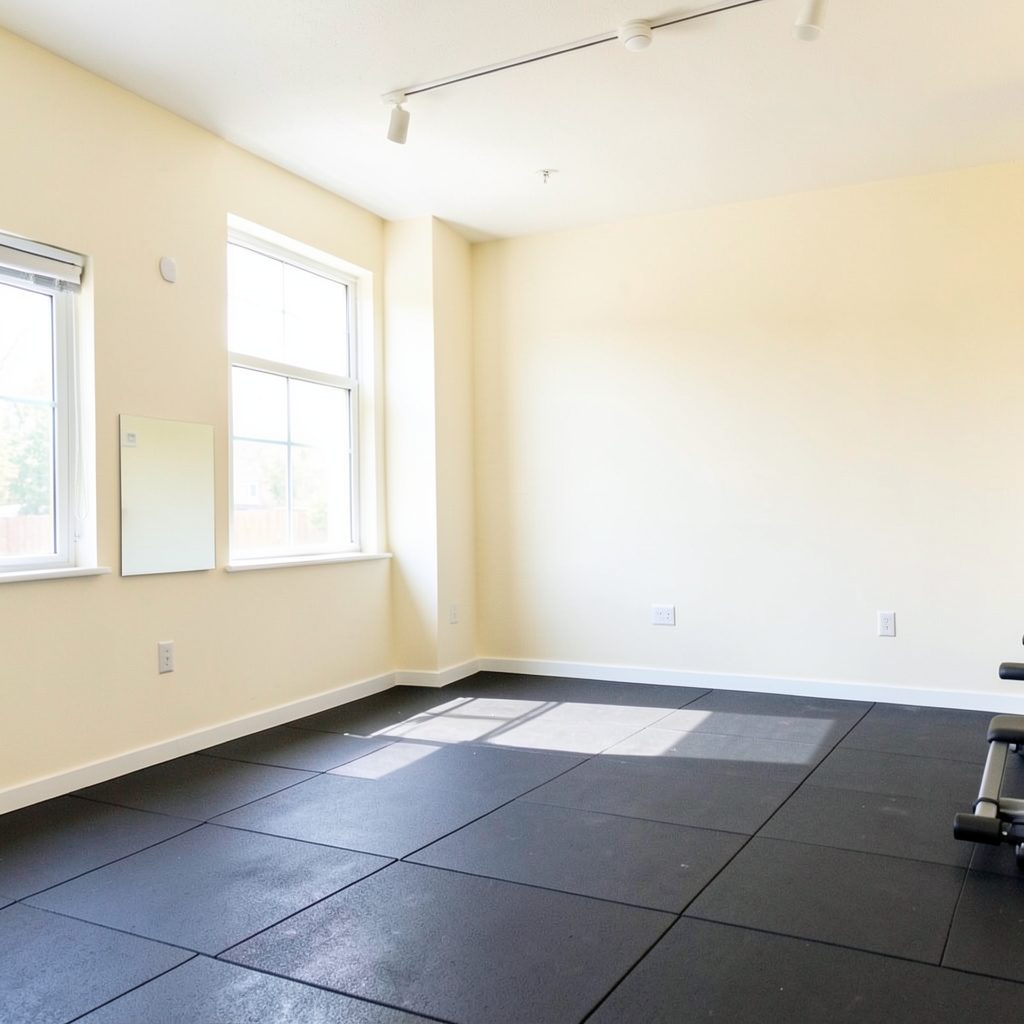
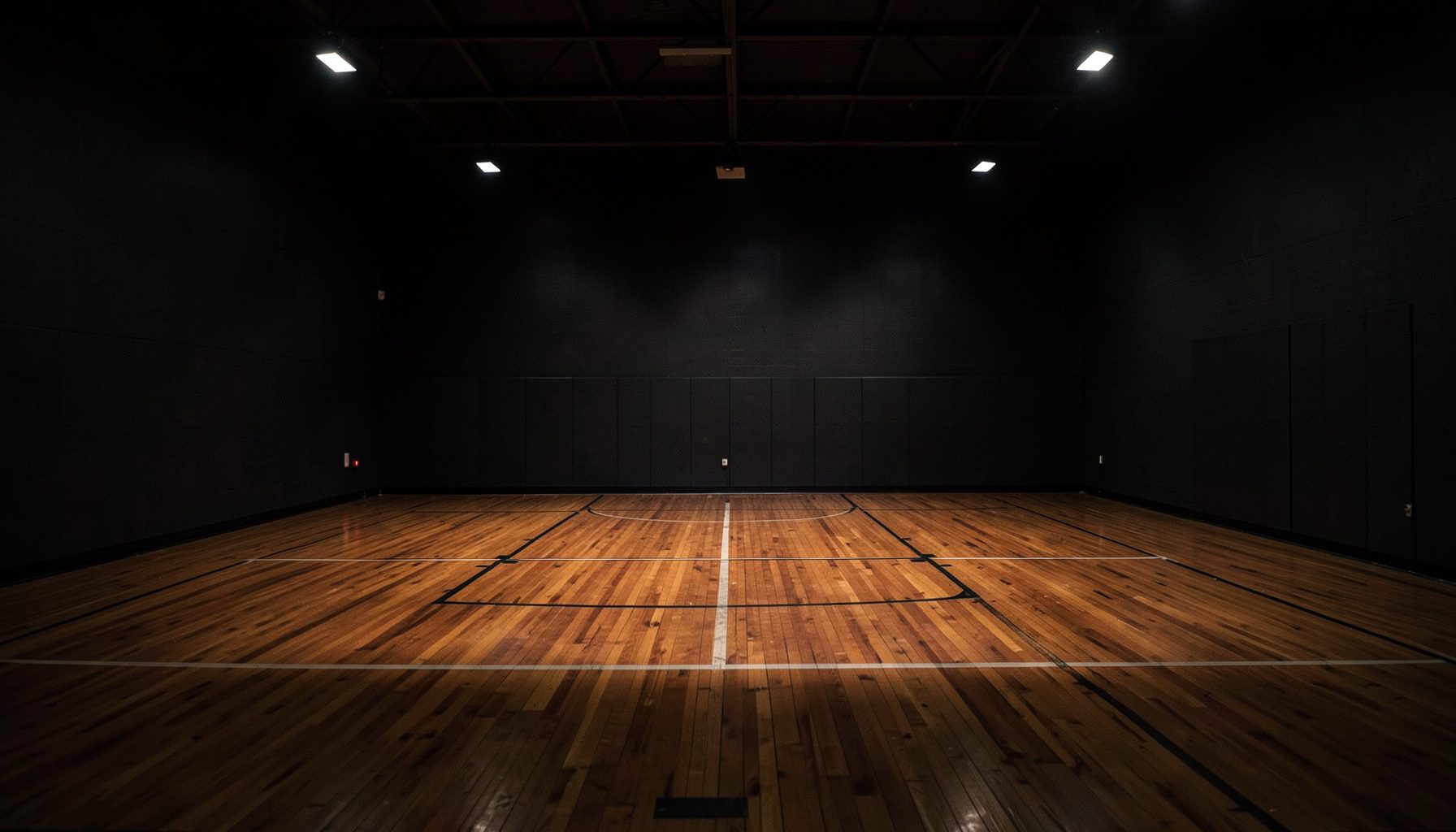
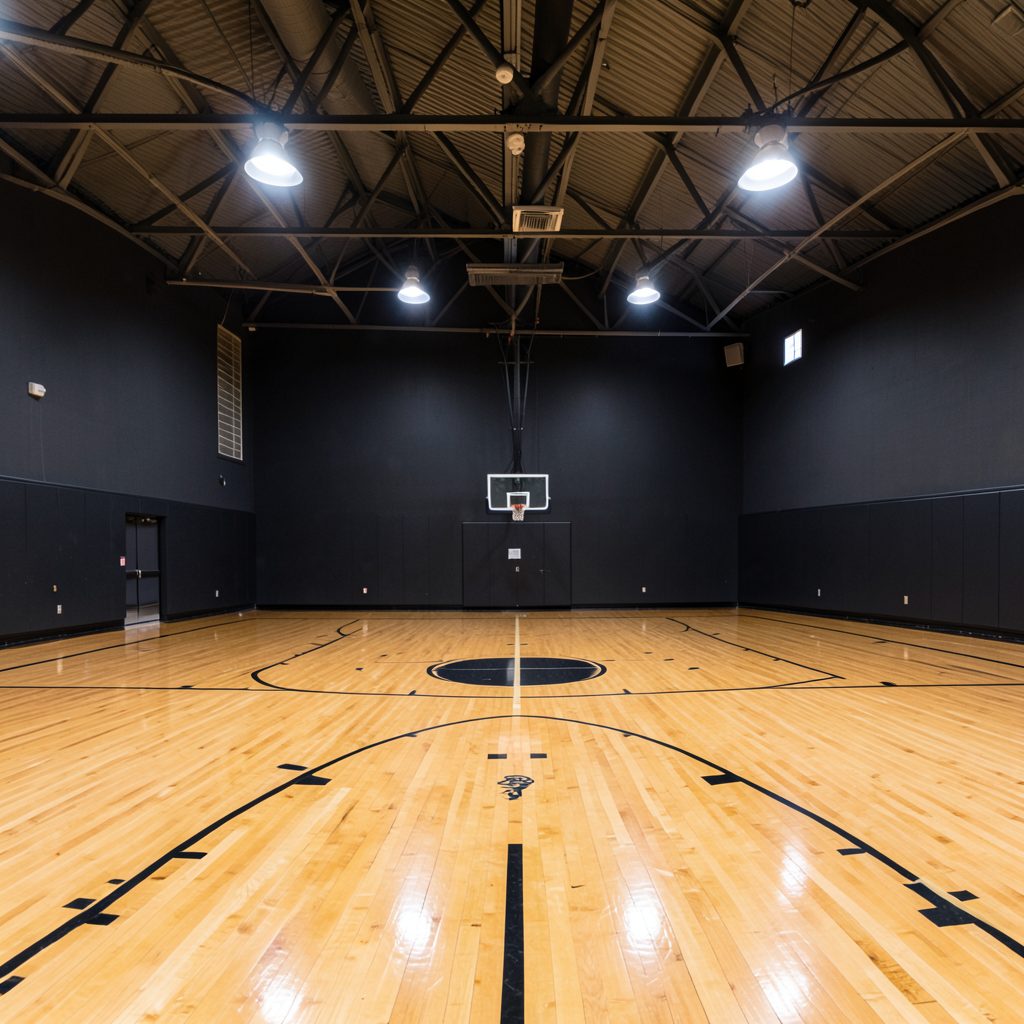
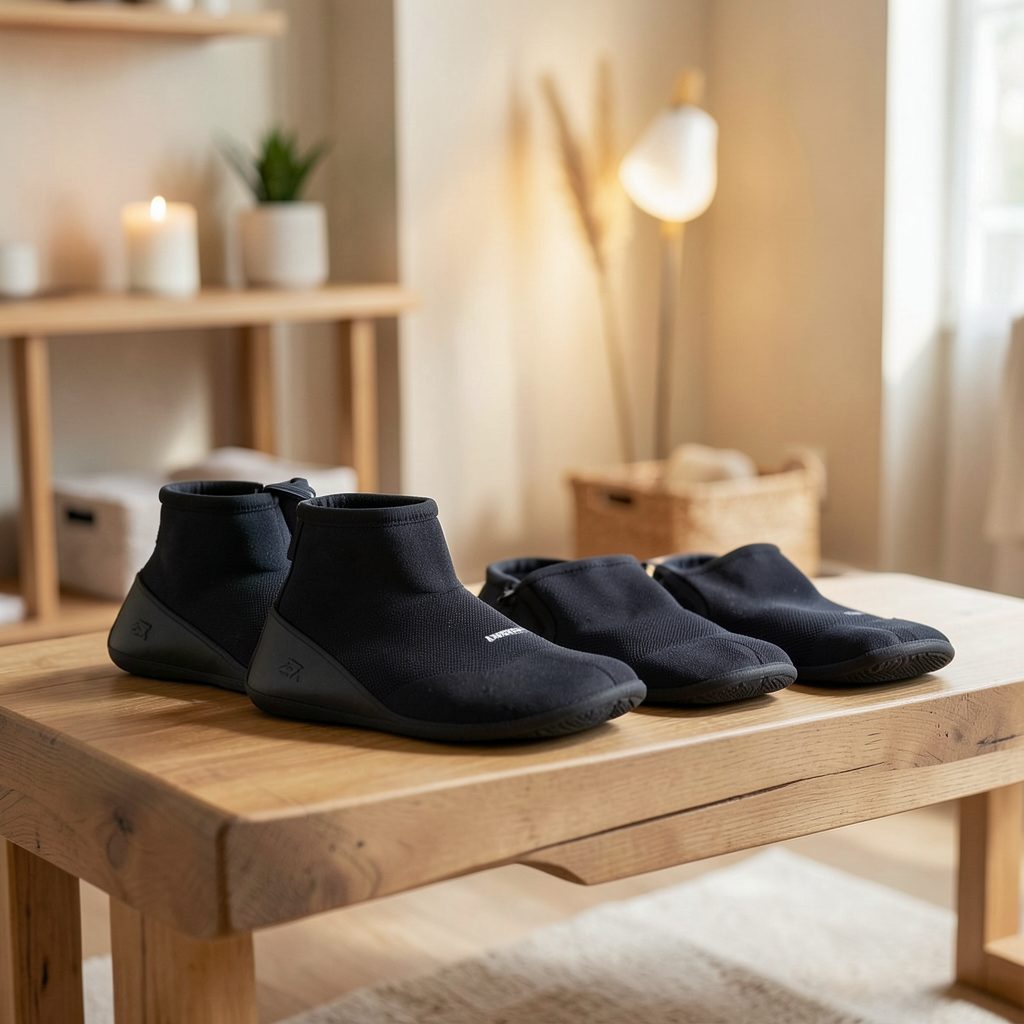
The Factory D1 Indy brings together three entities under one roof: competitive basketball leagues for all age groups, individual and group training, and wellness & recovery services including Normatec boot recovery and cryotherapy. Located off I-465 and High School Road at 6331 Crawfordsville Road, Speedway, Indiana 46224.
Get In TouchSmart Post-Workout Snacks for Basketball Athletes
Basketball demands repeated bursts of speed, jumping, contact, and concentration. After practice or a game, the body needs more than a quick drink of water. A well-chosen recovery snack can help restore muscle glycogen, provide amino acids for tissue repair, and replace fluids and electrolytes lost through sweat.
The best post-workout snacks for basketball athletes are convenient, balanced, and matched to the intensity of the session. A player leaving a light shooting workout may need less food than someone finishing a full-court game or a demanding strength session. Portion size, timing, and personal tolerance all matter.
Recovery nutrition also supports consistency. When athletes refuel effectively, they are better prepared for the next practice, league game, cycle class, or training session. The goal is not complicated meal preparation; it is creating reliable habits that combine carbohydrates, protein, hydration, and practical convenience.
Why Recovery Nutrition Matters
Basketball uses carbohydrates as a major fuel source during sprinting, defensive slides, fast breaks, and repeated jumps. Those carbohydrates are stored in muscles as glycogen. Eating a carbohydrate-rich snack after exercise helps begin replenishing those stores, especially when another demanding session is scheduled within the next day.
Protein plays a different role. It supplies amino acids that support muscle repair and adaptation after training. A snack containing both carbohydrates and protein is often more useful than a high-protein food alone because it addresses energy restoration as well as recovery.
Fluids are part of the process, too. Sweat losses can affect energy, concentration, and physical performance. Water is suitable for many workouts, while an electrolyte beverage may be useful after prolonged, hot, or especially sweaty sessions. Athletes should avoid treating thirst, fatigue, and hunger as separate concerns when all three may reflect incomplete recovery.
Build A Balanced Recovery Snack
A simple formula is to pair a carbohydrate source with a quality protein source. Fruit, oats, whole-grain bread, cereal, rice cakes, or pretzels can supply carbohydrates. Greek yogurt, milk, cottage cheese, eggs, lean turkey, tofu, or a protein shake can add protein.
For a regular practice, a moderate snack may be enough. Examples include Greek yogurt with berries, chocolate milk and a banana, or whole-grain toast with peanut butter. These options are portable and require little preparation, making them practical for athletes who leave the court and head directly to school, work, or another commitment.
After a long game or intense conditioning session, athletes may need a larger snack or a complete meal. A turkey and rice bowl, chicken wrap with fruit, or smoothie made with milk, banana, oats, and Greek yogurt can provide more substantial recovery nutrition. Healthy fats are valuable in the overall diet, although extremely fatty foods may digest slowly immediately after exercise.
Convenient Snacks For The Gym Bag
Portability often determines whether a recovery plan actually happens. Shelf-stable items such as whole-grain crackers, pretzels, trail mix, tuna packets, roasted chickpeas, and single-serving protein bars can remain in a gym bag. Add a piece of fruit or a carton of milk when refrigeration is available.
Smoothies are another flexible choice. A basic basketball recovery smoothie can include milk or fortified soy milk, frozen fruit, oats, and Greek yogurt. Athletes who prefer dairy-free options can use soy yogurt or a plant-based protein powder. Including carbohydrates is important; a shake made only with protein may not fully replace the energy used during competition.
For younger players, familiar foods are usually more successful than elaborate recipes. A banana with a cheese stick, a peanut butter sandwich, or yogurt with granola can be easier to eat after practice. Families should also account for allergies, school rules, and food safety when packing snacks for youth basketball programs.
Comparing Common Recovery Choices
Different snacks provide different combinations of energy, protein, fluid, and convenience. The best choice depends on workout duration, appetite, access to refrigeration, and how soon the athlete must perform again.
| Snack Choice | Main Benefits | Best Use | Practical Note |
|---|---|---|---|
| Chocolate milk and banana | Carbohydrates, protein, fluid | After games or hard practices | Easy to drink when appetite is low |
| Greek yogurt with berries | Protein and carbohydrates | After moderate training | Keep chilled |
| Turkey sandwich | Substantial carbohydrates and protein | After long sessions | Works as a small meal |
| Smoothie with oats and milk | Fluid, carbohydrates, and protein | Busy schedules | Customize for allergies and taste |
| Apple with peanut butter | Carbohydrates, fat, and some protein | Light workouts or snacks between activities | Add yogurt or milk for more protein |
| Pretzels and a protein shake | Fast carbohydrates and protein | Immediately after intense exercise | Include water or electrolytes |
No single food is essential. Athletes can rotate options to prevent food fatigue and choose according to what feels comfortable. If a large snack causes stomach discomfort, start with a smaller portion soon after training and eat a balanced meal later.
Timing, Hydration, And Portion Size
A recovery snack is useful within the first couple of hours after exercise, with earlier intake becoming more important when the session was long, intense, or followed by another event. Athletes do not need to panic if they cannot eat immediately, but delaying food for many hours can make it harder to restore energy and meet daily nutrition needs.
Hydration should begin during the workout rather than waiting until the final whistle. Water is a dependable everyday option. Electrolytes may be helpful during extended practices, tournaments, summer outdoor sessions, or workouts that produce heavy sweat. Athletes should avoid assuming that every training session requires a sugary sports drink.
Recovery can also include professional wellness support. After demanding competition, athletes may explore wellness and recovery services such as compression therapy or cryotherapy, while continuing to treat nutrition, sleep, and hydration as the foundation of preparation.
Match Food To The Training Session
A light skill workout focused on shooting mechanics may require a smaller snack than a high-volume conditioning session. For moderate training, fruit with yogurt, cereal with milk, or a sandwich half may be sufficient. The athlete’s hunger and the rest of the day’s meals should guide the final portion.
Tournament days require more planning. Pack several carbohydrate-focused options, a protein source, water, and foods that are familiar and easy to digest. Bananas, applesauce pouches, sandwiches, rice cakes, low-fat yogurt, and pretzels can help athletes refuel between games without relying entirely on concession-stand food.
After evening leagues, a balanced dinner may serve as the post-workout meal. Include a carbohydrate such as potatoes, rice, pasta, or tortillas; a protein such as chicken, beans, fish, eggs, or tofu; and produce for vitamins, minerals, and fiber. This approach supports athletes competing at every level, from youth divisions to adult basketball leagues at a community-focused facility like the basketball training hub.
Practical Choices To Keep Ready
A strong recovery routine becomes easier when snacks are planned before practice instead of selected while tired and hungry. Stock a few options at home, keep nonperishable foods in the car when safe, and place chilled items in an insulated bag with an ice pack.
Athletes should test foods during ordinary practices rather than trying something unfamiliar before an important game. Digestive comfort matters, and individual needs vary according to age, body size, training load, allergies, and dietary preferences.
- Pair carbohydrates with protein after demanding basketball sessions.
- Keep portable options such as fruit, pretzels, sandwiches, and protein drinks available.
- Drink water regularly and consider electrolytes during long or especially sweaty workouts.
- Choose a larger recovery meal after games, tournaments, or extended conditioning.
- Practice the same fueling routine during training that you plan to use in competition.
Make post-workout nutrition part of the routine at every practice and game. Prepare one reliable snack before heading to the court, replace fluids as the session ends, and use the next meal to complete recovery. With consistent fueling alongside quality training and rest, basketball athletes can arrive better prepared for their next opportunity to compete.
Inside The Factory

Three Entities, One Roof
Leagues
Eight league divisions span every age group: Indy Pro AM, 18+ Open Men's, 30+ Men's, Bite Size (ages 3–6), Impact League, 5th/6th Grade, Middle School, and High School. Gather your team and compete.
Training
Individual and group basketball training for all skill levels. Major M.O.V.E.S. Basketball Training serves ages 4–7 on Wednesday and Thursday evenings at 6:30 PM — $30 per session or $100 unlimited monthly.
Wellness & Recovery
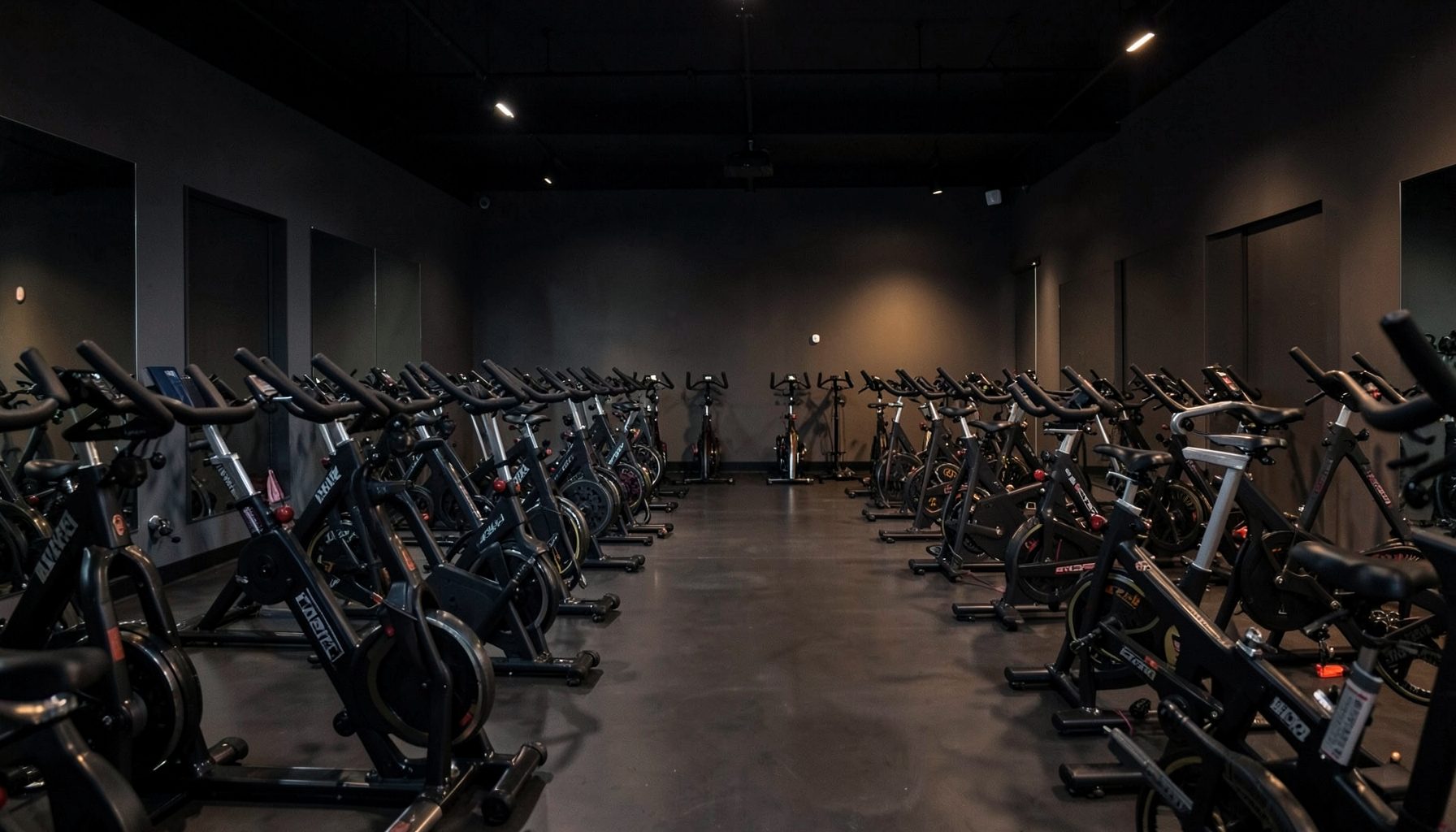
Normatec boot recovery and cryotherapy treatments help athletes bounce back faster. Cycle and spin classes add a cardio dimension to the holistic performance approach.
Have a Question?