Train. Compete. Recover.
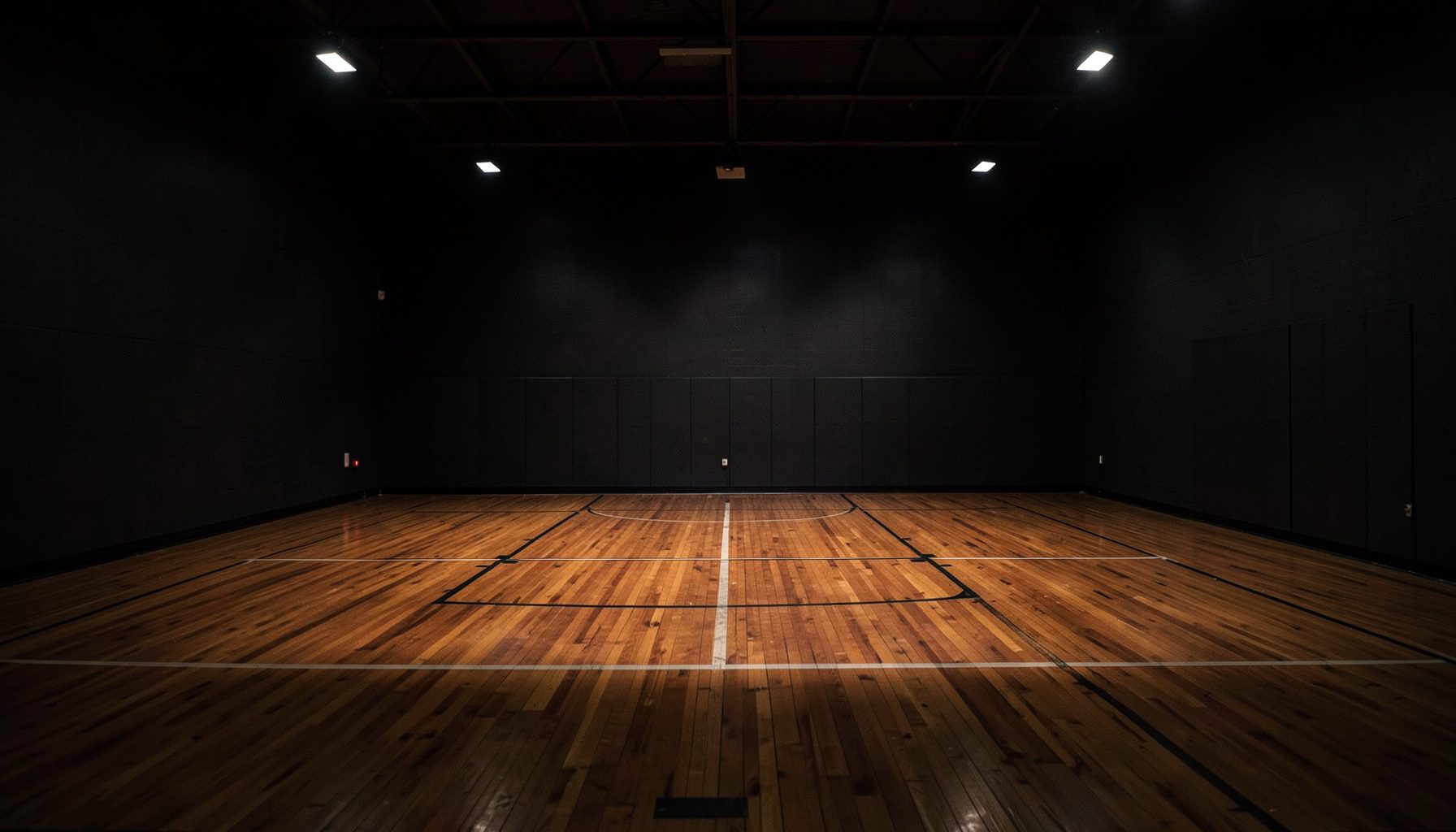
A multi-purpose athletic facility in Speedway, Indiana — basketball leagues, skill training, and wellness services all under one roof.
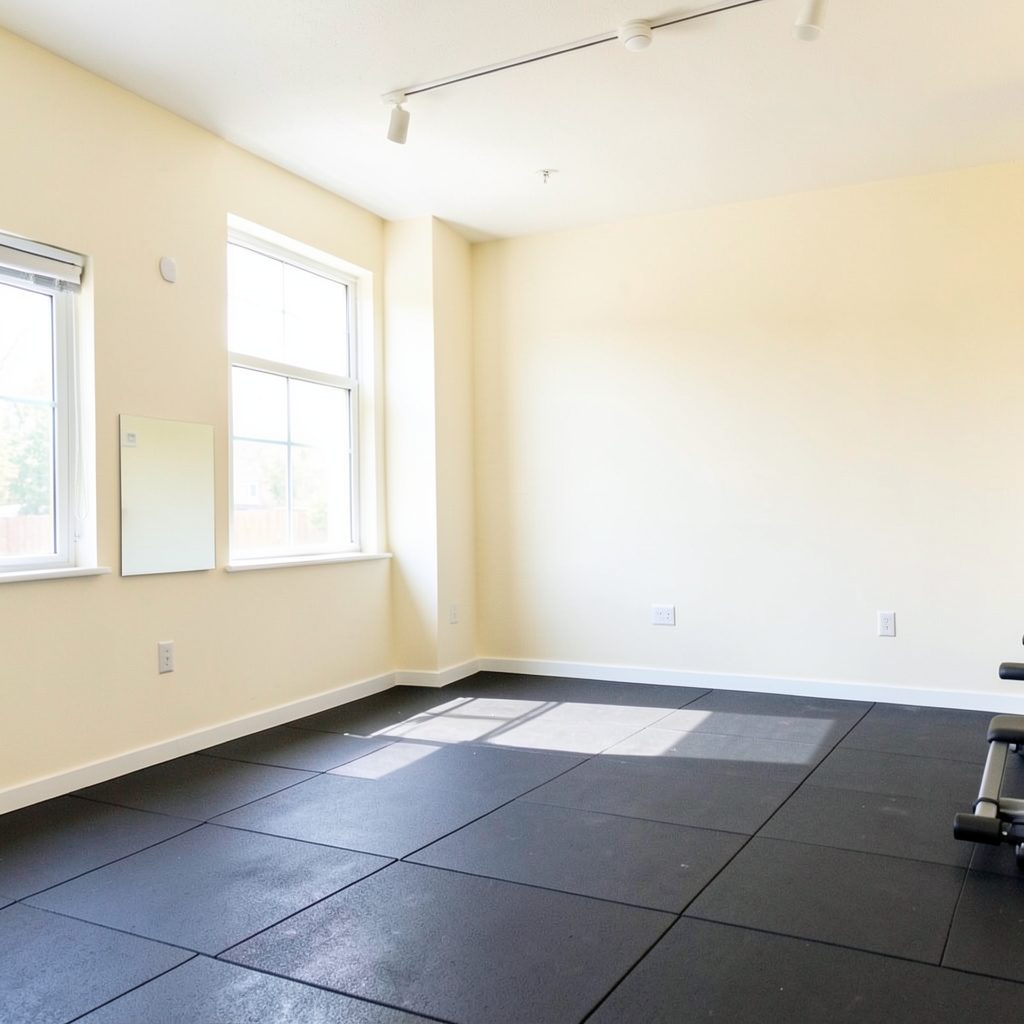
The Factory D1 Indy brings together three entities under one roof: competitive basketball leagues for all age groups, individual and group training, and wellness & recovery services including Normatec boot recovery and cryotherapy. Located off I-465 and High School Road at 6331 Crawfordsville Road, Speedway, Indiana 46224.
Get In TouchThe Best Stretches for Cyclists and Basketball Players Alike
Cycling and basketball place different demands on the body, yet both rely on mobile hips, strong legs, and a stable core. A cyclist may hold a compact position for long periods, while a basketball player repeatedly sprints, jumps, stops, and changes direction. In both cases, tight muscles can limit movement quality and contribute to discomfort.
A thoughtful stretching routine can improve range of motion, support better mechanics, and help athletes feel prepared for training. The most useful approach combines dynamic mobility before activity with slower static stretches after practice, competition, or a demanding ride.
At The Factory D1 Indy, athletes can pair basketball development, conditioning, and recovery with a broader wellness routine. The facility’s athletic community includes options for people working toward better performance at many ages and experience levels.
Why Mobility Matters Across Both Sports
Cyclists commonly spend extended time with the hips flexed, the knees moving through a limited range, and the spine held in one position. This can leave the hip flexors, quadriceps, hamstrings, calves, and lower back feeling restricted. Tightness may become more noticeable after a long ride or when transitioning from the bike to everyday movement.
Basketball players need a different kind of mobility. They must lower into defensive stances, absorb landings, accelerate from varied positions, and reach overhead for rebounds or shots. Limited ankle dorsiflexion can affect squatting and jumping, while stiff hips may interfere with lateral movement and landing control.
The goal is not to force extreme flexibility. Instead, athletes should aim for usable range of motion they can control. Consistent mobility work can help create smoother movement patterns without replacing strength training, skill practice, or sound recovery habits.
Dynamic Movements Before Training
Before cycling or basketball, use active movements that gradually raise body temperature. Dynamic stretching prepares the nervous system for motion more effectively than holding long, relaxed positions while cold. Begin with five to ten minutes of easy activity, then move through a controlled sequence.
Walking lunges with an overhead reach are useful for opening the hip flexors while adding trunk and shoulder movement. Keep the front knee aligned with the toes, lightly engage the abdomen, and reach upward without arching the lower back. Alternate sides for eight to ten repetitions.
Leg swings are another simple choice. Hold a wall or rack for balance and swing one leg forward and backward through a comfortable range, followed by gentle side-to-side swings. Keep the movement controlled rather than trying to create maximum height. Ten swings in each direction per leg can prepare the hips for pedaling, sprinting, and defensive movement.
For basketball players, add lateral lunges, bodyweight squats, and ankle rocks. Cyclists may benefit from a few slow reverse lunges and standing torso rotations before mounting the bike. These movements activate the same areas that will be used during training while gradually increasing mobility.
Essential Lower-Body Stretches
The hip flexors deserve attention because they remain shortened during cycling and work intensely during running and jumping. Kneel with one foot forward, tuck the pelvis slightly, and shift the hips forward until a stretch develops in the front of the rear hip. Avoid leaning backward or pushing into pain. Hold for 20 to 30 seconds per side after activity.
A standing or seated hamstring stretch can address the back of the thigh. Keep the spine long and hinge from the hips rather than rounding deeply through the back. The sensation should remain mild to moderate. For athletes with very tight hamstrings, a strap-assisted stretch performed on the back may provide better control.
The quadriceps stretch is especially relevant after cycling, sprinting, and repeated jumping. Stand tall, hold a stable surface, and bring one heel toward the glutes. Keep the knees close and gently draw the pelvis forward. If balance is difficult, perform the stretch lying on one side.
Calf mobility supports efficient pedaling and helps basketball players achieve better depth in squats and defensive positions. A straight-knee calf stretch emphasizes the gastrocnemius, while a slightly bent-knee version reaches deeper toward the soleus. Hold each position for 20 to 30 seconds, keeping the heel connected to the floor.
| Area | Useful Stretch | Best Timing | Primary Benefit |
|---|---|---|---|
| Hip flexors | Half-kneeling hip stretch | After training or riding | Restores hip extension |
| Hamstrings | Supine strap stretch | Cooldown or recovery day | Supports posterior-chain mobility |
| Quadriceps | Standing or side-lying quad stretch | After cycling or jumping | Reduces front-thigh tightness |
| Calves | Wall calf stretch | Before and after activity | Improves ankle movement |
| Glutes | Figure-four stretch | Post-workout | Eases hip and glute tension |
| Inner thighs | Butterfly or lateral lunge hold | Cooldown | Encourages hip opening |
Hips, Glutes, And Inner Thighs
The gluteal muscles help produce force during climbs, accelerations, jumps, and defensive slides. A figure-four stretch can target the outer hip and glutes. Lie on your back, cross one ankle over the opposite thigh, and draw the supporting leg toward your chest. Keep the head and shoulders relaxed.
The seated version works well in a post-ride setting, but athletes should avoid collapsing the chest or forcing the knee downward. The purpose is to create a steady stretch around the hip, not to win a flexibility contest. Two rounds of 20 to 30 seconds per side are generally sufficient.
Basketball players should also include an adductor stretch for the inner thighs. A supported side lunge places one leg straight while the other knee bends, allowing the hips to move back gradually. Another option is the butterfly stretch, performed with the soles of the feet together and the knees resting naturally toward the sides.
Cyclists can benefit from this work because the adductors help stabilize the pelvis during repetitive pedaling. Basketball athletes need inner-thigh mobility for lateral shuffles, wide defensive stances, and controlled changes of direction. Gentle consistency is more useful than aggressive stretching after every session.
Spine, Shoulders, And Upper-Body Mobility
Although the legs perform much of the work, the upper body should not be ignored. Cyclists often maintain a rounded or forward-reaching posture, which can create stiffness across the chest, upper back, neck, and shoulders. Basketball players also need overhead mobility for shooting, passing, rebounding, and defensive contests.
A doorway chest stretch can counter prolonged forward posture. Place the forearms against the sides of a doorway, step forward slowly, and keep the ribs from flaring. The stretch should be felt across the chest and front shoulders. Hold for 20 seconds and repeat once or twice.
For the upper back, use a child’s-pose variation with the hands reaching forward, or perform a quadruped rotation by placing one hand behind the head and rotating the elbow upward. Move slowly and breathe throughout each repetition. These drills encourage thoracic movement without forcing the neck.
A gentle kneeling lat stretch can also support overhead range. Place both hands on a bench or stable surface, sit the hips back, and let the chest lower between the arms. This can be particularly useful after strength work or a long ride with the hands fixed on the handlebars.
Timing, Breathing, And Recovery
Dynamic mobility is best before demanding exercise, while longer static stretches usually fit more comfortably after training. Before a game or ride, prioritize active movements, joint circles, light lunges, and gradually faster sport-specific drills. Save deeper holds for the cooldown, when muscles are warm and the body is moving toward recovery.
Breathe slowly rather than holding your breath. A steady exhale can help reduce unnecessary tension and make it easier to settle into a controlled position. Stretching should feel like mild pulling or pressure, never sharp pain, numbness, tingling, or a sudden catching sensation.
Recovery also includes hydration, adequate sleep, sensible training volume, and days that allow the body to adapt. Some athletes may add compression therapy, cryotherapy, or low-intensity mobility sessions when appropriate. These tools can complement a consistent routine, but they do not replace evaluation when pain persists.
A Practical Routine For Busy Athletes
A short routine is easier to maintain than an elaborate program that gets skipped. Complete the following sequence after a ride, basketball practice, strength workout, or league game. Move gradually and perform both sides evenly.
- Half-kneeling hip flexor stretch for 20 to 30 seconds per side
- Supine figure-four stretch for 20 to 30 seconds per side
- Standing quadriceps stretch for 20 seconds per side
- Straight-knee and bent-knee calf stretches for 20 seconds each
- Doorway chest stretch and upper-back rotation for 6 to 8 controlled repetitions
On training days, finish with relaxed breathing and a few minutes of easy walking. On rest days, use the same sequence at lower intensity to maintain joint motion without creating additional fatigue. Athletes returning from an injury should follow the guidance of a qualified medical or rehabilitation professional and adjust positions to match their needs.
Build the routine around the movements your sport demands most. A cyclist may spend extra time on hip extension, calves, and the chest, while a basketball player may emphasize ankles, adductors, quadriceps, and thoracic rotation. The best stretches are the ones performed consistently, with control and a clear purpose.
Make these mobility exercises part of your weekly training rhythm at The Factory D1 Indy, whether you are preparing for a ride, sharpening basketball skills, joining a league, or supporting your next recovery session. A few focused minutes before and after activity can help you move with greater confidence and stay ready for the work ahead.
Inside The Factory
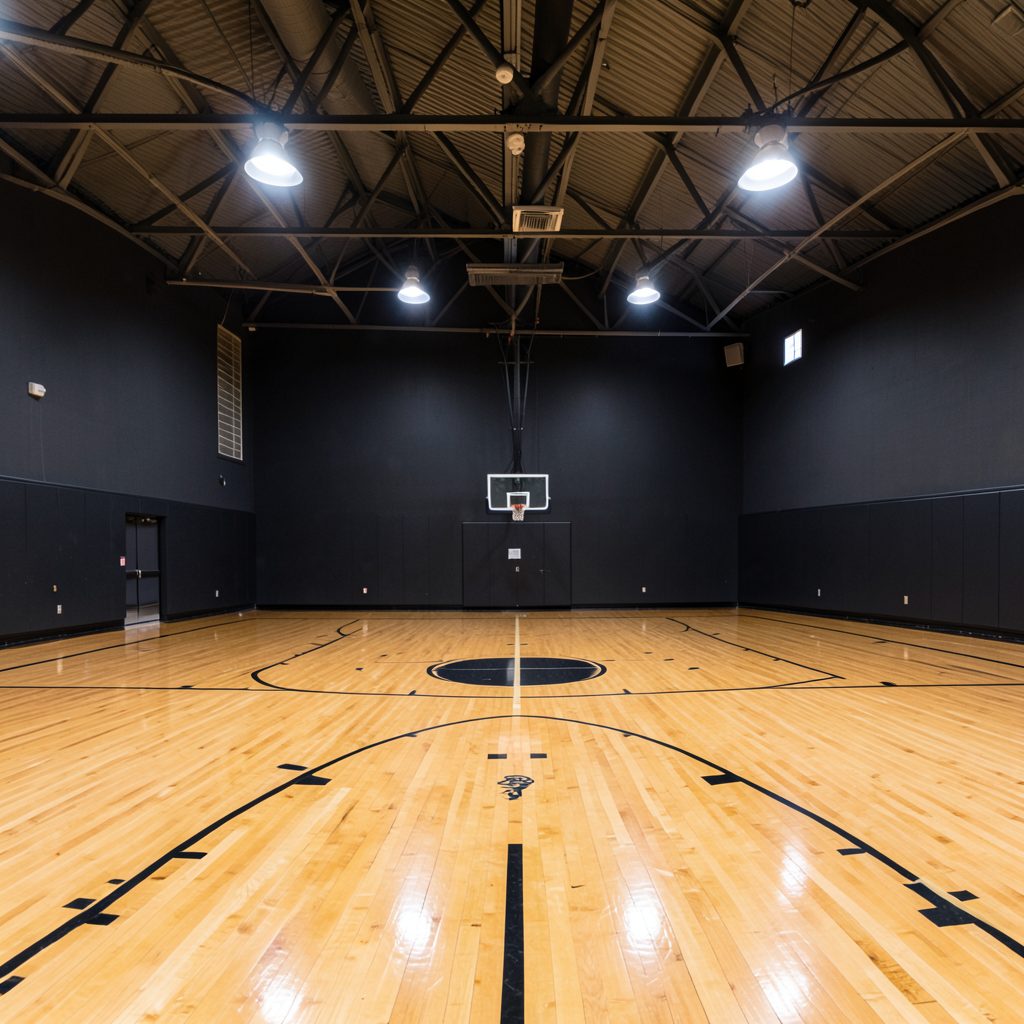

Three Entities, One Roof
Leagues
Eight league divisions span every age group: Indy Pro AM, 18+ Open Men's, 30+ Men's, Bite Size (ages 3–6), Impact League, 5th/6th Grade, Middle School, and High School. Gather your team and compete.
Training
Individual and group basketball training for all skill levels. Major M.O.V.E.S. Basketball Training serves ages 4–7 on Wednesday and Thursday evenings at 6:30 PM — $30 per session or $100 unlimited monthly.
Wellness & Recovery
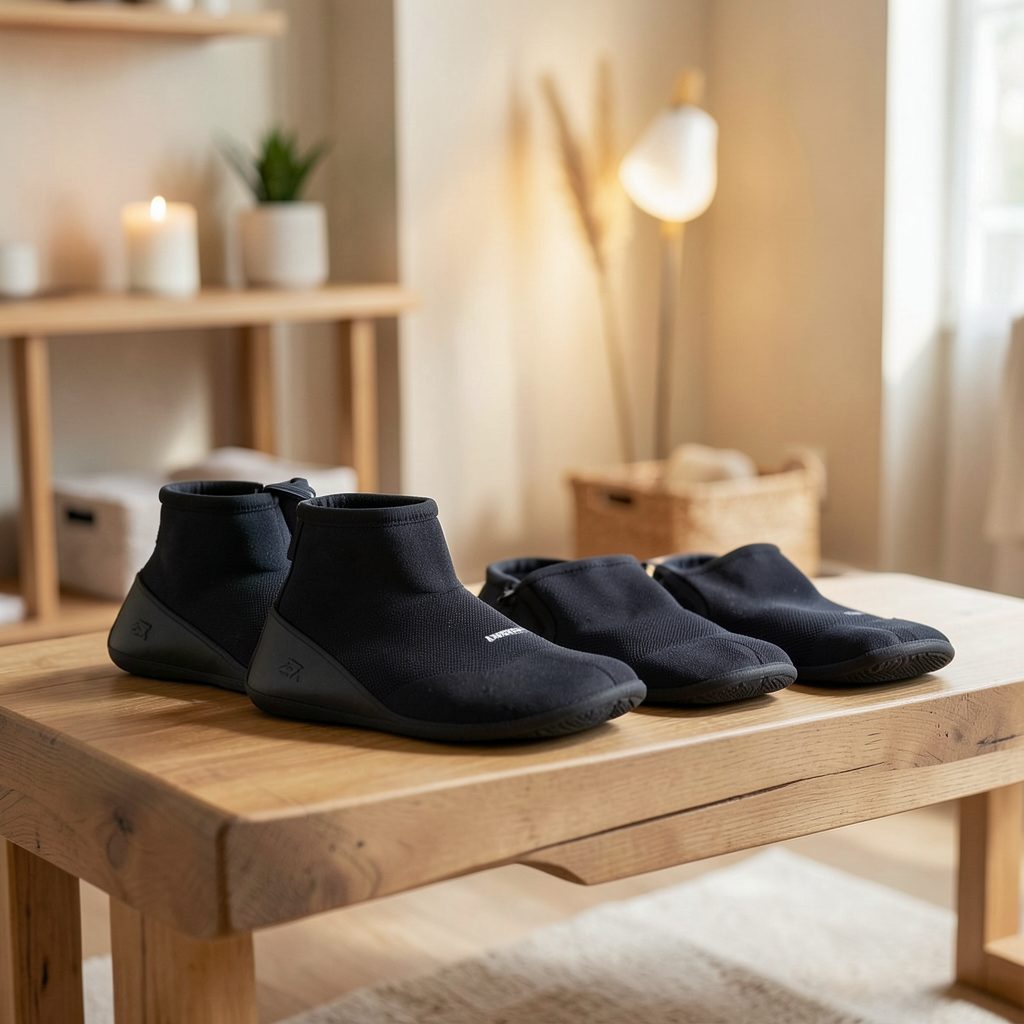
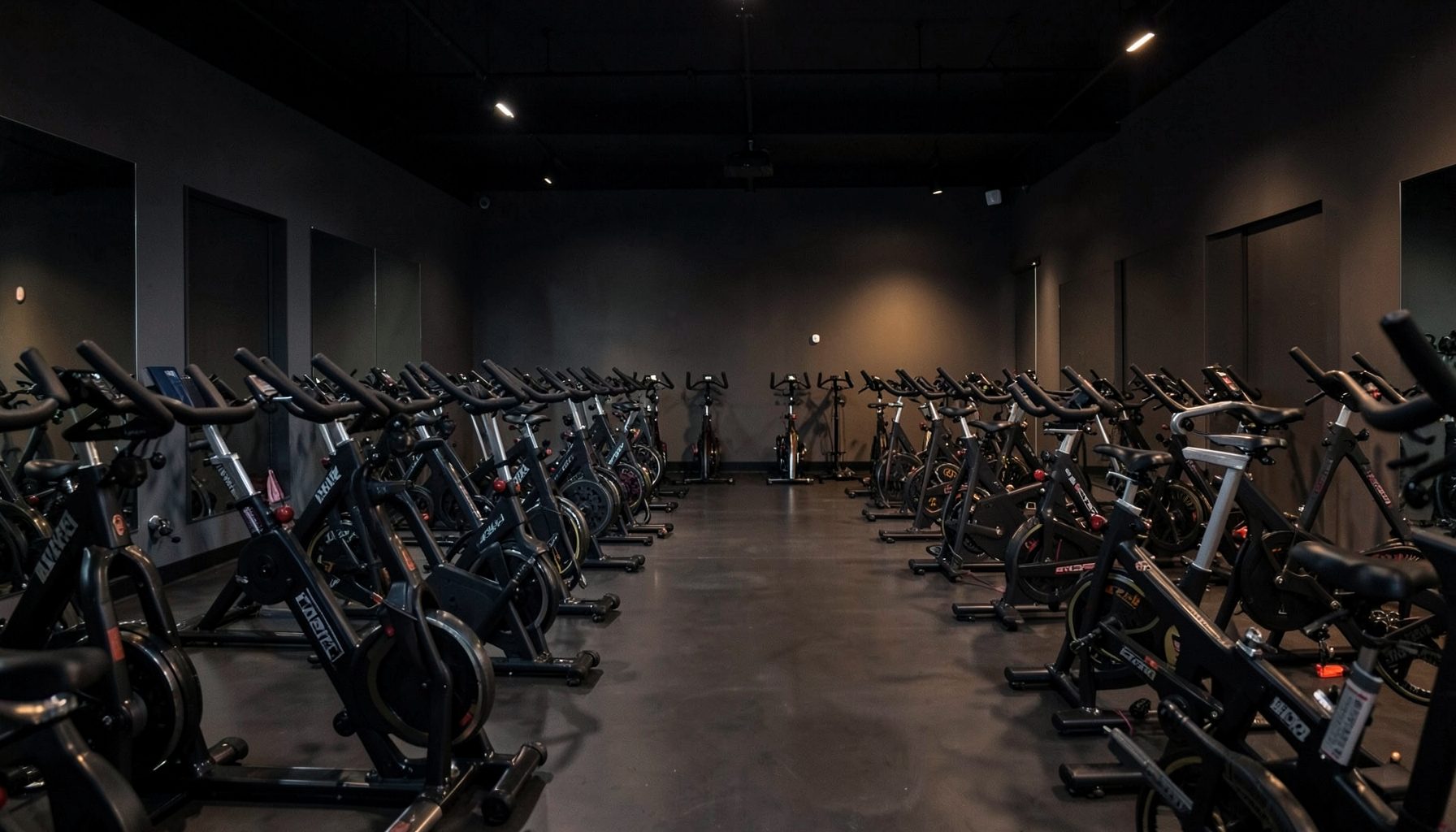
Normatec boot recovery and cryotherapy treatments help athletes bounce back faster. Cycle and spin classes add a cardio dimension to the holistic performance approach.
Have a Question?