Train. Compete. Recover.
A multi-purpose athletic facility in Speedway, Indiana — basketball leagues, skill training, and wellness services all under one roof.
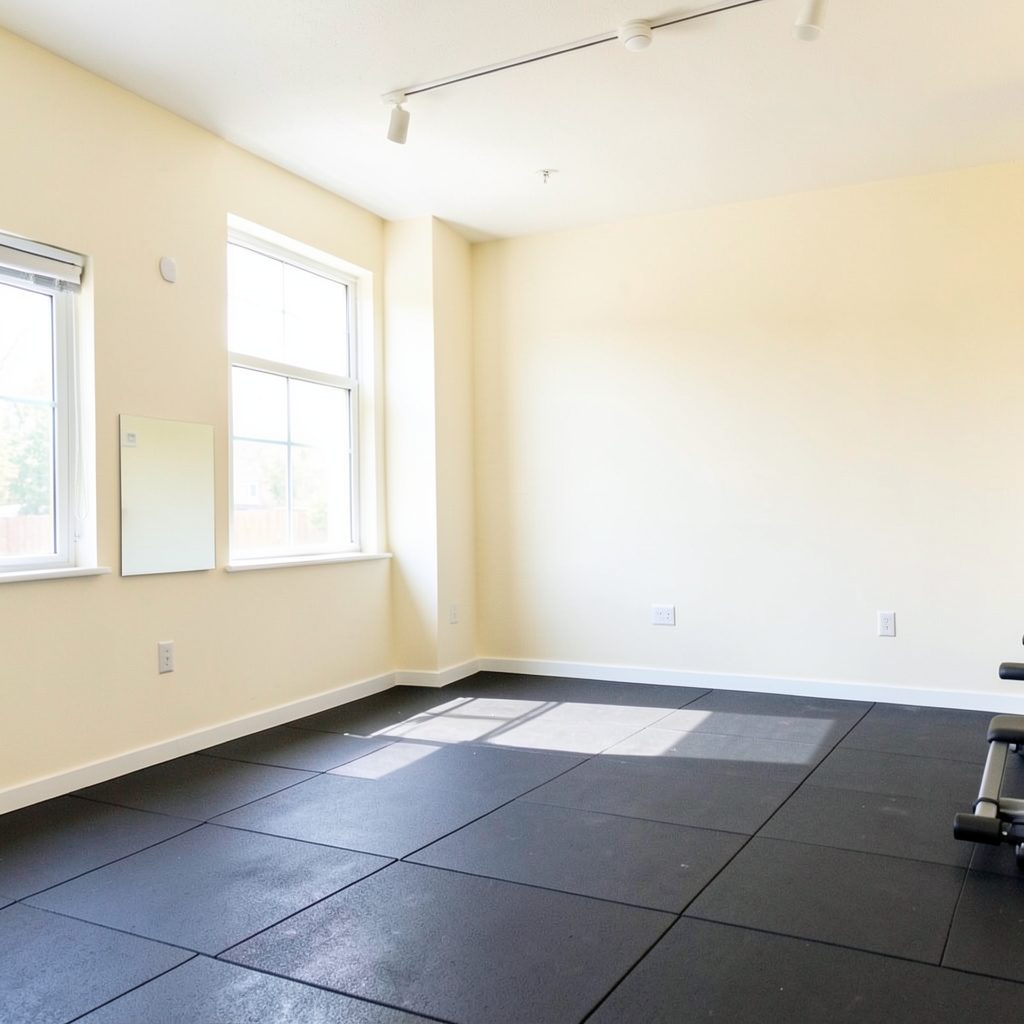
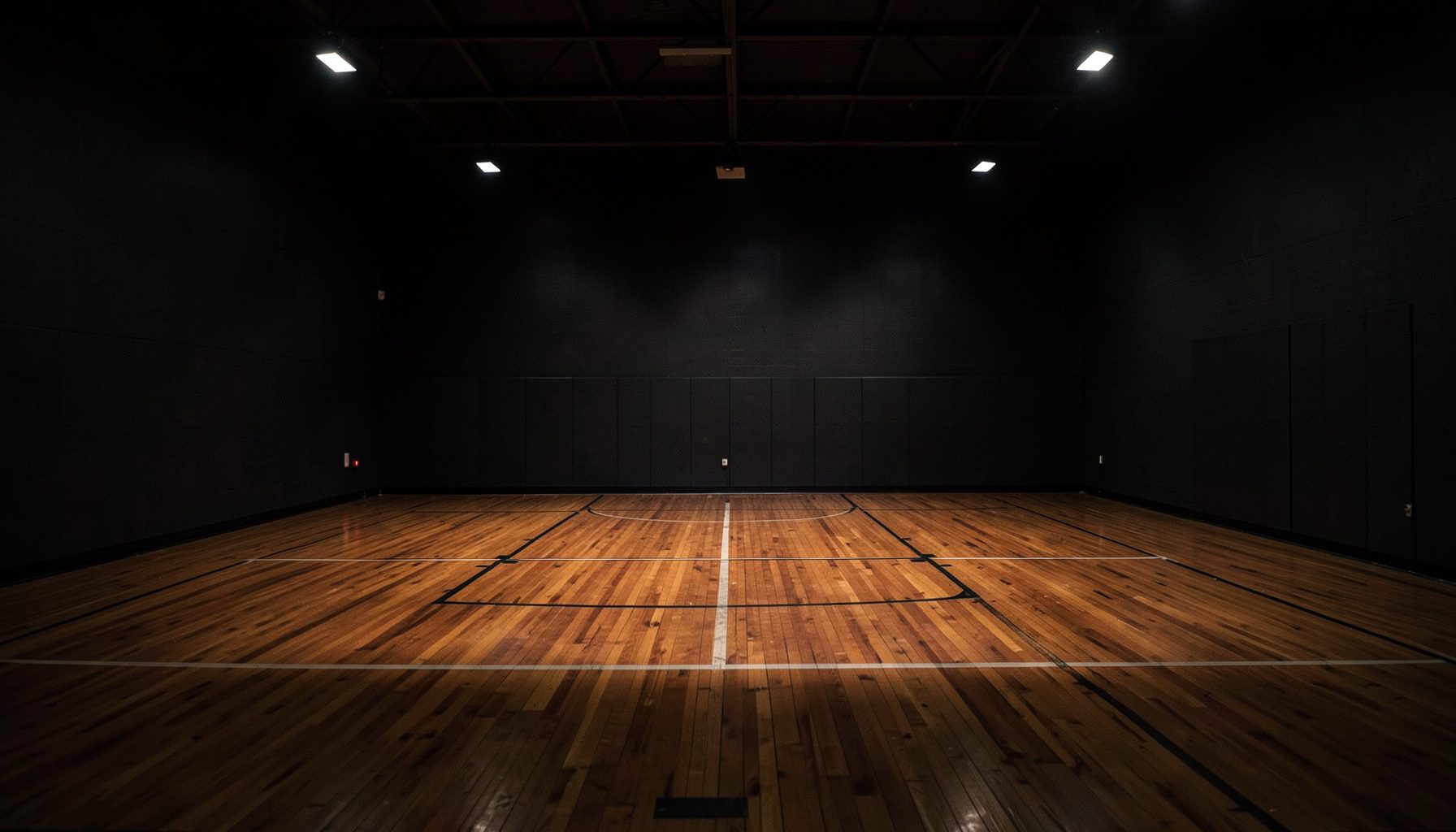
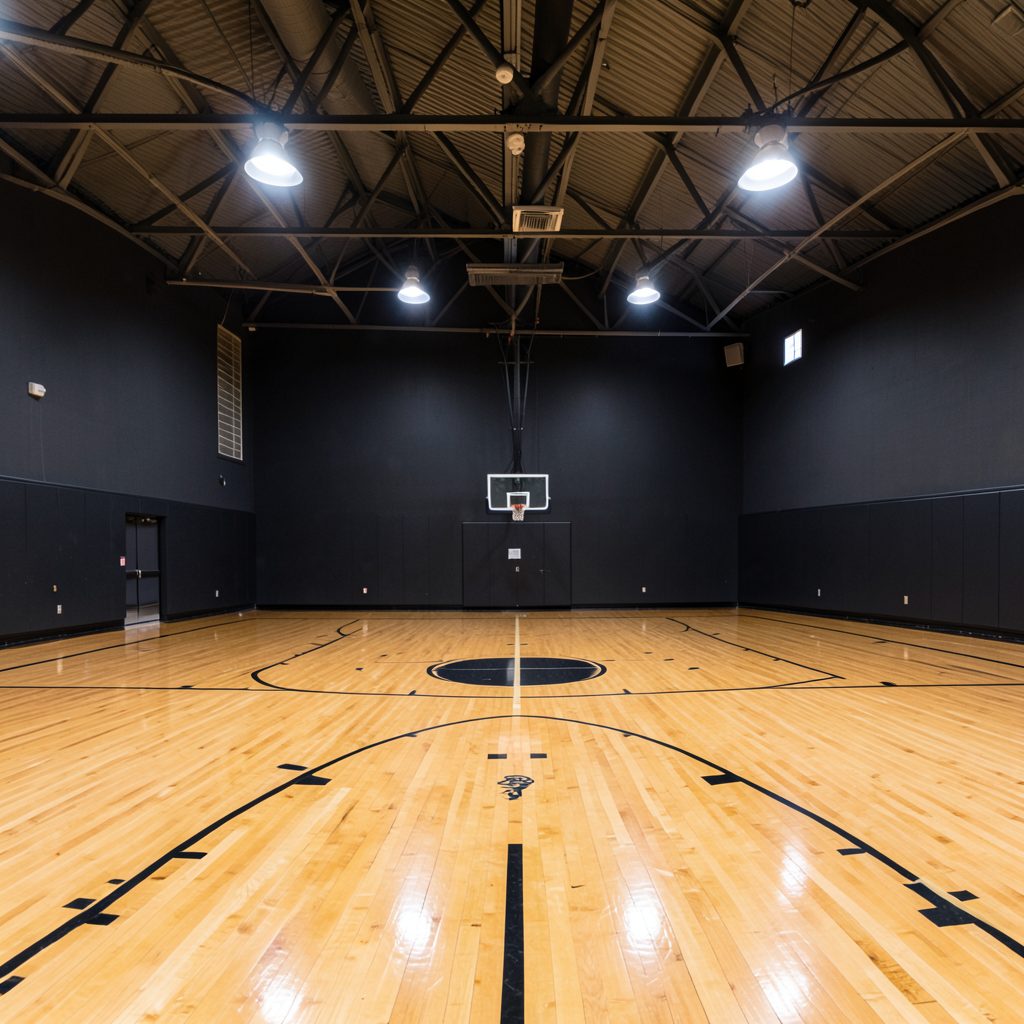
The Factory D1 Indy brings together three entities under one roof: competitive basketball leagues for all age groups, individual and group training, and wellness & recovery services including Normatec boot recovery and cryotherapy. Located off I-465 and High School Road at 6331 Crawfordsville Road, Speedway, Indiana 46224.
Get In TouchThe Best Time of Day to Schedule Cryotherapy for Optimal Recovery
Recovery is shaped by more than the number of hours between workouts. Training intensity, sleep, hydration, nutrition, stress, and the timing of recovery services all influence how prepared an athlete feels for the next session. Cryotherapy may support that routine by exposing the body to very cold temperatures for a brief, controlled period.
The ideal appointment time depends on what you want from the session. Some athletes prefer cold therapy after demanding practice, while others use it later in the day to create space between competition and the next workout. There is no universal clock time that produces the same result for everyone.
Whole-body cryotherapy and localized cold treatments should also be viewed as complementary tools rather than replacements for a complete recovery plan. Proper warm-ups, mobility work, sleep, and professional guidance remain central to athletic performance.
Why Timing Matters
Cryotherapy is commonly used to help manage the sensation of post-exercise soreness and temporary inflammation. Scheduling it after a challenging workout or competition may make sense when the primary goal is to feel more comfortable during the hours that follow. This can be especially useful after tournaments, high-volume practices, sprint sessions, or strength workouts that place heavy demands on the muscles.
The immediate period before exercise calls for more caution. Cold exposure can temporarily reduce skin temperature and may affect sensation, muscle flexibility, or movement quality. Athletes who schedule a session too close to training may feel stiff or less prepared unless they have enough time to warm up thoroughly afterward.
The response also varies by treatment type. Localized icing, cold-water immersion, and whole-body cryotherapy have different protocols and effects. A trained provider can help determine whether the service fits the athlete’s current workload, health history, and recovery objective.
Morning Sessions For Active Days
An early appointment can work well for people who train later in the day and want to begin with a structured wellness routine. Some athletes report feeling refreshed after morning cold exposure, which may help them approach school, work, or a later practice with a clear routine. However, a morning session should not replace a dynamic warm-up before physical activity.
Athletes who choose morning cryotherapy should leave sufficient time between the treatment and their next workout. This allows body temperature and normal movement patterns to return. A light walk, mobility sequence, and gradual warm-up can be more appropriate than moving directly from a cold chamber into explosive drills.
Morning scheduling may be less suitable after a late-night competition if it cuts into sleep. Rest is one of the strongest recovery resources available, and an appointment should not encourage an athlete to sacrifice needed recovery time simply to maintain a rigid schedule.
Post-Workout And Competition Timing
For many athletes, the most practical window is after a demanding session. Booking cryotherapy within the broader post-training recovery period can provide a consistent transition from exertion to restoration. Athletes may combine it with hydration, a balanced meal, gentle mobility, and a quiet cooldown rather than treating cold exposure as a single complete solution.
The exact delay after exercise does not need to be identical every time. A short cooldown and rehydration period may be sensible before entering treatment, particularly after intense heat exposure or a long competition. Coaches and providers can help athletes decide whether the session belongs immediately after activity or later that afternoon.
Some athletes pursuing strength or muscle-growth adaptations may prefer not to use aggressive cold exposure after every resistance workout. Research continues to examine how repeated post-exercise cooling may influence adaptation. Using it selectively after especially strenuous sessions may be a more thoughtful approach than automatically scheduling it after all training.
| Schedule | Potential fit | Important consideration |
|---|---|---|
| Early morning | Athletes seeking a consistent wellness routine | Allow time to regain normal warmth and mobility |
| After practice | High-volume or high-intensity training days | Cool down and rehydrate first |
| After competition | Tournament days and demanding games | Consider the full workload, travel, and sleep needs |
| Late afternoon | Athletes with daytime training and evening recovery time | Avoid treating fatigue with cold exposure alone |
| Evening | People who prefer a post-work or post-practice appointment | Monitor personal response and protect bedtime routines |
Evening Recovery And Sleep
An evening appointment can be convenient after work, school, or late practice. It may help athletes create a deliberate end-of-day recovery routine, especially when the session follows competition or a long period of standing, running, or repeated jumping. The best timing is often the one that can be followed consistently without adding unnecessary stress.
Individual responses at night differ. Some people feel calm after cold therapy, while others feel alert or energized. Anyone trying an evening session should observe how it affects relaxation and sleep before making it a regular bedtime habit. Scheduling it earlier in the evening may provide a useful buffer.
Evening cryotherapy should not be used to mask symptoms that need evaluation. Persistent pain, swelling, numbness, dizziness, or unusual fatigue deserves attention from a qualified medical professional. Cold exposure is a recovery option, not a diagnostic tool.
Choosing A Schedule For Your Training Load
A weekly training plan is more useful than a fixed appointment rule. A youth basketball player with two practices and a weekend tournament may benefit from a different schedule than an adult who attends spin classes or lifts several days per week. The goal is to place cryotherapy where it supports the overall rhythm of activity, rest, and competition.
Keep a simple record of appointment time, workout intensity, sleep quality, soreness, and how you feel the next day. Patterns often become clearer after several sessions. If an afternoon treatment consistently leaves you comfortable and ready for the next morning, that may be more meaningful than a general claim about morning or evening use.
Medical conditions also matter. People with cardiovascular disease, uncontrolled high blood pressure, reduced cold sensation, circulation problems, pregnancy, or other health concerns should seek medical guidance before using extreme cold services. Follow the facility’s screening process and tell staff about relevant conditions or medications.
Making Cryotherapy Part Of A Recovery Plan
Cryotherapy works best when it fits a broader routine built around the athlete’s needs. Consider these practical recommendations:
- Schedule it after unusually demanding practices, games, or tournaments when comfort and recovery are the primary goals.
- Leave enough time for a normal warm-up before training if the appointment takes place earlier in the day.
- Protect sleep, hydration, nutrition, and cooldowns instead of relying on cold exposure as the main recovery method.
- Track how your body responds at different times and adjust the schedule based on real patterns.
- Ask a qualified provider about safety, treatment type, and frequency if you have a medical condition or unusual symptoms.
A sports facility with multiple services can make recovery easier to organize around training. At The Factory D1 Indy, athletes can learn about the facility and consider how basketball, conditioning, cycling, and wellness services fit together. Combining planned training with appropriate recovery may be more useful than chasing a single perfect appointment time.
Finding Your Most Effective Appointment Window
For most athletes, the best time for cryotherapy is after a demanding activity or at a consistent point later in the day when recovery can receive full attention. Morning sessions can work when there is ample time to warm up, while evening appointments may suit athletes who respond well to a post-practice routine. Personal response, training goals, and health status should guide the final choice.
Start with a conservative schedule and evaluate how you feel during the next workout, not just immediately after treatment. If you are ready to explore cryotherapy or need help selecting a time around your training schedule, contact the team at The Factory D1 Indy to discuss available wellness and recovery options.
Inside The Factory

Three Entities, One Roof
Leagues
Eight league divisions span every age group: Indy Pro AM, 18+ Open Men's, 30+ Men's, Bite Size (ages 3–6), Impact League, 5th/6th Grade, Middle School, and High School. Gather your team and compete.
Training
Individual and group basketball training for all skill levels. Major M.O.V.E.S. Basketball Training serves ages 4–7 on Wednesday and Thursday evenings at 6:30 PM — $30 per session or $100 unlimited monthly.
Wellness & Recovery
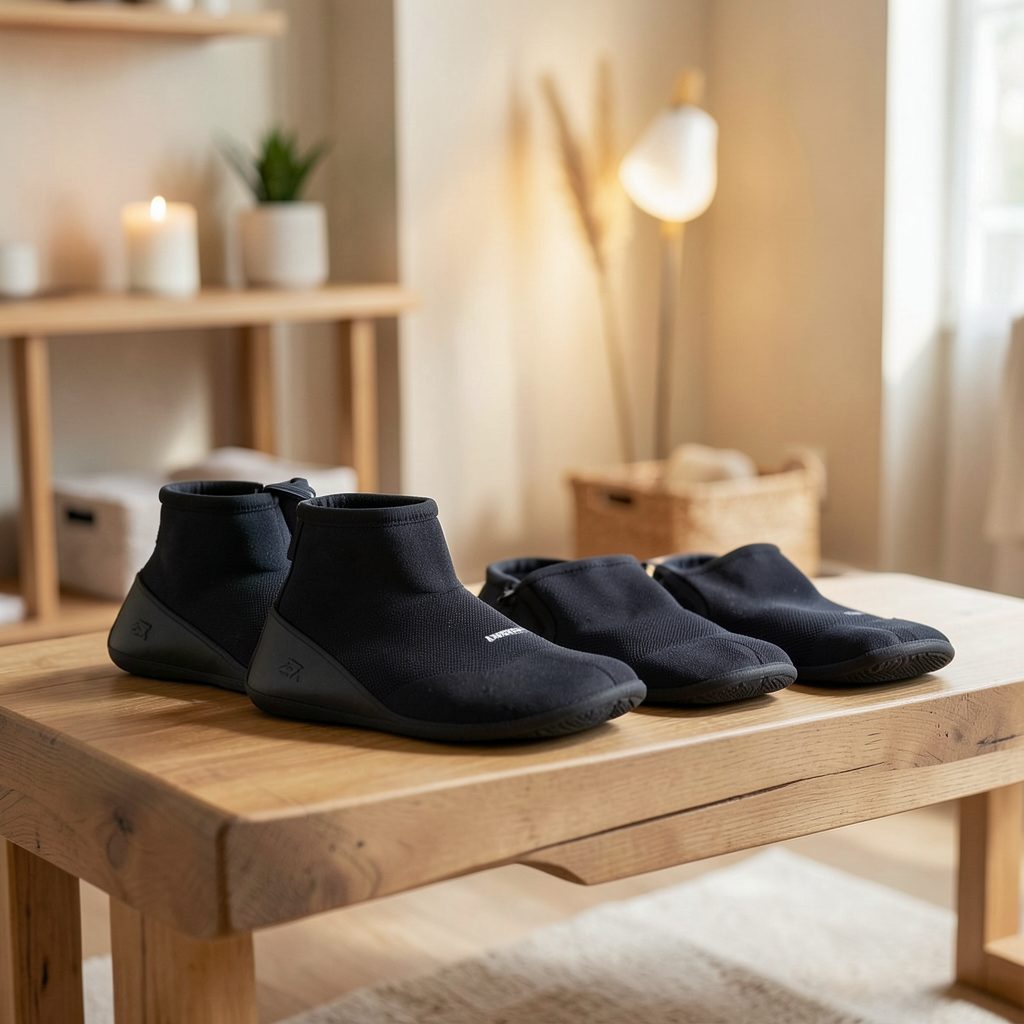
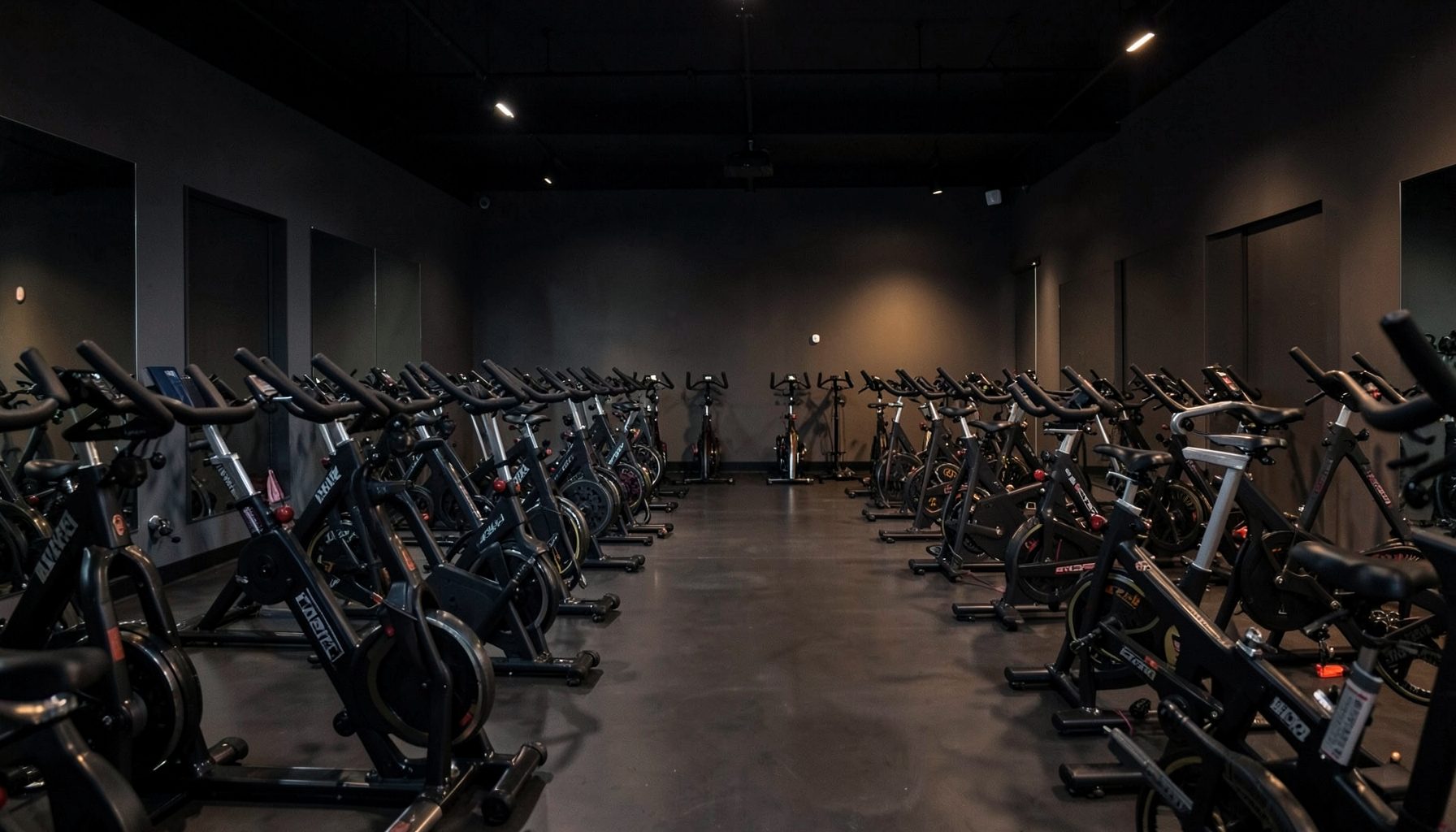
Normatec boot recovery and cryotherapy treatments help athletes bounce back faster. Cycle and spin classes add a cardio dimension to the holistic performance approach.
Have a Question?