Train. Compete. Recover.
A multi-purpose athletic facility in Speedway, Indiana — basketball leagues, skill training, and wellness services all under one roof.
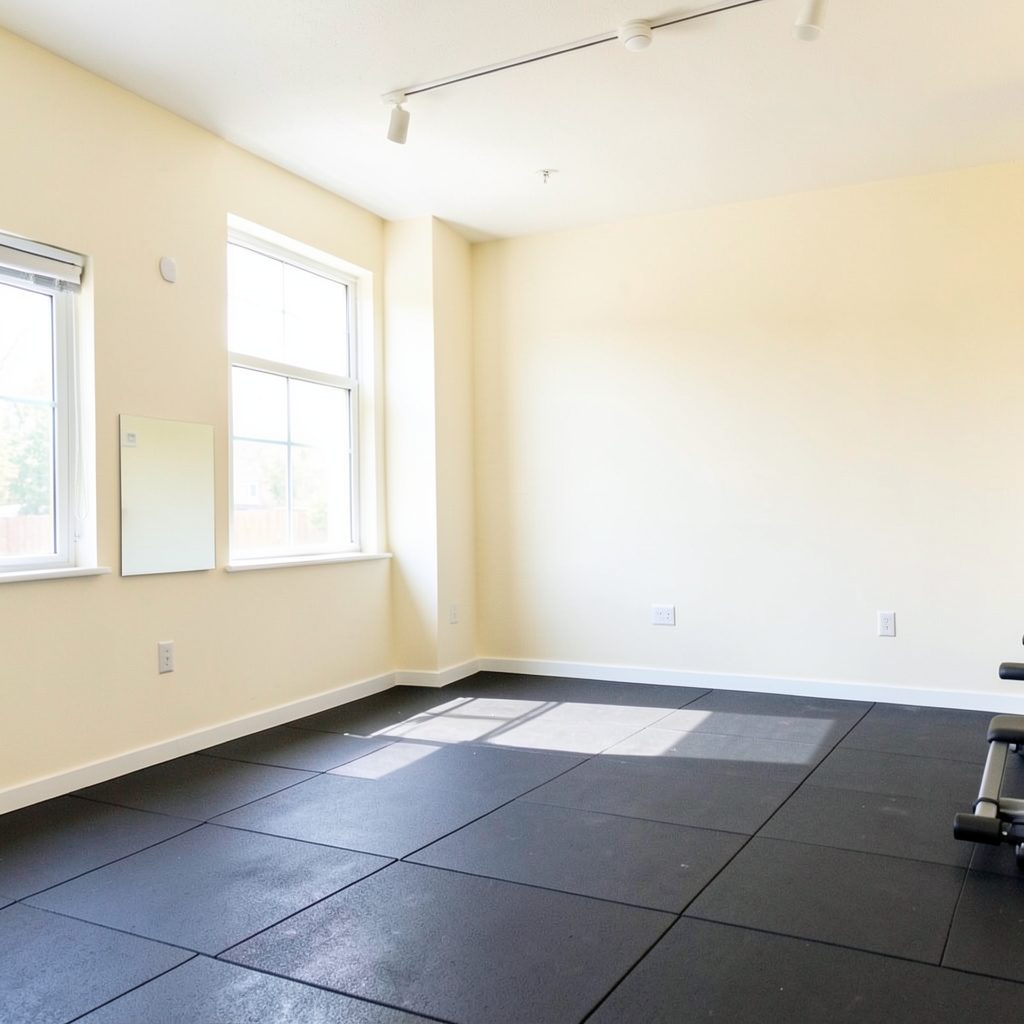
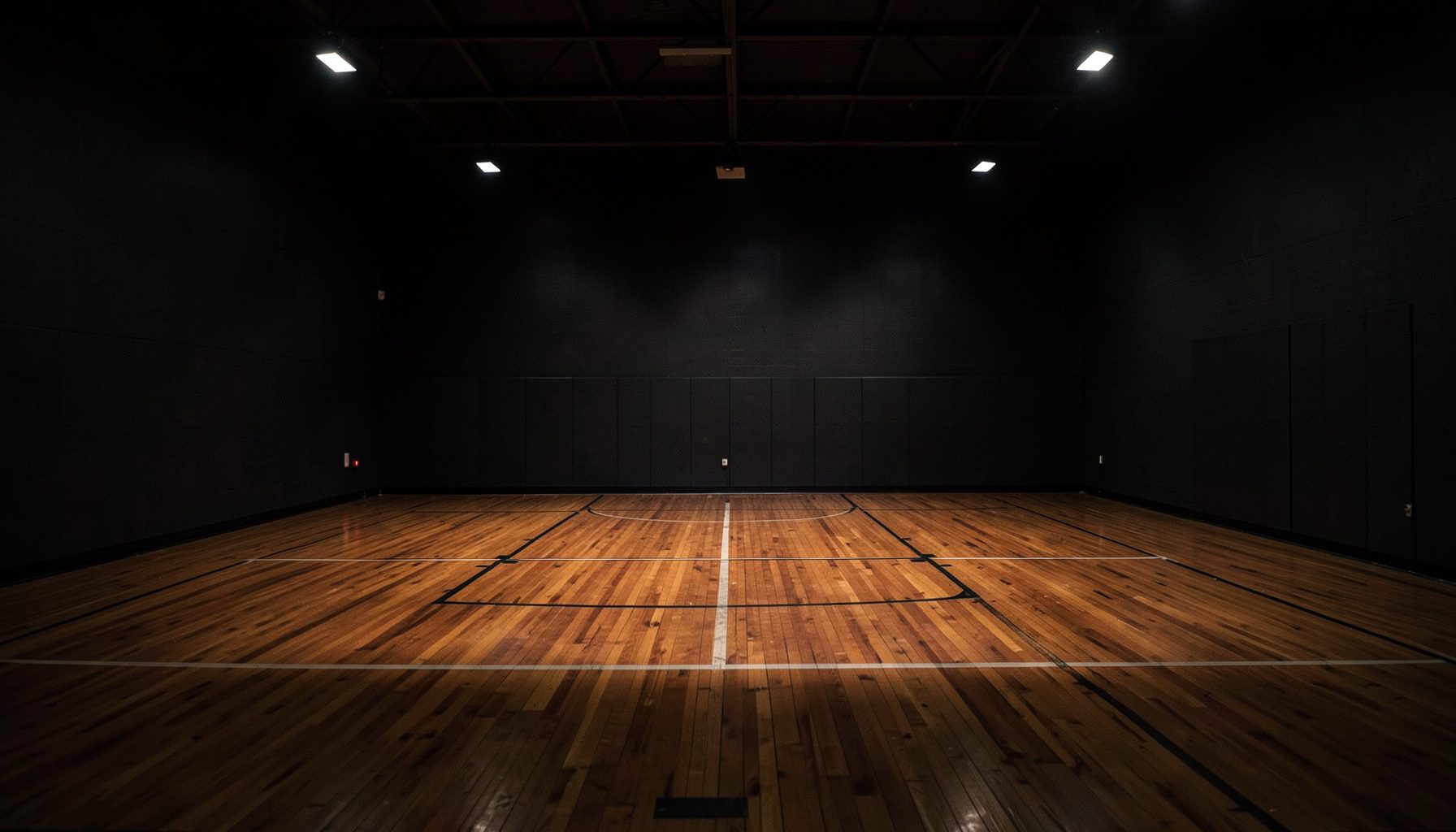
The Factory D1 Indy brings together three entities under one roof: competitive basketball leagues for all age groups, individual and group training, and wellness & recovery services including Normatec boot recovery and cryotherapy. Located off I-465 and High School Road at 6331 Crawfordsville Road, Speedway, Indiana 46224.
Get In TouchHow Hydration Fuels Better Basketball Performance
Basketball demands repeated bursts of speed, sharp changes of direction, vertical power, and constant decision-making. Every sprint, defensive slide, rebound, and jump shot places stress on the body. While skill and conditioning receive much of the attention, fluid balance is another factor that can influence how well an athlete performs from the opening tip to the final possession.
Water helps regulate body temperature, transport nutrients, support circulation, and maintain normal muscle function. When an athlete begins practice or competition already dehydrated, even a modest fluid deficit can make intense movement feel harder. A thoughtful hydration routine supports energy, coordination, focus, and the ability to recover between efforts.
For athletes training at The Factory D1 Indy, hydration belongs alongside strength work, basketball drills, league competition, cycling, and recovery. The facility’s training and recovery services create a setting where preparation can extend beyond the court and include habits that help the body respond to demanding sessions.
Why Fluid Balance Matters On The Court
Basketball players lose fluid primarily through sweat and breathing. The amount varies according to temperature, humidity, workout length, body size, clothing, effort level, and individual sweat rate. A player practicing in a warm gym may lose considerably more fluid than expected, even if the session does not feel extreme at first.
Sweat loss reduces the amount of fluid available for circulation. As dehydration increases, the heart may work harder to move blood, and the body can have more difficulty releasing heat. These changes may contribute to fatigue, headaches, sluggish movement, and reduced stamina during repeated high-intensity plays.
Fluid balance also supports the neuromuscular system. Muscles need appropriate hydration and electrolytes to contract and relax efficiently. A dehydrated athlete may notice that footwork feels less precise, reactions slow down, or explosive movements become inconsistent. Those small changes can affect defensive positioning and shooting mechanics.
How Dehydration Changes Basketball Skills
Decision-making is especially important in basketball because players must process information while moving quickly. Dehydration can make concentration more difficult and may reduce mental sharpness late in a session. A tired player might hesitate on a pass, lose track of an assignment, or struggle to recognize an open teammate.
Coordination can suffer as fatigue builds. A player may have trouble controlling the ball at full speed, stopping under control, or maintaining a repeatable shooting motion. These effects are easy to mistake for a technical problem when the underlying issue may include insufficient fluids before or during activity.
Cramping is another concern, although it has multiple possible causes, including fatigue, pacing, conditioning, and electrolyte losses. Replacing fluids is not a guarantee against cramps, but it is an important part of a broader strategy. Athletes should also build gradually, warm up properly, and respond to unusual symptoms instead of trying to push through them.
When Basketball Players Should Drink
Hydration starts well before practice or a game. Drinking steadily throughout the day is generally more effective than consuming a large amount immediately before warmups. Urine that is pale yellow often suggests reasonable hydration, while consistently dark urine may indicate that more fluids are needed. This is a general guide, not a medical diagnosis.
A small amount of fluid before activity can help athletes begin in a better position. During practice or competition, regular small sips are usually easier to tolerate than waiting until intense thirst appears. Coaches can build brief drink breaks into drills so players have a practical opportunity to replace fluids without disrupting the entire session.
After activity, drinking helps restore what was lost through sweat. An athlete who finishes a hard workout and immediately moves into school, work, or another practice may carry a fluid deficit into the next part of the day. Rehydrating soon after training supports recovery and improves readiness for the following session.
| Training Situation | Primary Hydration Focus | Practical Approach |
|---|---|---|
| Daily routine | Consistent fluid intake | Drink regularly with meals and between activities |
| Before practice | Start hydrated | Sip water during the hours before training |
| Long or intense session | Replace ongoing losses | Take scheduled drinks during breaks |
| Hot gym or outdoor workout | Fluids plus possible electrolytes | Monitor sweat, thirst, and session length |
| After competition | Replenish fluid and food needs | Drink and eat a balanced recovery snack or meal |
Water, Electrolytes, And Sports Drinks
Water is a strong everyday choice for many athletes, especially during shorter sessions and ordinary daily activity. It is accessible, easy to consume, and sufficient for replacing basic fluid losses in many situations. Players should avoid treating sports drinks as necessary for every workout, since some contain substantial added sugar.
Electrolytes become more relevant when sweat losses are high, activity lasts a long time, or the environment is hot and humid. Sodium is especially important because it is lost in sweat and helps maintain fluid balance. A sports drink or electrolyte beverage may be useful during extended training, tournaments with multiple games, or unusually demanding conditioning sessions.
The best choice depends on the athlete and the situation. Young athletes should use guidance from parents, coaches, and qualified healthcare professionals, particularly if they have a medical condition or take medication. Energy drinks are not a substitute for hydration and may contain high levels of caffeine or other stimulants that are inappropriate for some players.
Build A Reliable Game-Day Routine
Hydration works best when it becomes automatic rather than something remembered only after fatigue appears. Players can use a labeled bottle, drink during planned breaks, and check whether they are starting sessions with a dry mouth, unusual tiredness, or darker urine. Coaches can reinforce these habits by making water access part of normal practice organization.
A simple routine may include fluid intake with breakfast and lunch, regular drinking during the afternoon, a small amount before warmups, and several opportunities to drink during play. Athletes should avoid forcing excessive amounts, since overconsumption can also create health risks. Thirst, sweat patterns, session demands, and professional guidance should shape the plan.
For a more personalized approach, players can weigh themselves before and after a long workout under appropriate supervision. A noticeable drop may indicate significant fluid loss. Tracking the result over several sessions can help an athlete estimate how much they typically sweat and plan more effectively for tournaments or back-to-back practices.
Habits That Support Hydration
- Carry a refillable bottle to school, work, training, and games.
- Drink consistently during the day instead of relying on one large amount before practice.
- Take scheduled sips during breaks, especially during intense drills or multiple-game events.
- Use electrolyte products selectively for long, hot, or high-sweat sessions.
- Pair post-workout fluids with a balanced meal or snack containing carbohydrates and protein.
Hydration And Recovery After Training
Recovery begins when the final drill ends. Fluid replacement supports circulation and helps the body manage the normal stress created by repeated sprinting, jumping, and contact. Athletes should also refuel with carbohydrates for energy restoration and protein to support muscle repair.
Recovery services can complement these basics, but they do not replace regular drinking, balanced nutrition, sleep, or sensible training progression. Compression therapy, cryotherapy, stretching, and other wellness options may fit into an athlete’s routine when used appropriately and with qualified guidance.
The Factory D1 Indy serves as a community sports hub where athletes can train, compete, condition, and develop sustainable performance habits. That environment makes hydration especially relevant: players may move from skill work to league play, cycling, or recovery in a single day, increasing the importance of planning ahead.
Turn Hydration Into A Performance Habit
Every athlete responds differently to heat, effort, and fluid intake, so a hydration plan should be practical, consistent, and adjusted over time. Pay attention to thirst, sweat, energy, concentration, and recovery. Seek medical advice for dizziness, confusion, fainting, persistent vomiting, severe headache, or other concerning symptoms during activity.
Bring a filled bottle to the next workout, drink steadily before stepping onto the court, and use breaks to replace fluids before fatigue takes over. Combine that habit with purposeful training and recovery at The Factory D1 Indy to give every sprint, defensive stand, and shot the support it deserves.
Inside The Factory


Three Entities, One Roof
Leagues
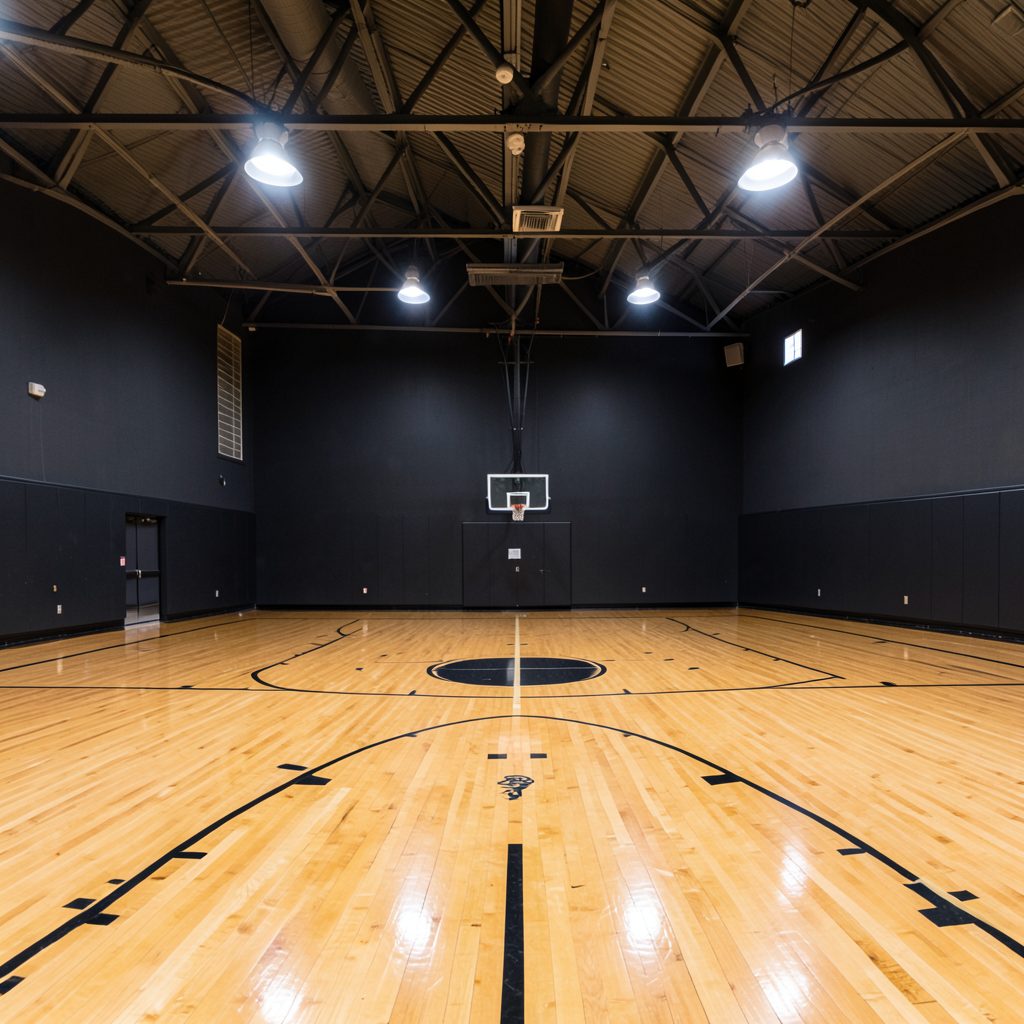
Eight league divisions span every age group: Indy Pro AM, 18+ Open Men's, 30+ Men's, Bite Size (ages 3–6), Impact League, 5th/6th Grade, Middle School, and High School. Gather your team and compete.
Training
Individual and group basketball training for all skill levels. Major M.O.V.E.S. Basketball Training serves ages 4–7 on Wednesday and Thursday evenings at 6:30 PM — $30 per session or $100 unlimited monthly.
Wellness & Recovery
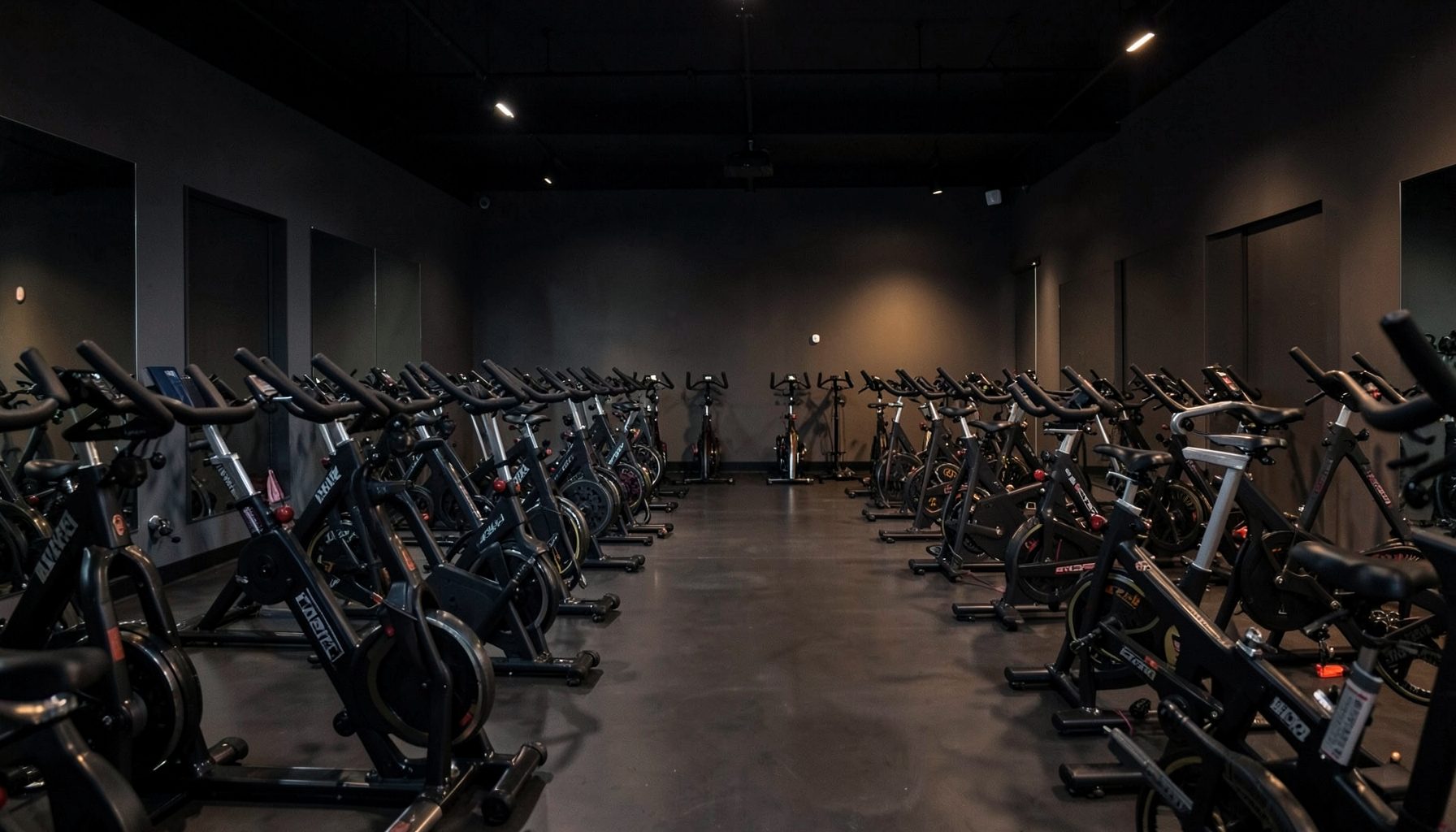
Normatec boot recovery and cryotherapy treatments help athletes bounce back faster. Cycle and spin classes add a cardio dimension to the holistic performance approach.
Have a Question?