Train. Compete. Recover.
A multi-purpose athletic facility in Speedway, Indiana — basketball leagues, skill training, and wellness services all under one roof.
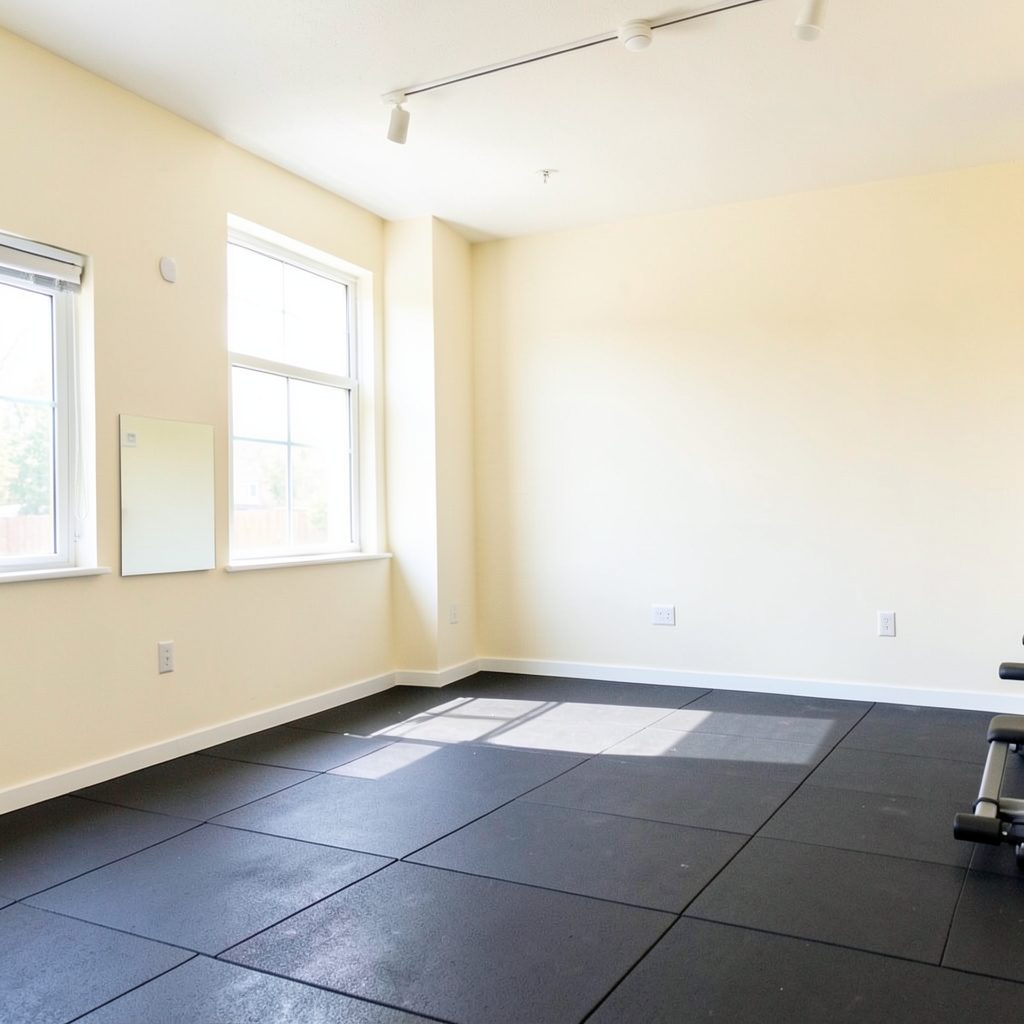
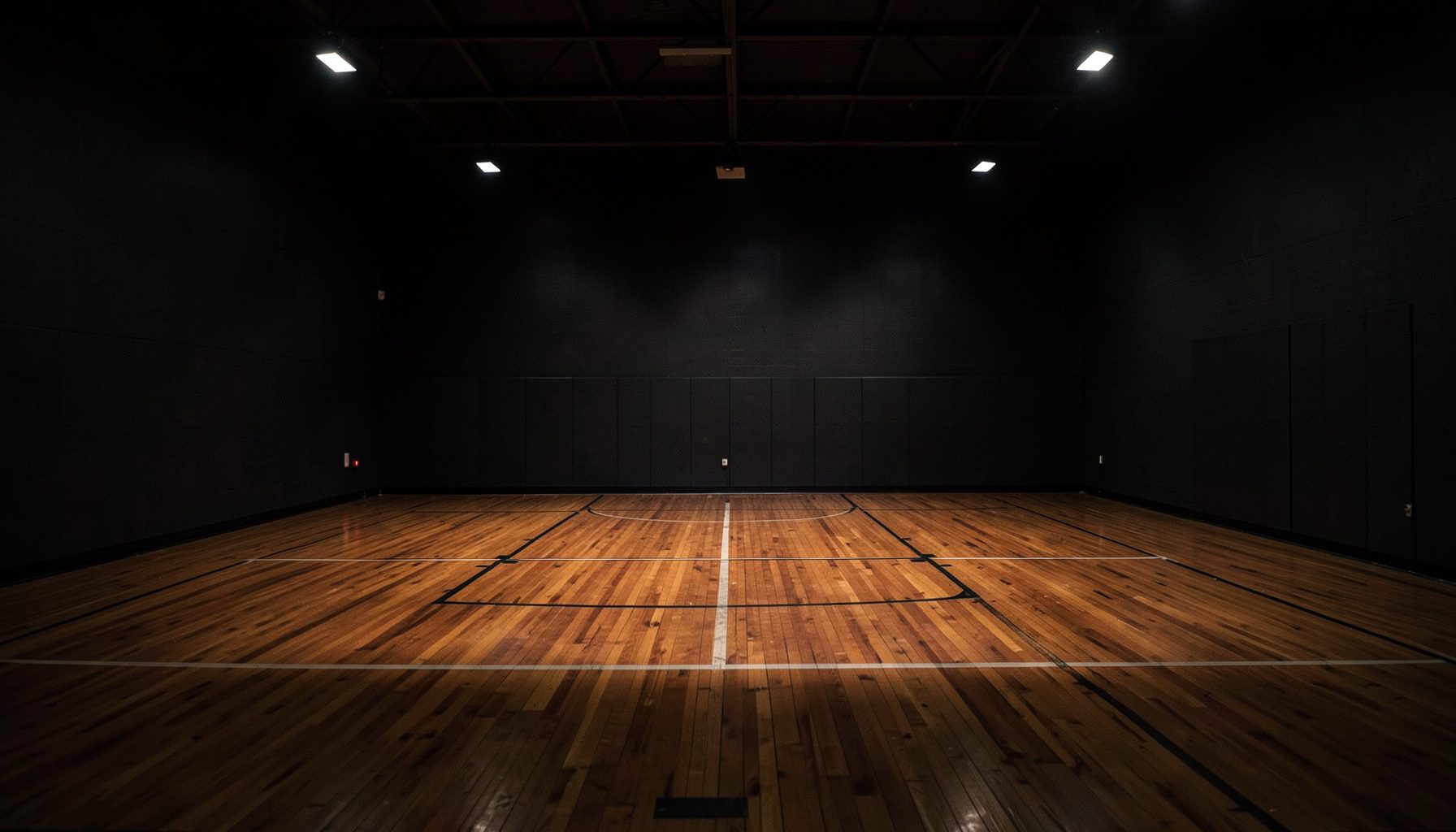
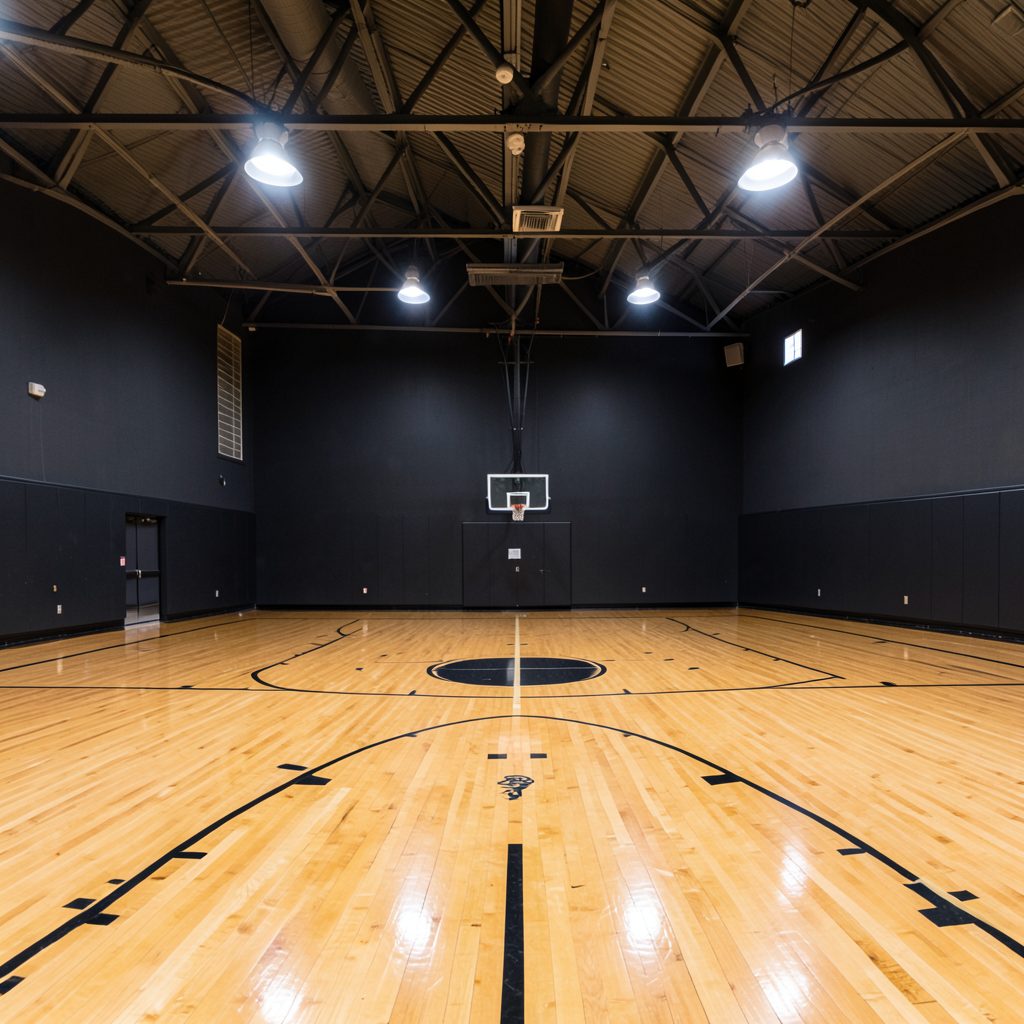
The Factory D1 Indy brings together three entities under one roof: competitive basketball leagues for all age groups, individual and group training, and wellness & recovery services including Normatec boot recovery and cryotherapy. Located off I-465 and High School Road at 6331 Crawfordsville Road, Speedway, Indiana 46224.
Get In TouchSleep, recovery, and basketball performance
A basketball athlete’s progress is shaped by far more than shooting repetitions, strength sessions, and game experience. Sleep gives the body time to repair muscle tissue, restore energy, regulate hormones, and process the movement patterns practiced during training. When rest is inconsistent, even a well-designed development plan can produce weaker results.
For players at every stage, from early-childhood programs to adult leagues, nightly recovery influences speed, coordination, decision-making, and emotional control. A rested athlete is better prepared to defend through a long possession, make a precise pass under pressure, and maintain efficient footwork late in a game.
The connection between sleep and athletic performance in basketball becomes especially clear when training volume increases. Competitive schedules, school commitments, travel, and screen use can all reduce sleep quality. Learning how to protect rest is therefore a practical performance skill, not an optional wellness habit.
Why basketball demands high-quality sleep
Basketball combines repeated sprints, sudden stops, jumping, lateral movement, contact, and constant tactical decisions. These demands challenge both the neuromuscular system and the brain. During deep sleep, the body supports tissue repair and recovery from the physical stress of practices, strength work, and competition.
Sleep also helps restore glycogen, the stored form of carbohydrate used during high-intensity activity. A player who regularly sleeps too little may begin practice with reduced energy reserves, making defensive slides and repeated drives feel harder than usual. Over time, insufficient rest can limit training quality and slow physical development.
The mental side of basketball is equally important. Players must read screens, recognize defensive rotations, anticipate passing lanes, and respond quickly to changing situations. Adequate sleep supports attention, reaction time, learning, and memory, helping athletes retain coaching points and transfer them into live play.
The signs of inadequate recovery
Sleep loss does not always feel like obvious exhaustion. Some athletes notice irritability, poor concentration, or a lack of enthusiasm before they recognize physical fatigue. Others may feel unusually sore, struggle to complete familiar drills, or need extra time to become alert during warmups.
Performance changes can be subtle. A player may miss more open shots because of reduced focus, arrive late to defensive assignments, or lose balance while changing direction. Free-throw consistency and ball-handling can also decline when the brain is not processing visual information and fine motor demands efficiently.
A pattern of poor sleep can affect injury risk as well. Fatigued athletes often show slower reactions and less control during landing, cutting, or contact situations. Tired players may also compensate with poor mechanics, placing extra stress on the ankles, knees, hips, or lower back. Coaches and families should treat recurring fatigue as useful information rather than a character flaw.
Sleep needs across training and competition
Sleep requirements vary by age, development, training load, and individual biology. Younger athletes generally need more sleep than adults because they are growing and adapting to new physical and technical demands. Teenagers may also experience a natural shift toward later sleep timing, which can conflict with early school schedules and morning practices.
| Athlete group | General nightly target | Helpful performance focus |
|---|---|---|
| Children in youth programs | 9–12 hours | Growth, motor learning, mood |
| Teen basketball players | 8–10 hours | Reaction time, recovery, concentration |
| College-age and adult players | 7–9 hours | Energy restoration, tissue repair, decision-making |
| Athletes in heavy training blocks | Target the upper end of their range | Managing fatigue and repeated high-intensity work |
These ranges are useful starting points rather than rigid rules. An athlete who is handling a demanding league schedule may need additional time in bed, while someone returning from illness or injury may benefit from more recovery than usual. Waking refreshed, maintaining stable energy, and performing consistently are practical signs that sleep is meeting current needs.
The timing of games matters too. Evening competition can make it difficult to fall asleep immediately because adrenaline, bright lights, and emotional intensity remain elevated. A predictable post-game routine can help the nervous system shift from competition mode to recovery mode.
Building a basketball-friendly sleep routine
A consistent sleep and wake schedule is one of the most effective ways to support circadian rhythm. Players should aim to keep bedtime and wake time relatively stable across the week, including weekends. Large changes from weekday to weekend can make Sunday night sleep more difficult and create fatigue at the start of the training week.
The bedroom should be cool, dark, and quiet when possible. Phones, tablets, and gaming devices can delay sleep by increasing mental stimulation and exposing athletes to bright light. Charging devices away from the bed creates useful distance from late-night messages, scrolling, and competition footage.
Nutrition and hydration also influence rest. A balanced meal after training helps replenish energy, while a small snack may be useful if hunger would otherwise interrupt sleep. Athletes should replace fluids after practice but avoid consuming excessive amounts immediately before bed. Caffeine deserves special attention because its effects can remain for several hours, even when a player no longer feels energized.
A short wind-down routine can include light mobility, relaxed breathing, a warm shower, or reading away from a screen. The goal is to repeat calming cues that signal the end of the day. After an intense league game, reviewing first league game preparation should happen earlier rather than becoming a late-night activity.
Naps, recovery tools, and training balance
A brief nap can help an athlete manage occasional sleep loss, especially before an evening game or after a demanding school day. Naps of roughly 20 to 30 minutes may improve alertness without causing heavy grogginess. Longer naps can be useful after especially taxing sessions, but they should end early enough to protect nighttime sleep.
Recovery services can complement good sleep habits, though they do not replace them. Compression therapy, mobility work, and cryotherapy may help athletes manage soreness or feel prepared for the next session. At The Factory D1 Indy, players can combine basketball training with wellness and recovery options that support a broader approach to athletic preparation.
Training balance remains essential. A player who repeatedly adds extra shooting, lifting, conditioning, and late-night competition without allowing recovery time may accumulate fatigue faster than the body can adapt. Coaches can monitor practice intensity, adjust workloads, and schedule lighter sessions when athletes show persistent soreness, reduced sharpness, or declining effort.
Creating habits that last through the season
The strongest sleep plan is realistic enough to follow during school weeks, tournaments, league nights, and family commitments. Athletes can begin by identifying the latest reasonable bedtime that allows enough time in bed before the next morning. Working backward from the wake time makes the target specific and easier to protect.
Families can help younger players by setting consistent evening routines and limiting late-night distractions. Older athletes may need to manage their own schedules, including homework, transportation, meals, and recovery. Coaches can reinforce the value of rest by avoiding a culture that treats exhaustion as proof of dedication.
Tracking sleep for two weeks can reveal patterns. Players may record bedtime, wake time, perceived energy, soreness, and training quality without becoming overly focused on perfect numbers. If poor sleep continues alongside heavy fatigue, mood changes, frequent illness, or declining performance, discussing the issue with a healthcare professional is appropriate.
Practical habits for better on-court readiness
Small decisions made throughout the day can protect nighttime recovery. Exposure to natural light earlier in the day, regular meals, appropriate hydration, and physical activity all help establish a stable rhythm. Hard training close to bedtime affects athletes differently, so players should observe their own response and adjust when possible.
Use these habits as a simple performance checklist:
- Keep wake time consistent and allow enough time in bed for your age and workload.
- Finish caffeine early enough that it does not interfere with falling or staying asleep.
- Prepare shoes, clothing, meals, and school or work items before the evening wind-down.
- Use a short post-practice routine with light stretching, hydration, and calming screen-free time.
- Treat repeated fatigue, soreness, or concentration problems as signals to review training and recovery.
Sleep should be viewed as part of basketball preparation alongside skill development, strength, conditioning, and tactical study. When athletes protect it consistently, they give their bodies and minds a better chance to absorb training and perform with control.
Build your next training week around recovery as deliberately as you build it around practice. Visit The Factory D1 Indy for basketball development, competitive league opportunities, conditioning, and recovery services designed to help athletes prepare, compete, and keep improving.
Inside The Factory

Three Entities, One Roof
Leagues
Eight league divisions span every age group: Indy Pro AM, 18+ Open Men's, 30+ Men's, Bite Size (ages 3–6), Impact League, 5th/6th Grade, Middle School, and High School. Gather your team and compete.
Training
Individual and group basketball training for all skill levels. Major M.O.V.E.S. Basketball Training serves ages 4–7 on Wednesday and Thursday evenings at 6:30 PM — $30 per session or $100 unlimited monthly.
Wellness & Recovery
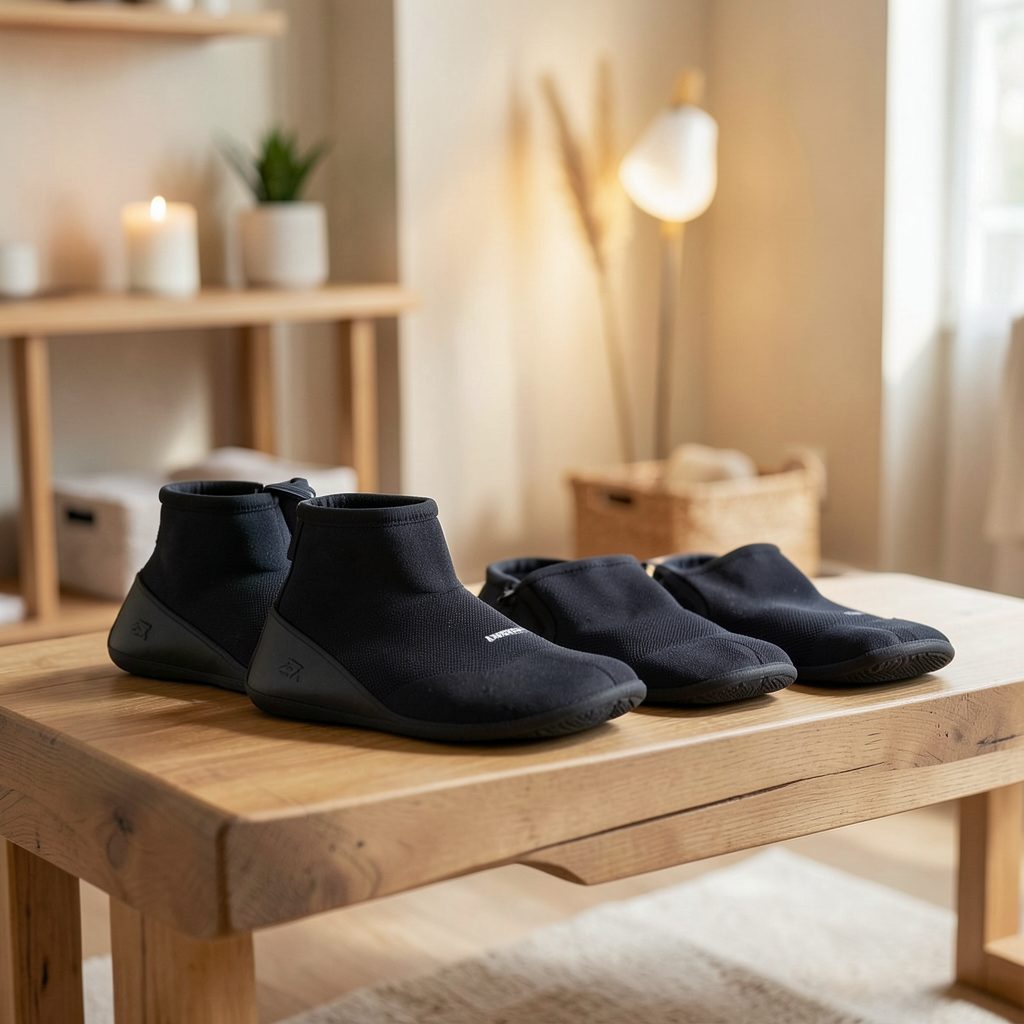
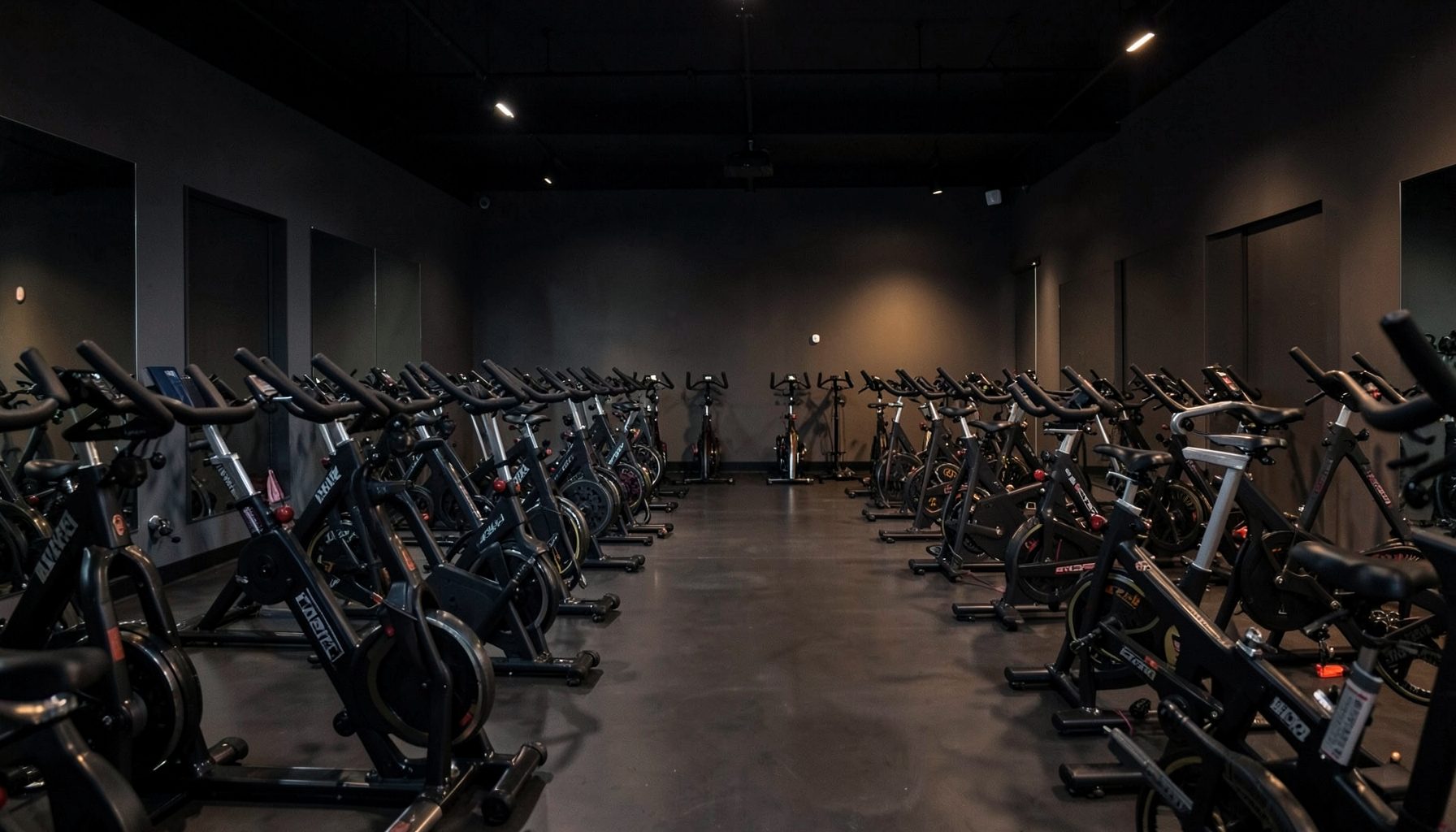
Normatec boot recovery and cryotherapy treatments help athletes bounce back faster. Cycle and spin classes add a cardio dimension to the holistic performance approach.
Have a Question?