Train. Compete. Recover.
A multi-purpose athletic facility in Speedway, Indiana — basketball leagues, skill training, and wellness services all under one roof.
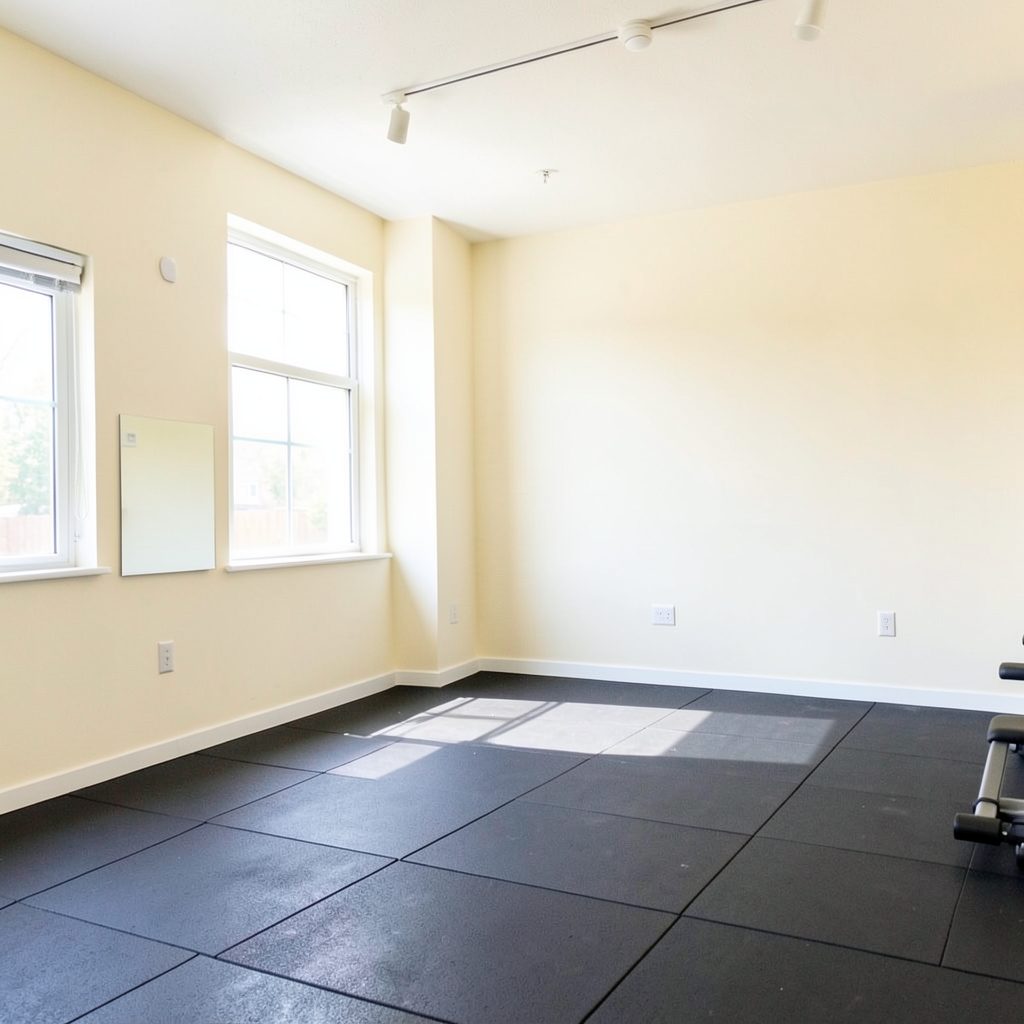
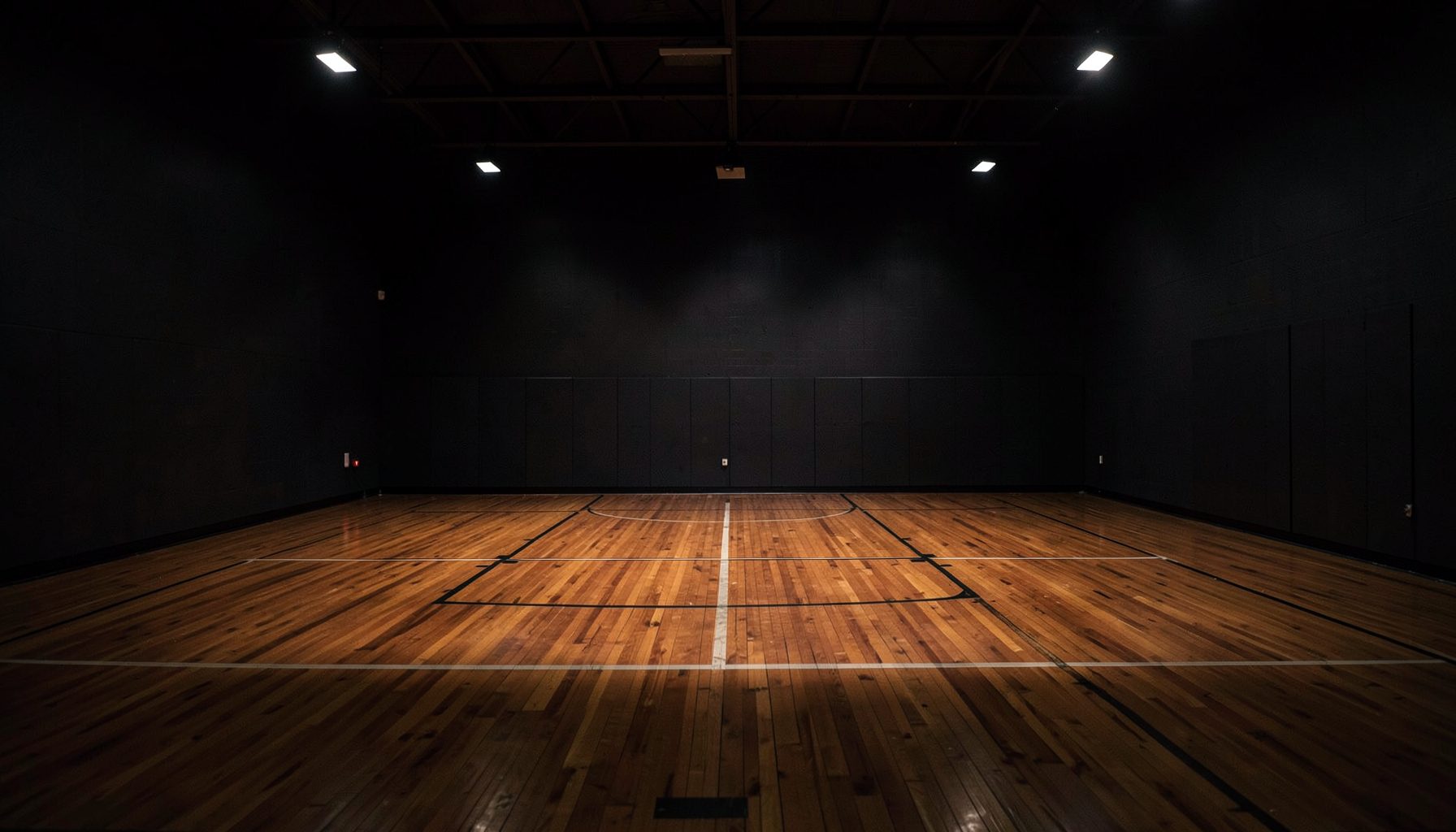
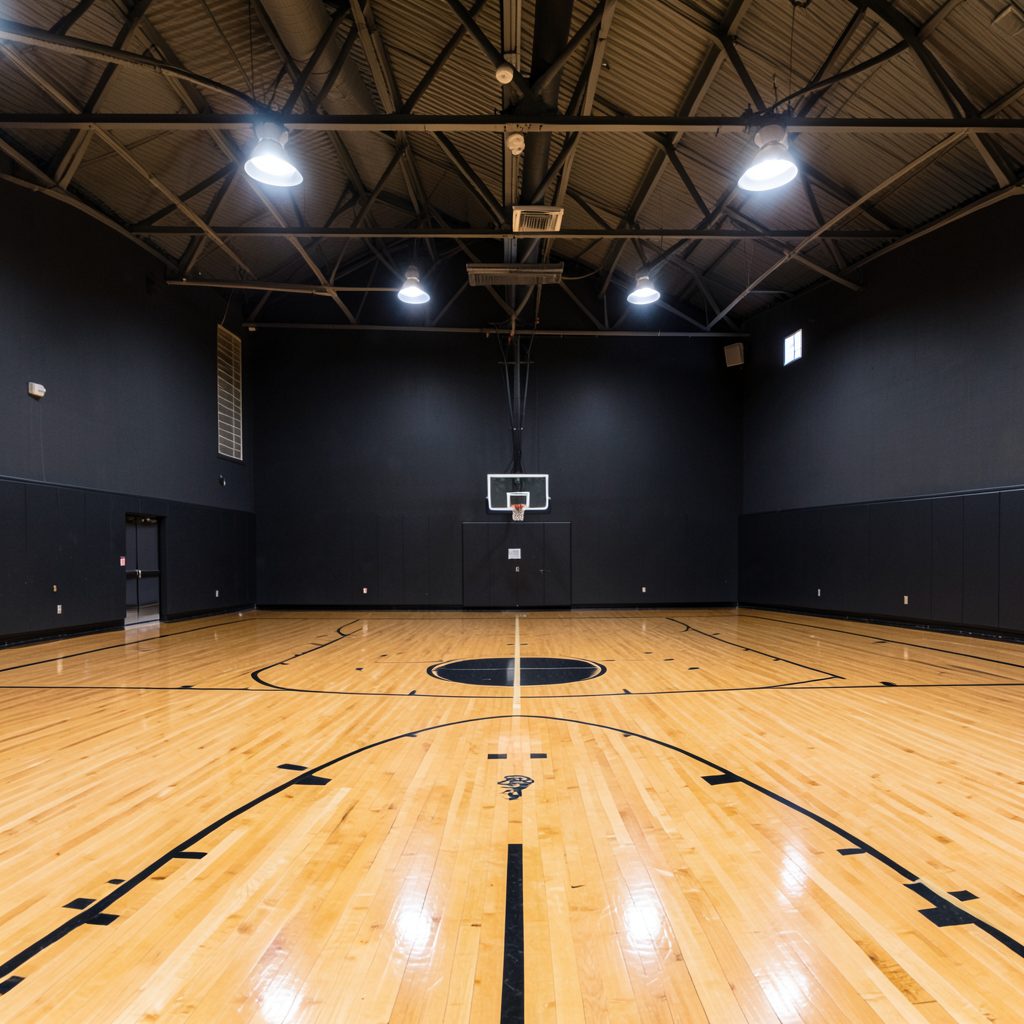
The Factory D1 Indy brings together three entities under one roof: competitive basketball leagues for all age groups, individual and group training, and wellness & recovery services including Normatec boot recovery and cryotherapy. Located off I-465 and High School Road at 6331 Crawfordsville Road, Speedway, Indiana 46224.
Get In TouchHow Spin Cadence Can Sharpen Basketball Sprint Speed
Basketball players need to accelerate repeatedly, often from a standing start, a defensive slide or an awkward landing. A guard may sprint into transition, stop at the three-point line, then explode again within seconds. This repeated demand makes cycling a useful conditioning tool when the session is designed around the right cadence, resistance and recovery.
The connection between spin class cadence and basketball sprint speed is found in shared physical qualities rather than identical movement patterns. Both activities rely on rapid force production, coordination, cardiovascular efficiency and the ability to recover between intense efforts. Cycling cannot replace court-based acceleration drills, yet it can build the engine that allows an athlete to perform those drills at a higher quality.
For Australian players, structured indoor training is especially practical during very hot summer afternoons in Brisbane, Sydney or Perth, and when wet weather disrupts outdoor sessions in Melbourne. A facility such as Factory D1 Indy demonstrates how court training, conditioning and recovery can sit within the same athletic routine.
Why Cadence Matters For Court Speed
Cadence is the number of pedal revolutions completed each minute. A low cadence with heavy resistance resembles a strength-focused effort: the legs push hard against a demanding load. A high cadence with lighter resistance develops leg speed, rhythm and the ability to keep producing force while the muscles contract quickly.
Basketball sprinting needs both qualities. The first two or three steps require strong hip, knee and ankle extension, while later steps depend on quick ground contact and efficient coordination. Spin intervals can train these elements separately, giving athletes a controlled way to develop force and turnover without the impact of repeated full-speed running.
The most useful transfer occurs when cadence work is paired with court movement. A player might complete a short cycling effort, recover briefly, then perform a ten-metre acceleration, close-out or transition sprint. This teaches the body to express speed while fatigued, which is closer to the demands of a competitive game than a long, steady ride.
Building A Basketball-Specific Cycling Session
A practical session can begin with eight to ten minutes of easy pedalling, gradually moving from around 80 to 95 revolutions per minute. The athlete should feel warm and coordinated before adding resistance. A few short bursts of 10 seconds at a fast cadence can prepare the nervous system without creating early fatigue.
The main set should reflect the player’s training age. Developing athletes may use six repetitions of 15 seconds at a brisk cadence followed by 45 seconds of easy spinning. Experienced players can progress to eight or ten repetitions, or use 20-second efforts with a longer recovery. Resistance should be high enough to maintain control, but not so heavy that the hips rock or the cadence collapses.
A second block can target force production through six to eight seated efforts of 20 seconds at a lower cadence, perhaps 60 to 75 revolutions per minute. These intervals are valuable for leg drive, yet they should not become a test of maximum grinding strength. Quality movement, stable posture and consistent output matter more than chasing an impressive resistance number.
| Cycling focus | Typical cadence | Basketball quality | Useful court pairing |
|---|---|---|---|
| Easy aerobic riding | 80–95 rpm | Recovery and work capacity | Form shooting or mobility |
| Fast cadence bursts | 100–120 rpm | Leg speed and coordination | 5–10 metre accelerations |
| Heavy seated efforts | 60–75 rpm | Force production | Powerful first-step drills |
| Repeated mixed intervals | 75–110 rpm | Sprint repeatability | Full-court transition runs |
| Controlled recovery spin | 70–85 rpm | Heart-rate recovery | Free throws and breathing reset |
Translating Bike Fitness Into Faster Sprints
Improved cycling fitness can help a player recover more quickly between possessions. A stronger aerobic system supports the restoration of energy between high-intensity efforts, allowing the athlete to repeat accelerations with less decline in speed. This is particularly useful for guards who press full court or forwards who run continuously between the key and the perimeter.
Cadence training also develops rhythm. Fast pedalling requires the athlete to apply force smoothly around the full pedal stroke, rather than stomping down with one leg. That coordination can support quicker foot contacts during acceleration and defensive movement. The transfer is indirect, so it should be measured through sprint times, repeated-sprint tests and game intensity rather than assumed.
A simple eight-week plan can include one cycling interval session each week alongside two basketball speed sessions. During the first two weeks, focus on technique and repeatable output. In the middle weeks, increase the number of intervals or reduce recovery slightly. The final weeks should maintain intensity while reducing excess volume around matches and tournaments.
Australian players should account for local schedules and conditions. A teenager balancing school basketball in Adelaide may benefit from a short indoor session after school rather than a long outdoor run in summer heat. An adult league player in Melbourne may use spin training before work and reserve evenings for team practice. Hydration, ventilation and sensible acclimatisation remain important, particularly during heatwaves.
Managing Fatigue, Recovery And Technique
High-cadence work can become counterproductive when it turns into uncontrolled bouncing on the saddle. The rider should keep the torso quiet, maintain light but secure contact with the handlebars and pedal smoothly. If form deteriorates, the interval has moved beyond its useful training zone. A coach can monitor posture, cadence consistency and perceived exertion more effectively than relying on a target number alone.
Recovery determines whether the session develops speed or simply creates exhaustion. Easy pedalling between efforts helps clear fatigue while maintaining movement, and a full rest period may be appropriate after heavy resistance intervals. Sleep, regular meals and adequate carbohydrate intake are especially relevant during tournament periods, when players may have several games across a weekend.
Mobility and low-intensity recovery can support the hips, calves and lower back after cycling and court work. Athletes who want a gentler complement to intense conditioning can explore yin yoga recovery, using longer-held positions to restore comfortable range of motion. This should feel restorative rather than forcing flexibility before a sprint session.
Australian facilities also need to operate within state and territory work health and safety requirements, with appropriate supervision, equipment checks and emergency procedures. Programs involving children must account for the relevant screening framework, such as a Working With Children Check or Blue Card, depending on the state. Good governance supports consistent coaching and safer participation across youth and adult programs.
Measuring Progress Beyond The Bike
The clearest test is whether cycling gains appear during basketball-specific work. Record a 10-metre sprint, a 20-metre sprint and a repeated-sprint sequence every three or four weeks. Keep the surface, footwear, timing method and warm-up consistent. Timing gates are ideal, although a carefully positioned video recording can provide useful comparisons for community teams.
Track cadence, resistance, interval completion and perceived exertion in the cycling session. An athlete who completes the same workload at a lower effort may be improving aerobic efficiency. Someone who maintains a fast cadence with stable posture across every repetition is developing better neuromuscular control. These changes should be considered alongside jump height, agility performance and match observations.
Cadence should also vary according to position and playing style. A small guard may need frequent high-speed bursts and rapid recovery. A centre may gain more from force-focused intervals, rebounding power and repeated short efforts. Younger players should prioritise coordination, enjoyment and technical quality rather than demanding maximal resistance or exhausting volume.
The best programme remains individualised. A coach can adjust the interval length for a player returning from injury, reduce load during a congested competition calendar or add court sprints when cycling fitness is strong but acceleration remains unchanged. Spin class becomes most valuable when it supports basketball priorities instead of competing with them.
Bring this approach into your weekly routine by scheduling one purposeful cadence session, pairing it with short acceleration work and recording the results over several weeks. Athletes and coaches can use a local basketball and fitness hub to combine skills, conditioning and recovery in a practical plan that prepares the body for faster, repeatable efforts on court.
Inside The Factory

Three Entities, One Roof
Leagues
Eight league divisions span every age group: Indy Pro AM, 18+ Open Men's, 30+ Men's, Bite Size (ages 3–6), Impact League, 5th/6th Grade, Middle School, and High School. Gather your team and compete.
Training
Individual and group basketball training for all skill levels. Major M.O.V.E.S. Basketball Training serves ages 4–7 on Wednesday and Thursday evenings at 6:30 PM — $30 per session or $100 unlimited monthly.
Wellness & Recovery
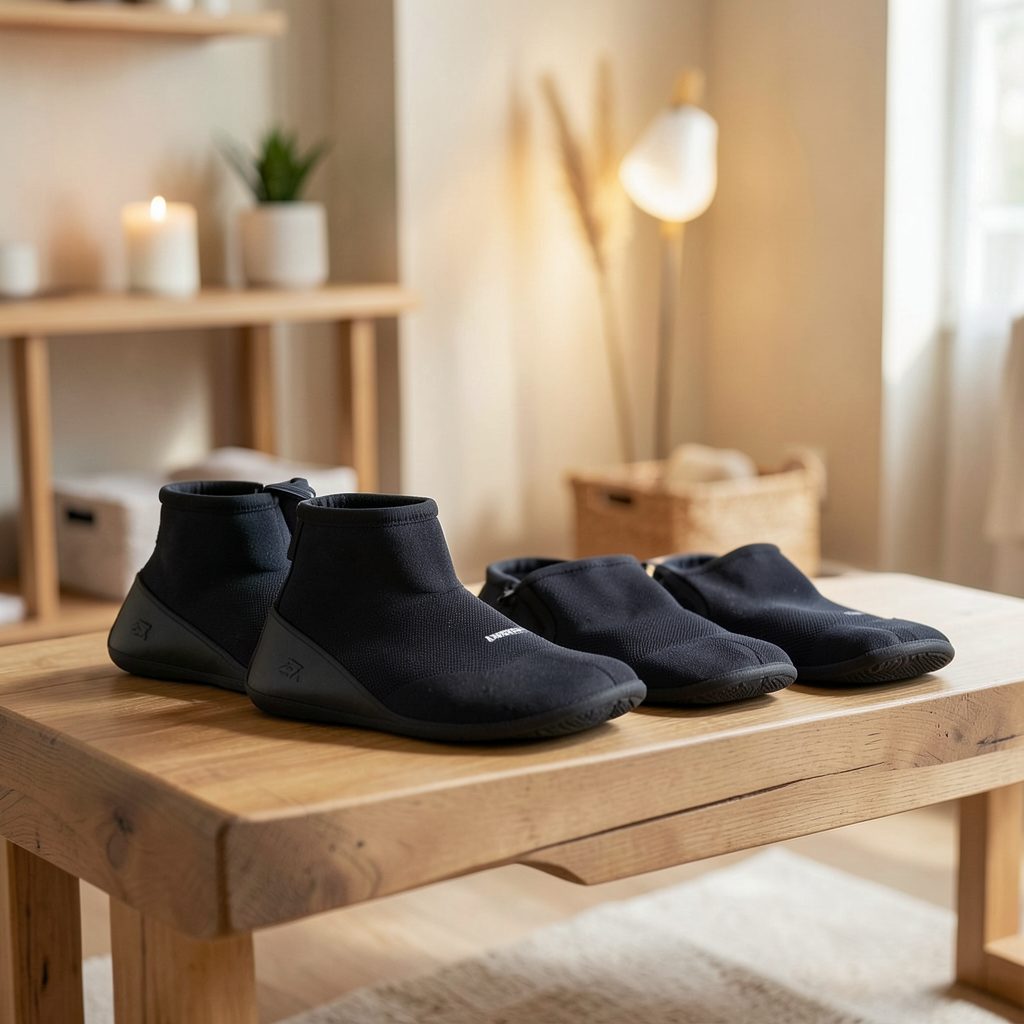
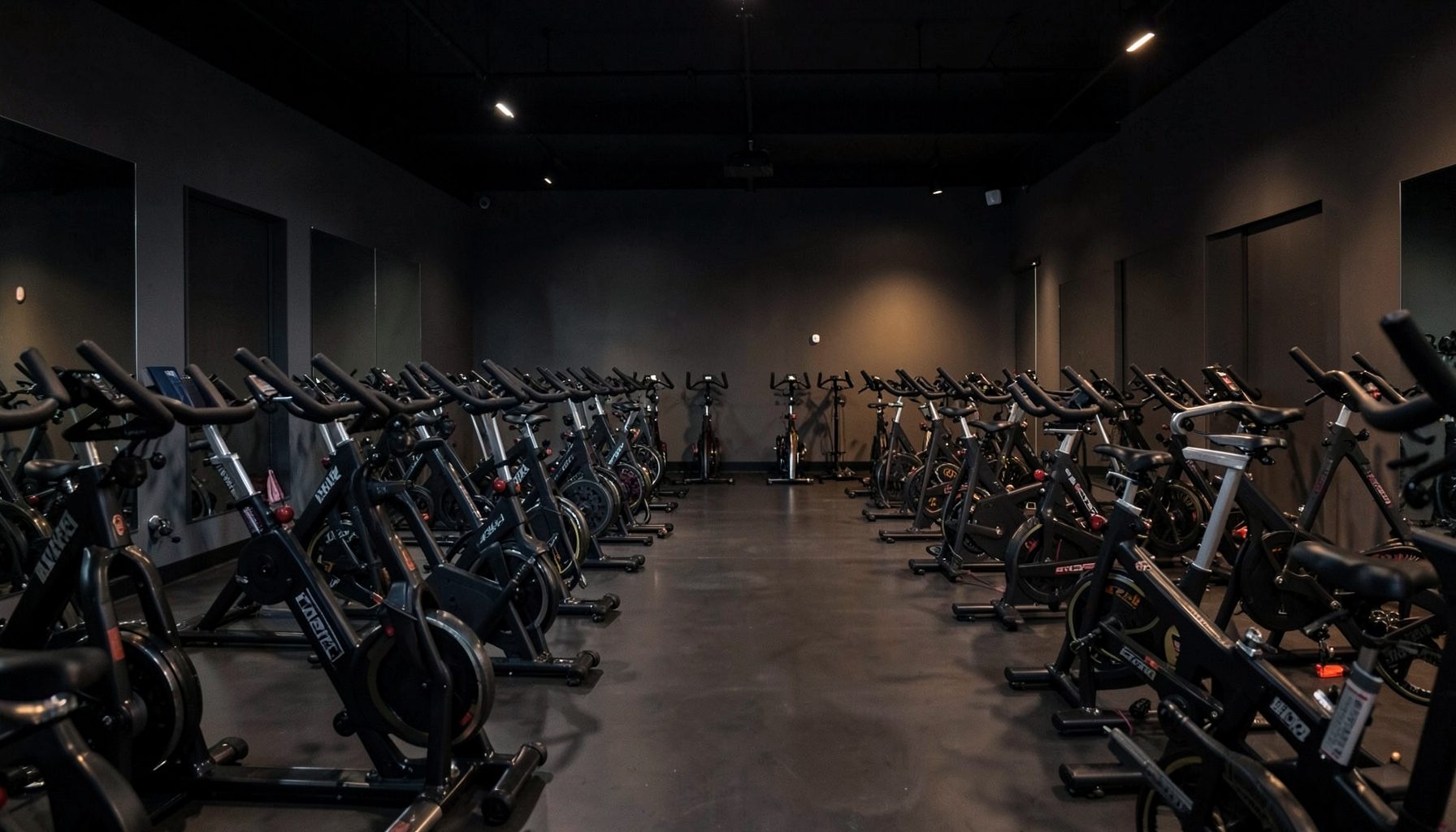
Normatec boot recovery and cryotherapy treatments help athletes bounce back faster. Cycle and spin classes add a cardio dimension to the holistic performance approach.
Have a Question?