Train. Compete. Recover.
A multi-purpose athletic facility in Speedway, Indiana — basketball leagues, skill training, and wellness services all under one roof.
The Factory D1 Indy brings together three entities under one roof: competitive basketball leagues for all age groups, individual and group training, and wellness & recovery services including Normatec boot recovery and cryotherapy. Located off I-465 and High School Road at 6331 Crawfordsville Road, Speedway, Indiana 46224.
Get In TouchHow Heart Rate Zones Shape Spin Class and Game Performance
A hard spin class can leave your legs shaking, your shirt drenched and your heart rate climbing for long stretches. A basketball game feels hard in a different way: you sprint, stop, shuffle, jump, walk, and then explode again before you have fully recovered. Both sessions build fitness, yet the numbers on your heart-rate monitor do not mean exactly the same thing in each setting.
Understanding the difference between heart rate zones in spin class and game performance helps athletes train with greater purpose. It can show whether a cycling session is developing aerobic capacity, whether a basketball workout is becoming too taxing, or whether fatigue is affecting decision-making and movement quality.
This matters for Australian athletes balancing school, work, club commitments and travel to training. A junior player in Melbourne, a social competitor in Brisbane or an NBL1 hopeful in Perth may use the same wearable, but the best interpretation depends on the sport, the session design and the athlete’s recovery.
What heart rate zones actually measure
Heart rate zones divide exercise intensity into ranges, usually based on a percentage of maximum heart rate. A simple model places Zone 1 at very easy effort, Zone 2 at a sustainable aerobic pace, Zone 3 at moderate-to-hard work, Zone 4 near the threshold where breathing becomes difficult, and Zone 5 at near-maximal intensity.
The exact boundaries vary. Some watches use percentages of maximum heart rate, while coaches may use heart-rate reserve, lactate threshold or a tested threshold heart rate. A formula such as 220 minus age can provide a rough starting point, but it is not equally accurate for everyone. Heat, dehydration, caffeine, stress and poor sleep can all raise the reading.
Heart rate also responds slowly compared with movement. During a short defensive sprint, an athlete may reach top speed before the monitor has registered the full cardiovascular demand. That delay is especially important in basketball, where bursts can last only a few seconds.
Why spin class creates clearer heart-rate patterns
A spin bike provides constant resistance and predictable movement. Once the cadence and load rise, an athlete can stay in a target range for several minutes. A coach might use a warm-up in Zones 1 and 2, sustained efforts in Zone 3, and repeated climbs or sprints in Zones 4 and 5.
This makes indoor cycling useful for building aerobic endurance and controlled threshold fitness. If the instructor calls for a four-minute effort, the rider has time to settle into a measurable intensity. Heart rate usually climbs progressively, making it easier to assess how the body responds to resistance, cadence and recovery periods.
At a busy Australian studio, the atmosphere can encourage riders to push beyond their planned effort. The music, lighting and group energy may turn every interval into a race. That is motivating, but staying in Zone 5 for the whole class is not a badge of honour. A well-designed session should include different intensities rather than constant maximal effort.
Why game performance looks more irregular
Basketball places athletes under repeated high-intensity demands. A guard may sprint the length of the court, brake to defend, change direction, contest a shot and then jog into position. A centre may spend more time wrestling for position and rebounding, while a junior player may experience longer pauses due to substitutions or coaching instruction.
As a result, a game heart-rate trace often looks like a series of peaks and partial recoveries. Average heart rate can be useful, but it does not show everything. Two players might both average 165 beats per minute while one completes more sprints and the other spends longer in steady defensive movement.
Game performance also depends on skills that heart rate cannot measure directly. Passing accuracy, defensive footwork, court vision, timing, communication and decision-making may decline before an athlete reaches a dramatic heart-rate peak. A player who is technically sharp at 85 percent of maximum heart rate may contribute more than one who reaches 95 percent but loses control of the ball.
Matching zones to basketball demands
For basketball conditioning, Zone 2 work builds the aerobic base that supports recovery between hard efforts. It can help an athlete lower their breathing rate sooner after a sprint and maintain energy across a full training session. Easy cycling, steady running or a controlled recovery ride can provide this foundation without adding excessive impact.
Zone 3 and Zone 4 work can resemble the sustained pressure of repeated possessions. Intervals such as three minutes of hard movement followed by two minutes of easier work may improve the ability to operate near the threshold. However, the format should still include changes of direction, jumping, reaction and ball skills when the goal is game transfer.
Zone 5 efforts are valuable in small doses. Short court sprints, defensive slides, shuttle runs and high-intensity drills can develop the ability to produce power under fatigue. They should be separated by enough recovery to preserve quality. If every repetition becomes slower and technique breaks down, the session may be testing exhaustion rather than improving basketball performance.
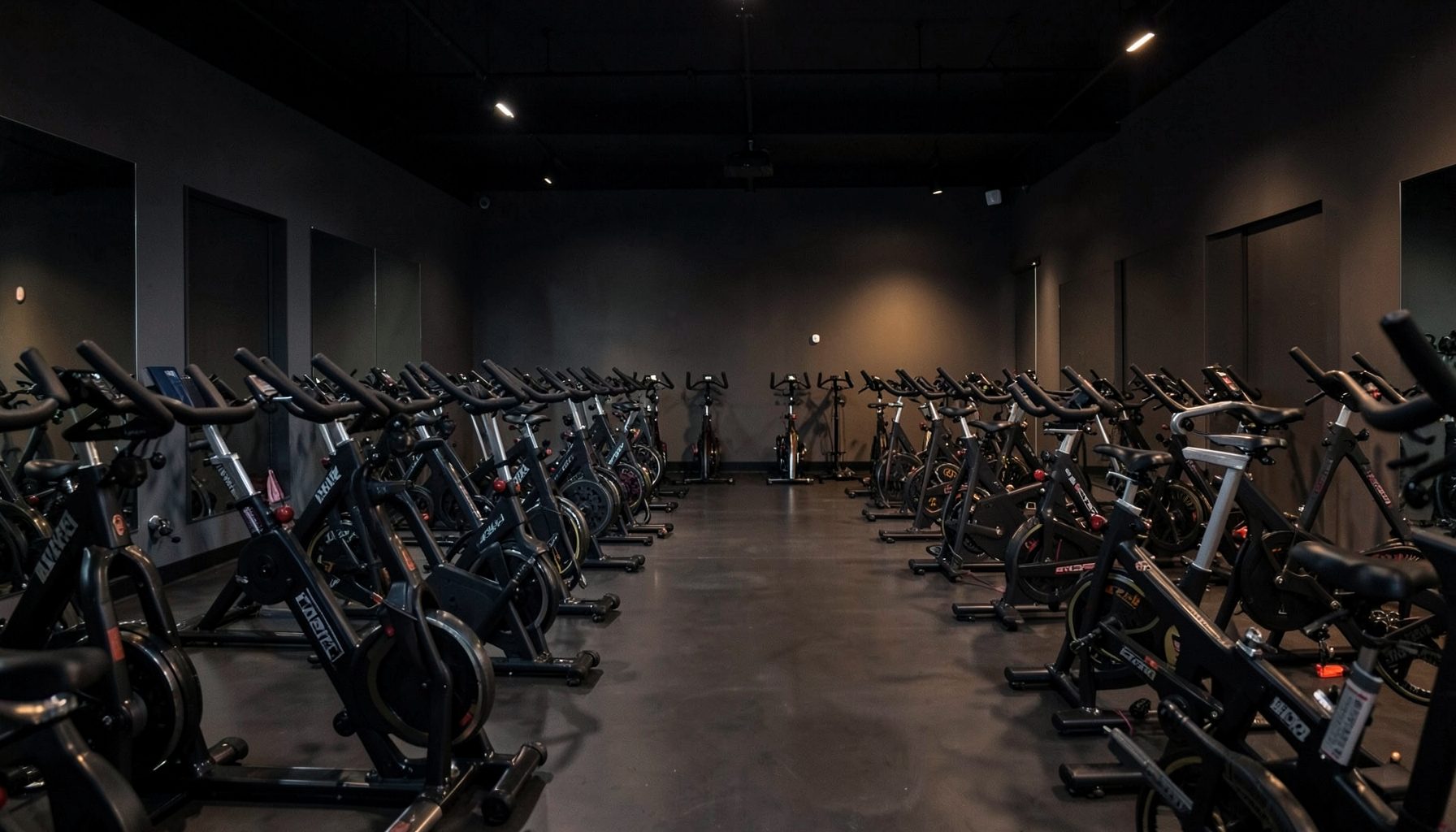
The training facility at The Factory D1 Indy reflects this broader athletic approach, combining basketball development with cycling and recovery services. For an Australian athlete using a similar model, the key is to treat spin as a conditioning tool that supports court work, not as a replacement for basketball-specific practice.
Using wearables without chasing numbers
Chest straps generally respond faster and more consistently than wrist-based monitors, particularly during gripping, lifting, cycling out of the saddle or rapid changes of direction. A watch can still be useful, but athletes should check whether the reading matches how they feel. Breathing, muscle fatigue and movement quality provide important context.
A practical system is to pair heart-rate data with the talk test and rate of perceived exertion. In low zones, an athlete can speak comfortably. Near threshold, conversation becomes broken and deliberate. During maximal intervals, only short words may be possible. These signals can expose a faulty sensor or an inaccurate maximum-heart-rate setting.
Basketball athletes should also review the timing of their heart-rate peaks. A high number late in a quarter may reflect accumulated fatigue, while a lower figure during a short sprint may simply show the monitor lagging behind the effort. Use the data to identify patterns across weeks rather than judging one session in isolation.
Building a useful weekly training mix
A balanced week might include one easy aerobic session, one structured interval or spin class, two basketball practices and a game, depending on age, experience and competition demands. Younger athletes need particular care because growth, school stress and limited recovery can change how hard a session feels. More training is not automatically better training.
Australian conditions can influence the numbers. Outdoor courts in Adelaide or western Sydney may feel far more demanding on a hot afternoon, while humidity in Brisbane or tropical Queensland can elevate heart rate before the workload changes. During summer, athletes should drink regularly, schedule intense work sensibly and avoid treating heat-related cardiovascular strain as proof of improved fitness.
Travel and competition calendars matter as well. A player travelling across Melbourne for evening club training or managing weekend tournaments in regional Victoria may need a shorter, lower-intensity session rather than another punishing workout. In the arvo, when school or work has already drained concentration, technical quality should guide the decision to continue.
The strongest plan uses spin class to develop repeatable cardiovascular qualities, then checks whether those gains appear on court. Can the athlete recover between possessions? Can they defend with sound footwork late in a game? Can they make a calm pass while breathing hard? Those outcomes matter more than spending a certain number of minutes in a particular zone.
Use heart-rate zones as a guide rather than a scoreboard. Track how your body responds in spin class, training and competition, then adjust intensity with a qualified coach when readings and performance do not match. Athletes at every level can benefit from combining smart conditioning, basketball-specific practice and deliberate recovery to arrive fresher and play with greater consistency.
Inside The Factory
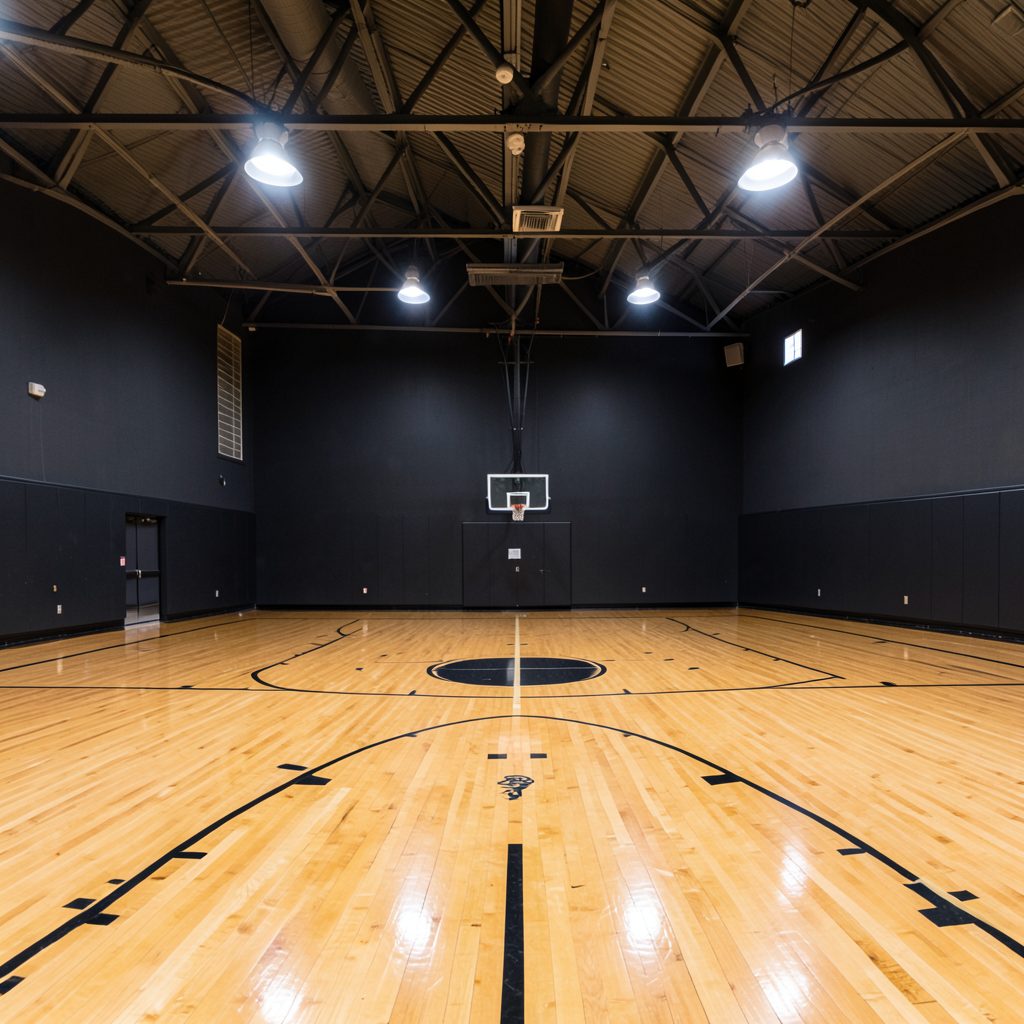

Three Entities, One Roof
Leagues
Eight league divisions span every age group: Indy Pro AM, 18+ Open Men's, 30+ Men's, Bite Size (ages 3–6), Impact League, 5th/6th Grade, Middle School, and High School. Gather your team and compete.
Training
Individual and group basketball training for all skill levels. Major M.O.V.E.S. Basketball Training serves ages 4–7 on Wednesday and Thursday evenings at 6:30 PM — $30 per session or $100 unlimited monthly.
Wellness & Recovery
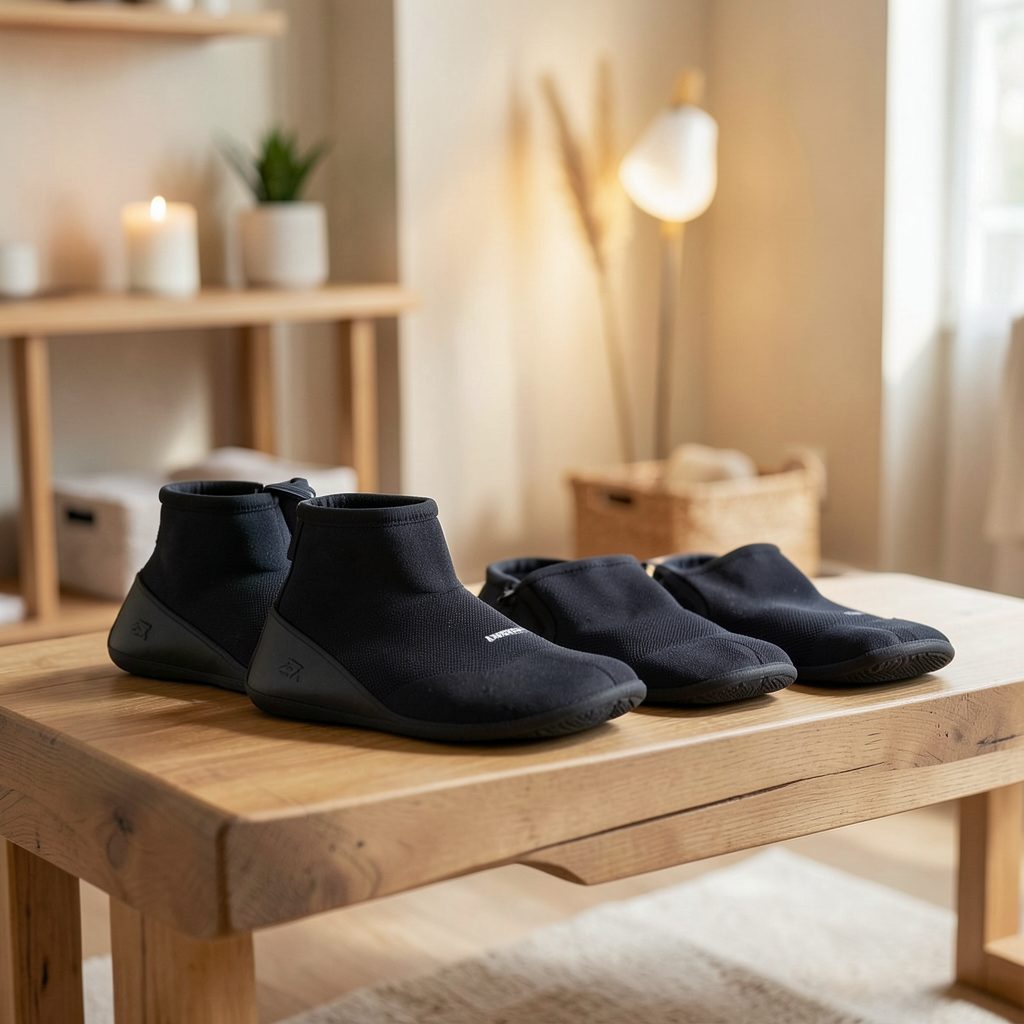
Normatec boot recovery and cryotherapy treatments help athletes bounce back faster. Cycle and spin classes add a cardio dimension to the holistic performance approach.
Have a Question?