Train. Compete. Recover.
A multi-purpose athletic facility in Speedway, Indiana — basketball leagues, skill training, and wellness services all under one roof.
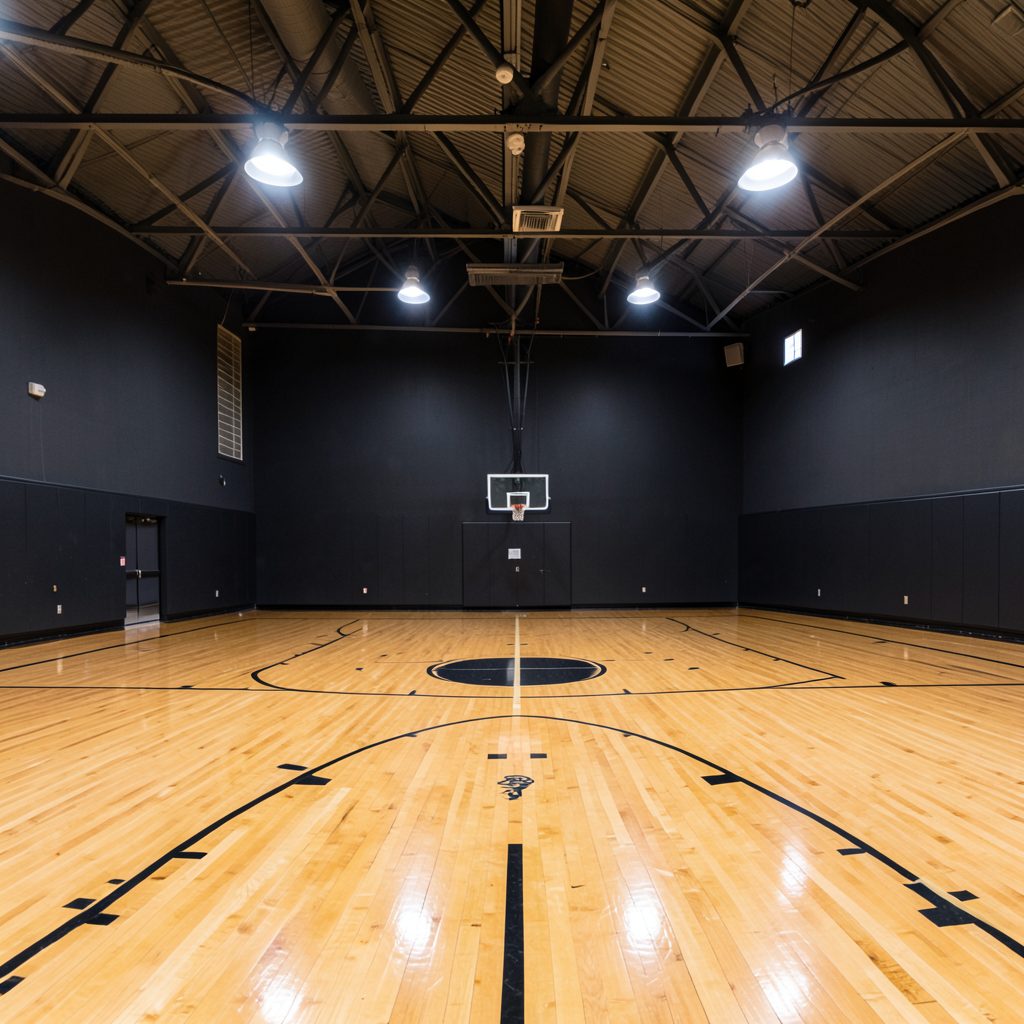
The Factory D1 Indy brings together three entities under one roof: competitive basketball leagues for all age groups, individual and group training, and wellness & recovery services including Normatec boot recovery and cryotherapy. Located off I-465 and High School Road at 6331 Crawfordsville Road, Speedway, Indiana 46224.
Get In TouchIndividual And Group Basketball Training Explained
Basketball development rarely follows a single route. Some athletes need focused attention on a jump shot, ball-handling move, or defensive habit, while others improve fastest when they read teammates, respond to pressure, and compete against varied opponents. The setting that works best depends on the player’s age, experience, goals, and willingness to be challenged.
Individual and group basketball skills training each offer valuable advantages. Private instruction can make practice highly specific, while a team-based session creates movement, communication, and decision-making demands that closely resemble a real game. The strongest development plan often uses both formats at different stages.
At The Factory D1 Indy, athletes can connect skill development with leagues, conditioning, and recovery in one athletic environment. Understanding what each training option provides makes it easier to choose sessions that support measurable progress rather than simply adding more activity to the schedule.
Choosing The Right Training Setting
Individual instruction is usually the better starting point when a player has a clear technical weakness. A coach can observe footwork, posture, hand placement, balance, and timing without splitting attention among several athletes. That level of detail is useful for correcting habits before they become deeply established.
Group sessions become especially valuable when the athlete needs to apply those skills around other players. Passing against a defender, attacking a closeout, changing direction in traffic, and making a quick read cannot be fully developed through stationary drills. Group practice adds unpredictability and forces the player to process information at game speed.
Age and confidence also influence the decision. Younger athletes may benefit from energetic group activities that build enjoyment and basic coordination, while advanced players may need private sessions to refine small technical details. A balanced schedule can preserve motivation while addressing specific development needs.
What Individual Training Delivers
One-on-one basketball coaching provides a high level of customization. The coach can design drills around the athlete’s position, playing style, physical tools, and current competition level. A guard might work on pace changes and pick-and-roll reads, while a post player may focus on seals, pivots, touch finishes, and defensive positioning.
The immediate feedback loop is another major benefit. Instead of repeating a movement incorrectly for an entire practice, the athlete receives a correction and tries again within seconds. This repetition can improve shooting mechanics, weak-hand control, defensive slides, first-step explosiveness, and finishing angles with greater efficiency.
Private sessions can also support athletes returning from injury or managing a physical limitation. The coach can adjust intensity, reduce unnecessary contact, and coordinate skill work with strength, mobility, or recovery goals. For adult players balancing competition with work and family responsibilities, these focused sessions can make limited training time more productive; these adult athlete strategies offer useful context for staying sharp.
What Group Training Adds
Group basketball training creates conditions that individual workouts cannot completely reproduce. Players must share space, recognize teammates’ movements, react to defenders, and make decisions while tired. These demands develop court awareness and help technical improvements become functional game skills.
The social environment matters as well. Athletes learn by watching different body types, positions, and approaches to the same drill. A player may gain confidence by succeeding against a stronger opponent or discover a new solution by observing a teammate’s footwork. Friendly competition raises effort and gives practice a clear sense of purpose.
The differences between the two formats can be summarized clearly:
| Training focus | Individual sessions | Group sessions |
|---|---|---|
| Coach attention | Highly specific and continuous | Shared across multiple athletes |
| Skill correction | Immediate, detailed feedback | Broader feedback during active drills |
| Decision-making | Controlled and gradually increased | Frequent reads under pressure |
| Competition | Usually limited or simulated | Built into games and competitive drills |
| Best use | Correcting technique and targeting weaknesses | Applying skills, communication, and team play |
| Training atmosphere | Personalized and focused | Social, energetic, and unpredictable |
A group setting may also prepare athletes for league play more directly. Players can practice spacing, transition defense, help-side rotations, and communication in situations that resemble organized competition. Athletes interested in testing those habits in live games can explore league registration options at The Factory D1 Indy.
How Goals Shape The Best Choice
The right format changes as the goal changes. A beginner who is learning a reliable dribble may need individual attention at first, followed by small-group games that encourage movement and confidence. A high school athlete preparing for tryouts may combine shooting repetition with competitive situations that test speed, stamina, and decision-making.
Players with a specific target should state it clearly before training begins. “Become a better shooter” is less useful than “improve balance on catch-and-shoot attempts from the corners” or “finish through contact with the left hand.” Clear goals help the coach select meaningful drills and establish a way to evaluate progress.
Competition preparation often calls for both formats. Individual practice can sharpen the move an athlete wants to use, while group work reveals whether that move remains effective when a defender crowds the space and the clock is running. Skill acquisition and skill application should support each other rather than operate as separate activities.
Making Practice Transfer To Games
A common mistake is measuring training only by how polished a drill looks. A player may complete a crossover perfectly in an open lane and still struggle to use it against pressure. Effective development gradually moves from isolated technique to guided reads, live defense, and competitive play.
Individual workouts should therefore include progression. After learning a movement, the athlete can perform it at different speeds, from different spots, and in response to a coach’s cue. The next step might involve a passive defender, then an active defender, and eventually a small-sided game where the player must decide when the move is appropriate.
Group sessions can follow the same principle. Coaches can pause play to explain spacing or defensive choices, then restart the action so athletes apply the correction immediately. This combination of instruction, repetition, and realistic pressure makes training more likely to carry over into league games.
Building A Sustainable Development Plan
Training frequency should match the athlete’s schedule, recovery capacity, and competition calendar. More sessions are not automatically better if the player is fatigued, losing focus, or repeating poor movement patterns. Planned recovery, hydration, sleep, and mobility work help protect the quality of every practice.
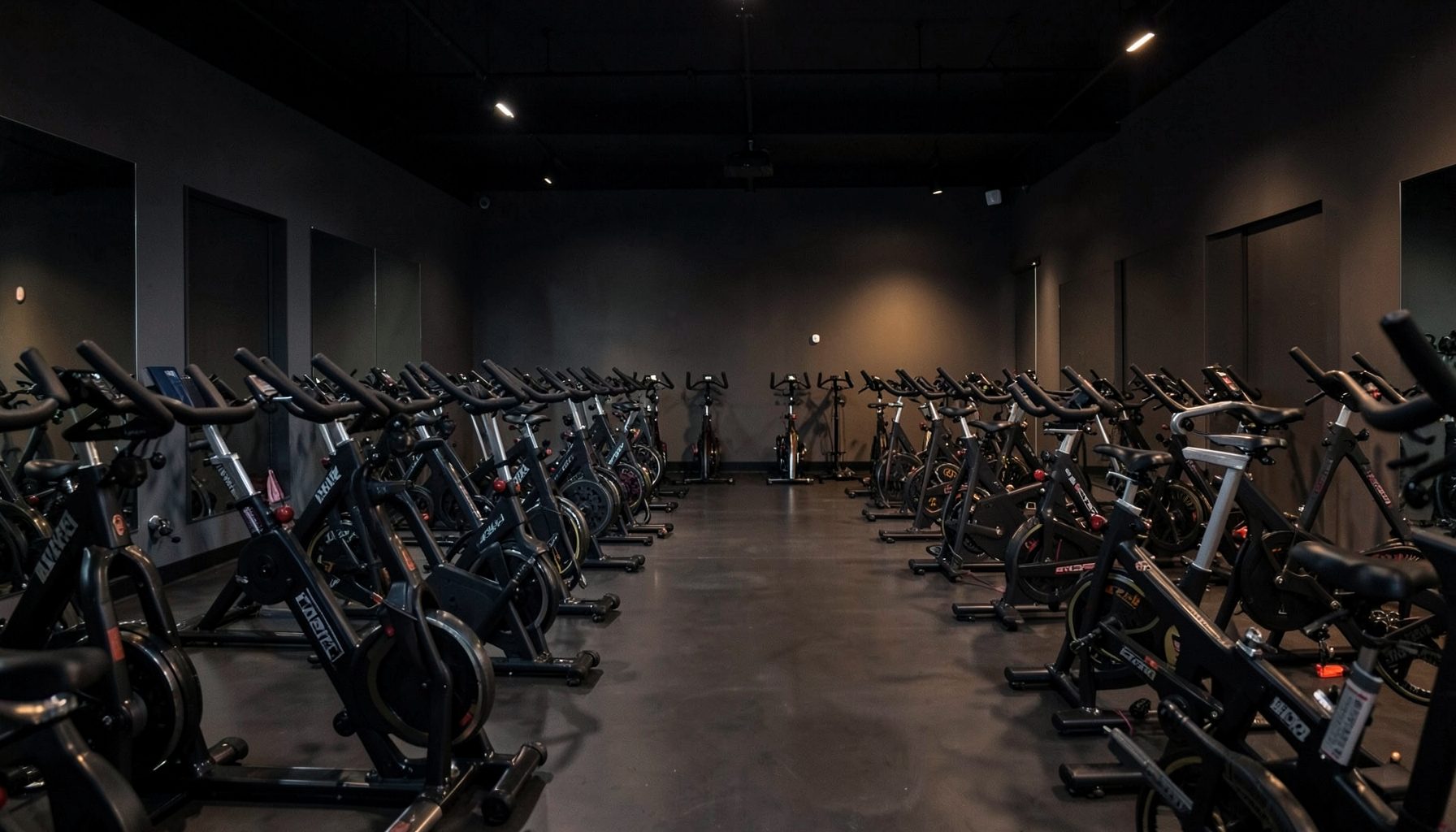
A multi-purpose facility can make that plan easier to maintain. Athletes may combine basketball workouts with cycling or spin classes for conditioning, then use recovery services such as compression therapy or cryotherapy when appropriate. Variety can support overall fitness without turning every day into another high-impact basketball session.
A practical starting point includes:
- Use individual coaching to identify and correct one or two priority skills.
- Join group workouts to practice those skills with movement, pressure, and competition.
- Track progress through specific markers such as shooting percentage, turnovers, finishing success, or defensive stops.
- Adjust the balance between private and group training before tryouts, league seasons, or major tournaments.
- Protect recovery time so technical learning remains sharp and consistent.
The most effective choice is rarely permanent. An athlete may need several private sessions after identifying a weakness, then shift toward group play once the correction feels natural. Coaches and players should review progress regularly and change the training mix as goals evolve.
Both individual and group basketball training have a clear place in long-term development. Private work creates precision, while group practice builds adaptability, communication, and competitive confidence. Together, they help athletes move from knowing a skill to using it when the game becomes fast and unpredictable.
Visit The Factory D1 Indy to find basketball training, competitive league opportunities, conditioning options, and recovery resources that fit your next stage of development. Build a focused plan, practice with purpose, and bring those improvements onto the court.
Inside The Factory

Three Entities, One Roof
Leagues
Eight league divisions span every age group: Indy Pro AM, 18+ Open Men's, 30+ Men's, Bite Size (ages 3–6), Impact League, 5th/6th Grade, Middle School, and High School. Gather your team and compete.
Training
Individual and group basketball training for all skill levels. Major M.O.V.E.S. Basketball Training serves ages 4–7 on Wednesday and Thursday evenings at 6:30 PM — $30 per session or $100 unlimited monthly.
Wellness & Recovery
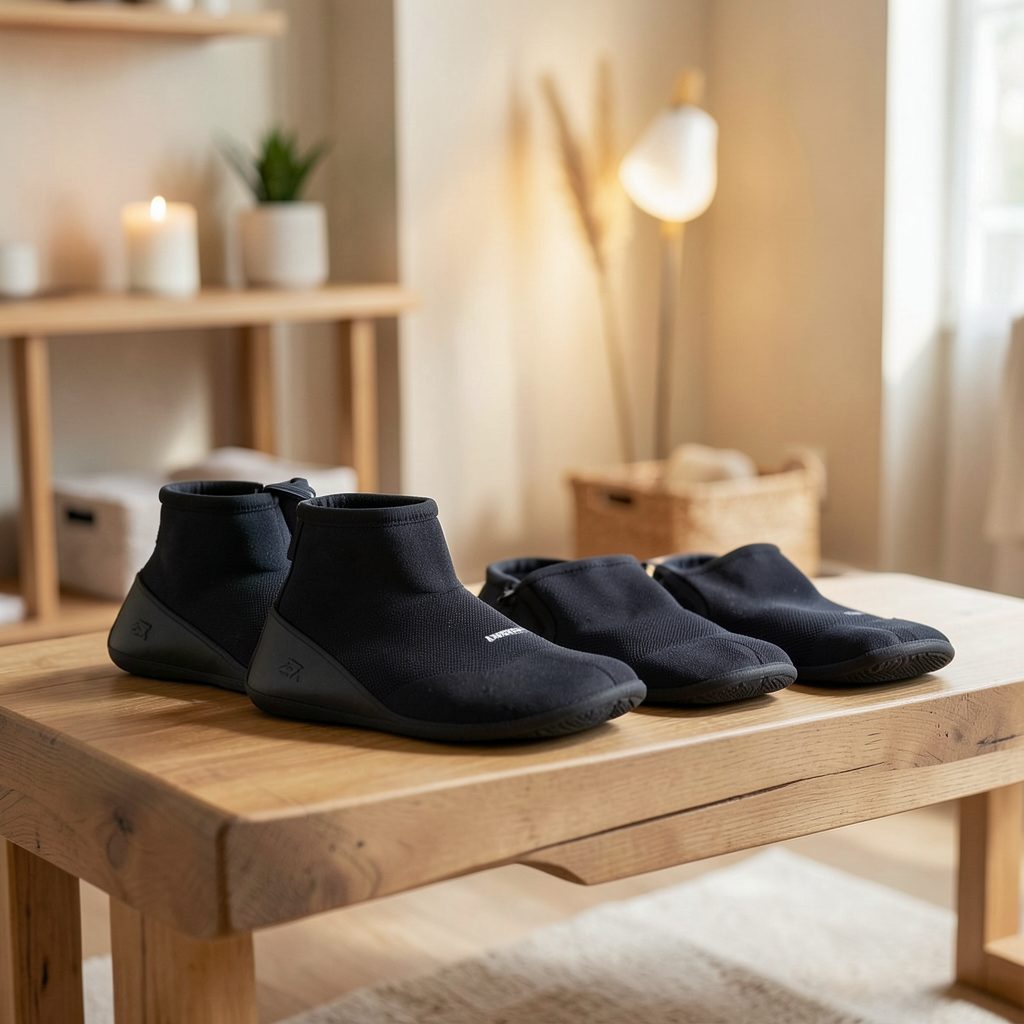
Normatec boot recovery and cryotherapy treatments help athletes bounce back faster. Cycle and spin classes add a cardio dimension to the holistic performance approach.
Have a Question?