Train. Compete. Recover.
A multi-purpose athletic facility in Speedway, Indiana — basketball leagues, skill training, and wellness services all under one roof.
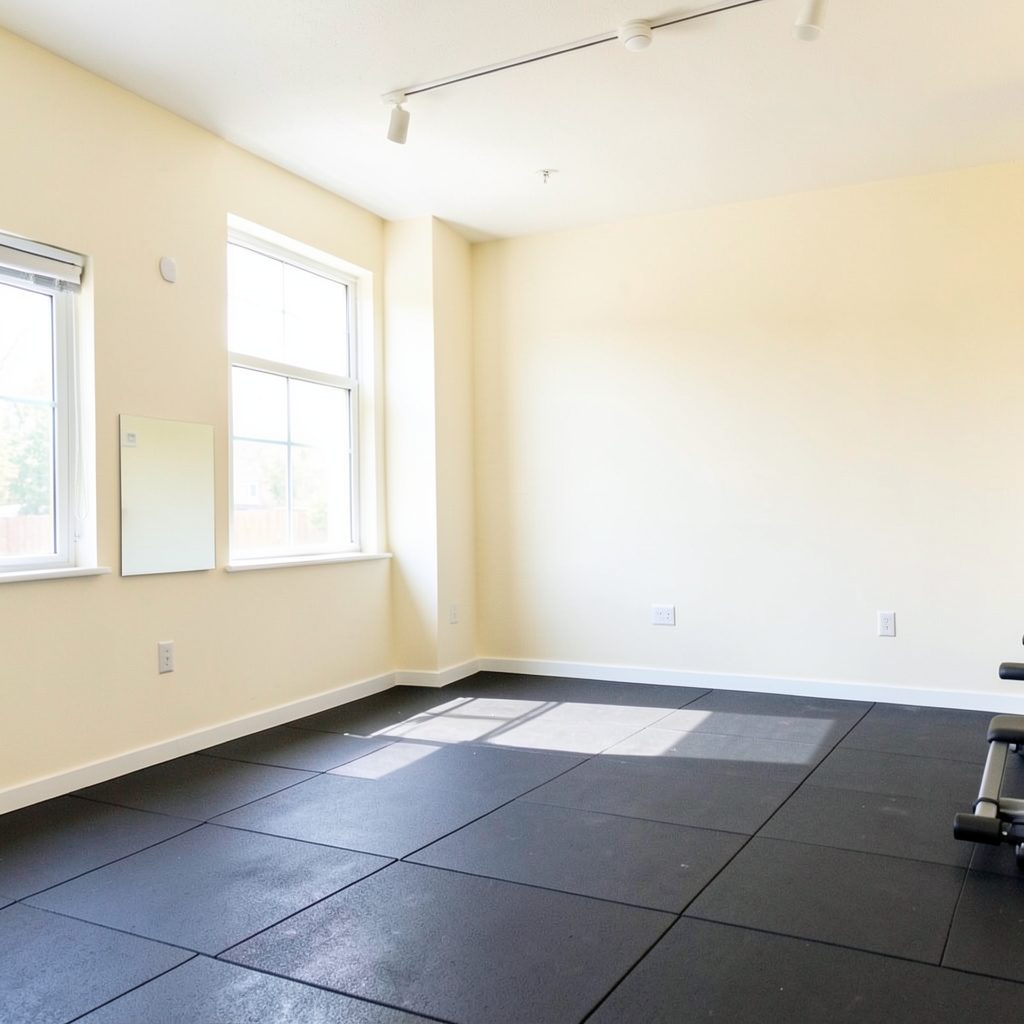
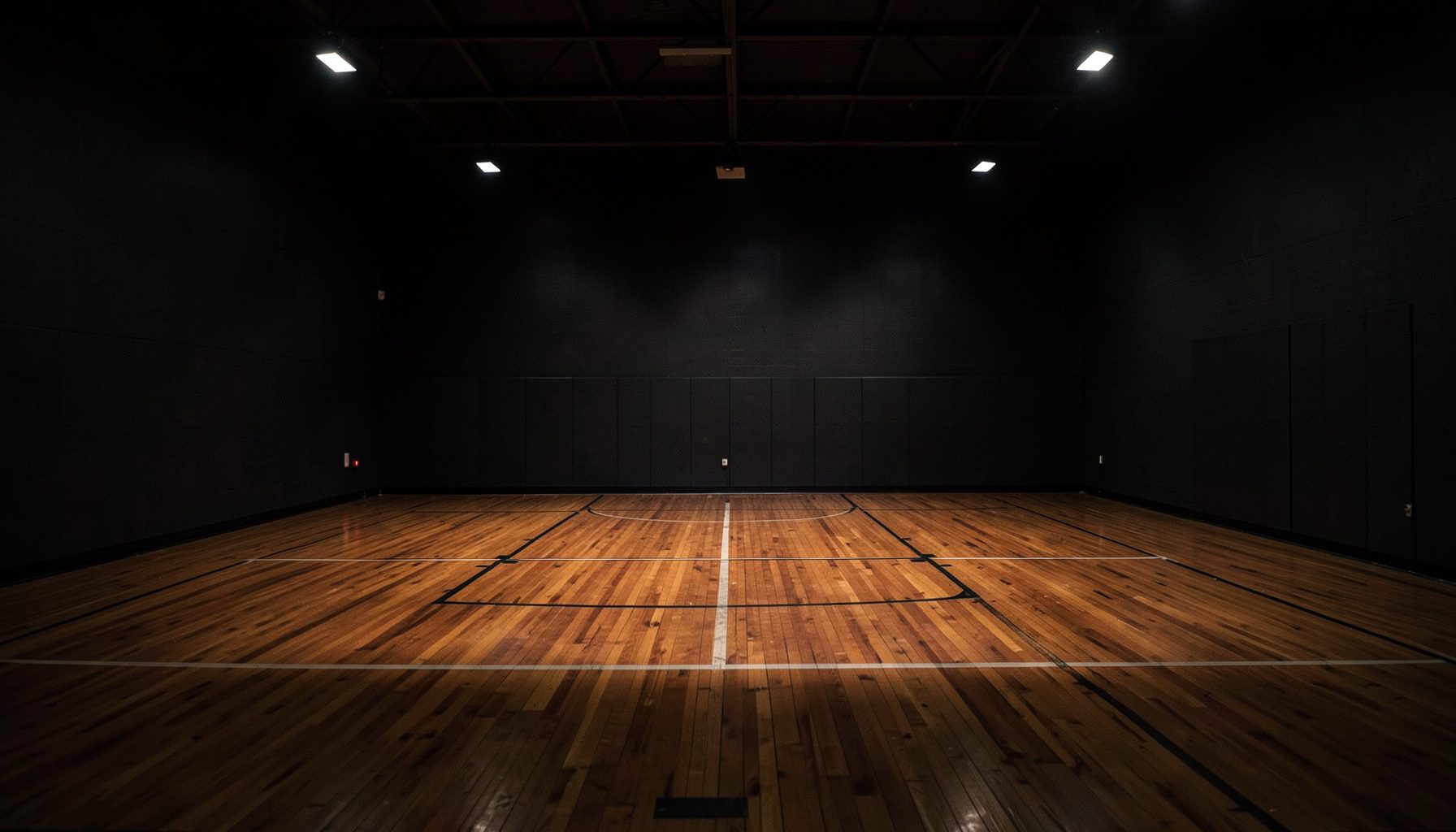
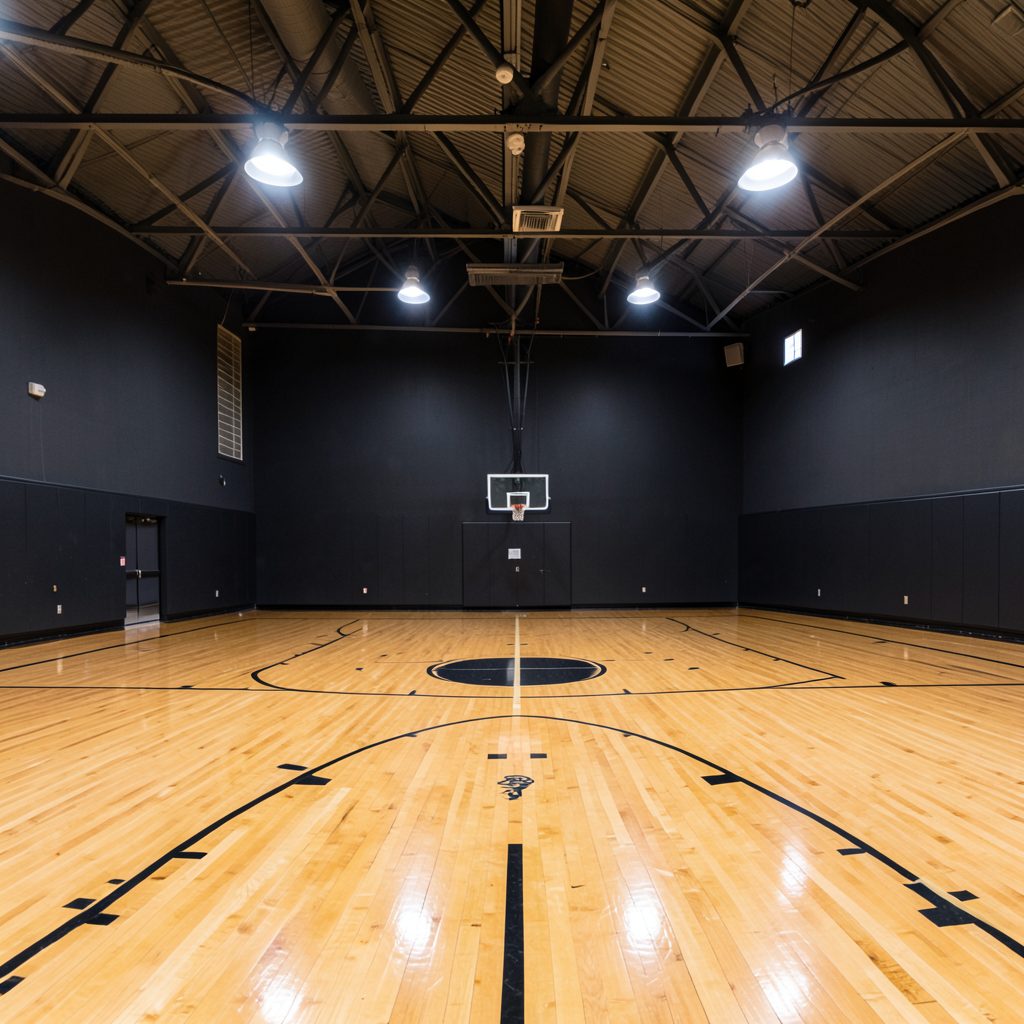
The Factory D1 Indy brings together three entities under one roof: competitive basketball leagues for all age groups, individual and group training, and wellness & recovery services including Normatec boot recovery and cryotherapy. Located off I-465 and High School Road at 6331 Crawfordsville Road, Speedway, Indiana 46224.
Get In TouchStatic And Dynamic Stretching For Better Basketball Warm-Ups
Basketball demands quick acceleration, controlled deceleration, vertical power, and constant changes of direction. A useful warm-up prepares the body for those demands by increasing blood flow, moving joints through practical ranges of motion, and gradually raising the intensity of the activity. Stretching can support that process, but the type of stretching and the timing matter.
Static and dynamic stretching serve different purposes. Static stretching involves holding a muscle in a lengthened position, while dynamic stretching uses controlled movement to prepare muscles and joints for action. Understanding when to use each method can help basketball players move more efficiently and reduce unnecessary strain before practice or competition.
At The Factory D1 Indy, warm-ups can fit into a broader training routine that includes skills work, conditioning, leagues, and recovery. The facility’s approach as a community athletic hub is explained in this overview of a complete athletic experience, where preparation and recovery support long-term performance.
What Static Stretching Does
Static stretching places a muscle into a comfortable lengthened position and holds it for a set period, often 15 to 60 seconds. Common examples include a standing quadriceps stretch, seated hamstring stretch, calf stretch against a wall, or hip-flexor stretch in a half-kneeling position.
This approach can improve short-term flexibility and help athletes become more aware of tight areas. It may be especially useful after training, when the body is warm and the goal is to gradually restore comfortable mobility. Regular flexibility work can also help players maintain the range of motion needed for a deep defensive stance, a full stride, or a controlled landing.
Long, intense static stretches immediately before explosive activity require more care. Holding a muscle at its end range for too long may temporarily reduce force production or make an athlete feel less prepared for sprinting and jumping. Static stretching is not inherently harmful, but it is usually better placed after movement preparation rather than used as the entire pre-game warm-up.
How Dynamic Stretching Prepares Players
Dynamic stretching moves a joint and its surrounding muscles through an active range of motion. The athlete controls the movement instead of holding a fixed position. Examples include walking lunges, high-knee walks, butt kicks, leg swings, ankle rolls, arm circles, and alternating lateral lunges.
These exercises raise body temperature while rehearsing movement patterns used in basketball. A player can prepare the hips with walking lunges, activate the glutes with controlled squats, and mobilize the ankles with gradual calf raises. Dynamic movements also help connect the nervous system to the actions that follow, which makes them a natural bridge from general activity to basketball-specific drills.
The key is control. Dynamic stretching should not become careless bouncing or aggressive swinging. Players should begin with a smaller range of motion and slower tempo, then progress as the body feels warmer. The goal is readiness, not fatigue.
Choosing The Right Stretch At The Right Time
A basketball warm-up usually works best when it moves from general preparation to specific preparation. Players can begin with light jogging, cycling, or skipping to increase circulation. They can then add dynamic mobility drills before progressing to defensive slides, closeout footwork, short accelerations, and low-intensity shooting.
Static stretching may have a place if a player has a clearly restricted area that affects movement. In that case, a brief, comfortable hold can be followed by dynamic exercises and sport-specific activity. The stretch should never create sharp pain, numbness, or a forceful pulling sensation.
| Warm-Up Method | Main Purpose | Best Timing | Basketball Examples |
|---|---|---|---|
| Static stretching | Increase flexibility and relax a tight muscle | After activity or during a separate mobility session | Quad hold, calf stretch, seated hamstring stretch |
| Dynamic stretching | Prepare joints and muscles for movement | Before practice, games, or intense drills | Walking lunges, leg swings, high knees |
| General movement | Raise body temperature and circulation | At the beginning of a warm-up | Easy jog, jump rope, light cycling |
| Basketball-specific activation | Rehearse skills and game actions | Near the end of the warm-up | Defensive slides, closeouts, short sprints, layups |
A player who feels unusually stiff may need more gradual movement rather than a deeper stretch. Coaches can also adjust the routine based on age, playing position, previous injuries, and the day’s workload. A youth player preparing for a skills session may need a simpler sequence than an adult athlete getting ready for a high-intensity league game.
A Practical Basketball Warm-Up Sequence
Start with five minutes of easy movement. Jogging around the court, skipping, or light cycling can raise body temperature without using too much energy. Players should be able to move comfortably and gradually increase their pace.
Next, use dynamic mobility for the major areas involved in basketball. Try 10 to 12 repetitions of walking lunges, lateral lunges, leg swings, high-knee marches, heel-to-glute walks, and arm circles. Add controlled bodyweight squats to prepare the hips, knees, and ankles for defensive positions and jumping.
The final stage should resemble the session ahead. Players can complete closeout steps, defensive slides, backpedal-to-sprint drills, low-intensity jumps, and short changes of direction. Finish with form shooting, passing, and layups before moving into full-speed practice or competition.
The exact sequence does not need to be long. Ten to 15 focused minutes can be enough when the exercises are purposeful and the intensity increases gradually. A well-designed warm-up should leave players feeling alert, mobile, and ready to perform rather than tired before the session begins.
Common Stretching Mistakes To Avoid
One common mistake is beginning with deep static stretches while the body is still cold. A player may feel temporarily looser, but the routine has not yet raised tissue temperature or prepared the nervous system for explosive movement. Light movement should come first.
Another mistake is treating every muscle the same way. Basketball players often need attention to the ankles, calves, hips, hamstrings, quadriceps, groin, and shoulders, but the appropriate exercise depends on the athlete. A player with limited ankle mobility may benefit from controlled ankle rocks, while another may need hip activation or a longer cooldown stretch.
Bouncing aggressively into a stretch can place unnecessary stress on muscles and connective tissue. Dynamic mobility should remain smooth and deliberate. Players should also avoid copying advanced drills without learning proper alignment, especially when performing lunges, single-leg movements, or deep squats.
Finally, stretching cannot replace strength, skill training, rest, or medical guidance. Persistent pain, swelling, instability, or a major difference between limbs deserves evaluation by a qualified healthcare professional. Mobility work should support training, not disguise an injury that needs attention.
Recommendations For Players And Coaches
A consistent warm-up is easier to follow when it is simple, progressive, and connected to the day’s goals. Coaches can demonstrate each movement, provide a clear repetition range, and watch for posture or balance issues. Players should communicate when a drill causes pain rather than forcing their way through it.
Use these practical recommendations:
- Begin with light movement before performing any extended stretch.
- Prioritize dynamic mobility before practices, workouts, and games.
- Keep pre-performance movements controlled instead of forcing extreme ranges.
- Use static stretches after training or in a dedicated flexibility session.
- Finish with basketball-specific actions that gradually reach game speed.
Recovery also influences how mobile an athlete feels at the next session. Hydration, sleep, appropriate strength work, and post-training care all contribute to movement quality. Services such as compression therapy or cryotherapy may fit into an individualized recovery plan when used appropriately and with professional guidance.
Build A Reliable Warm-Up Habit
The best stretching routine is one athletes can perform consistently and correctly. Young players can learn basic movement patterns early, while experienced athletes can refine their preparation based on position, workload, and personal mobility needs. A coach-led warm-up also gives teams a shared rhythm before practice or competition.
At a multi-purpose facility such as The Factory D1 Indy, players can pair basketball development with conditioning, group training, and recovery services. That broader setting helps athletes view warm-ups as part of performance preparation instead of a task to rush through.
Use dynamic stretching to prepare for movement, reserve most longer static stretching for after activity, and progress from easy motion to basketball speed. Visit The Factory D1 Indy to train, compete, and build a warm-up routine that supports confident movement on the court.
Inside The Factory

Three Entities, One Roof
Leagues
Eight league divisions span every age group: Indy Pro AM, 18+ Open Men's, 30+ Men's, Bite Size (ages 3–6), Impact League, 5th/6th Grade, Middle School, and High School. Gather your team and compete.
Training
Individual and group basketball training for all skill levels. Major M.O.V.E.S. Basketball Training serves ages 4–7 on Wednesday and Thursday evenings at 6:30 PM — $30 per session or $100 unlimited monthly.
Wellness & Recovery
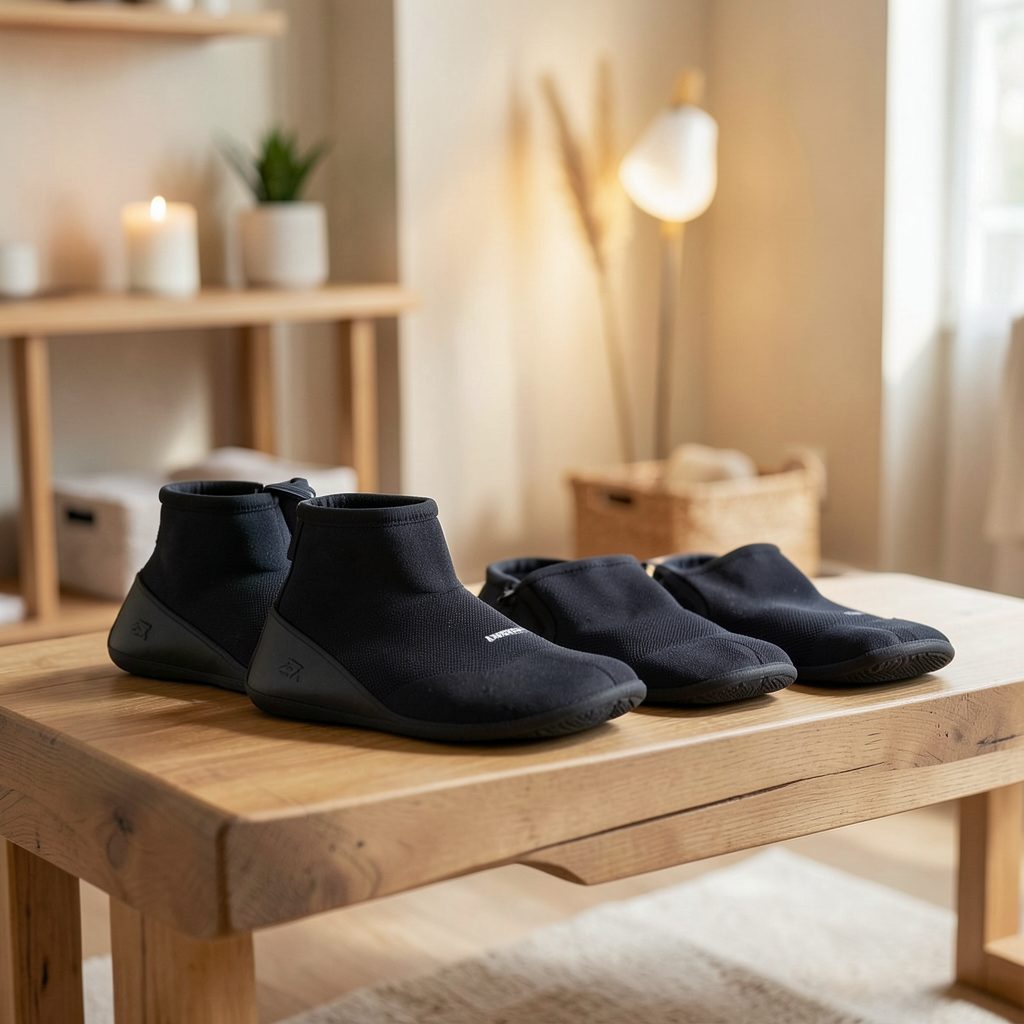
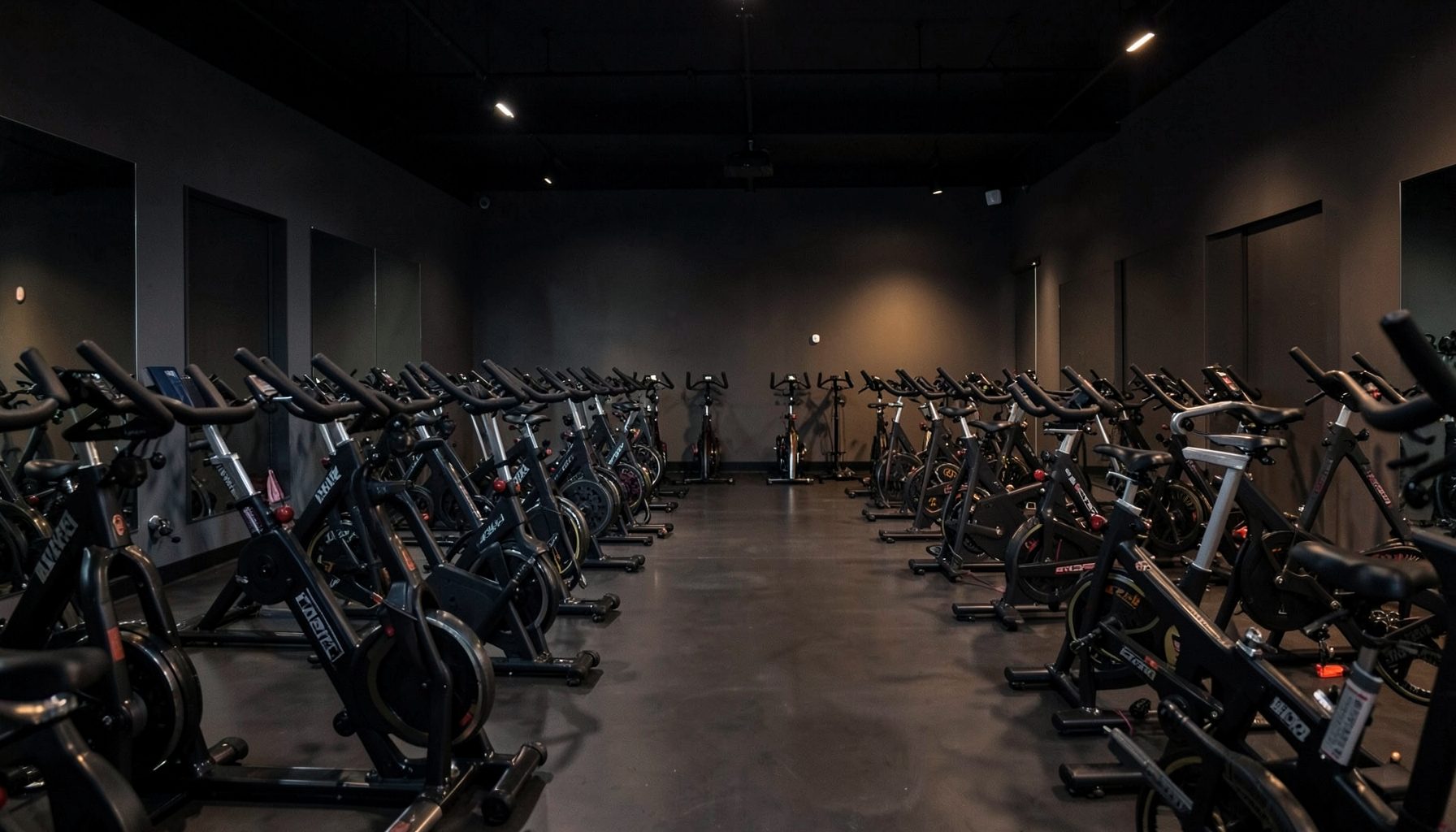
Normatec boot recovery and cryotherapy treatments help athletes bounce back faster. Cycle and spin classes add a cardio dimension to the holistic performance approach.
Have a Question?