Train. Compete. Recover.
A multi-purpose athletic facility in Speedway, Indiana — basketball leagues, skill training, and wellness services all under one roof.
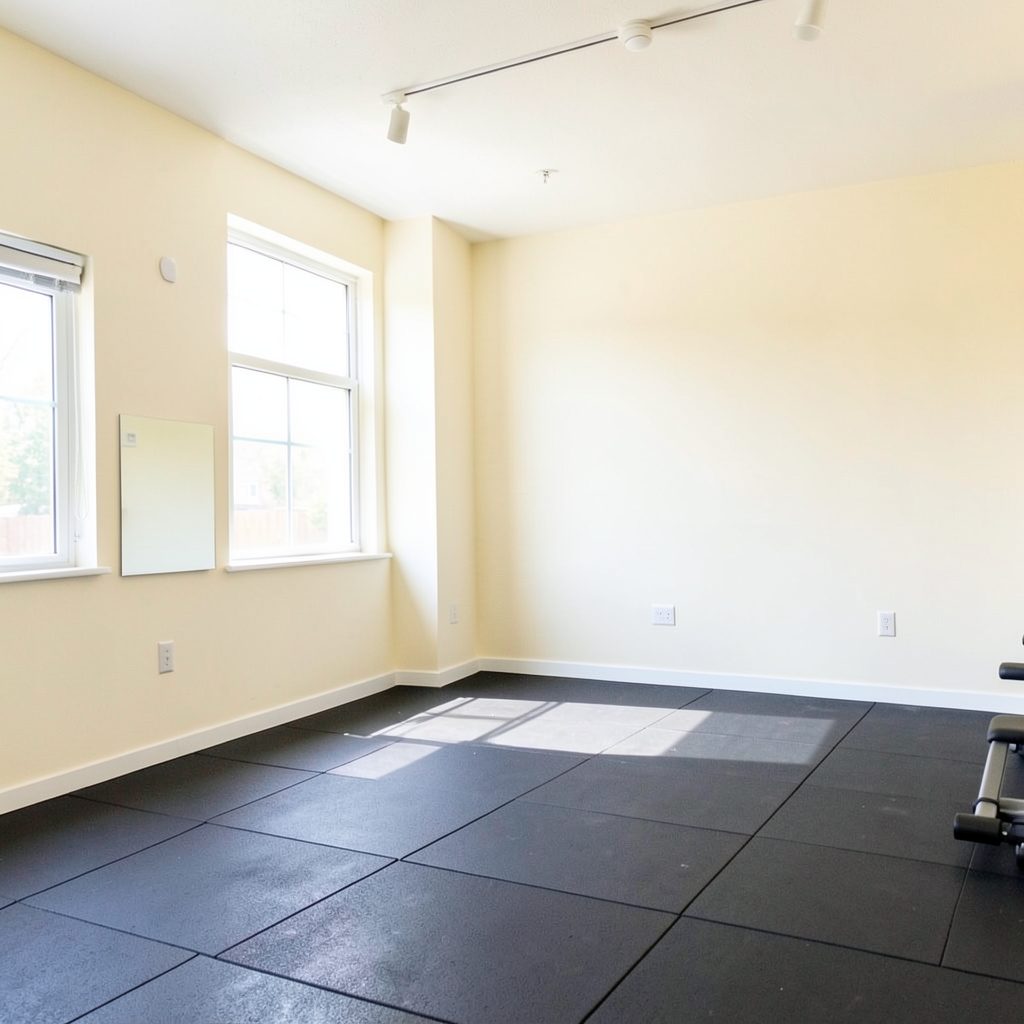
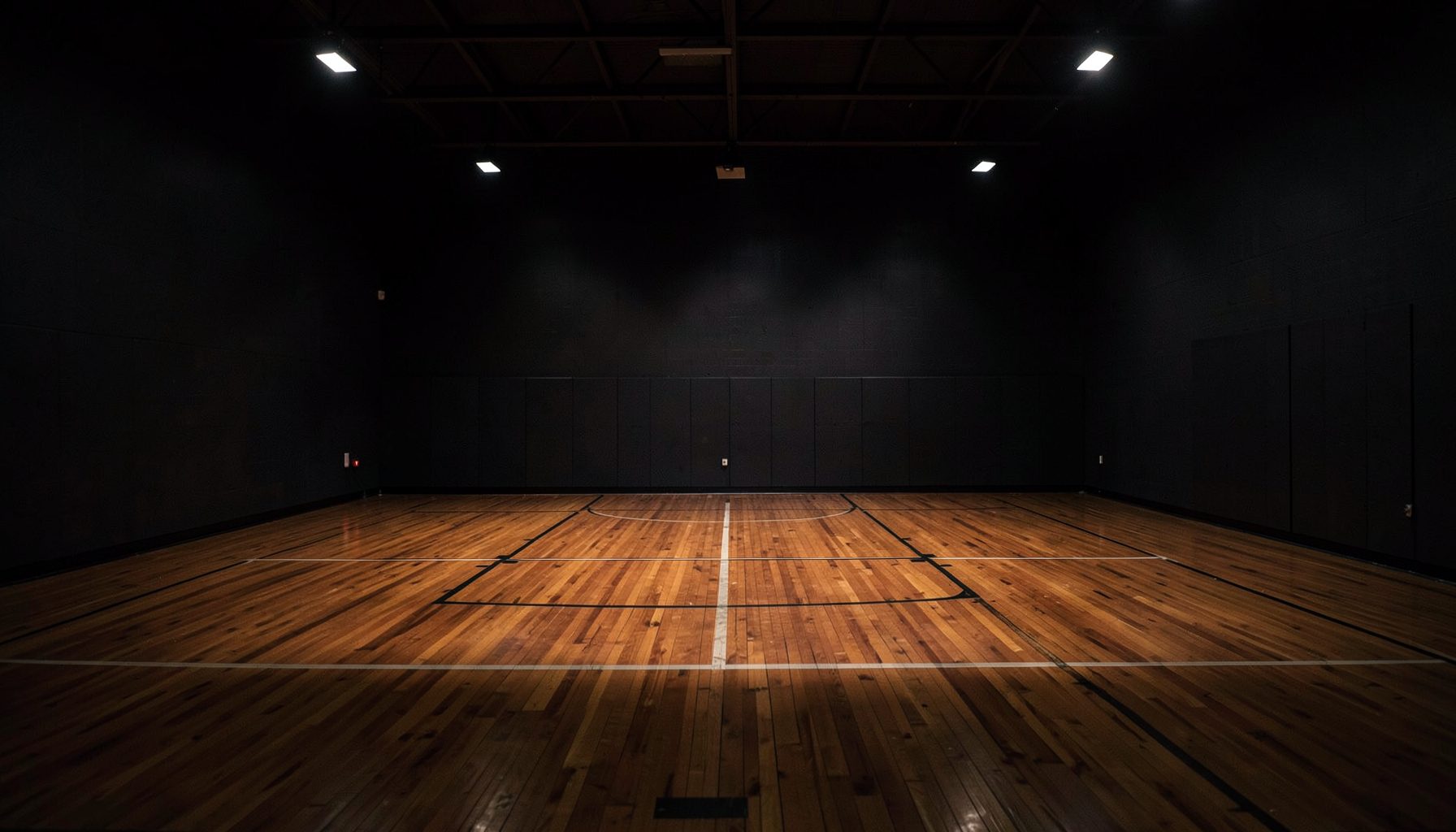
The Factory D1 Indy brings together three entities under one roof: competitive basketball leagues for all age groups, individual and group training, and wellness & recovery services including Normatec boot recovery and cryotherapy. Located off I-465 and High School Road at 6331 Crawfordsville Road, Speedway, Indiana 46224.
Get In TouchBasketball drills that sharpen vision and reactions
Hand-eye coordination is the ability to notice a ball, a teammate or a moving object and turn what you see into a timely action. It is not fixed at birth: visual attention, movement confidence and repeated practice all shape how quickly a child responds. The drills our coaches use to improve hand-eye coordination in young athletes therefore focus less on complicated gymnastics and more on clear visual cues, simple repetitions and gradual pressure.
Factory D1 Indy in Speedway, Indiana, gives that work a basketball home. The multi-purpose facility offers individual and group skills sessions, youth programmes and leagues from early-childhood divisions through adult competition, so a six-year-old beginner and an experienced player can work on related skills at different levels. Cycle and spin classes, Normatec compression therapy and cryotherapy also support athletes whose wider training load extends beyond the court.
For families in Australia, the familiar version of this session might happen after school in Melbourne, during a humid Saturday in Brisbane or on an indoor court in Sydney. Young players often rotate among Australian rules football, cricket, netball, basketball and club duties, so visual-motor learning must fit busy family calendars as well as changing weather and weekend travel. A focused indoor environment can provide the consistency that outdoor sessions cannot always guarantee.
Hand-eye coordination is a trainable skill
Coaches first separate seeing from reacting. A child may catch well when the ball travels straight toward the chest but struggle when it arrives at an angle. That gap is useful information rather than a verdict. By changing distance, speed and direction while keeping one variable manageable, coaches identify what the athlete can perceive and control. A broader set of movement quality resources can support the same principle by linking movement mechanics to the task.
The best starting point is a successful experience. Young athletes should first learn to track a predictable ball, make a balanced stance and finish each repetition with control. Coaches then add a decision, such as moving toward a cone after a pass or catching with the weaker hand. Progressing this way builds confidence and reduces the temptation to rush, which can disrupt both technique and visual attention.
Begin with predictable ball control
Wall passes provide a straightforward starting point. An athlete stands a few metres from a wall, passes the ball with two hands and catches it on the return. The wall creates a consistent target without requiring another person to react. Coaches can gradually increase the distance, change the pass from chest height to waist height or ask the athlete to catch the rebound without taking a step backwards.
Cone dribbling introduces movement without sacrificing clarity. The athlete dribbles through a short line of cones, stops at a marker and passes to a coach or partner. A second version sends the athlete towards a different coloured cone after receiving a pass, forcing the eyes to leave the ball and scan the court. Footwork remains simple so that the athlete can focus on where the ball and the next target are.
Drop catches train the hands to react quickly. A player drops a ball, allows it to bounce once and catches it cleanly with two hands, progressing later to a single bounce or no bounce. These exercises belong in a structured skills session, where the Factory D1 Indy coaches can adjust the challenge and watch for signs of fatigue before accuracy begins to decline.
Progress from seeing to reacting
A coach-roll drill adds a genuine visual cue. One player rolls the ball towards a teammate, who must receive it and move towards a designated cone. Because the ball follows an unpredictable path, the receiver has to watch the bounce, adjust the feet and prepare the hands early. The first pass should be slow enough for the athlete to succeed, with speed introduced only after the movement pattern feels familiar.
Partner hand claps make reaction time a shared activity. With their arms extended, two players face each other at arm’s length and attempt to clap one pair of hands before their partners pull theirs away. The drill sounds simple, but it requires focus, timing and a quick read of the other player’s movement. Coaches can reward peripheral awareness as well as successful claps rather than treating every attempt as a contest.
Cone-gate pursuits turn reactive skills into game-like movement. The athlete starts with the ball, passes through a gate and then chases a defender who has released it. Another player scores by retrieving a loose ball. The activity develops passing, scanning and acceleration while keeping decisions understandable. Basketball becomes more than a series of isolated catches, giving young players a reason to look up and locate a teammate.
Challenge both eyes and both hands
Many young athletes rely on their dominant hand and look directly at the ball for too long. Reverse-hand dribbling counters both habits. Starting in a balanced stance, the athlete uses the opposite hand to control the ball, keeps the head up and passes to a partner. The aim is not to become ambidextrous immediately; it is to learn that the hands, feet and eyes can work together in a new arrangement.
Random catching develops the same independence. A partner tosses the ball high, low, to the side or across the body, and the athlete adjusts the hands and feet to meet it. Coaches should vary only one feature at a time, first changing the target and later increasing the speed. For families considering a trial class or competitive league, current options are available through Factory D1 Indy contact.
Fit drills to Australian young athletes
Scheduling matters in Australia, where children may move from school to childcare, training and other club activities in the same day. Short indoor sessions during the school week can therefore be more useful than one long weekend workout. Families can compare local providers by location, coaching ratios, age-appropriate groups and the availability of programmes during school holidays. A reliable routine often matters more than squeezing in an extra activity.
Climate creates another practical consideration. Melbourne’s rapidly changing weather can interrupt outdoor practice, while Sydney and Brisbane often face intense heat and high humidity during the summer months. Indoor courts remove some of that uncertainty, although hydration, sun protection and appropriate rest still apply when athletes train outdoors. Coaches should also account for the volume of play across different sports rather than treating every session as a fresh start.
Safe participation depends on sound procedures as well as skill development. The Australian Sports Commission’s Keeping Children Safe in Sport provides national principles, while legal child-safeguarding, screening and reporting requirements vary by state and territory. Paid programmes must also meet work health and safety obligations through suitable supervision, safe equipment, incident procedures and clear communication with parents and carers.
Track changes without creating pressure
Progress is easier to recognise when coaches record a few practical measures. They might note whether an athlete catches with two hands, scans before receiving a pass, uses the weaker hand during a drill or recognises a cue without repeated verbal prompting. These observations are more useful than a single timed result, particularly with young children whose attention and coordination can vary from day to day.
Video can help, but it should support the coaching conversation rather than become a public judgement. A short clip may show an athlete looking at the ball before making a pass or stepping in the wrong direction to reach a cone. The coach can then set one specific goal for the next session. Praise effort, decision-making and recovery from mistakes instead of ranking children in front of the group.
As control improves, coaches should increase randomness, reduce reaction time and introduce defenders or passing decisions. The athlete then needs to transfer those skills into a realistic game, where teammates move unpredictably and opponents create distractions. Hand-eye coordination develops when perception and action are practised together, then connected to the pressures and enjoyment of actual sport.
Bring your young athlete to Factory D1 Indy for an individual skills assessment or an age-appropriate group session. Bring water, comfortable training shoes and a willingness to focus on one repetition at a time. Book a skills session at Factory D1 Indy and give your athlete a practical starting point for sharper vision, quicker reactions and greater confidence on the court.
Inside The Factory
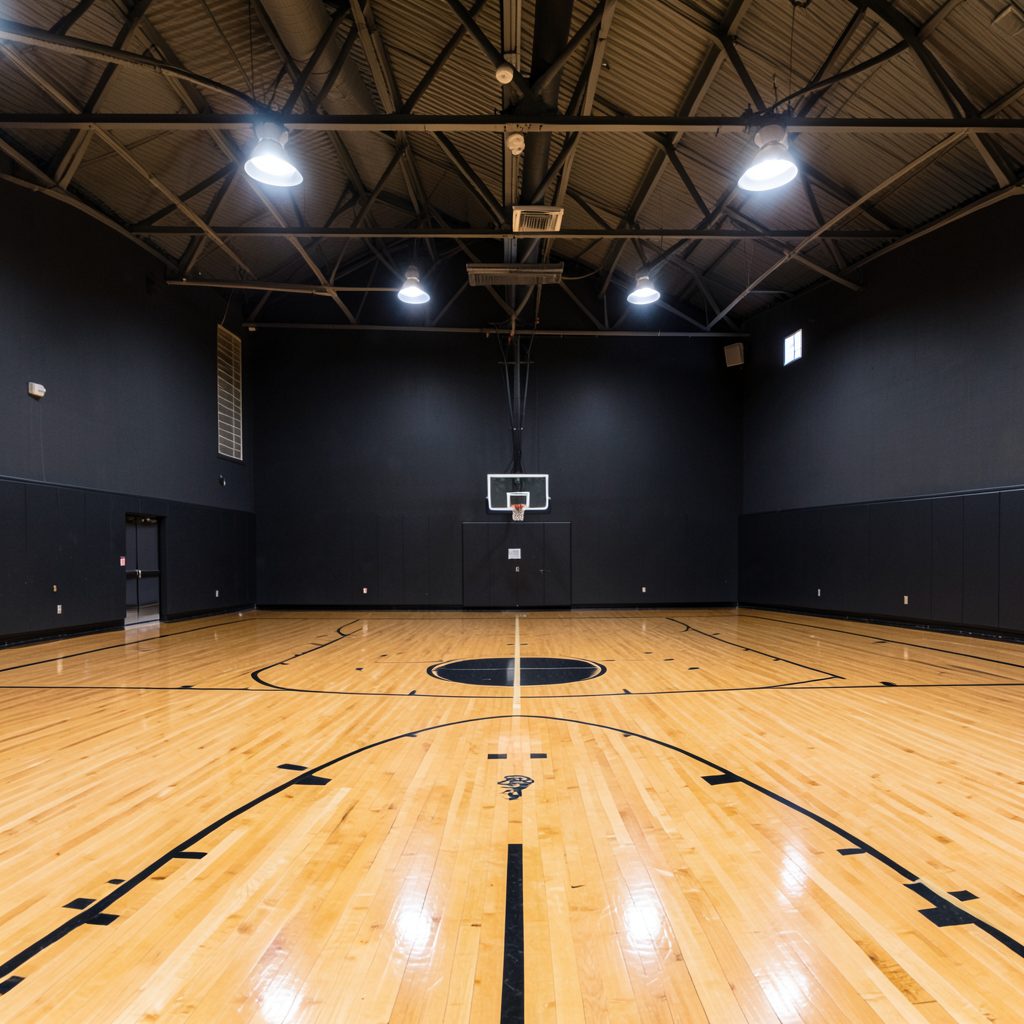
Three Entities, One Roof
Leagues
Eight league divisions span every age group: Indy Pro AM, 18+ Open Men's, 30+ Men's, Bite Size (ages 3–6), Impact League, 5th/6th Grade, Middle School, and High School. Gather your team and compete.
Training
Individual and group basketball training for all skill levels. Major M.O.V.E.S. Basketball Training serves ages 4–7 on Wednesday and Thursday evenings at 6:30 PM — $30 per session or $100 unlimited monthly.
Wellness & Recovery
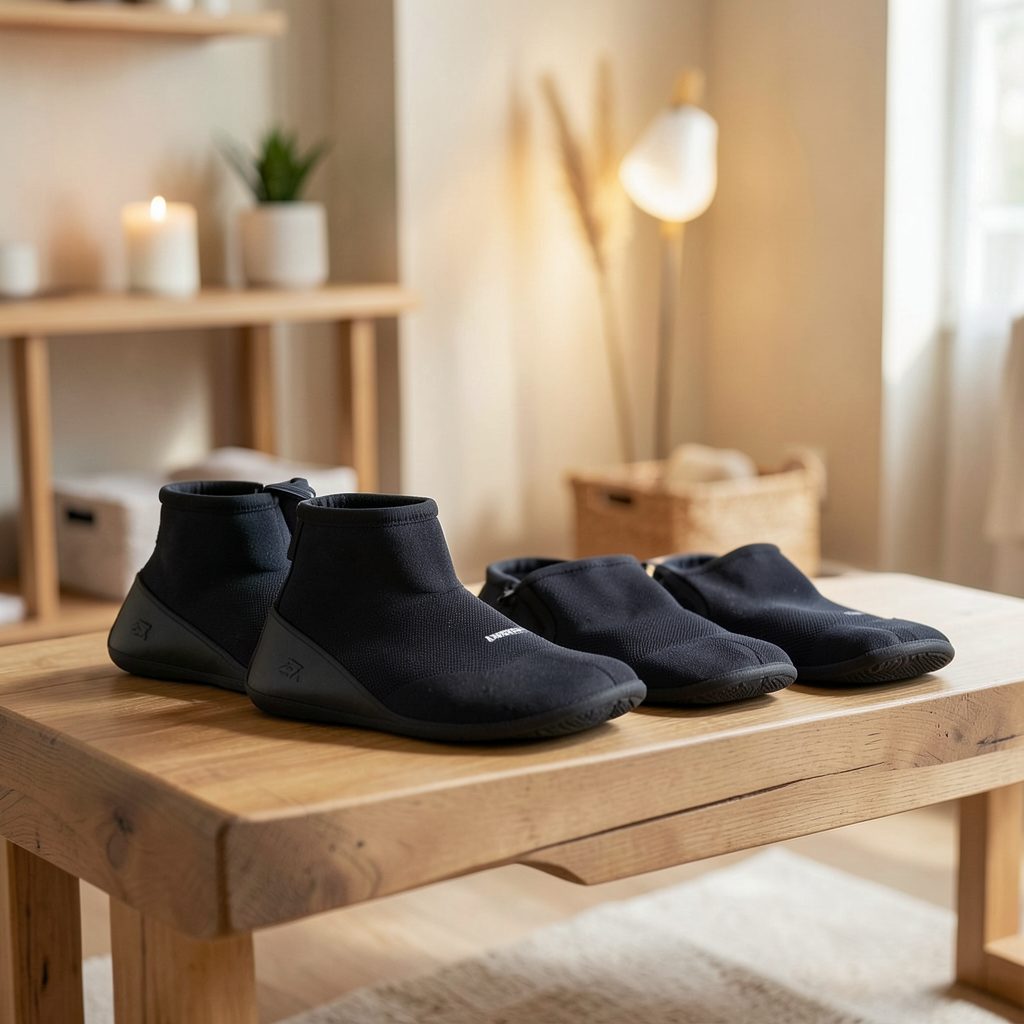
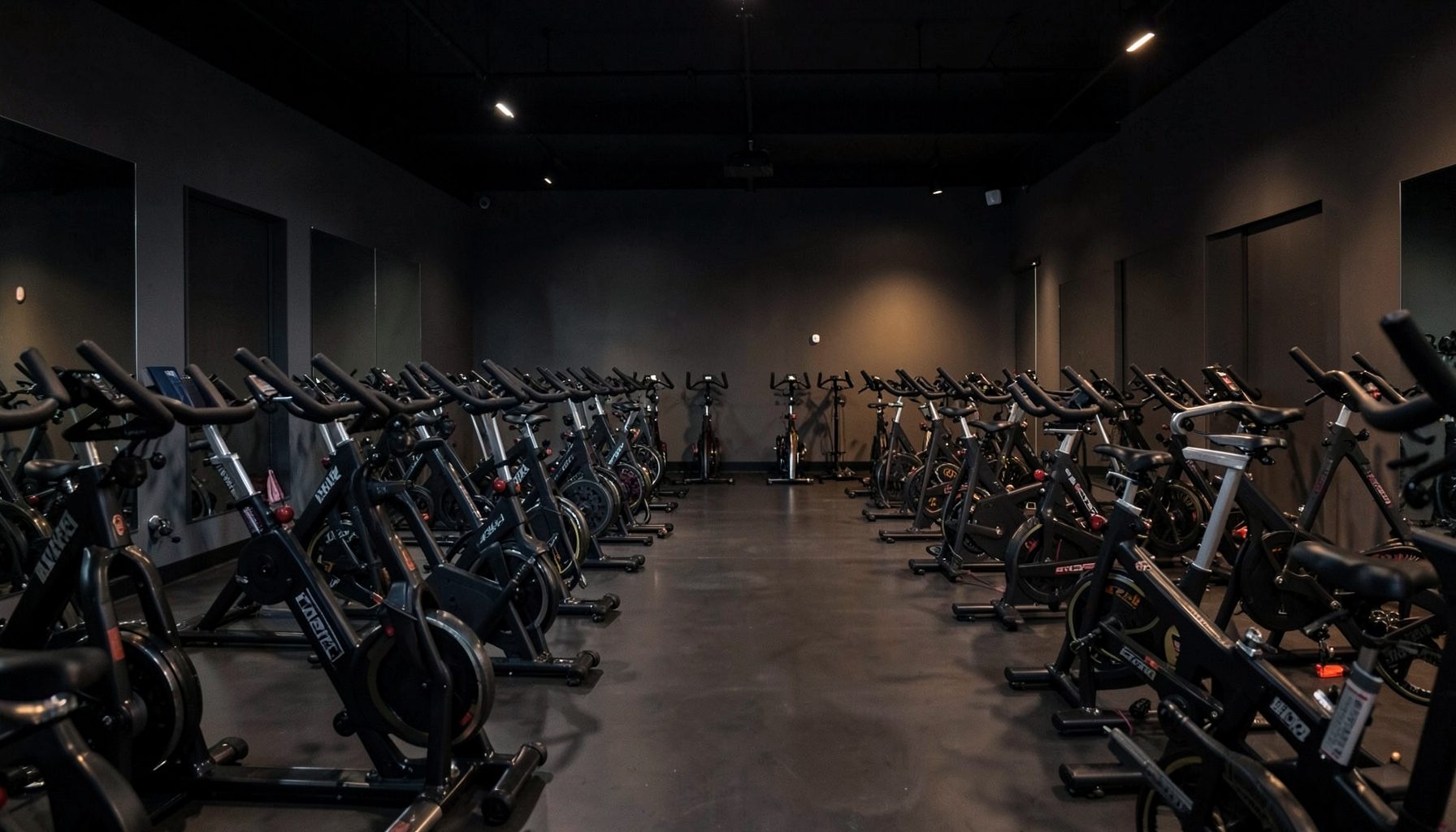
Normatec boot recovery and cryotherapy treatments help athletes bounce back faster. Cycle and spin classes add a cardio dimension to the holistic performance approach.
Have a Question?