Train. Compete. Recover.
A multi-purpose athletic facility in Speedway, Indiana — basketball leagues, skill training, and wellness services all under one roof.
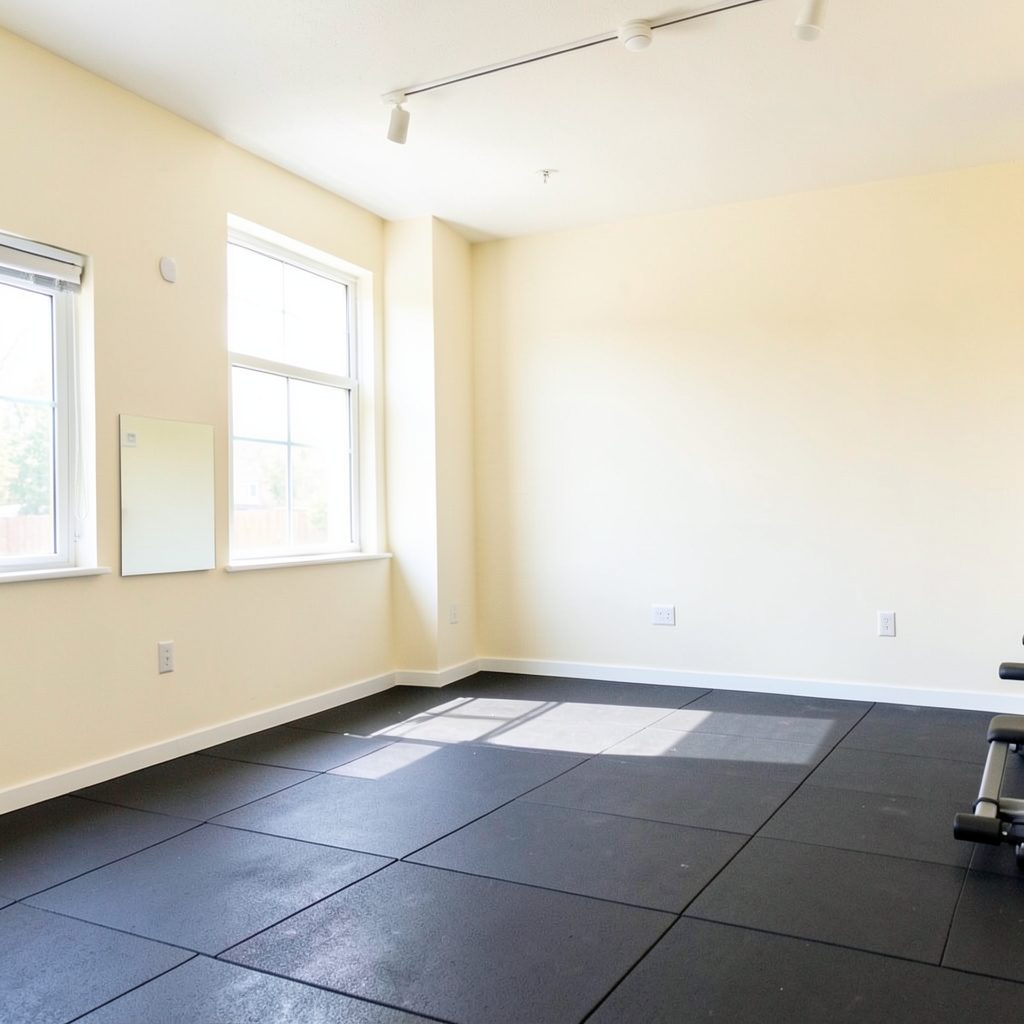
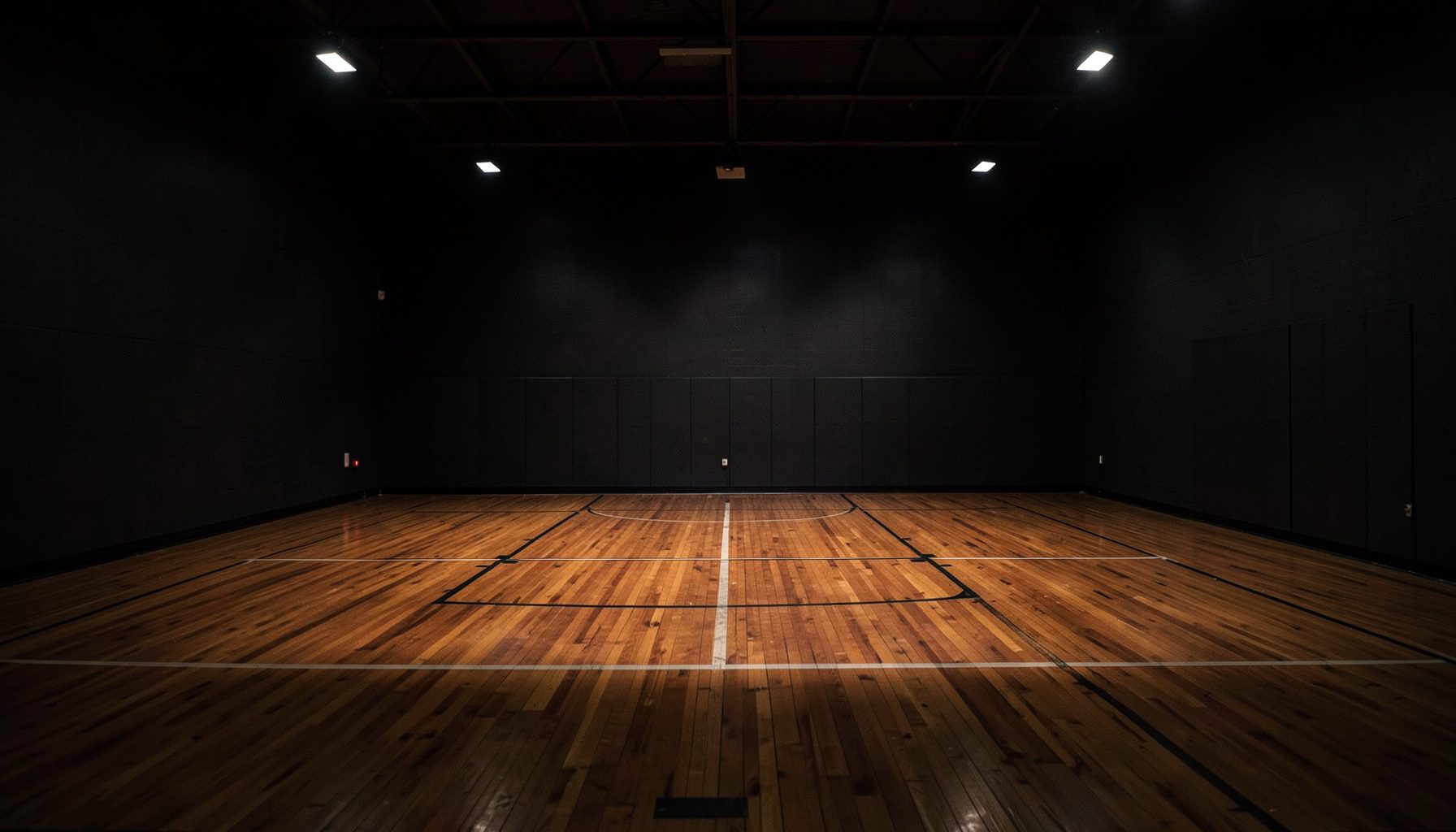
The Factory D1 Indy brings together three entities under one roof: competitive basketball leagues for all age groups, individual and group training, and wellness & recovery services including Normatec boot recovery and cryotherapy. Located off I-465 and High School Road at 6331 Crawfordsville Road, Speedway, Indiana 46224.
Get In TouchThe Ideal Post-Game Stretching Routine for Young Basketball Players
A youth basketball game or practice can place repeated demands on growing bodies. Sprinting, jumping, stopping, pivoting and reaching all challenge the calves, thighs, hips and shoulders. A thoughtful cool-down helps young athletes shift gradually from intense activity to rest while building habits that support mobility and body awareness.
For families in Australia, the routine needs to fit real schedules: a late training session after school, a Saturday morning fixture in Melbourne, or a hot outdoor court in Brisbane. The goal is not to force flexibility or turn recovery into another workout. It is to help a player breathe, move comfortably and leave the court feeling ready for the rest of the day.
Start With A Gentle Cool-Down
The first few minutes after the final whistle should involve easy movement rather than an immediate sit-down. Young players can walk slowly around the court, take relaxed laps or perform gentle heel-to-toe steps for three to five minutes. This gives breathing and heart rate time to settle in a controlled way.
Add simple mobility movements while the body is still warm. Arm circles, shoulder rolls, ankle circles and easy marching can reduce stiffness without placing extra stress on tired muscles. The movements should stay smooth and pain-free, with no bouncing and no competition to see who can move the furthest.
In Australia’s warmer months, cooling down also means finding shade or an indoor area where possible. A player coming off a humid Brisbane court may need water, a towel and a few minutes to cool before stretching. In colder cities such as Hobart or Canberra, keeping a light layer on can help muscles remain warm during the recovery routine.
Use A Simple Lower-Body Sequence
Once the player has walked and moved gently, begin with the major muscle groups used for running and jumping. A standing calf stretch can be performed with both hands against a wall or stable surface. Step one foot back, keep the heel grounded and bend the front knee slightly. Hold for 20 to 30 seconds, then switch sides.
For the quadriceps, a player can stand tall, hold a support if needed and bring one heel towards the seat. Keep the knees close and the torso upright rather than pulling the foot aggressively. If balance is difficult after a demanding game, lying on one side and holding the top ankle may be a steadier option.
The hamstrings and hips also deserve attention. A seated single-leg reach, with one leg extended and the other comfortably bent, allows a young athlete to lean forward from the hips without rounding forcefully through the back. A low lunge can open the front of the hip, provided the knee stays aligned and the stretch remains mild. Each position should feel like gentle tension, never a sharp pull, pinch or cramp.
Add Hips, Back And Upper Body
Basketball players often focus on their legs and forget the upper body. Rebounding, passing, defending and contact can leave the shoulders and upper back feeling tight. A cross-body shoulder stretch, held with the arm relaxed at chest height, is an easy addition. Players can follow it with slow neck turns, avoiding circles or pressure on the head.
For the hips and lower back, a comfortable figure-four stretch can be done seated on the floor or on a bench. Place one ankle over the opposite thigh and lean forward slightly while keeping the spine long. Younger children may find a seated butterfly position more accessible: bring the soles of the feet together, let the knees relax outward and sit upright.
The purpose is to restore comfortable movement, not to achieve a dramatic range of motion. A player who is tired, sore or still growing may have different flexibility from a teammate. Coaches and parents should avoid pushing a child into a deeper position or comparing one athlete’s mobility with another’s.
Match The Routine To The Athlete
A complete post-training stretching routine can take about eight to twelve minutes. A practical order is three minutes of walking, followed by calf, quadriceps, hamstring, hip, shoulder and gentle back stretches. Hold each position for 20 to 30 seconds and repeat once if it feels useful. Younger children may need shorter holds and more coaching to stay relaxed.
After a competitive game, the routine can be slightly longer, with extra attention to areas that feel generally tight. After a light skills session, a shorter mobility sequence may be enough. Stretching should never be used to test or “fix” an injury. Swelling, limping, persistent pain, unusual weakness or pain that changes a player’s movement calls for stopping and seeking guidance from a qualified health professional.
Recovery also includes replenishing fluids and food. Water is usually suitable for ordinary sessions, while a balanced snack containing carbohydrates and protein can support recovery after a longer game. In Australia, junior sport often takes place around school commitments and family travel, so portable options such as fruit, yoghurt, a sandwich or a muesli bar can be practical. A player should also change out of sweaty clothing when possible, especially after evening sessions in humid conditions.
Build Recovery Into Basketball Culture
The most effective cool-down is one young athletes can repeat consistently. Coaches can reserve the final ten minutes of a session for walking, breathing and guided stretches rather than treating recovery as an optional extra. Music, partner demonstrations and simple names for each movement can help younger players stay engaged without making the routine competitive.
Parents can reinforce the same habits at home by encouraging a calm transition after the trip back from training. A warm shower, a glass of water and a few relaxed stretches may be more useful than asking a tired child to complete an intense home workout. Sleep remains a major part of recovery, particularly for athletes balancing basketball with school, weekend fixtures and other activities such as swimming or Australian football.
A structured environment can make these habits easier to maintain. The Factory D1 Indy combines basketball development, leagues and fitness opportunities in a community setting; families can learn about the facility and consider how coached training and recovery services may fit into an athlete’s broader routine. Services such as compression therapy or cryotherapy should be discussed with staff and guardians, used appropriately and never treated as a replacement for rest, hydration or medical advice.
A useful post-game checklist is simple:
- Walk gently until breathing feels settled.
- Drink water and cool down in a suitable place.
- Stretch the calves, thighs, hips, back and shoulders.
- Hold each position gently without bouncing.
- Stop if there is sharp pain, swelling or altered movement.
- Eat a sensible recovery snack after a demanding session.
- Make sleep and rest part of the weekly training plan.
Young basketball players do not need an elaborate flexibility programme after every session. They need a calm, repeatable sequence that respects their age, current fitness and individual comfort. With regular practice, stretching becomes a natural part of basketball in the same way as tying shoelaces, warming up and listening to the coach.
Families seeking regular competition can also review league registration while encouraging athletes to pair game intensity with sensible recovery. A few purposeful minutes after the final buzzer can help create safer, more confident habits for the next practice, tournament or weekend fixture.
Inside The Factory

Three Entities, One Roof
Leagues
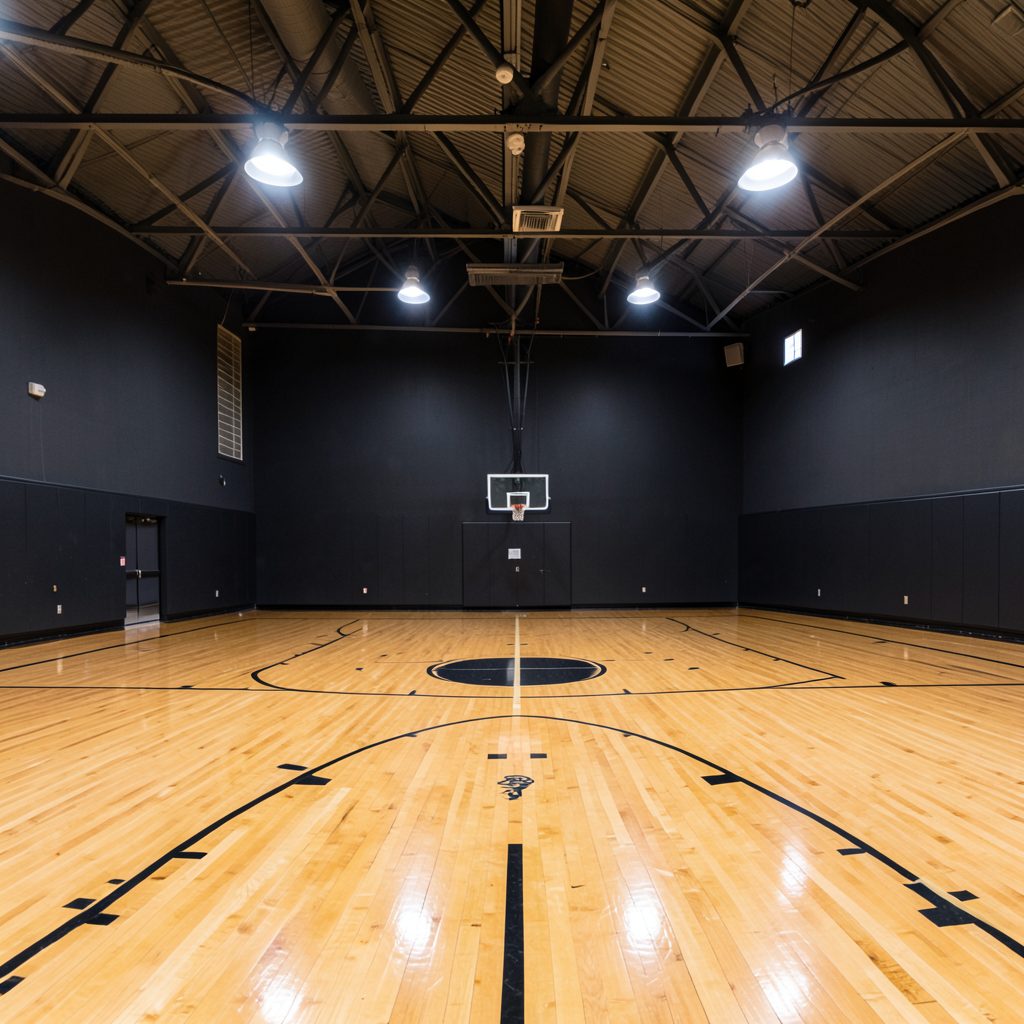
Eight league divisions span every age group: Indy Pro AM, 18+ Open Men's, 30+ Men's, Bite Size (ages 3–6), Impact League, 5th/6th Grade, Middle School, and High School. Gather your team and compete.
Training
Individual and group basketball training for all skill levels. Major M.O.V.E.S. Basketball Training serves ages 4–7 on Wednesday and Thursday evenings at 6:30 PM — $30 per session or $100 unlimited monthly.
Wellness & Recovery
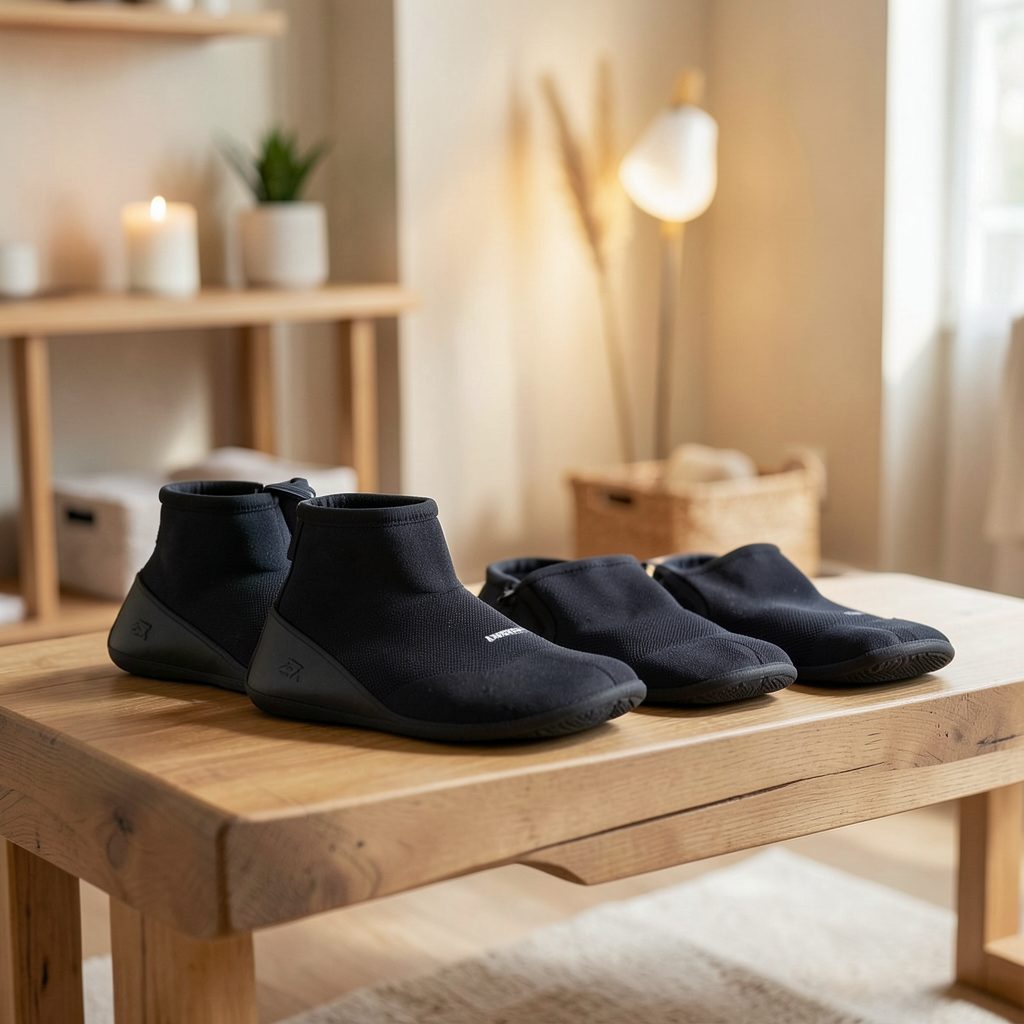
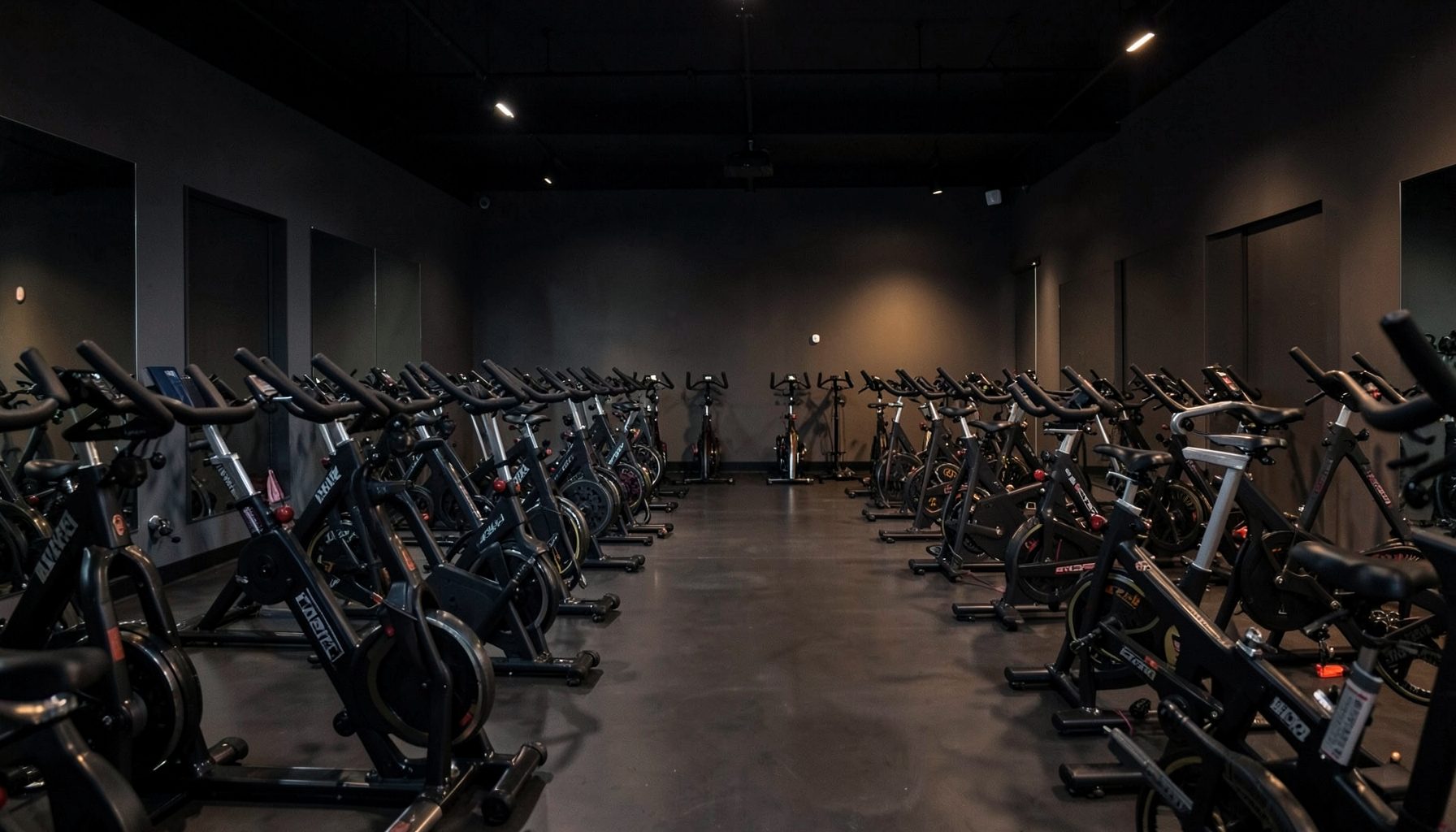
Normatec boot recovery and cryotherapy treatments help athletes bounce back faster. Cycle and spin classes add a cardio dimension to the holistic performance approach.
Have a Question?