Train. Compete. Recover.
A multi-purpose athletic facility in Speedway, Indiana — basketball leagues, skill training, and wellness services all under one roof.
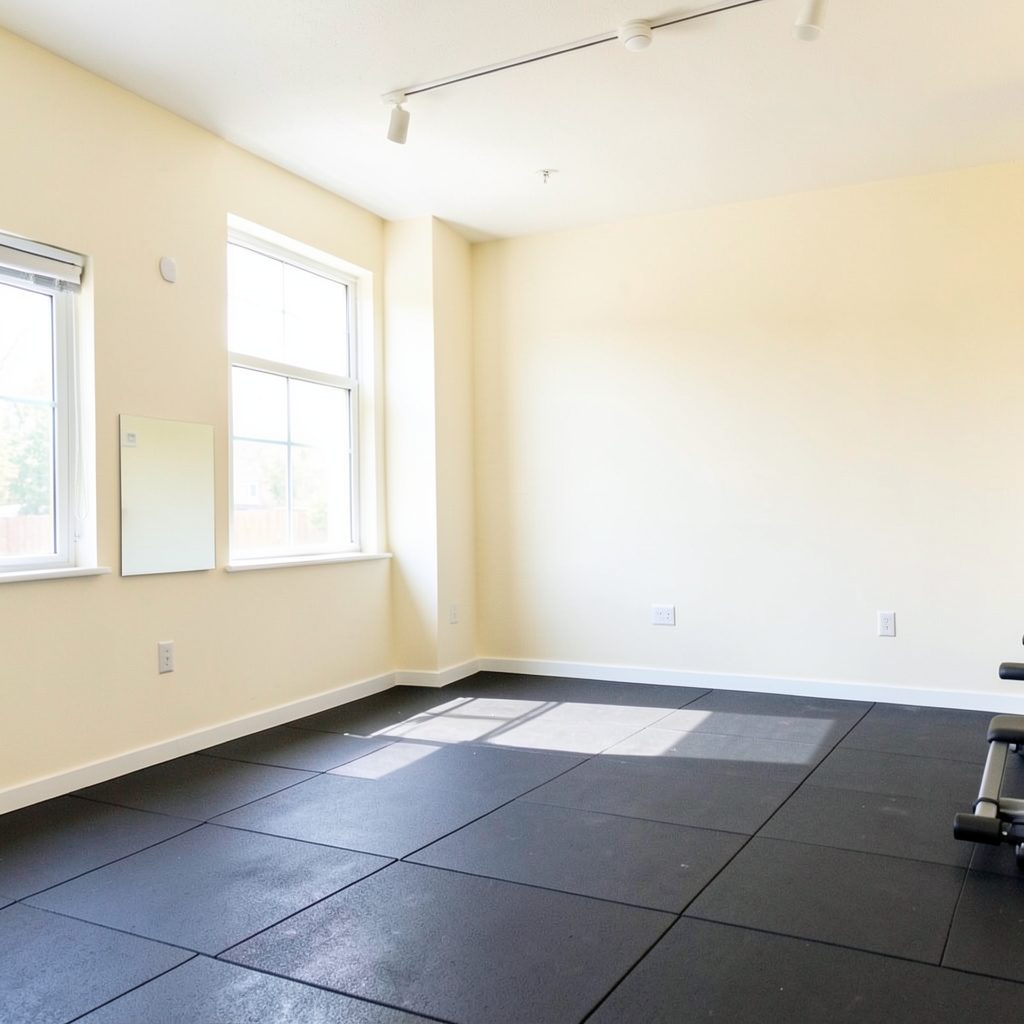
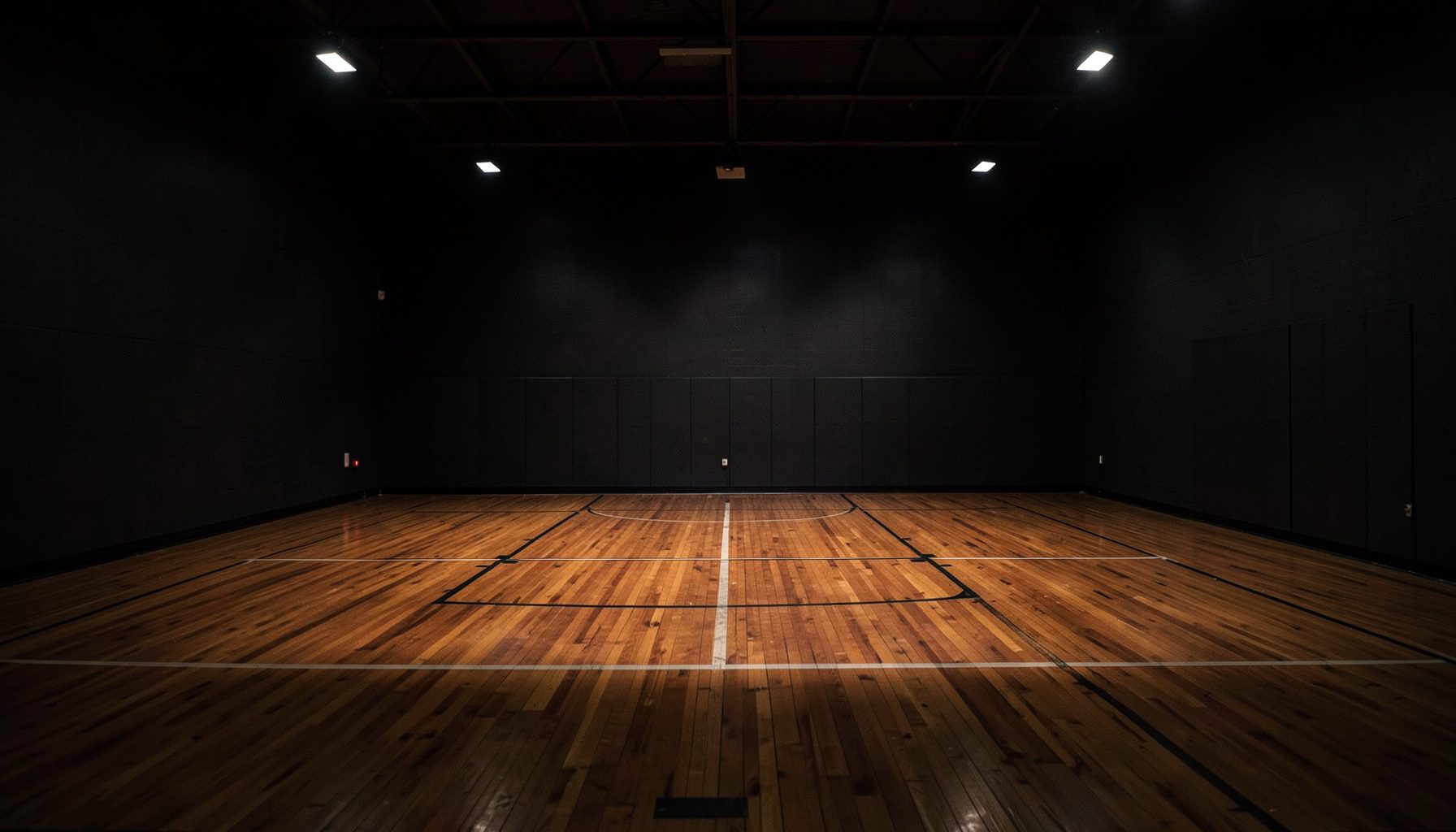
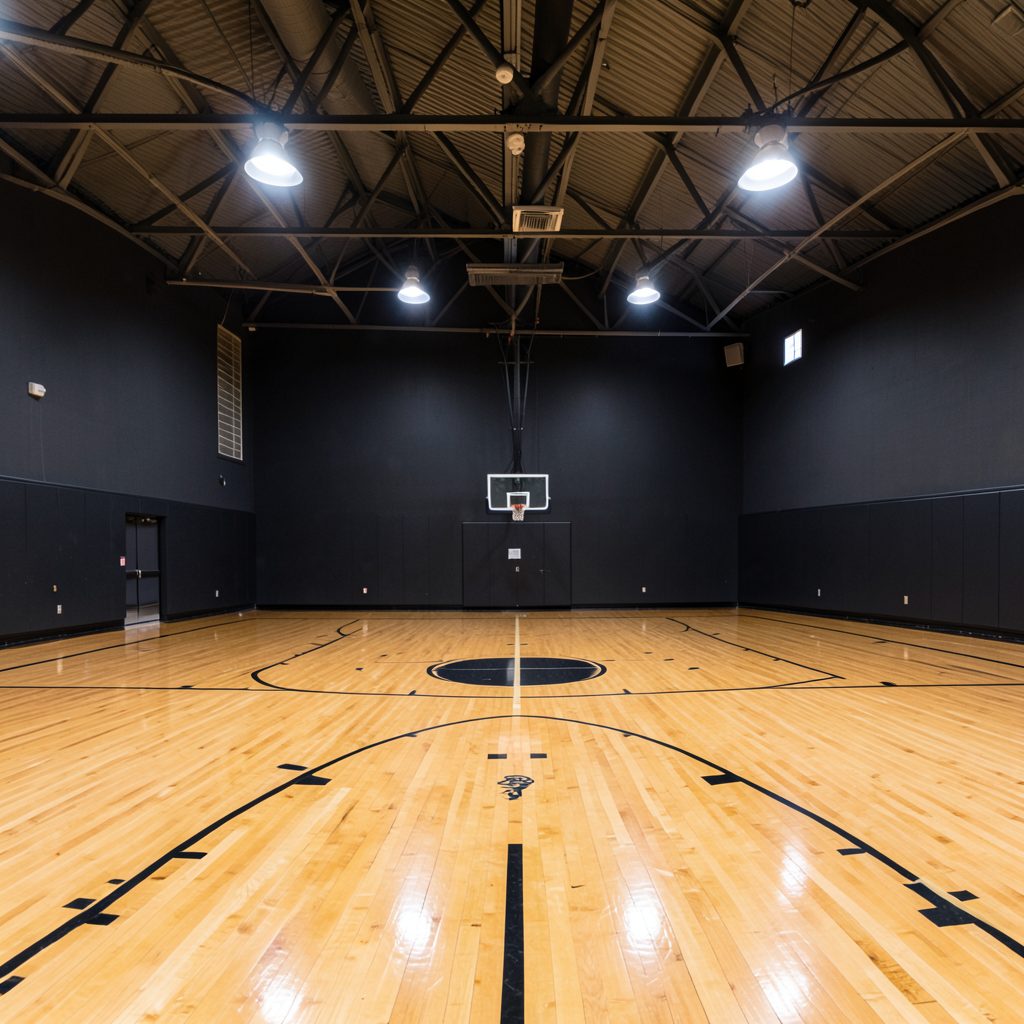
The Factory D1 Indy brings together three entities under one roof: competitive basketball leagues for all age groups, individual and group training, and wellness & recovery services including Normatec boot recovery and cryotherapy. Located off I-465 and High School Road at 6331 Crawfordsville Road, Speedway, Indiana 46224.
Get In TouchThe Impact of Caffeine on Basketball Performance and Recovery
Basketball demands repeated bursts of speed, sharp decision-making, vertical power, and sustained concentration. Caffeine can influence several of these qualities, which explains why coffee, tea, energy drinks, and pre-workout products are common around practices and games. Its value, however, depends on dose, timing, personal tolerance, and the athlete’s broader training routine.
The stimulant works primarily by blocking adenosine, a brain chemical associated with tiredness. This can reduce the feeling of effort and increase alertness during demanding activity. A player may feel more prepared to sprint, defend, communicate, or finish a difficult workout when caffeine is used carefully.
Caffeine is not a replacement for sleep, balanced meals, hydration, or structured coaching. For athletes training at a community facility such as Factory D1 Indy, the best approach is to treat caffeine as one small part of preparation rather than the foundation of performance.
Caffeine And Basketball Performance
Research on sports performance suggests that caffeine may improve alertness, reaction time, repeated sprint ability, and perceived energy. These effects can be useful in basketball because games involve frequent transitions between high-intensity movement and brief recovery periods. A player who feels less fatigued may maintain defensive pressure and court awareness deeper into a session.
The response is individual. Some athletes notice a clear benefit from a modest dose, while others experience little change or develop uncomfortable side effects. Genetics, regular caffeine use, body size, meal timing, and sleep quality all influence the outcome. A strong response is not necessarily a sign that more caffeine will produce better results.
Caffeine can also affect confidence and focus. That psychological boost may help with pregame nerves or a long tournament schedule, yet excessive stimulation can create shaky hands, racing thoughts, or rushed decisions. Basketball skill depends on controlled movement and accurate judgment, so feeling intensely energized is not always the same as playing well.
Finding A Useful Dose
For adult athletes, a commonly studied range is approximately 1.5 to 3 milligrams of caffeine per kilogram of body weight. Some sports research examines higher amounts, but larger doses also increase the likelihood of side effects. Starting at the lower end during a normal training session is a safer way to evaluate personal response.
Caffeine content varies widely. An eight-ounce coffee may contain roughly 80 to 120 milligrams, while energy drinks, gels, gum, and pre-workout formulas can contain very different amounts. Reading labels matters, especially when products include multiple stimulant ingredients. Combining coffee with a supplement can raise total intake faster than expected.
Young athletes deserve extra caution. Children and teenagers often have greater sensitivity to stimulants, and their priorities should be adequate sleep, regular meals, water, and age-appropriate coaching. Parents and athletes should consult a qualified healthcare professional before using concentrated caffeine products, particularly when there are heart conditions, anxiety concerns, medication interactions, or sleep difficulties.
Timing Around Training And Games
Caffeine is often taken 30 to 60 minutes before exercise because blood levels commonly rise during that period. The ideal timing can vary according to the product and the athlete’s digestion. A player practicing in the evening may gain short-term energy but lose valuable sleep later, making the timing counterproductive.
Using caffeine for every workout may also reduce its noticeable effect. A player can develop tolerance, meaning the same amount feels less powerful over time. Planned use for important games, tournaments, or demanding sessions may preserve its usefulness better than automatic daily consumption.
Players should test any strategy during practice rather than trying it for the first time before competition. A training session reveals whether caffeine causes stomach discomfort, excessive sweating, a rapid heartbeat, or a later energy crash. This approach also helps athletes learn how the stimulant interacts with food and warm-up routines.
| Basketball Situation | Potential Benefit | Main Concern | Sensible Approach |
|---|---|---|---|
| Early practice | Increased alertness and willingness to move | Using caffeine to compensate for poor sleep | Improve sleep first; consider a modest dose only when appropriate |
| Evening game | Focus and perceived energy | Delayed sleep and weaker next-day recovery | Use the smallest effective amount or skip it |
| Long tournament day | Reduced perceived fatigue | Excessive total intake across multiple games | Track milligrams and avoid stacking products |
| Hot, intense session | Greater concentration and effort tolerance | Side effects may feel worse with heat or dehydration | Prioritize fluids, electrolytes, and cooling strategies |
| Youth competition | Possible alertness | Greater sensitivity and unnecessary stimulant exposure | Rely on meals, water, rest, and professional guidance |
Hydration And Heat Management
Caffeine is often blamed for dehydration, but moderate doses do not automatically cancel out every beverage athletes consume. Regular caffeine users may experience an even smaller fluid-balance effect. Water, milk, and suitable sports drinks can still contribute to hydration when consumed with a caffeinated product.
The larger concern is behavior. An athlete who replaces water with energy drinks may consume excessive sugar, stimulants, or carbonation while failing to drink enough fluid. Caffeine can also make a player feel ready to push harder, potentially increasing the amount of work completed before thirst becomes obvious.
Heat, sweat loss, and indoor facility conditions deserve attention during intense basketball sessions. Athletes should arrive hydrated, drink at regular intervals, and monitor signs such as headache, dizziness, unusual weakness, confusion, or cramping. Caffeine should never be used to push through symptoms that may indicate heat illness.
Recovery, Sleep, And Muscle Repair
The strongest recovery concern is sleep. Caffeine consumed late in the day can delay sleep onset, reduce total sleep time, or make rest feel less restorative, even when an athlete falls asleep without obvious difficulty. Poor sleep affects reaction speed, mood, motor learning, immune function, and muscle recovery.
This matters after evening leagues and training sessions. A stimulant may support performance during the game while reducing the quality of the recovery window afterward. Repeated nights of shortened sleep can outweigh a temporary increase in energy and contribute to slower progress, irritability, and greater injury risk.
Caffeine may have a limited role in reducing perceived muscle soreness or supporting a next-day workout, but it does not repair damaged tissue by itself. Recovery still depends on sufficient calories, protein, carbohydrates, fluids, mobility work, and rest days. Compression therapy, cryotherapy, and other wellness services may fit into a broader recovery plan, but they cannot compensate for chronic sleep loss.
Practical Habits For Game Day
A thoughtful caffeine routine should be simple enough to follow during practices, leagues, and tournament schedules. Athletes can benefit from recording the product, approximate dose, timing, energy level, sleep quality, and any side effects. This turns a vague feeling into useful feedback over several sessions.
Basketball players should also distinguish tiredness caused by normal exertion from fatigue caused by inadequate recovery. If caffeine is needed just to complete every practice, the underlying issue may involve sleep, nutrition, training load, stress, or an untreated health concern.
- Use the lowest effective dose, and test it during practice before competition.
- Check labels for caffeine in coffee, tea, energy drinks, gels, gum, and pre-workout products.
- Avoid late-day use when it interferes with sleep or next-day readiness.
- Pair intense activity with regular fluids and appropriate meals rather than relying on stimulants.
- Keep youth athletes focused on rest, hydration, nutrition, and coaching before considering caffeine.
Building A Sustainable Performance Routine
Caffeine can sharpen attention and reduce perceived effort, making it a useful option for some adult basketball players. Its benefits are most reliable when the dose is measured, the timing is deliberate, and the athlete already has solid fundamentals in place. More is not automatically better, and a strong stimulant effect can undermine coordination or recovery.
Use practices to learn what supports your body, then bring that information into your training and competition routine. Visit The Factory D1 Indy to pursue basketball development, conditioning, league play, and recovery in a setting built around athletic progress. Pair consistent coaching with smart fueling, sleep, and hydration so every session contributes to lasting performance.
Inside The Factory
Three Entities, One Roof
Leagues
Eight league divisions span every age group: Indy Pro AM, 18+ Open Men's, 30+ Men's, Bite Size (ages 3–6), Impact League, 5th/6th Grade, Middle School, and High School. Gather your team and compete.
Training
Individual and group basketball training for all skill levels. Major M.O.V.E.S. Basketball Training serves ages 4–7 on Wednesday and Thursday evenings at 6:30 PM — $30 per session or $100 unlimited monthly.
Wellness & Recovery
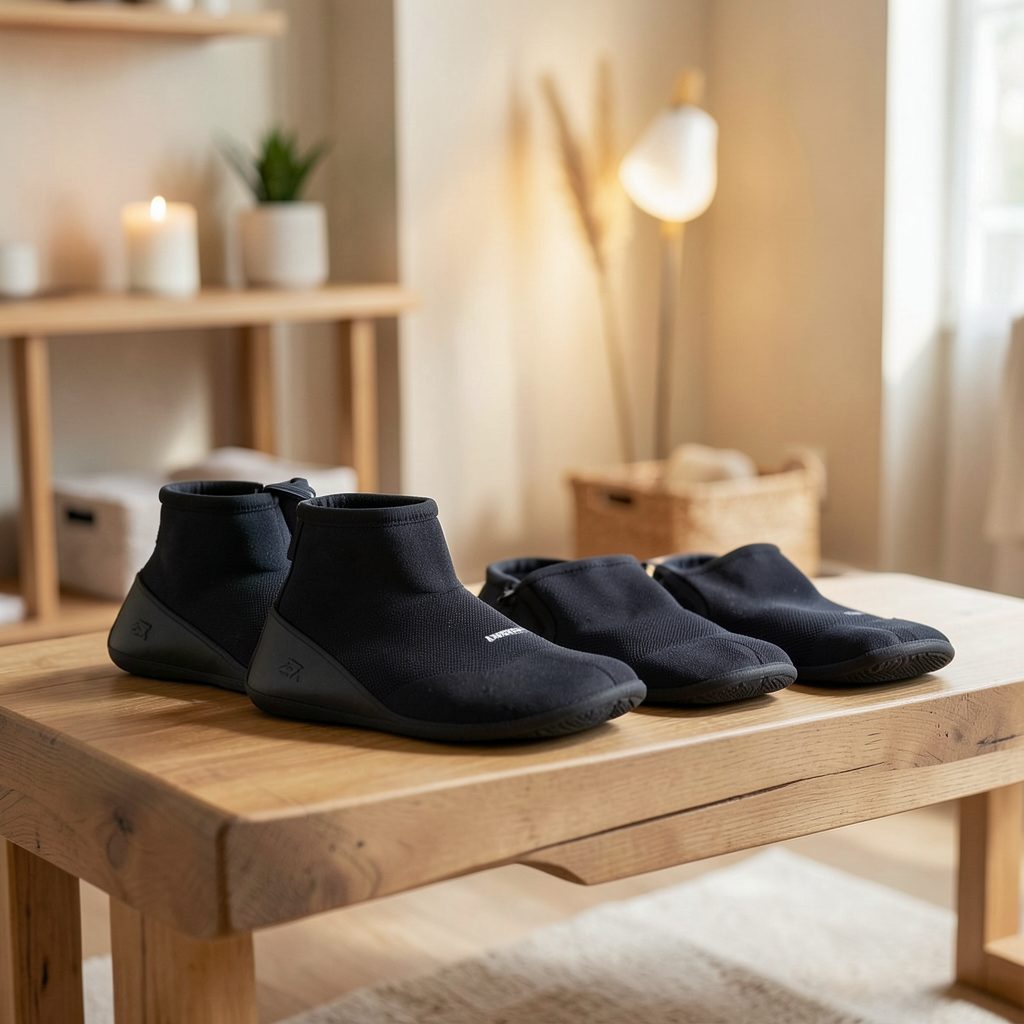
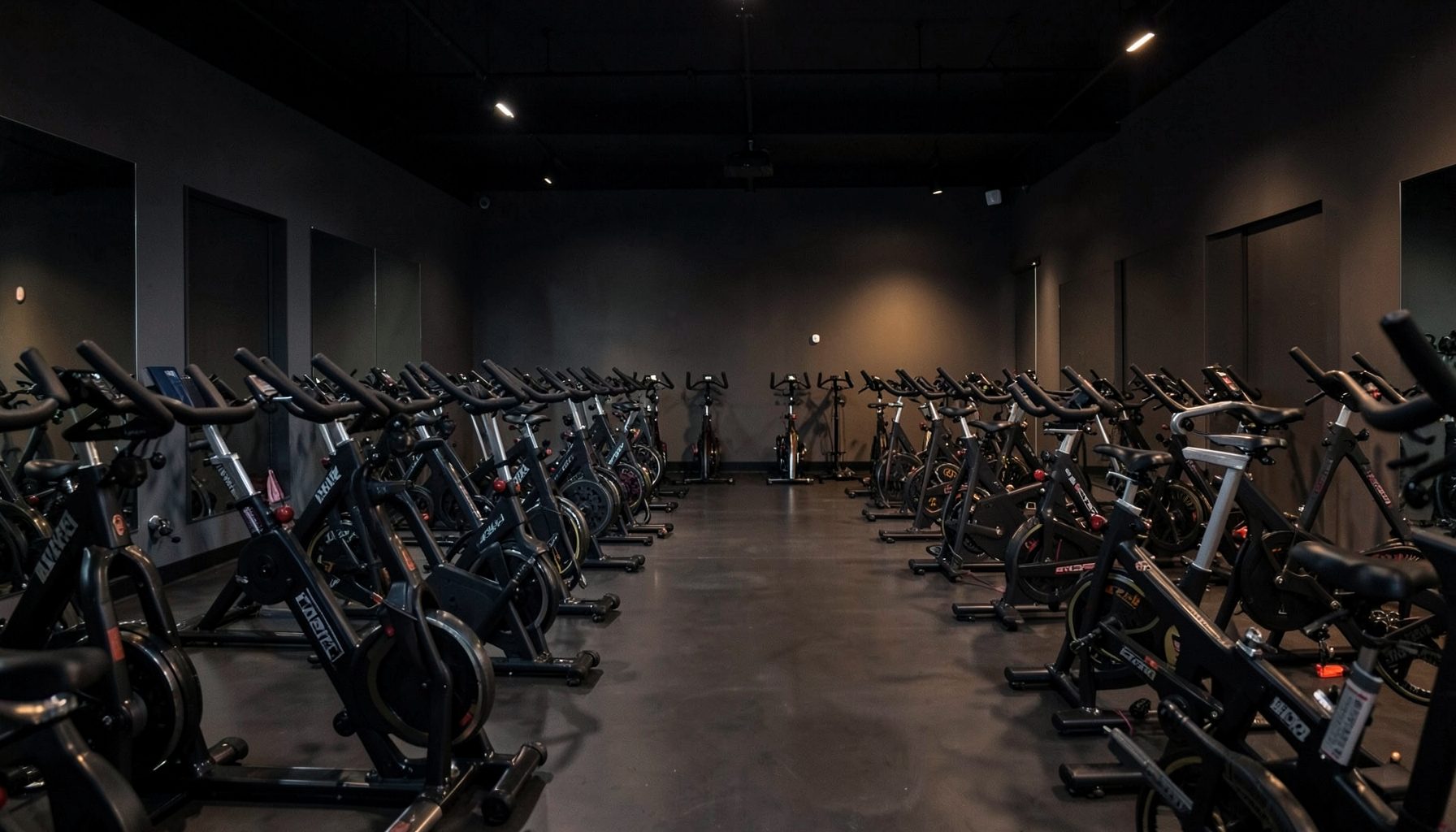
Normatec boot recovery and cryotherapy treatments help athletes bounce back faster. Cycle and spin classes add a cardio dimension to the holistic performance approach.
Have a Question?