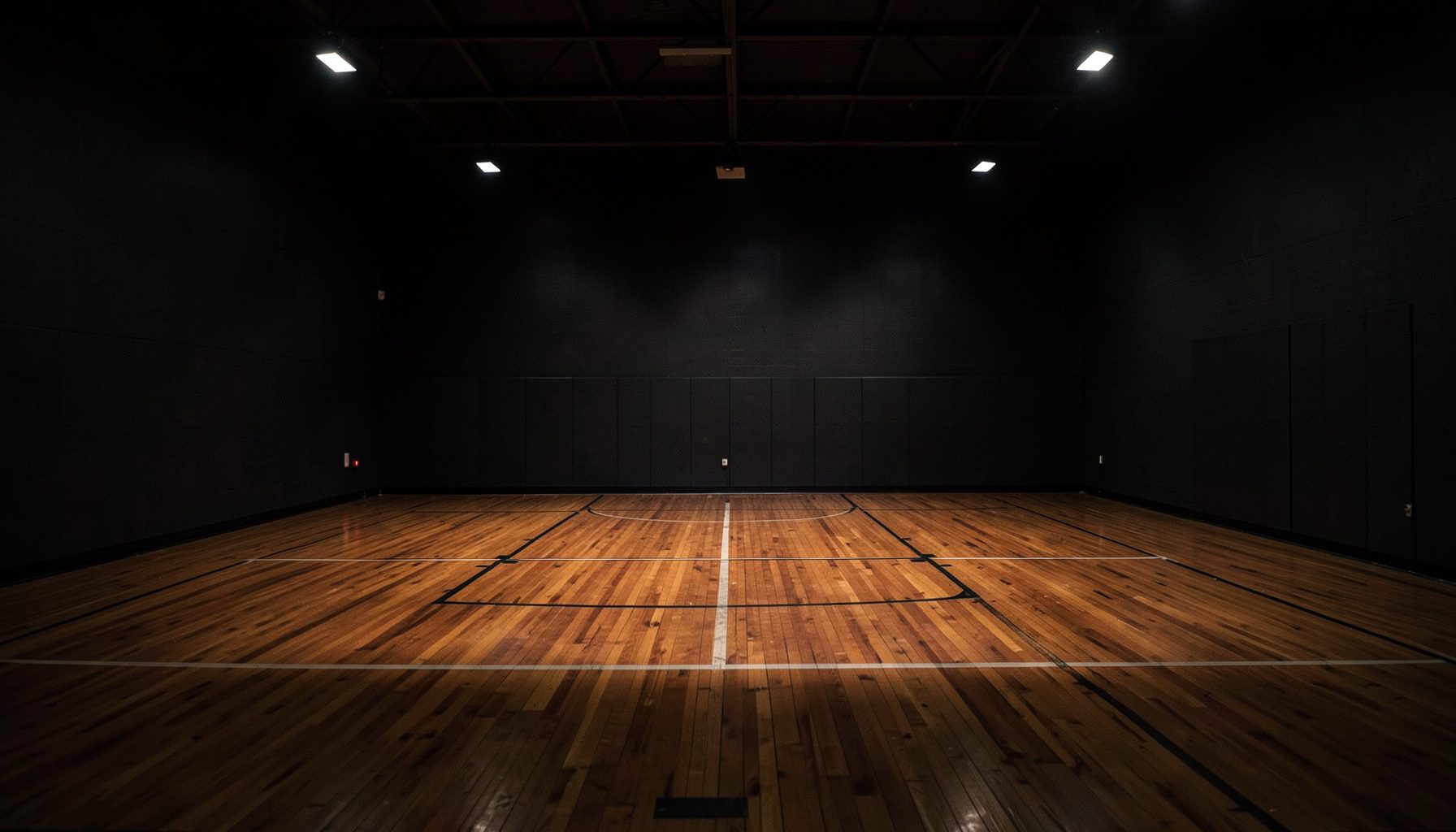
Train. Compete. Recover.
A multi-purpose athletic facility in Speedway, Indiana — basketball leagues, skill training, and wellness services all under one roof.
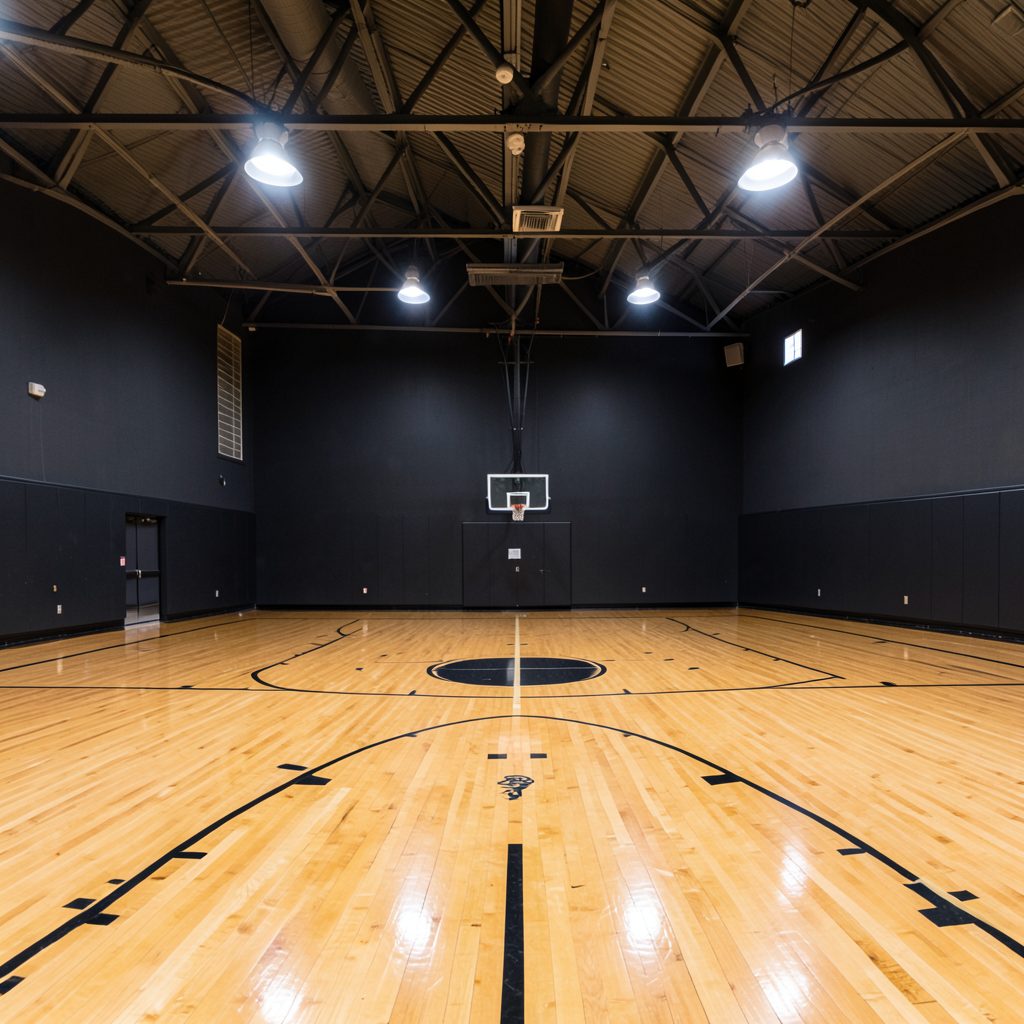
The Factory D1 Indy brings together three entities under one roof: competitive basketball leagues for all age groups, individual and group training, and wellness & recovery services including Normatec boot recovery and cryotherapy. Located off I-465 and High School Road at 6331 Crawfordsville Road, Speedway, Indiana 46224.
Get In TouchThe Impact of Cryotherapy on Workout Performance the Next Day
A demanding workout can leave more than tired muscles behind. Repeated jumping, sprinting, lifting, and rapid changes of direction create temporary muscle soreness, stiffness, and reduced range of motion. These effects can be especially noticeable for basketball players, cyclists, and anyone training on consecutive days.
Cryotherapy has become a popular recovery option because short, controlled exposure to cold may reduce the sensation of soreness and help an athlete feel ready sooner. The benefits are not identical for everyone, however. The type of cold treatment, timing, workout intensity, sleep, hydration, and nutrition all influence how well someone performs the following day.
At a multi-purpose training center such as this athletic facility, recovery can complement skills training, competitive leagues, cycling sessions, and conditioning work. Understanding what cryotherapy can realistically do helps athletes use it as part of a broader recovery plan rather than treating it as a replacement for rest.
Why next-day recovery matters
The day after a hard session, performance can be limited by delayed-onset muscle soreness, commonly called DOMS. This discomfort often develops between 12 and 48 hours after unfamiliar or high-intensity exercise. Sore muscles may affect sprint speed, jumping power, coordination, and willingness to move with full effort.
Fatigue is also influenced by the nervous system. An athlete may have enough energy to complete a workout but still experience slower reactions or less precise movement. For basketball players, that can mean a weaker defensive stance, less elevation on a rebound, or reduced control when changing direction.
Recovery strategies aim to improve readiness, not simply eliminate every sign of fatigue. Some soreness is a normal response to training and adaptation. The practical goal is to reduce excessive discomfort while preserving the body’s ability to repair and become stronger.
How cold exposure may influence performance
Cryotherapy involves brief exposure to very cold temperatures. Depending on the service, it may target a specific area or use whole-body exposure. Cold can temporarily narrow blood vessels and reduce nerve conduction, which may lessen pain signals and create a short-term feeling of relief.
That immediate comfort does not necessarily mean the muscles have fully recovered. Research on cold-water immersion and whole-body cryotherapy has found mixed results for strength, power, and endurance the next day. Some athletes report improved perceived recovery, while objective performance changes may be small or inconsistent.
Cold treatment may be most useful after an unusually demanding session, tournament day, or back-to-back training schedule. It can help an athlete feel less stiff, but it should be combined with sleep, adequate food, fluids, gentle movement, and a training load that matches the person’s current capacity.
What the evidence suggests about next-day readiness
The strongest potential benefit is often a reduction in perceived muscle soreness. When an athlete feels less discomfort, normal movement may become easier, and the person may approach the next session with greater confidence. This can be valuable for youth athletes managing several practices or adult competitors balancing work with evening leagues.
The effect on measurable performance is less predictable. Cryotherapy may support recovery of perceived effort after intense exercise, but it is not guaranteed to restore maximum strength, vertical jump height, or sprint speed. Results can vary according to whether the original workout involved endurance, repeated sprinting, heavy resistance training, or a high amount of eccentric muscle action.
Timing also matters. Using cold immediately after every strength session may not be ideal for athletes whose primary goal is muscle growth. Frequent, aggressive cooling could potentially reduce some of the normal signals involved in training adaptation. A targeted approach is more appropriate than assuming every workout requires the same recovery method.
| Recovery approach | Possible next-day benefit | Best use | Important consideration |
|---|---|---|---|
| Cryotherapy | May reduce soreness and the feeling of stiffness | Tournaments, intense sessions, or repeated training days | Relief does not guarantee restored power |
| Easy cycling or walking | Promotes gentle movement and circulation | General fatigue and mild soreness | Keep the intensity low |
| Mobility work | Supports range of motion and movement quality | Tight hips, ankles, shoulders, or back | Avoid forcing painful stretches |
| Compression therapy | May improve comfort and reduce feelings of heavy legs | Travel, long sessions, or lower-body fatigue | It should complement, not replace, rest |
| Sleep, nutrition, and hydration | Supports tissue repair and energy restoration | Every training situation | These have the broadest recovery value |
Who may benefit from a cryotherapy session
Athletes involved in tournaments or league play may find cold exposure helpful when several games occur close together. Basketball places repeated demands on the calves, quadriceps, hamstrings, hips, and feet, so reducing the sensation of lower-body soreness may make the next warmup feel more comfortable.
People returning to structured exercise may also appreciate cryotherapy after a demanding class or conditioning workout. It can be particularly appealing when soreness makes normal walking or light movement feel difficult. Still, new exercisers should first consider whether the session itself was too intense and whether their weekly schedule allows enough recovery.
Individual response is important. Some people feel refreshed after a brief treatment, while others feel chilled, fatigued, or temporarily numb. Keeping notes about soreness, sleep quality, energy, and next-day performance can reveal whether the service is genuinely useful for a specific athlete.
Using cryotherapy safely
Cold treatment should be delivered according to the equipment’s instructions and by trained staff. Sessions are generally brief, and the body should be monitored for excessive discomfort, skin changes, dizziness, or unusual numbness. A person should leave the treatment if something feels unsafe rather than trying to tolerate the full duration.
Individuals with certain medical conditions should receive medical guidance before using cryotherapy. Concerns may include cardiovascular disease, uncontrolled high blood pressure, poor circulation, cold sensitivity, Raynaud’s phenomenon, neuropathy, or an open wound. Pregnancy and some medications may also require additional precautions.
Cryotherapy should not be used to mask a serious injury. Sharp pain, significant swelling, instability, loss of strength, or symptoms that worsen over time call for professional evaluation. A cold session may reduce discomfort temporarily while leaving the underlying problem unchanged.
Build a practical recovery routine
The most effective approach treats cryotherapy as one tool within a complete recovery plan. Use the following principles to decide when it may fit:
- Reserve cryotherapy for demanding sessions, competition blocks, or notable soreness rather than using it automatically after every workout.
- Pair cold exposure with a protein-rich meal, sufficient carbohydrates, fluids, and a consistent sleep schedule.
- Track next-day indicators such as soreness, energy, jumping ability, sprint quality, and willingness to train.
- Allow a gradual warmup after treatment so normal sensation and movement return before intense activity.
- Ask a qualified professional for guidance when medical conditions, persistent pain, or repeated fatigue are present.
Easy movement can be especially helpful on the day after hard training. A relaxed spin, short walk, or gentle mobility routine may restore confidence without adding substantial stress. Athletes should distinguish between productive movement and another demanding workout disguised as recovery.
Making the next session count
Cryotherapy may improve how an athlete feels the next day, particularly by easing perceived soreness and stiffness. Its effect on actual performance is more variable, so expectations should remain practical. Feeling better is valuable, but it does not remove the need to manage workload, fuel training, and protect sleep.
At The Factory D1 Indy, athletes can combine performance training, leagues, cycling, and wellness services within a community-focused setting. A thoughtful recovery routine can help players and fitness participants arrive at their next session prepared to move well, train with purpose, and recognize when the body needs additional rest. Book a recovery service, plan your next workout, and make cold therapy one informed part of your performance routine.
Inside The Factory

Three Entities, One Roof
Leagues
Eight league divisions span every age group: Indy Pro AM, 18+ Open Men's, 30+ Men's, Bite Size (ages 3–6), Impact League, 5th/6th Grade, Middle School, and High School. Gather your team and compete.
Training
Individual and group basketball training for all skill levels. Major M.O.V.E.S. Basketball Training serves ages 4–7 on Wednesday and Thursday evenings at 6:30 PM — $30 per session or $100 unlimited monthly.
Wellness & Recovery
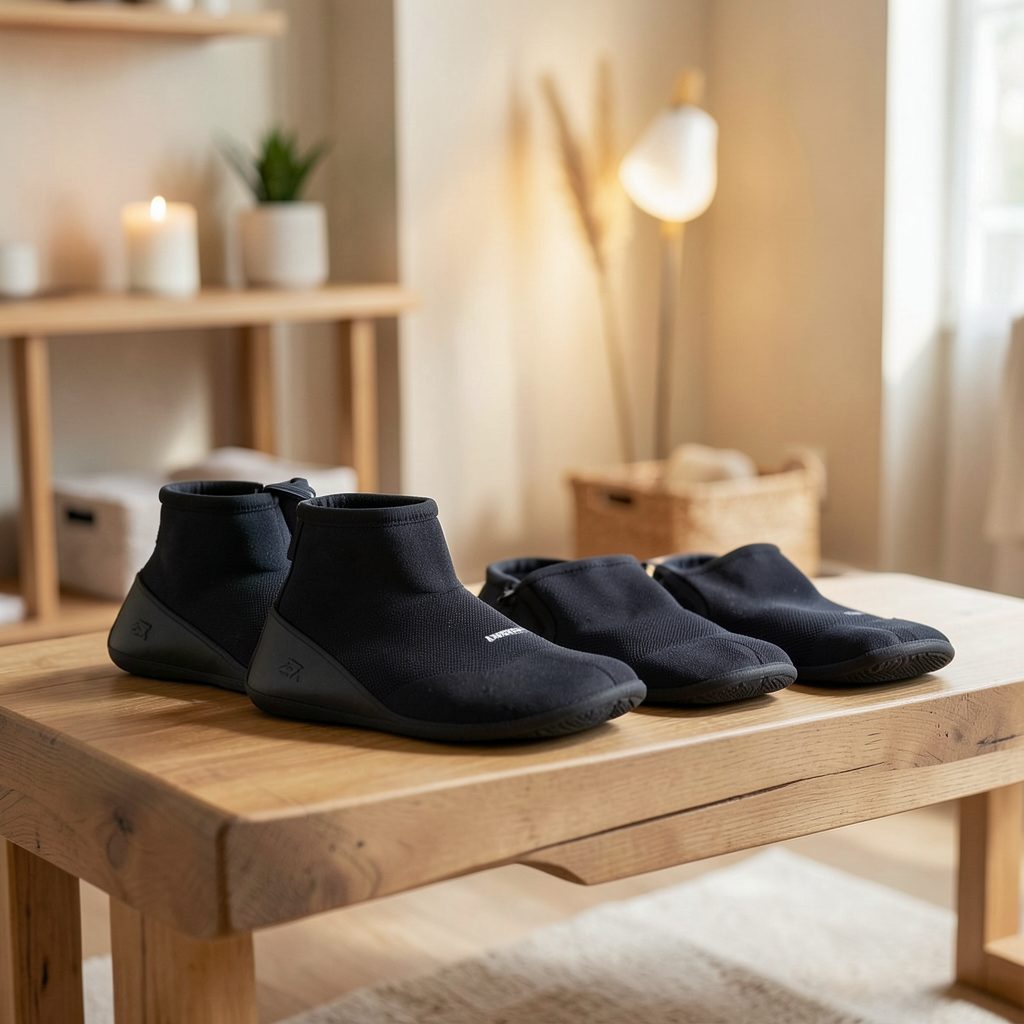
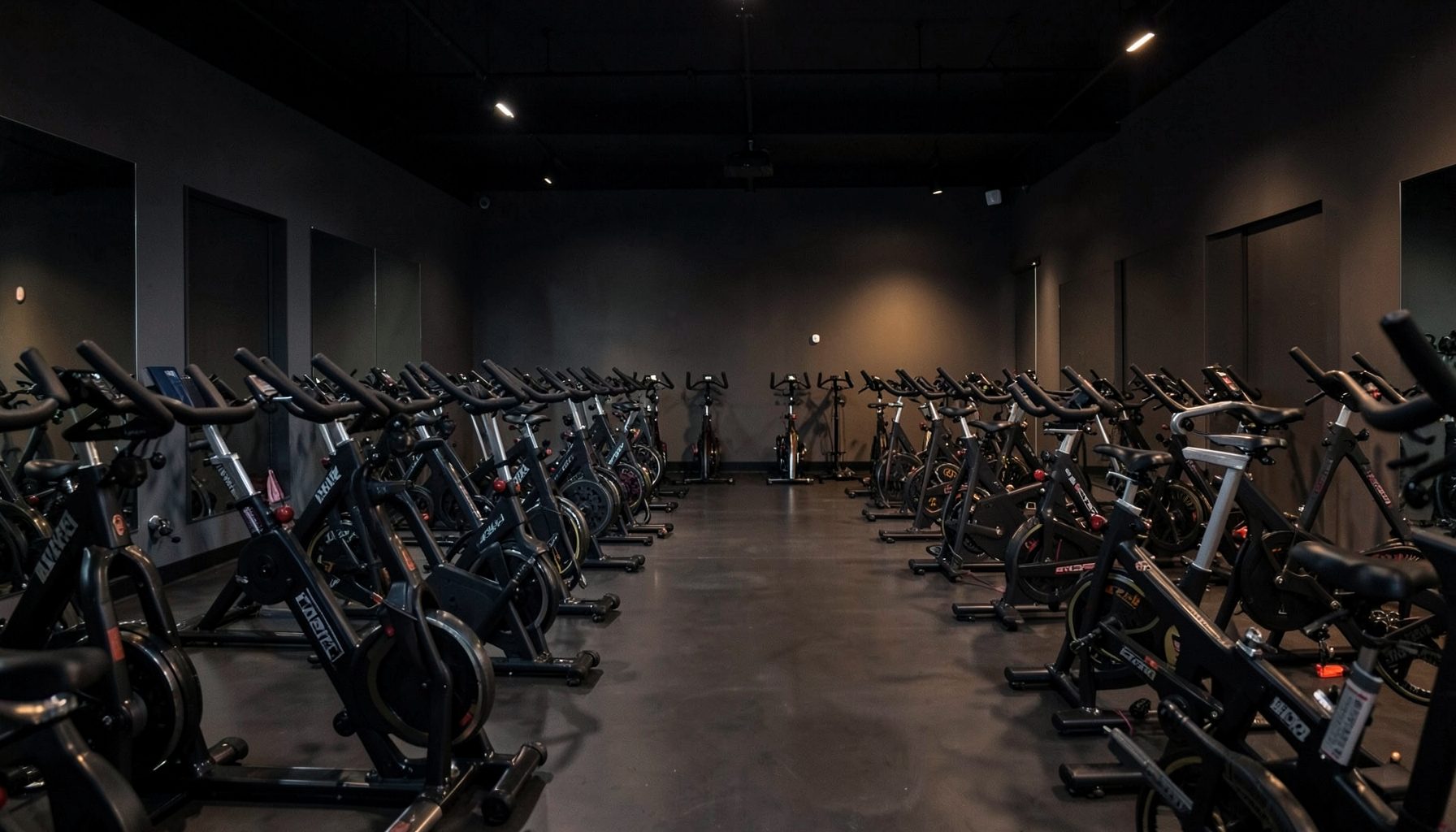
Normatec boot recovery and cryotherapy treatments help athletes bounce back faster. Cycle and spin classes add a cardio dimension to the holistic performance approach.
Have a Question?