Train. Compete. Recover.
A multi-purpose athletic facility in Speedway, Indiana — basketball leagues, skill training, and wellness services all under one roof.
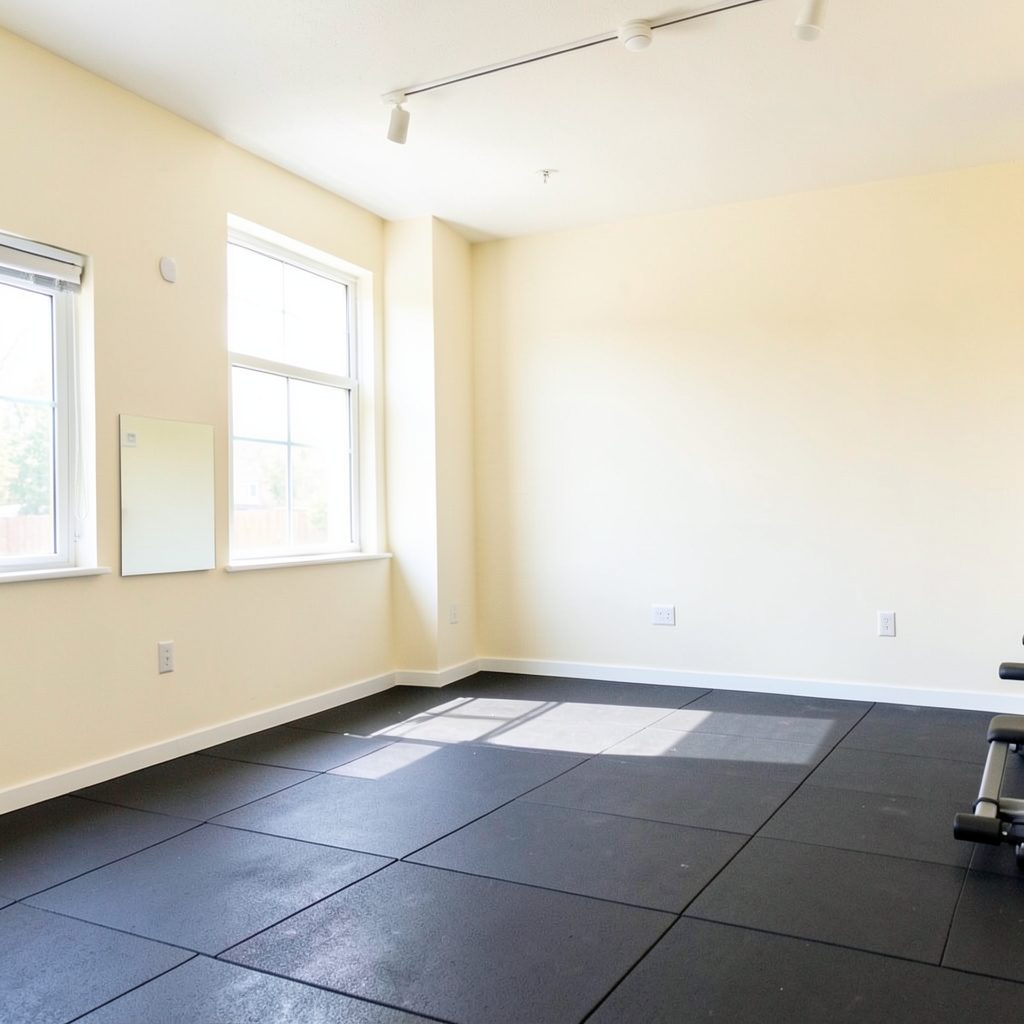
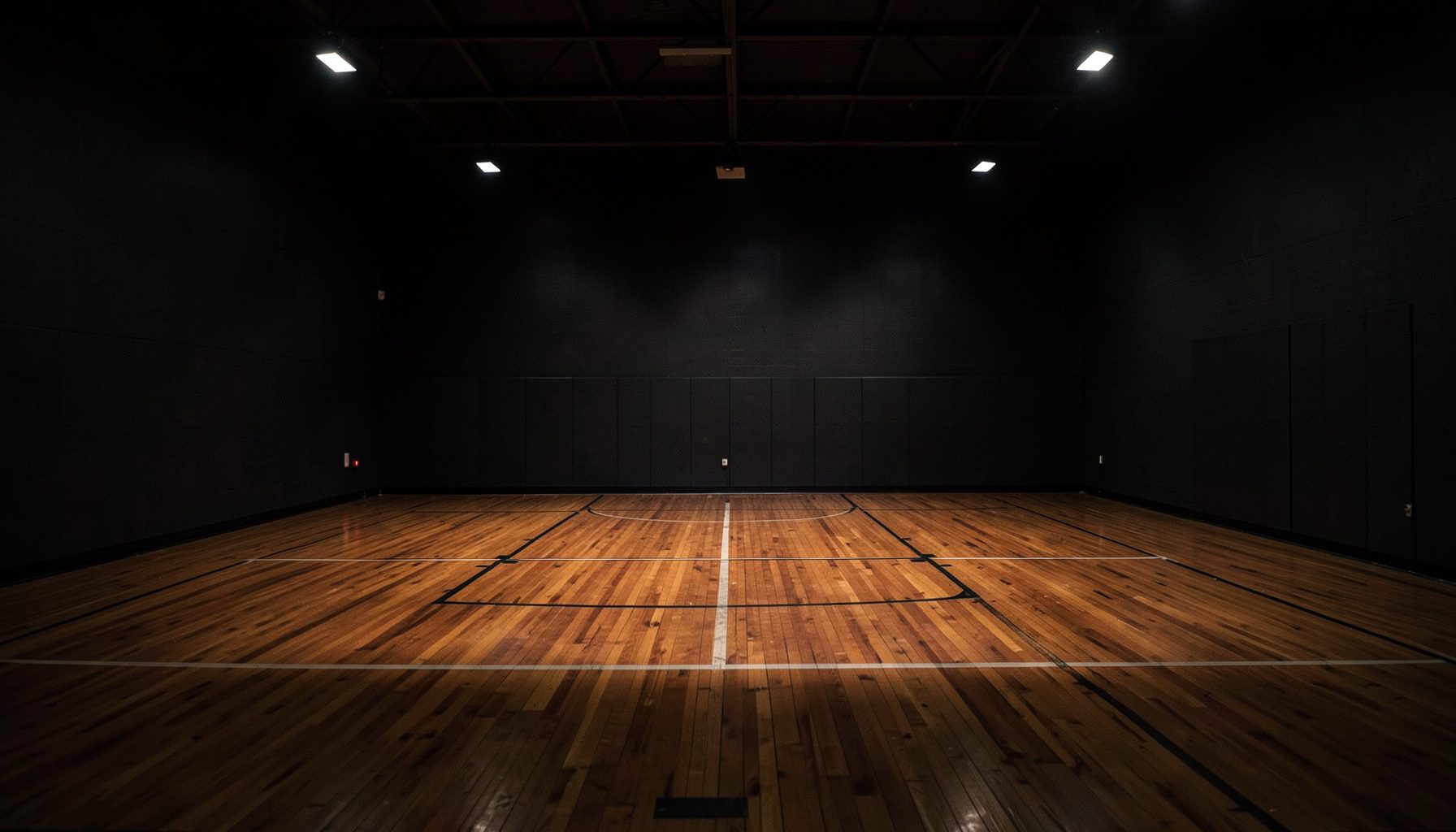
The Factory D1 Indy brings together three entities under one roof: competitive basketball leagues for all age groups, individual and group training, and wellness & recovery services including Normatec boot recovery and cryotherapy. Located off I-465 and High School Road at 6331 Crawfordsville Road, Speedway, Indiana 46224.
Get In TouchHow Hip Mobility Supports A Reliable Basketball Shot
A basketball shot is often described as a movement led by the hands, but the hands only finish a sequence that begins at the floor. The feet, ankles, knees, hips, trunk, shoulders, elbows, and wrists must transfer force in the right order. When the hips move well, that sequence becomes smoother and easier to repeat under pressure.
Hip mobility affects how an athlete loads into a jump shot, controls the pelvis, and rises toward the basket. It also influences balance when shooting off the dribble, stopping suddenly, or adjusting to a defender. Limited motion may force the body to find movement elsewhere, creating compensations that reduce accuracy and consistency.
At a basketball-focused facility such as The Factory D1 Indy, athletes can connect skill development with strength, conditioning, and recovery. Understanding the role of hip movement gives players and coaches another practical way to improve shooting mechanics without treating every miss as a hand or elbow problem.
Why The Hips Matter In A Shot
The hips are central to the lower-body loading phase. Before the ball reaches its release point, a shooter typically bends at the hips and knees, allowing the body to lower its center of mass. This loaded position creates a stable base and prepares the legs to produce force as the player rises.
Hip flexion helps an athlete reach that position without collapsing through the chest. Hip extension then contributes to the upward drive, working with the knees and ankles to send force through the body. The goal is not a dramatic squat or exaggerated jump. It is a controlled, efficient dip that keeps the body stacked and ready to move vertically.
The pelvis also helps connect the lower and upper body. If it remains stable while the legs extend, the trunk and shooting arm can stay organized. If the pelvis shifts excessively, the shoulders may tilt, the elbow may drift, or the release may move across the body.
Mobility And Shooting Alignment
Mobility is the ability to access useful movement with control. For basketball shooting, this includes hip flexion, internal rotation, external rotation, and extension. Each quality may appear in a different situation, from a stationary free throw to a one-foot pull-up or a fadeaway jumper.
Adequate internal and external rotation can help a player orient the pelvis and feet toward the target. This does not mean every shot must have perfectly square hips. Players use different stances successfully, and individual anatomy matters. However, the hips should allow the athlete to find a comfortable alignment without twisting the knees or upper body to compensate.
Hip extension is especially important after a dribble stop or lateral movement. A player who cannot extend smoothly may remain folded forward, causing the chest to rise late and the ball to travel on a flatter or less predictable path. Improving extension can help the athlete transition from a loaded position into a balanced release.
What Restricted Hip Motion Looks Like
A mobility restriction does not always feel like pain. Some players simply notice that their shot changes when they are tired, when their feet are moving, or when they must shoot quickly. These changes can indicate that the body is losing access to a stable hip position.
Common signs include the knees collapsing inward during the dip, the pelvis rotating sharply before release, or the torso leaning away from the basket. A player may also push the ball with the arms because the lower body cannot contribute enough force. In other cases, the shooter jumps forward or lands far from the takeoff spot.
| Shooting observation | Possible movement issue | Useful coaching focus |
|---|---|---|
| Knees cave inward during the dip | Poor hip control or limited lower-body stability | Slow loading drills and controlled knee tracking |
| Chest drops too far forward | Limited hip flexion control or weak trunk positioning | Maintain a neutral torso while lowering |
| Shot feels short late in games | Reduced hip extension and leg drive | Build lower-body endurance and efficient power |
| Feet and pelvis turn sharply | Restricted hip rotation or poor stance organization | Practice comfortable alignment without forcing square feet |
| Player fades unintentionally | Loss of balance through the hips and trunk | Land under control and finish vertically |
These patterns should be assessed in context. A technical error may come from fatigue, poor footwork, insufficient strength, or a rushed decision rather than mobility alone. Coaches should observe the full movement and avoid forcing a player into a position that does not match their structure.
Building Useful Hip Mobility
Mobility work should prepare the body for basketball rather than exist as an isolated stretching routine. Controlled hip airplanes, half-kneeling hip flexor movements, 90/90 rotations, and lateral squat variations can help athletes explore hip motion while maintaining balance and posture.
Dynamic preparation is often more useful before practice than long, passive stretches. Walking lunges with rotation, lateral lunges, glute bridges, and low skips can raise body temperature while rehearsing the positions used in shooting. The emphasis should be on smooth control, not maximum range.
Strength is the other half of usable mobility. An athlete may be able to reach a deep hip position passively but lack the strength to control it during a fast stop. Split squats, single-leg hinges, lateral step-downs, and controlled squat variations help turn available range into basketball movement.
Breathing and trunk control also deserve attention. A player who holds tension in the ribs and lower back may struggle to move freely at the hips. A steady exhale during the loading phase can help the athlete keep the torso organized without bracing excessively.
Connecting Mobility To Shot Practice
Hip exercises have greater value when they transfer directly into basketball skills. After a mobility drill, a player might perform close-range form shots while focusing on a quiet pelvis, a balanced dip, and a vertical finish. The goal is to connect the new movement sensation with a repeatable shooting rhythm.
Footwork should gradually become more demanding. Players can progress from stationary shots to one-two stops, hop gathers, lateral relocations, and pull-ups. At every stage, the hips should help absorb force and redirect it toward the target. The shooter does not need to think about every joint; one or two simple cues are usually enough.
Useful cues include “load evenly,” “keep the chest tall,” and “rise through the floor.” Coaches can also watch the landing. A balanced landing often reveals whether the athlete controlled the hips during the shot. Consistently drifting, twisting, or landing heavily may show that the body was not aligned before takeoff.
Video feedback can make these details easier to identify. Side and front views can reveal whether the player is over-bending, losing knee alignment, or rotating the pelvis to create room for the shooting arm. Video should support coaching, not replace feel, performance results, or attention to discomfort.
Managing Individual Differences
There is no single ideal shooting stance for every basketball player. Hip structure, limb length, previous injuries, playing position, and preferred release all influence technique. A guard who shoots on the move may need different mobility priorities than a post player who operates from a wider base.
The objective is functional freedom: enough range to load, rotate, and extend while keeping the knees, trunk, and shooting arm coordinated. Forcing the feet perfectly forward or insisting on identical depth can create unnecessary tension. A comfortable stance that produces a repeatable shot is usually more valuable than a visually uniform position.
Pain changes the situation. Persistent groin discomfort, sharp pinching, back pain, or symptoms that spread into the leg should be evaluated by an appropriate healthcare professional. Mobility drills should never be used to push through sharp pain or to diagnose an injury.
Practical Ways To Apply Hip Work
- Complete five to eight minutes of dynamic hip preparation before shooting practice.
- Pair each mobility drill with a simple shooting pattern so the movement transfers to skill.
- Use single-leg and lateral strength exercises to improve control during stops and relocations.
- Film a few shots from the front and side when a player reports inconsistent mechanics.
- Progress from slow, controlled repetitions to game-speed shots and defensive pressure.
Maintaining Mobility Through A Season
Hip mobility can change with training volume, travel, growth, and accumulated fatigue. A player may move well at the beginning of a season and lose that freedom after repeated games or long periods of sitting. Short maintenance sessions are often easier to sustain than occasional, exhausting workouts.
Recovery also supports movement quality. Light cycling, gentle mobility, adequate sleep, hydration, and appropriate tissue-care strategies can help athletes feel prepared for practice. Recovery services such as compression or cryotherapy may complement a broader plan, but they do not replace sound movement training or medical care when symptoms persist.
Coaches should monitor shooting mechanics when players are tired. If the release becomes inconsistent only after repeated sprints or high-volume shooting, the priority may be conditioning and movement endurance rather than additional stretching. A hip that moves well but cannot repeatedly control force still needs a stronger performance base.
The most effective approach combines assessment, mobility, strength, and purposeful shooting practice. When the hips can load and extend without unnecessary compensation, athletes gain a more stable platform for accuracy, quicker adjustments, and confident play.
Bring hip-focused movement work into the next basketball session, then connect it immediately to form shooting, footwork, and game-speed repetitions. Athletes who train the foundation beneath the release can build mechanics that hold together when the pace rises and every possession matters.
Inside The Factory

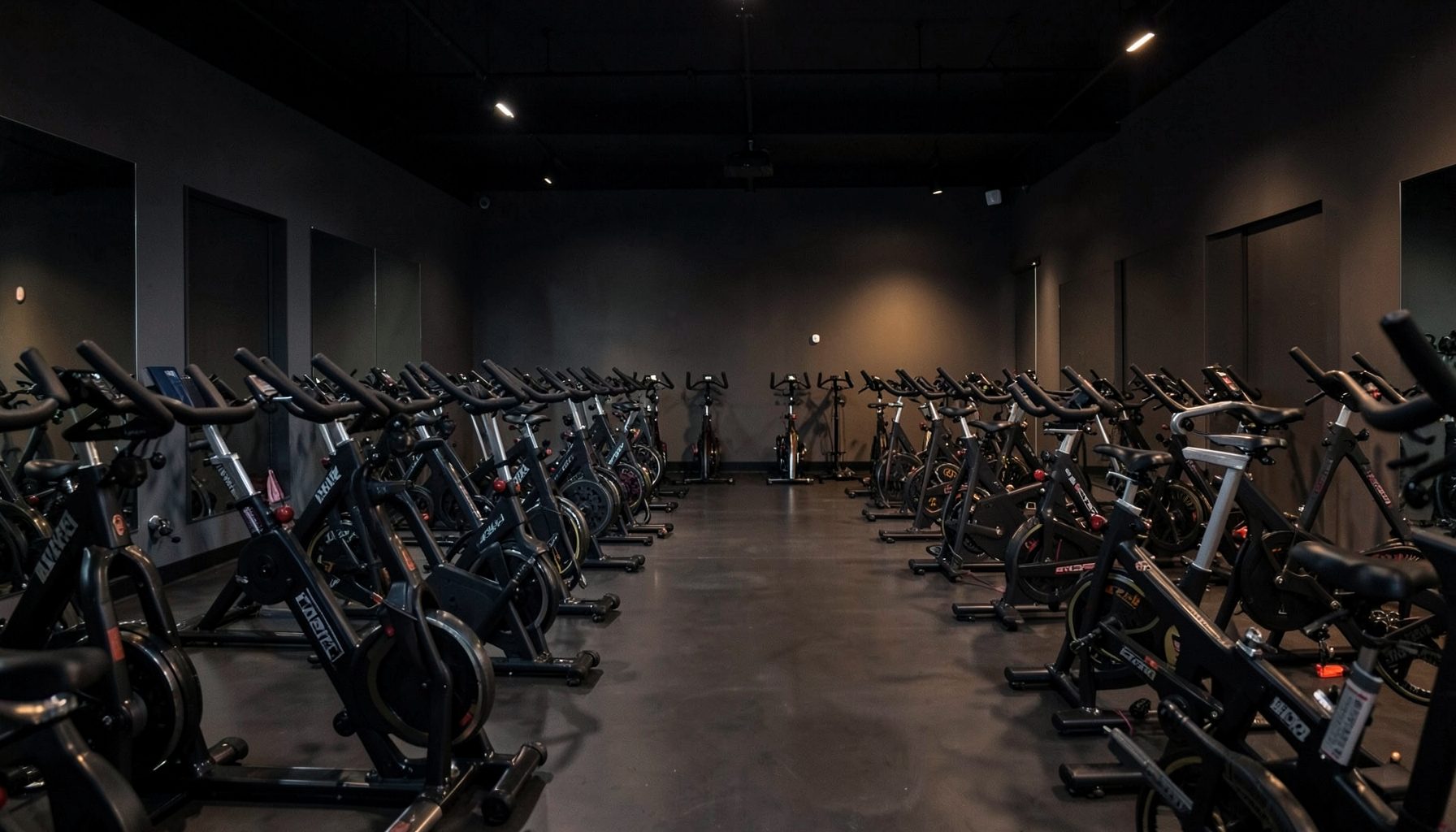
Three Entities, One Roof
Leagues
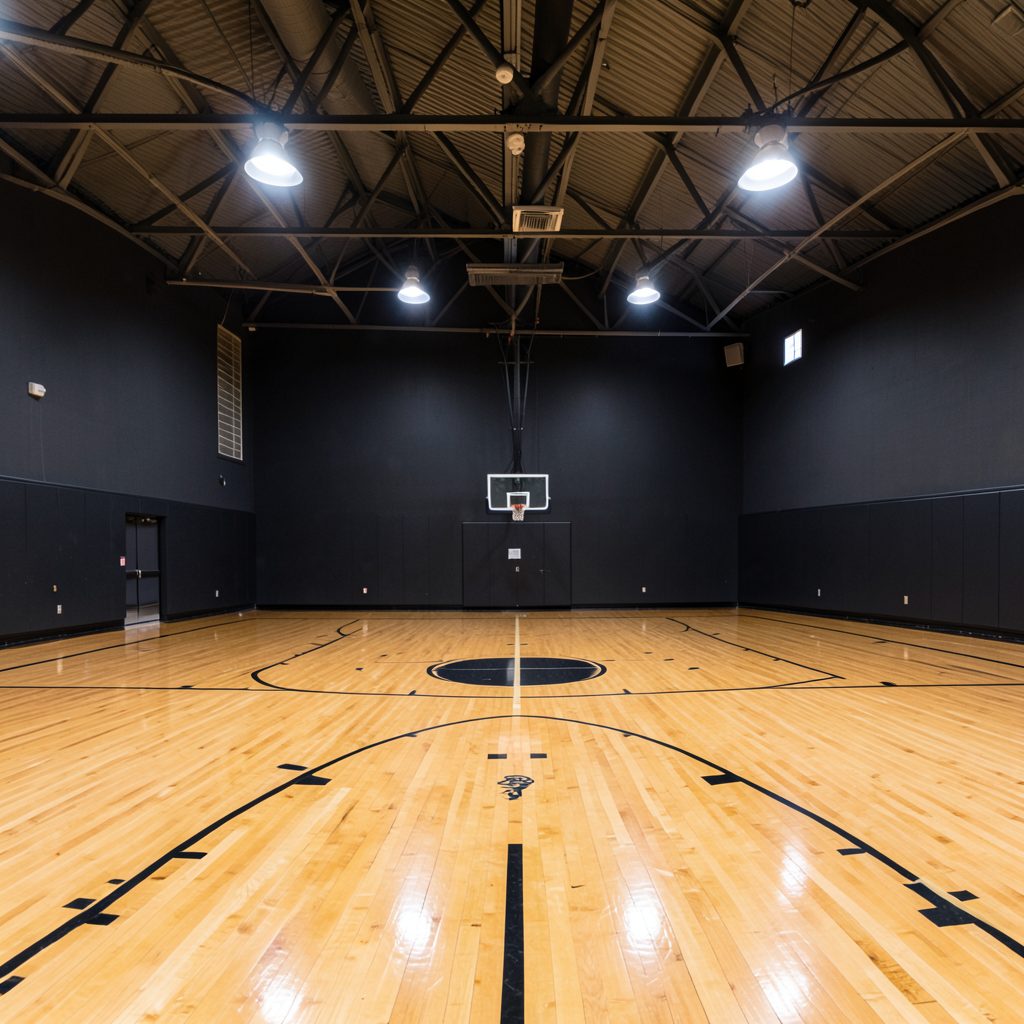
Eight league divisions span every age group: Indy Pro AM, 18+ Open Men's, 30+ Men's, Bite Size (ages 3–6), Impact League, 5th/6th Grade, Middle School, and High School. Gather your team and compete.
Training
Individual and group basketball training for all skill levels. Major M.O.V.E.S. Basketball Training serves ages 4–7 on Wednesday and Thursday evenings at 6:30 PM — $30 per session or $100 unlimited monthly.
Wellness & Recovery
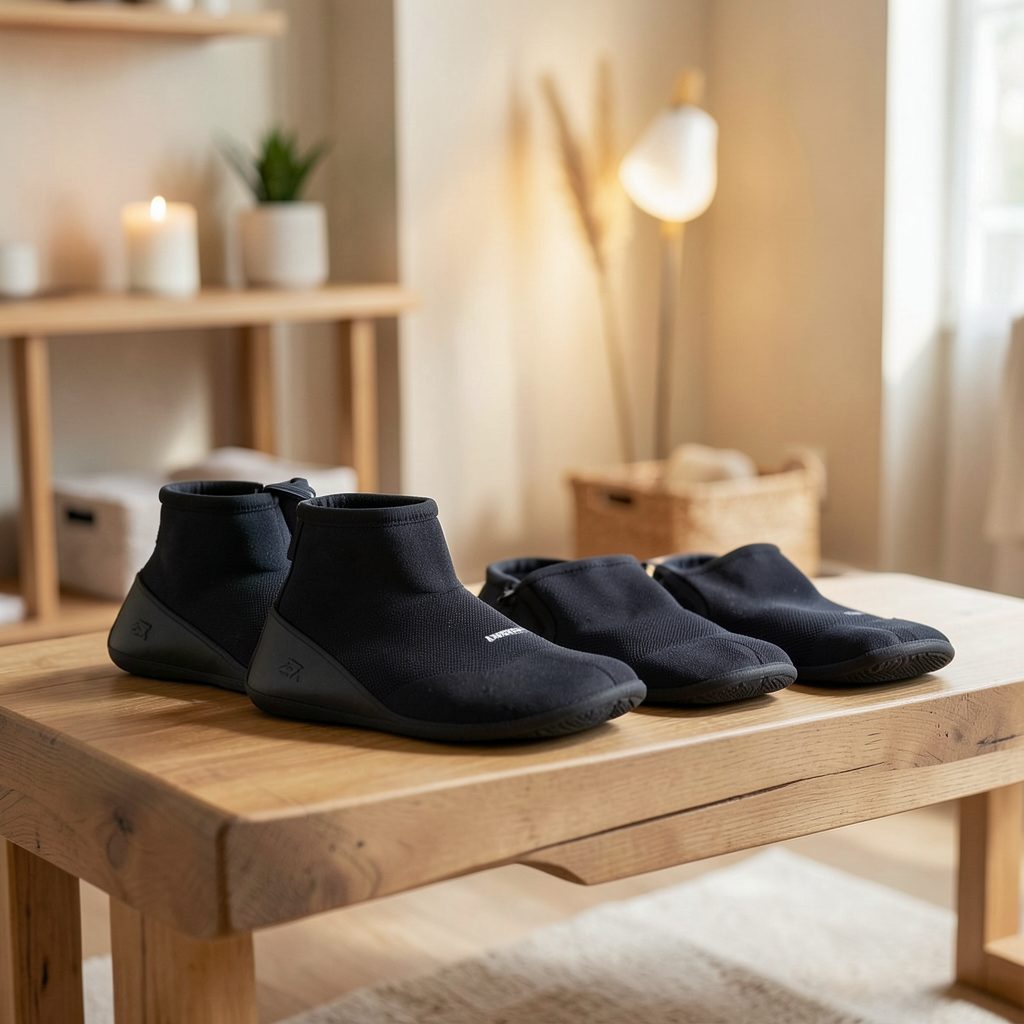
Normatec boot recovery and cryotherapy treatments help athletes bounce back faster. Cycle and spin classes add a cardio dimension to the holistic performance approach.
Have a Question?