Train. Compete. Recover.
A multi-purpose athletic facility in Speedway, Indiana — basketball leagues, skill training, and wellness services all under one roof.
The Factory D1 Indy brings together three entities under one roof: competitive basketball leagues for all age groups, individual and group training, and wellness & recovery services including Normatec boot recovery and cryotherapy. Located off I-465 and High School Road at 6331 Crawfordsville Road, Speedway, Indiana 46224.
Get In TouchBuilding Rest Days Into a Basketball Training Calendar
Basketball development depends on consistent work, but improvement does not happen during every minute spent on the court. Players build skill through practice, then adapt during sleep, nutrition, and recovery periods. A well-designed basketball training calendar gives both effort and restoration a deliberate place.
Rest days help athletes manage fatigue, protect movement quality, and stay ready for the next demanding session. This matters for young players learning fundamentals, high school athletes balancing competition, and adults combining basketball with work, family, or other fitness goals.
A recovery day does not have to mean complete inactivity. Depending on the athlete and the season, it may include light mobility, walking, gentle cycling, stretching, or a wellness service. The purpose is to lower training stress while supporting circulation, flexibility, and mental freshness.
Why Recovery Drives Progress
Basketball places repeated demands on the legs, feet, ankles, hips, and lower back. Sprinting, jumping, stopping, changing direction, and absorbing contact create muscular and neurological fatigue. When hard sessions are stacked too closely together, players may continue attending practice while producing lower-quality movement.
Rest gives the body time to repair small amounts of tissue stress and replenish energy stores. It also allows the nervous system to recover so an athlete can react quickly, coordinate footwork, and control the ball under pressure. A player who arrives fresh often gains more from a focused workout than one who arrives exhausted for an additional high-volume session.
Recovery also supports skill development. Shooting mechanics, defensive positioning, and ball-handling require concentration. Fatigue can encourage poor habits, such as leaning during shots, standing upright on defense, or using inefficient footwork. Strategic breaks help players repeat quality movements instead of simply accumulating repetitions.
What a Rest Day Should Include
A rest day should match the player’s age, workload, fitness level, and competition schedule. For a developing athlete, it may be a full day away from organized basketball. For an experienced player, it may involve easy movement and mobility without sprinting, jumping, or heavy strength work.
Sleep is the foundation of effective recovery. Athletes should maintain a consistent sleep schedule and create enough time for uninterrupted rest, especially after tournaments or intense practices. Hydration and balanced meals matter as well, since carbohydrates help restore fuel and protein supports tissue repair.
Light activity can be useful when it reduces stiffness rather than adding stress. An easy walk, relaxed spin class, mobility routine, or gentle stretching session may help a player feel better. If movement increases soreness, pain, or heaviness, it is no longer serving as recovery and should be reduced.
Placing Rest Across the Week
A basic weekly basketball schedule often alternates demanding days with easier work. For example, a player might complete skills training on Monday, strength and shooting on Tuesday, use Wednesday for recovery, practice at moderate intensity on Thursday, and compete or scrimmage on Friday or Saturday. Sunday can then provide another low-load day when the calendar allows.
The exact pattern should reflect the athlete’s commitments. A player in a competitive league may need a lighter session before game day and a recovery day afterward. Someone attending several basketball workouts may need to reduce volume in one session instead of adding another complete day off.
Tournament weekends require special planning. Multiple games can create a large training load even when each game feels manageable. The days that follow should emphasize sleep, hydration, mobility, and low-intensity movement. Scheduling another hard practice immediately after a tournament can limit recovery and reduce readiness for the next week.
Facilities that combine training and competition can help athletes organize different forms of workload. Players can review upcoming league opportunities alongside practices and conditioning sessions, then reserve space for recovery rather than treating it as leftover time.
Recognizing Accumulated Fatigue
One difficult part of training management is distinguishing normal soreness from a schedule that has become excessive. Mild muscle soreness after a new workout can be expected. Persistent heaviness, declining performance, unusual irritability, and poor sleep may indicate that the athlete needs more recovery.
Coaches and parents should watch for changes in movement quality. A player who lands awkwardly, struggles to maintain defensive stance, or loses control during familiar drills may be too fatigued for another intense session. Repeated complaints about sore joints or pain deserve attention rather than being dismissed as a normal part of basketball.
The following guide can help organize decisions around daily workload:
| Training day | Typical focus | Recovery need | Useful response |
|---|---|---|---|
| High load | Games, intense scrimmages, repeated sprints | High | Sleep, nutrition, mobility, next-day rest |
| Moderate load | Skill work, controlled strength training | Moderate | Light movement and normal recovery habits |
| Low load | Form shooting, walking, easy cycling | Low | Maintain mobility without adding intensity |
| Recovery day | Rest, gentle stretching, wellness care | Foundational | Avoid jumping, sprinting, and demanding lifts |
A single tired day does not always require a major change. A pattern lasting several days does. Tracking energy, soreness, sleep, and performance can help reveal when a player needs to reduce volume or take a full rest day.
Choosing Active Recovery Options
Active recovery should feel easier than training. Gentle cycling can provide movement without the repeated impact of jumping and cutting. Mobility work can focus on ankles, calves, hips, hamstrings, and the upper back, all of which contribute to efficient basketball movement.
Wellness and recovery services may complement a broader plan when used appropriately. Compression therapy, for example, can be included after demanding activity as part of an athlete’s recovery routine. Cryotherapy may also appeal to players seeking a structured wellness option, though it should not replace sleep, nutrition, medical guidance, or a sensible training schedule.
Young athletes need especially careful supervision. Children and teens are still growing, and their calendars may include school sports, club practices, physical education, and recreational play. Adults also need individual planning because job demands, stress, and limited sleep can affect how quickly the body recovers.
The goal is to leave the recovery session feeling more prepared, not drained. If an activity produces the same fatigue as a workout, it belongs in the training column of the calendar.
Practical Rules For Coaches And Players
A rest-day plan becomes easier to follow when it is written before the week begins. Athletes can mark games, hard practices, strength sessions, and travel first, then add low-intensity days around those commitments. This approach prevents every open block from becoming another opportunity for intense work.
Training volume should increase gradually. Adding extra shooting, conditioning, or lifting on top of an existing schedule can change the total workload quickly. A player may feel motivated to do more after a strong performance, but a measured progression is safer and more sustainable than sudden spikes.
Use these principles when creating a basketball recovery schedule:
- Place at least one low-load or full rest day after a demanding game block.
- Avoid scheduling repeated high-intensity sessions on consecutive days whenever possible.
- Track sleep, soreness, mood, and performance along with minutes trained.
- Replace hard work with gentle mobility or walking when fatigue is elevated.
- Treat persistent pain, swelling, or performance decline as a reason to seek qualified guidance.
Make Recovery Part Of The Culture
Rest days work best when athletes view them as part of serious training rather than a sign of weakness. Coaches can reinforce that message by planning recovery with the same care given to drills and conditioning. Parents can help by protecting sleep, preparing balanced meals, and avoiding pressure to fill every free hour with sports.
Players should learn to assess readiness honestly. Feeling eager to train is valuable, but motivation does not always mean the body is prepared for maximal effort. A short readiness check can consider sleep quality, soreness, energy, and movement. When several indicators are poor, adjusting the session is a smart performance decision.
A basketball training calendar should create room for effort, competition, learning, and renewal. Build the next week around sustainable progress by scheduling recovery before fatigue forces the decision. Use the available training, league, conditioning, and wellness resources with a plan that keeps athletes healthy enough to return, improve, and compete.
Inside The Factory

Three Entities, One Roof
Leagues
Eight league divisions span every age group: Indy Pro AM, 18+ Open Men's, 30+ Men's, Bite Size (ages 3–6), Impact League, 5th/6th Grade, Middle School, and High School. Gather your team and compete.
Training
Individual and group basketball training for all skill levels. Major M.O.V.E.S. Basketball Training serves ages 4–7 on Wednesday and Thursday evenings at 6:30 PM — $30 per session or $100 unlimited monthly.
Wellness & Recovery
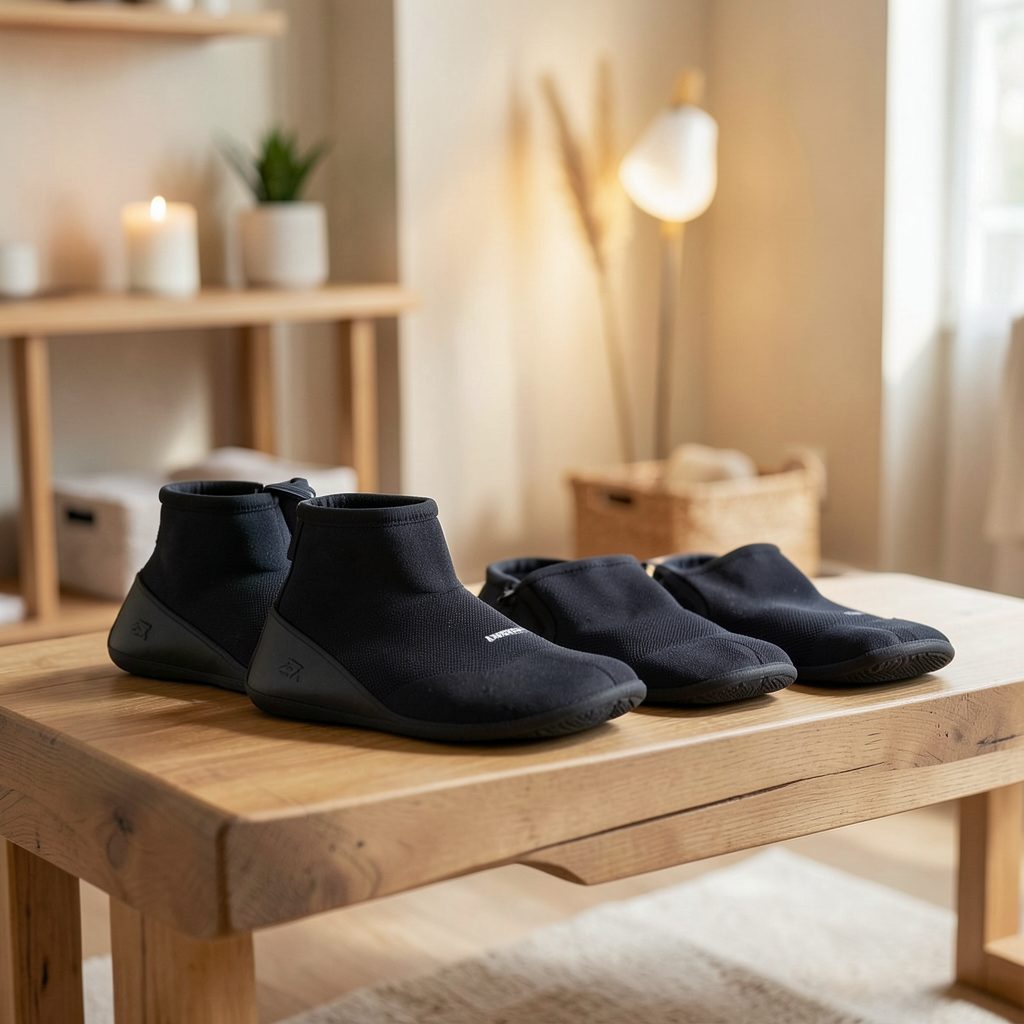
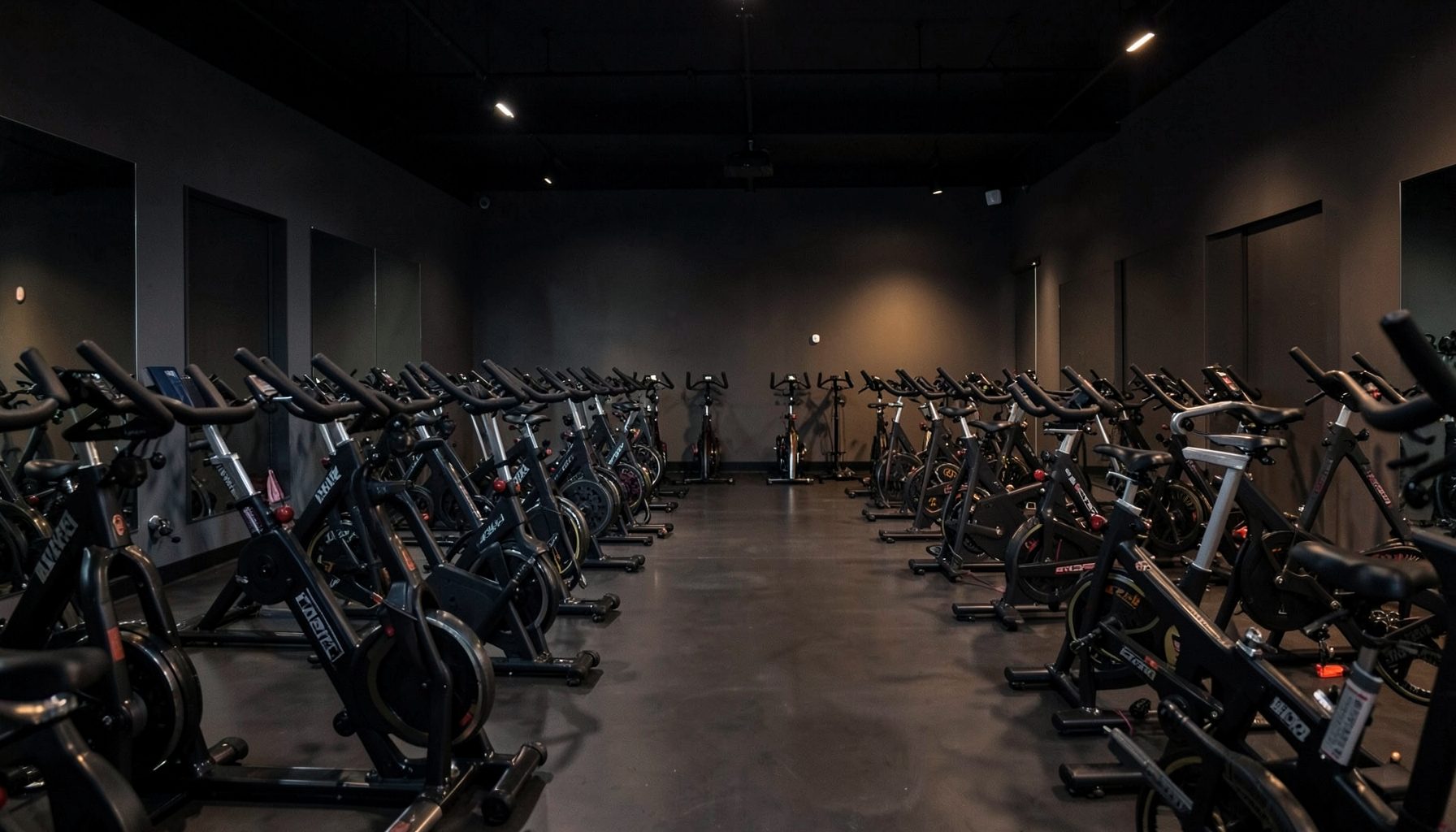
Normatec boot recovery and cryotherapy treatments help athletes bounce back faster. Cycle and spin classes add a cardio dimension to the holistic performance approach.
Have a Question?