Train. Compete. Recover.
A multi-purpose athletic facility in Speedway, Indiana — basketball leagues, skill training, and wellness services all under one roof.
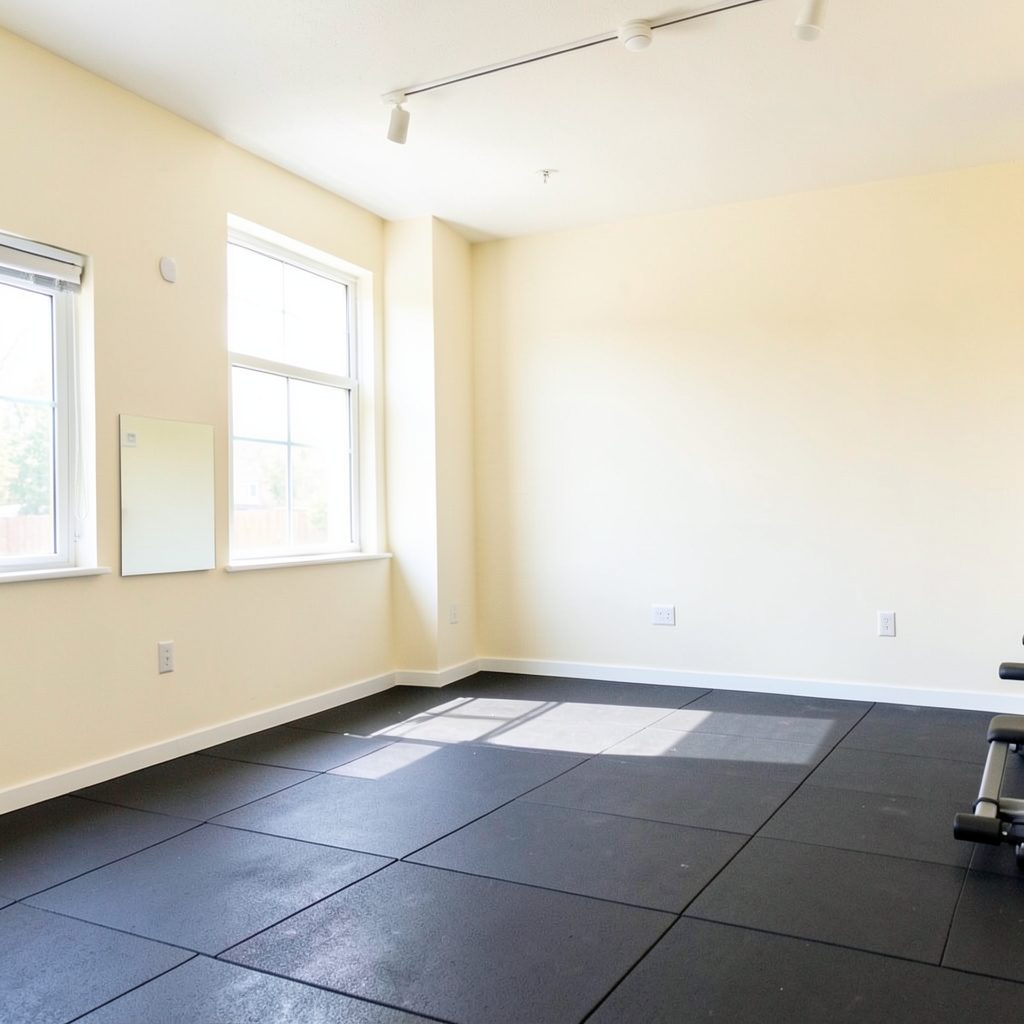
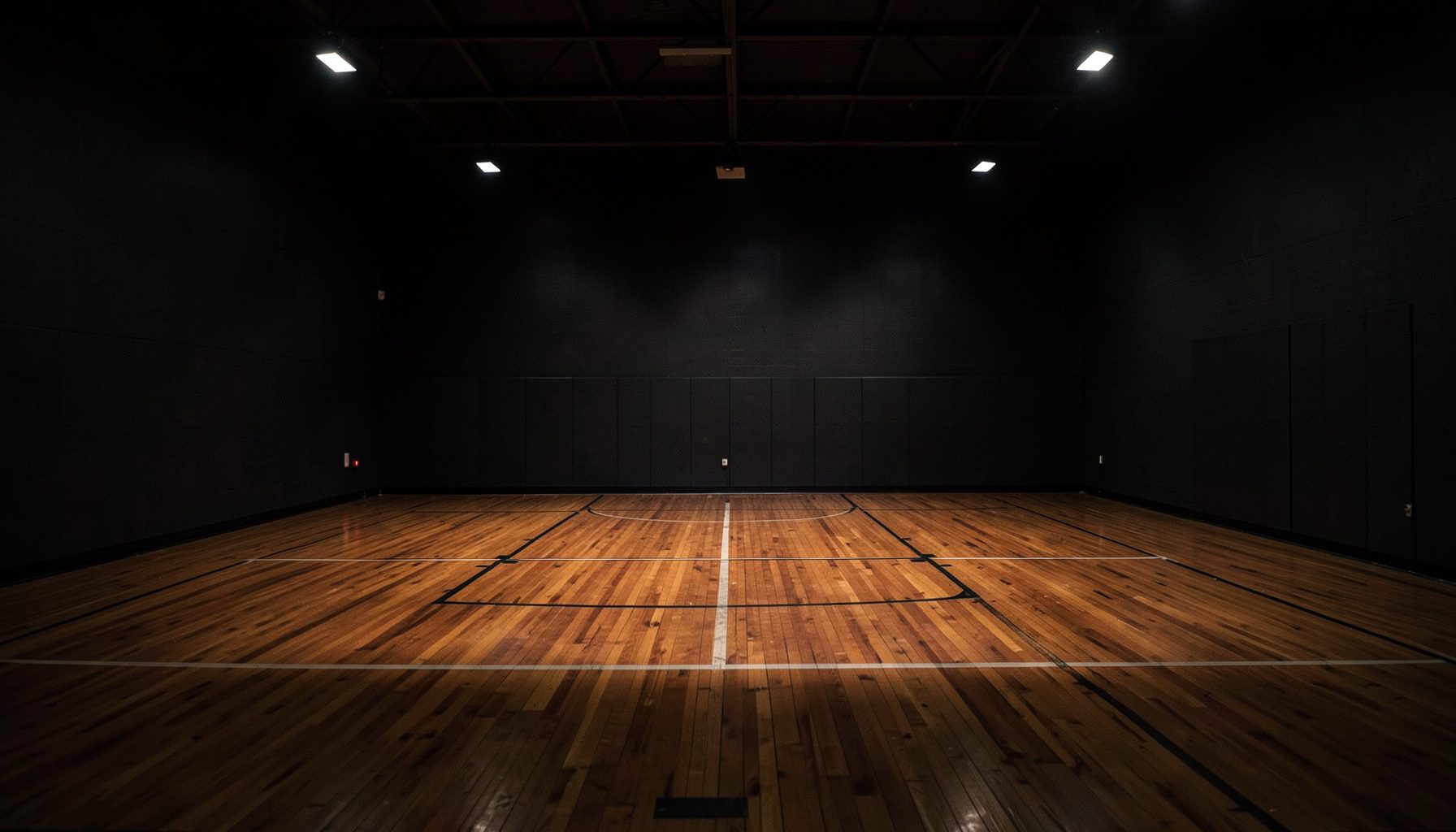
The Factory D1 Indy brings together three entities under one roof: competitive basketball leagues for all age groups, individual and group training, and wellness & recovery services including Normatec boot recovery and cryotherapy. Located off I-465 and High School Road at 6331 Crawfordsville Road, Speedway, Indiana 46224.
Get In TouchThe Link Between Core Strength and Consistent Free Throw Shooting
Free throws look simple because the distance, line and routine stay the same. In a real game, however, a player must control breathing, posture and force while tired, distracted or carrying contact from the previous play. That is why reliable foul shooting depends on much more than wrist action.
The trunk acts as the body’s central link between the floor and the basketball. When the hips, abdominals, lower back and ribcage work together, the shooter can create a stable platform and repeat the same movement. When that platform shifts, the legs and shooting arm have to make constant corrections.
For Australian players, this matters across every level, from a junior Saturday fixture in Melbourne or Sydney to NBL1 competition and school basketball during a busy winter season. Indoor courts may have different conditions, but a strong, controlled base helps a player perform consistently wherever the game is played.
At The Factory D1 Indy in Speedway, Indiana, basketball development can be paired with conditioning and recovery in one athletic environment. Understanding how trunk stability affects the shot gives athletes, coaches and families a practical way to connect strength work with points on the scoreboard.
Why The Trunk Matters At The Free Throw Line
A free throw begins with the feet, but force travels upward through the ankles, knees, hips and torso before reaching the hands. The core helps maintain alignment as that force moves through the body. If the pelvis tilts or the ribs flare, the shooting shoulder may drift, changing the ball’s path.
Good core strength does not mean bracing as hard as possible. A player needs controlled stiffness with enough mobility to bend the knees, extend the hips and finish smoothly. The ideal trunk stays tall and quiet while the lower body supplies energy and the arm delivers touch.
This connection is especially important for younger athletes whose coordination is still developing. Learning to stabilise the body early can make shooting practice more productive, because repetitions reinforce a repeatable movement rather than compensations caused by poor posture.
Stability Supports A Repeatable Routine
Every dependable shooter has a sequence: feet settle, eyes focus, breath slows, knees bend, and the ball rises through a familiar path. Core control supports each stage by limiting unnecessary movement between the preparation and release. The less the body wanders, the easier it is to reproduce the same mechanics.
A stable trunk also helps a player hold the finish. Keeping the chest balanced and the shooting hand extended gives the ball time to leave cleanly with appropriate backspin. Falling backwards, twisting or rushing the finish can turn a technically sound setup into a short or sideways attempt.
In Australian club basketball, where players may move between school, representative and domestic competitions in the same week, a consistent routine is valuable. It gives athletes a dependable reset when the gym is loud, the game is close and the legs feel heavy after a long day.
How Core Fatigue Changes Accuracy
Core muscles work throughout a game to absorb contact, decelerate the body and maintain balance. As fatigue builds, athletes often lose pelvic control and begin to lean, sway or collapse through the midsection. The shooting arm may still feel fresh, but it is now working from an unstable base.
This can produce common misses. A player who cannot transfer force efficiently may leave the ball short. Another may overuse the shoulders and push the shot long. A rotating torso can send attempts left or right, while a rushed lift-off disrupts the timing between the legs and hands.
Training should therefore include free throws after movement, defensive slides or cycling intervals, rather than only at the start of a session. The aim is to practise technical control under realistic fatigue. At a Brisbane summer tournament or a Perth weekend carnival, that late-game quality can be worth several points.
Strength Exercises That Transfer To Shooting
Anti-rotation exercises are useful because they teach the trunk to resist unwanted twisting. Pallof presses, controlled cable holds and single-arm carries challenge the athlete to keep the ribs and pelvis aligned while the limbs move. This resembles shooting, where the hands and arms must work without the torso drifting.
Dead bugs, bird dogs and plank variations can develop control without requiring heavy loads. A player should move slowly, breathe normally and keep the lower back from arching excessively. Quality matters more than chasing a long hold or adding weight before the position is reliable.
Lower-body movements also deserve attention. Split squats, goblet squats and single-leg balance drills train the hips and legs that create force for the shot. Combining these exercises with mobility for the ankles and hips can help the athlete reach a balanced stance without forcing the back to compensate.
Breathing And Bracing Before Release
Breathing is easy to overlook during shooting practice. Holding the breath too aggressively can create tension through the shoulders and neck, while shallow, hurried breathing can make the routine feel rushed. A calm inhale and controlled exhale help the athlete settle before beginning the upward motion.
The brace should be moderate and brief. Think of preparing the midsection to receive light contact while allowing the knees, hips and shoulders to move freely. This preserves fluidity and keeps the release from becoming a rigid strength exercise.
Coaches can use a simple cue such as “tall, steady, smooth” during repetitions. Australian athletes often respond well to short, practical instructions that can be remembered during a hectic arvo training session. The cue should support the routine rather than interrupt concentration with too many technical details.
Building Free Throws Into Athletic Training
Core work has greater value when it connects directly to basketball decisions and fatigue. After a strength circuit, players can shoot a small set of free throws and record makes, misses and the type of miss. Over several weeks, this reveals whether improved conditioning is carrying into the skill.
A useful progression begins with stationary shooting, then adds movement and mild fatigue. Players might complete defensive slides, controlled medicine-ball throws or a short change-of-direction sequence before stepping to the line. The intensity should remain high enough to challenge focus without damaging shooting mechanics.
Facilities that combine court training with broader fitness services can make this process easier to organise. Athletes can explore basketball and fitness services that support skill development, conditioning and recovery rather than treating each area as separate. That integrated approach suits players balancing club commitments, representative pathways and school sport.
Recovery Protects Shooting Consistency
A tired trunk is not always a weak trunk. It may simply need enough recovery between demanding sessions. Sleep, hydration, nutritious meals and sensible training loads all influence how well an athlete can stabilise the body and repeat a shooting motion.
Recovery methods can also help athletes feel ready for their next session. Compression therapy, mobility work and carefully planned low-intensity conditioning may support circulation and reduce the feeling of heavy legs. These services are particularly useful during tournament periods, when multiple games can arrive within a short window.
Australian athletes should also account for heat, travel and outdoor activity. A player driving from regional Victoria to a city tournament, or spending a summer day moving between outdoor and indoor courts, may need more fluids and planned breaks than a normal training day. Arriving fresh improves both core control and concentration at the line.
Measuring Progress Beyond Made Shots
Made free throws remain the main result, but coaches can monitor other signs of progress. Look for a balanced finish, quiet hips, consistent knee bend and a similar release height across repetitions. Video from the side and front can show whether the athlete leans or rotates as fatigue appears.
A simple test might involve sets of ten free throws at the start and end of practice. Record the percentage, then note whether misses are short, long or lateral. If accuracy holds steady while fatigue rises, the athlete is developing useful control. If it falls sharply, the next training phase may need more trunk endurance or better pacing.
Players should also judge how repeatable the routine feels. Confidence grows when the body responds in familiar ways, even after a hard defensive possession. Over time, stronger core control can turn free throws from a fragile skill into a dependable scoring opportunity.
Build this connection into every week: train the trunk with purpose, practise free throws under realistic fatigue, and protect the body with consistent recovery. Athletes at The Factory D1 Indy can use basketball development, conditioning and wellness support to make each repetition count and carry greater control into competition.
Inside The Factory

Three Entities, One Roof
Leagues
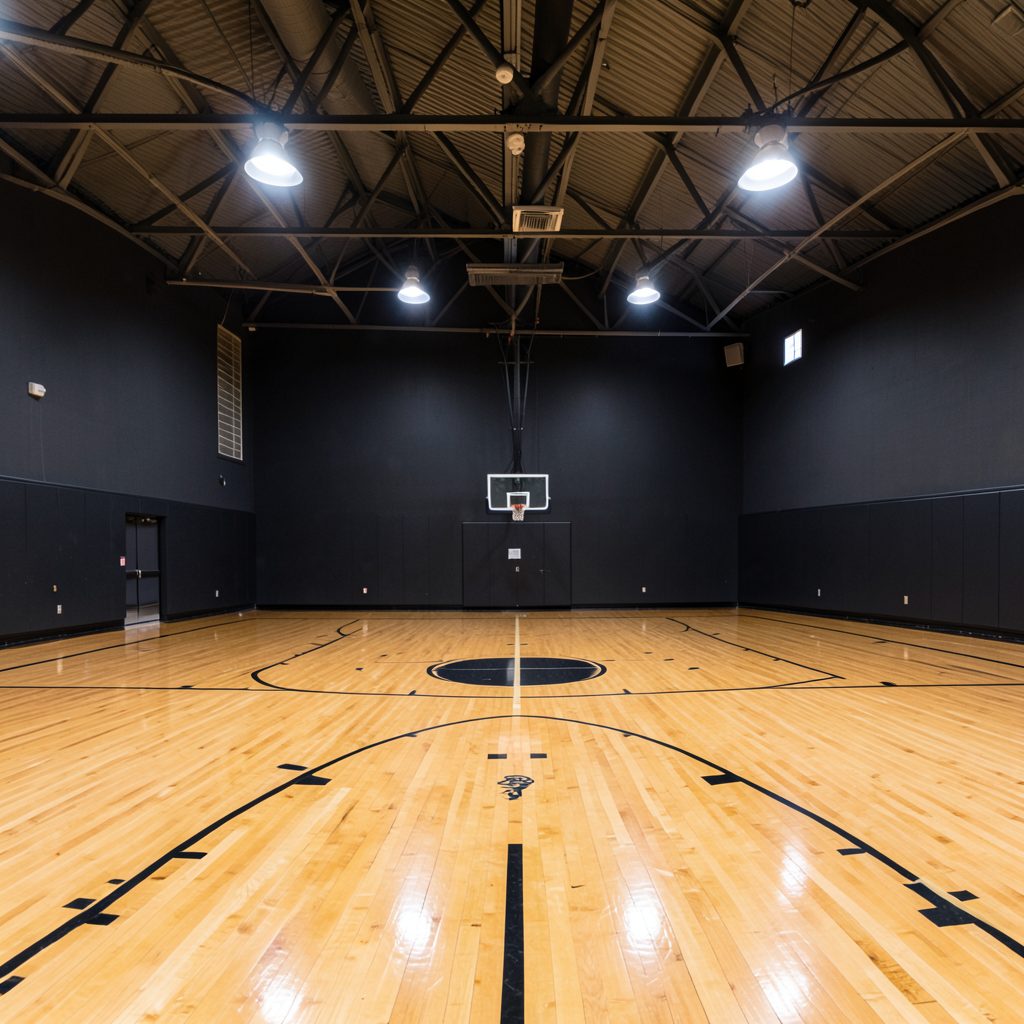
Eight league divisions span every age group: Indy Pro AM, 18+ Open Men's, 30+ Men's, Bite Size (ages 3–6), Impact League, 5th/6th Grade, Middle School, and High School. Gather your team and compete.
Training
Individual and group basketball training for all skill levels. Major M.O.V.E.S. Basketball Training serves ages 4–7 on Wednesday and Thursday evenings at 6:30 PM — $30 per session or $100 unlimited monthly.
Wellness & Recovery
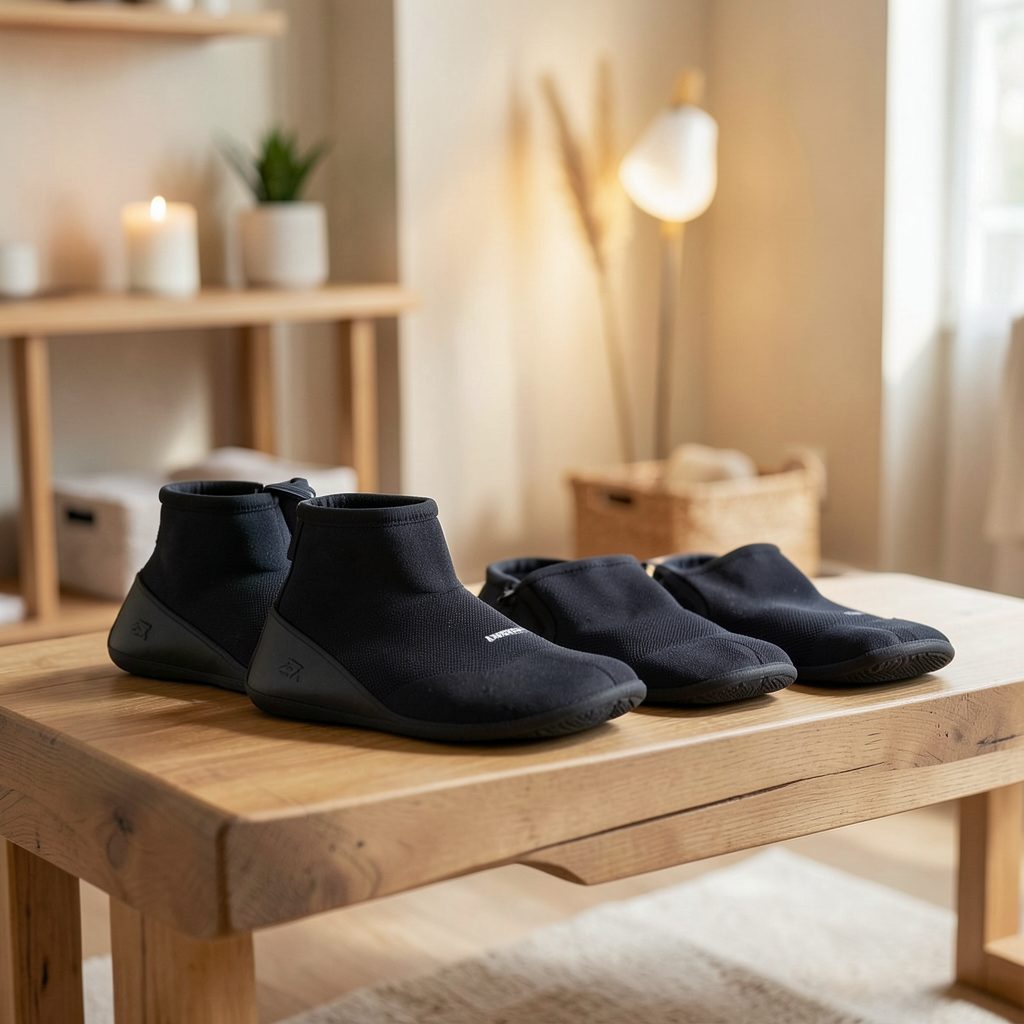
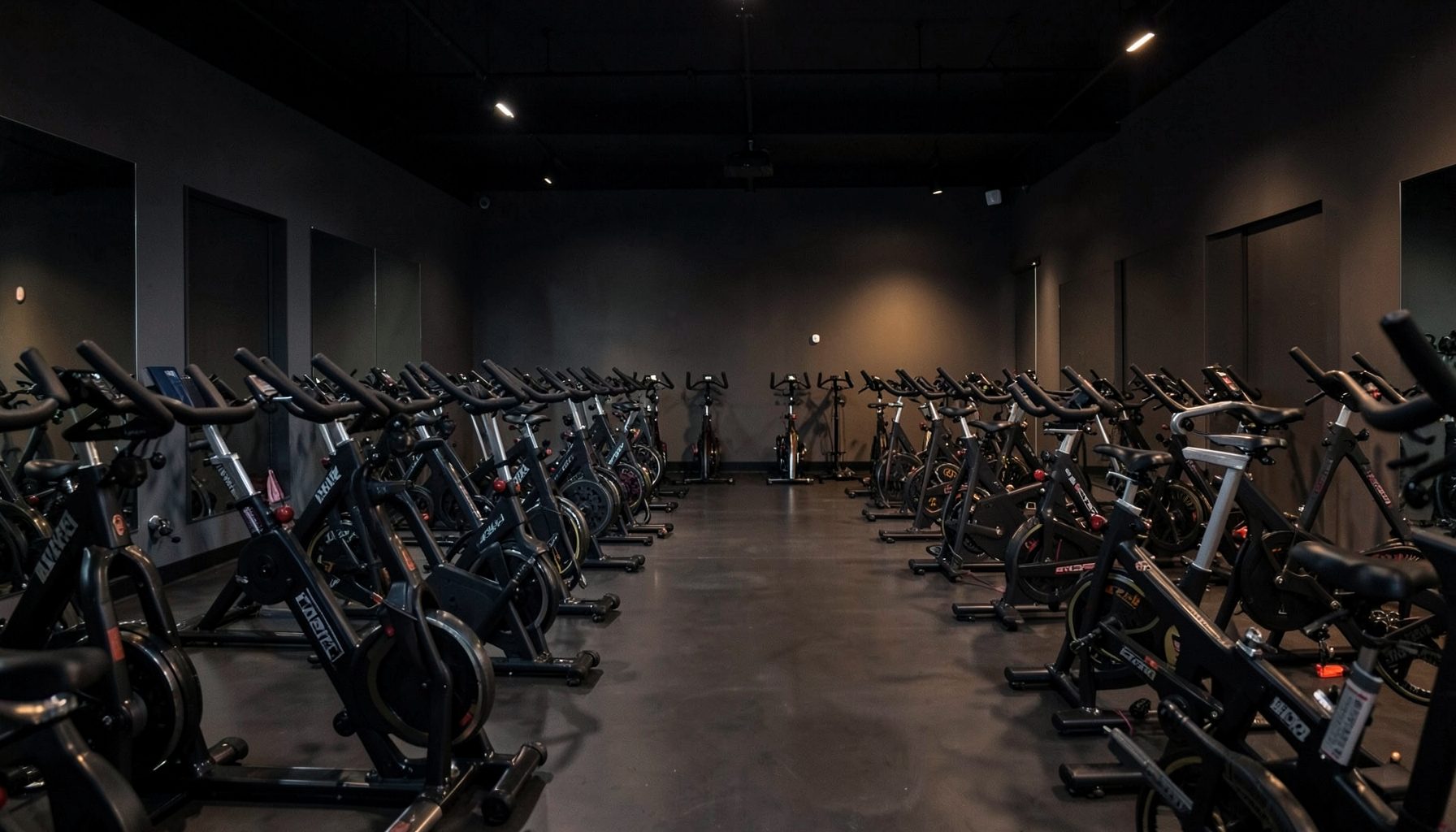
Normatec boot recovery and cryotherapy treatments help athletes bounce back faster. Cycle and spin classes add a cardio dimension to the holistic performance approach.
Have a Question?