Train. Compete. Recover.
A multi-purpose athletic facility in Speedway, Indiana — basketball leagues, skill training, and wellness services all under one roof.
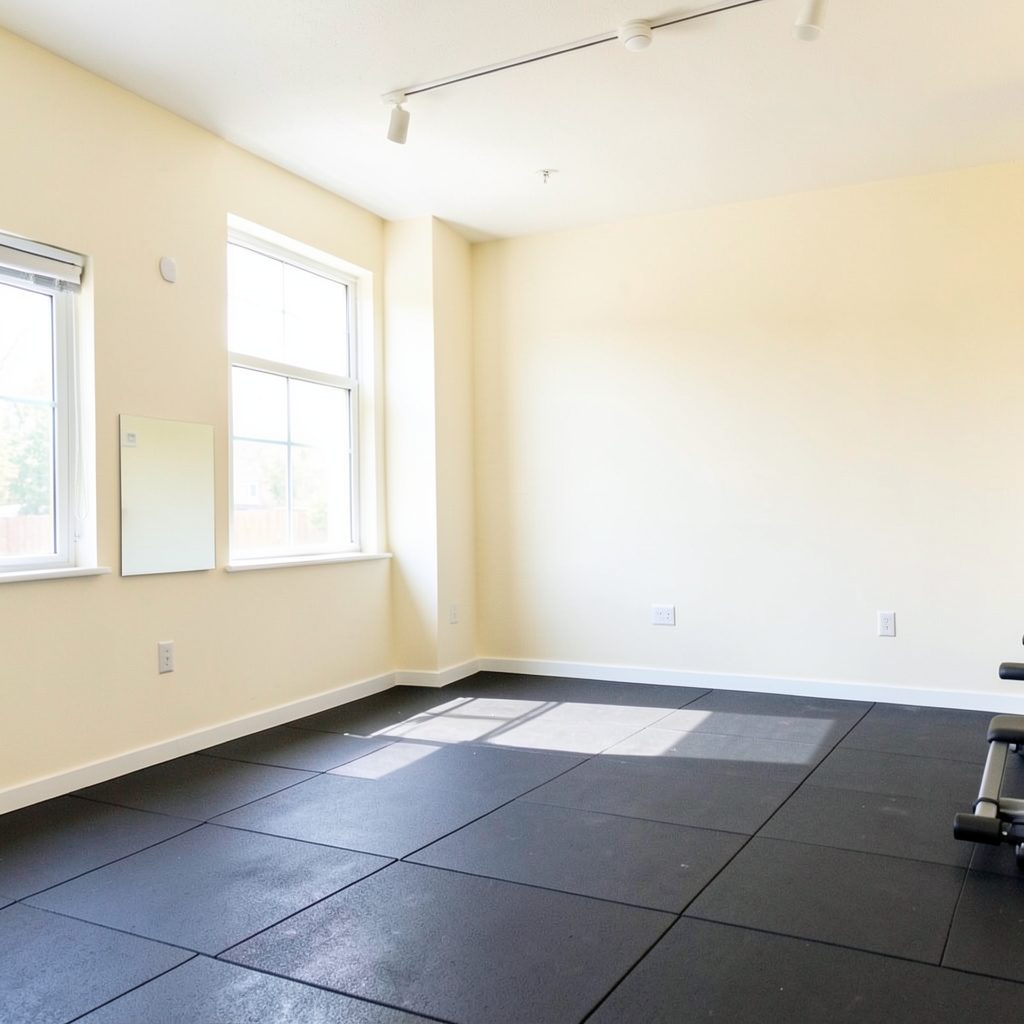
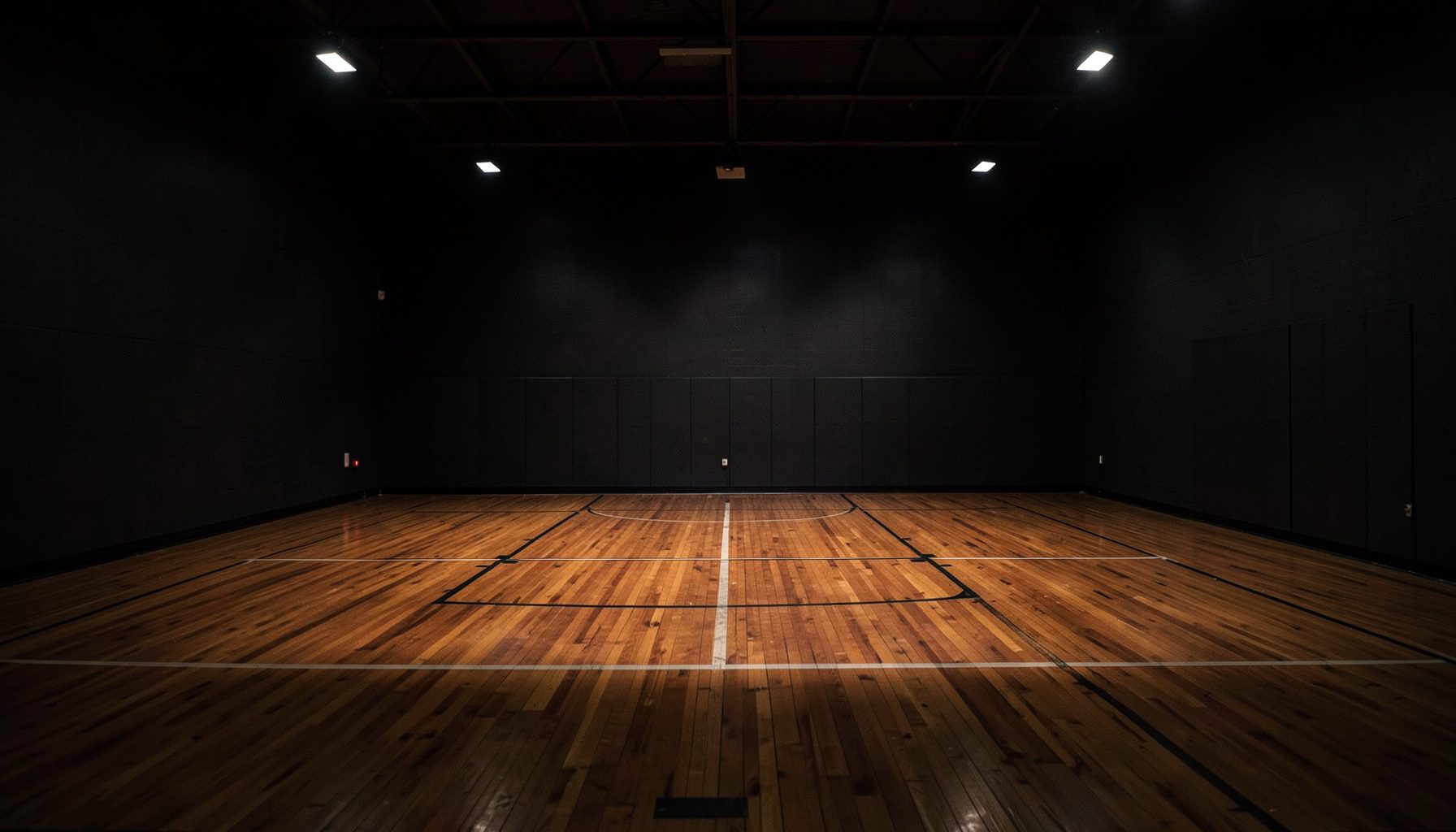
The Factory D1 Indy brings together three entities under one roof: competitive basketball leagues for all age groups, individual and group training, and wellness & recovery services including Normatec boot recovery and cryotherapy. Located off I-465 and High School Road at 6331 Crawfordsville Road, Speedway, Indiana 46224.
Get In TouchThe mental benefits of regular spin classes for athletes
Athletic performance is shaped by more than strength, speed, and technical ability. Focus, emotional control, resilience, and confidence often determine how well an athlete responds when a workout becomes uncomfortable or a competition turns unpredictable. Regular spin classes provide a structured way to train those mental skills while building cardiovascular fitness.
Indoor cycling demands sustained effort, rhythm, and attention. Athletes must monitor their pace, respond to resistance changes, manage fatigue, and keep working when their legs begin to burn. Over time, that repeated experience can strengthen the mindset needed for basketball, running, soccer, and other demanding sports.
Spin training is also accessible across experience levels. An athlete can adjust resistance and intensity while still sharing the energy of a coached group. This combination of personal control and collective momentum makes cycling a valuable addition to a broader training routine.
Sharper focus during demanding work
A spin class requires athletes to stay present. Riders listen for coaching cues, watch their cadence, adjust resistance, and track how their bodies respond. That concentration helps reduce mental distraction and develops the ability to focus on immediate tasks instead of becoming overwhelmed by the full length of a workout.
This skill transfers naturally to competition. A basketball player who learns to focus on the next interval can become better at concentrating on the next defensive possession rather than dwelling on a missed shot. A runner can use the same approach to divide a difficult race into manageable sections. Regular cycling reinforces attention control through repeated, purposeful effort.
The rhythm of pedaling can also create a moving form of mindfulness. Athletes become more aware of breathing, posture, tension, and exertion. That body awareness helps them recognize when they are rushing, holding their breath, or wasting energy.
Better stress regulation and emotional balance
Intense exercise can help regulate stress by giving the body a productive outlet for physical tension. A coached ride creates a clear beginning, progression, and finish, allowing athletes to move through discomfort within a safe and organized setting. The result is often a calmer mind after training, even when the session itself is challenging.
Regular aerobic activity is associated with improved mood and reduced feelings of everyday stress. For athletes balancing school, work, travel, and competition, that mental reset can be especially useful. A spin class offers time away from screens and responsibilities, with attention directed toward movement and breathing.
The controlled discomfort of cycling also teaches emotional steadiness. Riders experience rising fatigue without immediately reacting to it. They learn to distinguish between temporary discomfort and a genuine warning sign, then make measured decisions about effort. That emotional control can support better responses to pressure during games and races.
Confidence built through measurable progress
Confidence becomes more durable when it is based on evidence. Spin classes give athletes frequent opportunities to notice progress: holding a stronger cadence, completing a longer interval, recovering faster, or using more resistance with good form. These small improvements provide concrete reminders that consistent work produces results.
The private nature of personal effort within a group class is helpful for athletes who compare themselves to others. Each rider can choose an appropriate level while still participating fully. This reduces the pressure to match someone else’s pace and encourages confidence based on personal development rather than outside approval.
Cycling can also improve an athlete’s willingness to embrace challenging goals. When riders repeatedly complete sessions that once seemed intimidating, their expectations begin to change. Hard work feels less threatening, and setbacks become part of the training process rather than proof that progress has stopped.
| Mental benefit | How spin training supports it | Athletic carryover |
|---|---|---|
| Focus | Requires attention to cadence, resistance, and coaching cues | Better concentration during possessions, drills, or race segments |
| Stress control | Uses sustained movement and breathing to release tension | Calmer decision-making under competitive pressure |
| Confidence | Makes improvements visible through effort and endurance | Greater belief in the ability to handle difficult tasks |
| Resilience | Builds tolerance for controlled physical discomfort | Stronger response to fatigue, setbacks, and adversity |
| Motivation | Combines music, coaching, and group energy | More consistency in training and conditioning |
Greater resilience when fatigue sets in
Mental toughness is not simply the ability to ignore discomfort. It involves staying composed, evaluating effort, and continuing to execute when conditions become difficult. Spin classes create repeated opportunities to practice that process. Riders encounter climbs, sprints, and sustained intervals that challenge both the body and the mind.
Because intensity can be adjusted, athletes can build resilience gradually. They may begin with shorter efforts and longer recovery periods, then progress toward more demanding work. Each completed session strengthens the belief that fatigue can be managed through pacing, breathing, and purposeful attention.
That lesson is valuable in late-game situations. An athlete who has practiced staying engaged during the final minutes of a hard ride may be better prepared to maintain defensive effort, communicate with teammates, or make a smart decision while tired. Conditioning and psychological endurance develop together.
Motivation supported by structure and community
Consistency is easier when training has structure. A scheduled class removes some of the guesswork from conditioning and creates an appointment that athletes can build into their week. The presence of a coach provides direction, while music and timed intervals add energy and variety.
Group exercise can also create a sense of accountability. Riders do not need to compete directly with one another to benefit from shared effort. Seeing other participants continue through a challenging block can encourage an athlete to stay committed to a planned pace instead of stopping at the first sign of discomfort.
For young athletes, this environment can make conditioning feel less isolated. For adult competitors, it can restore enjoyment to training that has become repetitive. The social atmosphere supports motivation without taking away the individual nature of each rider’s workout.
At The Factory D1 Indy, athletes can explore cycle and spin classes as part of a larger facility that brings training, competition, conditioning, and recovery into one community-oriented setting. That connection can make it easier to complement cycling with basketball development or other athletic goals.
A stronger connection between mind and body
Athletes perform best when mental decisions and physical responses work together. Spin training develops that connection by asking riders to notice changes in breathing, heart rate, leg tension, and perceived exertion. They learn to adjust effort rather than relying on emotion alone.
This awareness can improve pacing and recovery habits beyond the bike. An athlete may become more likely to recognize early signs of excessive fatigue, take recovery seriously, or enter a workout with a specific intention. Those choices support long-term development and help prevent every session from becoming an uncontrolled test of maximum effort.
The mental benefits also continue after class. Many athletes leave a demanding ride with a clearer sense of accomplishment and a calmer perspective. That positive post-workout state can improve readiness for the next training session, making regular participation easier to maintain.
Ways to make the mental gains last
The psychological value of indoor cycling grows when athletes approach it as a consistent part of training rather than an occasional challenge. These practices can help connect each session to broader performance goals:
- Set one mental objective, such as staying relaxed during climbs or maintaining focus through the final interval.
- Use breathing as an anchor when fatigue creates frustration or scattered attention.
- Track progress through effort, recovery, and consistency instead of comparing output with other riders.
- Schedule demanding rides around sport practices so the body and mind have time to recover.
- Reflect briefly after class on what improved, what felt difficult, and how the lesson may transfer to competition.
A balanced schedule matters. Spin classes can support athletic development, but they should work alongside sport-specific practice, strength training, mobility, sleep, and recovery. Athletes who vary intensity and listen to their bodies are more likely to gain confidence and resilience without accumulating unnecessary fatigue.
Make regular cycling part of a purposeful performance routine at The Factory D1 Indy. Show up with a clear goal, commit to the ride, and carry the focus, composure, and confidence developed in class into every practice and competition.
Inside The Factory

Three Entities, One Roof
Leagues
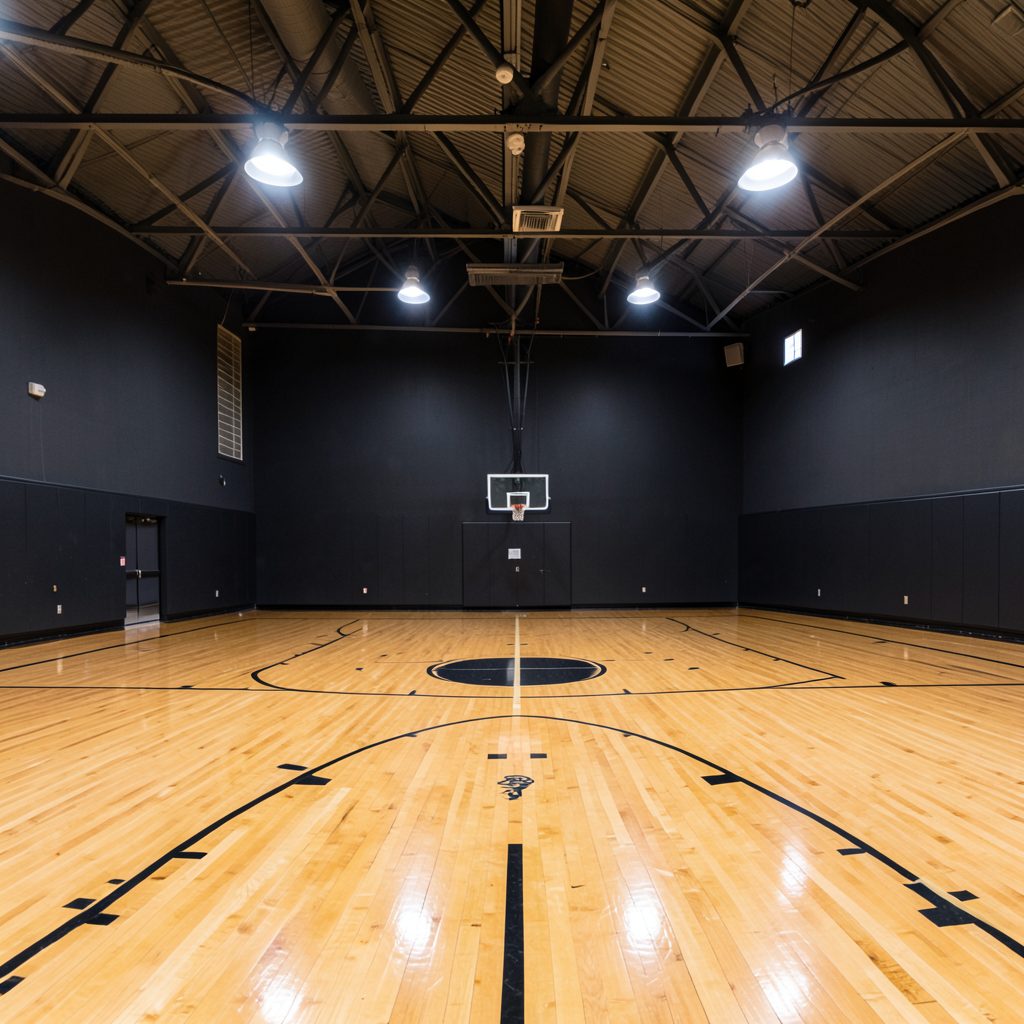
Eight league divisions span every age group: Indy Pro AM, 18+ Open Men's, 30+ Men's, Bite Size (ages 3–6), Impact League, 5th/6th Grade, Middle School, and High School. Gather your team and compete.
Training
Individual and group basketball training for all skill levels. Major M.O.V.E.S. Basketball Training serves ages 4–7 on Wednesday and Thursday evenings at 6:30 PM — $30 per session or $100 unlimited monthly.
Wellness & Recovery
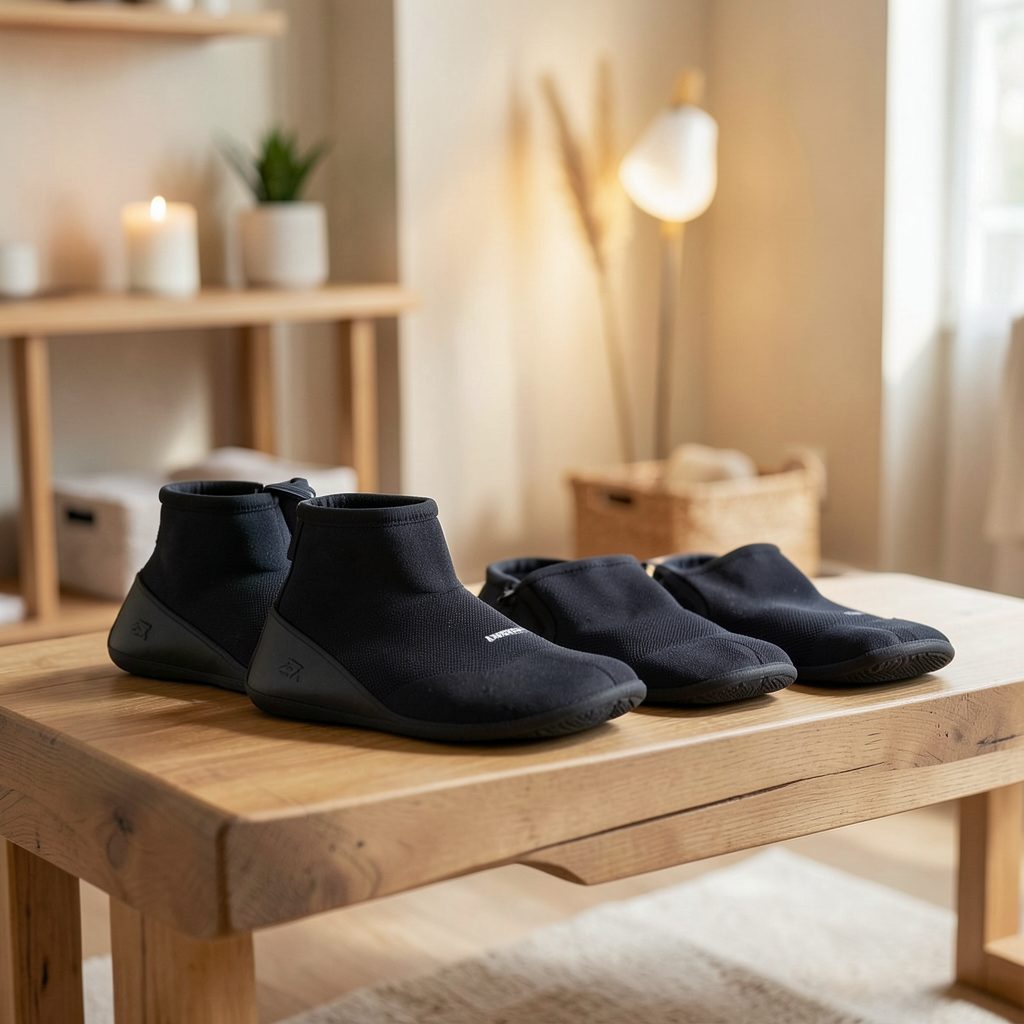
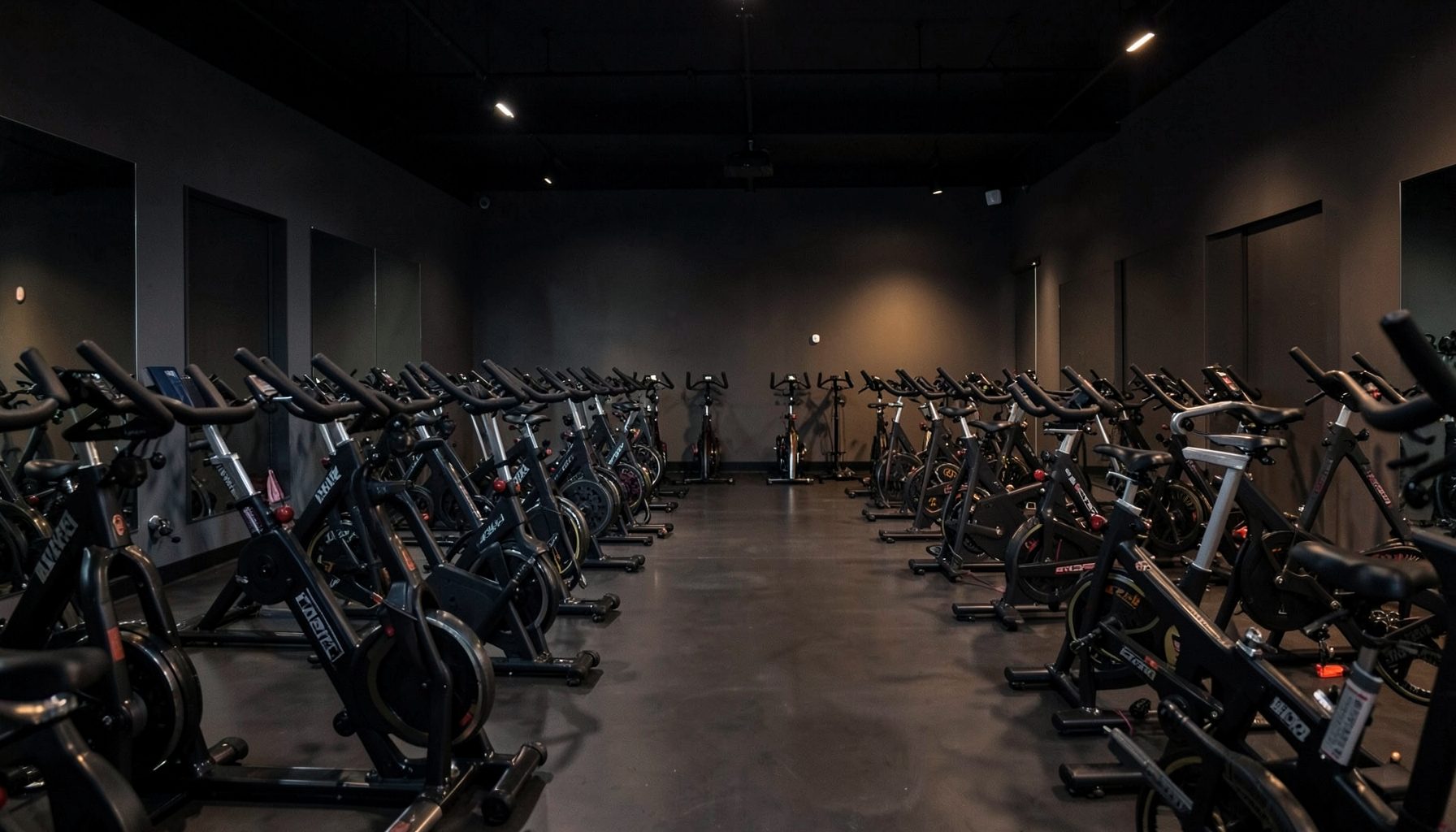
Normatec boot recovery and cryotherapy treatments help athletes bounce back faster. Cycle and spin classes add a cardio dimension to the holistic performance approach.
Have a Question?