Train. Compete. Recover.
A multi-purpose athletic facility in Speedway, Indiana — basketball leagues, skill training, and wellness services all under one roof.
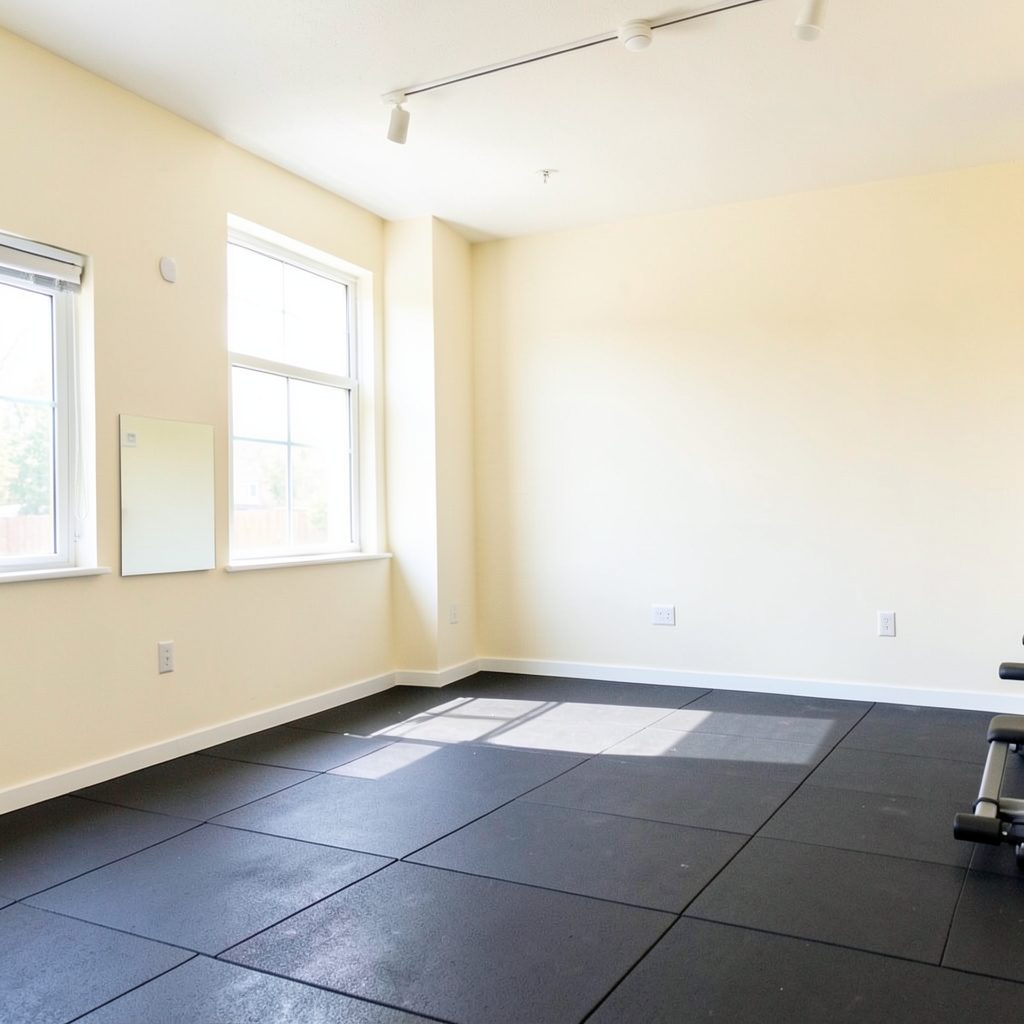
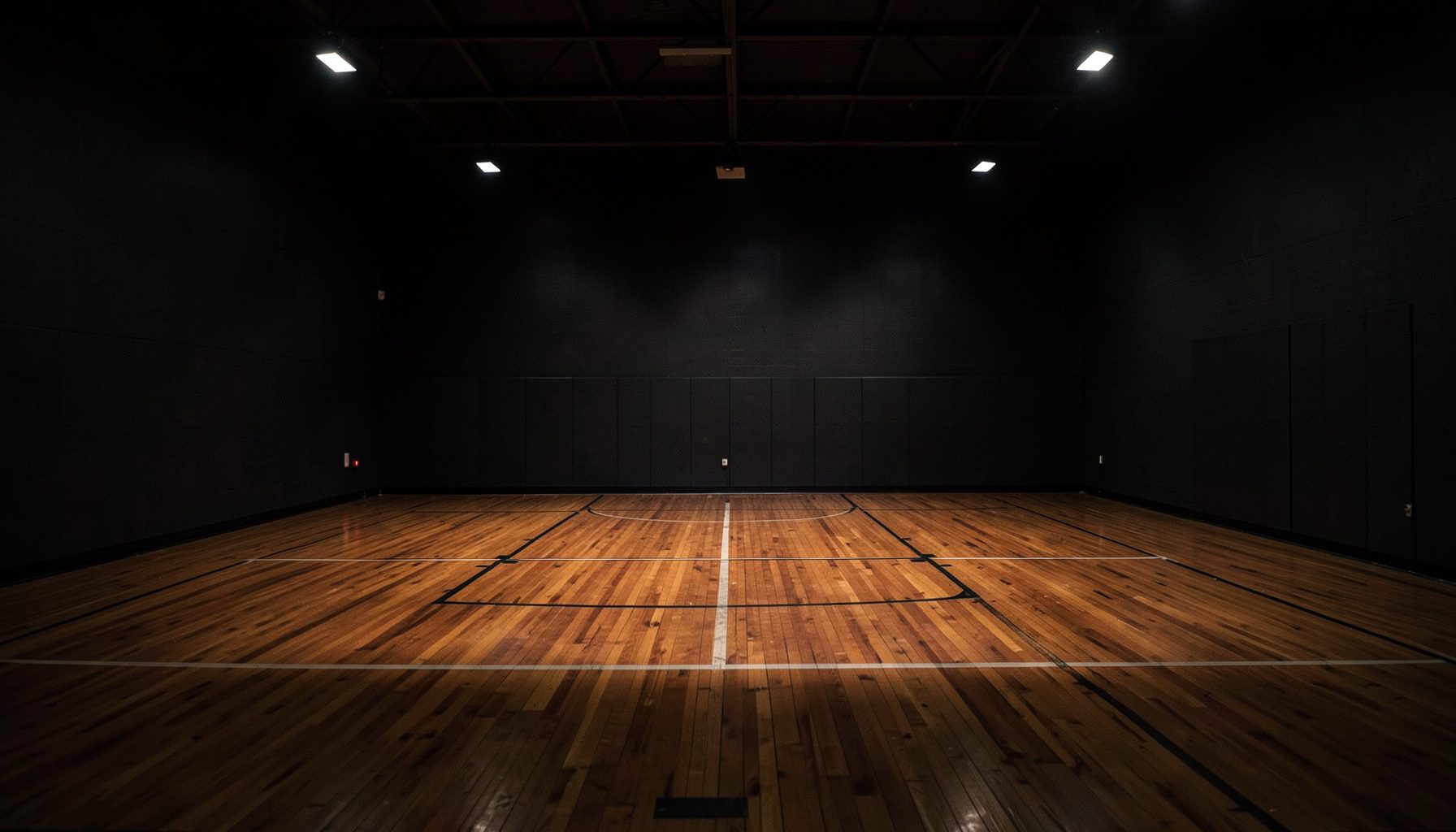
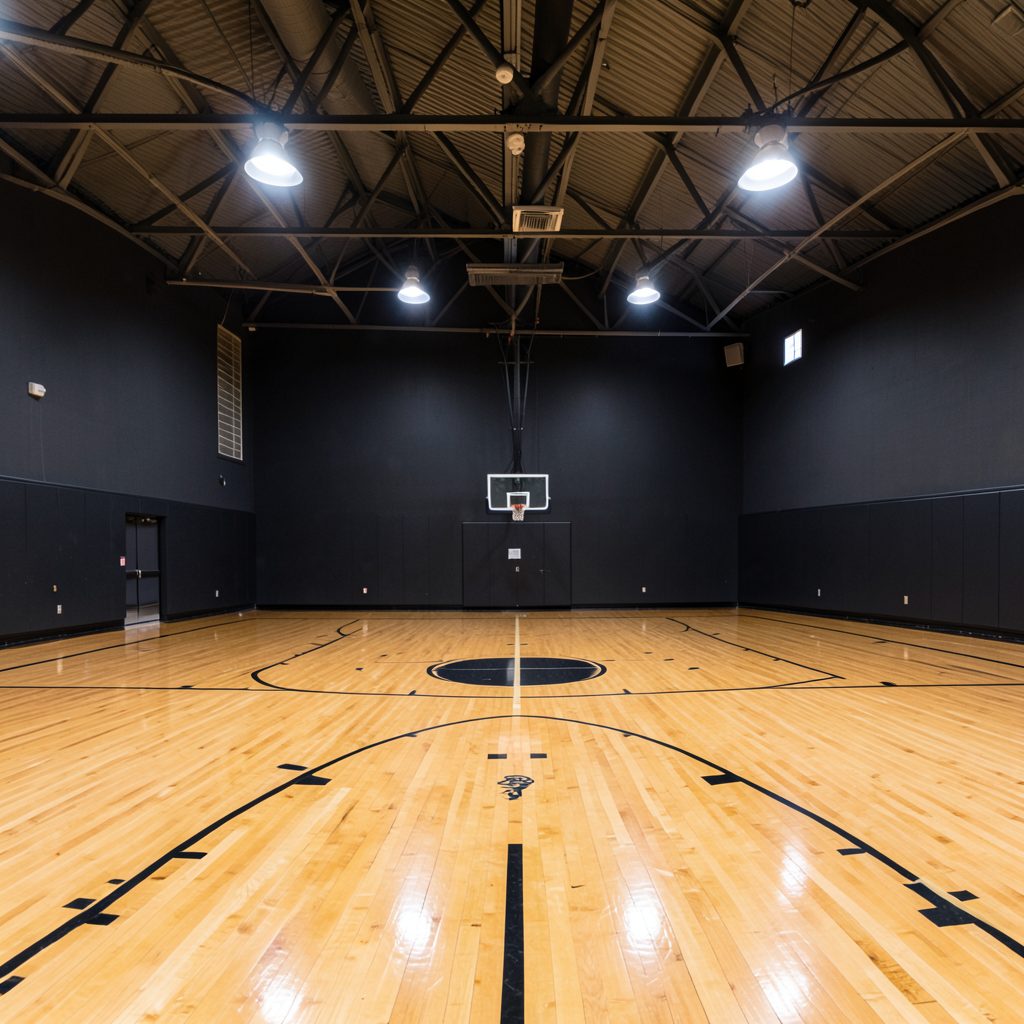
The Factory D1 Indy brings together three entities under one roof: competitive basketball leagues for all age groups, individual and group training, and wellness & recovery services including Normatec boot recovery and cryotherapy. Located off I-465 and High School Road at 6331 Crawfordsville Road, Speedway, Indiana 46224.
Get In TouchWarming up with resistance bands before basketball practice
Picture the opening tip-off: legs pumping, shoulders rotating, the ball arcing through the air. None of that happens cleanly without a proper warm-up, and resistance bands are one of the most underrated tools in a basketball player's kit. Used correctly, they wake up the stabilising muscles, lubricate the joints, and prep the nervous system for the explosive demands of the court.
Across Australia's basketball scene — from suburban Melbourne stadiums to coastal Brisbane courts — coaches are increasingly weaving band work into pre-practice rituals. The appeal is straightforward: bands are portable, scalable to any age or strength level, and replicate sport-specific movement patterns without loading the spine the way heavy weights can.
Activating the muscles that actually matter for hoops
Basketball is a sport of deceleration and reacceleration. Players plant a foot, change direction, elevate, and land dozens of times per quarter. That sequence places enormous stress on the glutes, hip rotators, hamstrings, calves, and the deep core. A five-minute band routine before practice primes these areas far better than static stretching ever could.
Start with a mini-band around the ankles for lateral walks, taking ten steps in each direction to force the glute medius to fire and stabilise the pelvis during cuts and pivots. In community clubs from Perth to Hobart, this drill has become a staple because it directly mimics the shuffling required to stay in front of a defender on the perimeter. Follow with banded clamshells to open up the hip external rotators — tight hips are the enemy of an efficient shooting motion, and two sets of twelve per side loosens the area without the laxity that comes from over-stretching cold tissue.
The sequence that builds proper warm-up technique
A structured band warm-up should progress from ground up and from small to large movements. Begin with feet anchored to the band for dorsiflexion work — pulling the toes toward the shins against tension wakes up the anterior tibialis, the muscle that absorbs force when the foot plants after a jump.
Move into monster walks for hip and core integration. These recruit the glutes while forcing the trunk to resist rotation, which translates directly to holding a strong base when absorbing contact on the drive. A common oversight is letting the knees cave inward; cue players to drive them out in line with the toes throughout the entire rep.
Finish the sequence with banded overhead squats if the goal is shooting prep, or banded reverse lunges if the session emphasises defence. The overhead position reinforces shoulder mobility and thoracic extension, both critical for a high release point on the jumper. Hoops players in Cairns and Townsville often train through sticky tropical summers, so keeping the band work tight and efficient matters when the mercury climbs.
Choosing the right band and setting it up correctly
Band selection depends on the athlete, not the exercise. Light bands in the 10–15 pound resistance range suit activation drills where the goal is muscle recruitment, not strength. Heavy bands belong later in the warm-up or in separate strength sessions. Most sporting goods stores across Sydney and Adelaide stock a colour-coded range, and the difference between a yellow and a green loop can completely change the stimulus.
Loop bands sit above the knees for glute work and around the feet for ankle stability drills. Tube bands with handles work better for upper body pulls and presses, but they require a sturdy anchor point and need to be inspected for nicks before every session. A snapped tube handle can leave a mark that sidelines an elite athlete for weeks.
Positioning matters too. The spine should stay neutral throughout every banded drill, which means resisting the urge to lean forward during pull-apart exercises for the upper back. Slouching defeats the purpose, because the whole point of band work is to reinforce positions the body needs to hold under fatigue during the practice that follows.
Mistakes that undermine the whole point
The biggest error coaches see is using bands as a substitute for actual warm-up intensity. Bands should feel like work, not like a token gesture before jogging. If a player can chat casually through a set of clamshells, the resistance is wrong and the warm-up is wasted.
Another common slip is skipping the eccentric or lowering phase of banded movements. Jerking a band back to start position teaches nothing about deceleration, which is precisely the skill basketball rewards. Slow, controlled three-second eccentrics build the tissue quality that protects knees and ankles when players come down from a contested rebound under the ring.
A third mistake is treating band work as one-size-fits-all. A twelve-year-old in a junior development squad has different needs than a thirty-year-old playing in a weekend men's competition at a suburban Brisbane stadium. Adjusting stance width, range of motion, and tempo scales the drill appropriately for whoever is standing on the court.
Weaving bands into a routine that sticks
Consistency matters more than novelty. A four-minute band sequence done before every session beats a twenty-minute routine performed twice a week. Most players in Australia's club system train two to three times weekly with games on weekends, so a quick and repeatable band circuit slots in without adding minutes to an already tight schedule.
Pairing band work with light cardio and dynamic mobility creates a complete pre-practice template. Five minutes of jogging or skipping, then the band circuit, then sport-specific movement skill work. The Factory D1 Indy's competitive leagues page outlines how their training philosophy integrates similar prep work across age groups and competition levels.
The payoff shows up where it counts — late in the second half, in the fourth quarter, in playoff games when legs are heavy and decisions get tough. Joints feel sturdier, first steps feel snappier, and the body responds the way the game demands. For athletes chasing that edge, the band is the cheapest upgrade in the kit bag.
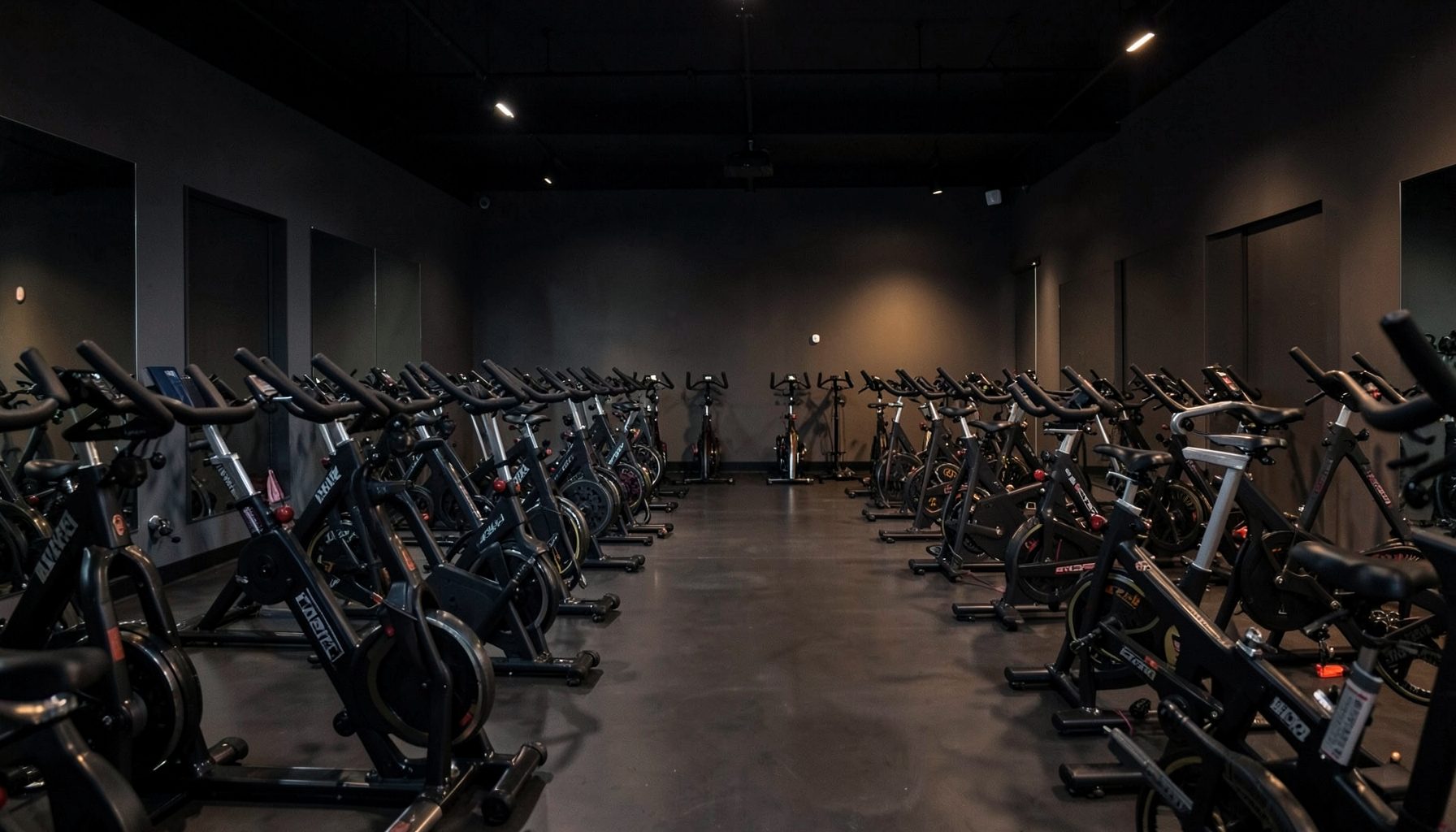
Recovery deserves equal billing to the warm-up. Players juggling basketball with cross-training in disciplines like cycling often rotate band warm-ups into a broader conditioning week. The Factory D1 Indy's cycle and spin offerings sit alongside their court programming for exactly that kind of integrated athlete, where band prep in the morning feeds a stronger ride in the afternoon.
Book a court, grab a loop band, and put five honest minutes into the routine before the next session. The game rewards preparation more than talent, and resistance bands turn preparation into something measurable.
Inside The Factory

Three Entities, One Roof
Leagues
Eight league divisions span every age group: Indy Pro AM, 18+ Open Men's, 30+ Men's, Bite Size (ages 3–6), Impact League, 5th/6th Grade, Middle School, and High School. Gather your team and compete.
Training
Individual and group basketball training for all skill levels. Major M.O.V.E.S. Basketball Training serves ages 4–7 on Wednesday and Thursday evenings at 6:30 PM — $30 per session or $100 unlimited monthly.
Wellness & Recovery
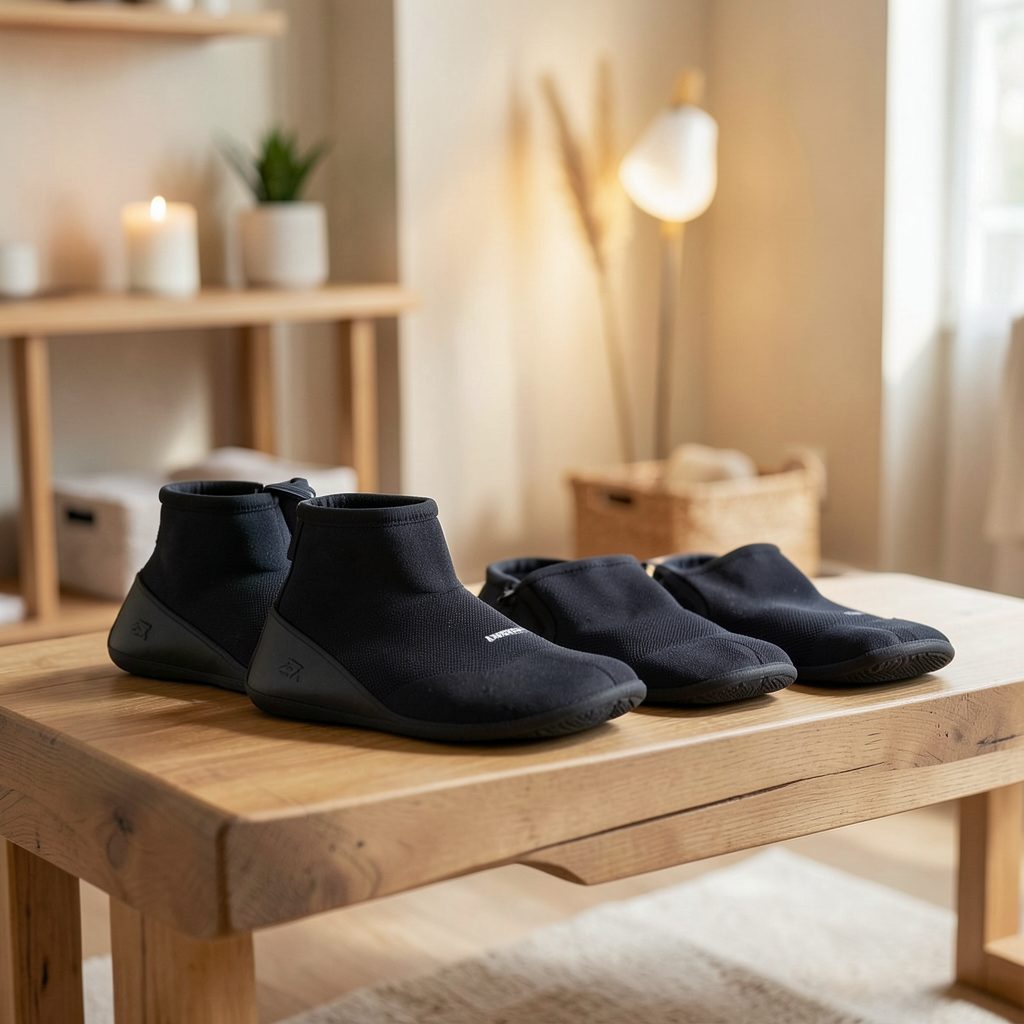
Normatec boot recovery and cryotherapy treatments help athletes bounce back faster. Cycle and spin classes add a cardio dimension to the holistic performance approach.
Have a Question?