Train. Compete. Recover.
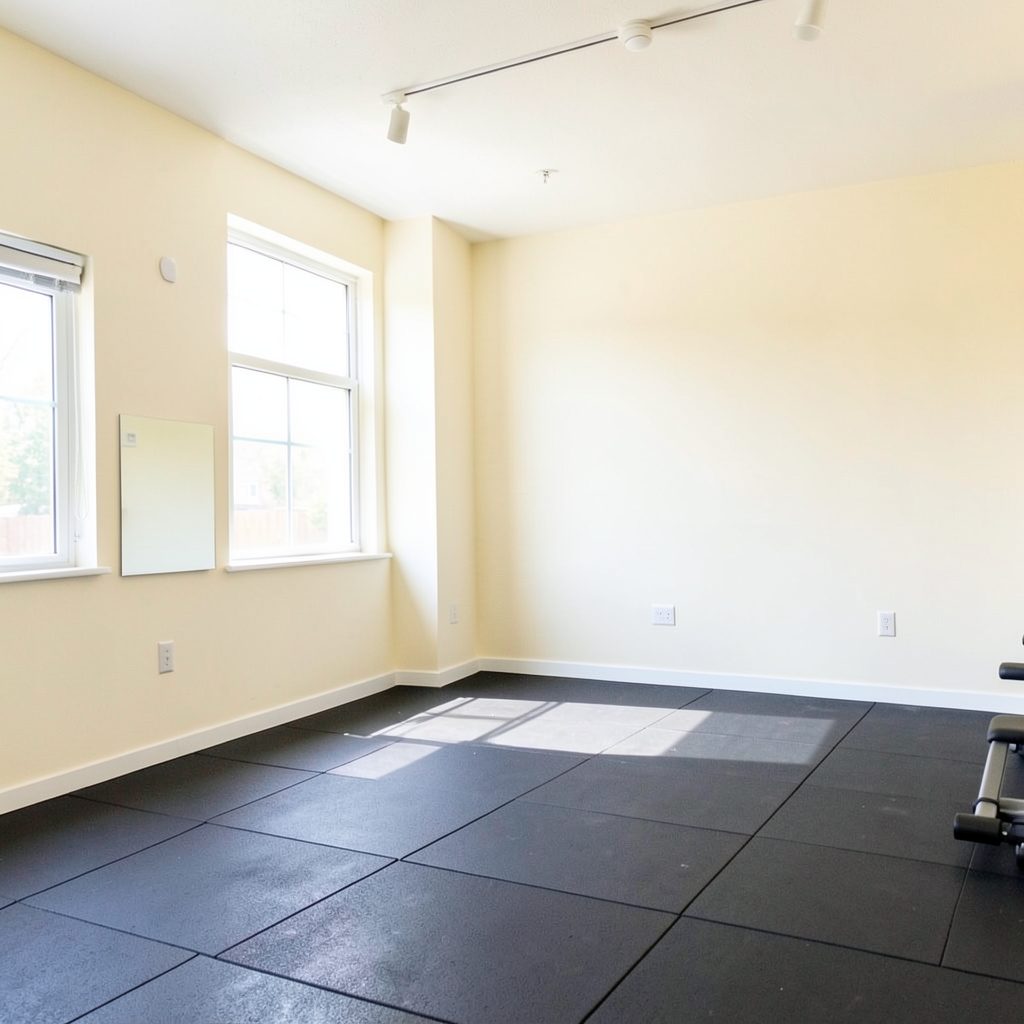
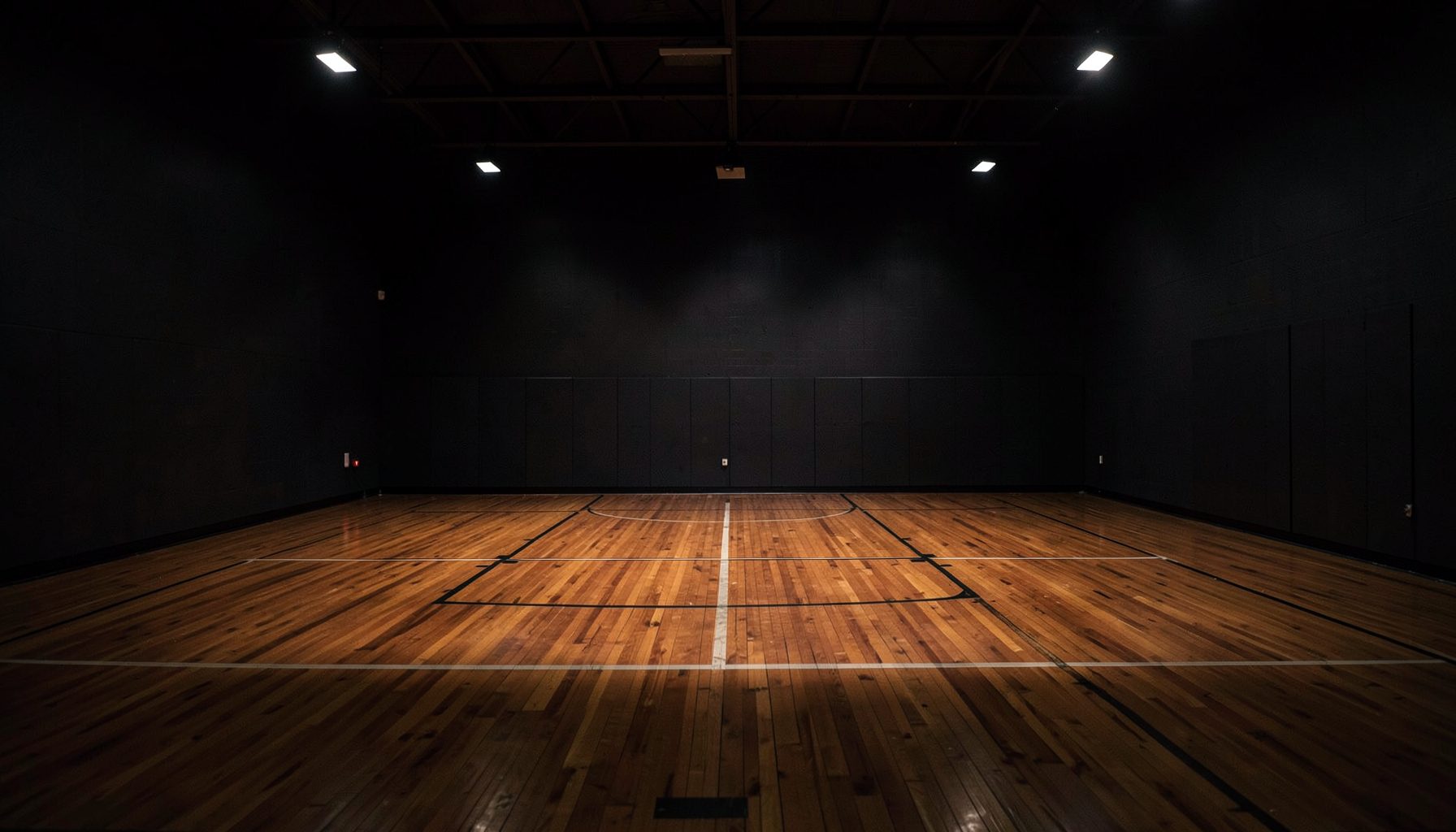
A multi-purpose athletic facility in Speedway, Indiana — basketball leagues, skill training, and wellness services all under one roof.
The Factory D1 Indy brings together three entities under one roof: competitive basketball leagues for all age groups, individual and group training, and wellness & recovery services including Normatec boot recovery and cryotherapy. Located off I-465 and High School Road at 6331 Crawfordsville Road, Speedway, Indiana 46224.
Get In TouchLand Safely After Every Basketball Jump Shot
A jump shot should finish with control, not a hard, twisting impact. The way your feet meet the floor affects the knees, ankles, hips and lower back, particularly when you shoot repeatedly during a long training session or competitive game.
Good landing mechanics help spread force through the whole lower body. Rather than allowing one knee to absorb the load, a balanced landing lets the ankles, calves, quadriceps, glutes and hamstrings work together. This matters for young athletes, adult league players and anyone returning to basketball after time away.
Australian players may practise on school courts in Melbourne, outdoor courts in Brisbane or polished indoor floors in Sydney, and each surface can feel different underfoot. Learning a reliable landing pattern gives you a safer foundation wherever you train, including during busy summer basketball seasons.
| Landing habit | Likely effect | Better movement cue | Useful drill |
|---|---|---|---|
| Stiff, straight-legged landing | Sends a sharp force into the knees | “Land softly with bent knees” | Low jump and stick |
| Landing on one foot | Creates uneven loading and rotation | “Land on two feet when possible” | Two-foot shot landing |
| Knees collapsing inward | Increases stress around the knee joint | “Track knees over second toes” | Mini-squat with alignment |
| Feet far apart or crossed | Reduces balance and hip control | “Land under your centre” | Rebound landing |
| Looking down immediately | Weakens posture and awareness | “Keep chest tall and eyes up” | Jump, land and hold |
Start With A Balanced Take-Off
Safe landing begins before you leave the ground. Set your feet approximately shoulder-width apart, with the shooting foot slightly ahead if that feels natural. Keep your weight centred through the mid-foot rather than sitting heavily on your heels or pushing excessively onto your toes.
As you bend, allow the hips and knees to flex together. Your torso can lean forward slightly, but avoid folding at the waist. This position gives the glutes and thighs room to contribute when you rise and prepares your body to absorb force when you come down.
A rushed take-off often produces a rushed landing. Before shooting at game speed, rehearse the sequence slowly: load through both legs, extend smoothly, release the ball, then prepare to return to the floor with your body stacked and controlled.
Let The Ankles, Knees And Hips Share The Load
When your feet touch down, aim for a quiet landing. The ankles should soften, the knees should bend, and the hips should move back slightly. Think of lowering into a shallow athletic stance rather than dropping onto rigid legs.
Your knees should generally point in the same direction as your toes. They do not need to remain perfectly still, but they should not buckle sharply towards each other. Strong hip control helps keep the thigh and knee aligned during the first part of impact.
The best knee-friendly landing is rarely dramatic. You may notice a small amount of ankle and knee flexion, followed by a stable hip position and an even distribution of weight across both feet. This is especially important when shooting from range, where players can drift forward or sideways.
Land On Two Feet Whenever The Shot Allows
A two-foot landing is usually easier to control after a stationary or balanced jump shot. Try to land with both feet underneath your body, or with a small, natural forward movement. Avoid reaching one foot far ahead and allowing the other leg to trail behind.
Landing on one foot is sometimes unavoidable in a crowded game. A defender may make contact, or momentum may carry you towards the basket. In those moments, keep the landing knee softly bent, let the hip absorb some movement, and avoid twisting while the foot is fixed to the floor.
Do not force an unnaturally wide stance. Feet that are too far apart can make it difficult to control the pelvis, while crossed feet can create a sudden rotational load. A stable base should feel athletic and ready for the next pass, rebound or defensive transition.
Control Forward And Sideways Drift
Jump shooters often travel forward, especially when moving from a catch into a quick release. A little forward drift is normal, but excessive movement can place the feet well in front of the hips. This makes the landing less stable and can increase braking forces through the knees.
Practise landing inside an imaginary corridor. If you begin near the three-point line, try to finish within a small area rather than leaping several feet towards the basket. Your coach can place floor markers down to give you a clear target without making the exercise complicated.
Sideways drift needs similar attention. When fading or stepping away from a defender, land with your chest and hips facing the direction of travel as much as possible. Avoid allowing the lower leg to rotate sharply while the shoe grips the court.
Build The Pattern With Simple Drills
Start with a low-intensity jump-and-stick drill. Rise only a few centimetres, land on two feet, bend softly and hold the position for two or three seconds. Check that your knees track over your feet and that your weight feels even on both sides.
Progress to a jump shot from close range. Make the landing quiet, hold it briefly, then reset before taking another attempt. This pause removes the rush to chase a rebound and gives you time to notice whether you are drifting, collapsing inward or landing too stiffly.
Once the movement is reliable, add a pass, a close-out, a defender or a timed shooting block. Australian junior players moving between school basketball, local associations and weekend tournaments can use this progression instead of jumping straight into high-volume shooting.
Strength And Mobility Support Better Landings
Landing technique improves when the supporting muscles can manage repeated force. Calf raises, split squats, step-downs, glute bridges and controlled lateral movements can build useful capacity. Perform them with steady alignment rather than chasing heavy loads or fast repetitions.
Ankle mobility also matters. If the ankle cannot move forward comfortably, the body may compensate by lifting the heel, turning the foot out or allowing the knee to move unpredictably. A qualified coach or sports physiotherapist can assess whether mobility, strength or coordination is limiting your landing.
Conditioning should reflect the demands of basketball. A player preparing for a fast-paced competition in Perth or a social league in Adelaide may benefit from short repeated efforts, deceleration practice and recovery between sets. Track how your legs respond rather than treating every session as a test of maximum volume.
For players who enjoy monitoring training load, a simple sports watch can help record session duration and heart rate; a comparison of classic running watches may be useful when choosing older, practical devices. Data cannot replace movement quality, but it can reveal when fatigue is making your landings less consistent.
Adjust Practice When Fatigue Or Pain Appears
Landing skills often deteriorate before a player notices obvious tiredness. The feet may become noisy, the knees may drift inward, or the torso may lean further forward. Reduce the number of jumps, extend your rest period and return to controlled repetitions when this happens.
Pain is a signal to respect, particularly swelling, sharp knee pain, locking, giving way or discomfort that persists after training. Stop the activity and seek advice from a sports physiotherapist or medical professional. Do not attempt to correct a painful landing by simply jumping harder or changing footwear without assessment.
A well-rounded facility can support the full process from skill development to conditioning and recovery. The Factory D1 Indy facility combines basketball training with broader athletic services, a useful model for athletes who need practice, competition and recovery to work together.
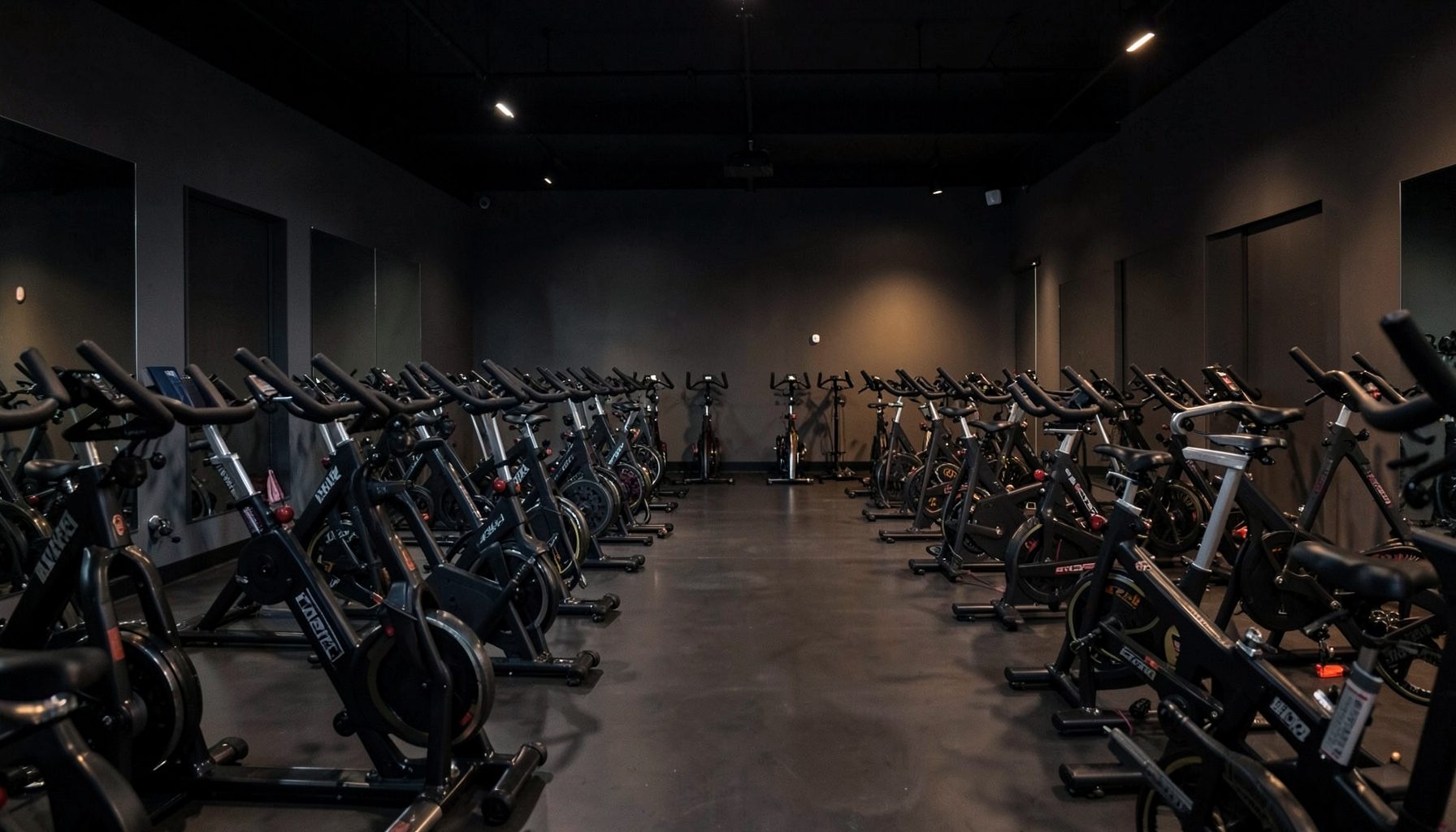
Recovery habits also influence the next session. Sleep, hydration, sensible training volume and gradual progression all help the lower body cope with jumping. Low-impact cycling can provide conditioning with less landing repetition, and cycle and spin classes offer one option for building cardiovascular fitness when your knees need a break from court work.
Use the landing sequence every time you shoot: feet prepared, knees and hips soft, weight balanced, knees tracking with the toes, and body ready for the next action. Add the jump-and-stick drill to warm-ups, film a few repetitions from the side and front, and seek qualified coaching if your form changes under pressure. Consistent practice turns a safe landing into an automatic part of your shot.
Inside The Factory
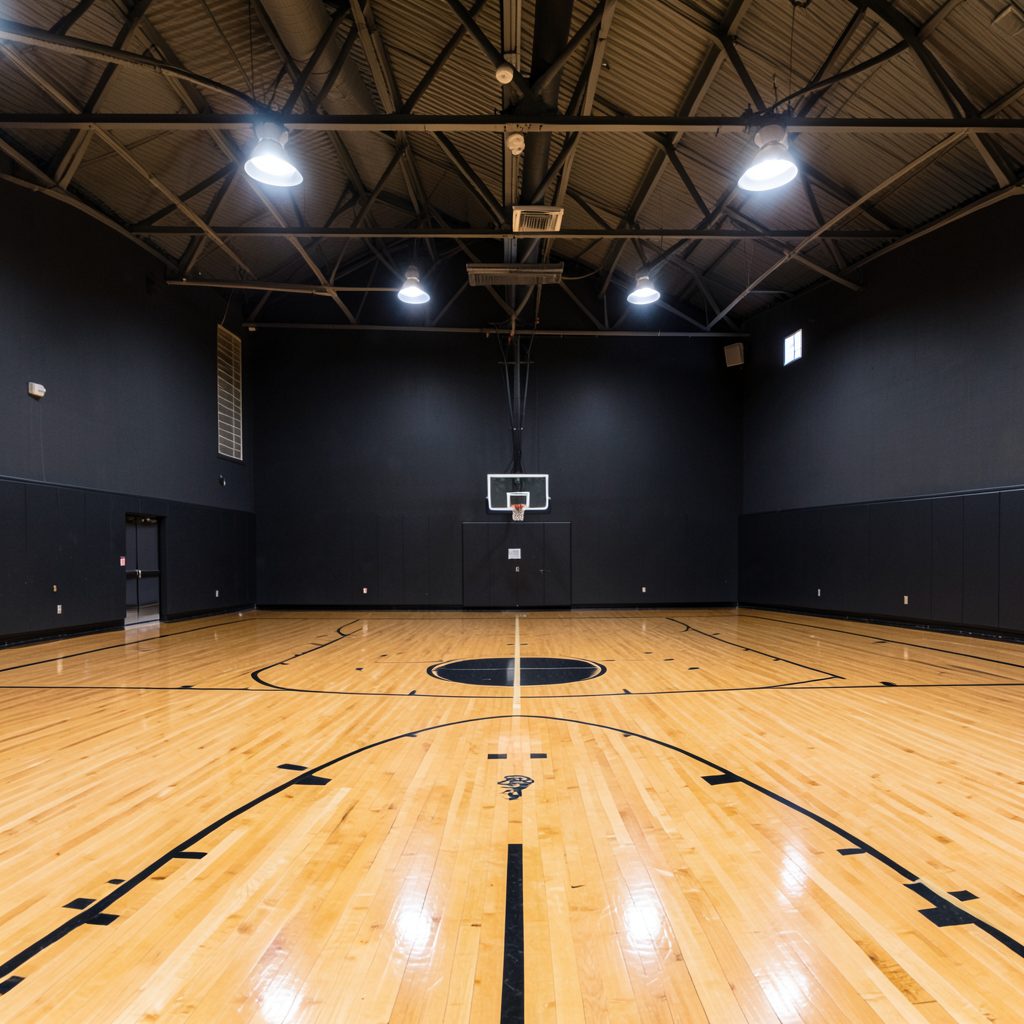

Three Entities, One Roof
Leagues
Eight league divisions span every age group: Indy Pro AM, 18+ Open Men's, 30+ Men's, Bite Size (ages 3–6), Impact League, 5th/6th Grade, Middle School, and High School. Gather your team and compete.
Training
Individual and group basketball training for all skill levels. Major M.O.V.E.S. Basketball Training serves ages 4–7 on Wednesday and Thursday evenings at 6:30 PM — $30 per session or $100 unlimited monthly.
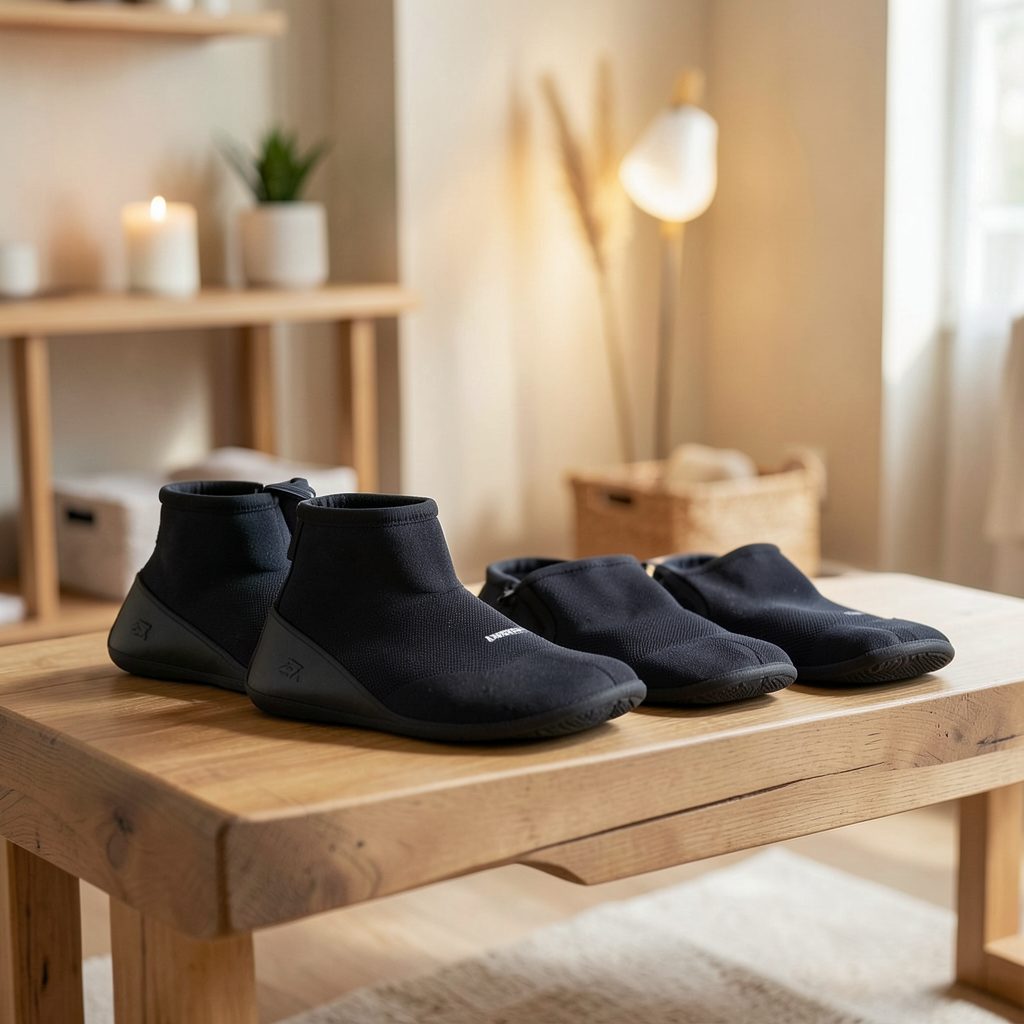
Wellness & Recovery
Normatec boot recovery and cryotherapy treatments help athletes bounce back faster. Cycle and spin classes add a cardio dimension to the holistic performance approach.
Have a Question?