Train. Compete. Recover.
A multi-purpose athletic facility in Speedway, Indiana — basketball leagues, skill training, and wellness services all under one roof.
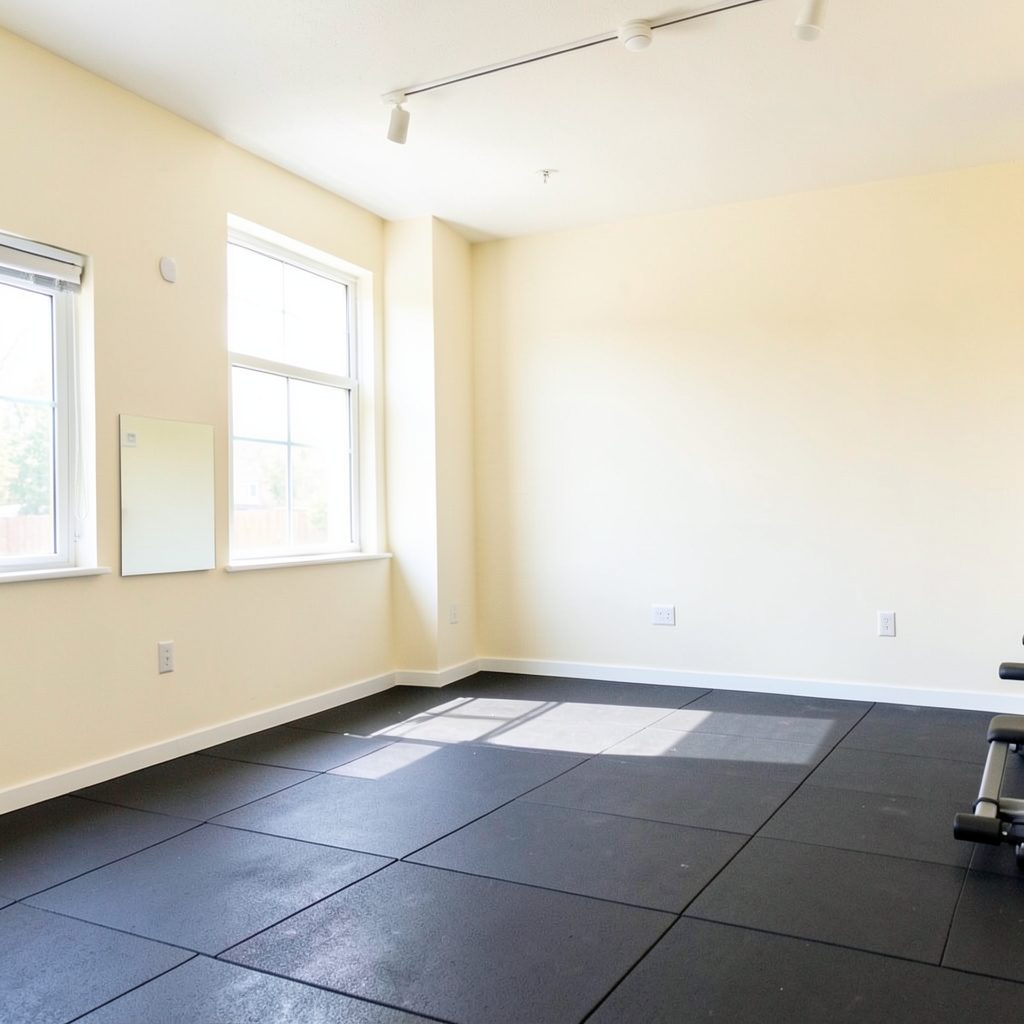
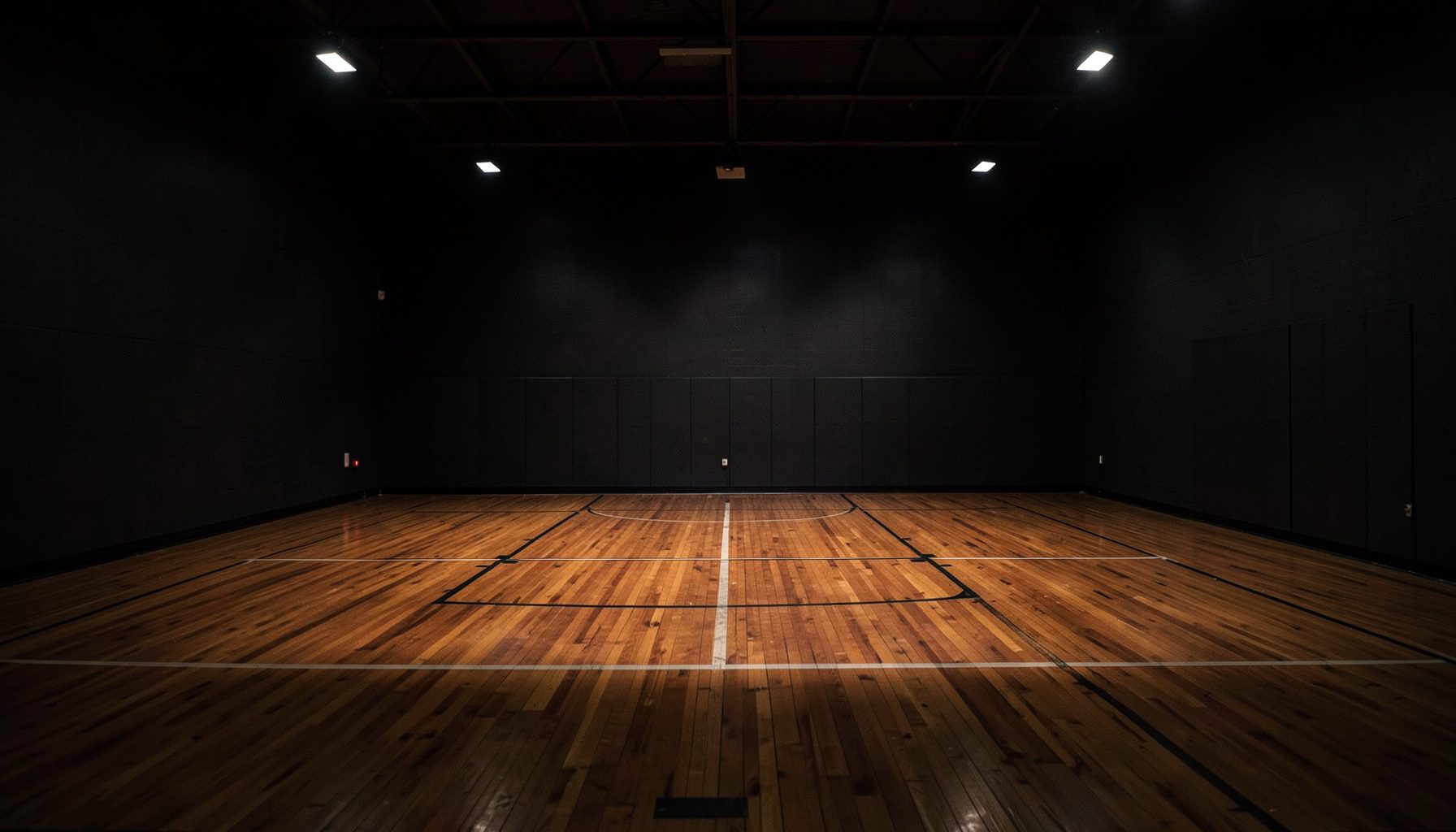
The Factory D1 Indy brings together three entities under one roof: competitive basketball leagues for all age groups, individual and group training, and wellness & recovery services including Normatec boot recovery and cryotherapy. Located off I-465 and High School Road at 6331 Crawfordsville Road, Speedway, Indiana 46224.
Get In TouchAnkle prehabilitation for safer basketball performance
Basketball demands repeated jumping, landing, cutting and sudden changes of direction. Each action places considerable stress on the ankle, particularly when an athlete lands on another player’s foot or tries to stop sharply on a crowded court. A rolled ankle can remove a player from training for days or weeks, while repeated sprains may lead to ongoing pain, stiffness and reduced confidence.
Ankle prehabilitation offers a practical way to prepare the joint before an injury occurs. It combines mobility, balance, strength and movement control so athletes can respond more effectively to the unpredictable demands of the game. For players in Australia, where school competitions, weekend tournaments and long travel between fixtures are common, a short routine can support consistent participation throughout the season.
Why ankle preparation matters
The ankle must be mobile enough to absorb force and stable enough to control the foot during rapid movement. If the calf is tight, the foot lacks strength or balance reactions are slow, a player may compensate through the knee, hip or lower back. These small weaknesses often become more obvious when fatigue sets in during the final quarter.
A previous ankle sprain is one of the clearest warning signs. Ligaments may heal enough for normal walking while the athlete still has reduced proprioception, which is the body’s awareness of joint position. Without restoring that awareness, a player can place the foot awkwardly during a rebound or defensive slide and suffer another injury.
This is especially relevant for young basketballers whose coordination and strength are still developing. Growth-related changes can affect balance, flexibility and landing technique. Coaches and parents should treat recurring soreness, swelling or hesitation as reasons for assessment rather than expecting an athlete to simply play through it.
The building blocks of a prehabilitation routine
A useful routine begins with controlled mobility. Ankle circles, knee-to-wall movements and gentle calf raises can help athletes explore their available range before loading the joint. Mobility work should feel purposeful rather than forced; aggressive stretching before explosive activity may leave the ankle feeling less responsive.
Strength exercises then give the joint greater support. Single-leg calf raises, resisted ankle movements and slow heel drops train the muscles around the ankle and lower leg. Progression matters: an athlete might start with two-leg exercises, move to single-leg work and eventually add load, speed or an unstable surface under professional guidance.
Balance training develops the rapid adjustments needed on court. Standing on one leg, reaching in different directions and catching a ball while balancing can make the exercise more specific to basketball. Athletes can progress from a stable floor to foam, or from eyes open to brief eyes-closed work, provided technique remains controlled.
Teaching better landing and cutting mechanics
Ankle injury prevention is closely connected to how an athlete lands. A quiet landing with the knees tracking over the feet, hips flexed and chest controlled helps distribute force through the body. Players should practise landing from a small jump before moving to rebounds, lay-ups and contested catches.
Coaches can use simple cues such as “land softly,” “knees over toes” and “own the landing.” The goal is not to create a rigid posture but to improve awareness and control. Video feedback can reveal whether a player’s foot rolls excessively, the knee collapses inward or the body drifts too far to one side.
Cutting drills should begin at low speed. A player can practise planting, lowering the centre of gravity and pushing away from the outside foot before adding defensive pressure or a live opponent. This gradual exposure helps athletes develop confidence while reducing the temptation to make uncontrolled movements when the pace rises.
For athletes travelling from suburbs around Melbourne, Sydney or Brisbane to weekend tournaments, a brief movement session at the venue can be valuable. Long car trips, unfamiliar courts and limited warm-up space can make the first few possessions particularly risky. Arriving early allows players to inspect the surface and rehearse their movement patterns.
Making warm-ups specific to the athlete
A general warm-up raises body temperature, but an effective basketball warm-up also prepares the actions an athlete will perform. Light jogging, skipping and lateral movement can be followed by ankle mobility, balance work and progressive jumping. The final stage should resemble the game without exhausting the player.
The routine should reflect age, playing level and injury history. A child in an introductory programme may need simple single-leg balance and landing games, while an adult competing in a demanding NBL1 or local association schedule may require loaded strength work and repeated-change-of-direction drills. A sports physiotherapist can adjust exercises after an ankle sprain, fracture or surgery.
Footwear deserves attention as well. Basketball shoes should fit securely, provide suitable traction and be replaced when the sole or midsole has lost useful support. Australian players moving between indoor courts and outdoor concrete surfaces may need different footwear choices. Court dust, wet conditions and worn surfaces can alter grip, so athletes should avoid treating equipment as a substitute for sound movement preparation.
Training load is another important factor. A sudden increase in games, jumping volume or conditioning can expose weaknesses that were manageable during lighter weeks. School holiday camps and tournament blocks are common times for this spike. Coaches can monitor soreness, recovery and total court time, then build intensity progressively rather than adding several demanding sessions at once.
Supporting recovery and long-term consistency
Prehabilitation works best when it is repeated regularly instead of reserved for the days after an injury. Ten minutes before training, two short strength sessions each week and sensible recovery habits can create a dependable foundation. The exercises should be simple enough to complete at home, in a gym or beside the court.
Recovery includes sleep, nutrition and attention to early symptoms. Persistent swelling, sharp pain, instability or a noticeable change in running technique warrants assessment by a qualified health professional. Compression therapy and other recovery services may support comfort after heavy training, but they do not replace rehabilitation, progressive strength or medical evaluation.
Facilities that combine skills coaching, leagues and recovery services can make this process easier to maintain. Athletes and families can explore basketball education and training ideas through the digital magazine, then discuss suitable movements with their coach or clinician. The Factory D1 Indy’s multi-purpose model reflects a useful approach: performance, competition, conditioning and recovery should work together rather than exist as separate activities.
Australian athletes can also adapt the routine to local schedules and conditions. A player in Perth may manage long travel between competitions, while a Brisbane athlete may train in humid weather and need extra attention to hydration. In regional areas, where specialist appointments may require greater planning, learning safe foundational exercises from a qualified professional can help maintain continuity between visits.
Building ankle resilience does not require complicated equipment or lengthy sessions. It requires consistency, appropriate progression and honest communication about pain or instability. Players who prepare their ankles, practise controlled landings and manage their workload are better placed to train reliably, compete with confidence and return safely after interruptions.
Add a focused ankle prehabilitation sequence to the next basketball warm-up, review technique with a qualified coach or physiotherapist, and track how the ankles respond across the week. Small, repeatable actions can help protect a season, support better movement and keep athletes involved in the game they enjoy.
Inside The Factory

Three Entities, One Roof
Leagues
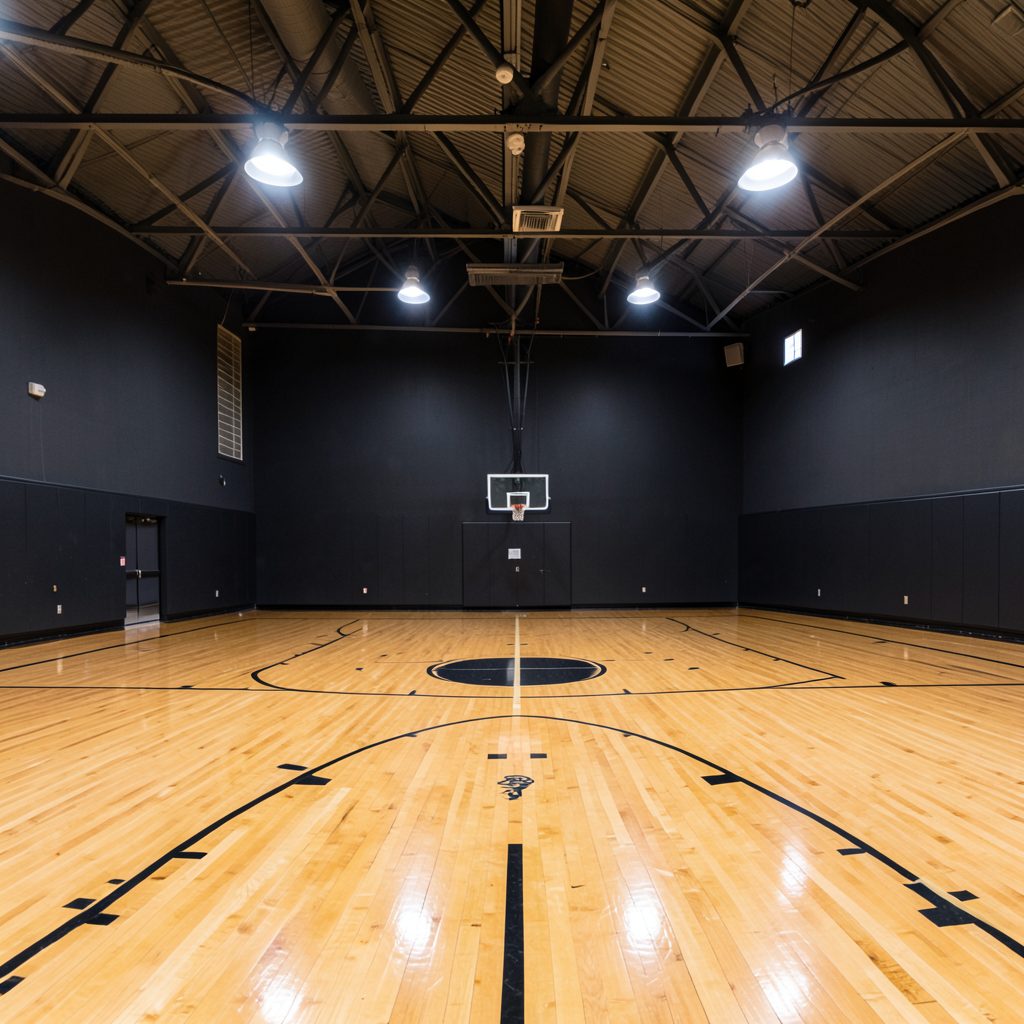
Eight league divisions span every age group: Indy Pro AM, 18+ Open Men's, 30+ Men's, Bite Size (ages 3–6), Impact League, 5th/6th Grade, Middle School, and High School. Gather your team and compete.
Training
Individual and group basketball training for all skill levels. Major M.O.V.E.S. Basketball Training serves ages 4–7 on Wednesday and Thursday evenings at 6:30 PM — $30 per session or $100 unlimited monthly.
Wellness & Recovery
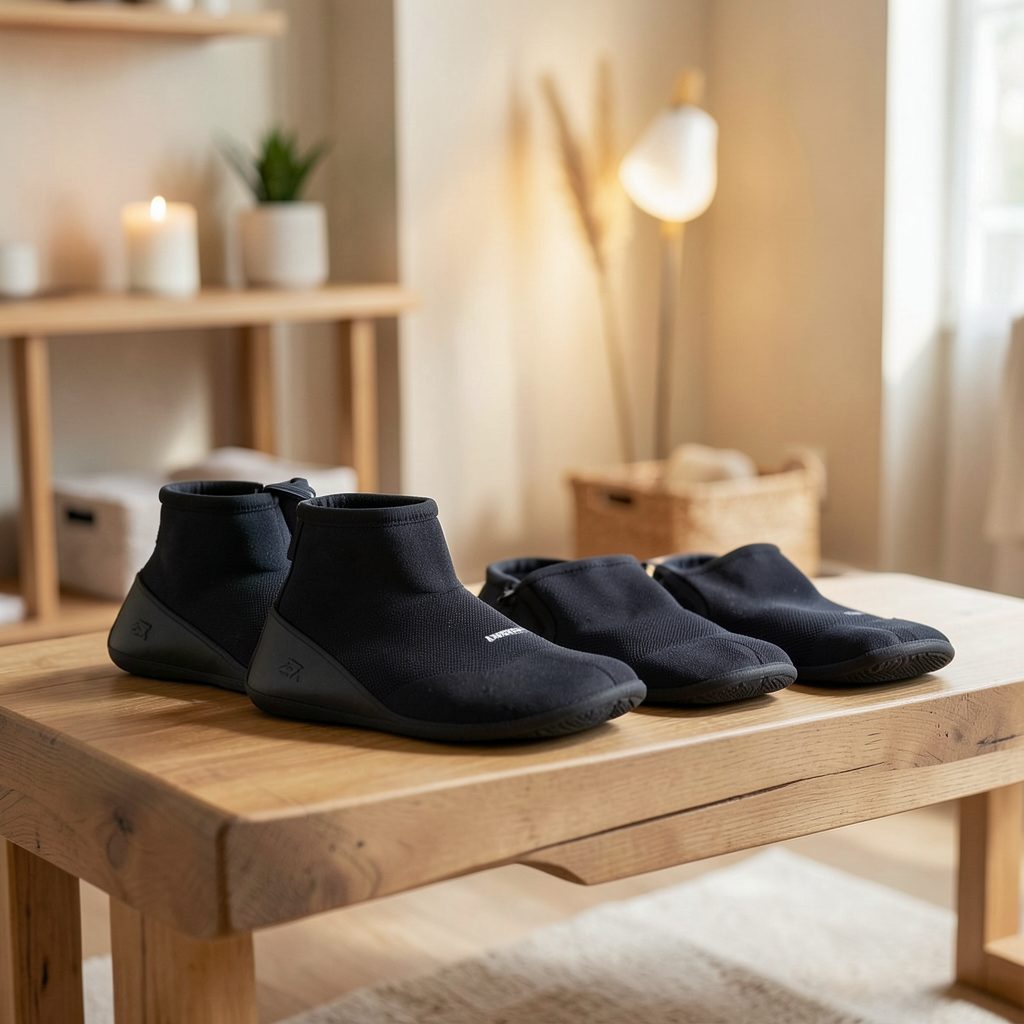
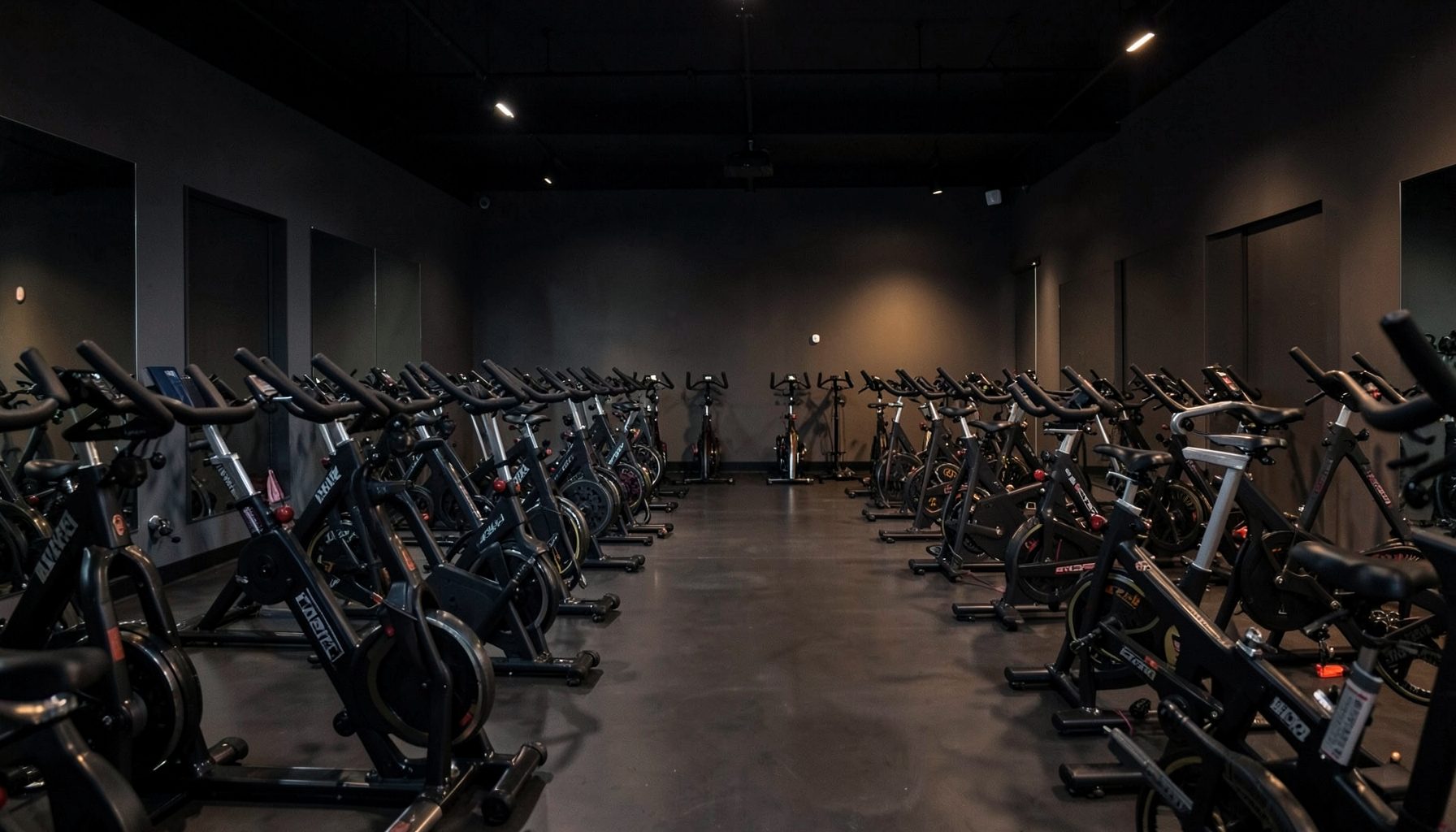
Normatec boot recovery and cryotherapy treatments help athletes bounce back faster. Cycle and spin classes add a cardio dimension to the holistic performance approach.
Have a Question?