Train. Compete. Recover.
A multi-purpose athletic facility in Speedway, Indiana — basketball leagues, skill training, and wellness services all under one roof.
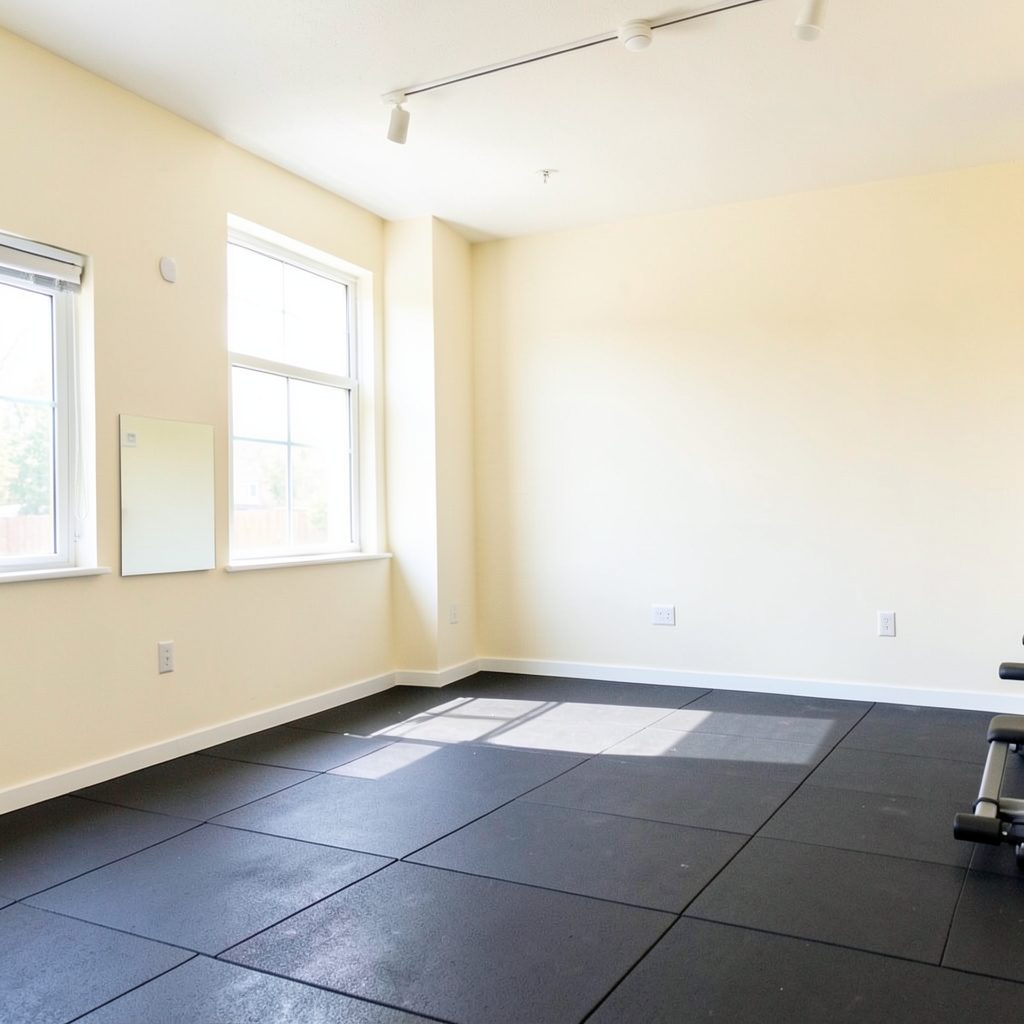
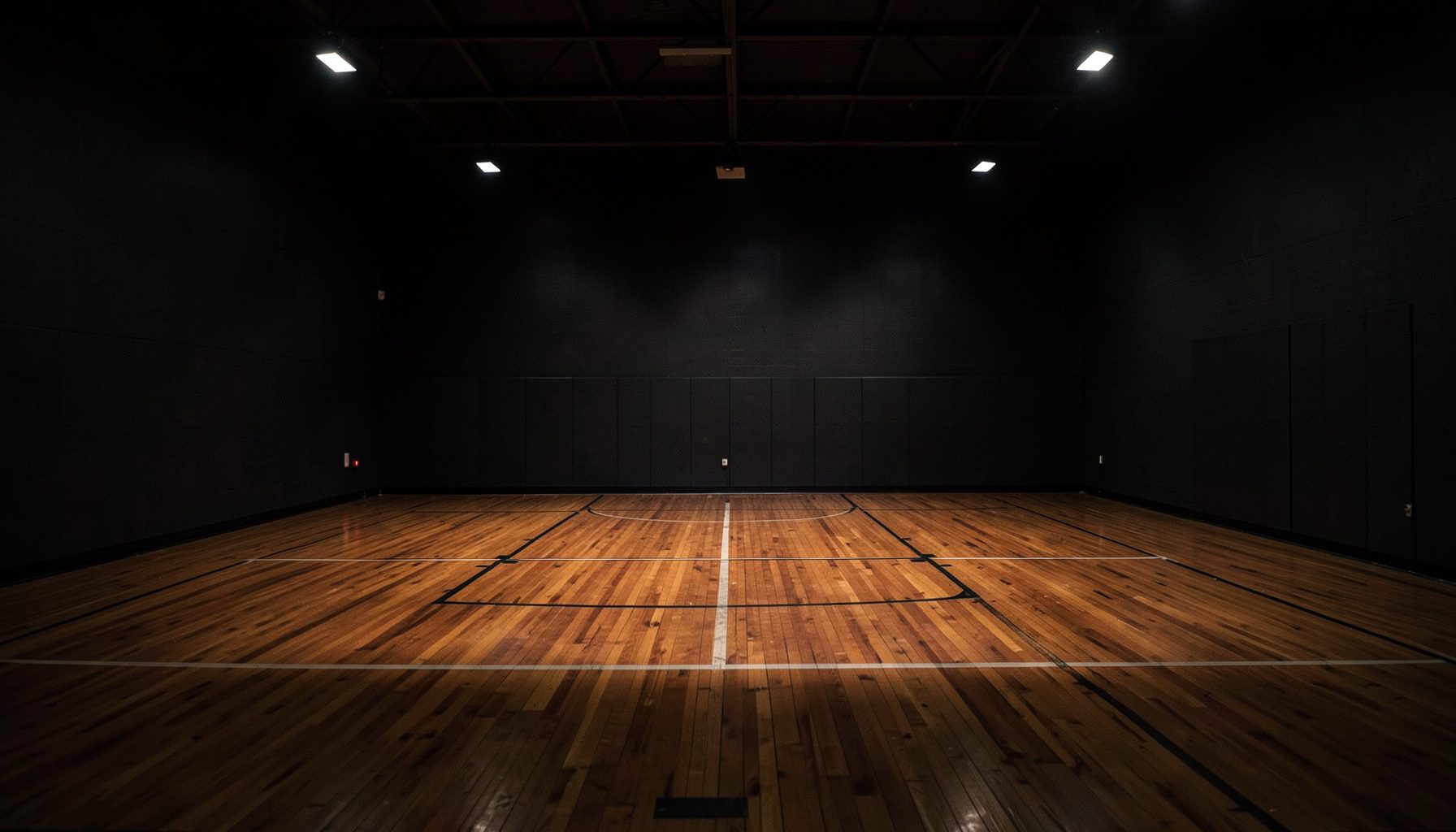
The Factory D1 Indy brings together three entities under one roof: competitive basketball leagues for all age groups, individual and group training, and wellness & recovery services including Normatec boot recovery and cryotherapy. Located off I-465 and High School Road at 6331 Crawfordsville Road, Speedway, Indiana 46224.
Get In TouchWhy hydration matters before, during and after cryotherapy
Cryotherapy has shifted from a niche recovery tool into a mainstream wellness routine across Australian cities. From Bondi to Brisbane's New Farm, busy professionals step into whole-body chambers after long commutes, and weekend warriors book sessions alongside physiotherapy appointments. The Factory D1 Indy has watched this trend accelerate, particularly among basketball players wanting to bounce back faster between training blocks and league fixtures.
The science behind cold exposure hinges on vasoconstriction, lowered tissue temperature and a temporary reset of inflammatory pathways. None of that works well when the body is dehydrated. Water makes up roughly 60 percent of adult body mass and plays a central role in blood volume, electrolyte balance and the cellular exchanges that allow tissues to respond to thermal stress. Even a two percent drop in body weight through fluid loss can impair circulation, blunt recovery and change how a person feels stepping out of a chamber at minus 130 degrees Celsius.
Thoughtful fluid intake around a cryotherapy visit changes the experience from bracing to genuinely restorative. Athletes and everyday users who plan their hydration tend to report clearer heads, less light-headedness and a faster return to baseline warmth. What follows covers what to drink, when to drink it and how to tune the routine to the realities of training in Australia.
How cold exposure changes fluid balance
Whole-body cryotherapy triggers a cascade of physiological responses that directly affect hydration. When skin temperature plummets, peripheral blood vessels constrict and blood is redirected toward the core to protect vital organs. This shift raises central blood pressure briefly and prompts the kidneys to adjust fluid regulation through hormonal signals. People often notice they need to urinate shortly after a session, which reflects this fluid shift rather than a reason to skip water beforehand.
Electrolytes also come into play. Sodium and potassium help nerves fire and muscles contract, and both are sensitive to the rapid temperature changes cryotherapy induces. A body running low on these minerals is more likely to experience cramping, dizziness or prolonged shivering after exiting the chamber. Sweat produced during the warm-up before a session carries additional sodium out of the system, and that loss needs to be replaced strategically rather than casually.
Australian users should be mindful of cumulative fluid loss across a training day. A player who completes a skills session in Sydney's heat, drives across town and arrives for cryotherapy is already operating from a depleted fluid reserve. Adding cold exposure on top of that deficit amplifies cardiovascular strain. Reminding athletes to weigh themselves before and after intense training blocks and translating those numbers into specific litre targets before stepping into recovery has become common practice at competitive venues.
Pre-session hydration strategies
The two to four hours before a cryotherapy appointment is the most valuable hydration period. Drinking 500 to 700 millilitres of water across that timeframe gives the kidneys time to process the fluid and stabilises plasma volume. Chugging a litre right before stepping into the chamber tends to backfire, leaving people uncomfortable and distracted by a full bladder during the two to three minute exposure.
Adding a light electrolyte source makes the fluid more usable. Coconut water, oral rehydration solutions sold in Australian chemists, or a pinch of sea salt in plain water can all help. Many enjoy sipping an electrolyte drink while sitting in a Melbourne café waiting for their appointment. Avoiding alcohol and heavily caffeinated drinks in the hours beforehand also matters, since both act as diuretics and undermine the fluid you are trying to keep.
Food choices contribute as well. A small snack containing water-rich produce such as watermelon, cucumber or oranges adds meaningfully to overall fluid intake while delivering potassium and natural sugars that support circulation when the body shifts into cold stress. Walking into a session well fuelled and well hydrated turns the experience into a recovery tool rather than a physiological shock.
During the cryotherapy window
Whole-body cryotherapy sessions typically run between two and four minutes, which limits what can be consumed during the exposure itself. Most facilities discourage eating or drinking inside the chamber, both for safety and because the cold air makes swallowing difficult. Hydration during the session therefore means arriving hydrated rather than trying to catch up in real time.
Some Australian clinics allow clients to sip water in the preparation room before entering, particularly for first-time users who feel anxious about the cold. This small gesture helps settle nerves and keeps the mouth from drying out, a common complaint in heavily air-conditioned spaces. Wearing minimal clothing, typically shorts and a sports bra or singlet, also reduces sweating and unnecessary fluid loss in the moments before exposure.
Mental preparation matters as much as physical hydration. Breathing exercises that emphasise slow exhales help the body stay calm, which in turn keeps heart rate and blood pressure from spiking. People who walk in jittery and tense often exit feeling more drained than they should, simply because their nervous system worked overtime during the brief window. Calm breathing paired with adequate fluid intake sets up a more comfortable return to baseline warmth afterwards.
After the session: rebuilding fluid stores
The first 30 minutes after exiting the cryotherapy chamber are when rehydration pays off most. Blood vessels begin to dilate as the body warms, and the circulatory system benefits from readily available fluid. Drinking 300 to 500 millilitres of water or an electrolyte beverage in this window helps restore plasma volume and supports the lymphatic flush that cold therapy aims to trigger.
A balanced post-session meal further enhances recovery. Many Australian athletes reach for a simple combination of protein, carbohydrates and additional fluids, such as a chicken and salad wrap with a large glass of water, or a smoothie with banana, yoghurt and a scoop of electrolytes. This pairing gives the body the raw materials it needs to repair muscle tissue while replacing minerals lost through sweat and the cold-induced diuretic effect.
Monitoring how you feel across the following 24 hours also tells a story. Lingering fatigue, headaches or dark urine are signals that fluid intake did not quite match the demands of the day. Adjusting the next session's routine by adding an extra 500 millilitres of water across the morning and choosing potassium-rich snacks tends to clear these symptoms quickly. Recovery is rarely about a single appointment, and hydration patterns built over weeks deliver far better results than heroic efforts around one visit.
Climate realities for Australian athletes
Training and competing in Australia brings hydration challenges that athletes in cooler climates rarely face. Summer temperatures in Adelaide, Perth and inland regions regularly push above 40 degrees Celsius, and humidity along the east coast can leave sweat sitting on the skin without evaporating. Both scenarios drain fluid reserves quickly and raise the importance of arriving at cryotherapy already topped up rather than relying on the session to solve dehydration.
Time of year shapes the routine as well. December through February brings peak outdoor competition in many communities, and players often train in non-air-conditioned venues. A two-hour session in those conditions can cost two to three litres of fluid through sweat alone, before factoring in the warm-up beforehand. Winter brings its own challenges, particularly for those training indoors under heated roofs that quietly dehydrate without obvious sweating.
Local habits can help or hinder. Australians love their flat whites and long blacks, and a couple of coffees before a session will quietly cancel out some of the water consumed earlier. Swapping one coffee for a herbal tea, or simply drinking a glass of water alongside each coffee, keeps the fluid balance intact. Carrying a one-litre bottle to training and finishing it before cryotherapy has become a quiet ritual among serious players, turning every minute inside the chamber into productive recovery time.
Tracking hydration with wearable tech
Wearable devices have made it easier to dial in hydration strategies around cryotherapy sessions. Heart rate variability, skin temperature and sleep scores all shift in response to fluid intake, and tracking them provides a feedback loop that pure guesswork cannot match. Reviewing metrics across a training week reveals patterns, such as the dip in recovery scores that arrives after a long gym session, and helps users time their cryotherapy visits for maximum benefit.
For those comparing entry-level and mid-range heart rate monitors, this Beurer PM100 vs PM200 breakdown outlines how app connectivity changes the usefulness of the readings during a training week. Australian suppliers carry both models, and players who travel between cities often appreciate devices that sync seamlessly with multiple phones and watches.
Practical tracking does not require expensive gear. A simple notebook logging fluid intake, session times and how the body felt afterwards builds a useful picture over a month. Pairing those notes with a bathroom scale check before and after intense training blocks adds objective data. The goal is not perfection but awareness, and even small improvements in hydration timing translate into noticeably better outcomes from cryotherapy.
| Strategy | Timing | Best For | Notes |
|---|---|---|---|
| Plain water | 2–4 hours pre-session | General hydration | Avoid large single servings |
| Electrolyte drink | 30–60 minutes pre-session | Sweaty training days | Replace sodium and potassium |
| Coconut water | Post-session | Light recovery | Natural electrolyte source |
| Protein and water meal | 0–60 minutes post-session | Heavy training blocks | Supports muscle repair |
| Herbal tea | Anytime | Coffee replacement | Caffeine-free option |
Players serious about long-term progress at The Factory D1 Indy can secure their spot in upcoming competitions through league registration, where hydration and recovery habits form part of the broader athlete development plan. Bringing a disciplined fluid routine to every training session and every recovery visit turns cryotherapy from a one-time novelty into a reliable edge across a long basketball calendar.
Inside The Factory

Three Entities, One Roof
Leagues
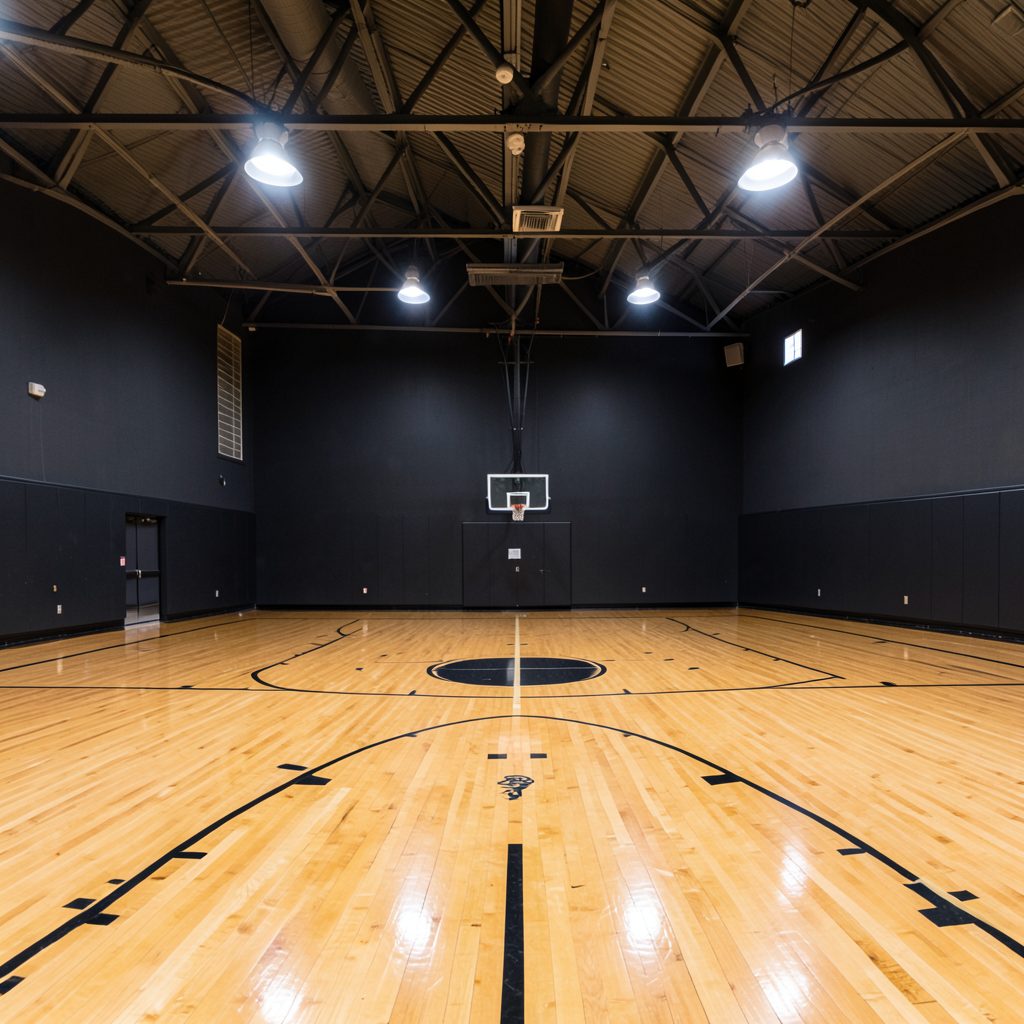
Eight league divisions span every age group: Indy Pro AM, 18+ Open Men's, 30+ Men's, Bite Size (ages 3–6), Impact League, 5th/6th Grade, Middle School, and High School. Gather your team and compete.
Training
Individual and group basketball training for all skill levels. Major M.O.V.E.S. Basketball Training serves ages 4–7 on Wednesday and Thursday evenings at 6:30 PM — $30 per session or $100 unlimited monthly.
Wellness & Recovery
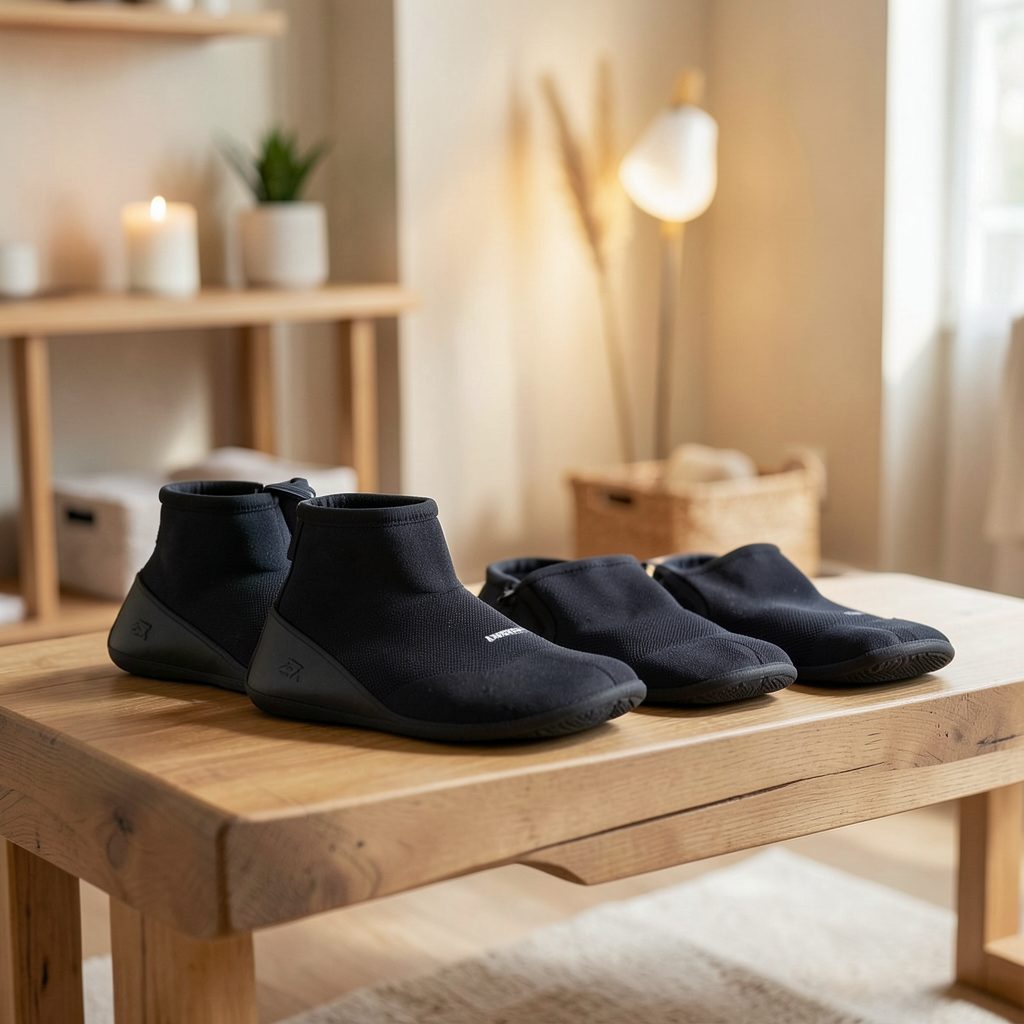
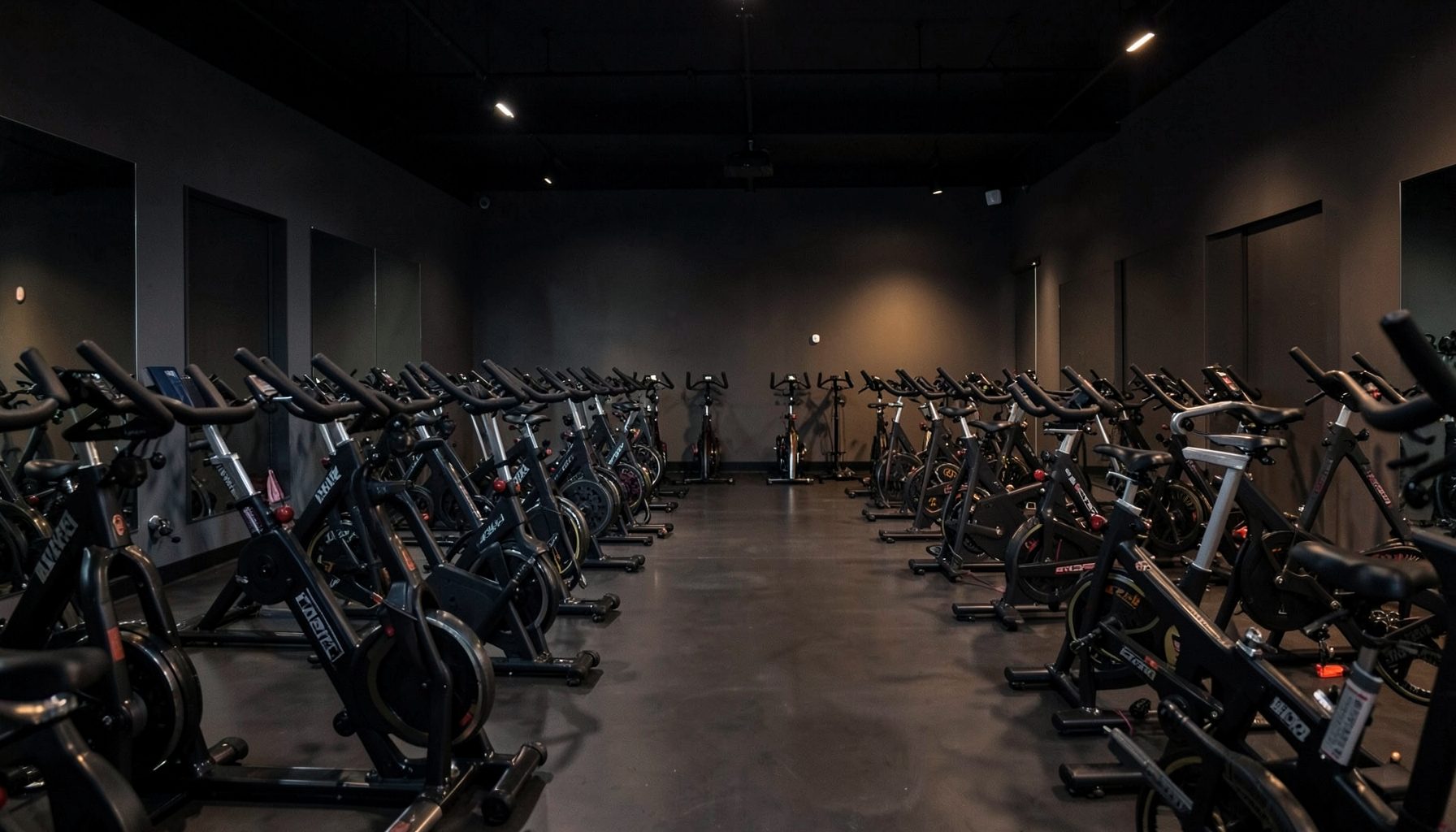
Normatec boot recovery and cryotherapy treatments help athletes bounce back faster. Cycle and spin classes add a cardio dimension to the holistic performance approach.
Have a Question?