Train. Compete. Recover.
A multi-purpose athletic facility in Speedway, Indiana — basketball leagues, skill training, and wellness services all under one roof.
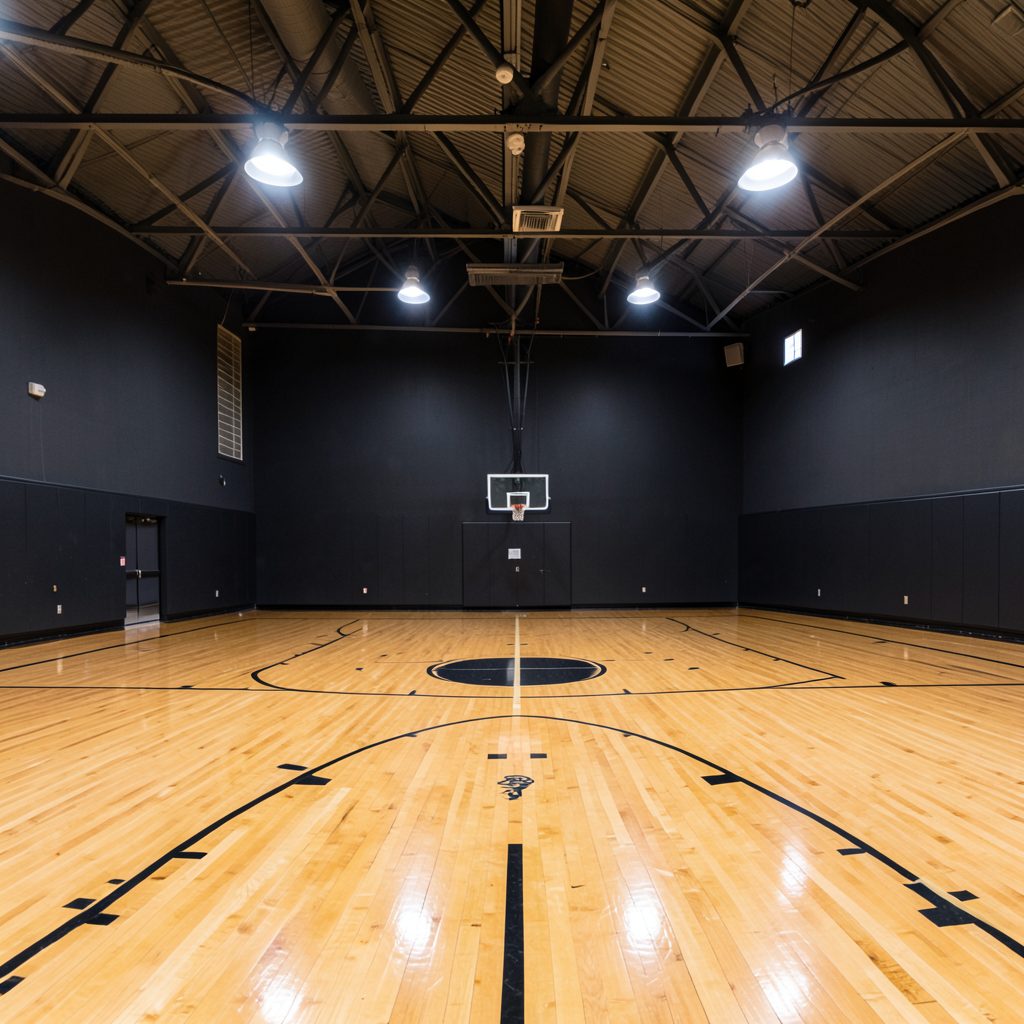
The Factory D1 Indy brings together three entities under one roof: competitive basketball leagues for all age groups, individual and group training, and wellness & recovery services including Normatec boot recovery and cryotherapy. Located off I-465 and High School Road at 6331 Crawfordsville Road, Speedway, Indiana 46224.
Get In TouchLateral Movement Drills for Safer Basketball Movement
Basketball asks athletes to accelerate, stop, pivot and change direction repeatedly. A player may sprint towards the basket, plant one foot to defend, then push sideways in a fraction of a second. Those rapid actions place considerable demand on the adductors, hip flexors and surrounding groin tissues.
Groin pulls are common in basketball because the body must control force in several planes at once. Fatigue, limited hip mobility, poor landing mechanics and sudden increases in training volume can all raise the risk. Lateral movement drills help athletes build the strength, coordination and confidence needed for these demands.
For players in Australia, this preparation fits naturally into club training, school competitions and weekend tournaments. Whether an athlete plays in Melbourne, Sydney, Brisbane or Perth, a few well-designed movement exercises can make warm-ups more specific to the sport and more useful than general jogging alone.
Why Sideways Movement Matters
The groin includes several adductor muscles that draw the leg towards the body and help stabilise the pelvis. During a defensive shuffle, these muscles lengthen under tension while the athlete pushes away from the floor. During a wide lunge or awkward landing, they may have to absorb force quickly.
Straight-line running does not fully prepare the body for this work. An athlete can appear fit while still lacking the strength to brake safely during a lateral cut. Repeated side-to-side actions expose that gap, particularly late in a game when reaction time and muscle control decline.
Basketball players also move sideways while watching the ball, an opponent or the basket. This divided attention makes technique important. Training should teach the body to keep the knees aligned, the hips controlled and the chest stable while the feet respond quickly.
Building A Stronger Movement Base
A sensible progression begins with low-speed exercises. Lateral weight shifts, controlled side lunges and step-outs teach athletes to load one leg without collapsing the knee or twisting the pelvis. The movement should feel smooth, with the foot planted firmly and the toes generally pointing forwards or slightly outwards.
Once basic control is established, athletes can add resistance. A mini-band around the thighs can encourage hip stability during side steps, while a cable or light medicine ball can challenge balance and trunk control. Resistance should support quality movement rather than create excessive fatigue before basketball practice begins.
The Copenhagen plank is another useful exercise for adductor strength. The athlete supports the body on one forearm and one leg while the other leg rests on a bench or partner’s support. Short holds are appropriate initially. Coaches should prioritise alignment and gradual loading, since forcing long holds can irritate the groin instead of preparing it.
Drills That Transfer To The Court
Defensive shuffles are a practical starting point because they resemble common basketball actions. Players should stay low without rounding excessively through the back, take controlled steps and avoid allowing the feet to cross. Begin over a short distance, then increase speed while preserving posture.
Lateral bounds add a stronger demand. The athlete pushes from one leg, travels sideways and lands softly on the opposite leg. The landing should be quiet and stable, with the hip, knee and ankle working together. Holding the landing for one or two seconds helps develop braking control before continuous jumps are introduced.
A useful basketball variation is the shuffle-to-sprint drill. The player shuffles two or three metres, plants the outside foot and accelerates forwards. This mirrors a defender recovering after being beaten or an attacker creating space from a stationary position. Coaches should watch for a sudden inward collapse of the knee, a stiff landing or an overly long first step.
Timing Drills Around Training
Dynamic mobility is usually more suitable before basketball than long static stretches. Athletes can use walking lunges, gentle lateral lunges, hip rotations, marching patterns and progressive shuffles to raise body temperature and rehearse movement. The aim is to prepare the hips and groin without exhausting them.
A warm-up may start with five minutes of easy court movement, followed by mobility and activation exercises. Players can then complete two or three sets of lateral steps, short defensive shuffles and controlled bounds. The final stage should include movements performed at the pace expected in the session.
Strength and conditioning work can take place after skill training or in a separate session, depending on the athlete’s schedule. Junior players in Australian school and club programs may already have several matches each week, so training volume needs to account for weekend competitions, travel and school commitments. A demanding groin session before a tournament can leave the muscles tired when they need to react quickly.
Adjusting For Australian Basketball
Australian athletes often move between indoor stadiums, outdoor courts and school gymnasiums with different surfaces and temperatures. A hot summer session in Brisbane or Perth can increase fluid loss and perceived fatigue, while winter training in Melbourne or Canberra may begin with stiffer muscles. Extra time for a gradual warm-up is sensible when the environment is cold or the athlete has spent hours sitting at school or work.
The local basketball market includes community clubs, private academies, school competitions and state-level pathways. Players may train in a small group one evening, play a domestic game on Saturday and attend a representative session on Sunday. Coaches and parents should consider the total weekly load rather than treating each session as an isolated event.
Facilities that combine court access with conditioning and recovery can support this broader approach. Athletes can review available training and wellness options through facility services, then choose activities that match their age, playing level and current workload. Recovery sessions may be useful after heavy competition, but they do not replace progressive strength training or medical assessment.
Recognising Warning Signs Early
Groin pain may begin as a mild pull during a wide defensive stance, a powerful change of direction or a forceful kick-like movement. Athletes should not assume that pain will disappear simply because they can continue jogging. Altering stride length, avoiding one side or losing confidence during lateral movement can indicate that the area needs attention.
A player with sudden sharp pain, bruising, swelling or difficulty walking should stop and seek assessment from a qualified health professional. Recurring symptoms also deserve a proper evaluation, since the cause may involve adductor weakness, hip joint irritation, lower-back problems or an unsuitable training progression.
Coaches working with children should follow their state or territory’s child-safety requirements, including the relevant Working with Children Check where applicable. Clear reporting procedures and appropriate supervision matter in every program. In Australia, clubs also need to take their duty of care seriously by keeping training environments safe, documenting injuries and following recognised return-to-sport guidance.
Lateral drills are most effective when they form part of a wider plan. Players need adequate sleep, regular meals, hydration during hot conditions and sensible increases in court time. A well-prepared athlete is more likely to maintain efficient movement when the game becomes fast and physically demanding.
Add progressive side-to-side drills to basketball warm-ups and strength sessions, starting with control before speed. Coaches, athletes and families can build a safer routine around screening, technique and gradual loading, while qualified professionals can guide anyone dealing with persistent or worsening groin symptoms.
Inside The Factory

Three Entities, One Roof
Leagues
Eight league divisions span every age group: Indy Pro AM, 18+ Open Men's, 30+ Men's, Bite Size (ages 3–6), Impact League, 5th/6th Grade, Middle School, and High School. Gather your team and compete.
Training
Individual and group basketball training for all skill levels. Major M.O.V.E.S. Basketball Training serves ages 4–7 on Wednesday and Thursday evenings at 6:30 PM — $30 per session or $100 unlimited monthly.
Wellness & Recovery
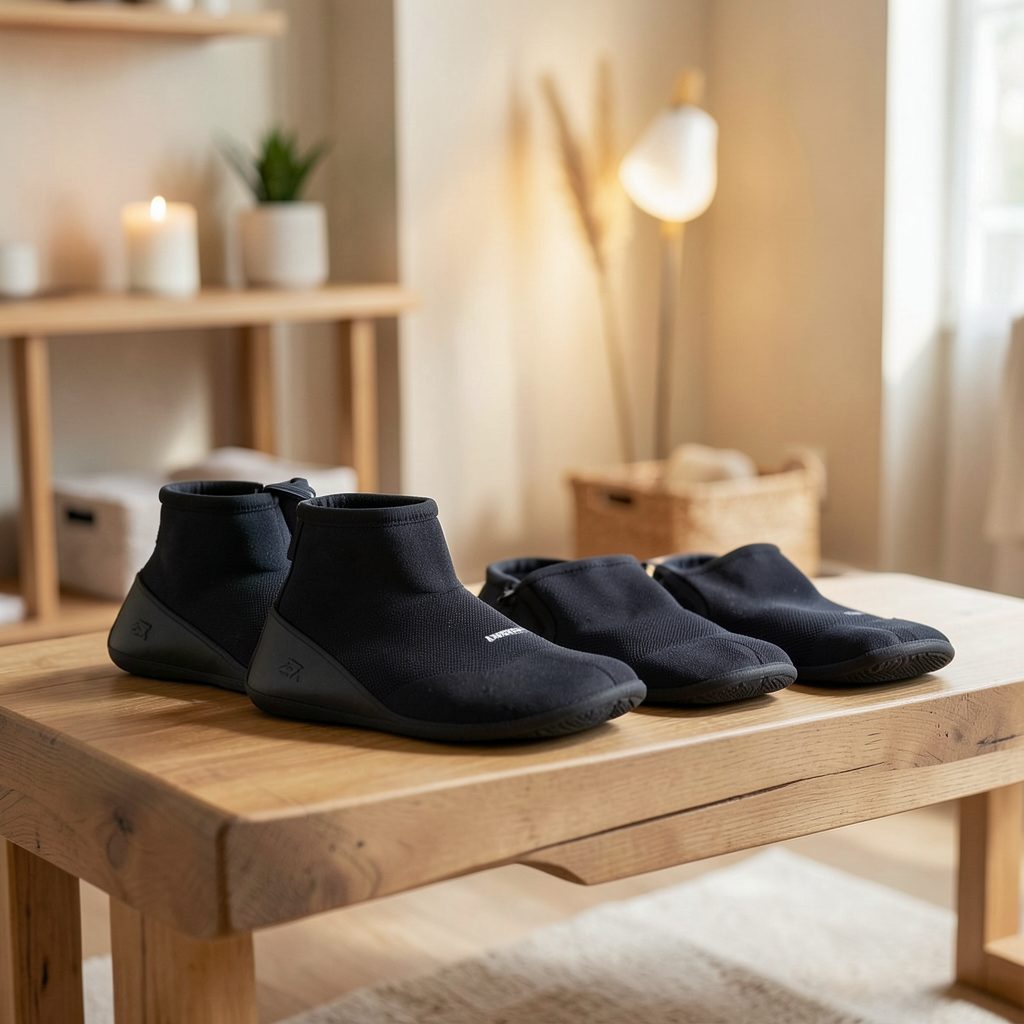
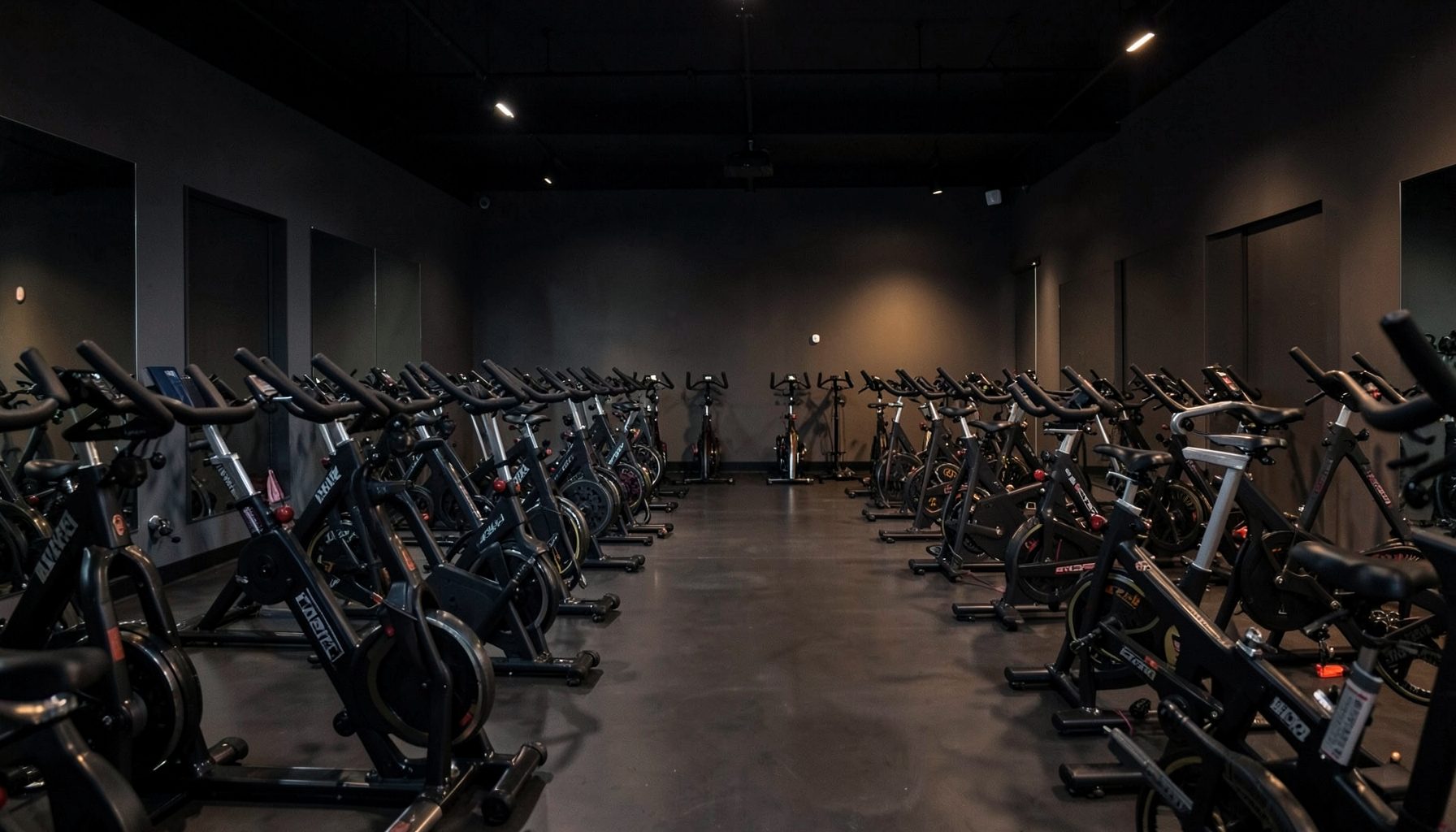
Normatec boot recovery and cryotherapy treatments help athletes bounce back faster. Cycle and spin classes add a cardio dimension to the holistic performance approach.
Have a Question?